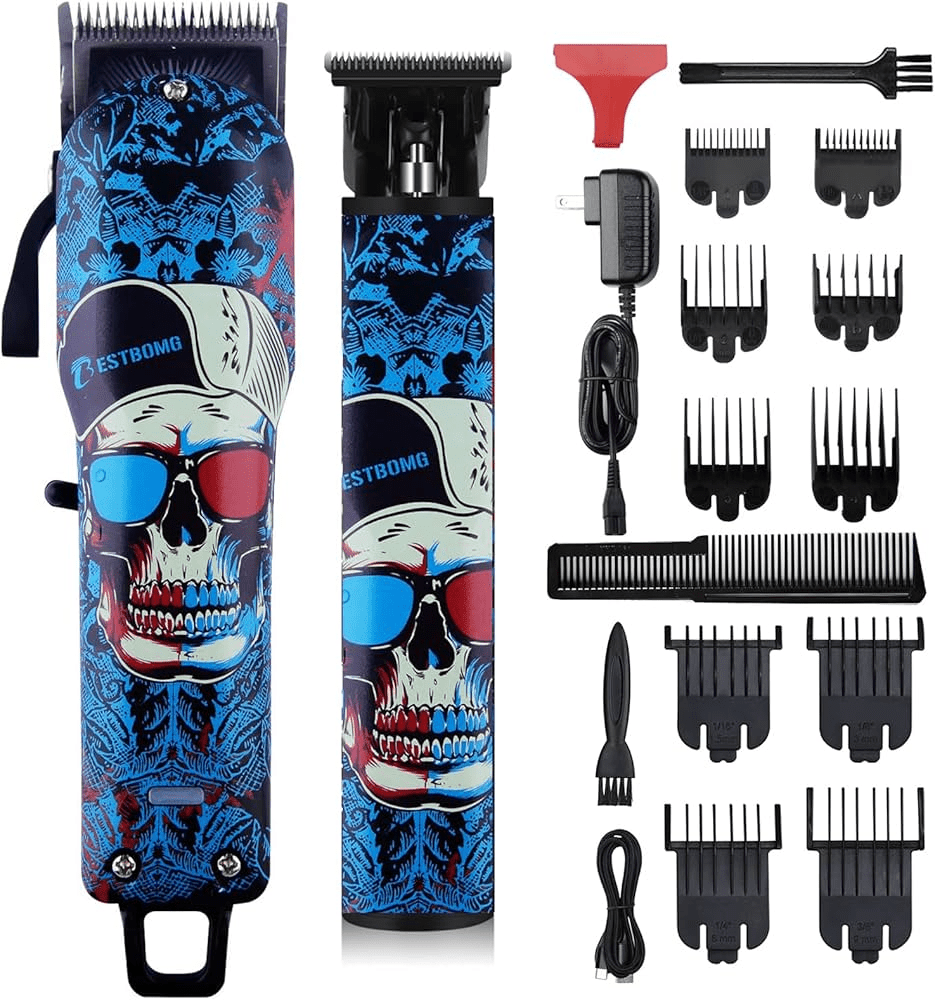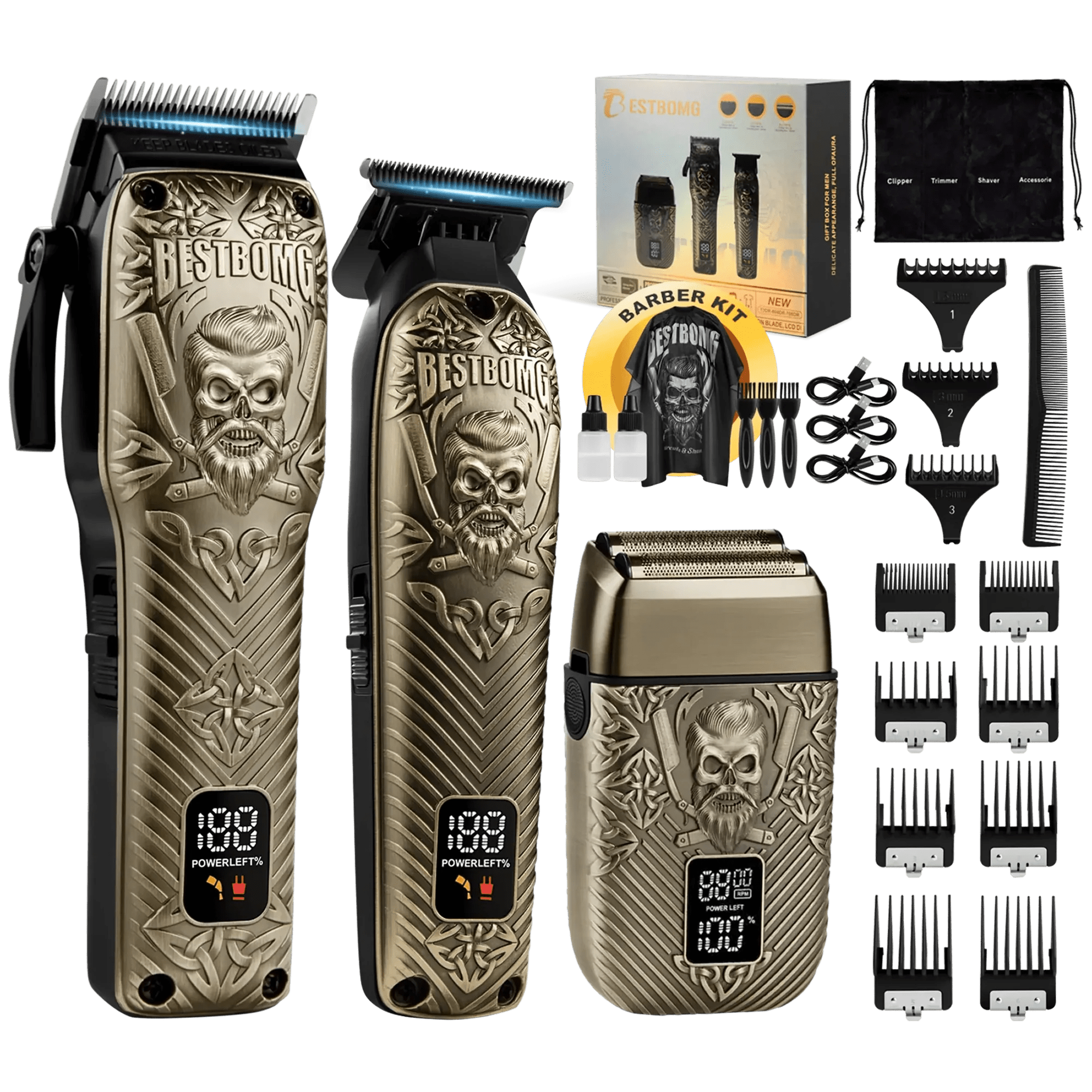

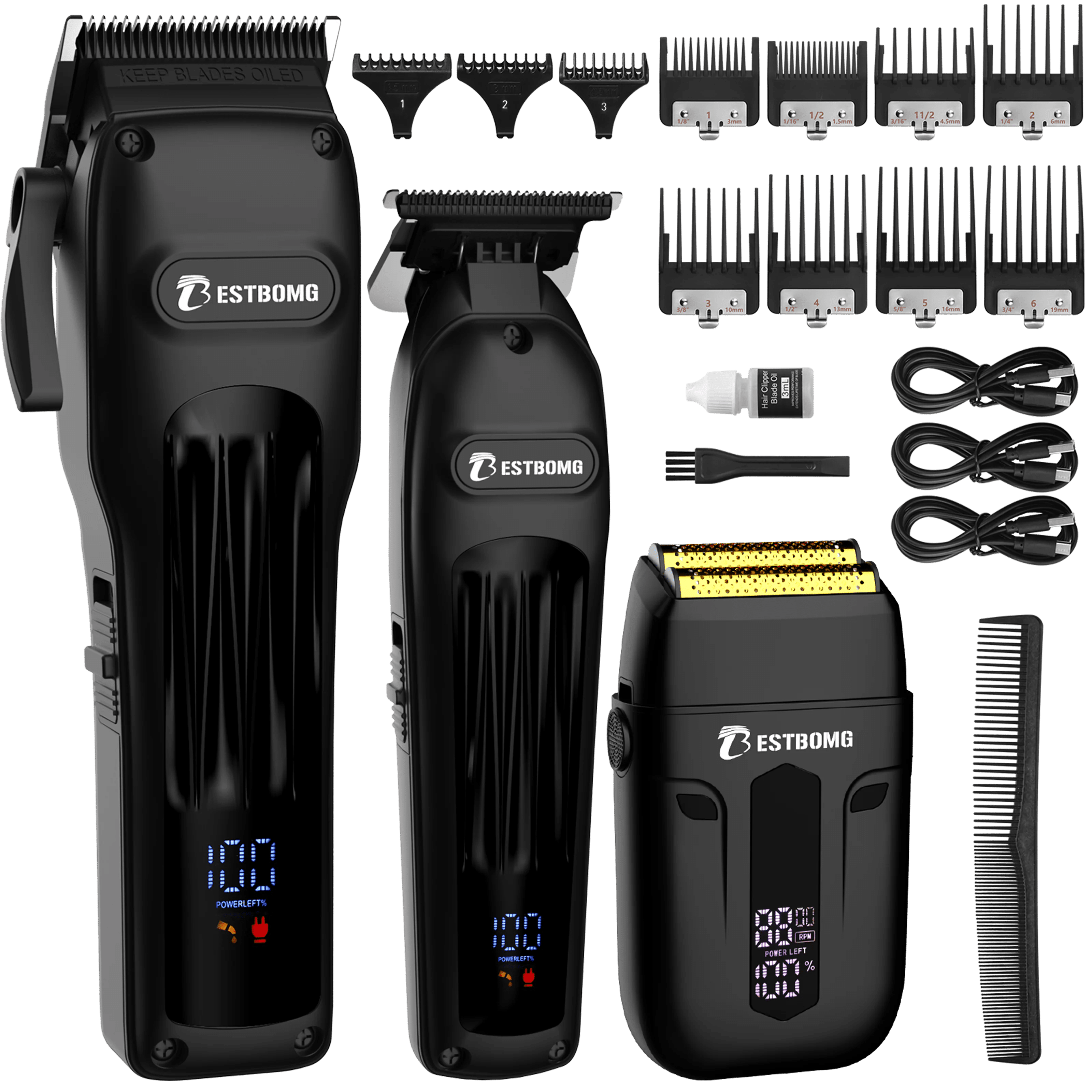

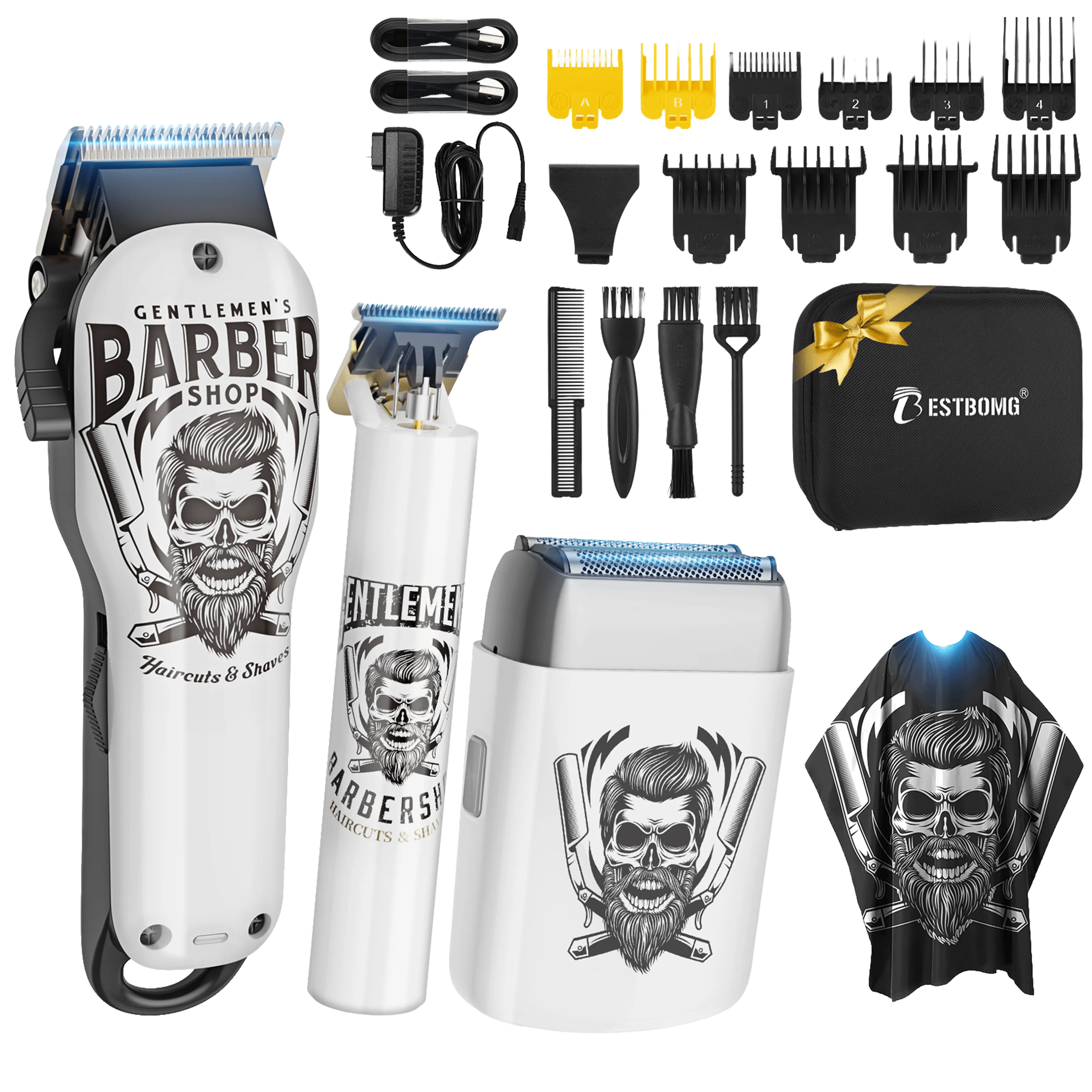





Which is Better for Hair: Clippers or Scissors? Complete Guide
Neither clippers nor scissors are universally better—they serve different purposes. Hair clippers excel at speed, bulk removal, and short uniform styles (buzz cuts, fades), while scissors offer superior control for texture, layers, and natural blending. Most professional haircuts use both tools: clippers for the sides and scissors for the top. The best choice depends on your desired style, hair type, and skill level.
How Clippers and Scissors Differ

Clippers: Speed and Uniformity
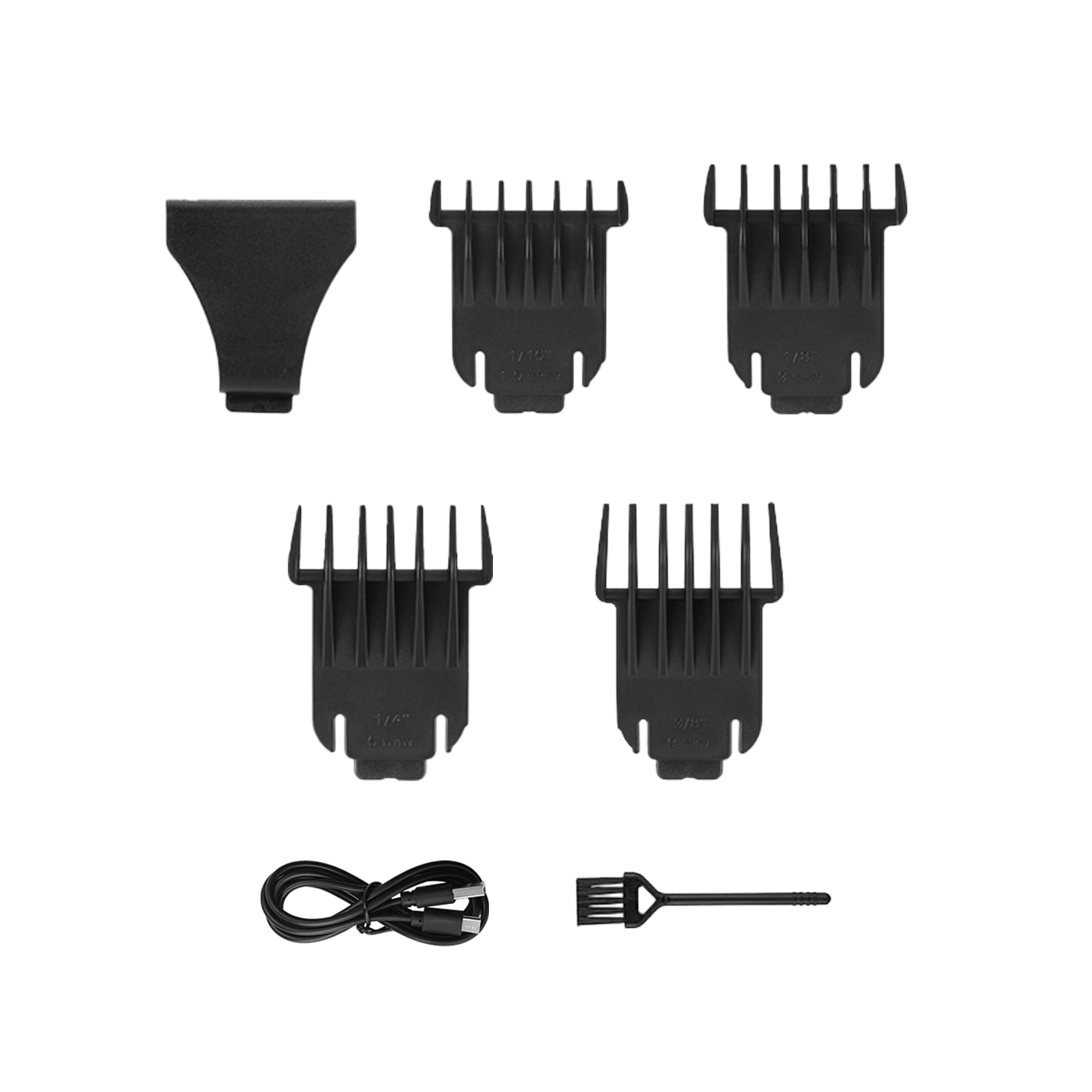
Hair clippers use oscillating or rotating blades with guards to cut hair to consistent lengths quickly. They're designed for:
- Bulk removal (cutting large amounts of hair fast)
- Uniform lengths (same length all over)
- Short styles (buzz cuts, fades, crew cuts)
- Sharp lines (clean edges, crisp fades)
Scissors: Control and Texture
Scissors allow barbers and stylists to cut hair strand by strand with precision. They're designed for:
- Texture and layers (adding movement and dimension)
- Natural blending (soft transitions between lengths)
- Customization (shaping around face, ears, neckline)
- Longer styles (anything past 1 inch)
Clippers vs Scissors: Key Differences
|
Feature |
Clippers |
Scissors |
|
Speed |
Fast (5–10 minutes for short cuts) |
Slower (15–30 minutes for most cuts) |
|
Precision |
Less control (cuts in uniform lengths) |
More control (strand-by-strand) |
|
Best For |
Buzz cuts, fades, crew cuts, short styles |
Layers, texture, blending, longer styles |
|
Skill Level |
Easier for beginners (guards prevent mistakes) |
Requires more skill and training |
|
Lines |
Sharp, hard lines (great for fades) |
Soft, natural lines (better for blending) |
|
Grow-Out |
Can look harsh as hair grows |
Grows out more naturally |
|
Hair Length |
Works best on short to medium hair |
Works on all lengths |
|
Versatility |
Limited to shorter styles |
Versatile for all styles and lengths |
Advantages of Clippers

Speed and Efficiency
Clippers cut hair 3–5 times faster than scissors. A full buzz cut takes 5–10 minutes with clippers vs. 20–30 minutes with scissors.
Consistent Length
Guards ensure uniform length across the entire head. This is ideal for:
- Buzz cuts (#1, #2, #3, #4)
- Crew cuts
- Military-style cuts
Perfect for Fades
Clippers create sharp, clean fades by blending multiple guard lengths. Scissors can't replicate the precision of a well-executed fade.
Easier for Beginners
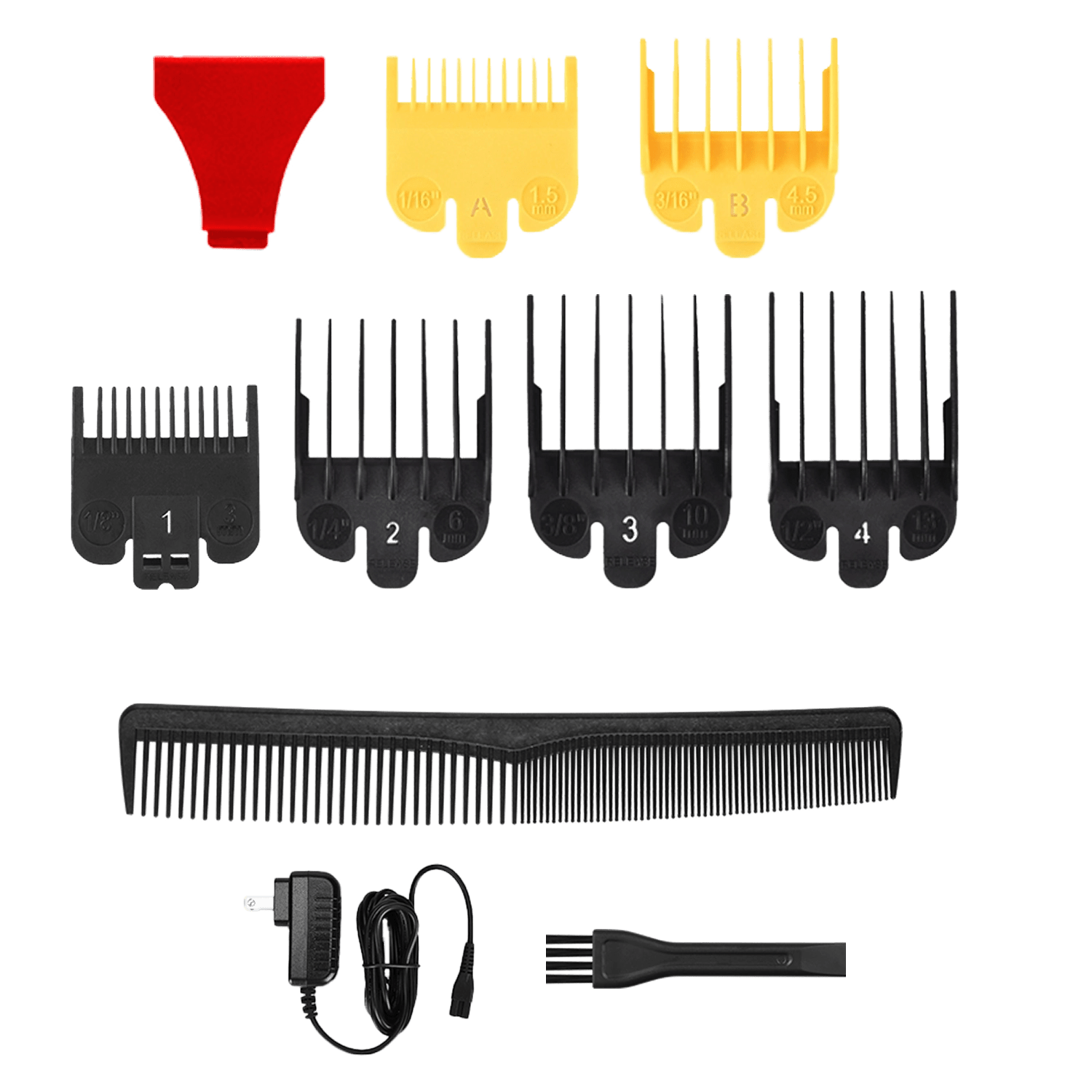
Guards prevent cutting hair too short. Home users can achieve decent results with minimal practice.
Bulk Removal
Clippers remove large amounts of hair quickly, making them ideal for:
- First cuts after growing hair out
- Thick, dense hair
- Trimming before scissor work
Disadvantages of Clippers

Hard Lines and Harsh Grow-Out
Clipper cuts create blunt, uniform lines that can look harsh as hair grows. The transition between cut and uncut areas is more noticeable.
Limited Texture
Clippers cut all hair to the same length, removing natural texture and movement. This results in a "flat" look.
Less Customization
Clippers work in uniform lengths. They can't add layers, thin out thick hair, or create customized shapes around the face.
Not Ideal for Longer Hair
Clippers struggle with hair longer than 1–2 inches. Scissors are necessary for styles like pompadours, quiffs, or long layered cuts.
Advantages of Scissors
Superior Control and Precision
Scissors allow barbers to:
- Cut individual strands for precise shaping
- Create texture (removing bulk without shortening length)
- Blend seamlessly (soft transitions between lengths)
- Customize around face shape (sideburns, neckline, ears)
Natural, Soft Grow-Out
Scissor cuts grow out more naturally because hair is cut at slight angles rather than blunt lines. This extends time between haircuts.
Adds Texture and Movement
Scissors can:
- Thin thick hair (point cutting, texturizing)
- Add layers (create dimension and movement)
- Remove weight without shortening length
Works on All Hair Lengths
From short crops to long flowing styles, scissors handle any length.
Better for Women's Cuts
Most women's styles require layers, texture, and blending—all best achieved with scissors.
Disadvantages of Scissors
Time-Consuming
Scissor cuts take 2–3 times longer than clipper cuts due to the precision required.
Requires More Skill
Scissor cutting demands training, practice, and a good eye for shape. Beginners often struggle with evenness and blending.
Manual Labor
Cutting an entire head with scissors is physically tiring for barbers and stylists.
Less Efficient for Short Styles
Using scissors for a buzz cut or fade would be impractical and time-consuming. Clippers are simply faster.
When to Use Clippers vs Scissors
Use Clippers For:
- Buzz cuts (uniform length all over)
- Fades and tapers (sides and back)
- Crew cuts
- Short styles (under 1 inch)
- Quick maintenance trims
- Bulk removal before scissor work
Use Scissors For:
- Longer styles (over 1 inch)
- Layered cuts (adding movement)
- Texturizing (thinning thick hair)
- Blending (soft transitions)
- Customized shaping (around face, ears, neckline)
- Women's cuts (most styles)
Use Both For:
- Modern men's cuts (clippers on sides, scissors on top)
- Fades with texture on top
- Undercuts
- Tapered cuts with length on top
Most professional haircuts use both tools: clippers for speed and precision on the sides, scissors for texture and control on top.
How to Combine Clippers and Scissors
Step 1: Clipper the Sides and Back
Use clippers with guards to:
- Cut sides and back to desired length
- Create a fade or taper
- Remove bulk quickly
Step 2: Scissor the Top
Use scissors to:
- Add texture and layers
- Customize length
- Blend the top into the clipped sides
Step 3: Blend the Transition
Use scissors (or clipper-over-comb technique) to:
- Soften the line where clipped sides meet scissor-cut top
- Create a seamless transition
This combination delivers speed, precision, and style.
Frequently Asked Question
Which is better for hair, clippers or scissors?
Neither is universally better—they serve different purposes. Clippers are better for speed, uniform short styles, and fades. Scissors are better for texture, layers, blending, and longer styles. Most professional cuts use both: clippers for the sides, scissors for the top.
Do scissor cuts last longer than clipper cuts?
Yes, scissor cuts typically last longer because they grow out more naturally. Clipper cuts create blunt lines that become noticeable quickly, requiring more frequent trims. Scissor cuts blend softly and maintain shape longer.
Can you cut hair with just clippers?
Yes, for short uniform styles like buzz cuts and crew cuts. However, clipper-only cuts lack texture and customization. Adding scissor work on top creates a more polished, personalized result.
Are scissors better than clippers for home haircuts?
For short styles, clippers are easier for beginners (guards prevent mistakes). For longer styles or adding texture, scissors offer more control but require more skill. Most home users benefit from using both.
Why do barbers use both clippers and scissors?
Barbers use both to combine speed and precision. Clippers quickly remove bulk and create sharp fades on the sides. Scissors add texture, layers, and customization on top. This delivers professional results faster than using one tool alone.
What's better for thick hair, clippers or scissors?
Clippers are better for removing bulk quickly on thick hair. Scissors are better for thinning and texturizing thick hair without shortening length. Combining both works best: clippers for bulk removal, scissors for texture.
Conclusion
Clippers and scissors both have strengths: clippers excel at speed, uniform short styles, and fades, while scissors offer superior control for texture, layers, and natural blending. Most professional haircuts use both tools—clippers for the sides and scissors for the top—to combine efficiency with customization. Your choice depends on the desired style, hair length, and skill level.
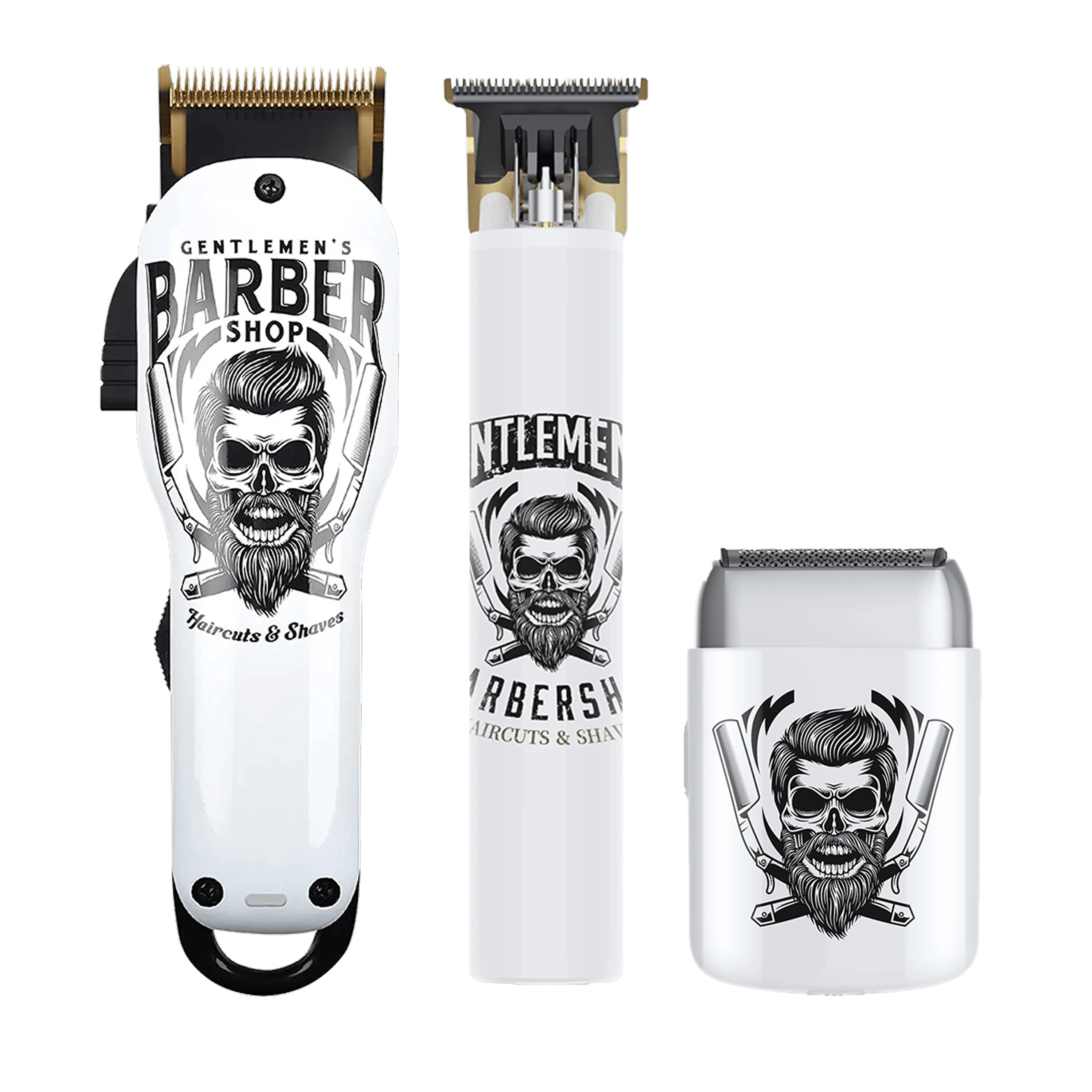
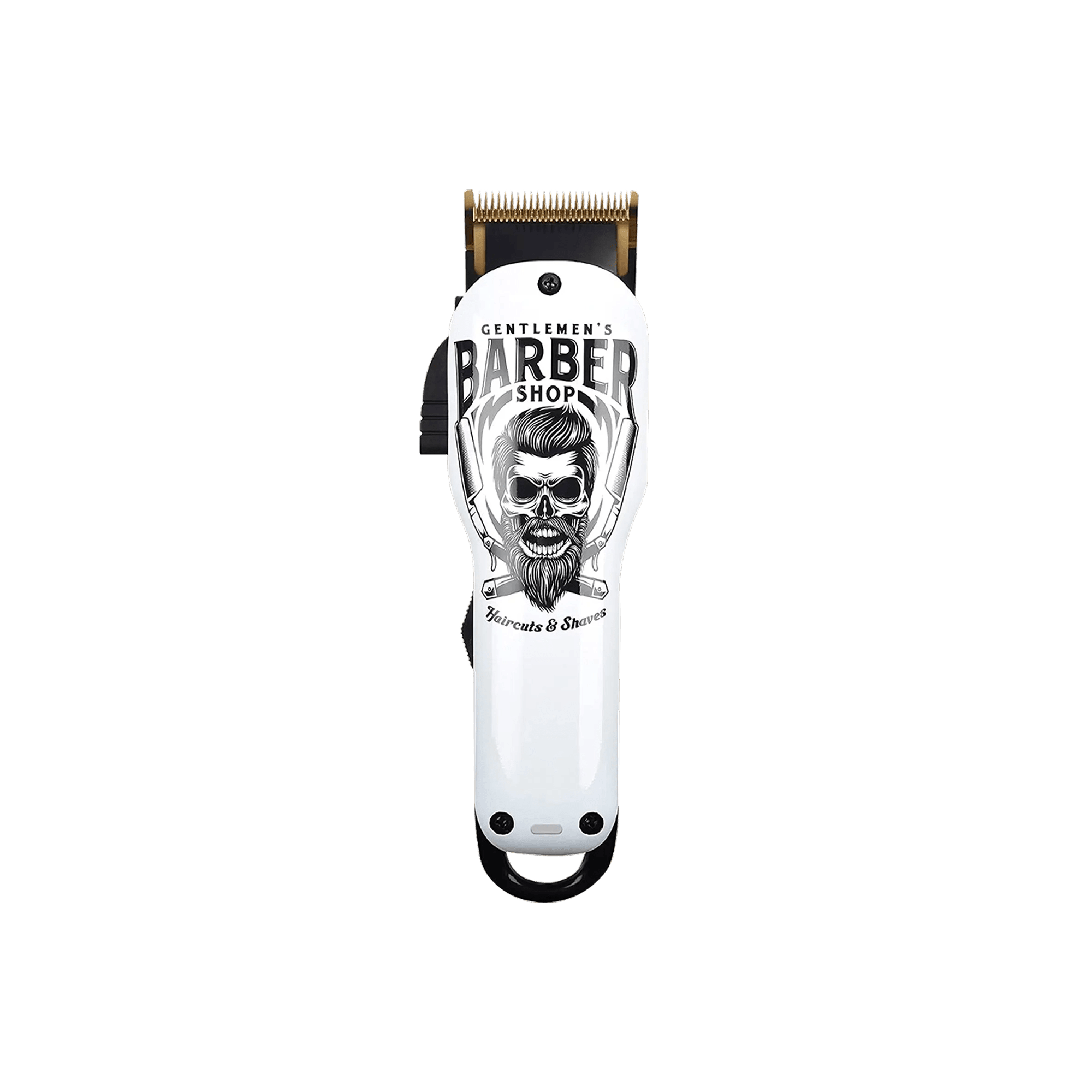
Ready to explore the right tools for your cutting needs? Check out hair clippers with guards and accessories for versatile home cutting.

Looking for something else?

Electric Shaver vs Razor for Legs: Which is Better?
LEARN MORE
How to Clean Hair Clippers Without Alcohol: Easy Methods
LEARN MORE
Does Using an Electric Shaver Cause Acne? Facts & Prevention
LEARN MORE
How to Cut Baby Boy Hair with Clippers: Step-by-Step Guide
LEARN MORELooking for something else?

Do Hair Clippers Get Dull? Causes, Signs & Prevention
LEARN MORE
Can an Electric Shaver Cut You? Safety Facts & Prevention
LEARN MORE
How to Shave Balls with Electric Shaver: Safe Guide
LEARN MOREYou may also like

Beard Trimmer-T9


Electric Shaver Y4

Further reading
How to Get a Crisp Line Up at Home (+ Best Trimmers)
Best Outliner Trimmer for Sharp Barber Edges in 2026
How to Zero Gap Clippers (Step-by-Step Guide for Beginners and Pros)