





Difference Between Beard Trimmer and Hair Clippers
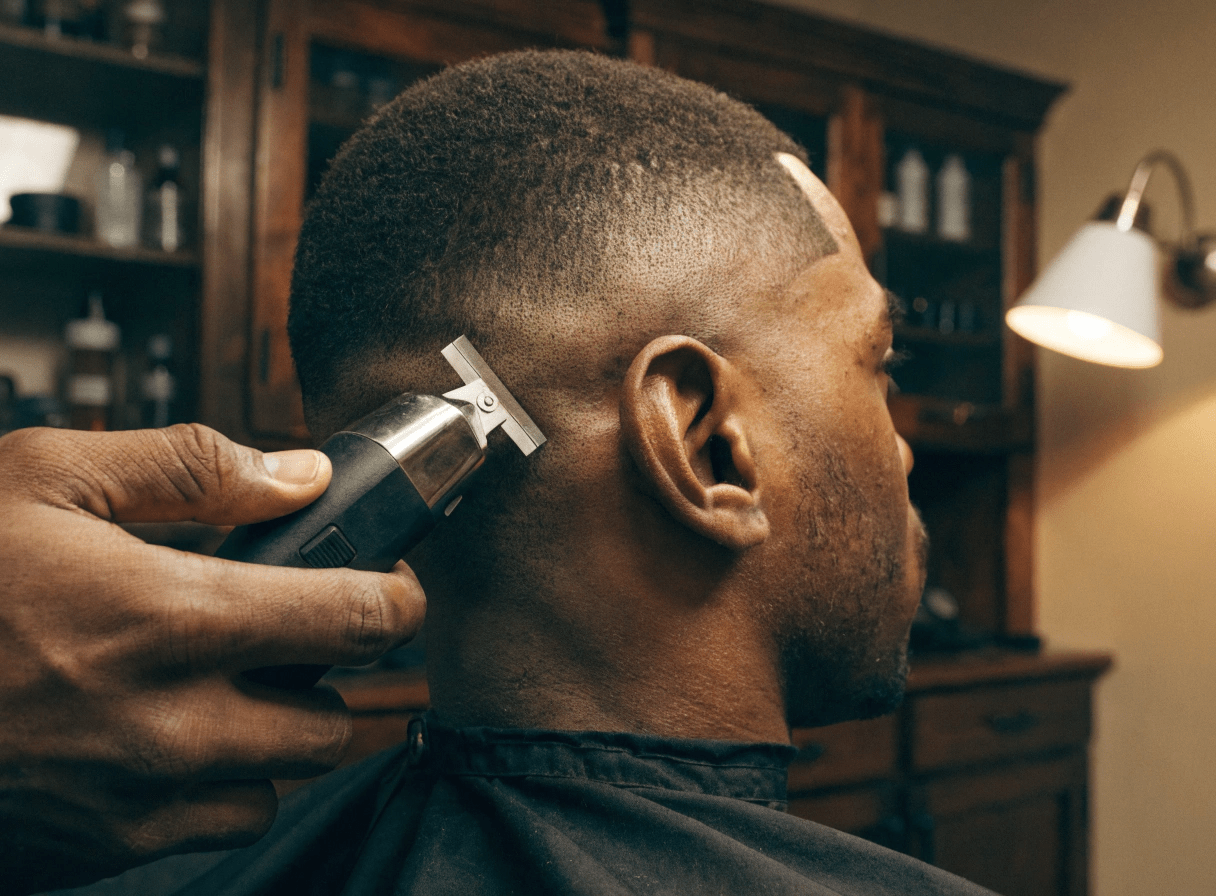
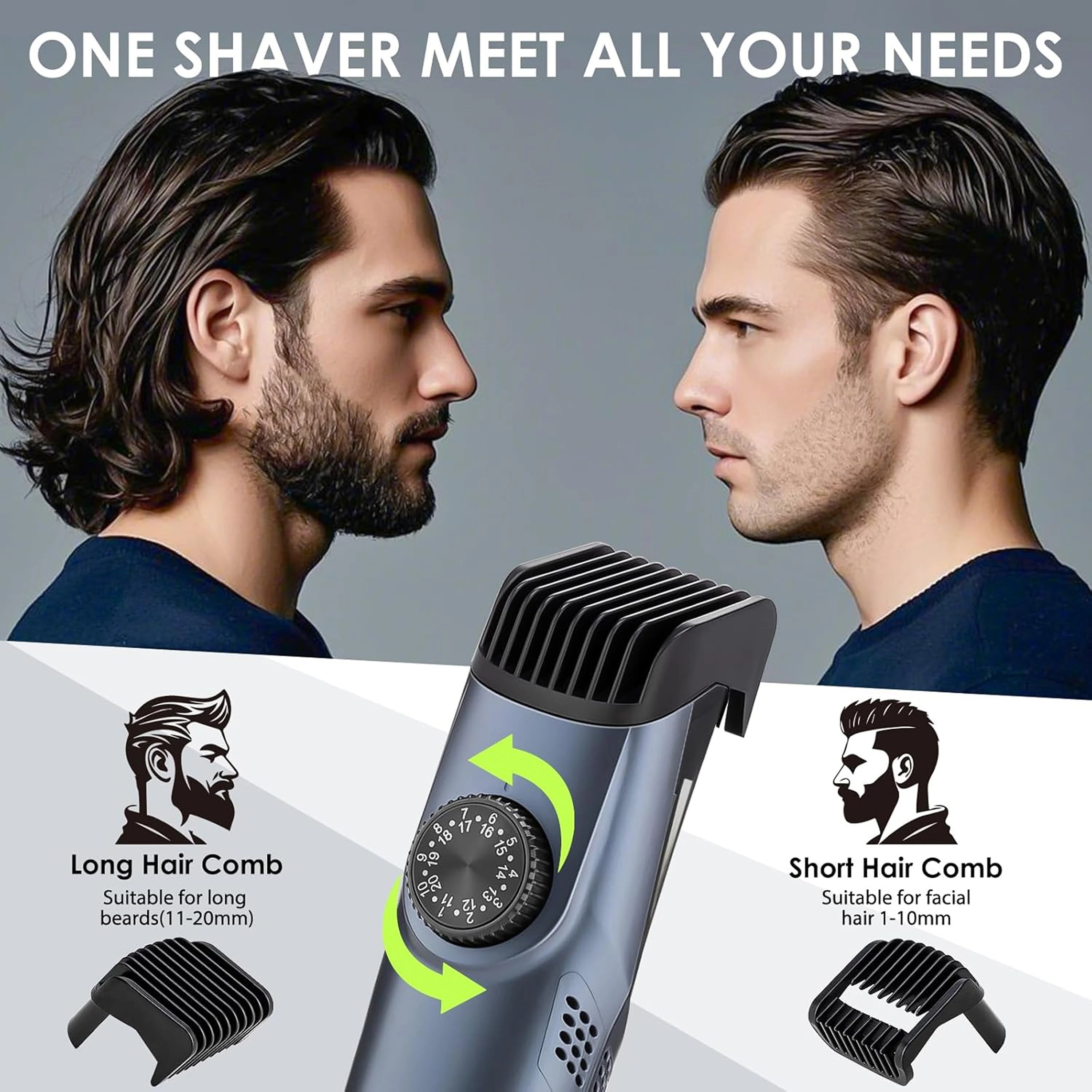
The difference between beard trimmer and hair clippers lies in blade width, motor power, and intended purpose: beard trimmers feature narrow blades (T-blade or detail blade) for precise facial hair shaping and edging, while hair clippers use wider blades (1.
5–2 inches) with powerful motors for removing bulk hair from the head. Understanding these differences helps you choose the right tool for each grooming task and achieve professional results at home.
Key Differences at a Glance
|
Feature |
Hair Clippers |
Beard Trimmers |
|
Blade Width |
1.5–2 inches (wide) |
0.5–1 inch (narrow, T-blade) |
|
Primary Use |
Bulk hair removal (head haircuts) |
Detail work (facial hair shaping) |
|
Motor Power |
4,500–8,000 RPM (stronger) |
3,000–6,000 RPM (moderate) |
|
Guard Sizes |
#1–#8 (3mm–25mm) |
0.5mm–10mm (finer increments) |
|
Cutting Style |
Through-the-hair cutting |
Close-to-skin detailing |
|
Size & Weight |
Larger, heavier (10–14 oz) |
Compact, lighter (4–8 oz) |
|
Best For |
Buzz cuts, fades, all-over length |
Beard lines, stubble, edging, necklines |
Blade Design & Cutting Mechanism

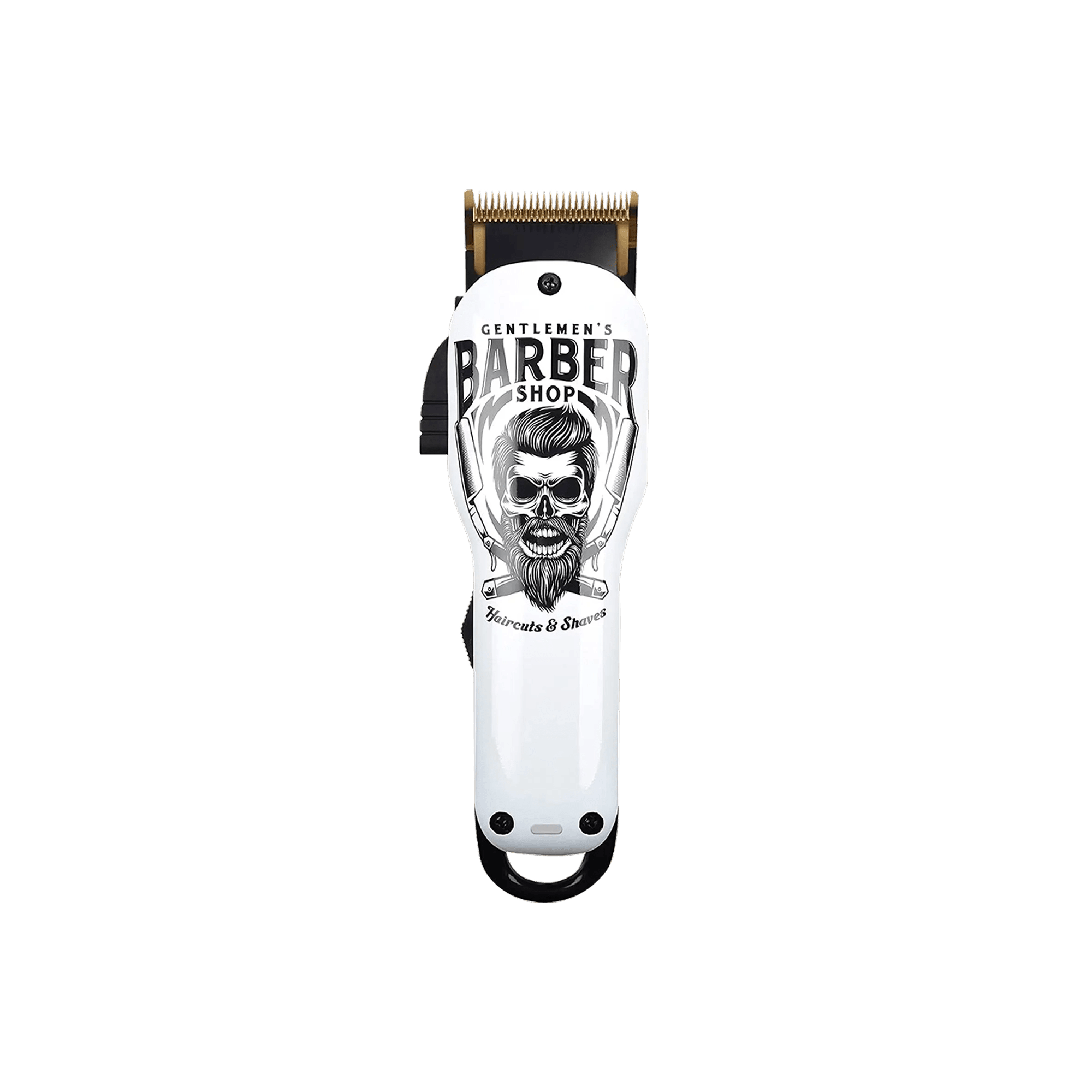
Hair Clipper Blades
Wide Cutting Path:
- 1.5–2 inch blade width (covers more area per pass)
- Thick, sturdy teeth (handles bulk hair)
- Designed for speed (entire head in 10–15 minutes)
- Works with guards (#1 through #8 standard)
Cutting Action:
- Through-the-hair cutting (blade + guard removes length)
- Taper lever adjusts blade position (0.5mm range)
- Bulk removal focus (not precision detail)
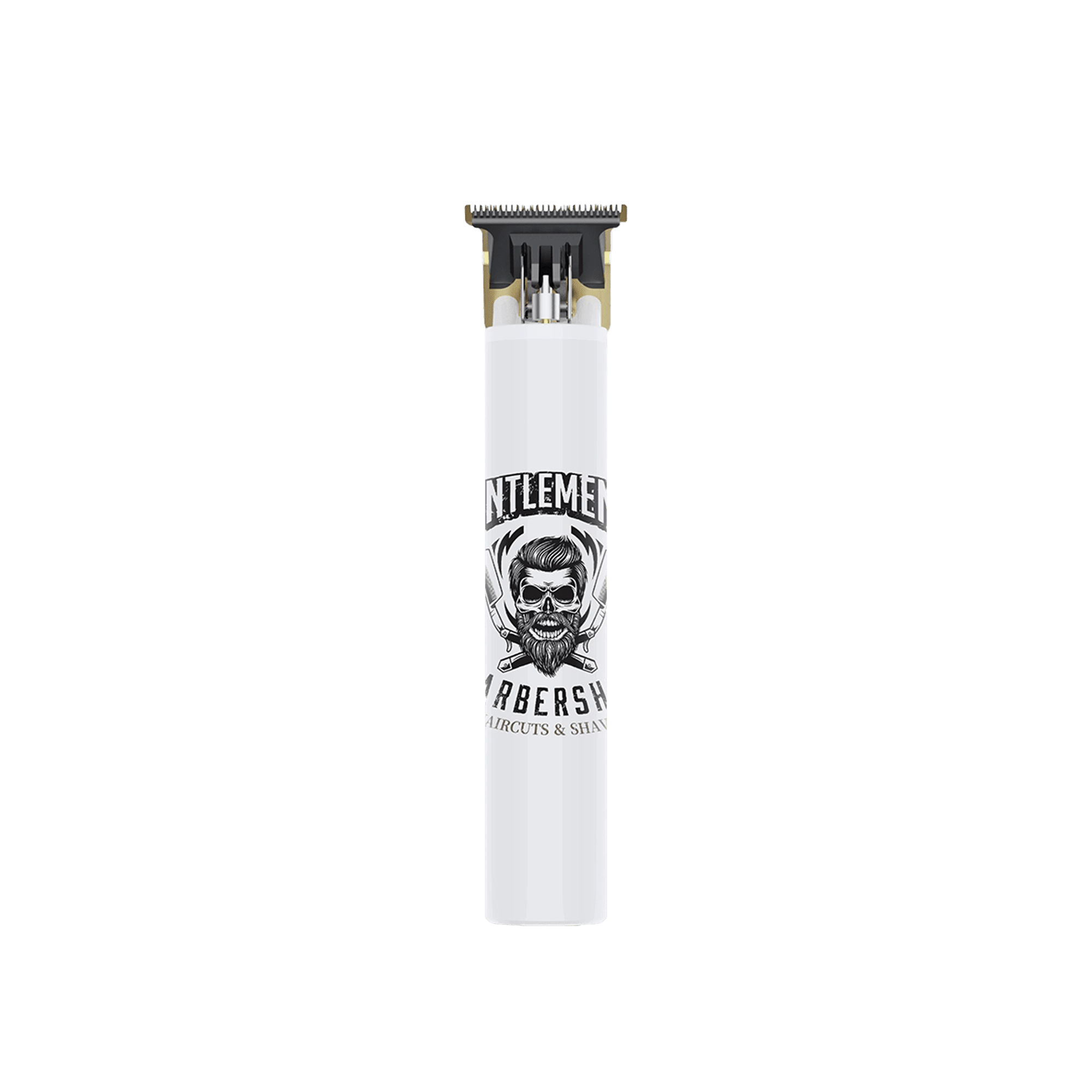
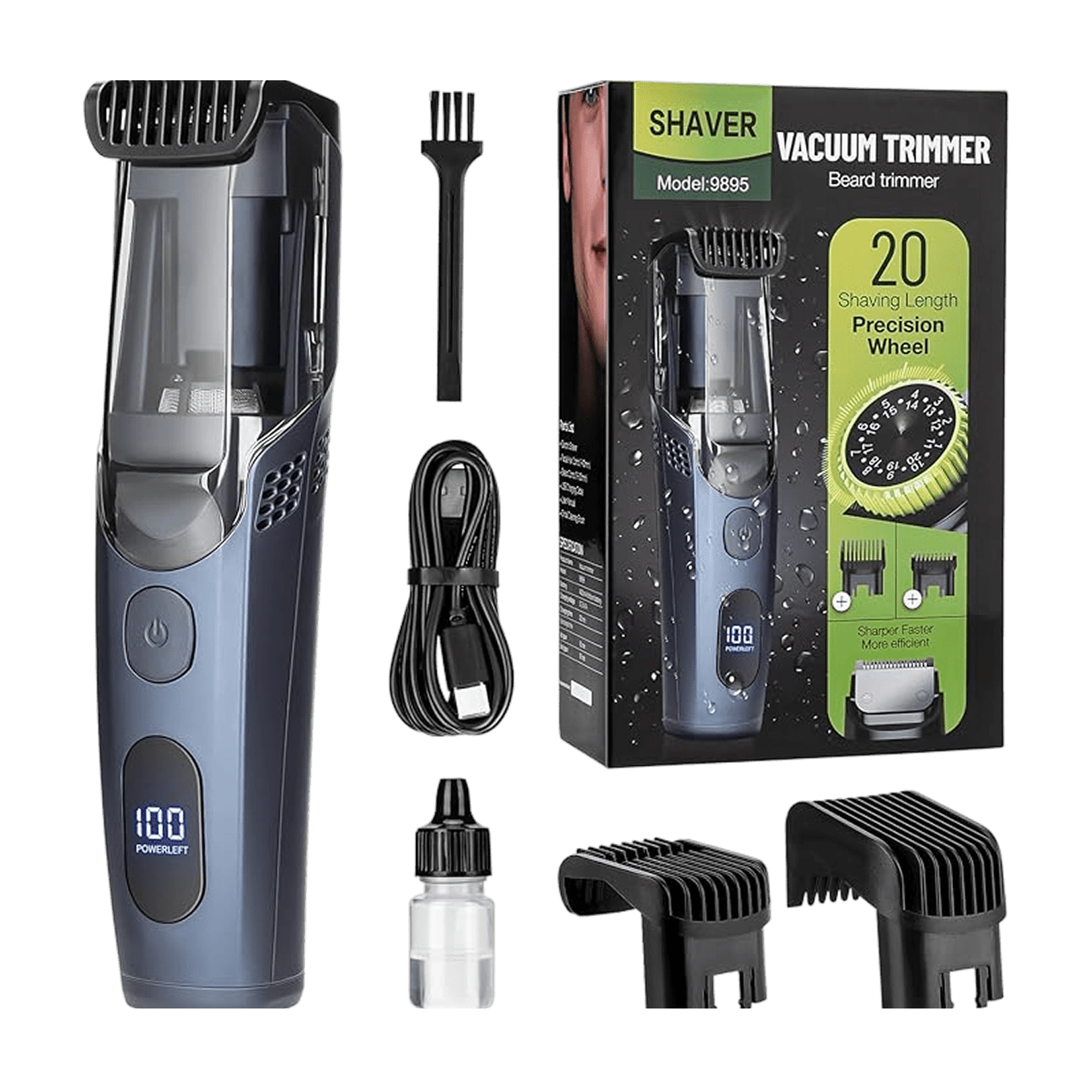
Beard Trimmer Blades
Narrow, Precision Blades:
- T-blade (square, straight edge for sharp lines)
- Detail blade (0.5–1 inch width)
- Close-to-skin cutting (defines edges, creates stubble)
- Zero-gap capable (ultra-close trimming)
Cutting Action:
- Contouring ability (follows face curves)
- Precision edging (cheek lines, necklines, sideburns)
- Fine-tuning (after clipper bulk work)
Motor Power & Performance

Hair Clippers
Stronger Motors Needed:
- Rotary motors: 6,000–8,000 RPM (professional)
- Magnetic motors: 4,500–6,000 RPM (home use)
- Purpose: Cut through thick, dense head hair without bogging down
- Result: Consistent power for 15–30 minute haircuts
Beard Trimmers
Moderate, Precise Power:
- 3,000–6,000 RPM (sufficient for facial hair)
- Quieter operation than clippers
- Purpose: Control and precision over raw power
- Result: Detailed work without overpowering delicate areas
Guard Systems & Length Control

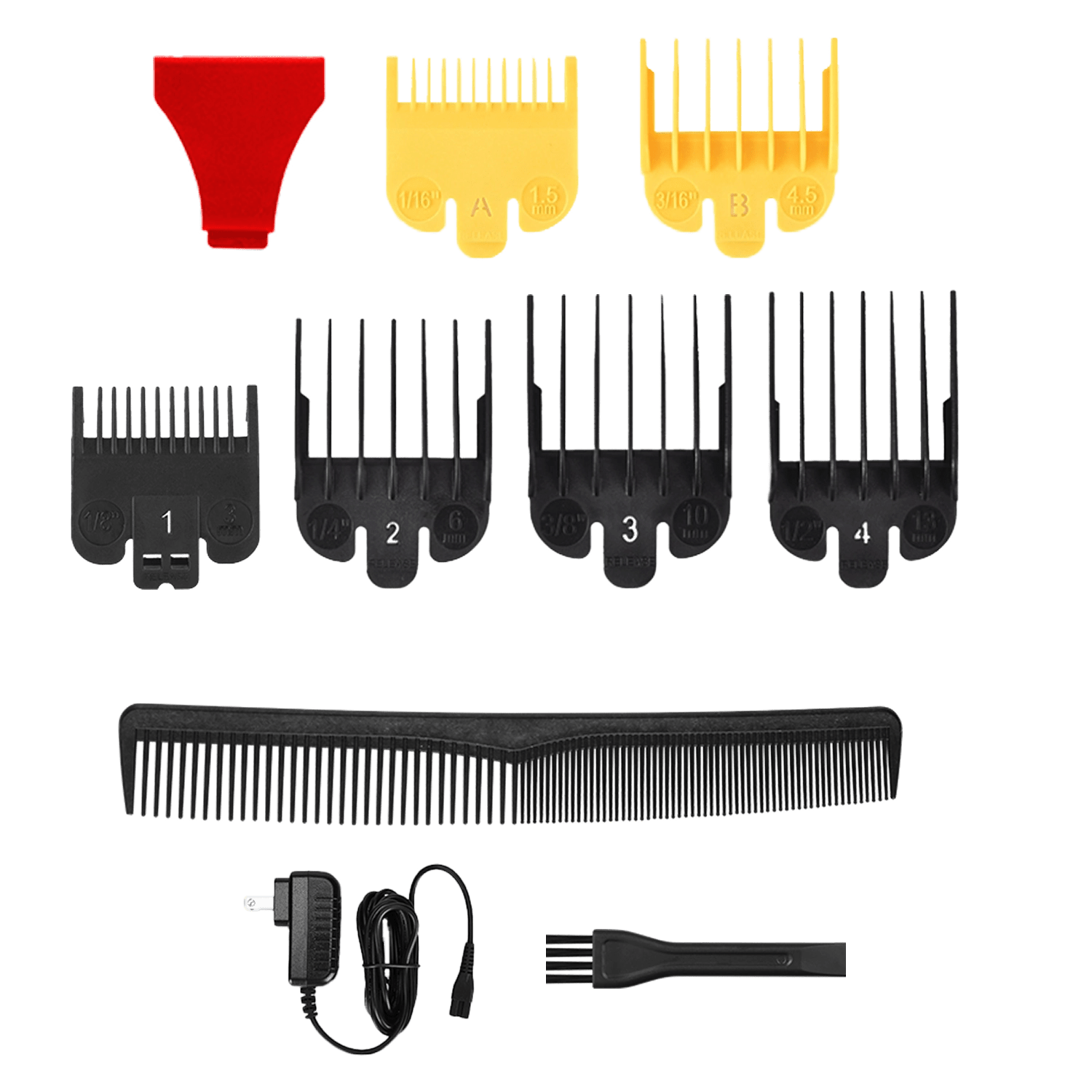
Hair Clipper Guards
Bulk Length Options:
- #1 (3mm): Very short buzz
- #2 (6mm): Classic short cut
- #3 (9mm): Medium short
- #4 (12mm): Longer, conservative
- #6–#8 (18–25mm): Longest options
Increment: Typically 3mm jumps between sizes
Purpose: Quick, even length removal across entire head
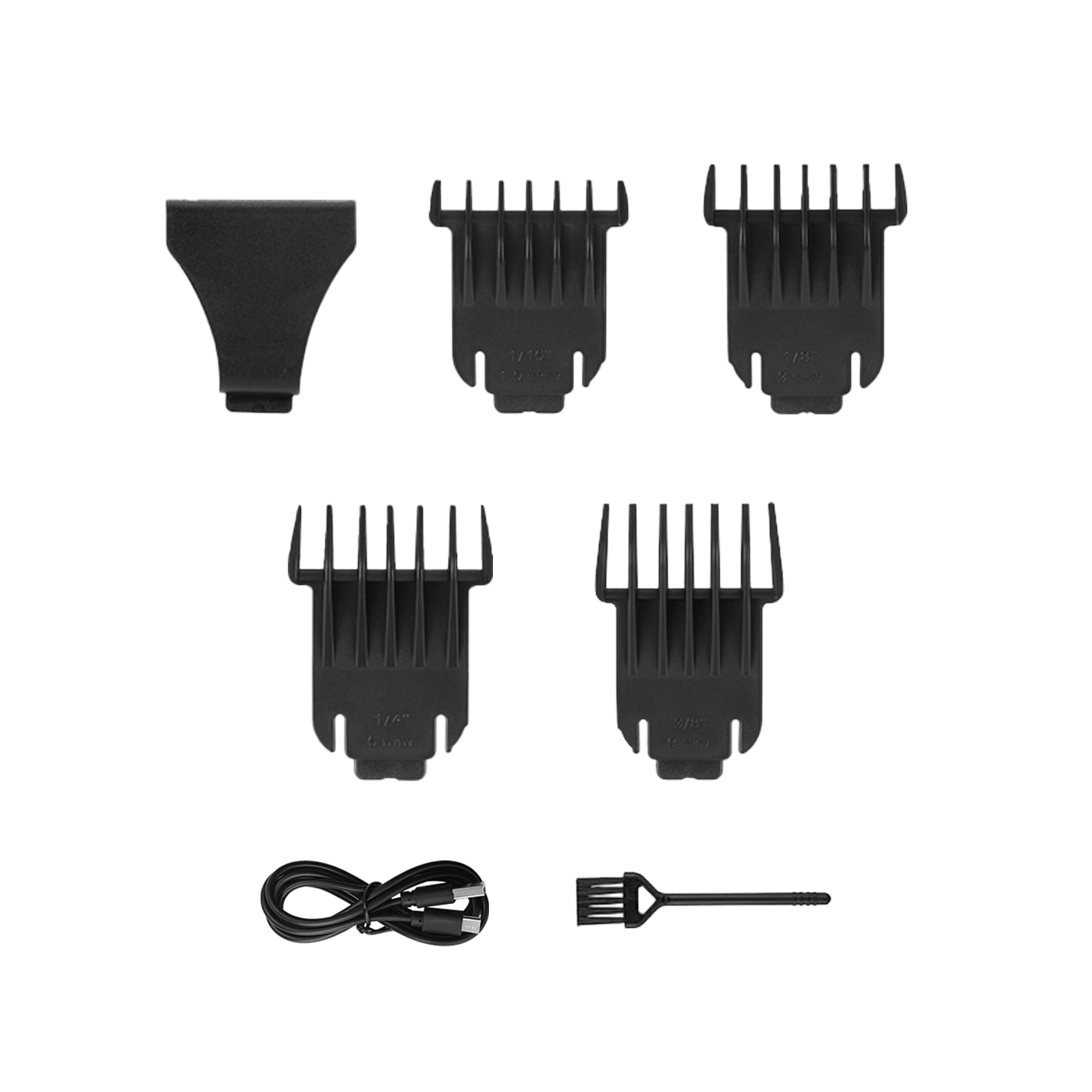
Beard Trimmer Guards
Fine-Tuned Adjustments:
- 0.5mm, 1mm, 1.5mm, 2mm (stubble lengths)
- 3mm, 6mm, 9mm (short beard lengths)
- Often 0.5mm or 1mm increments (precise control)
Purpose: Exact stubble length, subtle gradations, detailed shaping
Size, Weight & Maneuverability
Hair Clippers
Built for Power:
- 10–14 oz typical weight
- Larger housing (accommodates stronger motor)
- Longer body (5–7 inches)
- Ergonomic for straight passes (not tight curves)
Trade-off: Power and coverage over nimble detail work
Beard Trimmers
Built for Precision:
- 4–8 oz typical weight (half the weight of clippers)
- Compact design (fits in palm easily)
- Shorter body (3–5 inches)
- Maneuvers around face contours (nose, ears, jawline)
Trade-off: Detail capability over bulk removal speed
When to Use Each Tool
Use Hair Clippers For:
- All-over haircuts (buzz cuts, crew cuts)
- Fades and blends (with taper lever)
- Bulk hair removal (trimming head hair to uniform length)
- Maintaining scalp hair length (weekly/monthly trims)
- Shaving head (with no guard for bald look)
Not Ideal For: Facial hair edges, neckline detail, sideburn shaping
Use Beard Trimmers For:
- Beard shaping (defining cheek lines, neckline)
- Stubble maintenance (keeping even 3-day beard)
- Edging (clean lines around beard perimeter)
- Neckline cleanup (below beard)
- Sideburn detailing (precise length and shape)
- Nose/ear hair (with appropriate attachment)
Not Ideal For: Cutting entire head of hair, removing significant bulk
Can You Use One Tool for Both?
Using Clippers for Beard
Possible But Limited:
- Can trim beard bulk (with guards)
- Cannot create sharp lines (blade too wide)
- Awkward around face curves (too large, not maneuverable)
- Overkill for maintenance (stubble work needs precision)
Verdict: Works for beard trimming but not shaping or detailing.
Using Trimmers for Head Hair
Very Inefficient:
- Takes 3–4x longer (narrow blade requires many passes)
- Motor may overheat (not designed for bulk work)
- Hand fatigue (repetitive motion across large area)
- Result is often uneven (hard to maintain consistent pressure)
Verdict: Not recommended except for very short touch-ups on small areas.
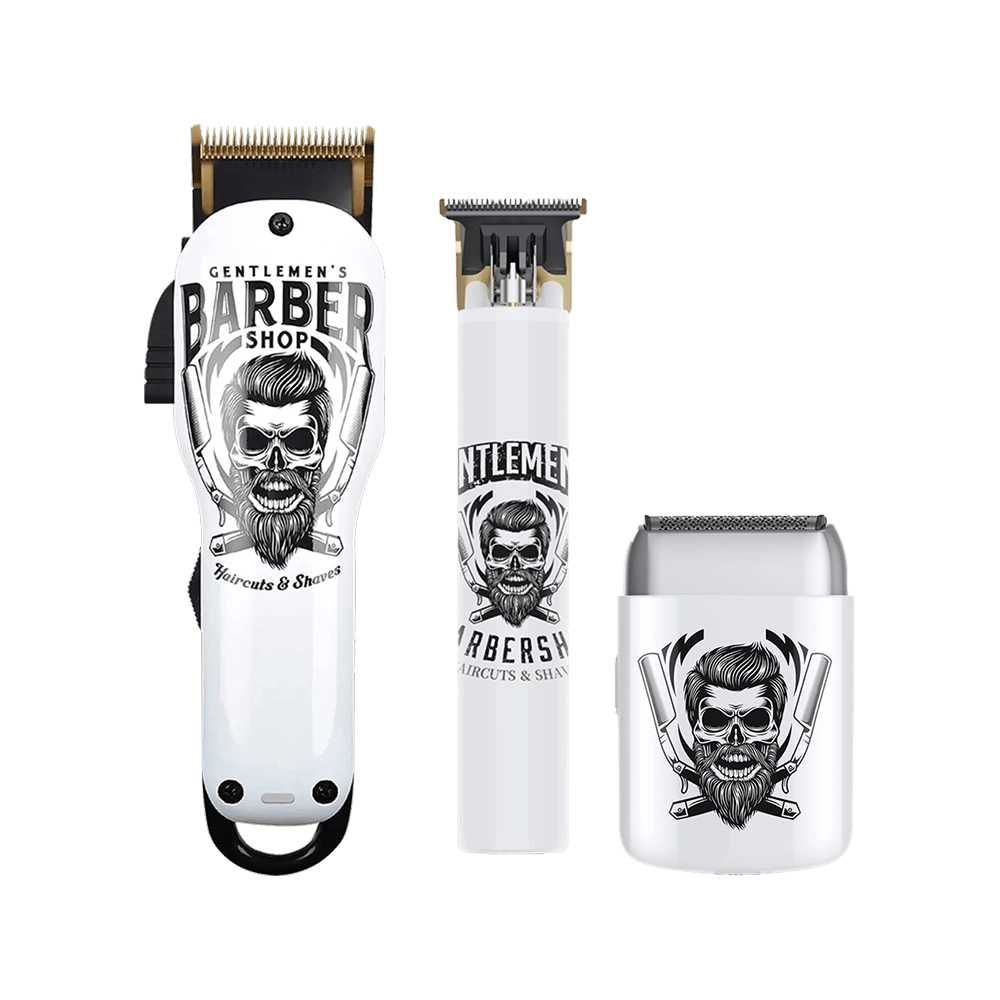
Best Approach: Own Both
Ideal Grooming Setup:
- Hair clipper for head haircuts, bulk work
- Beard trimmer for facial detailing, edges, stubble
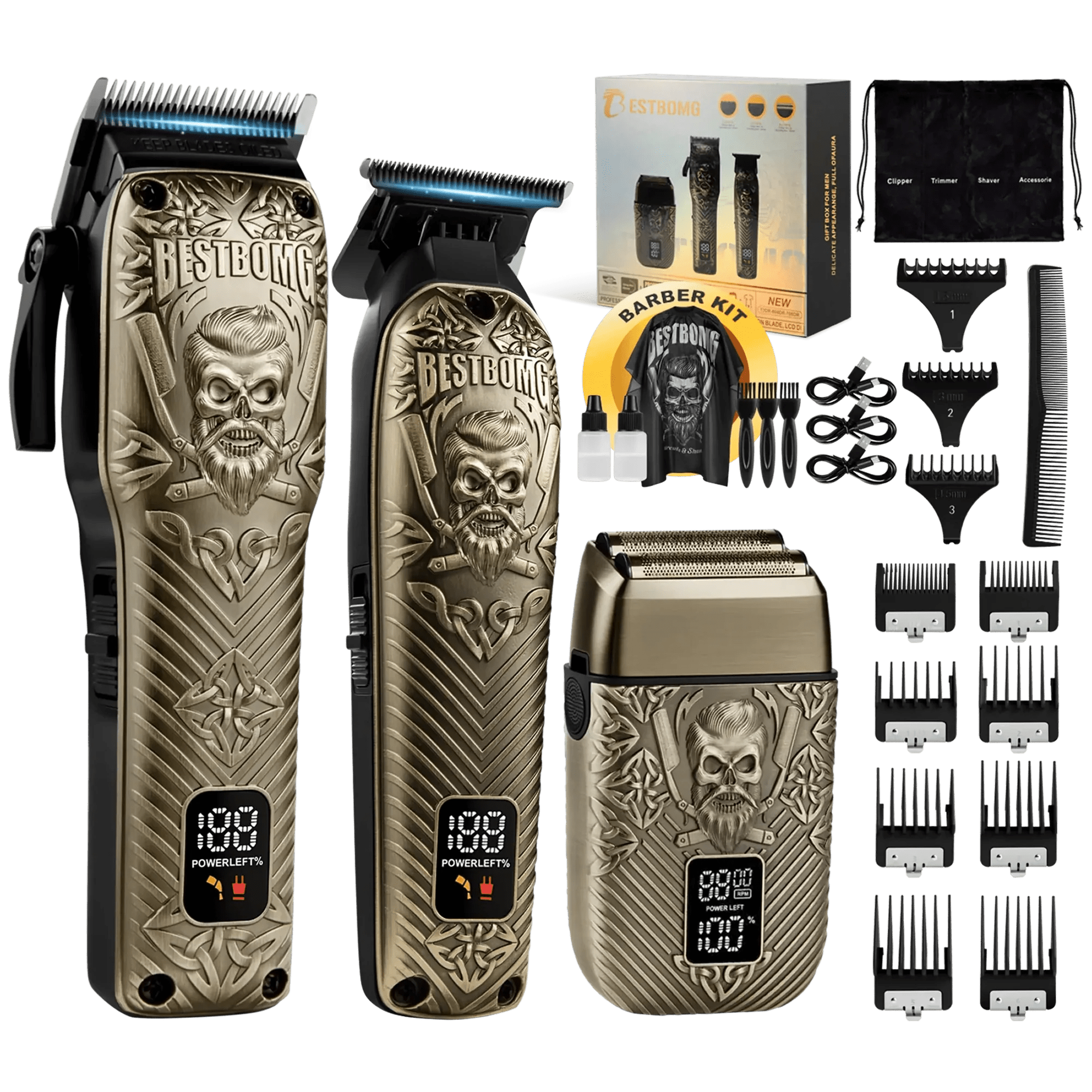
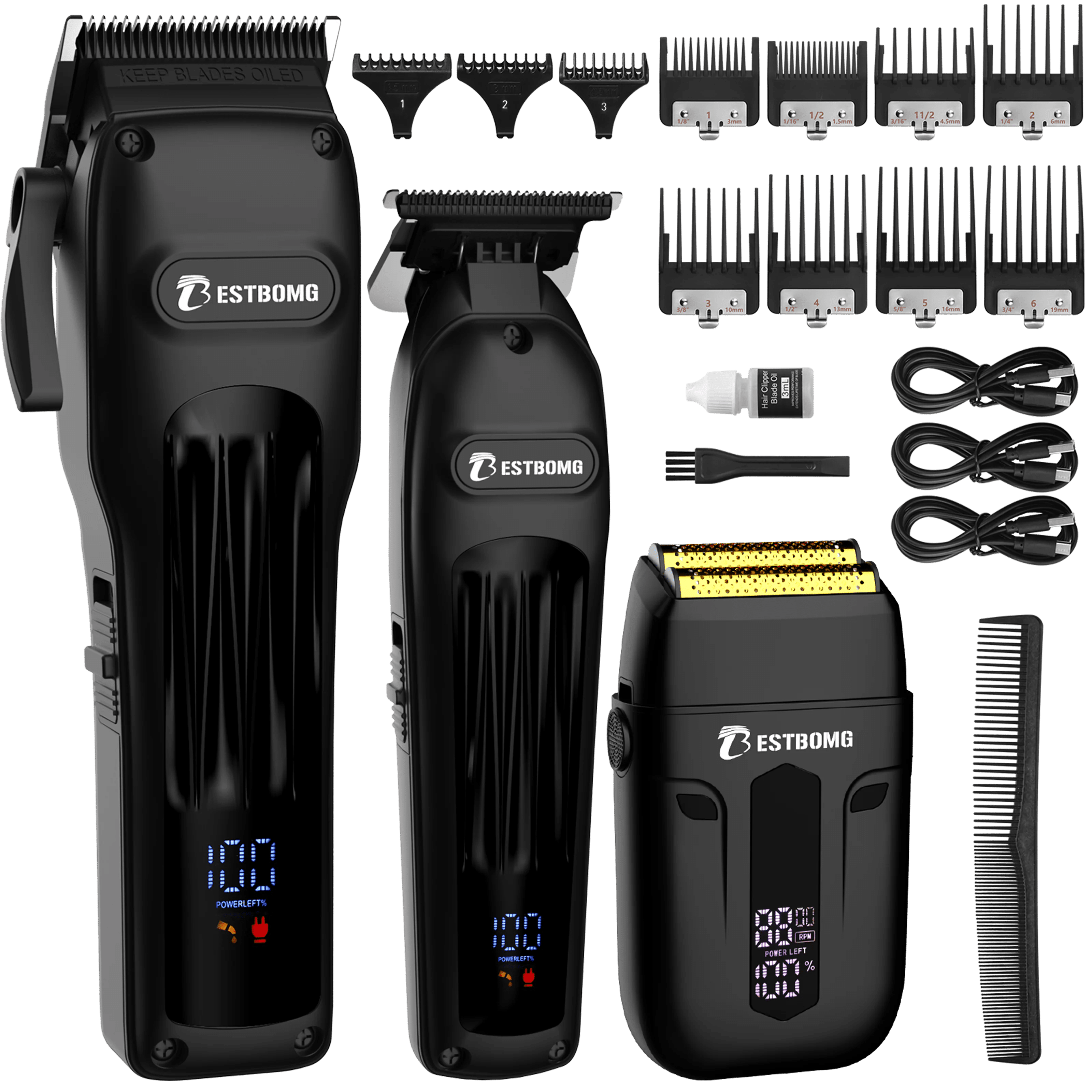
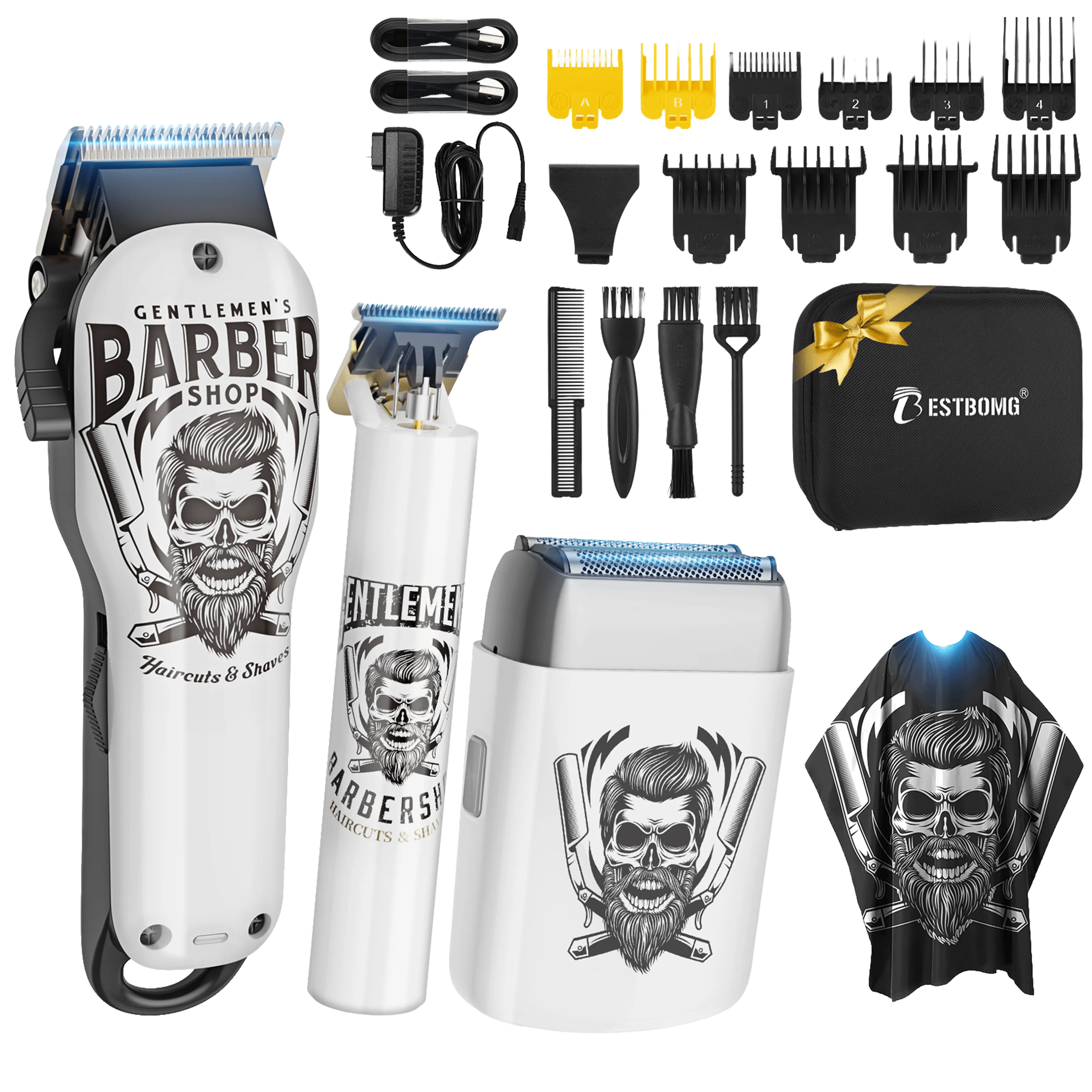
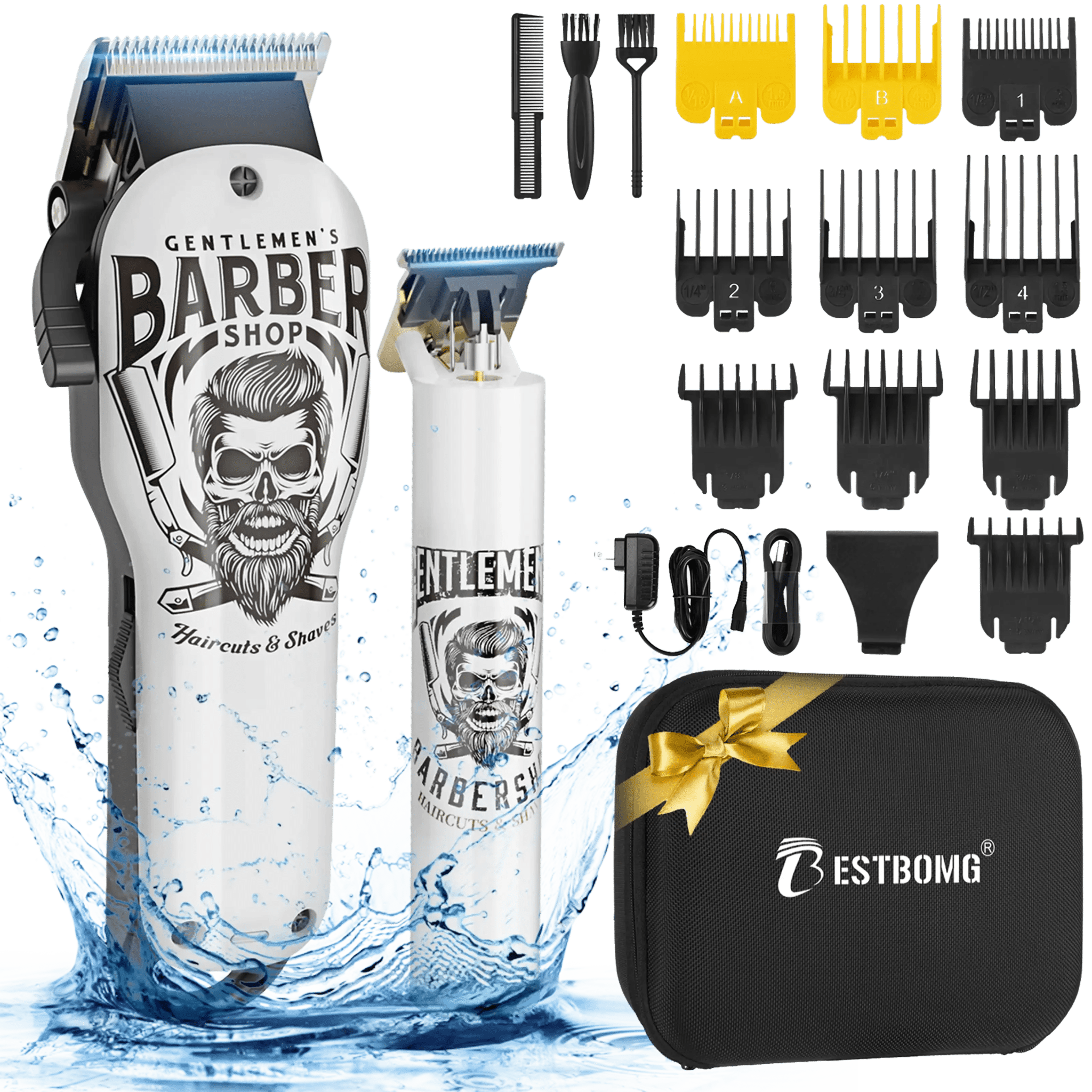
Cost-Effective: Many complete grooming kits include both a full-size clipper and detail trimmer for comprehensive at-home grooming.
Maintenance Differences
Hair Clippers
After Every Use:
- Brush out bulk hair from blades
- Apply 2–3 drops clipper oil
- Turn on 10 seconds to distribute
- Wipe excess oil
Why: Handles larger hair volume; regular oiling critical for blade life.
Beard Trimmers
After Every Use:
- Brush out fine hair (less volume than clippers)
- Oil if manufacturer recommends (some models don't require)
- Wipe blade with alcohol wipe (facial oils and skin cells)
Why: Finer hair and skin contact require hygiene focus over heavy-duty maintenance.
Frequently Asked Questions
What is the difference between beard trimmer and hair clippers?
Hair clippers have wider blades (1.5–2 inches), stronger motors (4,500–8,000 RPM), and larger guards (#1–#8) designed for bulk hair removal from the head. Beard trimmers feature narrow blades (T-blade or detail blade), moderate motors (3,000–6,000 RPM), and fine guards (0.5mm–10mm) for precision facial hair shaping, edging, and stubble maintenance.
Can I use hair clippers to trim my beard?
Yes, hair clippers can trim beard length but cannot create sharp lines or detailed edges. The wide blade (1.5–2 inches) cannot navigate facial contours precisely or define clean cheek lines and necklines. For best results, use clippers for bulk beard trimming and a dedicated beard trimmer for shaping and edging.
Can a beard trimmer cut head hair?
Technically yes, but it's extremely inefficient. Beard trimmers have narrow blades (0.5–1 inch) that require 3–4x more passes to cover the entire head, causing hand fatigue and motor strain. Cutting a full head of hair with a beard trimmer takes 45–60 minutes versus 10–15 with proper hair clippers.
Do I need both a clipper and trimmer?
For complete grooming versatility, yes. Hair clippers handle head haircuts and bulk work efficiently, while beard trimmers provide precision for facial hair edges, necklines, and stubble. Many people use clippers for monthly head cuts and trimmers for weekly beard maintenance. Complete kits often include both tools at better value than buying separately.
Which is better for fades: clippers or trimmers?
Hair clippers with an adjustable taper lever are essential for creating fades (gradual length transitions). The taper lever provides micro-adjustments between guard sizes for seamless blending. After creating the fade with clippers, use a beard trimmer to clean up the hairline, sideburns, and neckline edges for a professional finish.
Can I use the same guards on clippers and trimmers?
No, guards are not interchangeable between clippers and trimmers. Hair clipper guards attach to wide blades (1.5–2 inches) and come in larger sizes (#1–#8). Beard trimmer guards fit narrow blades and offer finer increments (0.5mm–10mm). Each guard is designed specifically for its tool's blade width and mounting system.
Conclusion
The difference between beard trimmer and hair clippers comes down to specialization: clippers excel at bulk hair removal with wide blades and powerful motors, while trimmers provide precision detailing with narrow blades and compact design. Understanding each tool's strengths helps you choose the right equipment for head haircuts versus facial grooming.
Need both for complete grooming? Explore hair clippers for head cuts and beard trimmers for facial detailing to build your complete at-home grooming setup.

Looking for something else?

How to Cut Baby Boy Hair with Clippers: Step-by-Step Guide
LEARN MORE
Do Hair Clippers Get Dull? Causes, Signs & Prevention
LEARN MORE
Can an Electric Shaver Cut You? Safety Facts & Prevention
LEARN MORE
How to Shave Balls with Electric Shaver: Safe Guide
LEARN MORELooking for something else?

Does Using Trimmer Increase Hair Growth? Facts & Myths
LEARN MORE
Best Hair Clippers for Men: Top Picks for Home & Pro Use
LEARN MORE
Best Professional Hair Clippers for Barbers: Top Picks
LEARN MOREYou may also like

Beard Trimmer-T9


Electric Shaver Y4

Further reading
Best Hair Clippers for Perfect Fades at Home
Clipper Lever Open vs Closed: What It Means (with mm)
Why You Need a Cordless Detailer Trimmer (And How to Pick the Right One)