





Blade Fade: Ultimate Guide for Barbers & Beginners
The blade fade is one of the most versatile and stylish haircuts for men today. Whether you’re a professional barber or cutting your own hair at home, understanding the difference between fade blades and taper blades is essential.
In this guide, we’ll cover everything from blade types, techniques, maintenance, and step-by-step tips to help you achieve a perfect fade every time.
What is a Blade Fade?
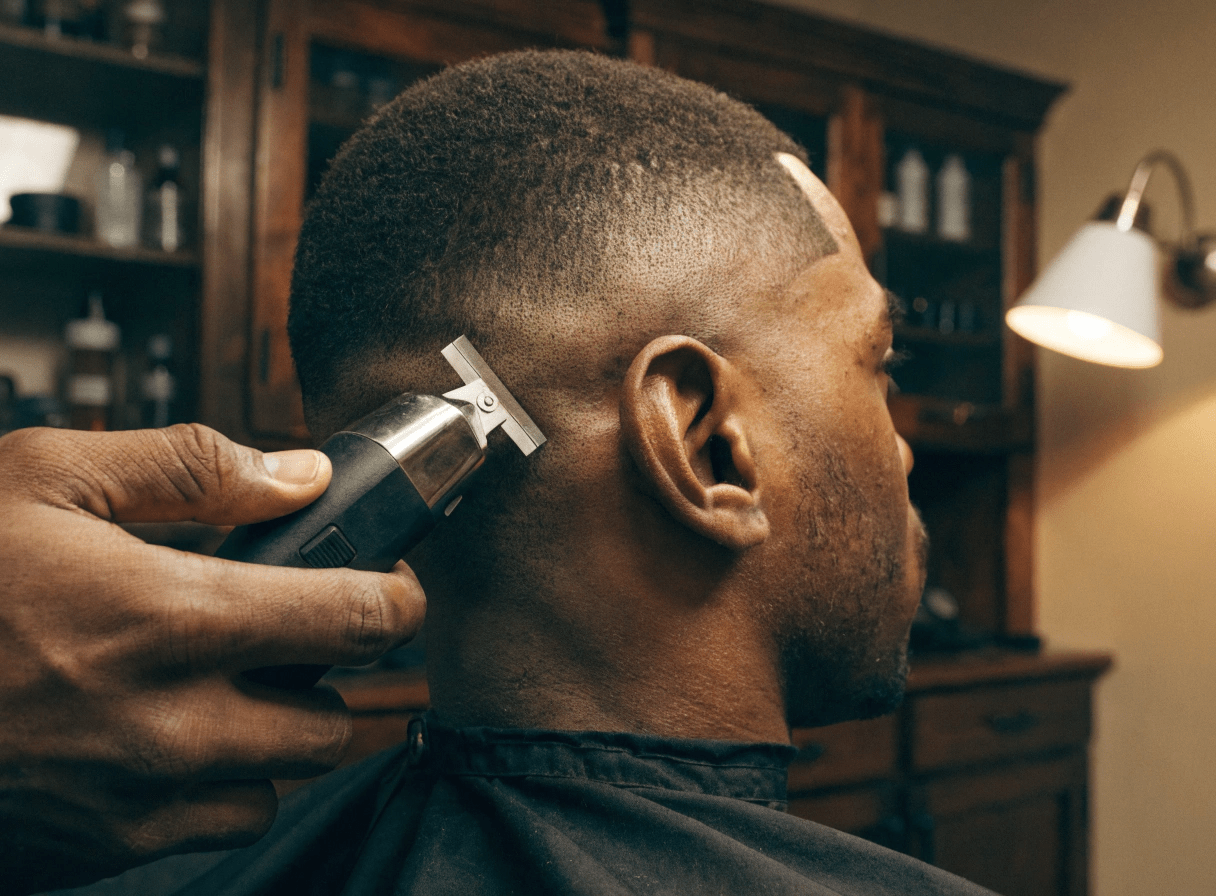
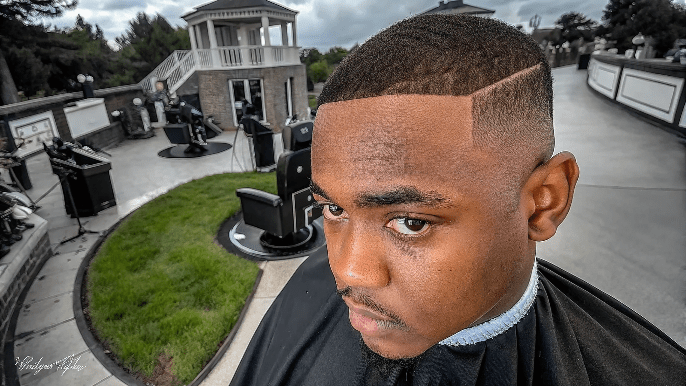
A blade fade is a haircut where the hair gradually transitions from short at the bottom to longer on top using a fade blade clipper. Unlike traditional clipper guards, fade blades allow precise adjustments for a seamless gradient.
- Common fade types include low, mid, and high fades.
- Fade blades provide a smoother finish without harsh lines.
- Popular among barbers for modern, clean hairstyles.
Fade Blade vs Taper Blade
Understanding the difference is key for achieving the look you want:
|
Feature |
Fade Blade |
Taper Blade |
|
Use |
Gradual short-to-long fade |
Subtle blend at neckline & sideburns |
|
Adjustment |
Adjustable for precision |
Usually fixed length |
|
Finish |
Smooth, seamless |
Slightly softer transition |
|
Ideal for |
Full fades, high or low |
Neckline, beard, edges |
For a detailed comparison, barbers often recommend starting with a fade blade for the main gradient and using a taper blade for finishing touches.
Blade Fade for Different Hair Types
Different hair textures affect how fades turn out:
- Straight Hair: Easier to blend; fade blades glide smoothly.
- Curly or Wavy Hair: Requires slower strokes and more attention to avoid uneven lines.
- Thick Hair: Use smaller blade adjustments to maintain a clean gradient.
-
Thin or Fine Hair: Gentle pressure is key to avoid over-cutting.
Understanding hair types ensures consistent, professional-looking fades every time.
Tools and Accessories for Perfect Blade Fades

Using the right tools can simplify the fading process:
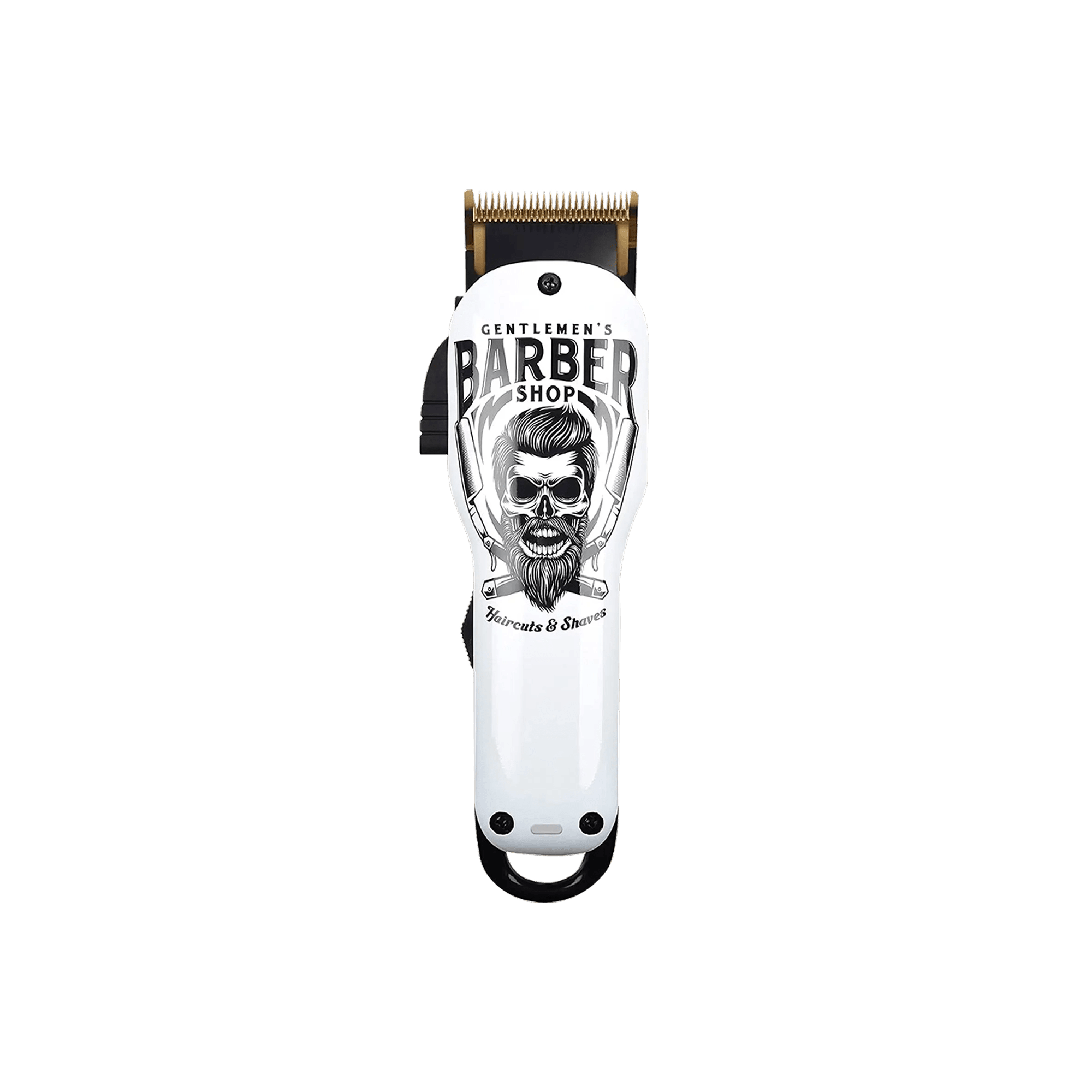
- Fade Blade Clippers: Adjustable for precise gradients.
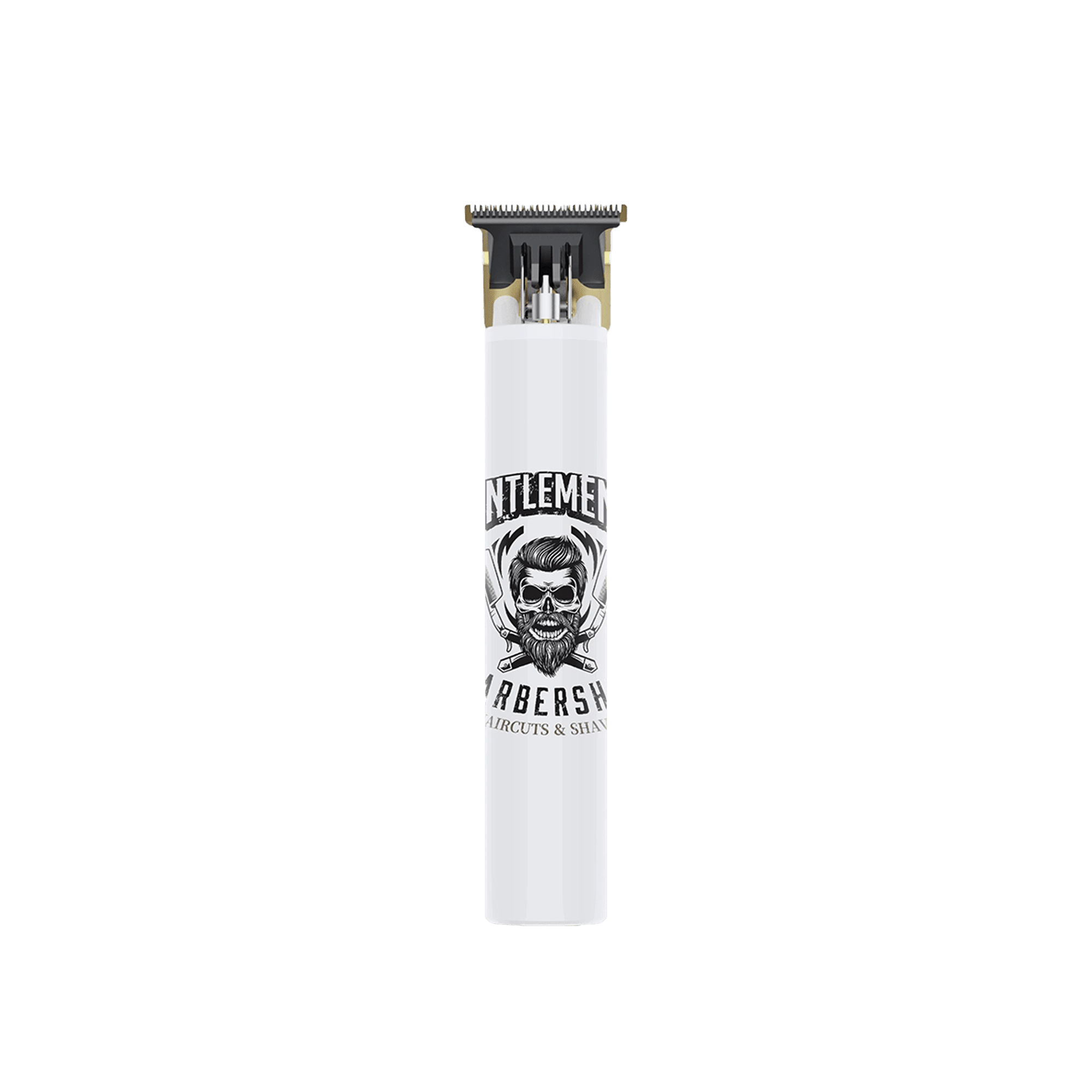
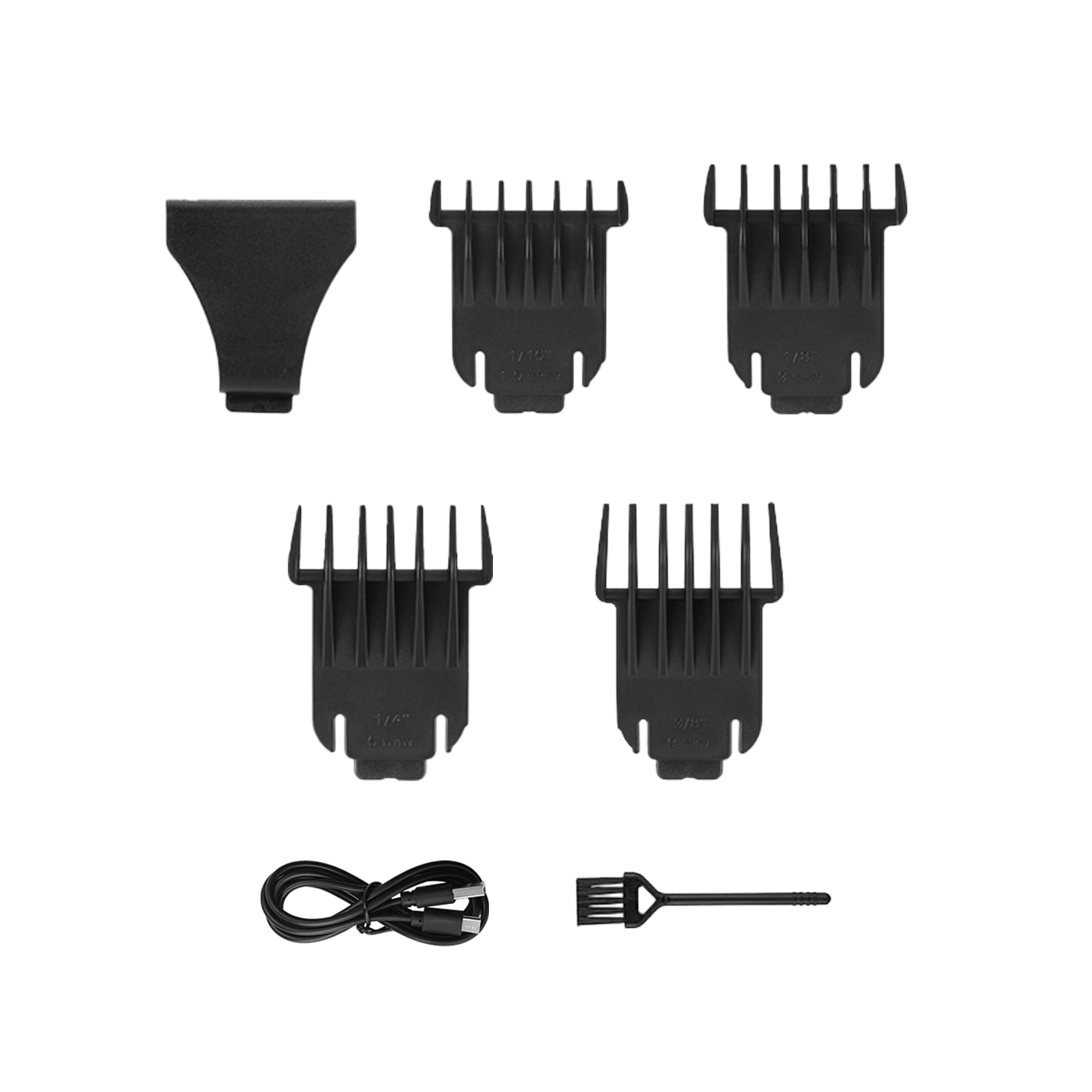
- Taper Blades: Perfect for edges, neckline, and fine detailing.
- Comb & Scissors: For clipper-over-comb or scissor finishing techniques.
- Spray Bottle & Cape: Keep hair manageable and the workspace clean.
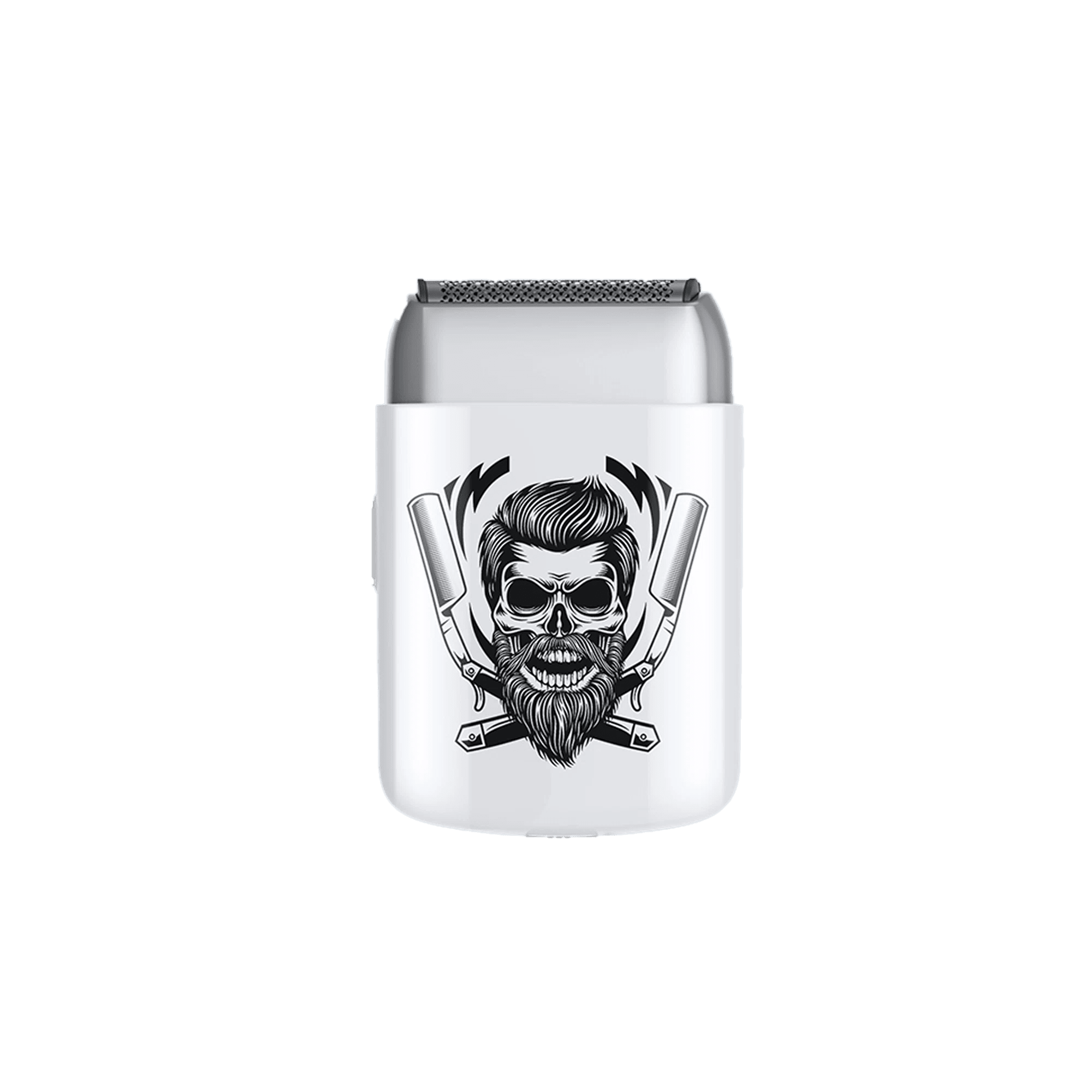
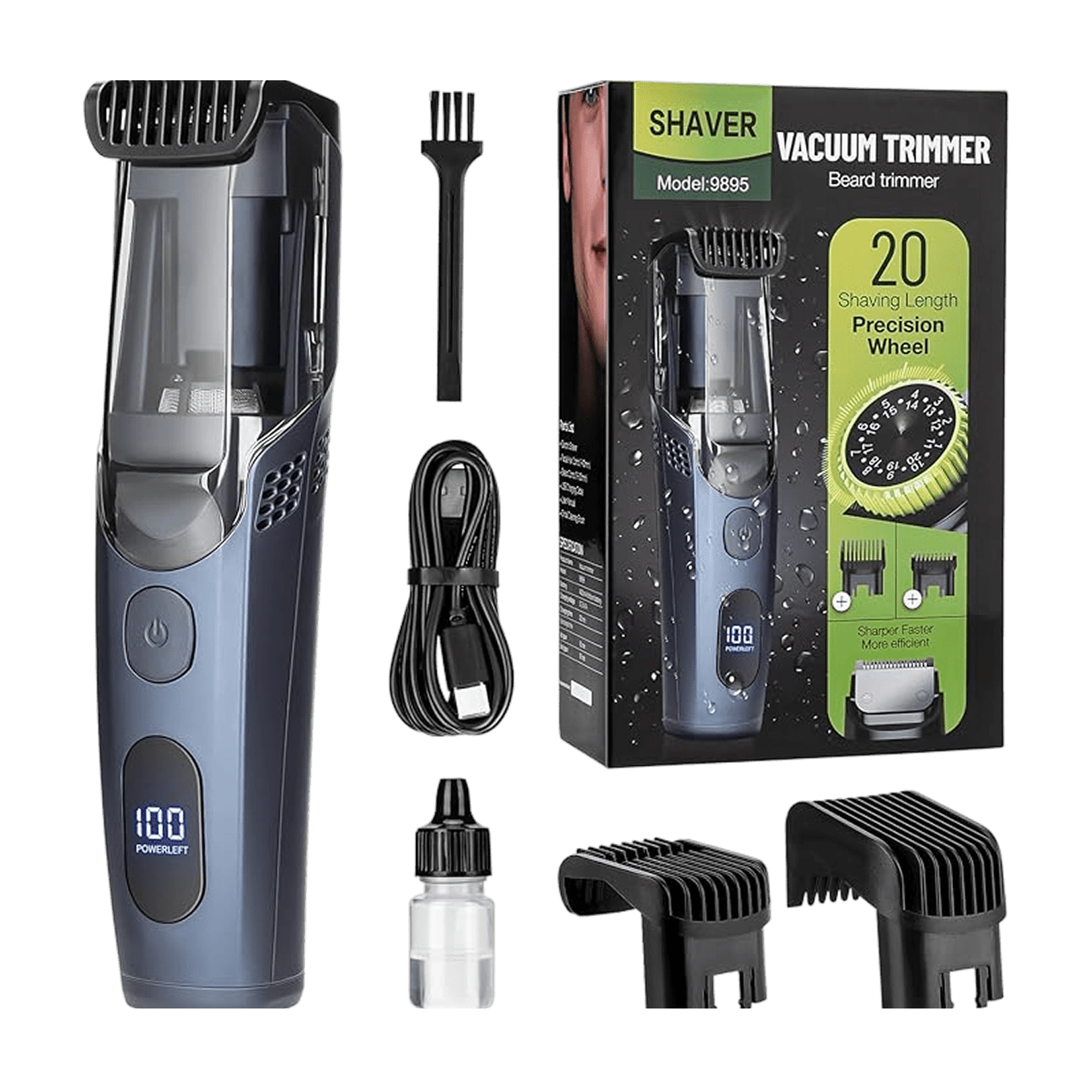
- Beard Trimmers & Electric Shavers: Maintain edges and facial hair for a polished look.
Common Blade Fade Challenges and Solutions
Even experienced barbers encounter challenges:
- Uneven Fades: Often caused by rushing or incorrect blade adjustments. Solution: Work in small sections and step back to check symmetry.
- Harsh Lines: Occur when blending is skipped. Solution: Feather transitions with lighter strokes or a taper blade.
- Clipper Pulling: Dull or misaligned blades can tug. Solution: Clean, oil, and align blades before each cut.
- Fade Too High or Low: Mistakes in marking the fade start. Solution: Plan the fade height before cutting and adjust gradually.
Maintaining Your Blade Fade Over Time
A fade can lose its sharpness quickly without proper upkeep:
- Regular Touch-Ups: Trim every 2–4 weeks depending on hair growth.
- Edge Maintenance: Use taper blades or beard trimmers for crisp lines.
- Hair Care: Use quality shampoo, conditioner, and styling products to keep hair healthy.
- At-Home Tools: Hair cutting kits and clippers allow minor corrections to keep the fade looking fresh between barber visits.
Choosing the Right Blade Fade Clippers
Selecting the right clippers affects your results:
- Cordless vs corded: Cordless offers mobility; corded ensures consistent power.
- Blade quality: Stainless steel or ceramic for long-lasting sharpness.
- Adjustable blades: Perfect for fine-tuning fade lengths.
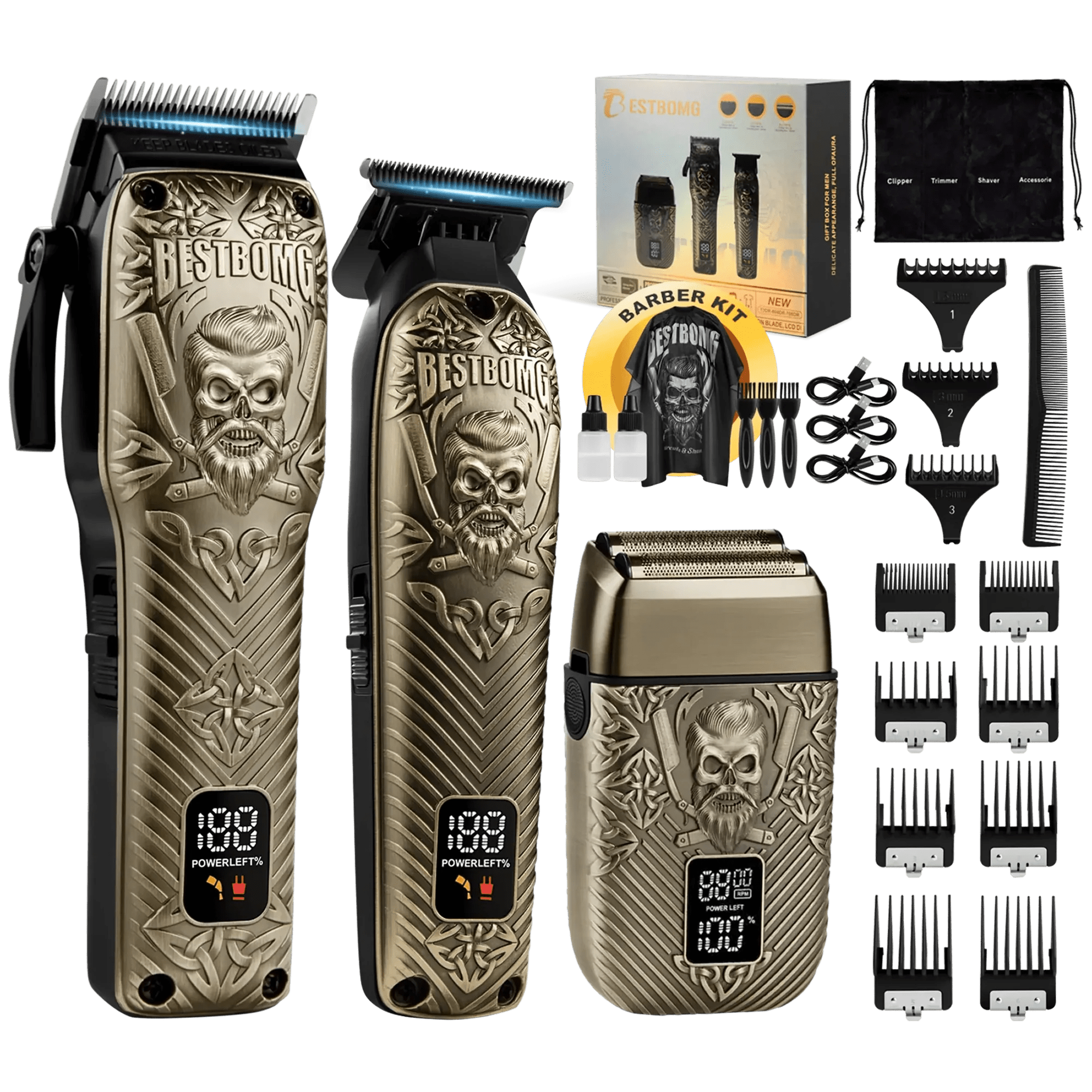
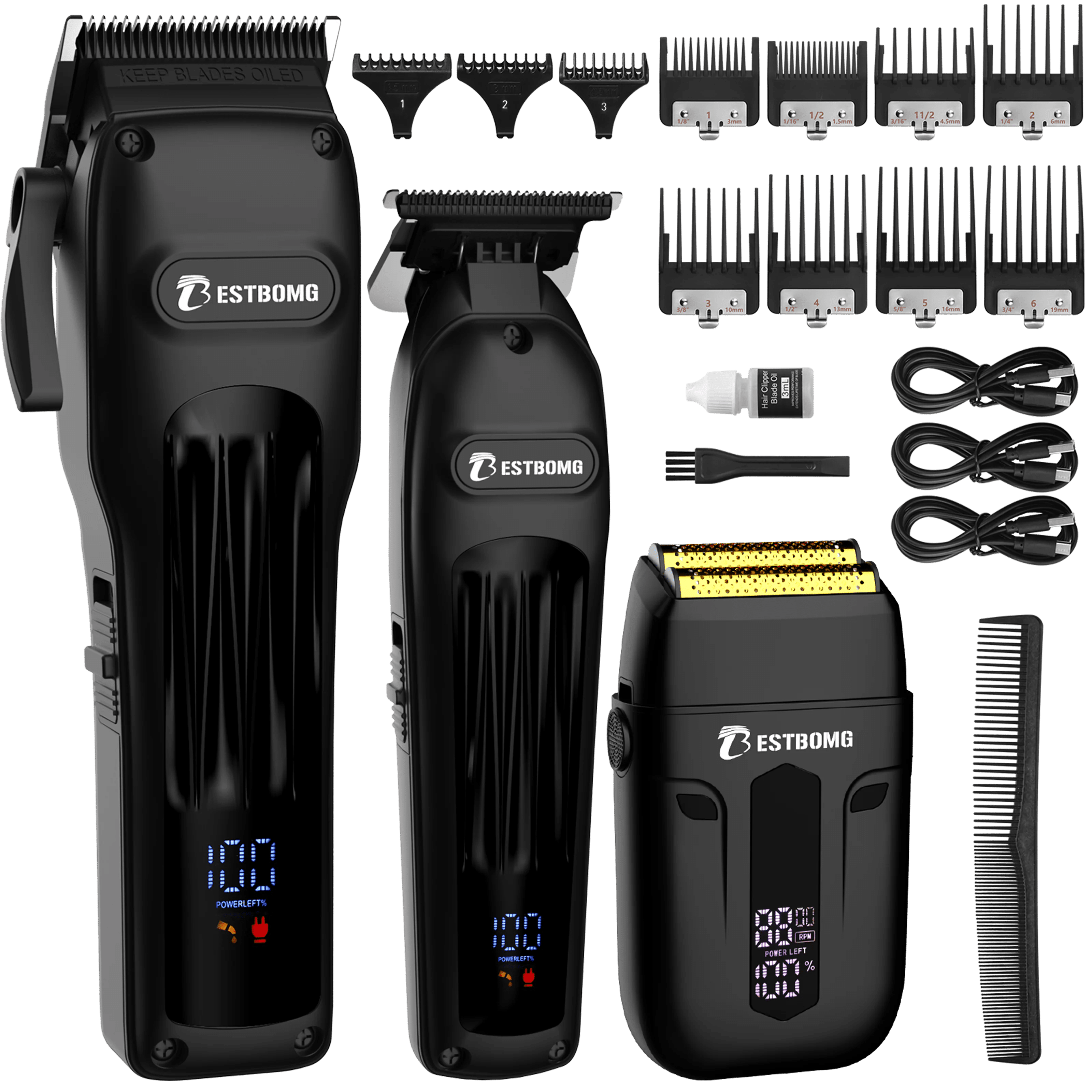
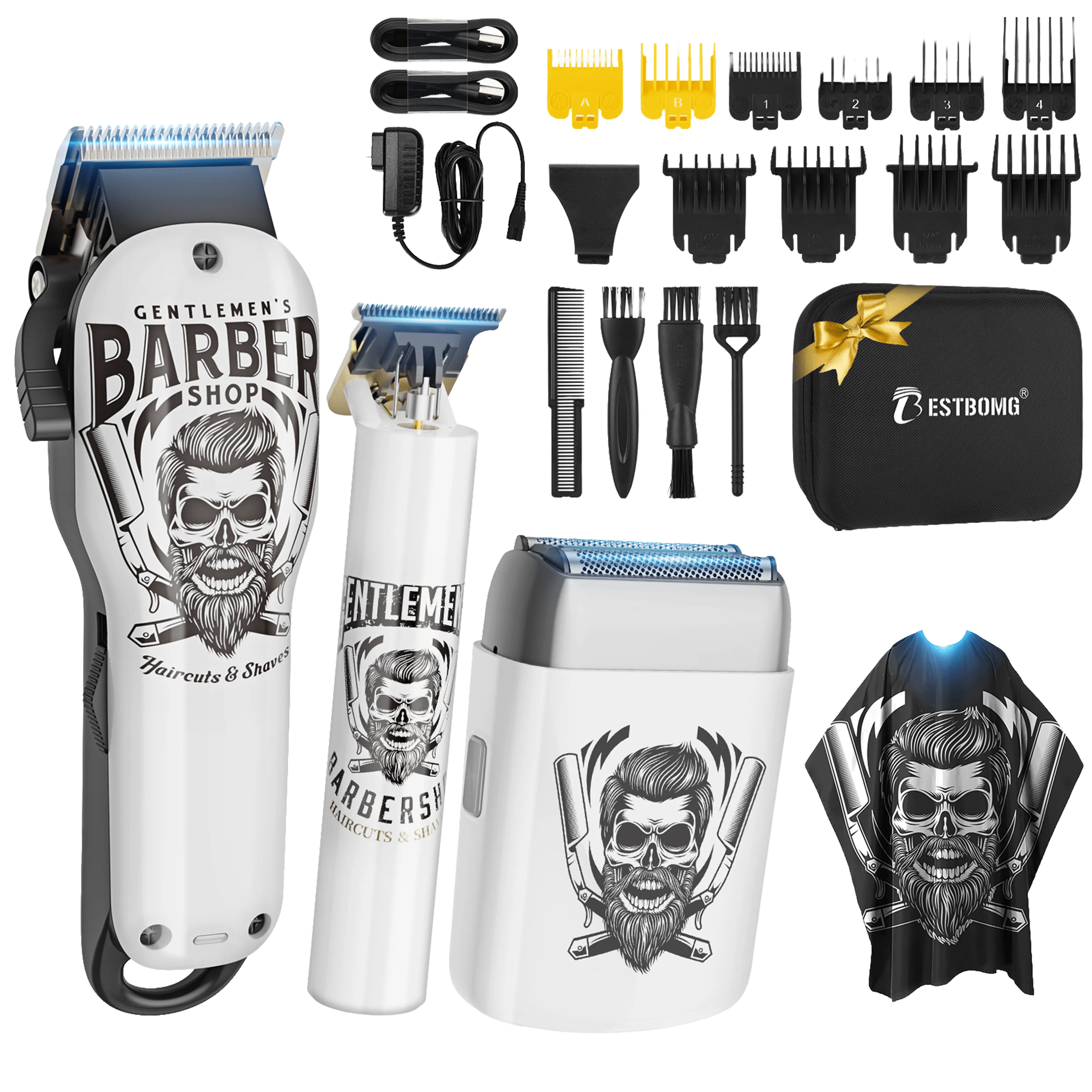
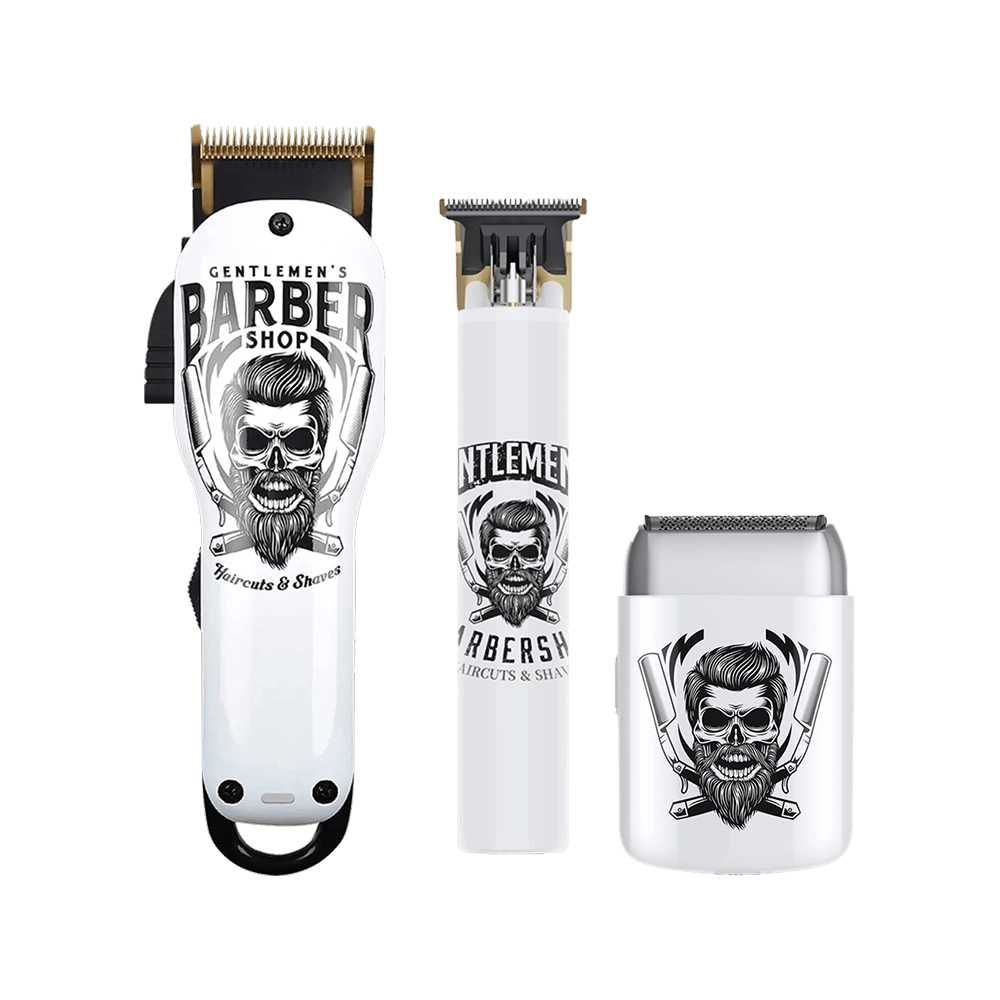
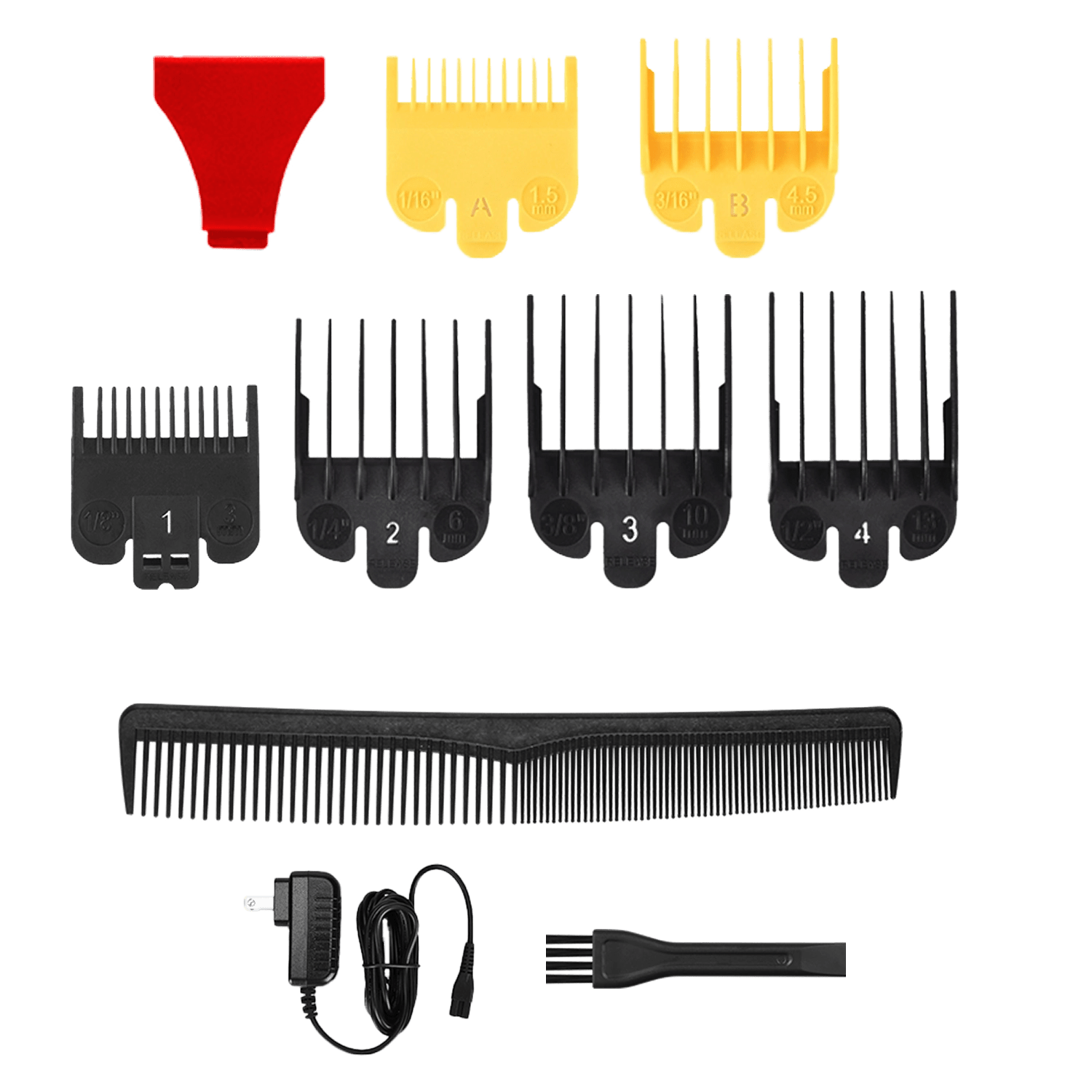
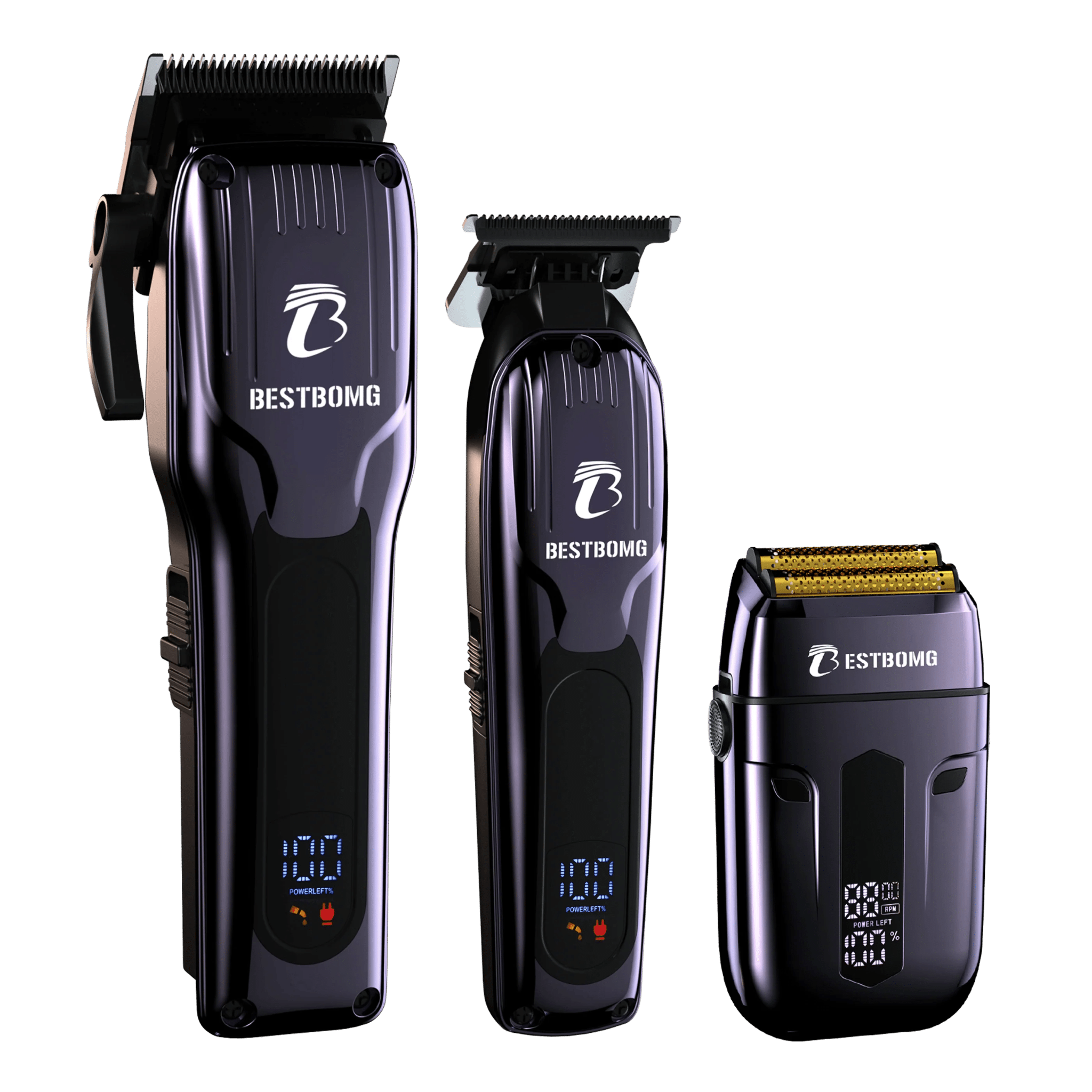
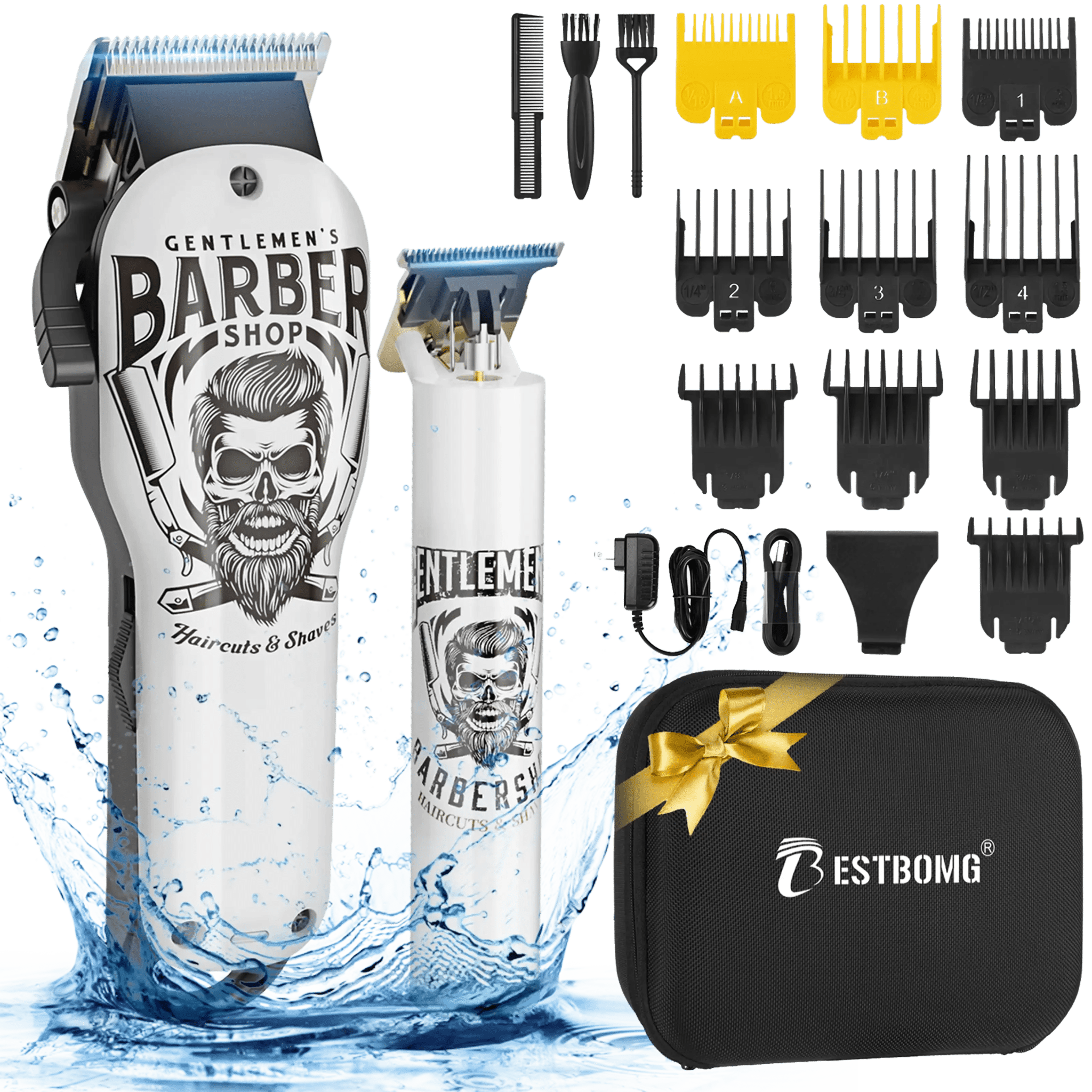
Top options from Bestbomg include hair cutting kits that come with multiple blade lengths and guides for beginners.
Blade Fade Techniques for Beginners

Step-by-step tips for achieving a smooth fade:
- Start with clean, dry hair: Remove tangles for an even cut.
- Begin at the bottom: Use the fade blade at the shortest setting.
- Gradually move up: Slowly adjust the blade length as you go higher.
- Blend lines: Use a higher blade setting or taper blade for seamless transition.
- Check symmetry: Step back and compare both sides frequently.
Short, consistent strokes are key to preventing harsh lines.
Low, Mid, and High Blade Fades
Different fade heights create unique styles:
- Low fade: Starts just above the ears, subtle and professional.
- Mid fade: Begins between the temples and ears, versatile look.
- High fade: Starts near the crown, bold and modern style.
Experiment with fade blade clippers to find your preferred fade height.
Blade Fade Maintenance Tips
Proper maintenance extends your clipper’s life:
- Clean blades after each use to prevent hair buildup.
- Oil blades regularly for smooth operation.
- Check alignment and tension for precise cutting.
- Store safely to prevent damage.
For tips on keeping tools in top condition, explore beard trimmers and electric shavers collections for cross-grooming care.
Blade Fade vs Taper Blade: When to Use Each

- Fade blade: Use for primary cutting and achieving a smooth gradient.
- Taper blade: Best for edges, neckline, and detailing around ears.
- Combining both blades ensures a professional, finished look.
Common Mistakes to Avoid
Even experienced cutters make these errors:
- Cutting too quickly and creating uneven lines.
- Not blending properly at transition points.
- Using dull blades that pull hair.
- Ignoring maintenance, which reduces clipper performance.
Always work slowly and methodically to avoid errors.
Tools You Need for a Perfect Blade Fade
Achieving a professional-looking fade requires the right tools:
- Fade blade clippers: Adjustable for precise transitions.
- Taper blades: For edges, neckline, and detailing.
- Combs & brushes: To detangle hair and guide clippers.
- Cloth cape: To keep hair off clothes and maintain hygiene.
- Spray bottle: To lightly dampen hair if needed.
For all-in-one solutions, check hair cutting kits.
Preparing Hair for a Blade Fade
Proper preparation makes cutting easier and more precise:
- Wash and condition hair for smooth texture.
- Dry completely to prevent clumping.
- Comb thoroughly to remove tangles.
- Decide on fade height and mark guidelines with a comb or clipper.
Prepping the hair ensures consistent results with fade blade clippers.
Advanced Blade Fade Techniques

Once you’re comfortable with basic fades, try these techniques:
- Clipper-over-comb: Allows blending on longer top hair.
- Clip-and-check method: Cut small sections, step back, and review before moving on.
- Feathering strokes: Use lighter pressure near transitions to create a seamless gradient.
- Reverse fading: Start at the longest point and work downward for certain styles.
These techniques help create a smooth, professional fade.
Styling Tips After a Blade Fade
A fade isn’t complete without proper styling:
- Use light styling gel or pomade to enhance texture.
- Blow-dry with a comb to set the shape.
- Trim edges regularly to maintain the fade’s crisp look.
- Experiment with hair direction to highlight the gradient.
For ongoing grooming, consider beard trimmers and electric shavers to keep edges sharp.
Common Blade Fade Variations

Explore different fade styles to suit personal preference:
- Skin fade: Very short at the base, fades into longer hair.
- High fade: Bold, dramatic fade starting near the crown.
- Low fade: Subtle, professional fade starting just above the ears.
- Mid fade: Balanced fade between high and low for a versatile look.
Frequently Asked Questions
What is a blade fade?
A blade fade is a haircut where the hair gradually transitions from short to long using adjustable fade blades. It creates a smooth, professional-looking gradient.
Fade blade vs taper blade—what’s the difference?
Fade blades allow adjustable cutting for full fades, while taper blades are ideal for edges and subtle blending. Both are often used together.
How do I maintain my fade blades?
Clean blades after each use, oil regularly, check alignment, and store safely. Proper maintenance ensures smooth cuts and longevity.
Can I do a blade fade at home?
Yes, with practice and the right tools. Start with a hair cutting kit that includes multiple blade lengths and follow step-by-step tutorials.
Which clippers are best for blade fades?
Adjustable, high-quality stainless steel or ceramic blade clippers are recommended. Kits with multiple guards simplify achieving the perfect fade.
Conclusion
Mastering the blade fade takes practice, the right tools, and patience. Whether you’re a professional barber or cutting hair at home, understanding fade vs taper blades ensures smooth results every time. For a complete set of tools to get started, explore hair cutting kits and hair clippers today.

Looking for something else?

How to Cut Baby Boy Hair with Clippers: Step-by-Step Guide
LEARN MORE
Do Hair Clippers Get Dull? Causes, Signs & Prevention
LEARN MORE
Can an Electric Shaver Cut You? Safety Facts & Prevention
LEARN MORE
How to Shave Balls with Electric Shaver: Safe Guide
LEARN MORELooking for something else?

Does Using Trimmer Increase Hair Growth? Facts & Myths
LEARN MORE
Best Hair Clippers for Men: Top Picks for Home & Pro Use
LEARN MORE
Best Professional Hair Clippers for Barbers: Top Picks
LEARN MOREYou may also like


Further reading
Best Hair Clippers for Perfect Fades at Home
Clipper Lever Open vs Closed: What It Means (with mm)
Why You Need a Cordless Detailer Trimmer (And How to Pick the Right One)