







Can an Electric Shaver Cut You? Safety Facts & Prevention
Can an electric shaver cut you? Yes, but it's rare compared to manual razors. Electric shavers are designed with protective foils or guards that prevent direct blade contact with skin, but cuts can occur from damaged foils, excessive pressure, shaving over broken skin or acne, or improper technique. While electric shavers provide significantly safer shaving than traditional blades, they're not completely risk-free. This guide explains how cuts happen and how to prevent them.
How Electric Shavers Are Designed for Safety

Protective Barrier System
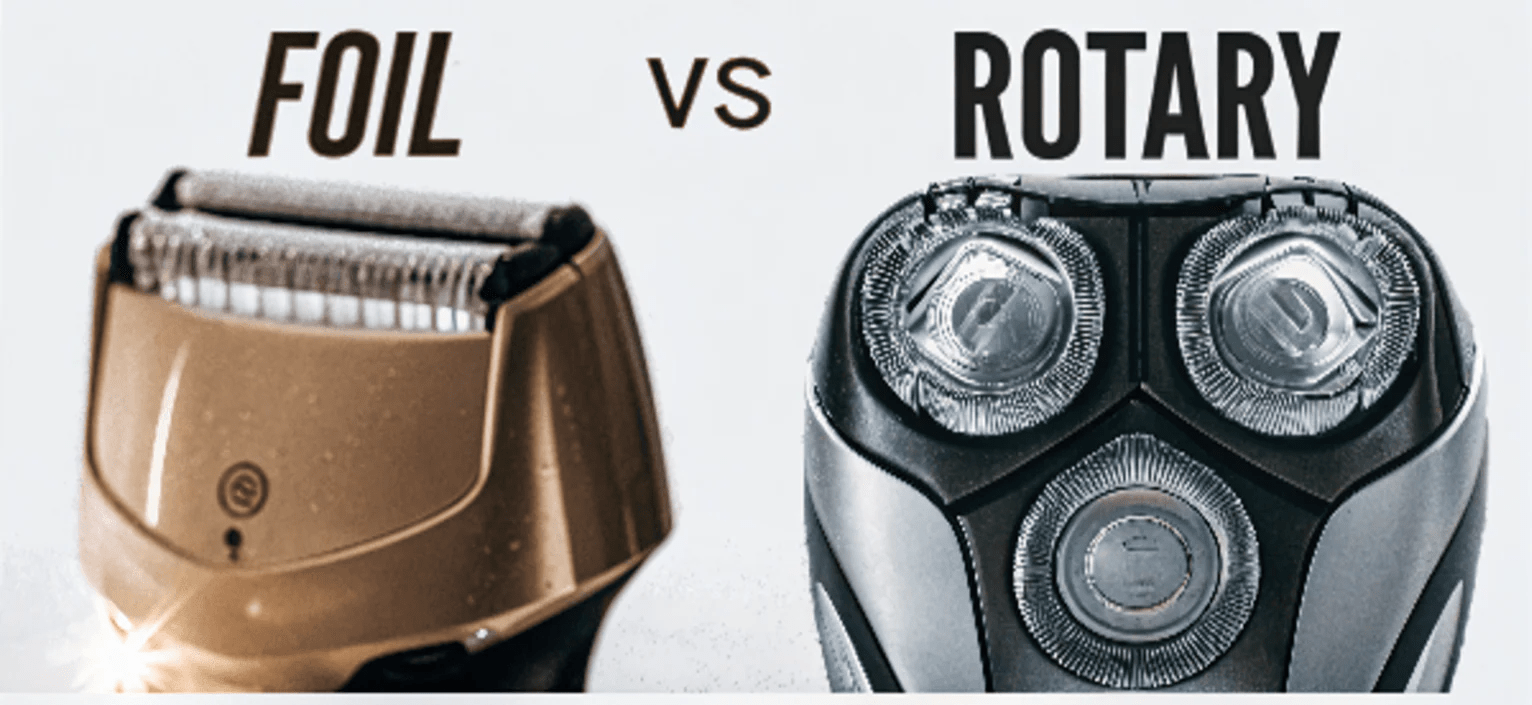
Foil Shavers:
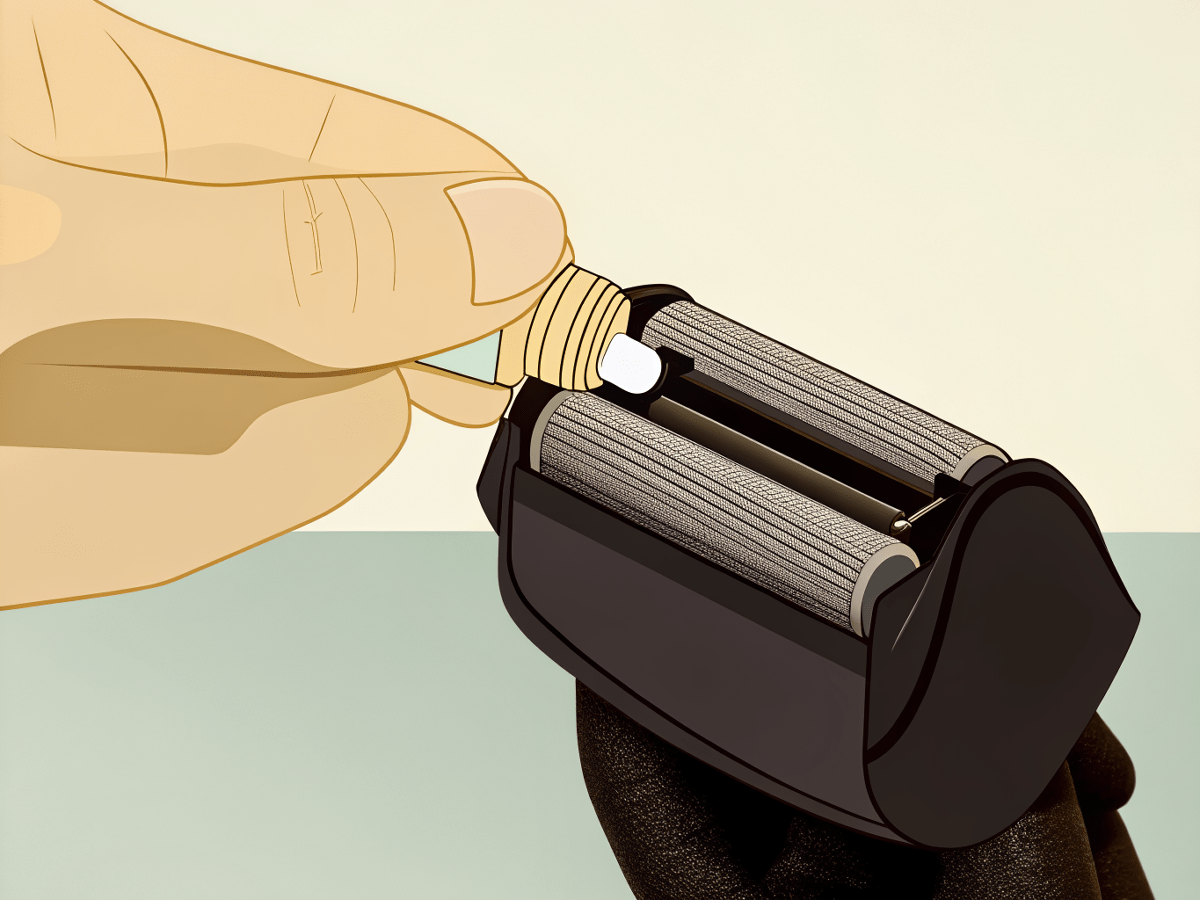
- Thin metal foil covers oscillating blades
- Hair pokes through perforations in foil
- Blades cut hair at skin level (not below)
- Foil prevents direct blade-to-skin contact
Rotary Shavers:
- Circular guards cover rotating blades
- Hair enters through slots
- Blades rotate beneath guards
- Guards protect skin from blade contact
Why They're Safer Than Manual Razors
- No direct blade contact (when foil/guard intact)
- Cut at or above skin level (not below)
- Less pressure needed (glide, don't press)
- Fewer nicks from proper use
When and Why Electric Shavers Can Cut You

Damaged or Worn Foils
Problem:
- Holes in foil expose blades
- Bent or cracked guards allow blade contact
- Worn foils lose protective barrier
Result: Blades can directly touch skin, causing cuts.
Excessive Pressure
Problem:
- Pressing too hard forces skin into cutting mechanism
- Skin stretches into perforations/slots
- Blades contact stretched skin
Result: Small nicks and cuts, especially on sensitive areas.
Shaving Over Broken Skin
Problem:
- Active acne or pimples have raised, broken skin
- Cuts or scratches are vulnerable
- Razor bumps are inflamed and exposed
Result: Shaver can catch and worsen existing wounds.
Improper Technique
Problem:
- Going over same area repeatedly irritates skin
- Wrong angle (not flat against skin)
- Moving too fast without control
- Shaving against grain aggressively
Result: Irritation, razor burn, and potential cuts.
Electric Shaver Safety Comparison
|
Risk Factor |
Electric Shaver |
Manual Razor |
|
Direct Blade Contact |
No (protected by foil/guard) |
Yes (blade on skin) |
|
Cut Risk |
Very low (with proper use) |
Moderate to high |
|
Nicks from Pressure |
Rare (need excessive force) |
Common (minimal pressure) |
|
Safe on Sensitive Skin |
Yes (gentle barrier) |
No (high irritation risk) |
|
Risk from Damaged Tool |
Yes (if foil broken) |
Yes (if blade dull) |
Verdict: Electric shavers are significantly safer than manual razors when used correctly.
How to Prevent Cuts with Electric Shavers

Inspect Foils Regularly
Before Each Use:
- Check for holes in foil or guard
- Look for cracks or bends
- Feel for rough edges
- Replace damaged foils immediately
Replacement Schedule:
- Foil shavers: Every 12–18 months
- Rotary shavers: Every 12–24 months
Use Proper Technique
Correct Pressure:
- Light, even pressure only
- Let shaver glide naturally
- Don't press hard (biggest mistake)
- Skin should not indent
Proper Angle:
- Hold at 90-degree angle to skin (foil shavers)
- Flat against skin (rotary shavers)
- Don't tilt or angle excessively
Controlled Movements:
- Short, controlled strokes
- Don't rush
- Avoid repeated passes over same area
Prepare Skin Properly
Before Shaving:
- Cleanse skin with warm water (softens hair)
- Pat dry completely (for dry shaving)
- Check for active breakouts (avoid those areas)
- Apply pre-shave lotion (optional, reduces friction)
Shave in the Right Order
- Shave sensitive areas first (before shaver heats up)
- Avoid active pimples or broken skin
- Use light strokes on neck and jawline
- Save tougher areas (cheeks) for last
What to Do If You Get Cut
Immediate Care
- Stop shaving immediately
- Rinse with cool water
- Apply pressure with clean cloth (if bleeding)
- Use styptic pencil or alum block (stops bleeding)
- Disinfect with alcohol-free antiseptic
Post-Cut Care
- Keep area clean and dry
- Apply antibiotic ointment (prevents infection)
- Avoid shaving that area for 2–3 days
- Inspect shaver for damage (replace foil if needed)
Common Mistakes That Cause Cuts
Pressing Too Hard
Why It Happens: Trying to get a closer shave
Solution: Trust the shaver light pressure is enough
Using Damaged Equipment
Why It Happens: Not replacing worn foils
Solution: Inspect and replace foils every 12–18 months
Shaving Too Fast
Why It Happens: Rushing in the morning
Solution: Take 5–7 minutes; slow, controlled strokes
Not Adapting Skin
Why It Happens: Switching from manual to electric
Solution: Give skin 2–4 weeks to adjust to new method
Frequently Asked Questions
Can an electric shaver cut you?
Yes, but rarely. Electric shavers have protective foils or guards that prevent direct blade contact, making cuts very uncommon. Cuts usually occur from damaged foils with holes, excessive pressure forcing skin into blades, shaving over active pimples or broken skin, or improper technique.
Can you cut yourself with an electric shaver?
Yes, but it's far less likely than with manual razors. Electric shaver cuts typically happen when the protective foil is damaged (exposing blades), you press too hard, or shave over irritated skin. Using light pressure and inspecting foils regularly prevents most cuts.
How do you not cut yourself with an electric shaver?
Use light, even pressure (don't press hard), inspect foils for damage before each use, replace foils every 12–18 months, avoid shaving over active pimples, hold shaver flat against skin at 90-degree angle, and use short, controlled strokes without rushing.
Are electric shavers safer than manual razors?
Yes, significantly safer. Electric shavers have protective barriers (foils/guards) that prevent direct blade contact, reducing cut risk by 90%+ compared to manual razors. They cut hair at skin level (not below), require less pressure, and cause fewer nicks with proper use.
Can you use an electric shaver on sensitive skin?
Yes, electric shavers are ideal for sensitive skin. The protective foil barrier reduces irritation and prevents direct blade contact, minimizing razor burn and cuts. Use light pressure, shave with pre-shave lotion, and choose hypoallergenic foil shavers (Braun Series 9, Panasonic Arc 5) for best results.
What causes electric shaver cuts?
Damaged foils (holes/cracks expose blades), excessive pressure (forces skin into cutting mechanism), shaving over broken skin (active acne, cuts, razor bumps), improper angle (not flat against skin), going over same area repeatedly, and using worn or dull blades that pull instead of cut.
Conclusion
Electric shavers can cut you, but it's rare when used correctly. Protective foils and guards prevent direct blade contact, making electric shavers significantly safer than manual razors. Prevent cuts by using light pressure, inspecting foils for damage, replacing worn foils every 12–18 months, avoiding active breakouts, and using proper technique with controlled strokes.
Ready to shave safely? Explore electric shavers with hypoallergenic foils and protective designs for gentle, comfortable shaving without cuts or irritation.


Read more

Do Hair Clippers Get Dull? Causes, Signs & Prevention
Yes, hair clippers do get dull over time due to normal wear and tear from friction, hair and dirt buildup, lack of lubrication, and improper use. Dull hair clipper blades pull and tug hair instead ...
How to Shave Balls with Electric Shaver: Safe Guide
Learning how to shave balls with electric shaver requires proper preparation, technique, and the right tools to avoid cuts and irritation. Use a dedicated body trimmer designed for sensitive areas,...


Leave a comment
This site is protected by hCaptcha and the hCaptcha Privacy Policy and Terms of Service apply.