






Does Using Trimmer Increase Hair Growth? Facts & Myths
Does using trimmer increase hair growth? No, using a beard trimmer or hair trimmer does not increase the rate, thickness, or speed of hair growth. Trimming cuts hair at the surface, leaving the hair follicle the root responsible for growth completely untouched.
Hair growth rate, thickness, and texture are determined by genetics and hormones, not by trimming frequency. However, regular trimming can make hair appear healthier by removing split ends and preventing breakage.
The Science: How Hair Growth Actually Works

Hair Follicle Basics
Where Growth Happens:
- Hair follicle (beneath skin surface)
- Dermal papilla (supplies blood and nutrients)
- Hair bulb (produces new hair cells)
What Controls Growth:
- Genetics (inherited growth rate and thickness)
- Hormones (testosterone, DHT, estrogen)
- Age (growth slows with age)
- Health (nutrition, stress, medical conditions)
Growth Cycle Phases
Anagen (Growth Phase):
- Lasts 2–7 years (scalp hair)
- Lasts 2–6 months (facial hair)
- Hair actively grows from follicle
Catagen (Transition):
- Lasts 2–3 weeks
- Hair stops growing, detaches from blood supply
Telogen (Resting):
- Lasts 3–4 months
- Old hair rests, new hair prepares to grow
Result: Trimming only cuts the hair shaft (dead protein), not the living follicle beneath skin.
Why People Think Trimming Increases Growth

The Blunt-Tip Illusion
What Happens:
- Trimmed hair has blunt, flat tip
- Natural hair has tapered, pointed tip
- Blunt tips feel coarser to touch
- Appear thicker visually when growing out
Reality: Hair shaft diameter remains identical; only the tip shape changes.
Removing Split Ends
What Happens:
- Trimming removes split, damaged ends
- Hair breaks less frequently
- Hair reaches maximum length (instead of breaking off)
- Appears fuller and healthier
Reality: Hair grows at the same rate, but more hair reaches visible length instead of breaking.
Trimming vs. Hair Growth: Myth vs. Fact
|
Myth |
Fact |
|
Trimming makes hair grow faster |
Hair grows at same rate from follicle (0.5 inches/month scalp, 0.3–0.5 inches/month facial) |
|
Trimming makes hair thicker |
Blunt tip only appears thicker; shaft diameter unchanged |
|
Trimming makes hair darker |
Color determined by melanin in follicle; trimming doesn't affect pigment |
|
Shaving stimulates follicle |
Follicle is beneath skin; surface cutting has zero effect on root |
|
The more you trim, the more it grows |
Growth controlled by genetics and hormones, not cutting frequency |
What Trimming Actually Does

Benefits of Regular Trimming
Prevents Breakage:
- Removes split ends before they travel up hair shaft
- Hair reaches maximum genetic length
Improves Appearance:
- Fuller look (no thin, wispy ends)
- Healthier shine (smooth ends reflect light better)
- Neater shape (maintains desired style)
Easier Maintenance:
- Less tangling
- Faster styling
- Cleaner lines
Optimal Trimming Frequency
Scalp Hair:
- Every 6–8 weeks (prevents split ends)
- Every 10–12 weeks (if growing out)
Facial Hair (Beard):
- Every 1–2 weeks (maintain shape)
- Every 3–4 weeks (fuller beard)
Body Hair:
- As needed for desired length (no growth impact)
What Actually Increases Hair Growth
Factors You Can Control
Nutrition:
- Protein (hair is made of keratin protein)
- Biotin (B vitamin supports hair health)
- Iron, zinc, vitamins A, C, D, E
- Hydration (drink water)
Scalp/Skin Health:
- Massage (increases blood flow to follicles)
- Clean scalp (prevents clogged follicles)
- Avoid tight hairstyles (reduces tension on follicles)
Lifestyle:
- Reduce stress (high cortisol slows growth)
- Sleep 7–8 hours (growth happens during rest)
- Exercise (improves circulation)
Medical Treatments:
- Minoxidil (Rogaine) for scalp hair
- Finasteride for male pattern baldness
- Consult dermatologist for persistent issues
Factors You Cannot Control
- Genetics (biggest factor)
- Age (growth slows naturally)
- Hormones (testosterone, DHT levels)
- Ethnicity (different growth rates and textures)
Best Practices for Healthy Hair Growth
For Scalp Hair
- Trim split ends every 6–8 weeks
- Use gentle shampoo (avoid harsh sulfates)
- Condition regularly (keeps hair moisturized)
- Limit heat styling (high heat damages hair)
- Eat balanced diet (protein, vitamins, minerals)
For Facial Hair (Beard)
- Trim to maintain shape (doesn't speed growth)
- Use beard oil (moisturizes skin and hair)
- Brush daily (distributes natural oils, removes dead skin)
- Be patient (growth takes 2–6 months for full beard)
- Don't over-trim (let it grow during early phases)
For Body Hair
- Trim for maintenance (no growth impact)
- Moisturize skin (prevents irritation)
- Exfoliate weekly (prevents ingrown hairs)
Frequently Asked Questions
Does trimming make hair grow faster?
No. Trimming cuts hair at the surface and has zero effect on the hair follicle beneath skin, which controls growth rate. Hair grows at a genetically determined rate (about 0.5 inches per month for scalp hair, 0.3–0.5 inches for facial hair) regardless of trimming frequency.
Does using a trimmer make hair thicker?
No. Trimming creates a blunt tip that appears thicker than the natural tapered tip, but the hair shaft diameter remains identical. Genetics determine hair thickness; trimming only changes the tip shape, creating an optical illusion of thickness as hair grows out.
Is trimming hair good for growth?
Trimming doesn't increase growth rate, but it prevents breakage by removing split ends. This allows hair to reach its maximum genetic length instead of breaking off prematurely, making hair appear fuller and healthier. Trim every 6–8 weeks for best results.
Does shaving make hair grow back thicker or darker?
No. This is a persistent myth. Shaving creates a blunt edge that feels coarser and looks darker against skin, but hair color and thickness are determined by melanin and follicle genetics, which shaving cannot change. Multiple studies confirm shaving has no effect on growth.
How can I actually increase hair growth?
Focus on factors that affect the follicle: eat protein-rich diet with biotin, iron, and vitamins; massage scalp to increase blood flow; reduce stress; sleep 7–8 hours; stay hydrated; and consult a dermatologist about medical treatments (minoxidil, finasteride) if needed.
Can trimmer damage hair follicles?
No, unless you press extremely hard and cause skin trauma. Normal trimming at the surface doesn't reach deep enough to damage follicles beneath skin. However, improper technique (pulling, tugging, pressing too hard) can irritate skin and inflame follicles temporarily, causing discomfort but not permanent damage.
Conclusion
Using a trimmer does not increase hair growth rate, thickness, or speed—this is a widespread myth. Hair growth is controlled by genetics, hormones, and health factors, all of which occur at the follicle beneath skin.
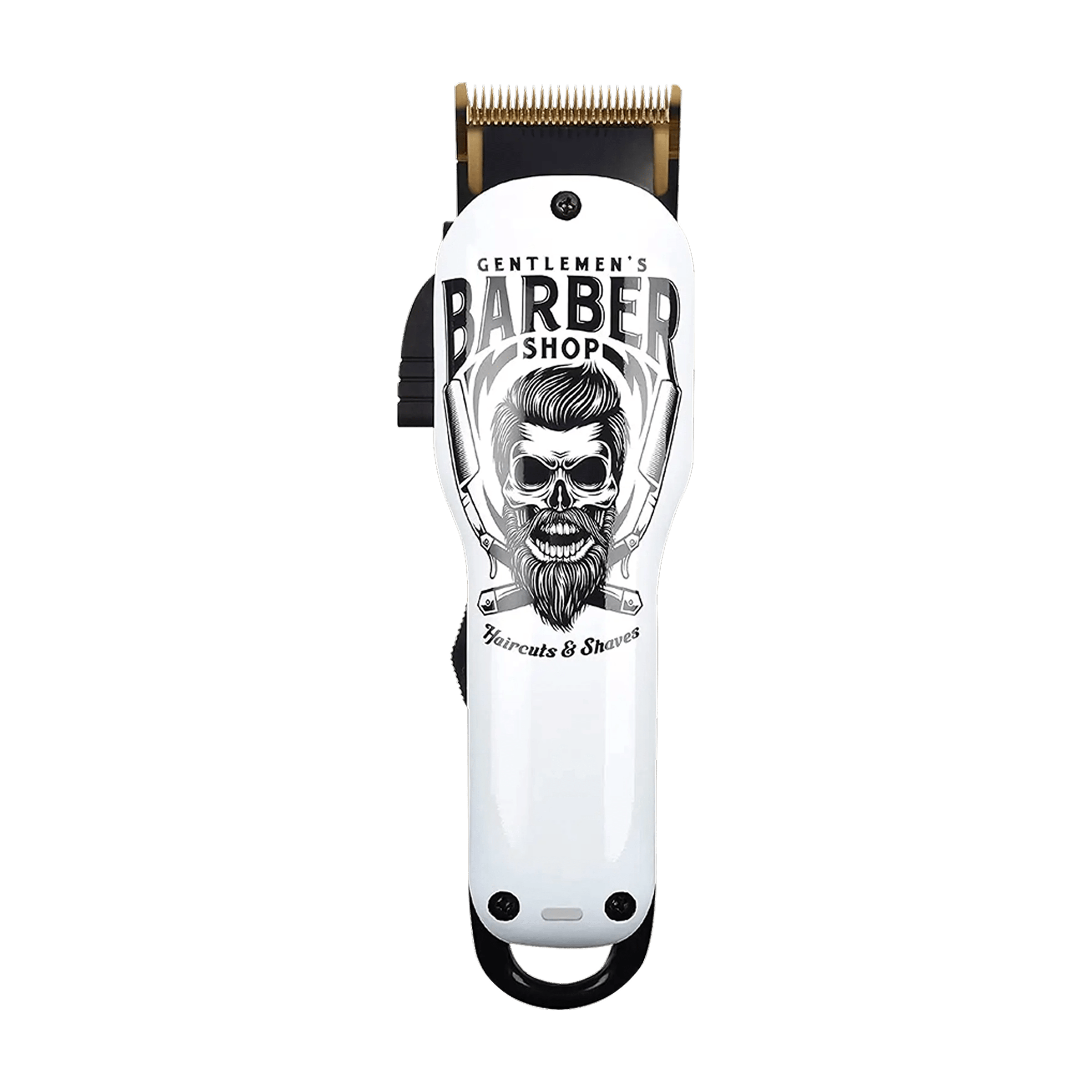
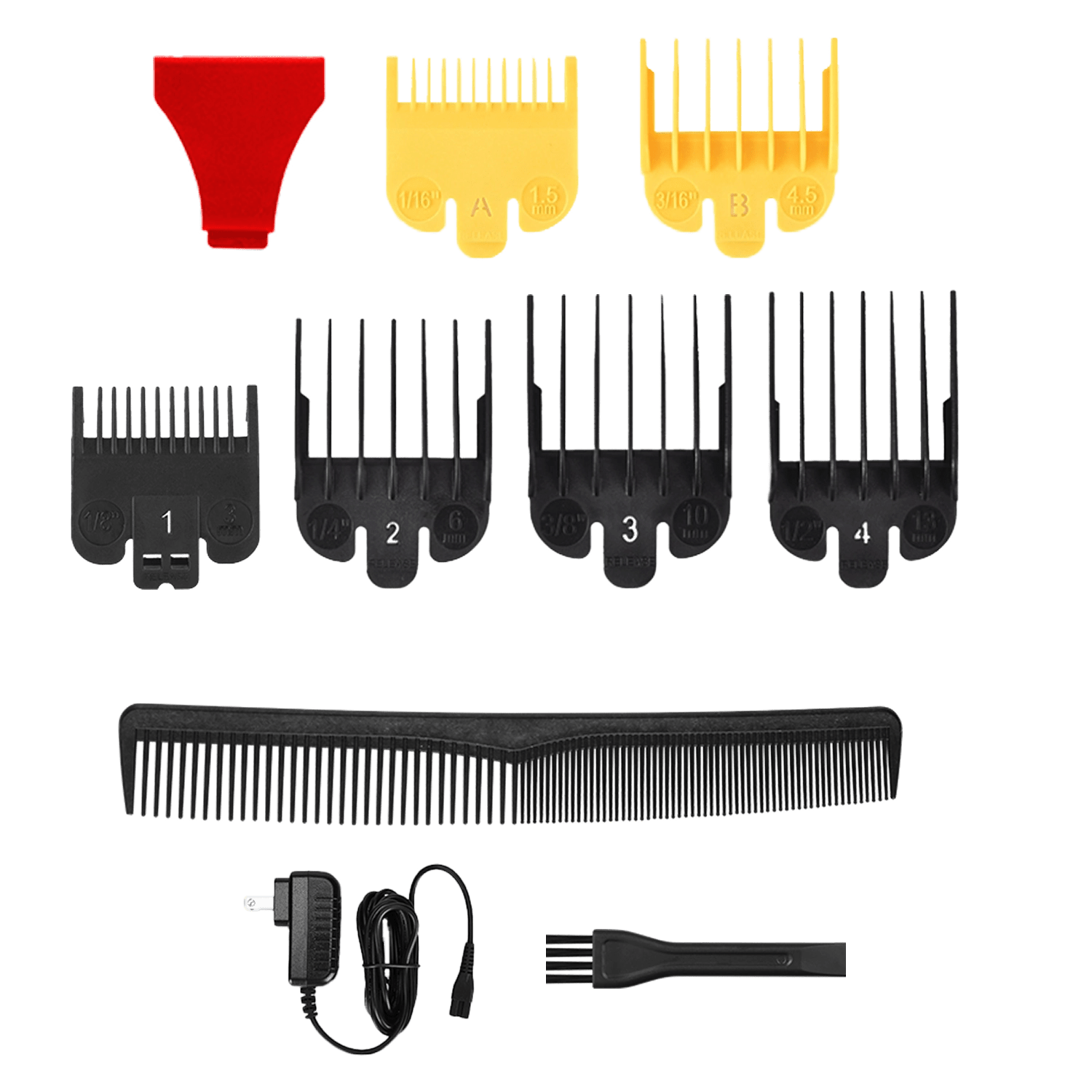
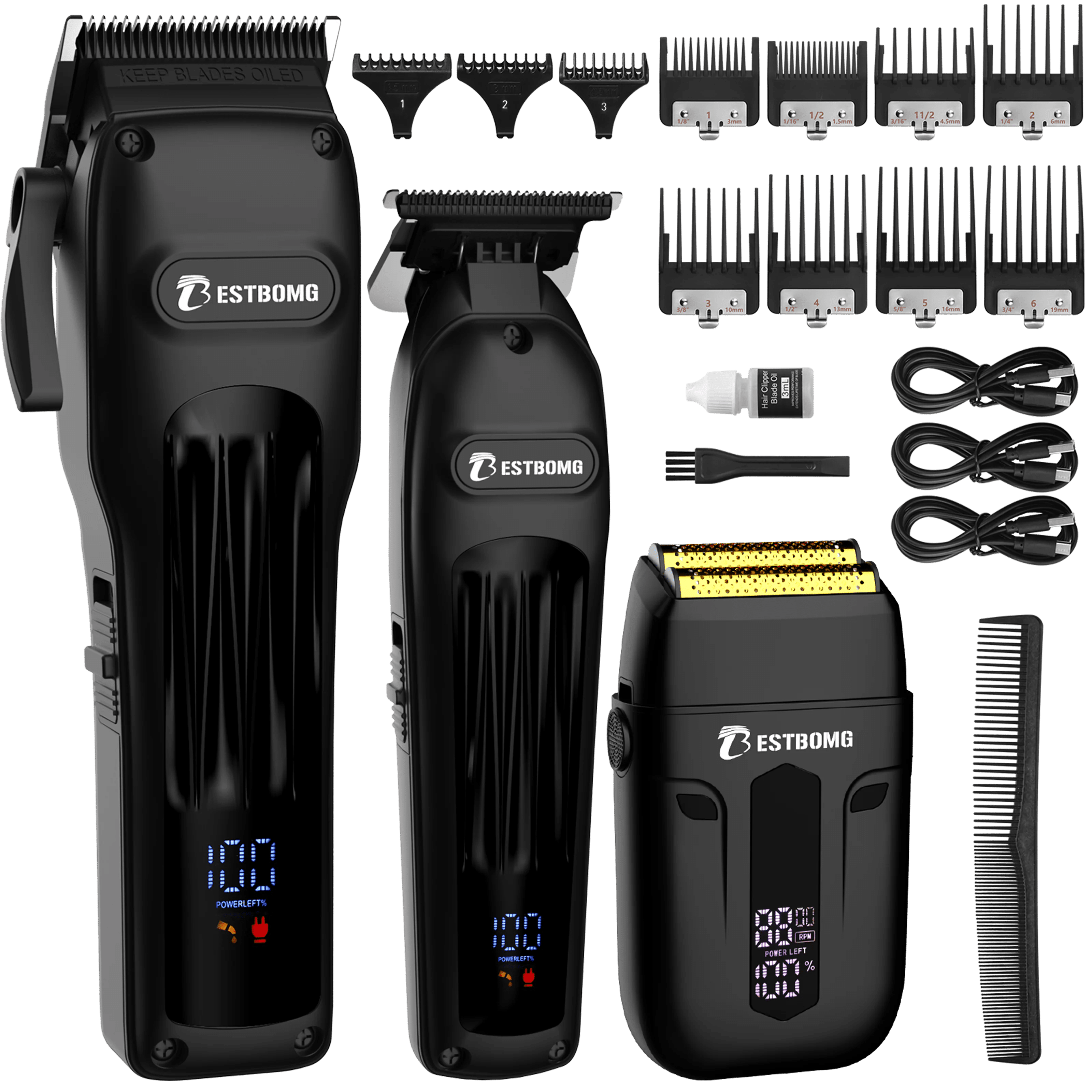
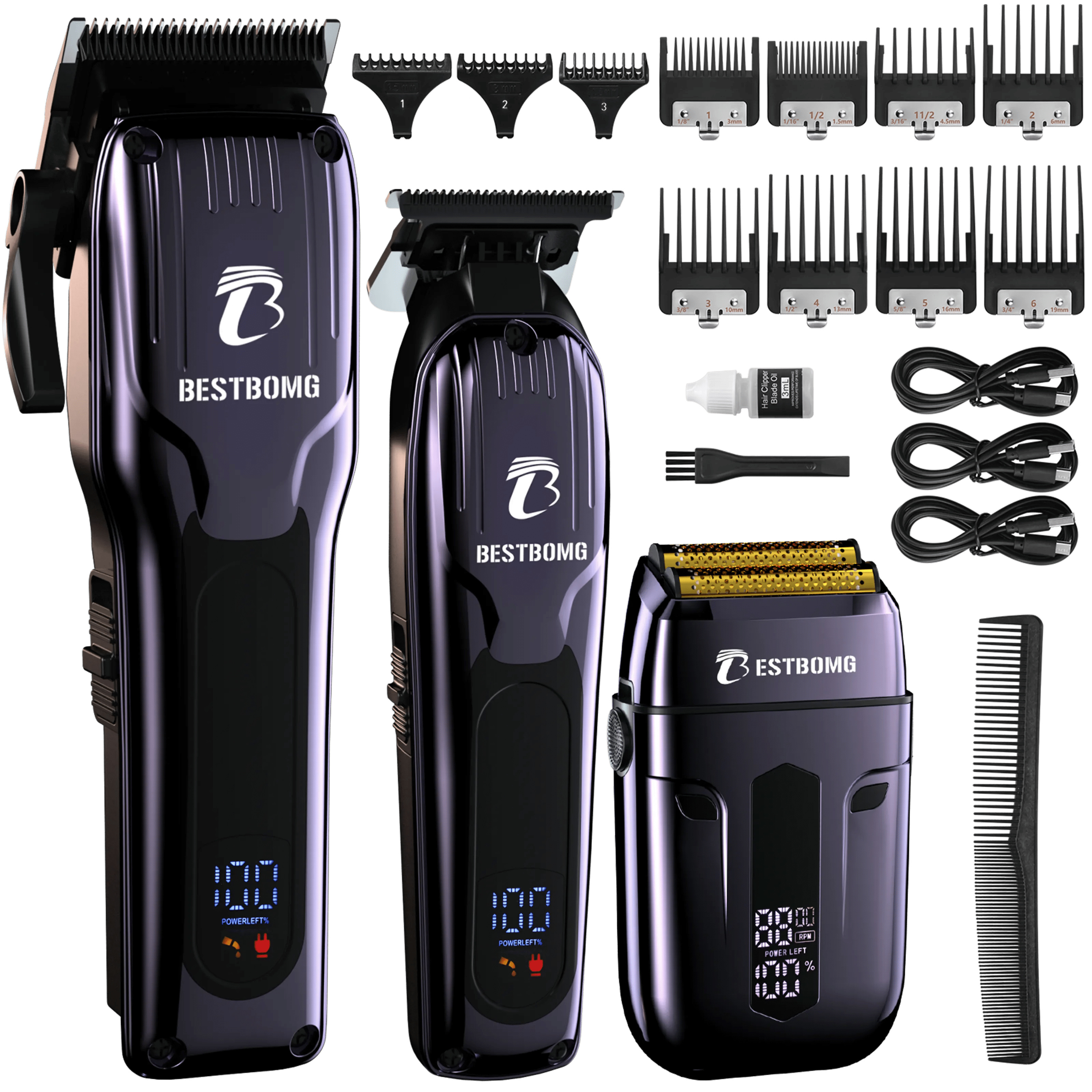
Trimming only cuts the visible hair shaft above skin. While trimming doesn't speed growth, it does improve hair appearance by removing split ends and preventing breakage.Want to maintain your beard or hair with quality tools? Explore beard trimmers designed for precise trimming and clean shaping without damaging hair.

Read more
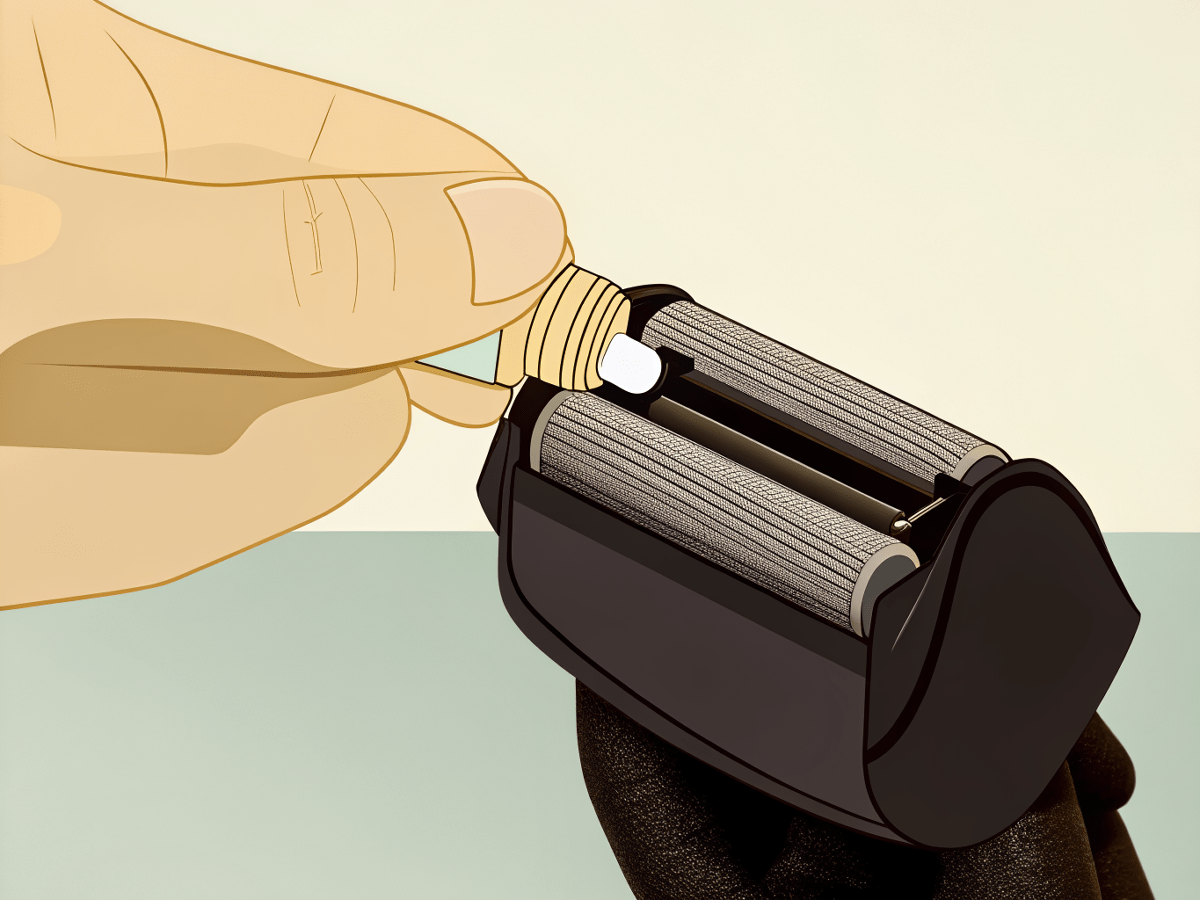
How to Shave Balls with Electric Shaver: Safe Guide
Learning how to shave balls with electric shaver requires proper preparation, technique, and the right tools to avoid cuts and irritation. Use a dedicated body trimmer designed for sensitive areas,...
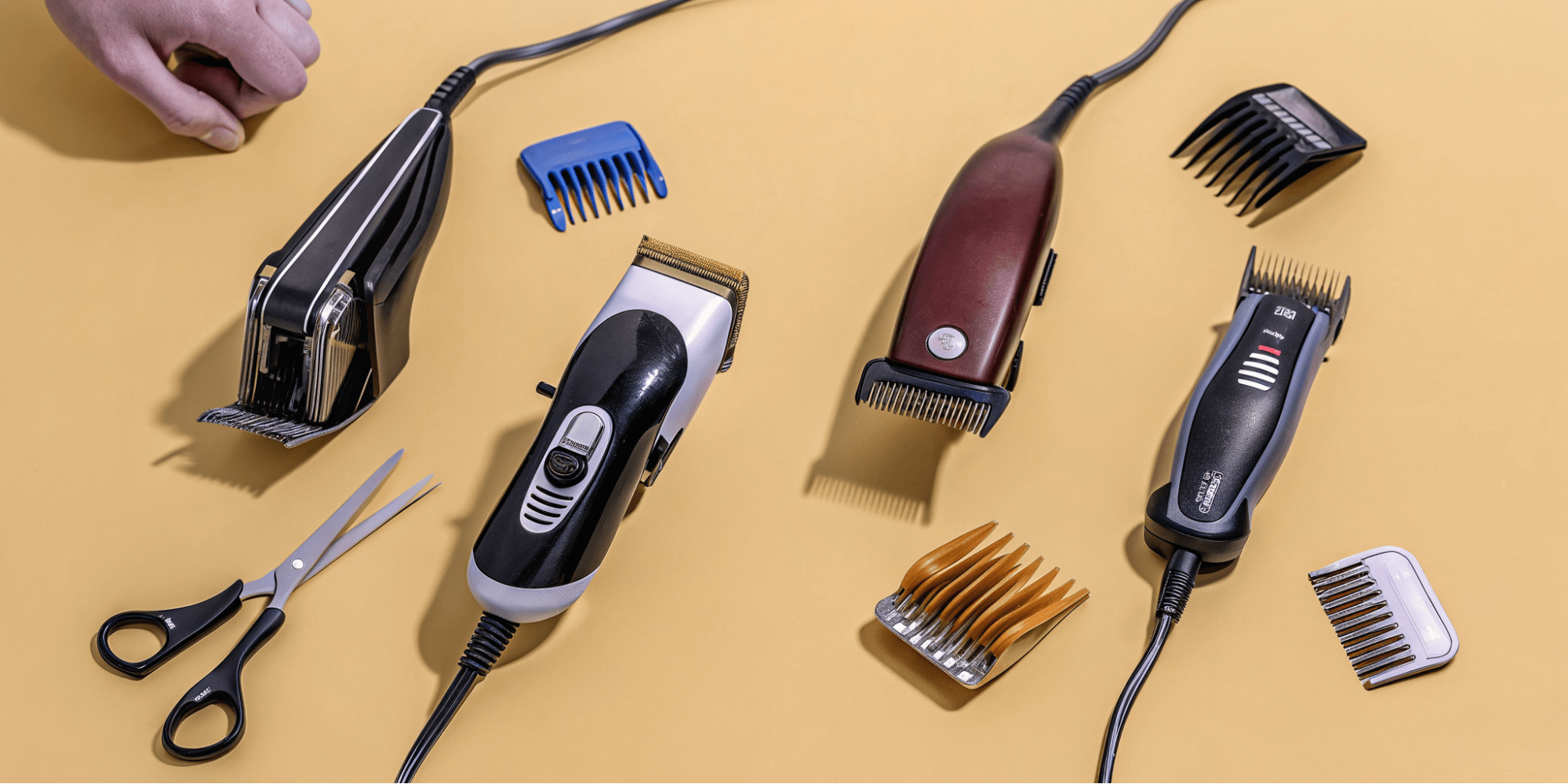
Best Hair Clippers for Men: Top Picks for Home & Pro Use
Finding the best hair clippers for men means choosing tools that deliver clean cuts, reliable performance, and versatility for different hair types and styles. Whether you need professional-grade c...


Leave a comment
This site is protected by hCaptcha and the hCaptcha Privacy Policy and Terms of Service apply.