






Electric Shaver vs Razor for Legs: Which is Better?
Choosing between electric shaver vs razor for legs depends on priorities: electric shavers offer speed, safety, and convenience (no water/cream needed, dry shaving), while manual razors deliver closer, smoother results but require prep work and carry higher risk of nicks and razor burn. Electric shavers excel for sensitive skin and busy schedules; razors win for maximum smoothness. This guide compares closeness, speed, cost, safety, and best use cases.
Electric Shaver vs Razor Comparison
|
Feature |
Electric Shaver |
Manual Razor |
|
Closeness |
Close (0.05–0.1mm above skin) |
Closest (at or below skin level) |
|
Speed |
Fast (3–5 minutes) |
Slower (10–15 minutes with prep) |
|
Prep Required |
None (dry shaving) |
Yes (water, shaving cream) |
|
Safety |
Very safe (no nicks) |
Risk of cuts and nicks |
|
Cost (Long-Term) |
Moderate (replace heads annually) |
Low (replace blades monthly) |
|
Irritation Risk |
Low (cuts at skin level) |
Higher (cuts below skin) |
|
Best For |
Sensitive skin, speed, convenience |
Maximum smoothness, occasional use |
Closeness: Which Shaves Closer?

Manual Razor
Closest Possible Shave:
- Cuts hair at or below skin level
- Baby-smooth results immediately after shaving
- Lasts 3–5 days before stubble returns
Why It's Closer:
Direct blade contact allows cutting below the skin surface, delivering maximum smoothness.
Electric Shaver
Very Close Shave:
- Cuts hair 0.05–0.1mm above skin level
- Smooth but not quite as smooth as manual razors
- Lasts 1–3 days before stubble becomes noticeable
Why It's Not Quite as Close:
The protective foil/guard prevents blades from reaching below the skin surface.
Verdict: Manual razors deliver a closer shave, but electric shavers come very close with far less effort.
Speed and Convenience

Electric Shaver
Fast and Convenient:
- 3–5 minutes for both legs (dry shaving)
- No prep work (no water, cream, or lather)
- Wet/dry capability (optional shower use)
- Portable (battery-powered, travel-friendly)
Best For:
- Daily or every-other-day shaving
- Busy mornings
- Quick touch-ups
Manual Razor
Time-Consuming:
- 10–15 minutes including prep (lather, rinse, moisturize)
- Requires shower or sink access
- Multiple products (shaving cream, aftershave, moisturizer)
Best For:
- Weekly shaving routine
- Relaxing self-care ritual
- When maximum smoothness is the priority
Verdict: Electric shavers are dramatically faster and more convenient.
Safety and Skin Sensitivity

Electric Shaver
Safer for Sensitive Skin:
- Protective foil/guard prevents direct blade contact
- Reduces razor burn and pseudofolliculitis barbae (ingrown hairs)
- No nicks or cuts (when used correctly)
- Less irritation than manual razors
Best For:
- Sensitive skin
- Prone to razor bumps
- Beginners
- Daily shaving without irritation
Manual Razor
Higher Risk:
- Direct blade contact increases risk of nicks and cuts
- Can cause razor bumps if technique is poor
- Requires careful technique to avoid irritation
- Shaving cream required to reduce friction
Best For:
- Normal-to-tough skin
- Experienced shavers
- Occasional use (2–3 times per week)
Verdict: Electric shavers are far safer and gentler, especially for sensitive skin.
Cost Comparison
Electric Shaver
Initial Cost: Moderate to high
Ongoing Costs:
- Replace heads: Every 12–18 months
- Electricity: Minimal (rechargeable battery)
- No additional products needed
Total Cost Over 5 Years: Moderate
Manual Razor
Initial Cost: Low
Ongoing Costs:
- Replace blades: Every 1–2 weeks
- Shaving cream: Monthly
- Moisturizer/aftershave: Monthly
Total Cost Over 5 Years: Low to moderate (depending on blade/product quality)
Verdict: Manual razors have lower initial cost but similar long-term costs due to frequent blade replacement.
Which Should You Choose?
Choose Electric Shaver If:
- You have sensitive skin or are prone to razor bumps
- You value speed and convenience (3–5 minutes)
- You shave daily or every other day
- You want dry shaving capability
- You travel frequently
- You want a safer, low-skill option
Choose Manual Razor If:
- You want the absolute closest shave possible
- You shave less frequently (2–3 times per week)
- You enjoy self-care rituals (10–15 minutes)
- You have normal, non-sensitive skin
- You prioritize maximum smoothness
- You're comfortable with technique and prep work
How to Get the Best Results
Electric Shaver Technique
- Ensure skin is dry (or use wet/dry in shower)
- Hold at 90-degree angle to skin
- Use light pressure (let shaver glide)
- Shave against hair growth for closeness
- Clean shaver after each use
Manual Razor Technique
- Wet skin with warm water (softens hair)
- Apply shaving cream or gel generously
- Shave with the grain first (one pass)
- Rinse blade frequently
- Against the grain second (optional, for closeness)
- Moisturize after shaving
Frequently Asked Question
Is an electric shaver better than a razor for legs?
It depends on priorities. Electric shavers are better for speed (3–5 minutes), safety (no nicks), sensitive skin, and daily shaving. Manual razors are better for maximum closeness and smoothness. Choose electric for convenience; choose manual for the closest possible shave.
Do electric shavers shave as close as razors?
No, but they come very close. Manual razors cut at or below skin level (closest possible), while electric shavers cut 0.05–0.1mm above skin level. The difference is minimal for daily use, but manual razors deliver slightly smoother results.
Are electric shavers better for sensitive skin?
Yes. Electric shavers cut hair at skin level (not below), preventing hair from curling back into the skin and reducing razor bumps. The protective foil/guard prevents direct blade contact, minimizing irritation compared to manual razors.
How long do electric shaver results last compared to razors?
Electric shavers: Smooth for 1–3 days before stubble becomes noticeable. Manual razors: Smooth for 3–5 days before stubble returns. Manual razors last longer because they cut below skin level.
Can you use electric shavers in the shower?
Yes, if they have wet/dry capability and IPX7 waterproof rating. Many modern electric shavers (Panasonic, Braun, Philips) allow wet shaving in the shower with gel for extra comfort. Check product specifications before use.
Do electric shavers cause ingrown hairs?
No, electric shavers significantly reduce ingrown hairs compared to manual razors. They cut hair at or slightly above skin level (not below), preventing hair from curling back into the skin. This makes them ideal for people prone to pseudofolliculitis (razor bumps).
Conclusion
Electric shaver vs razor for legs comes down to priorities: electric shavers deliver fast, safe, convenient shaving ideal for sensitive skin and daily use, while manual razors provide the closest possible shave with more time and technique required. Electric shavers reduce razor burn, work dry or wet, and require no prep work. Manual razors deliver maximum smoothness but demand shaving cream, careful technique, and 10–15 minutes per session.
For most people, electric shavers offer the best balance of closeness, safety, and convenience.Ready to find your perfect shaving solution? Explore electric shavers with wet/dry capability, hypoallergenic blades, and features designed for smooth, comfortable leg shaving.

Read more
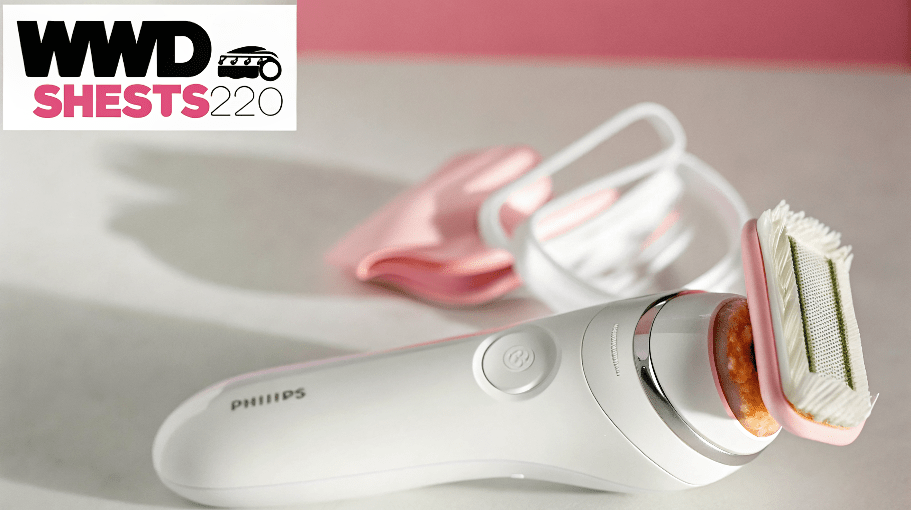
Best Women's Electric Shaver: Top Picks & Buying Guide
The best women's electric shaver delivers smooth, comfortable hair removal for legs, underarms, bikini area, and face with minimal irritation. Top options include foil shavers (Panasonic ES2216PC, ...

How to Clean Hair Clippers Without Alcohol: Easy Methods
Learning how to clean hair clippers without alcohol keeps your hair clippers performing well using household items like warm soapy water, distilled white vinegar, professional clipper spray, or Bar...


Leave a comment
This site is protected by hCaptcha and the hCaptcha Privacy Policy and Terms of Service apply.