





Foil Shaver vs Straight Razor: Which Gives the Best Shave?
Choosing between a foil shaver vs straight razor depends on your priorities: foil shavers offer fast, convenient, daily shaves ideal for sensitive skin and busy schedules, while straight razors deliver the closest possible shave with a traditional, ritualistic experience.
Foil shavers reduce razor bumps and irritation, require no prep work, and work dry or wet. Straight razors demand skill, time, and maintenance but provide unmatched smoothness. This guide compares closeness, speed, cost, safety, and best use cases.
How Foil Shavers Work

Mechanism
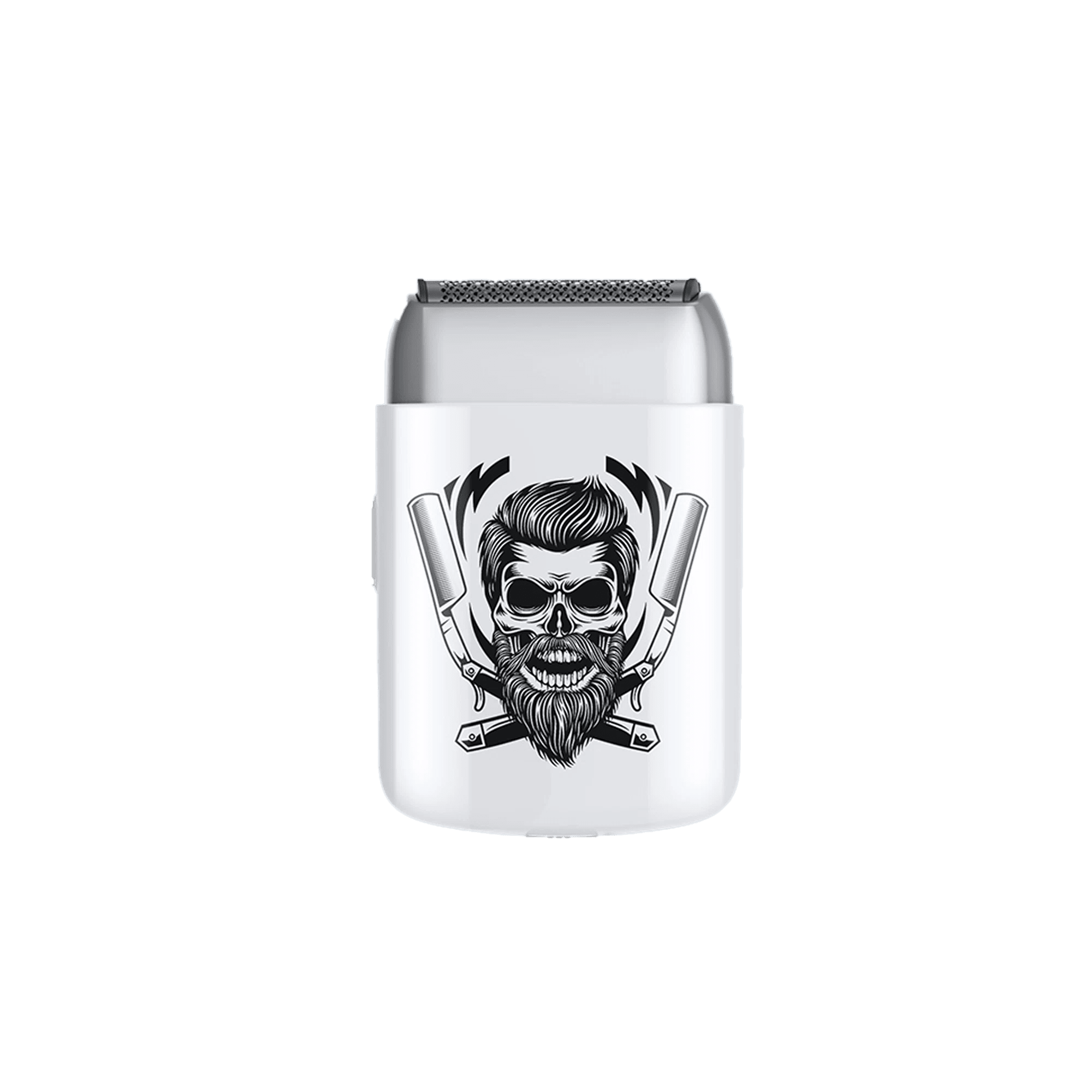
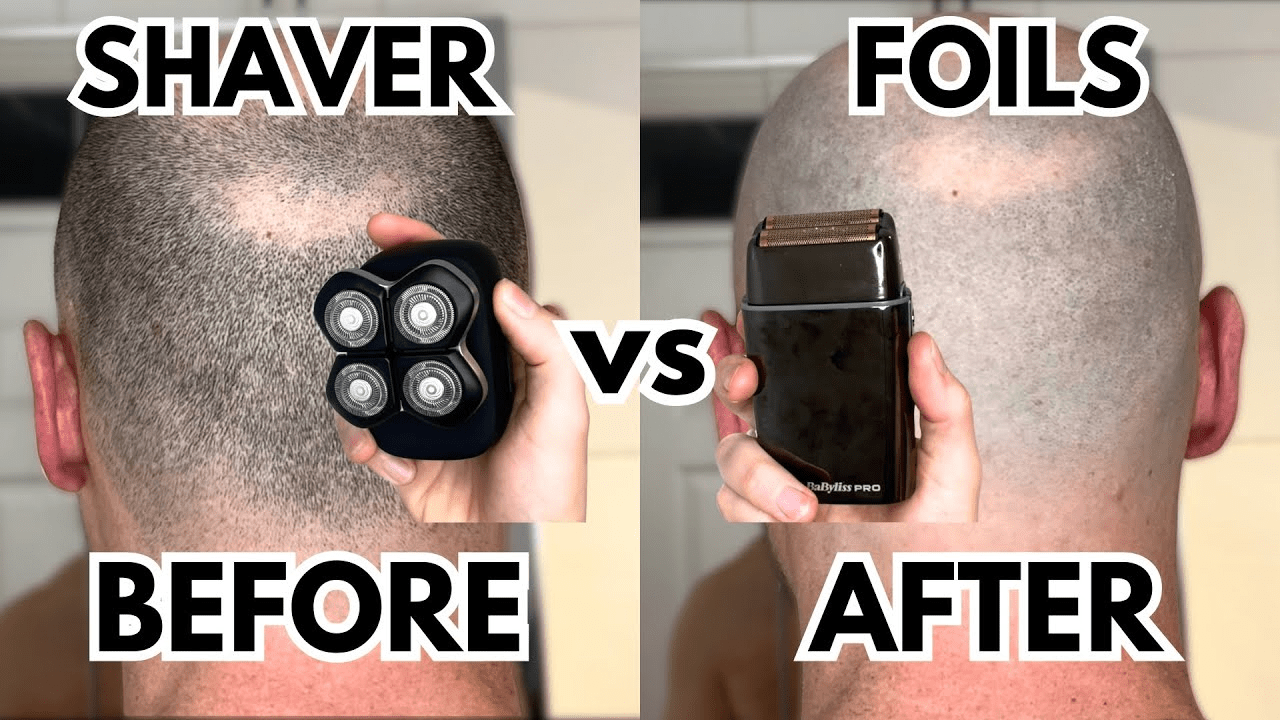
Foil shavers use oscillating blades beneath thin, perforated metal foils.
Key Components:
- Foil barrier: Thin metal sheet with perforations
- Oscillating blades: Move back and forth (10,000–14,000 vibrations/min)
- Cutting action: Hair enters perforations, blades cut at skin level
Advantages:
- Foil barrier protects skin from direct blade contact
- Reduces razor burn and ingrown hairs
- Works dry or wet (with shaving gel)
How Straight Razors Work
Mechanism
Straight razors use a single, extremely sharp blade sharpened to a fine edge.
Key Components:
- Single steel blade (2–3 inches long)
- Handle for grip and control
- Manual cutting action
Advantages:
- Closest possible shave (cuts below skin level)
- Complete control over angle and pressure
- Traditional, ritualistic experience
Foil Shaver vs Straight Razor Comparison
|
Feature |
Foil Shaver |
Straight Razor |
|
Closeness |
Very close (0.05–0.1mm above skin) |
Closest possible (at or below skin level) |
|
Speed |
Fast (3–5 minutes) |
Slow (15–30 minutes) |
|
Skill Required |
Minimal (1–2 weeks adjustment) |
High (months to master) |
|
Safety |
Very safe (foil barrier) |
Risk of nicks and cuts |
|
Prep Work |
None (dry shaving) or optional gel |
Required (lather, hot towel) |
|
Maintenance |
Rinse + oil |
Strop before each use, hone periodically |
|
Cost Over Time |
Moderate (replace foils annually) |
Low (one-time purchase + honing) |
|
Best For |
Daily shaving, sensitive skin, speed |
Traditional ritual, barbershop quality |
Closeness: Which Shaves Closer?

Straight Razor
Closest Possible Shave:
- Cuts hair at or slightly below skin level
- No protective barrier between blade and skin
- Delivers "baby-smooth" results
Why It's Closer:
Direct blade contact allows precise angle control for cutting below the skin surface.
Foil Shaver
Very Close Shave:
- Cuts hair 0.05–0.1mm above skin level
- Foil barrier prevents cutting below skin
- High-end models (Braun Series 9, Panasonic Arc 5) rival manual razors
Why It's Not Quite as Close:
The protective foil keeps blades from reaching hair below the skin surface.
Verdict: Straight razors deliver a closer shave, but premium foil shavers come very close with far less effort.
Speed and Convenience

Foil Shaver
Fast and Convenient:
- 3–5 minutes for a full shave
- No prep work (dry shaving)
- Wet/dry capability (optional gel for comfort)
- Portable (battery-powered)
Best For:
- Daily shaving
- Busy mornings
- Travel
Straight Razor
Time-Consuming:
- 15–30 minutes per shave (including prep)
- Requires lathering with shaving cream/soap
- Hot towel prep (optional but recommended)
- Post-shave stropping to maintain edge
Best For:
- Weekend ritual
- Those who enjoy the process
- Special occasions
Verdict: Foil shavers are dramatically faster and more convenient.
Safety and Skin Sensitivity
Foil Shaver
Safer for Sensitive Skin:
- Foil barrier prevents direct blade contact
- Reduces razor bumps and pseudofolliculitis barbae (ingrown hairs)
- Less irritation than manual razors
- No risk of cuts (when used correctly)
Best For:
- Sensitive skin
- Prone to razor bumps
- Daily shaving without irritation
Straight Razor
Higher Risk:
- Direct blade contact increases risk of nicks and cuts
- Requires precise technique to avoid irritation
- Can cause razor bumps if technique is poor
- Learning curve involves minor cuts
Best For:
- Experienced users
- Normal-to-tough skin
- Those willing to master technique
Verdict: Foil shavers are far safer and gentler, especially for sensitive skin.
Cost Comparison
Foil Shaver
Initial Cost: Moderate to high
Ongoing Costs:
- Replace foils: Every 12–18 months
- Electricity: Minimal (rechargeable battery)
- Cleaning solution: Optional
Total Cost Over 5 Years: Moderate
Straight Razor
Initial Cost: Moderate to high (quality razor)
Ongoing Costs:
- Stropping: Free (leather strop lasts years)
- Honing: Occasional (once every 6–12 months)
- Shaving cream/soap: Ongoing
Total Cost Over 5 Years: Low
Verdict: Straight razors have lower long-term costs but require more time investment.
Skill and Learning Curve
Foil Shaver
Minimal Learning Curve:
- 1–2 week adjustment period (skin adapts to electric shaving)
- Simple technique (hold at 90-degree angle, move against grain)
- Hard to make mistakes
Straight Razor
Steep Learning Curve:
- Months to master proper angle and pressure
- Risk of cuts during learning phase
- Requires practice on different face areas
- Stropping technique must be learned
Verdict: Foil shavers are beginner-friendly; straight razors demand dedication.
Which Should You Choose?
Choose a Foil Shaver If:
- You shave daily or every other day
- You have sensitive skin or are prone to razor bumps
- You value speed and convenience (3–5 minutes)
- You travel frequently
- You want a safe, low-skill option
- You prefer dry shaving or minimal prep
Choose a Straight Razor If:
- You want the absolute closest shave possible
- You enjoy traditional grooming rituals
- You have time (15–30 minutes per shave)
- You're willing to learn proper technique
- You value long-term cost savings
- You shave less frequently (2–3 times per week)
Frequently Asked Question
Does a foil shaver shave as close as a straight razor?
No, but it comes very close. Straight razors cut at or below skin level (closest possible), while foil shavers cut 0.05–0.1mm above skin level. Premium foil shavers (Braun Series 9, Panasonic Arc 5) deliver results nearly as smooth with far less effort and risk.
Are foil shavers better for sensitive skin than straight razors?
Yes. Foil shavers have a protective foil barrier that prevents direct blade contact, reducing razor burn, irritation, and ingrown hairs. Straight razors require precise technique to avoid nicks, cuts, and irritation, making them riskier for sensitive skin.
How long does it take to learn to use a straight razor?
It takes 3–6 months to develop competent technique and 6–12 months to master it. Expect minor nicks and cuts during the learning phase. Foil shavers have a 1–2 week adjustment period with no risk of cuts.
Which is faster: foil shaver or straight razor?
Foil shavers are dramatically faster. A foil shaver takes 3–5 minutes for a full shave with no prep work. A straight razor takes 15–30 minutes including lathering, hot towel prep, shaving, and post-shave stropping.
Do foil shavers prevent razor bumps?
Yes. Foil shavers cut hair at or slightly above skin level, preventing the hair from being cut below the surface where it can curl back and cause ingrown hairs (razor bumps). This makes them ideal for people prone to pseudofolliculitis barbae.
Which costs more over time: foil shaver or straight razor?
Foil shavers cost more over time due to foil replacement every 12–18 months. Straight razors have a higher initial cost but minimal ongoing costs (occasional honing, shaving cream). Over 5+ years, straight razors are cheaper if you're committed to maintenance.
Conclusion
Foil shaver vs straight razor comes down to priorities: foil shavers deliver fast, safe, convenient shaves ideal for daily use and sensitive skin, while straight razors provide the closest possible shave with a traditional, time-intensive ritual. Foil shavers reduce razor bumps, require no skill, and work in 3–5 minutes. Straight razors demand mastery but reward with barbershop smoothness.
For most people, foil shavers offer the best balance of closeness, safety, and convenience.Ready to find your perfect shaving solution? Explore foil shavers with wet/dry capability, hypoallergenic foils, and features designed for sensitive skin and daily shaving.

Looking for something else?

How to Cut Baby Boy Hair with Clippers: Step-by-Step Guide
LEARN MORE
Do Hair Clippers Get Dull? Causes, Signs & Prevention
LEARN MORE
Can an Electric Shaver Cut You? Safety Facts & Prevention
LEARN MORE
How to Shave Balls with Electric Shaver: Safe Guide
LEARN MORELooking for something else?

Does Using Trimmer Increase Hair Growth? Facts & Myths
LEARN MORE
Best Hair Clippers for Men: Top Picks for Home & Pro Use
LEARN MORE
Best Professional Hair Clippers for Barbers: Top Picks
LEARN MOREYou may also like


Electric Shaver Y4


Y4T9 Easy Start Kits
Further reading
Best Hair Clippers for Perfect Fades at Home
Clipper Lever Open vs Closed: What It Means (with mm)
Why You Need a Cordless Detailer Trimmer (And How to Pick the Right One)