





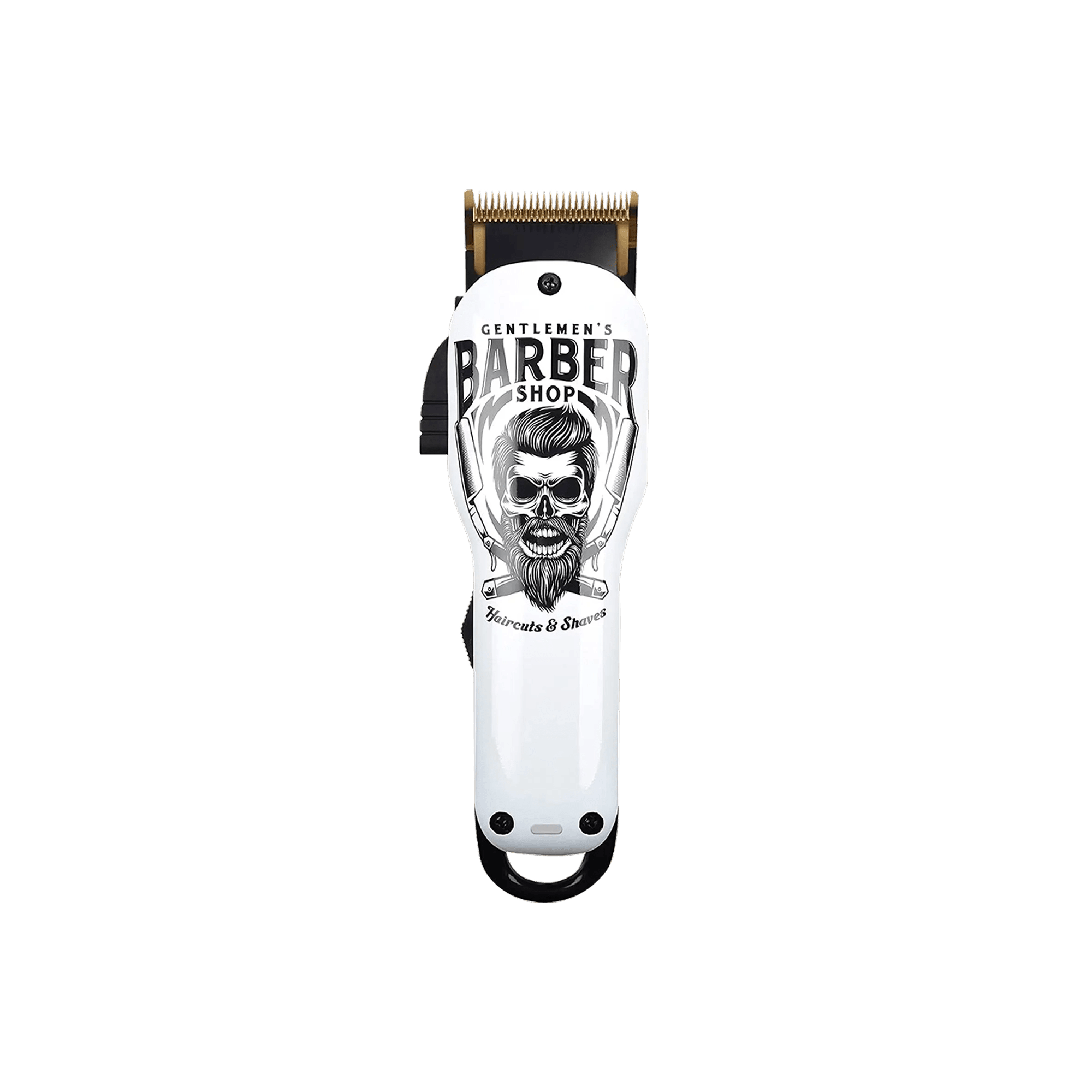

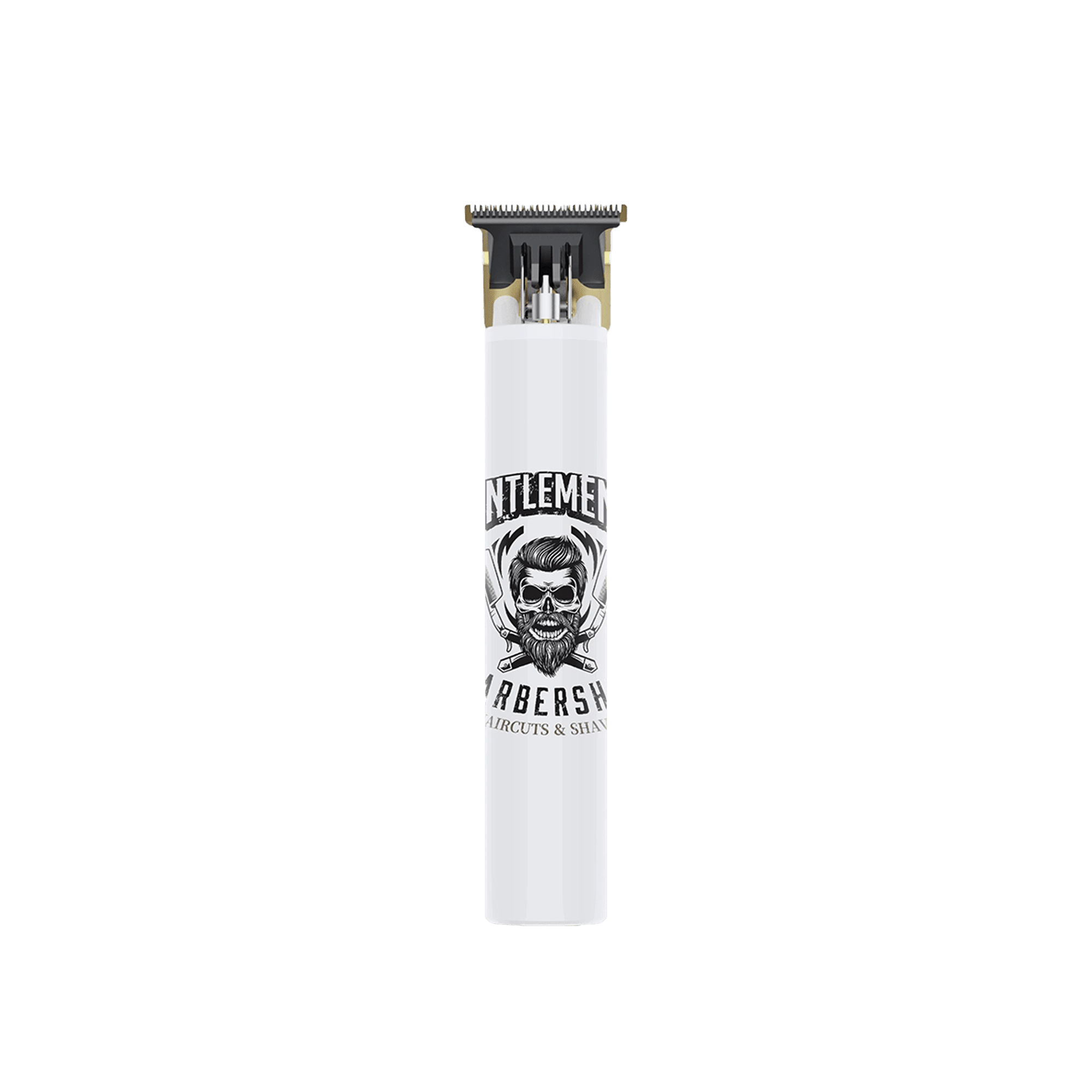


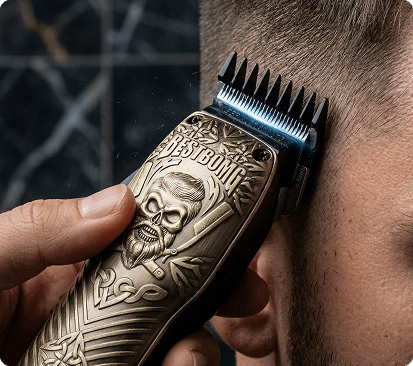
Why Vintage Engraved Hair Clippers Are Making a Comeback
|
100+ Years of clipper history |
1919 First electric patent |
3 Vintage types covered |
60yr Lifespan with proper care |
Walk into any serious barbershop and there's usually an old chrome clipper sitting on the shelf. Not as decoration — they actually use it. Last month I watched a barber bypass the cordless unit charging in the corner, pick up what looked like a 1960s Oster, and use it for a neckline blend. Smooth pass. No pull. He shrugged when I asked why. "Just works better for this part."
That's the thing people outside the industry miss. A vintage hair clipper that still cuts clean after sixty years isn't a curiosity. It's proof of something about how it was built. This covers the three types — vintage electric hair clippers, vintage manual hair clippers, and vintage hand hair clippers — what made them, why they're back, and what keeps them running.
What Makes Vintage Hair Clippers So Appealing

Pick one up. The weight is the thing. Not in a bad way — the mass of a vintage chrome or steel clipper keeps the blade against the scalp steadily, in a way lighter plastic units don't. You guide it. You don't fight it.
The repairability point comes up constantly, and it surprised me how much barbers care about it. A cordless clipper with a swollen battery and a glued housing is garbage — there's no opening it, no fixing it. A vintage corded tool from 1964 comes apart with a flat-head screwdriver. Every moving part is visible. Replacement blades exist and usually aren't expensive. That's a genuinely different kind of object.
A few other things pull people back consistently:
- Older high-carbon blade profiles cut with more resistance per pass — barbers who've used both describe it as having more feedback, knowing more precisely what's happening.
- Chrome on a marble counter communicates something that matte black plastic just doesn't. Subjective, obviously true.
- These tools can be maintained indefinitely. Not "for a long time." Indefinitely — as long as replacement blades exist for that model.
Vintage Electric Hair Clippers: No Drop-Off, No Battery

Mid-century corded electric clippers were overbuilt for the job. The electromagnetic motor designs from that era were sized for sustained all-day professional use — not for a device used twice a month before being replaced. That overbuilding is exactly why so many of them still run.
The practical difference shows up most in dense or coarse hair. A cordless model losing charge drops torque noticeably, and that shows in the cut — especially on the last few clients of a long shift. Plug the vintage corded unit in and it has the same pull at 4pm as it did at 9am. That's not a small thing when you're cutting eight hours straight.
Before buying vintage electric, check these:
- Blade alignment — static and moving blades should close cleanly, no visible gap anywhere along the cutting edge.
- Motor sound — grinding or uneven hum when plugged in almost always means bearing wear.
- Replacement blade availability — some vintage models use proprietary sizing that's genuinely hard to source now.
- Cord from housing to plug — fraying anywhere is a safety issue before it's an inconvenience.
Vintage Manual Hair Clippers: Grip, Squeeze, Done

Hand clippers look wrong the first time. Two metal handles, oscillating blades at the tip, and the barber's grip doing all the work. No motor, no cord, no battery. You squeeze the handles in a rhythm and the blades cut.
Antica Barbieria Colla in Milan still uses them for specific cuts. Their piece on manual clipper history is the most useful description I've found of how these worked in actual professional settings — the blade mechanics, grip technique, why some barbers kept using them even after electric models took over. Worth a read before buying one.
Slower than electric — that's just true. And harder to use well; the technique takes real time to develop. But the feedback is unlike anything motorized gives you. Every pass communicates. Experienced users say it changes how precise the work feels, and I'm inclined to believe them.
|
Traveling with clippers? Non-motorized hand clippers have zero battery restrictions. No lithium-ion regulations, no charger to pack, nothing that complicates airport security. If you travel a lot, this matters. |
Where Hair Clippers Came From

Nikola Bizumić was a Serbian barber who needed a faster option than scissors. His mid-1800s solution was spring-driven intersecting blades on a hand-operated handle. Cut time dropped significantly, the design spread through European barbershops, and eventually everywhere. The documented timeline is on the Hair clipper Wikipedia page.
Leo J. Wahl's 1919 contribution was containment. Before his patent, electric cutting tools had the motor elsewhere, connected to the cutting head by a flexible shaft — awkward and impractical on a busy shop floor. Wahl put the motor inside the tool. One self-contained piece you could actually use all day. The specifics are at the Wahl Clipper Wikipedia page.
After that, adoption was fast. The buzz cut went from a fifteen-minute scissors job to four minutes with a corded clipper and became a mass-market style almost immediately. The connection between clipper availability and how that style spread is more direct than most people expect — it's not just fashion, it's access to the right tool at a reasonable price.
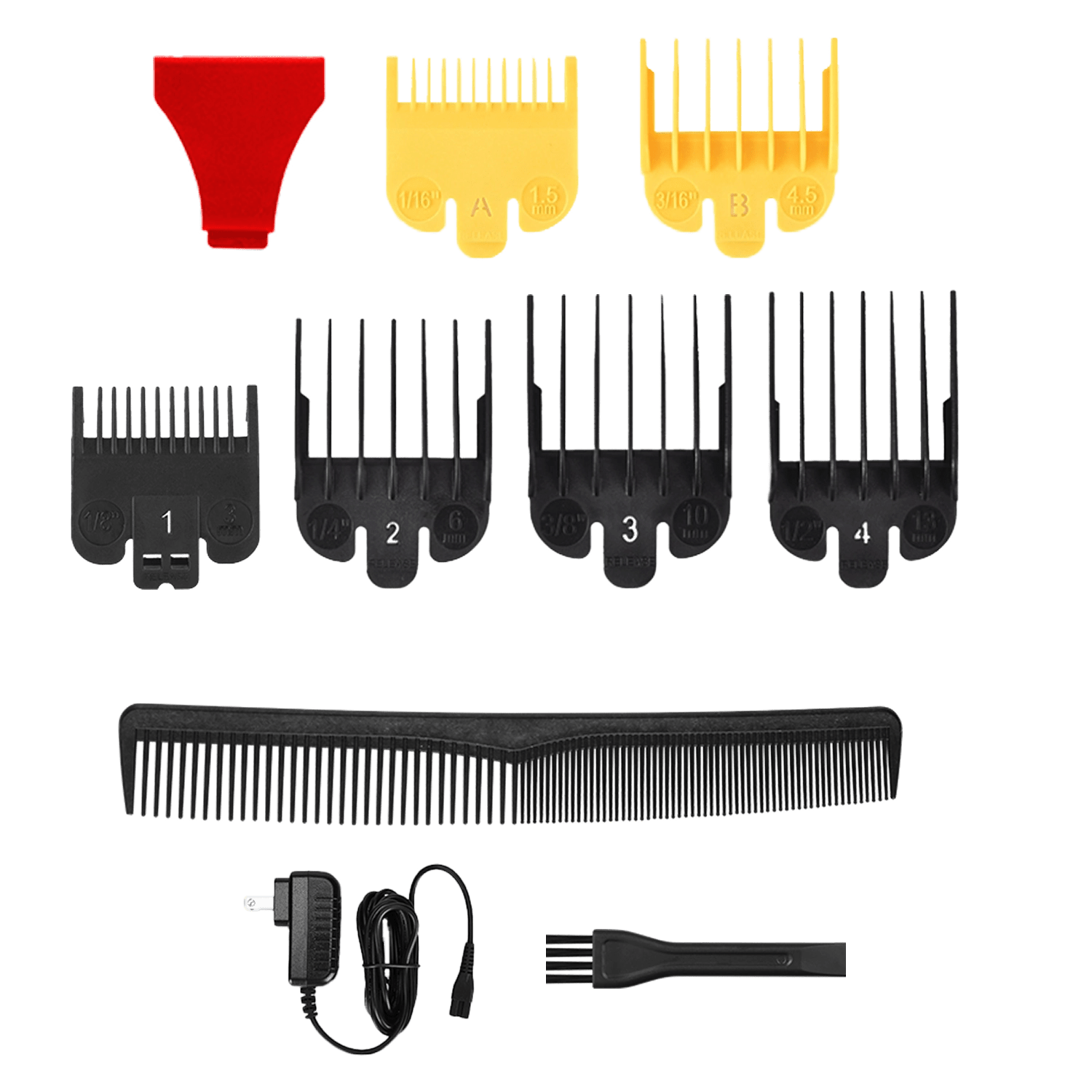
Clipper guard numbers have been largely standardized since the electric era. Here's the full reference — note that vintage models may number guards slightly differently from modern standard:
|
Guard # |
Hair Left |
Common Use |
|
#0 / Bare blade |
0 – 1/16 in |
Skin fade, zero-gap neckline |
|
#1 |
1/8 in |
Very close buzz, tight fade base |
|
#2 |
1/4 in |
Standard buzz cut |
|
#3 |
3/8 in |
Short taper, common all-over cut |
|
#4 |
1/2 in |
Medium length, clean all-over |
|
#7 |
7/8 in |
Longer taper, transition lengths |
|
#8 |
1 in |
Longest standard guard |
Why It's Happening Now, Specifically

The repair calculation changed
Ten years ago, replacing a $70 clipper every few years felt like the normal cost of the category. Now it doesn't. A tool that comes apart with a screwdriver, gets fixed for a few dollars in parts, and runs another decade is a different purchase from a sealed unit destined for a landfill. That shift in how people think about objects — especially tools — is showing up in how vintage gear gets bought and valued.
Barber identity is more visible than it used to be
The tools on a barber's station say something. Not to every client, but to the ones who are paying attention — usually the ones who book every two weeks and send referrals. Pulling out a classic electromagnetic clipper for a fade signals that the barber knows the history of this work and takes it seriously. In competitive local markets, that signal is worth something real.
The collector side has gotten serious
Vintage barber tools trade on collector platforms now with tracked pricing. Condition, provenance, original packaging — all affect value, the same way they do in other established collector categories. Clippers, strops, straight razors, brushes, shaving mugs. The market didn't appear because someone decided it was trendy. It appeared because enough people decided these objects were worth preserving.
Vintage or Modern — Which One Makes Sense for You

Honest answer for most people: start with something modern, move to vintage after the technique is solid. A good cordless clipper kit gives you the guard range and ergonomics to actually learn before handling tools that require more from the person holding them.
Barbers who do fades professionally and own vintage tools usually run both. Vintage electromagnetic clipper for blending and tapering, modern cordless for bulk work. That's a common professional setup and worth knowing about before committing to one direction.
|
For Daily Barbers |
For Home Use |
For Collectors |
For Travel |
|
Vintage corded electric for consistent torque through thick hair. Modern cordless handles bulk removal. |
Start with a modern cordless kit. Build technique first, then move to vintage when you know what you're looking for. |
Chrome corded electrics and manual hand clippers. Working condition matters most. Original packaging adds market value. |
Non-motorized hand clippers only. Zero battery restrictions. No charger to pack. Nothing that causes complications at security. |
|
Factor |
Vintage |
Modern |
|
Power |
Corded or manual — no battery needed |
Corded or rechargeable cordless |
|
How long it lasts |
Decades if maintained regularly |
3–7 years on average |
|
Skill needed |
Takes practice to use well |
Works fine out of the box |
|
Controls |
Motor and blade — that's it |
Speed settings, USB charge, guards |
|
Can you fix it? |
Yes — opens with a screwdriver |
Rarely — sealed units |
|
Cost over time |
Buy once, oil it, keep it |
Replaced every few years |
|
Who should go straight to vintage? Barbers who already do fades daily and want more blade feedback on tapering and blending work. And anyone who wants a quiet, cord-free precision tool — the manual hand clipper is genuinely unmatched for close neckline detail. |
How to Keep Vintage Clippers Running

They don't need much. Two minutes after every session, the same routine each time. The ones still running sixty years later all have one thing in common — someone was consistent with basic upkeep.
Electric models
Thirty seconds of warm-up before the first pass — old electromagnetic motors benefit from it. Grip relaxed; let the tool's weight guide the movement rather than pushing it. During long sessions, rest it every 15–20 minutes. These motors run warmer than modern designs under sustained load.
How to Keep Vintage Clippers Runing
Manual hand clippers
Blade flat against the scalp at the start of the line.
Even, measured pressure on the handles — rushing it produces uneven output and tires the hands faster.
Small sections; hand clippers aren't designed for bulk removal the way electric models are.
After every session
Two or three drops of oil on the blade teeth directly — do it before storing, not after.
Brush hair out of the housing and blade gap with a stiff bristle brush.
Check blade alignment — moving blade just behind static blade, no gap, no override.
Store with a cover. Exposed blades in a humid bathroom pick up rust faster than you'd expect.
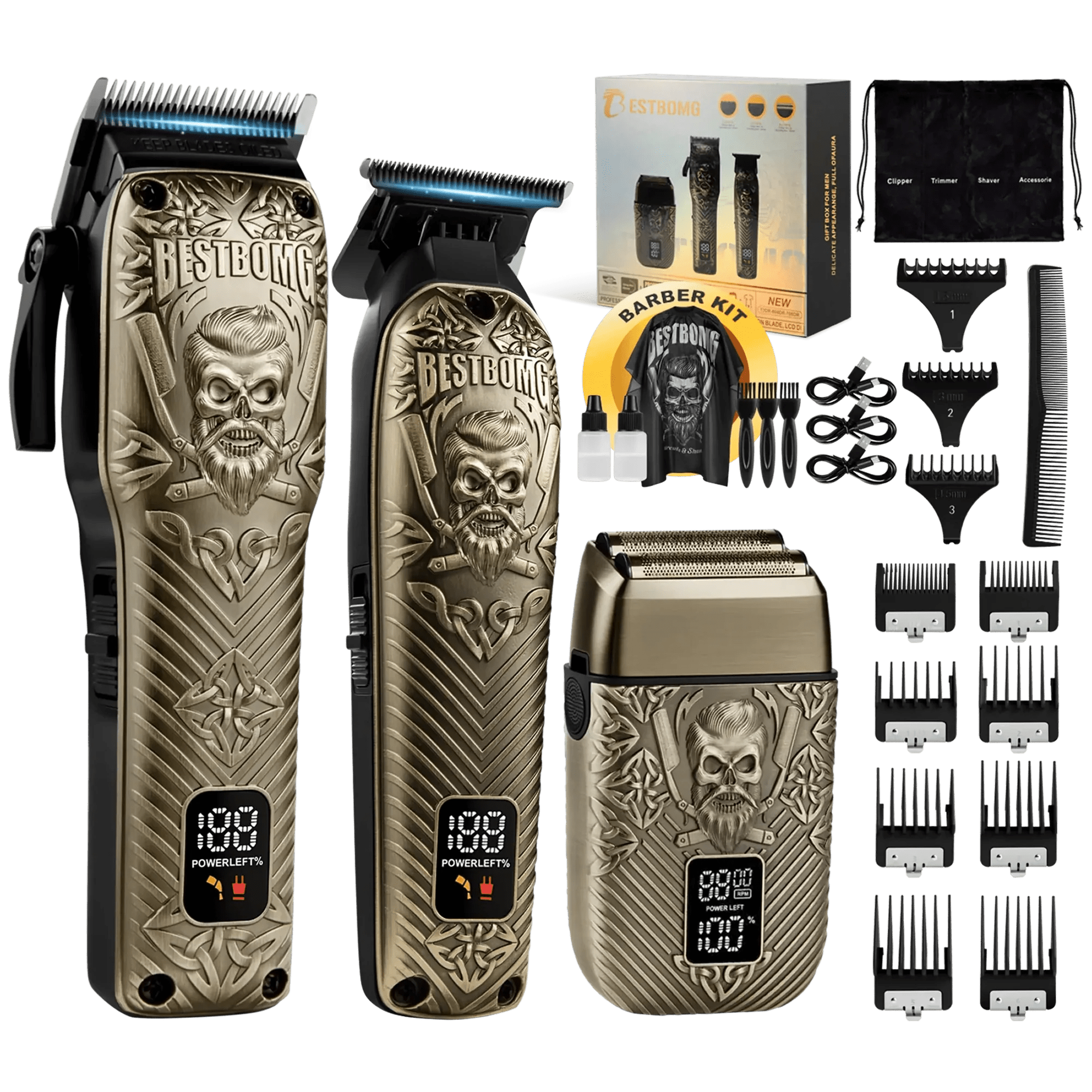
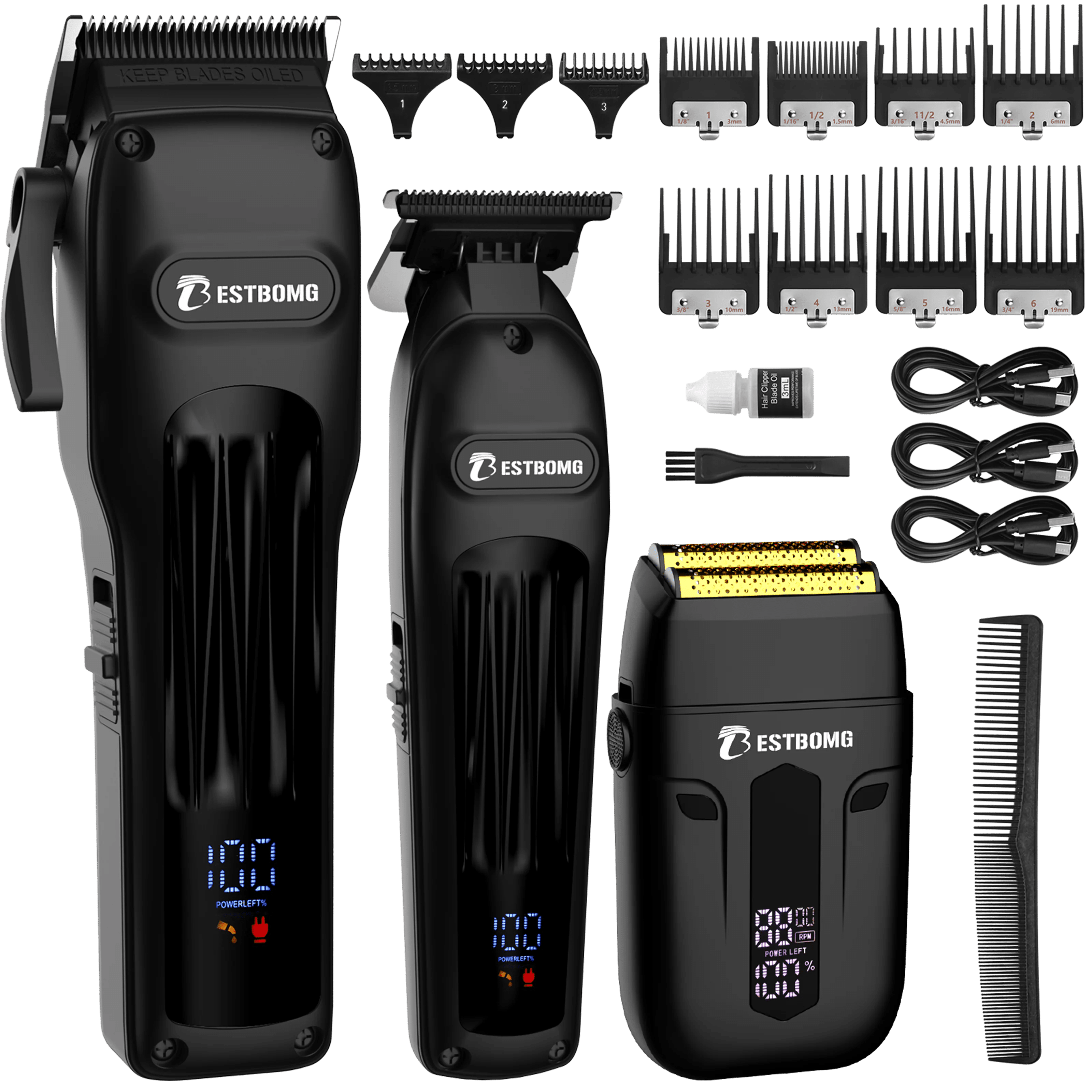
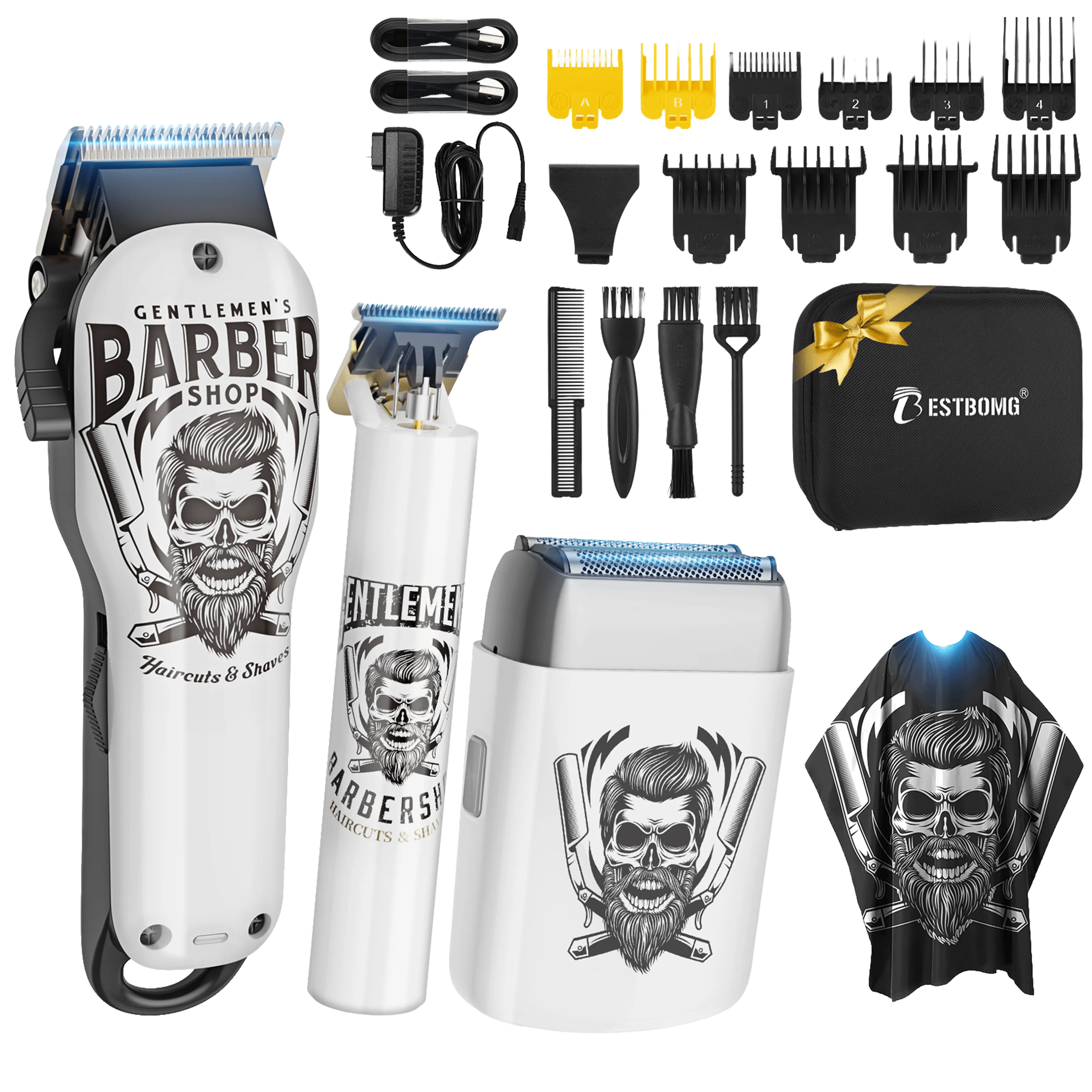
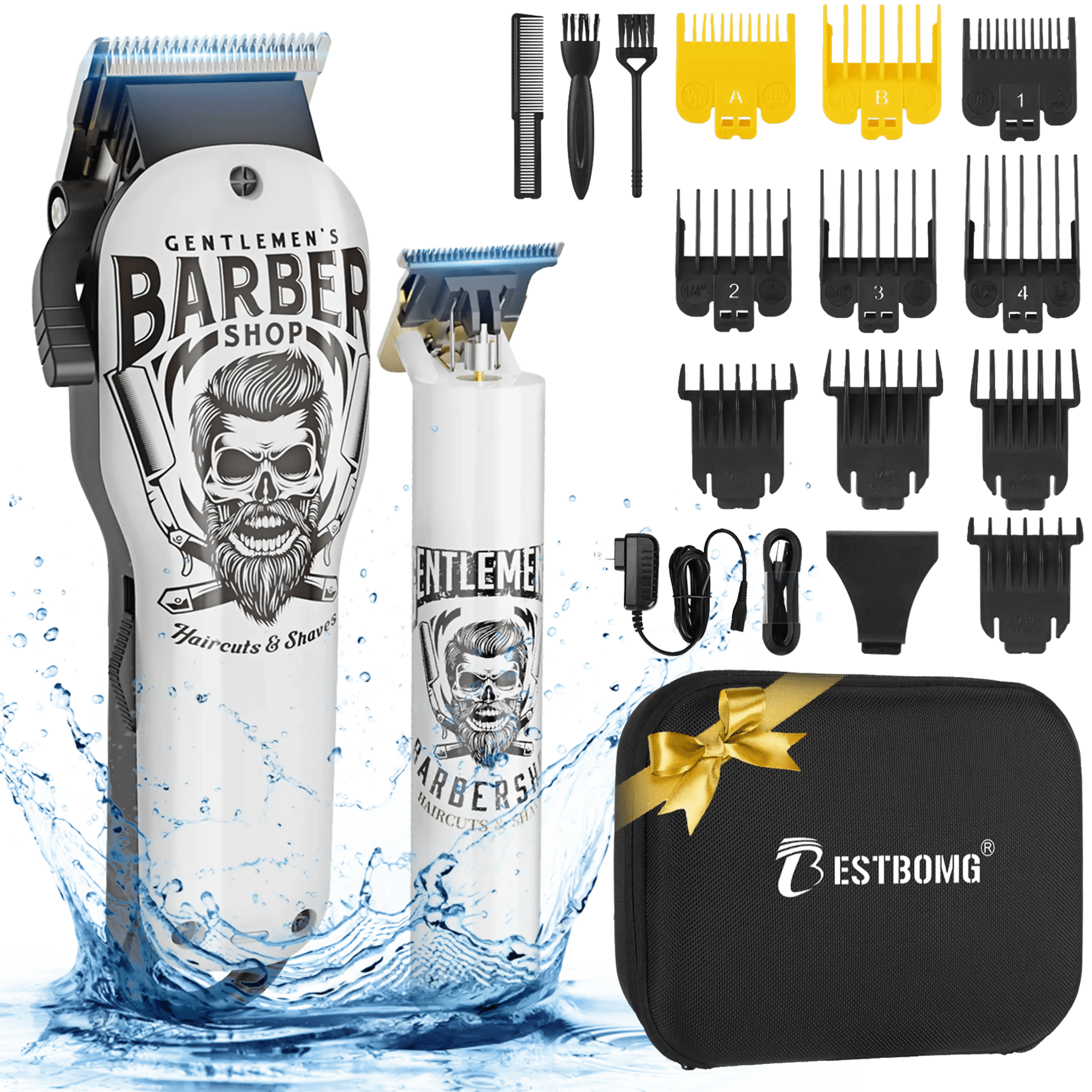
Oil, brushes, and replacement parts are in the clipper cleaning guide and toolkit at Bestbomg.
Who's Actually Using Them and For What
Most barbers who own vintage tools use them for specific parts of the cut, not everything. Tapering, neckline work, high fades where older blade geometry produces a blend line that modern profiles don't replicate as cleanly. The vintage tool doesn't replace the modern one — it handles the gaps.
The home side is different. Some people use vintage clippers as their primary tool. Others keep one specifically for the experience — slower, more deliberate, less like a chore. That's a real reason and worth taking seriously. The number of home enthusiasts who've built setups around vintage gear has grown enough that it's not an outlier category anymore.
Conclusion
Vintage hair clippers were built right — steel, chrome, oversized motors meant for daily professional use, blades you can resharpen and put back into service. That's a standard most modern tools genuinely don't reach, and it's why these things keep turning up in working shops and home setups long after they were supposed to be obsolete.
Worth a look regardless of where you're starting from. Browse the full range of hair clippers at Bestbomg — modern and vintage-inspired options together.
FAQs
What are hair clippers measured in?
Guard numbers correspond to hair length in eighths of an inch. A #1 leaves 1/8 inch, a #4 leaves half an inch, a #8 leaves a full inch — the practical maximum for most everyday work. Some vintage models use proprietary guard fittings that won't fit modern attachment sets, so check the sizing before buying replacement guards for an older tool.
How old are hair clippers?
Manual versions date to the mid-1800s. The electric version arrived in 1919, which makes it over 100 years old — and a fair number of electric models from the 1950s and 60s are still in active use today. Not as collectibles in cases. As working tools on actual barbershop floors.
Who invented the first hair clippers?
Nikola Bizumić, a Serbian barber, built the first practical manual design in the mid-19th century. Leo J. Wahl created the first self-contained electric clipper in 1919. What made Wahl's design matter was putting the motor inside the tool — before that, electric cutting heads needed external motors connected by a flexible shaft. That change made the whole thing practical for everyday shop use.
What are the two main types of hair clippers?
Electric — motorized, almost always corded in vintage versions — and manual, which is hand-operated with a squeeze-driven blade mechanism. Inside the electric category, pivot motors give high power at lower speed; magnetic motors run faster and work better for fading. Both motor types show up in the vintage market, and they cut differently enough that it's worth knowing which you're buying.
What's the longest guard on a hair clipper?
Standard is #8, leaving about 1 inch of hair. Some manufacturers go to 2 inches but those are uncommon outside specialty use. Vintage clippers sometimes number their guards differently from the modern standard — measuring the actual cutting length is more reliable than trusting the number on an older attachment.
What grade cuts a buzz cut?
Most commonly #2, leaving 1/4 inch. Military induction cuts go shorter — #1 or bare blade. The buzz cut spread as a mass-market style partly because electric clippers made it fast enough for people to keep up with themselves at home. What used to need a skilled barber and fifteen minutes with scissors dropped to a few minutes with a corded clipper.
How do you use the taper lever?
It adjusts blade closeness between guard sizes without swapping attachments. Lever up (closed) cuts shortest; lever down (open) cuts a bit longer. During fade work, barbers move it continuously to blend between lengths — it's the most-used control in the process on both vintage and modern tools, and it's worth learning well before trying any kind of fade.
Can you travel with hair clippers?
Yes — TSA allows clippers in carry-on and checked bags. Cordless battery models have to comply with airline lithium-ion rules (batteries over 100Wh in checked luggage are restricted). Non-motorized manual hand clippers have no battery restrictions at all, which makes them the cleanest option if you travel a lot and want a reliable grooming tool with zero security complications.
Sources
1. Wikipedia — Hair clipper (overview, history, types), en.wikipedia.org/wiki/Hair_clipper, 2024.
2. Wikipedia — Wahl Clipper (Leo J. Wahl, 1919 electric clipper patent), en.wikipedia.org/wiki/Wahl_Clipper, 2024.
3. Wikipedia — Buzz cut (style history and clipper connection), en.wikipedia.org/wiki/Buzz_cut, 2024.
4. Antica Barbieria Colla — Vintage tools: the manual hair clipper, anticabarbieriacolla.com, 2023.


Looking for something else?

Why Vintage Engraved Hair Clippers Are Making a Comeback
LEARN MORE
Cutting Hair with Scissors vs Clippers: Which Is Better?
LEARN MORE
Corded vs Cordless Hair Clippers: Which Is Better?
LEARN MORE
Electric Shavers: Best Foil & Rotary Models Guide
LEARN MORELooking for something else?

Does Using Trimmer Increase Hair Growth? Facts & Myths
LEARN MORE
Best Hair Clippers for Men: Top Picks for Home & Pro Use
LEARN MORE
Best Professional Hair Clippers for Barbers: Top Picks
LEARN MOREYou may also like


Further reading
Best Heavy Duty Clippers for Extremely Thick Hair (2026)
Best All-in-One Hair Cutting Kits for Beginners (2026)
Top Father’s Day Grooming & Clipper Gift Ideas (2026)
Best Hair Clippers to Gift Your Husband (2026 Picks)


