

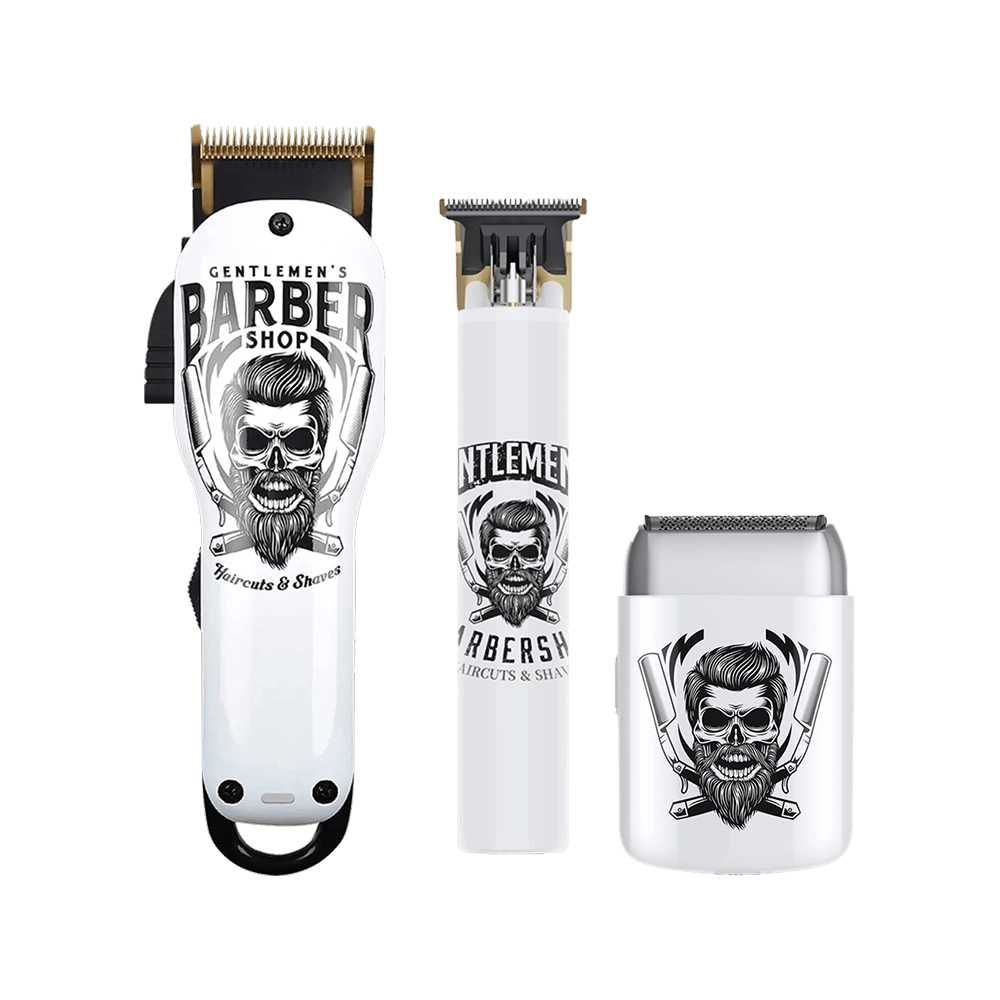

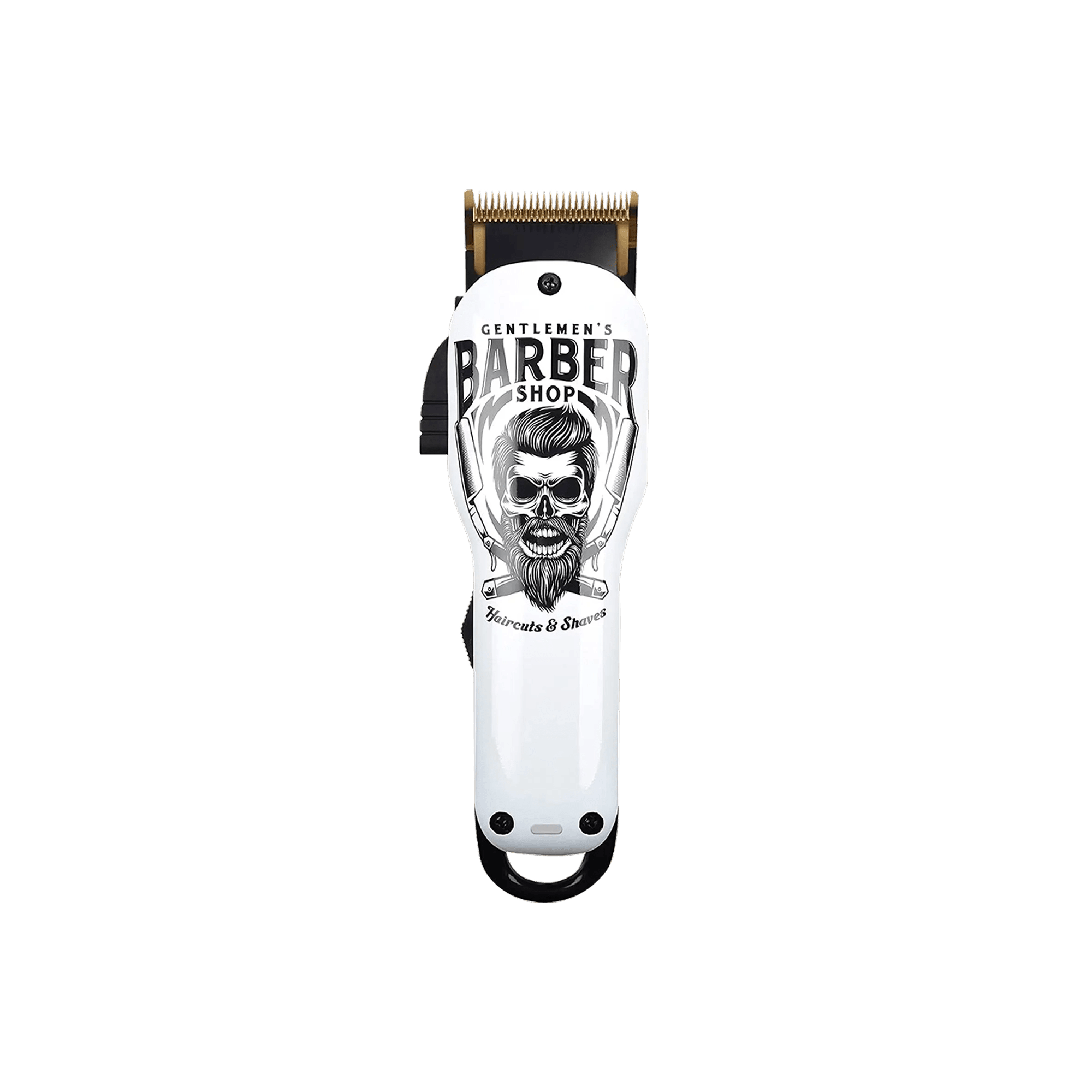
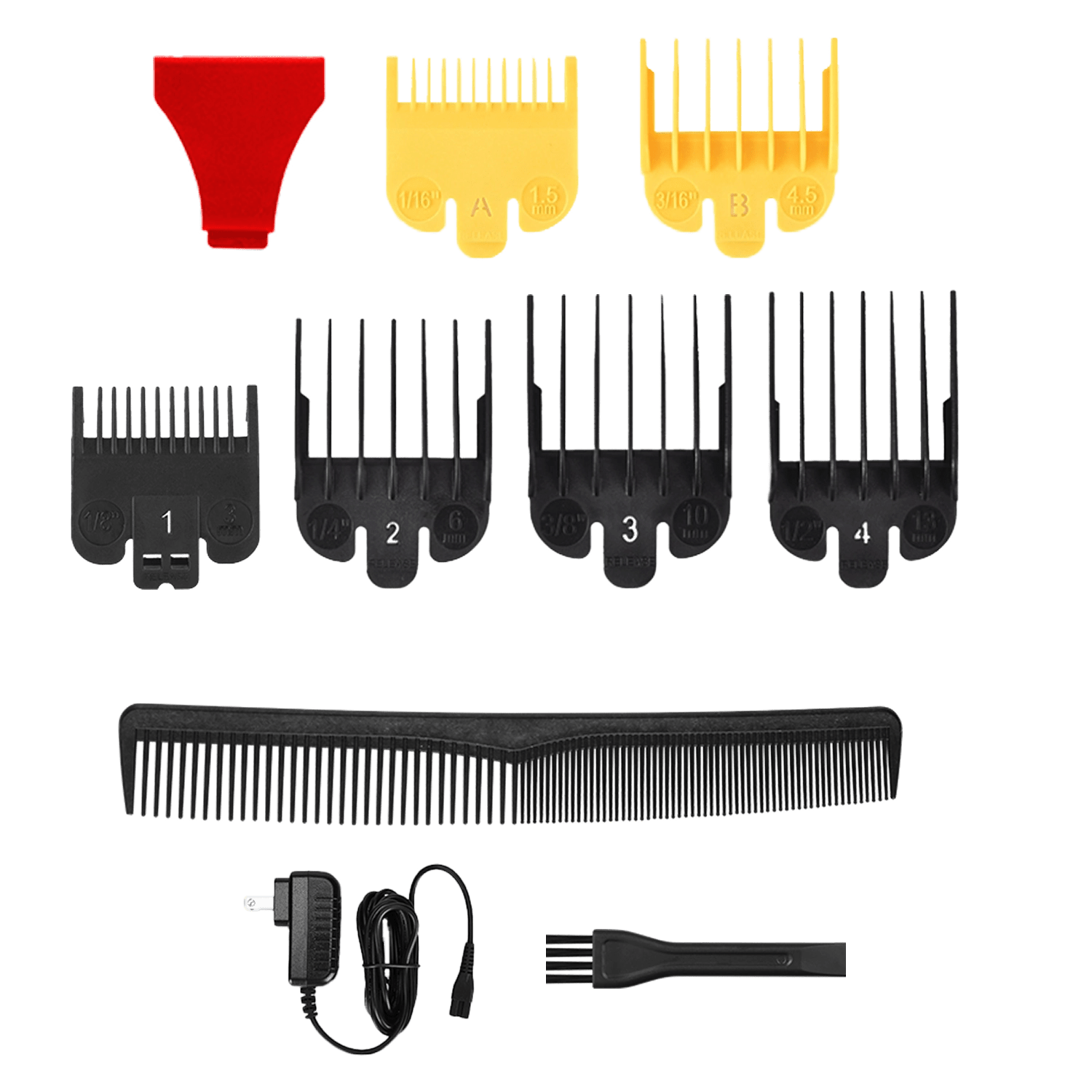

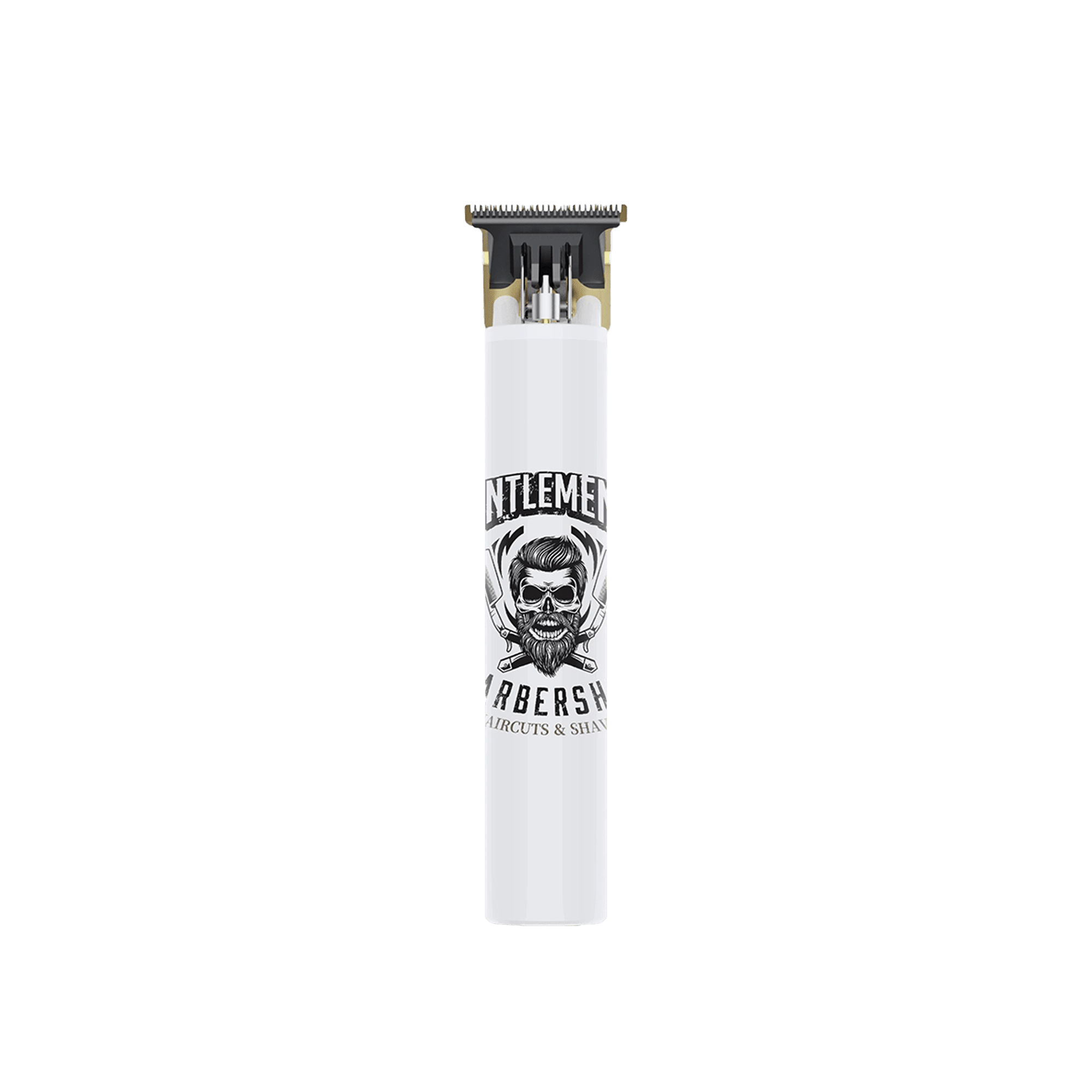


Best Trimmer for Barbers: Top Picks & Professional Guide
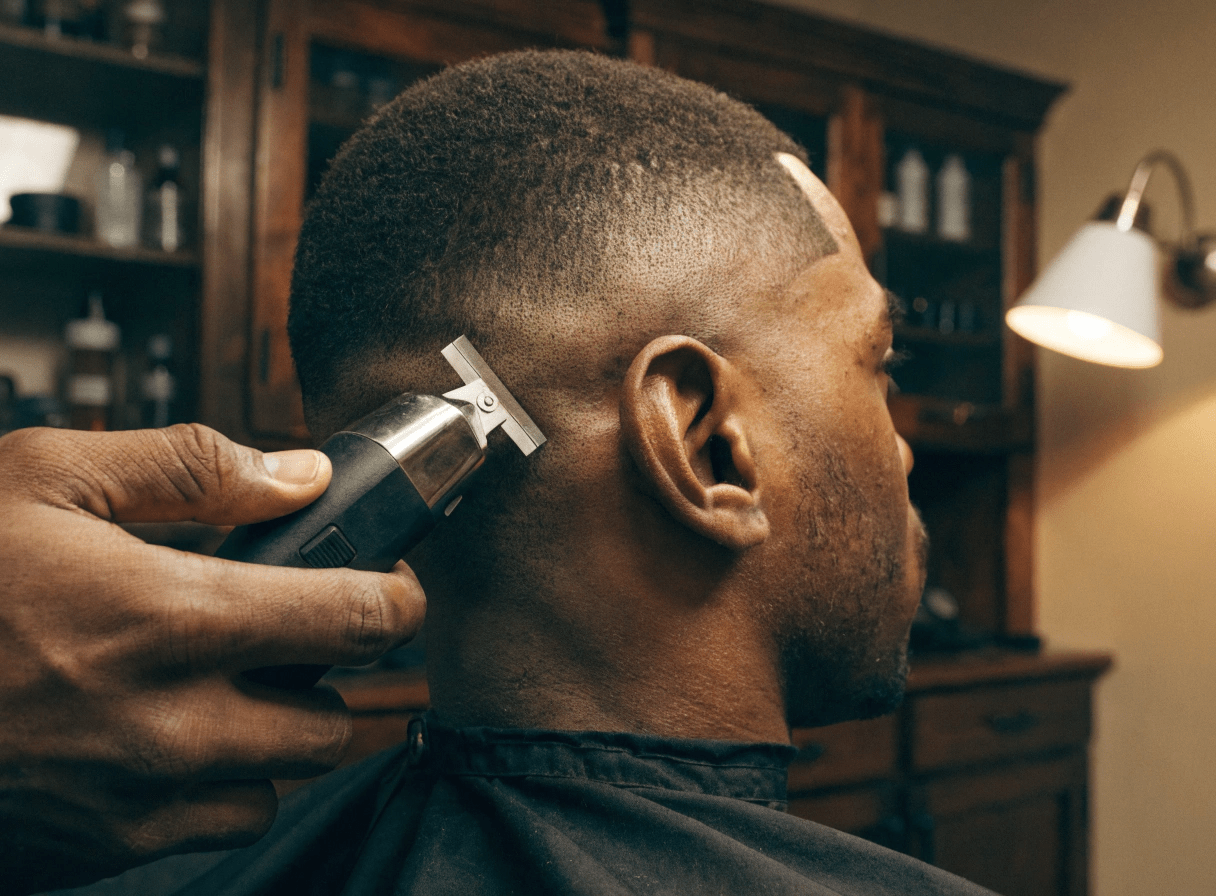
Finding the best trimmer for barbers requires balancing precision, power, and durability for daily professional use. Whether you're perfecting line-ups, creating intricate designs, or maintaining beards, this guide covers the essential features, top recommendations, and maintenance tips to help barbers choose trimmers that deliver sharp, consistent results on every client.
For professional-grade precision and versatility, explore beard trimmers designed for tight line-ups, fades, and detail work.
What Makes a Professional Barber Trimmer?

Core Professional Features
Barber trimmers differ from consumer models in several critical ways:
- Zero-gap blades: T-blades or detailing blades that cut flush to the skin
- High-speed motors: 6,000–7,200 RPM for clean, efficient cuts
- Metal housing: Durable construction that withstands drops and daily use
- Cordless operation: 90+ minute runtime for all-day flexibility
- Ergonomic grip: Balanced weight distribution for extended use
- Adjustable blade tension: Fine-tunes cutting performance
For more on trimmer technology, see this hair clipper overview on Wikipedia.
Trimmer vs. Clipper: Key Differences
|
Feature |
Barber Trimmer |
Hair Clipper |
|
Primary Use |
Line-ups, edging, detail work, beard shaping |
Bulk hair removal, fades, buzz cuts |
|
Blade Type |
T-blade or narrow detailing blade |
Wide cutting blade |
|
Blade Width |
1–1.5 inches |
2–2.5 inches |
|
Zero-Gap Capability |
Yes (essential feature) |
No (leaves stubble) |
|
Motor Speed |
6,000–7,200 RPM |
5,500–7,200 RPM |
|
Best For |
Precision, tight areas, finishing |
Speed, large areas, length reduction |
Bottom Line: Trimmers handle detail work and finishing touches; clippers handle bulk cutting and length reduction. Professional barbers need both.
Key Features to Look For

Zero-Gap or Close-Cut Blades
Zero-gap blades sit flush against each other, cutting hair at skin level for crisp line-ups and tight fades. Adjustable blade gaps let you customize closeness based on hair type and client preference.
T-Blade vs. Standard Blade Design
T-Blade:
- Straight, horizontal cutting edge
- Best for line-ups, edging, and designs
- Allows precise control in tight areas
- Iconic for barber finishing work
Standard Detailing Blade:
- Narrower than clipper blades but wider than T-blades
- Versatile for both detail work and small-area trimming
- Good for beard shaping and neckline cleanup
Motor Power and Speed
Professional trimmers need 6,000+ RPM motors to cut through coarse, dense hair without bogging down. Rotary and magnetic motors deliver consistent power; pivot motors are quieter but weaker.
Battery Life and Charging
Look for lithium-ion batteries with:
- 90–120 minute runtime per charge
- Quick-charge capability (10-minute charge = 10–15 minutes of use)
- Corded/cordless hybrid for uninterrupted operation
Ergonomics and Weight
Barbers hold trimmers for hours daily. Key comfort features:
- Balanced weight distribution (6–8 oz)
- Textured grip to prevent slipping
- Low vibration to reduce hand fatigue
Best Trimmers for Barbers

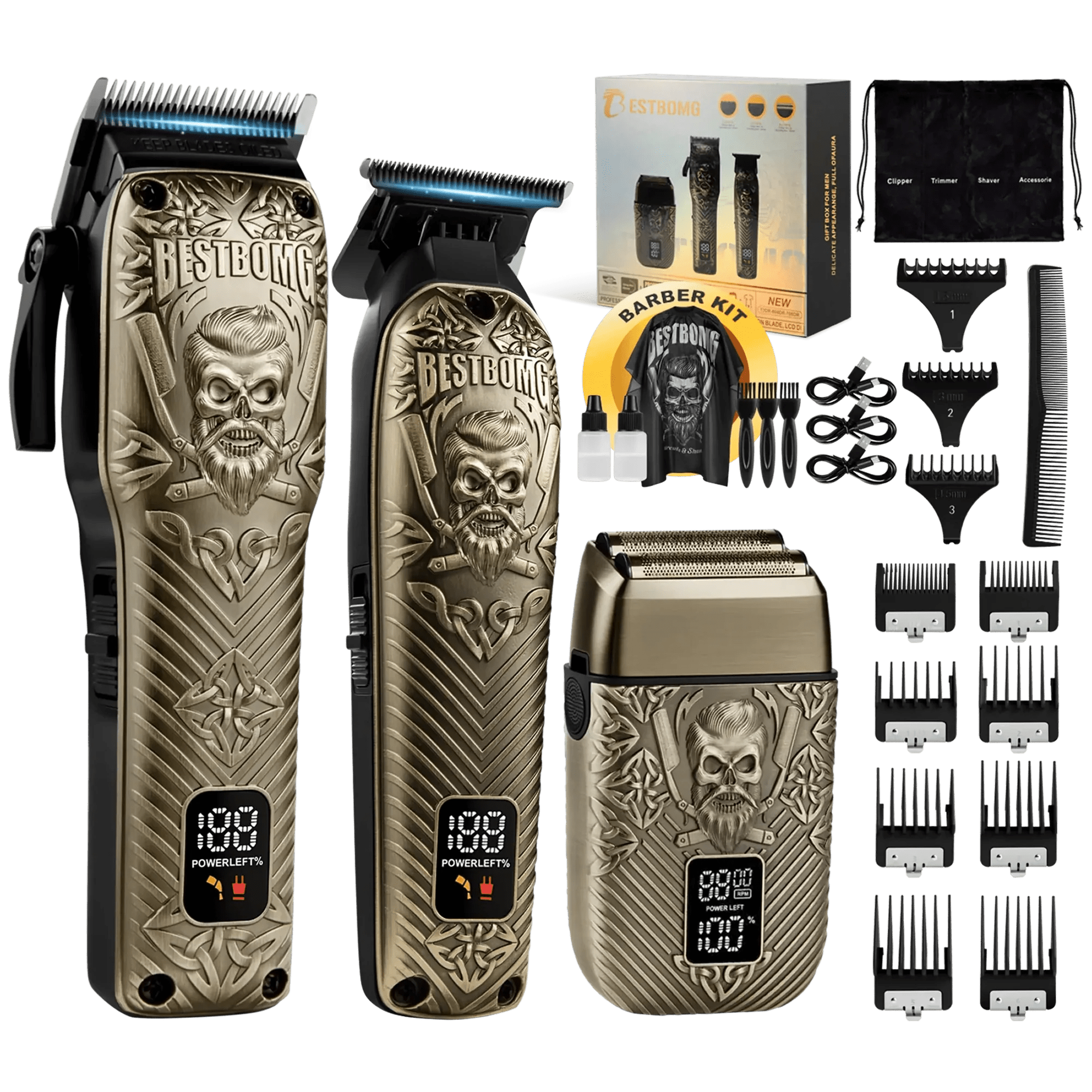
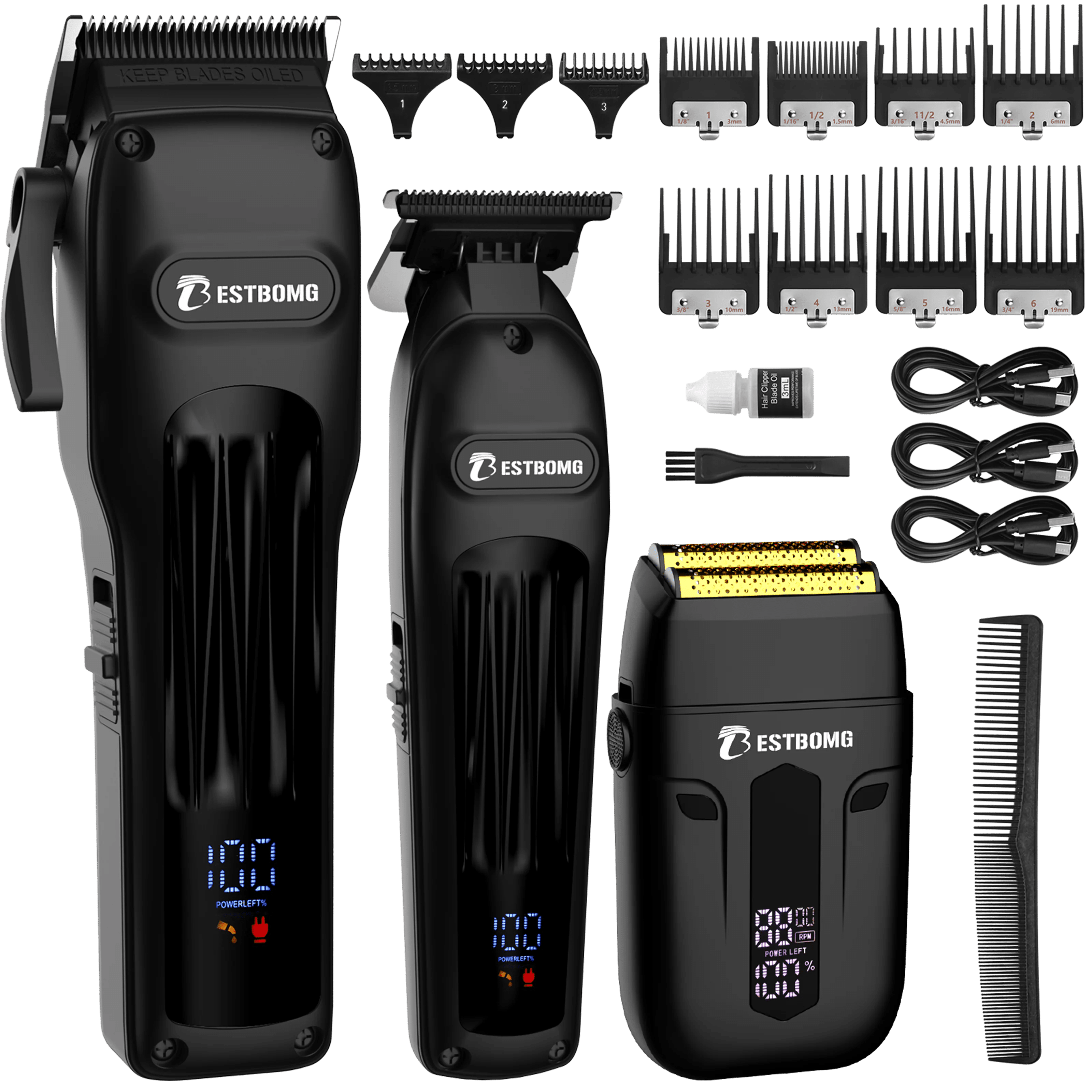
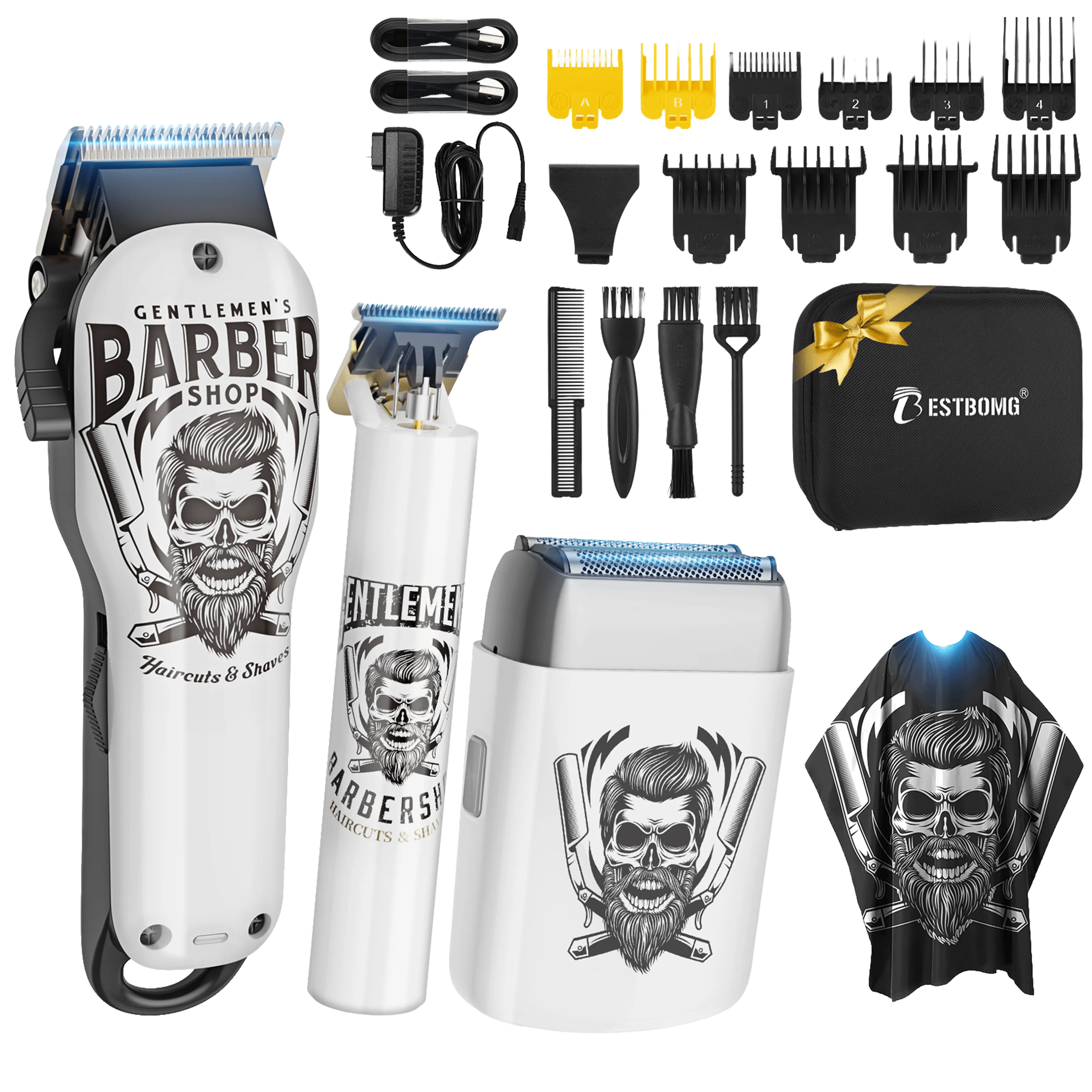
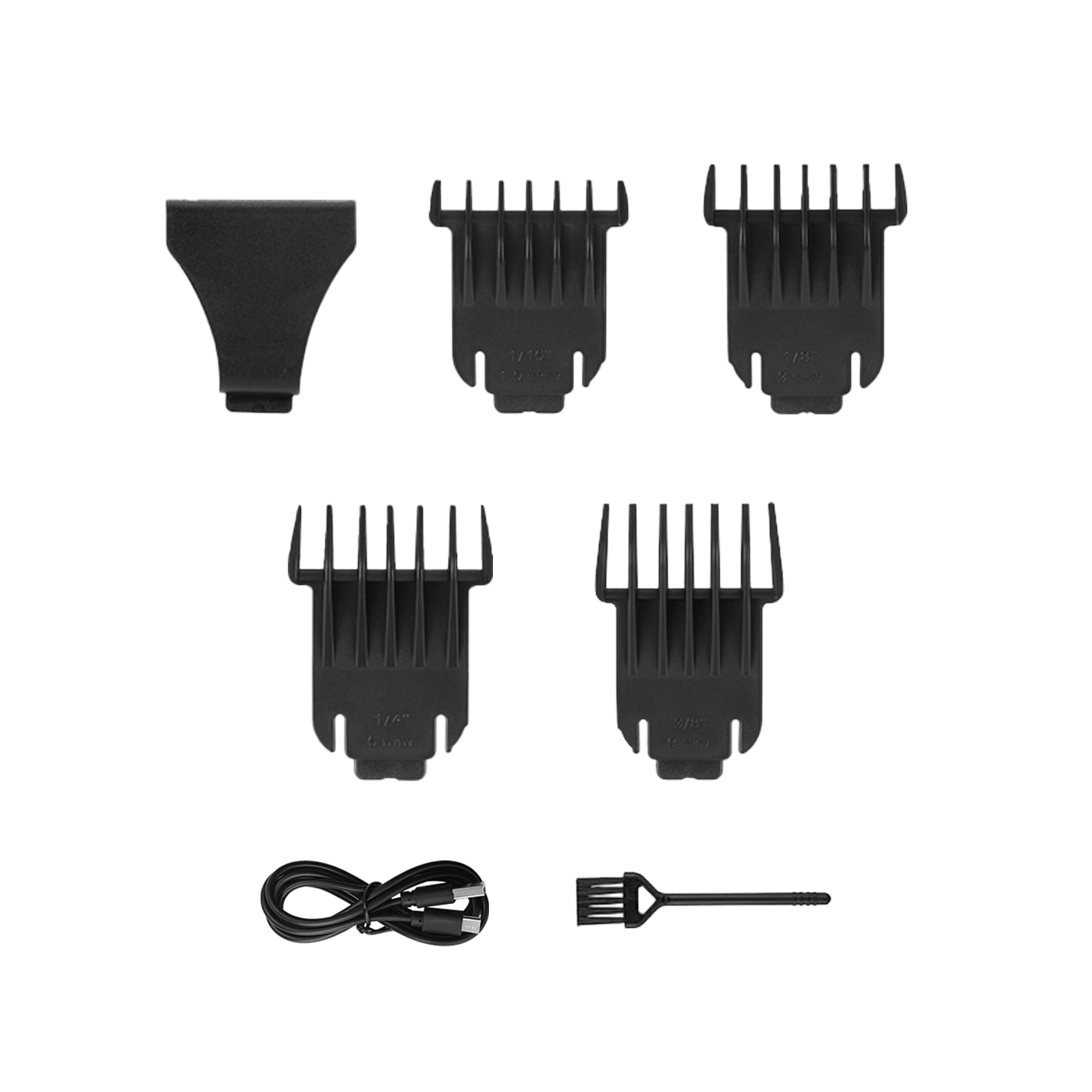
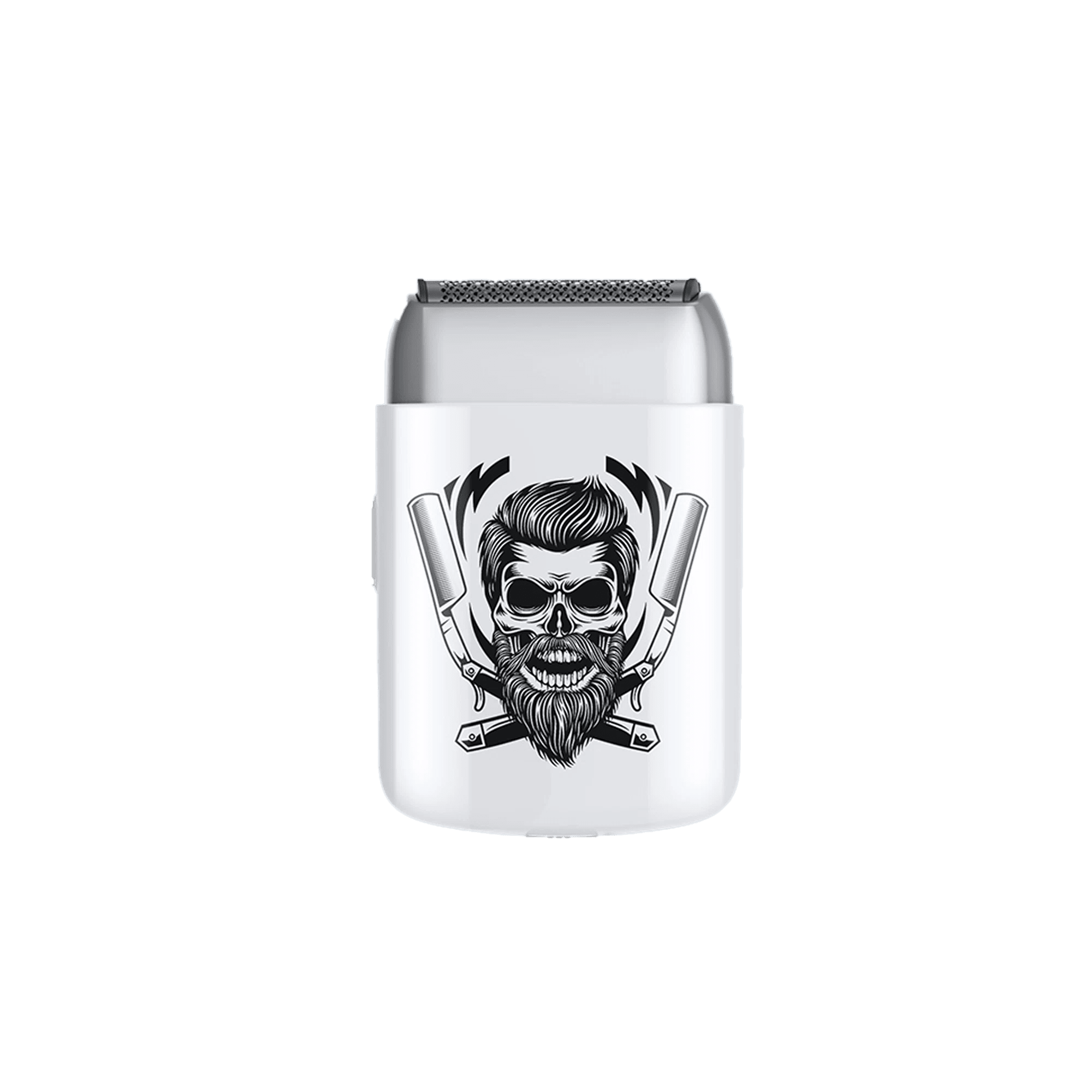
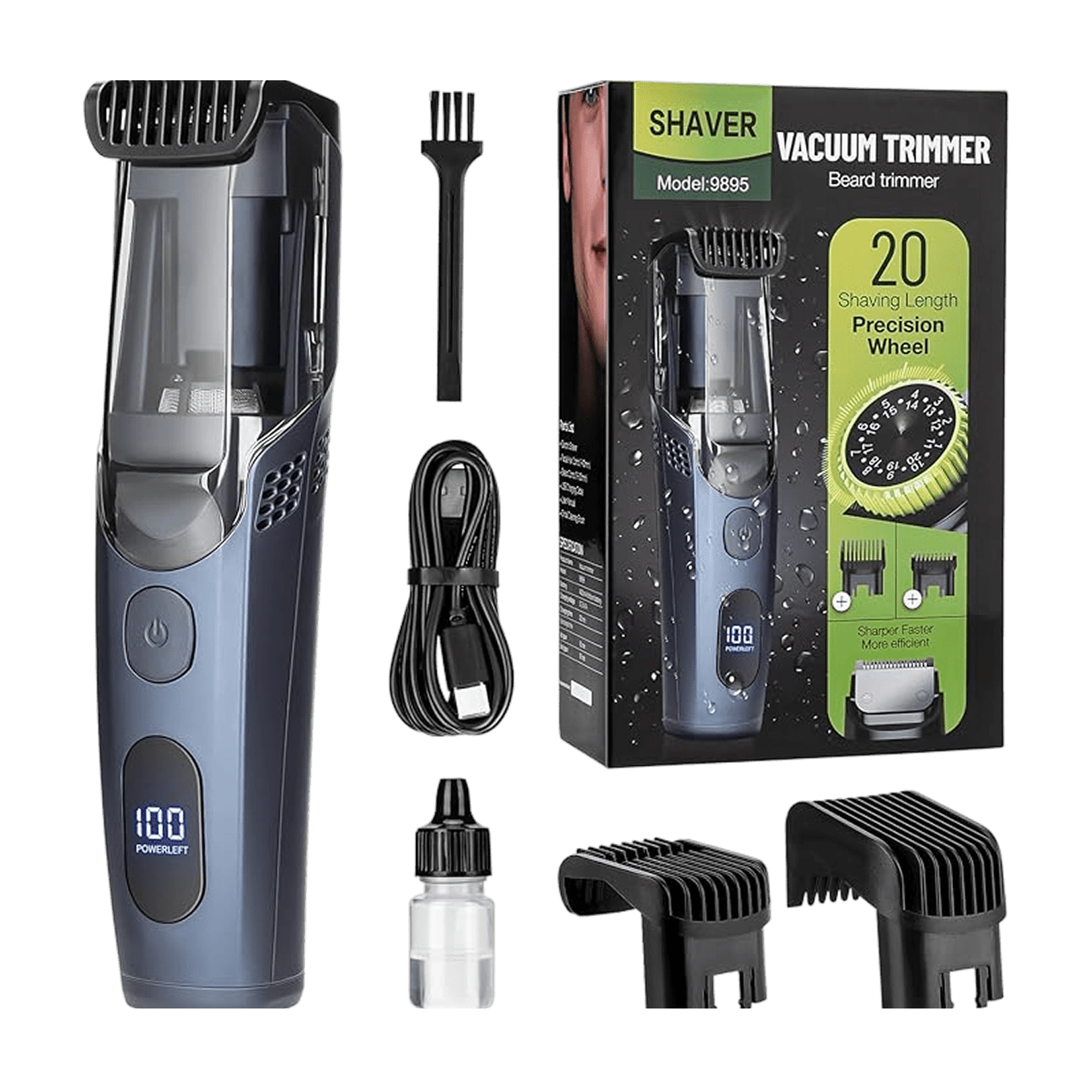
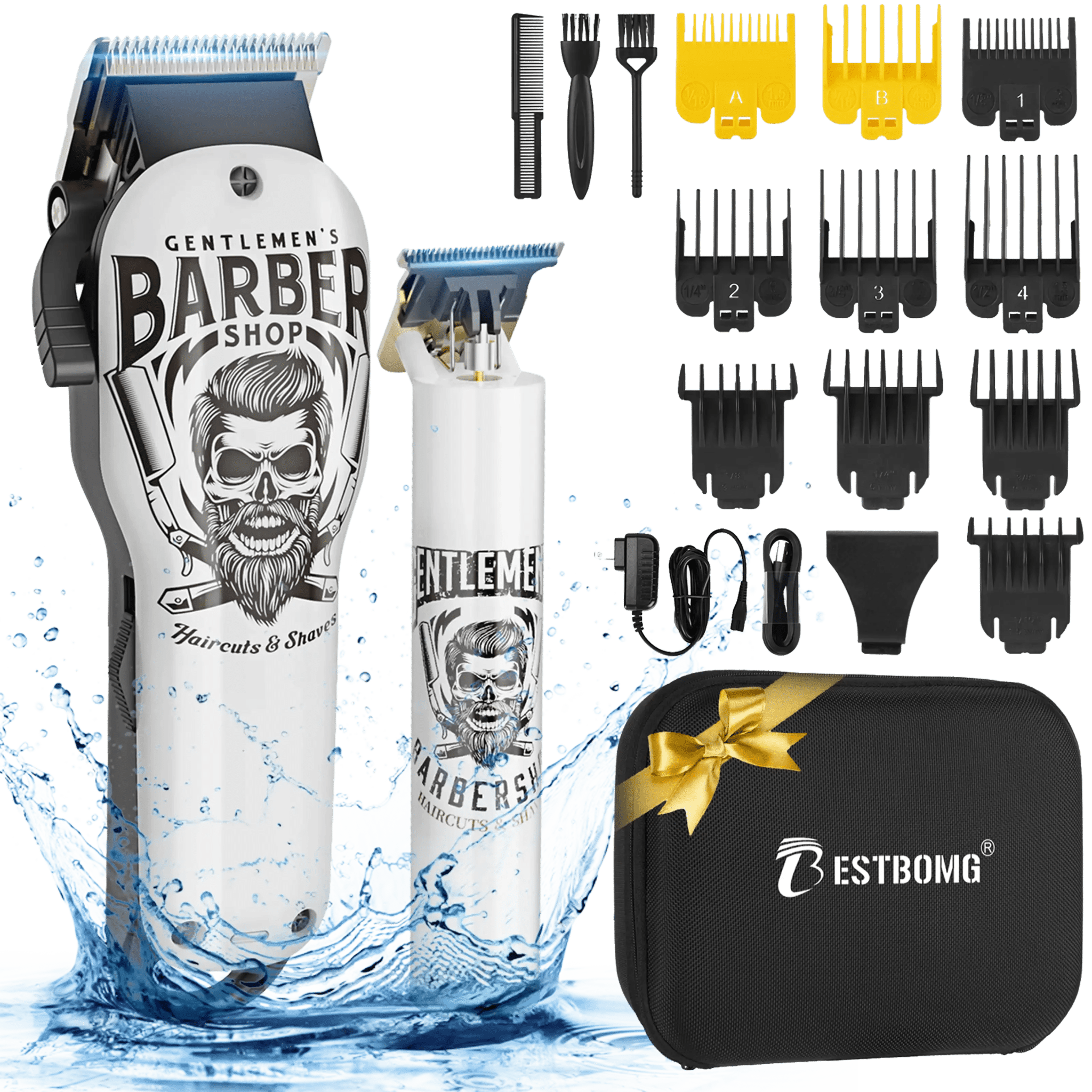
Bestbomg T9 Beard Trimmer
Best For: Budget-conscious barbers and detail work
Key Features:
- Zero-gap T-blade design
- 6,500 RPM motor
- Cordless with 100-minute runtime
- USB rechargeable
- Lightweight (7 oz) with ergonomic grip
Who Should Buy: Barbers seeking a reliable, affordable trimmer for line-ups, edging, and beard shaping without sacrificing performance.
Andis Slimline Pro Li
Best For: All-around professional use
Key Features:
- Close-cutting T-blade
- Lithium-ion battery (2-hour runtime)
- Rotary motor (6,800 RPM)
- Lightweight (5 oz)
- Quiet operation
Wahl Detailer
Best For: Crisp line-ups and designs
Key Features:
- Adjustable zero-gap blade
- Powerful V9000 motor
- Corded (unlimited runtime)
- 8-foot cord
- Classic barber workhorse
BaBylissPRO GoldFX Skeleton Trimmer
Best For: Heavy-duty daily use
Key Features:
- Exposed T-blade (ultra-precise)
- Ferrari-designed engine (7,200 RPM)
- Cordless with 2-hour runtime
- All-metal housing
- Dual voltage for travel
Oster T-Finisher
Best For: Finishing and detail work
Key Features:
- Carbon-steel T-blade
- Quiet magnetic motor
- Corded
- Lightweight (6 oz)
- Affordable
Trimmer Maintenance for Barbers
Daily Cleaning
After Every Client:
- Brush away hair clippings with the included cleaning brush.
- Spray with blade cleaner (e.g., Andis Cool Care, Wahl Blade Ice).
- Wipe housing with disinfectant wipe.
- Check blade alignment to ensure even cutting.
Weekly Deep Clean
- Remove blade assembly according to manufacturer instructions.
- Soak blades in blade wash or isopropyl alcohol for 5–10 minutes.
- Scrub with a brush to remove stubborn buildup.
- Dry completely before reassembling.
- Apply 2–3 drops of clipper oil along blade teeth.
- Run trimmer briefly to distribute oil.
Blade Adjustment and Zero-Gapping
Zero-gapping requires precision to avoid skin irritation:
- Loosen blade screws slightly (don't remove).
- Slide top blade forward until it aligns perfectly with bottom blade.
- Tighten screws carefully—overtightening can warp blades.
- Test on arm hair before using on clients.
Warning: Improperly zero-gapped blades can nick skin. Practice on yourself first.
Common Trimmer Mistakes Barbers Make
Not Oiling Blades Regularly
Dry blades create friction, heat, and dull quickly. Oil blades after every 2–3 clients or at the end of each day.
Using the Wrong Blade for the Job
T-blades excel at line-ups but struggle with bulk removal. Use clippers for initial cuts, trimmers for finishing.
Ignoring Blade Dullness
Dull blades tug, pull, and create uneven cuts. Replace or sharpen blades every 4–6 months with heavy use.
Skipping Zero-Gap Adjustments
Blades shift over time. Check and adjust zero-gap settings weekly to maintain crisp line-ups.
Pressing Too Hard
Let the trimmer do the work. Pressing hard doesn't improve cutting—it causes irritation and increases blade wear.
Choosing the Right Trimmer for Your Barbershop
Consider Your Clientele
- Predominantly fades and tapers: Prioritize T-blade trimmers with zero-gap capability
- Beard grooming: Look for adjustable guards and narrow blades
- Design work: Choose trimmers with exposed T-blades for maximum precision
Corded vs. Cordless
Corded:
- Unlimited runtime
- Consistent power
- No battery maintenance
- Best for: High-volume shops with fixed stations
Cordless:
- Mobility
- Cleaner workspace (no cords)
- 90–120 minute runtime (pro models)
- Best for: Mobile barbers, multi-station shops
Budget Considerations
Entry-Level Professional: Reliable performance for learning barbers and home use
Mid-Range: Balance of power, durability, and features for established barbers
Premium: Advanced motors, extended battery life, and luxury materials for high-volume shops
Frequently Asked Questions
What is the best trimmer for barbers?
The Andis Slimline Pro Li offers the best balance of performance, battery life, and weight for professional barbers. For budget-conscious options, the Bestbomg T9 delivers zero-gap precision and 100-minute runtime at an affordable cost.
What's the difference between a trimmer and a clipper?
Trimmers have narrow T-blades or detailing blades for precision work like line-ups, edging, and beard shaping. Clippers have wider blades for bulk hair removal, fades, and buzz cuts. Barbers use trimmers for finishing and clippers for cutting.
How often should I replace trimmer blades?
Replace or sharpen blades every 4–6 months with daily professional use. Signs of dullness include tugging, pulling, uneven cuts, and increased heat.
Can I use a trimmer for fades?
Yes, but trimmers are best for finishing fades and creating sharp lines. Use clippers with guards for the bulk of the fade, then switch to a trimmer for detailing and crisp edges.
How do I zero-gap a trimmer?
Loosen the blade screws slightly, slide the top blade forward until it aligns flush with the bottom blade, then tighten screws carefully. Test on arm hair before using on clients to ensure it's not too close.
What's the best cordless trimmer for barbers?
The Andis Slimline Pro Li offers 2-hour runtime, lightweight design, and a powerful rotary motor, making it ideal for all-day cordless use. The BaBylissPRO GoldFX Skeleton provides premium performance with a Ferrari-designed engine.
Conclusion
The best trimmer for barbers combines zero-gap precision, powerful motors, durable construction, and comfortable ergonomics for all-day professional use. Whether you prioritize affordability, battery life, or cutting power, investing in a quality trimmer ensures crisp line-ups, smooth fades, and satisfied clients. Regular maintenance—oiling, cleaning, and blade adjustments—extends tool life and keeps performance sharp.
Ready to upgrade your barber toolkit? Explore beard trimmers with T-blade designs and professional-grade motors built for precision detail work.

Looking for something else?

How to Cut Baby Boy Hair with Clippers: Step-by-Step Guide
LEARN MORE
Do Hair Clippers Get Dull? Causes, Signs & Prevention
LEARN MORE
Can an Electric Shaver Cut You? Safety Facts & Prevention
LEARN MORE
How to Shave Balls with Electric Shaver: Safe Guide
LEARN MORELooking for something else?

Does Using Trimmer Increase Hair Growth? Facts & Myths
LEARN MORE
Best Hair Clippers for Men: Top Picks for Home & Pro Use
LEARN MORE
Best Professional Hair Clippers for Barbers: Top Picks
LEARN MOREYou may also like


Further reading
Best Hair Clippers for Perfect Fades at Home
Clipper Lever Open vs Closed: What It Means (with mm)
Why You Need a Cordless Detailer Trimmer (And How to Pick the Right One)