




How to Choose the Right Electric Shaver: Complete Guide
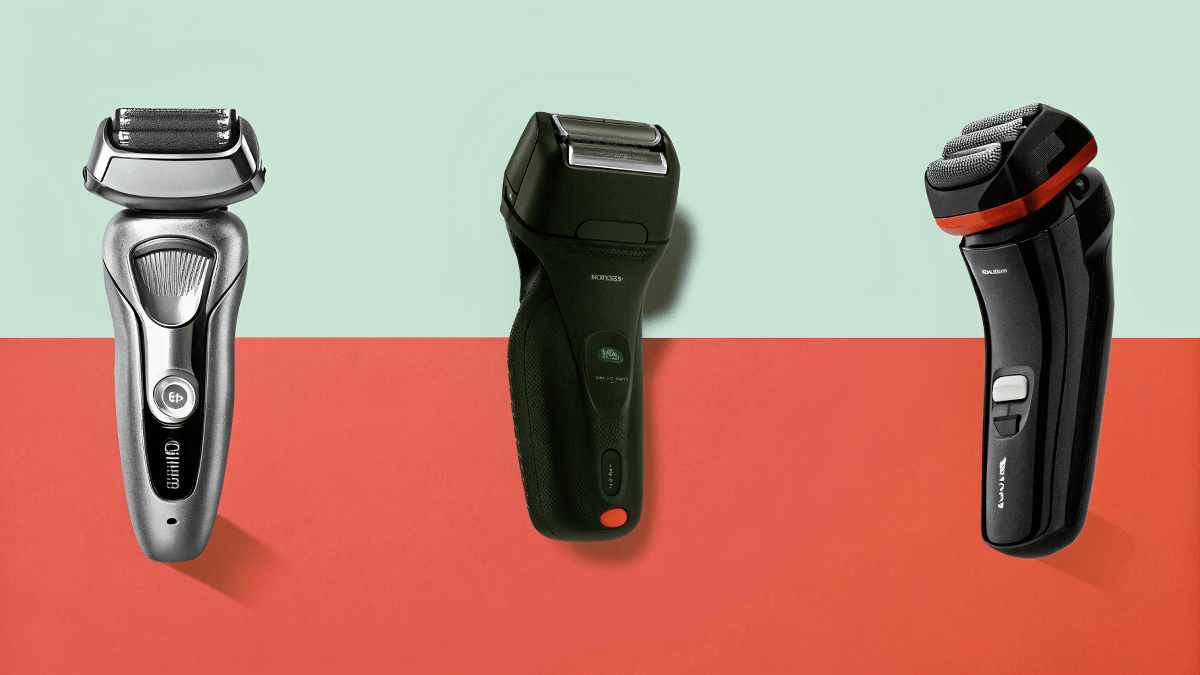
Choosing the right electric shaver depends on your hair type, skin sensitivity, desired closeness, and shaving habits. Electric shavers come in three main types—foil, rotary, and hybrid—each designed for different needs.
Foil shavers excel at close, precise shaves on sensitive skin, rotary shavers handle thick, coarse hair and contoured areas, while hybrid shavers offer versatility for trimming and shaving. This guide helps you select the best option.
Understanding Electric Shaver Types

Foil Shavers
Foil shavers use oscillating blades beneath thin, perforated metal foils.
How They Work:
- Hair enters through foil perforations
- Blades oscillate back and forth (10,000–14,000 vibrations/min)
- Cut hair at or slightly above skin level
Best For:
- Sensitive skin (foil barrier reduces irritation)
- Fine-to-medium, straight hair
- Flat surfaces (cheeks, jawline, head)
- Daily shaving (works best on 1–3 day stubble)
- Precision (clean lines, edging)
Examples: Braun Series 3/5/7/9, Panasonic Arc 3/5
Rotary Shavers
Rotary shavers use circular blades rotating beneath round guards.
How They Work:
- Three rotating heads (typically)
- Circular blades cut hair in multiple directions
- Flex to follow face contours
Best For:
- Thick, coarse, or curly hair
- Multi-directional hair growth
- Contoured areas (jaw, neck)
- Less frequent shaving (2–4 times per week)
- Longer stubble (handles 3–7 day growth)
Examples: Philips Norelco Shaver 3000/5000/9000, Remington Rotary
Hybrid Shavers (OneBlade Style)
Hybrid shavers combine trimming and shaving in one device.
How They Work:
- Dual-sided blade oscillates rapidly
- Can trim and shave without switching heads
Best For:
- Versatility (facial hair, body grooming, edging)
- Trimming stubble (not the closest shave)
- First-time electric shaver users
- Travel (compact, multi-purpose)
Examples: Philips OneBlade, Panasonic Hybrid Trimmer
Key Features to Consider

Wet/Dry Capability
Wet/Dry Shavers:
- Dry shaving: Quick, no-prep convenience
- Wet shaving: Use with gel/foam in the shower
Look For: IPX7 waterproof rating for safe shower use
Battery Life and Charging
Cordless Shavers:
- 50+ minutes runtime per charge
- Quick charge: 5–10 minutes for one shave
- Lithium-ion batteries (longer lifespan, faster charging)
Corded Shavers:
- Unlimited runtime
- No battery degradation
- Less portable
Number of Blades/Heads
Foil Shavers:
- 1–2 foils: Budget models, basic performance
- 3 foils: Mid-range, good coverage
- 5–6 foils: Premium, fastest shaving
Rotary Shavers:
- 3 heads: Standard
- 4+ heads: Rare, not necessarily better
Skin Sensitivity Features
- Hypoallergenic foils (titanium, nickel-free)
- Rounded blade tips (reduce nicks)
- Adjustable speed settings
- Skin-guard systems
Pop-Up Trimmer
Built-in trimmer for sideburns, mustache, and neckline detailing.
Choosing Based on Hair Type
|
Hair Type |
Best Shaver Type |
Why |
|
Fine, Straight |
Foil |
Captures fine hair efficiently, close shave |
|
Thick, Coarse |
Rotary |
Powerful motors handle dense hair |
|
Curly |
Rotary |
Multi-directional cutting reduces pulling |
|
Multi-Directional |
Rotary |
Circular motion follows hair growth patterns |
|
Light Stubble |
Foil or Hybrid |
Foil for closeness, hybrid for flexibility |
Choosing Based on Skin Type

Sensitive Skin
Best Choice: Foil shavers with hypoallergenic foils
Why:
- Foil barrier reduces direct blade contact
- Less razor burn and irritation
- Gentler on skin
Features to Look For:
- Titanium or ceramic-coated foils
- Wet shaving capability (use with gel)
- Multiple speed settings (start low)
Normal Skin
Best Choice: Foil or rotary based on hair type
Why:
- Normal skin tolerates both types well
- Focus on hair type and shaving habits
Acne-Prone Skin
Best Choice: Foil shavers with wet/dry capability
Why:
- Less irritation than rotary
- Wet shaving with gentle gel reduces friction
- Easier to clean (prevents bacterial buildup)
Choosing Based on Shaving Habits
Daily Shavers
Best Choice: Foil shavers
Why:
- Work best on 1–3 day stubble
- Fast, efficient on short hair
- Closer shave than rotary
Every 2–3 Days
Best Choice: Rotary shavers
Why:
- Handle longer stubble better
- More forgiving on varied hair length
Weekly or Less
Best Choice: Rotary shavers or trim first
Why:
- Long stubble overwhelms foil shavers
- Trim with clippers/trimmer, then shave
How to Test if a Shaver is Right for You
Adjustment Period
Give it 2–3 weeks. Your skin needs time to adapt to electric shaving, especially if switching from manual razors.
During the Adjustment:
- Shave daily for best results
- Use light pressure
- Follow manufacturer's instructions
Signs It's the Wrong Shaver
- Excessive irritation after 3 weeks
- Persistent tugging/pulling (wrong type for your hair)
- Misses large patches (hair type/growth mismatch)
- Takes too long (inefficient for your needs)
Maintenance Requirements
Daily Cleaning
- Rinse under warm water (if waterproof)
- Brush away hair with cleaning brush
- Let air-dry before storing
Weekly Deep Clean
- Remove heads/foils
- Soak in cleaning solution or isopropyl alcohol (10 minutes)
- Scrub with brush
- Dry completely before reassembling
Replacement Schedule
- Foil shavers: Replace foils every 12–18 months
- Rotary shavers: Replace heads every 12–24 months
- Hybrid shavers: Replace blades every 4–6 months
Frequently Asked Question
What type of electric shaver is best?
It depends on your hair type and skin. Foil shavers are best for fine-to-medium straight hair, sensitive skin, and daily shaving. Rotary shavers are best for thick, coarse, or curly hair and less frequent shaving. Hybrid shavers are best for versatility and trimming.
Should I get a foil or rotary shaver?
Choose foil for sensitive skin, straight hair growth, close shaves, and daily shaving. Choose rotary for thick/coarse/curly hair, multi-directional growth, contoured areas, and less frequent shaving (2–4 times per week).
How do I know if an electric shaver will work for me?
Give it a 2–3 week adjustment period. Your skin needs time to adapt. If after 3 weeks you still experience excessive irritation, tugging, or missed patches, the shaver may not match your hair type or growth pattern.
Are wet/dry shavers worth it?
Yes. Wet/dry shavers offer flexibility to shave dry for speed or wet with gel for comfort. Wet shaving reduces irritation on sensitive skin. The waterproof design also makes cleaning easier.
How long do electric shavers last?
Electric shavers last 3–5 years with proper care. Replace foils/heads every 12–18 months for optimal performance. Cordless models may need battery replacement after 3–5 years or 300–500 charge cycles.
Can I use an electric shaver every day?
Yes. Electric shavers (especially foil) are designed for daily use and work best on 1–3 day stubble. Daily shaving maintains smoothness and prevents hair from growing too long, which reduces performance.
Conclusion
Choosing the right electric shaver depends on matching shaver type to your hair texture, skin sensitivity, and shaving frequency. Foil shavers deliver close, precise results for sensitive skin and daily shaving, rotary shavers handle thick, coarse hair and multi-directional growth, while hybrid shavers offer versatility for trimming and shaping.
Test for 2–3 weeks, maintain properly, and adjust technique for best results.Ready to find your perfect shaver? Explore electric shavers with wet/dry capability, replaceable heads, and features designed for your unique grooming needs.
Read more

Can Hair Clippers Cut Skin? Safety Tips & Prevention Guide
Yes, hair clippers can cut skin, especially when blades are zero-gapped, used at the wrong angle, or when excessive pressure is applied. Hair clippers have a bottom blade that acts as a guard, but ...

Are Rusty Hair Clippers Dangerous? Health Risks & Safety
Yes, rusty hair clippers are dangerous and should not be used. Rust indicates degraded, unhygienic blades that harbor bacteria and create infection risks. Rusty hair clippers can cause skin infecti...


Leave a comment
This site is protected by hCaptcha and the hCaptcha Privacy Policy and Terms of Service apply.