





Are Rusty Hair Clippers Dangerous? Health Risks & Safety
Yes, rusty hair clippers are dangerous and should not be used. Rust indicates degraded, unhygienic blades that harbor bacteria and create infection risks. Rusty hair clippers can cause skin infections, tetanus exposure (if they cut skin), painful nicks from rough edges, and poor cutting performance that pulls and snags hair. This guide covers the health risks, how to identify rust, prevention methods, and when to replace blades.
Why Rusty Clippers Are Dangerous
Bacterial Contamination
Rust (iron oxide) forms when metal is exposed to moisture and oxygen. Rusty clipper blades create a perfect environment for bacteria:
- Clostridium tetani (tetanus bacteria)
- Staphylococcus aureus (staph infections)
- Pseudomonas (skin infections)
- Fungal spores
Why It's Dangerous:
Bacteria thrive in the porous, rough texture of rust. If rusty blades nick or cut your skin, bacteria enter the bloodstream, causing infections.
Tetanus Risk
While tetanus is rare in the US due to widespread vaccination, rust itself doesn't cause tetanus—the bacteria Clostridium tetani does. However:
- Rusty, dirty tools often harbor tetanus bacteria
- Deep puncture wounds or cuts from rusty blades increase exposure risk
- Tetanus vaccination status matters: If your last tetanus shot was over 10 years ago, seek medical attention after a cut from rusty clippers
Symptoms of Tetanus (Seek Immediate Medical Attention):
- Jaw stiffness (lockjaw)
- Muscle spasms
- Difficulty swallowing
- Fever
Skin Infections and Irritation
Rusty blades cause:
- Bacterial skin infections (redness, swelling, pus)
- Severe irritation (rashes, bumps)
- Painful wounds that take longer to heal
- Allergic reactions to rust particles
Poor Cutting Performance
Rust degrades blade sharpness and creates rough, uneven edges:
- Pulls and snags hair instead of cutting cleanly
- Increases nicks and cuts (rough edges catch skin)
- Painful grooming experience
- Uneven results
How to Identify Rusty Clippers

Visual Inspection
Signs of Rust:
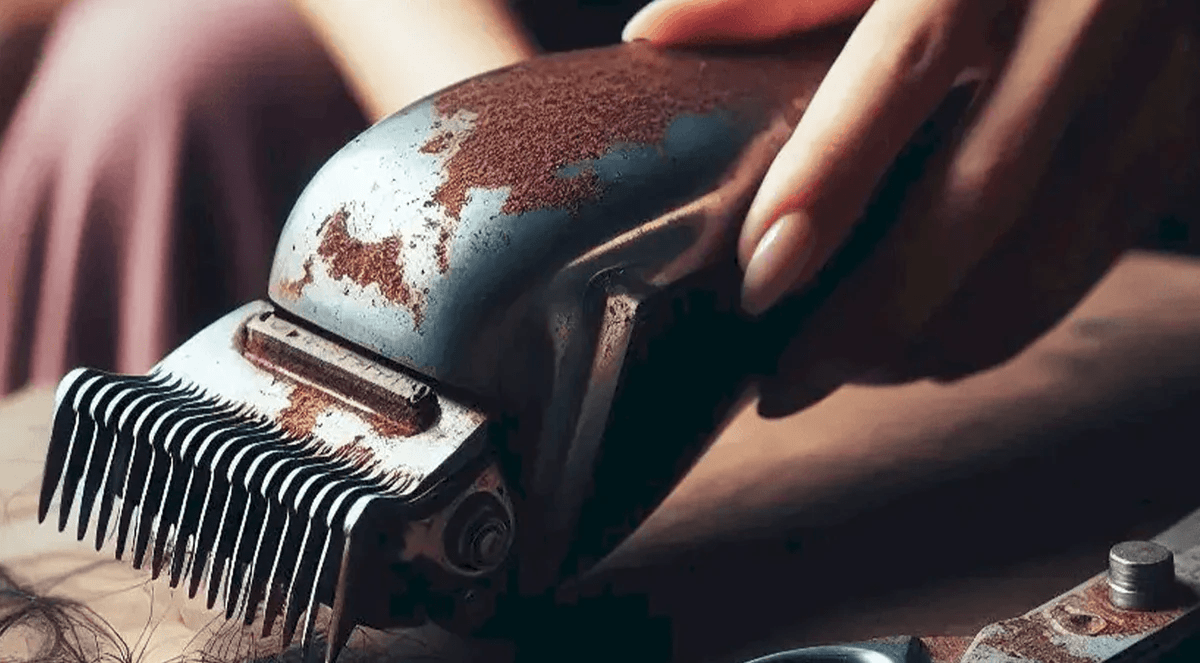
- Orange or reddish-brown discoloration on blades
- Pitting or rough texture (not smooth)
- Flaky or powdery residue
- Staining on blade edges
Performance Issues
Rust-Related Problems:
- Hair pulling or tugging
- Blades feel rough or sticky
- Motor struggles (rust creates friction)
- Uneven cutting
When to Inspect
- After every use (quick visual check)
- Weekly (detailed inspection while cleaning)
- If stored in humid environments
Health Risks of Using Rusty Clippers
Infection Types
|
Infection Type |
Cause |
Symptoms |
Risk Level |
|
Tetanus |
Clostridium tetani bacteria |
Lockjaw, muscle spasms, fever |
High (if cut occurs + outdated vaccination) |
|
Staph Infection |
Staphylococcus aureus |
Redness, swelling, pus, pain |
Moderate to high |
|
Fungal Infection |
Fungal spores in rust |
Itching, rashes, flaking skin |
Moderate |
|
General Bacterial |
Various bacteria |
Irritation, bumps, slow healing |
Moderate |
Who Is Most at Risk?
- People with weakened immune systems
- Those with outdated tetanus vaccinations
- Users sharing clippers (bacteria transfer)
- People cutting in sensitive areas (face, neck, pubic region)
How to Prevent Rust on Hair Clippers

Clean After Every Use
- Remove loose hair with a cleaning brush
- Spray with blade cleaner or wipe with isopropyl alcohol
- Wipe down the housing
- Let air-dry completely before storing
Never store clippers wet—moisture causes rust.
Oil Blades Regularly
Why Oiling Prevents Rust:
- Creates a protective moisture barrier
- Reduces friction (which generates heat and moisture)
- Extends blade life
How to Oil:
- Apply 2–3 drops of clipper oil along blade teeth
- Turn on for 10 seconds to distribute oil
- Wipe away excess with a cloth
Oil every 2–3 uses or after cleaning.
Store Properly
Best Storage Practices:
- Use a blade guard to protect from moisture
- Store in a dry location (not bathroom or humid areas)
- Avoid extreme temperatures
- Keep in a case or drawer (away from moisture)
Worst Places to Store:
- Bathroom (steam and humidity)
- Near sinks or showers
- Hot car or garage
Replace Blades When Needed
Even with perfect maintenance, blades eventually wear out:
- Professional daily use: Replace every 6–12 months
- Home weekly use: Replace every 12–24 months
Signs It's Time to Replace:
- Visible rust that won't clean off
- Persistent pulling/tugging
- Chips, cracks, or bent teeth
- Excessive heat during use
What to Do If You Cut Yourself with Rusty Clippers

Immediate Steps
- Stop using the clippers immediately
- Wash the wound with soap and warm water for 5 minutes
- Apply pressure with a clean cloth to stop bleeding
- Clean with hydrogen peroxide or antiseptic
- Apply antibiotic ointment
- Cover with a sterile bandage
When to Seek Medical Attention
See a doctor if:
- Tetanus vaccination is outdated (last shot over 10 years ago)
- Deep cut or puncture wound
- Bleeding doesn't stop after 10 minutes of pressure
- Signs of infection develop (redness, swelling, pus, fever)
- Cut is on face, neck, or near eyes
Always update your tetanus vaccination if it's been more than 10 years since your last shot.
Can You Save Rusty Clippers?
Light Surface Rust
Yes, you can remove light rust:
- Disassemble blades from clipper body
- Soak in white vinegar for 10–15 minutes
- Scrub with fine steel wool or a brass brush
- Rinse and dry completely
- Oil heavily before reassembling
Moderate to Heavy Rust
No, replace the blades:
- Deep rust has permanently damaged the metal
- Even if cleaned, pitting remains (bacteria harbor in pits)
- Safety risk outweighs cost of new blades
Rule of Thumb: If rust covers more than 10% of the blade or has created deep pits, replace it.
Frequently Asked Question
Are rusty hair clippers dangerous?
Yes, rusty hair clippers are dangerous. Rust harbors bacteria like Clostridium tetani (tetanus), Staphylococcus aureus, and fungi that can cause infections if they cut or nick your skin. Rusty blades also create rough edges that increase the risk of cuts, pulling, and skin irritation.
Is it safe to use rusty clippers?
No, it's not safe to use rusty clippers. Rust indicates poor hygiene and creates infection risks. Even if clippers don't cut your skin, rusty blades pull hair, cause irritation, and perform poorly. Light surface rust can sometimes be removed, but heavily rusted blades should be replaced.
Can you get tetanus from rusty hair clippers?
Yes, if rusty clippers cut your skin and you're not up-to-date on tetanus vaccination. Rust itself doesn't cause tetanus—Clostridium tetani bacteria does—but rusty, dirty tools often harbor these bacteria. If cut by rusty clippers and your last tetanus shot was over 10 years ago, seek medical attention.
How do I prevent rust on my clippers?
Clean and dry clippers after every use, oil blades every 2–3 uses, and store in a dry location with a blade guard. Never store wet clippers or leave them in humid environments like bathrooms. Regular maintenance prevents rust formation.
What should I do if I cut myself with rusty clippers?
Wash the wound with soap and warm water for 5 minutes, apply antiseptic, cover with a sterile bandage, and seek medical attention if your tetanus vaccination is outdated (last shot over 10 years ago) or if signs of infection develop.
Can I remove rust from clipper blades?
Light surface rust can be removed by soaking blades in white vinegar for 10–15 minutes, scrubbing with steel wool, rinsing, drying completely, and oiling heavily. Moderate to heavy rust with pitting requires blade replacement—safety risks outweigh cleaning efforts.
Conclusion
Rusty hair clippers are dangerous and should never be used due to infection risks, tetanus exposure, and poor cutting performance. Prevent rust by cleaning and drying clippers after every use, oiling blades regularly, and storing in dry locations. Light surface rust can sometimes be removed, but heavily rusted blades must be replaced. If cut by rusty clippers, clean the wound immediately and seek medical attention if your tetanus vaccination is outdated.
Ready to maintain your clippers properly? Explore hair clippers with rust-resistant blades and proper care accessories for safe, long-lasting performance.

Looking for something else?

How to Cut Baby Boy Hair with Clippers: Step-by-Step Guide
LEARN MORE
Do Hair Clippers Get Dull? Causes, Signs & Prevention
LEARN MORE
Can an Electric Shaver Cut You? Safety Facts & Prevention
LEARN MORE
How to Shave Balls with Electric Shaver: Safe Guide
LEARN MORELooking for something else?

Does Using Trimmer Increase Hair Growth? Facts & Myths
LEARN MORE
Best Hair Clippers for Men: Top Picks for Home & Pro Use
LEARN MORE
Best Professional Hair Clippers for Barbers: Top Picks
LEARN MOREYou may also like

Beard Trimmer-T9


Electric Shaver Y4

Further reading
Best Hair Clippers for Perfect Fades at Home
Clipper Lever Open vs Closed: What It Means (with mm)
Why You Need a Cordless Detailer Trimmer (And How to Pick the Right One)