





How to Clean Hair Clippers at Home with Alcohol: Complete Guide
Cleaning hair clippers at home with alcohol disinfects blades, removes hair and oil buildup, and extends clipper life. Isopropyl alcohol (70% or higher) kills bacteria, evaporates quickly, and doesn't damage clipper blades when used correctly. This guide covers step-by-step cleaning, safety tips, and maintenance routines to keep your clippers sharp and hygienic.
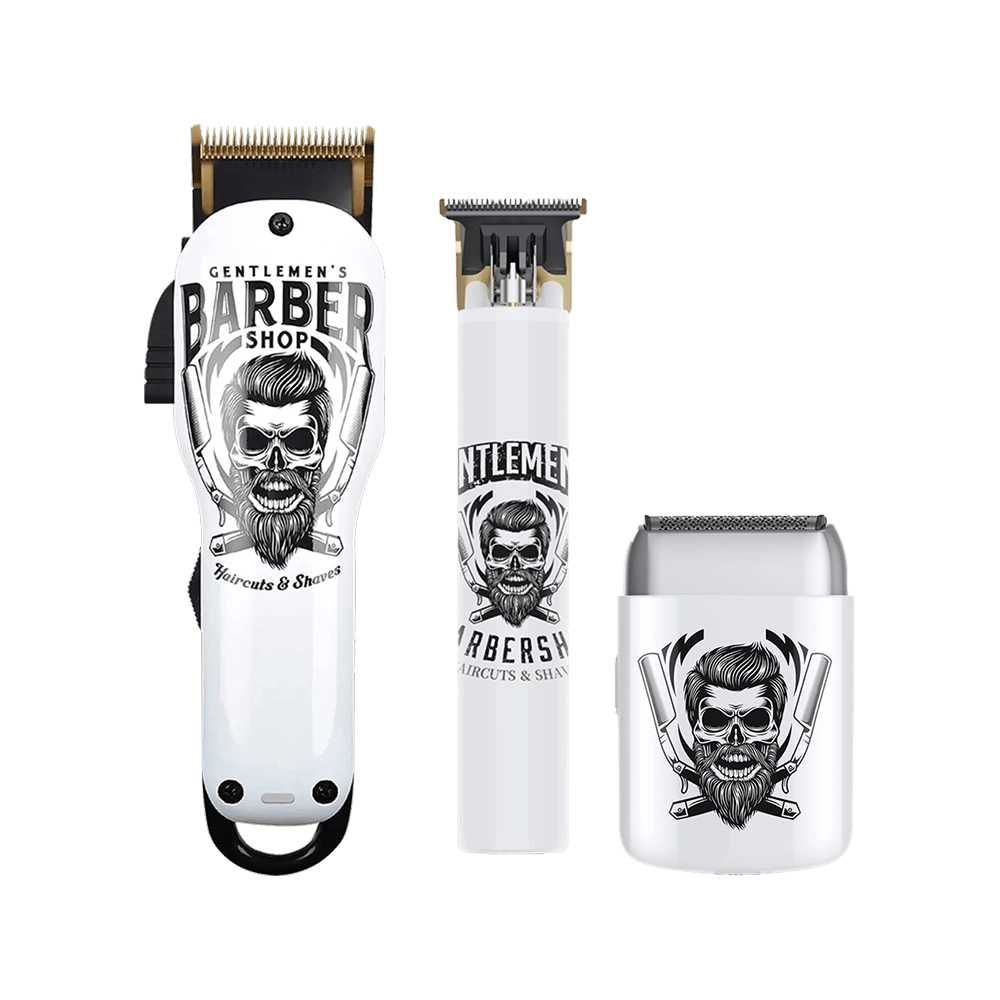
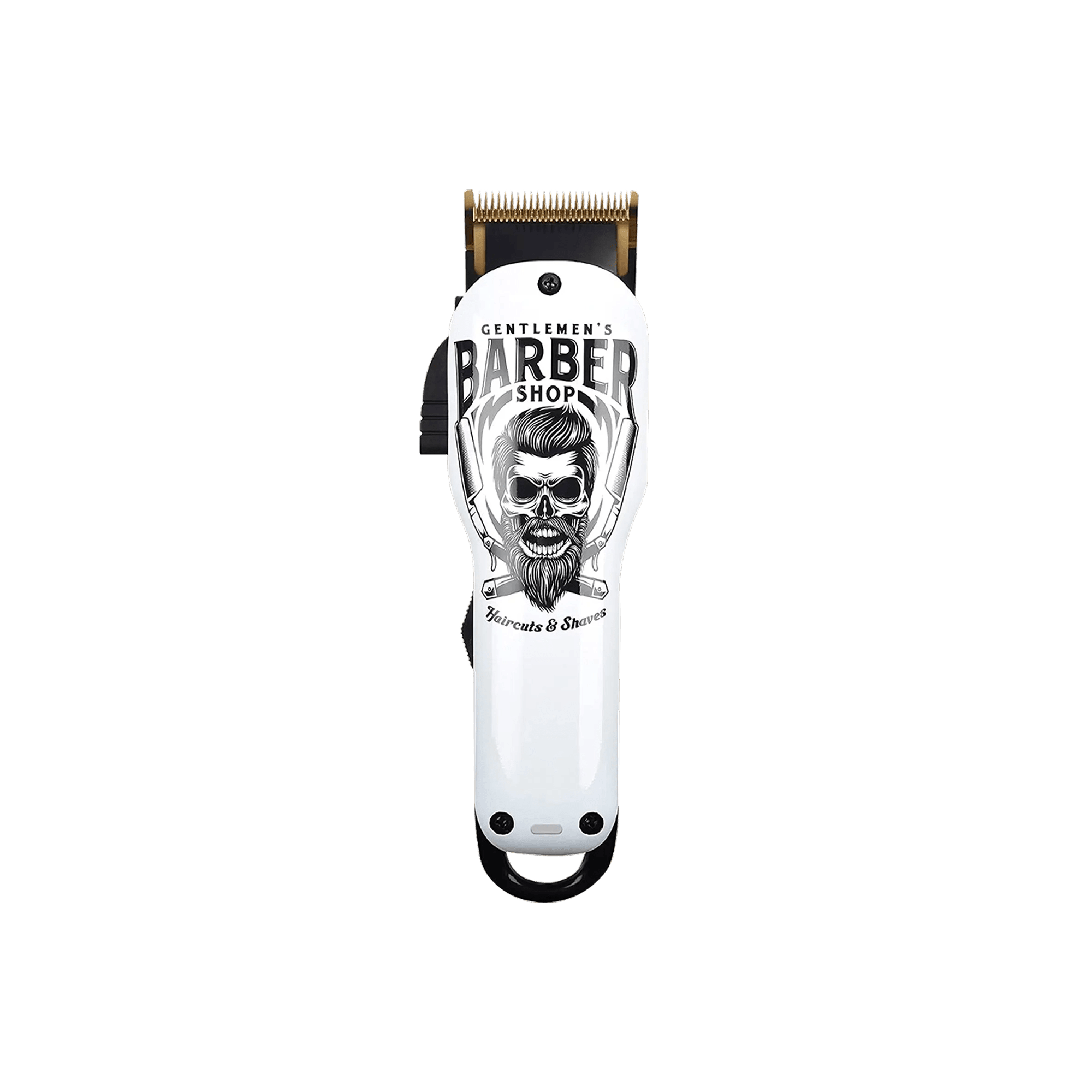
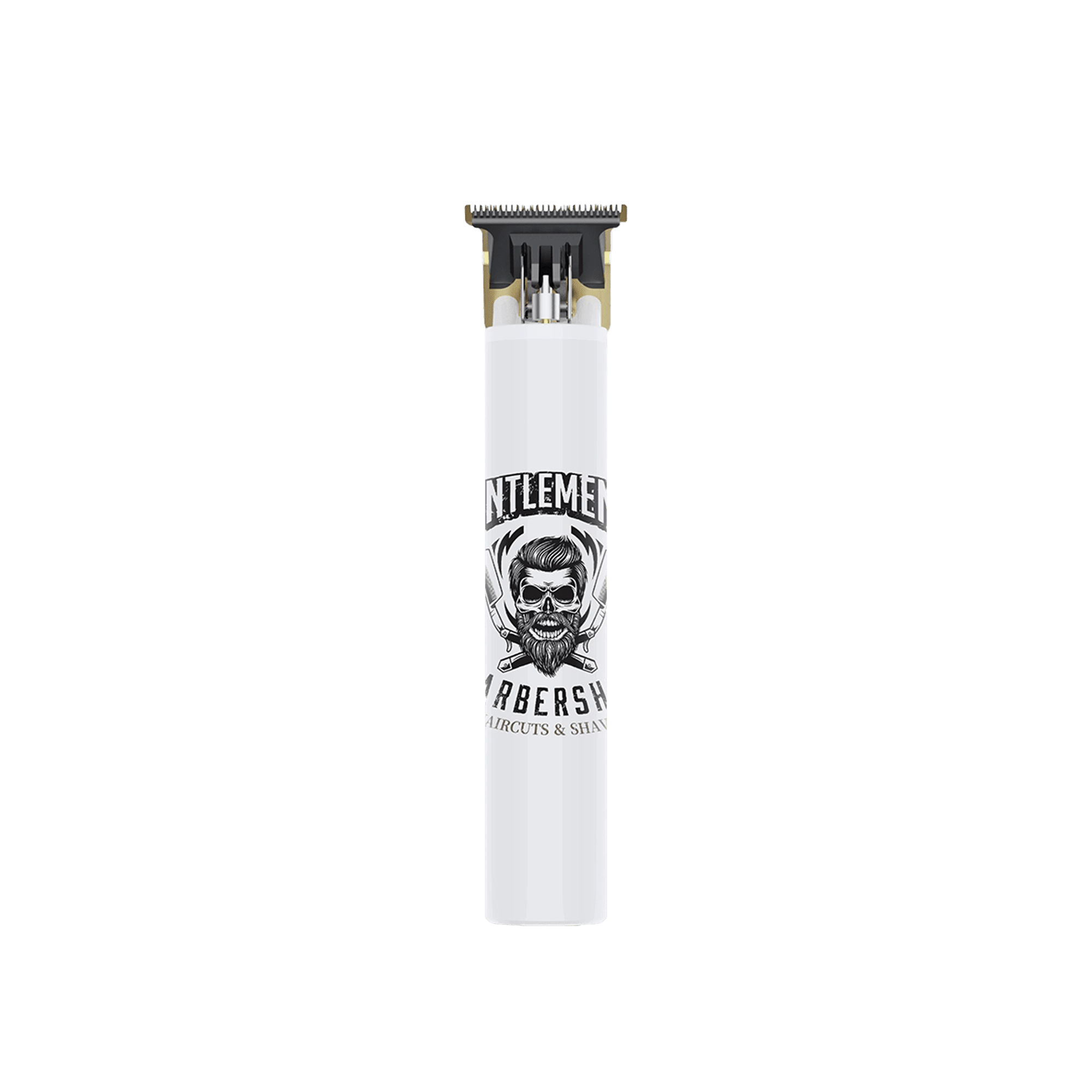
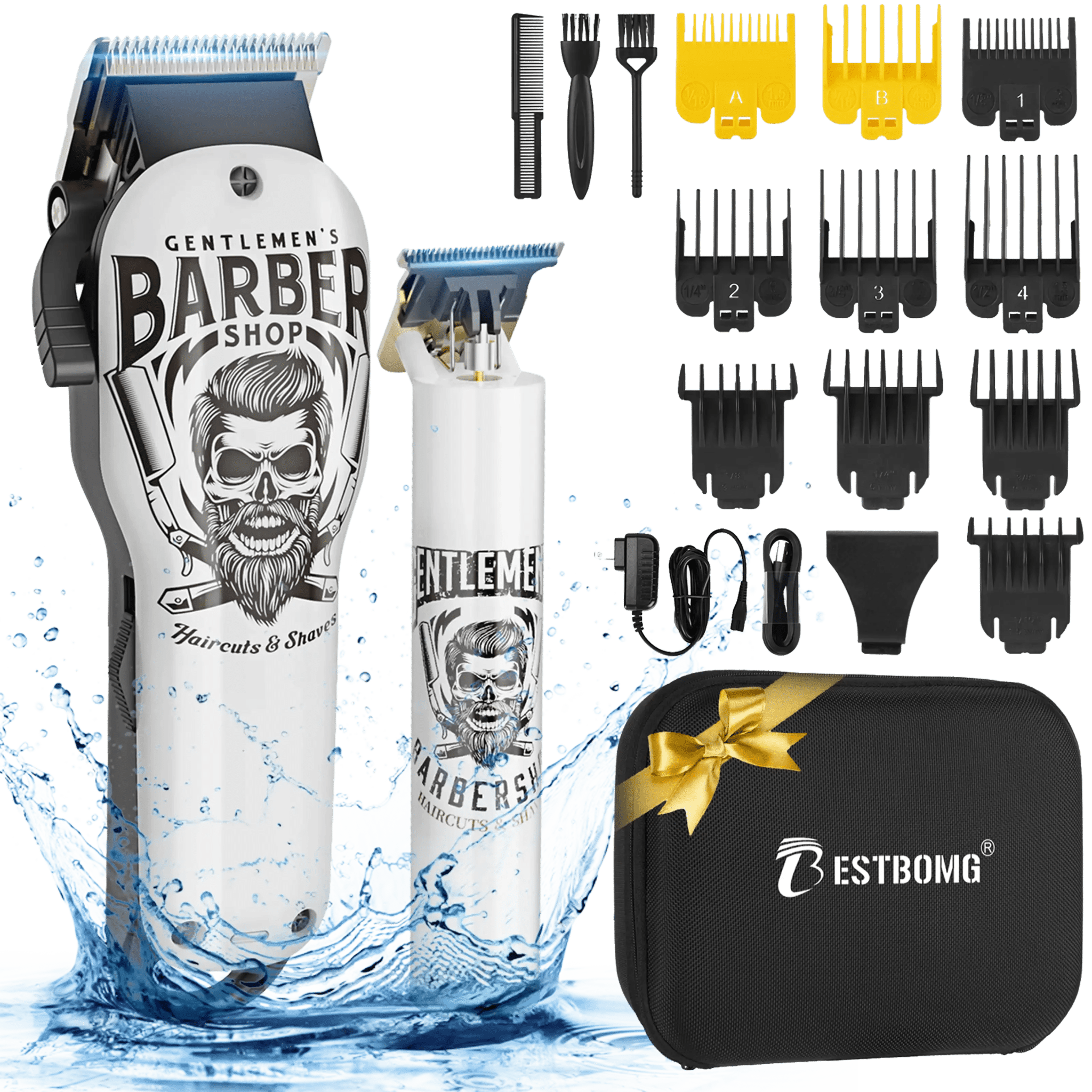
For quality clippers that are easy to maintain, explore hair clippers with detachable blades and durable construction.
Why Clean Hair Clippers with Alcohol?

Kills Bacteria and Prevents Infection
Hair clippers accumulate bacteria, dead skin cells, and oils from multiple uses. Isopropyl alcohol (also called rubbing alcohol) is a powerful disinfectant that eliminates:
- Bacteria: Prevents skin infections and breakouts
- Fungi: Reduces risk of scalp irritation
- Viruses: Important for shared clippers in households or barbershops
Removes Oil and Residue
Clipper oil, hair products, and natural scalp oils build up on blades, reducing cutting efficiency. Alcohol dissolves these residues without leaving moisture that causes rust.
Fast Evaporation
Unlike water, isopropyl alcohol evaporates within seconds, meaning no drying time and no rust risk.
Extends Blade Life
Regular cleaning prevents buildup that dulls blades, reducing the need for frequent replacements.
What You'll Need
Supplies
- Isopropyl alcohol (70% or higher): Available at pharmacies and grocery stores
- Small container or spray bottle: For soaking or spraying blades
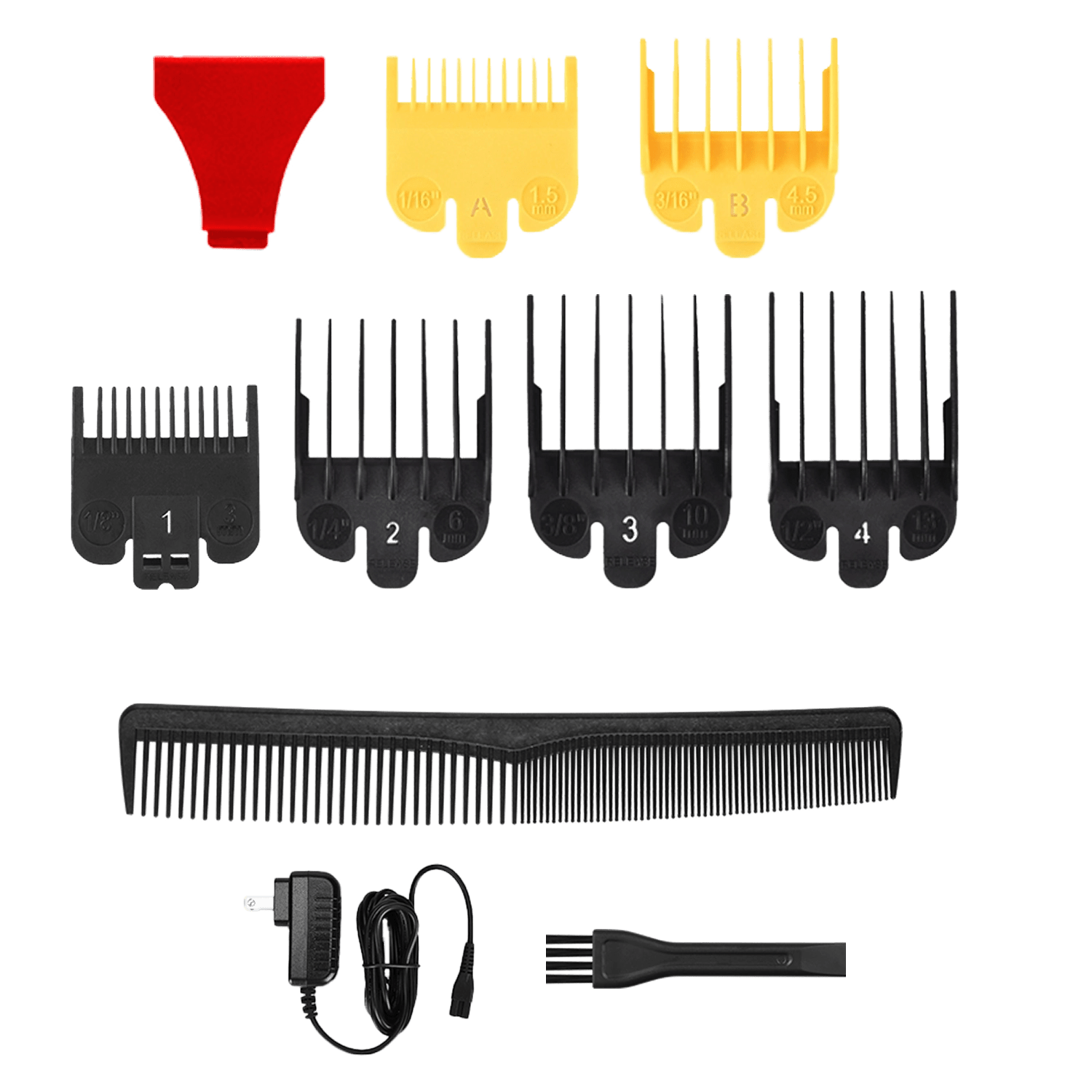
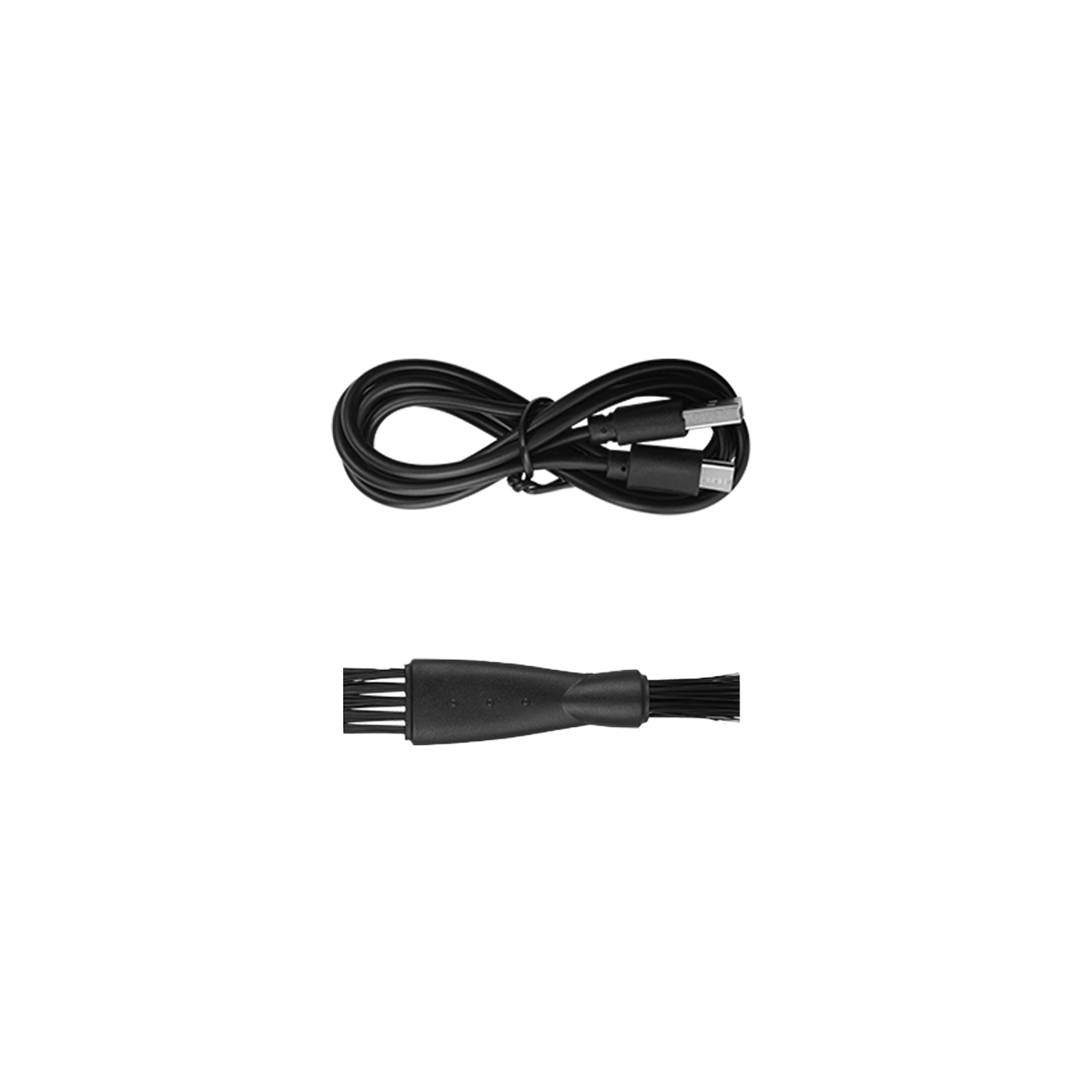
- Cleaning brush: Usually included with clippers
- Soft cloth or paper towels: For wiping
- Clipper oil: To lubricate blades after cleaning
Optional
- Blade wash solution: Commercial cleaning products designed for clippers
- Toothbrush: For scrubbing stubborn buildup
- Cotton swabs: For cleaning tight areas
Step-by-Step: How to Clean Hair Clippers with Alcohol

Step 1: Turn Off and Unplug Clippers
Ensure clippers are completely off and unplugged to prevent accidents. For cordless models, remove the battery if possible.
Step 2: Remove Loose Hair
- Use the cleaning brush to sweep away visible hair from blades and housing.
- Tap the clipper gently against a hard surface to dislodge trapped hair.
- Use a toothpick or cotton swab to clean hair stuck in tight spaces.
Step 3: Remove Blades (If Detachable)
For clippers with detachable blades:
- Follow the manufacturer's instructions to remove the blade assembly.
- Set screws or fasteners aside in a safe place.
Note: Some clippers have fixed blades. Skip this step if your blades don't detach.
Step 4: Apply Isopropyl Alcohol
Method 1: Soaking (For Detachable Blades)
- Pour isopropyl alcohol into a small container (just enough to submerge blade teeth).
- Place blades in alcohol for 10–30 seconds.
- Use a brush to scrub blade teeth while submerged.
- Remove blades and let alcohol evaporate (10–15 seconds).
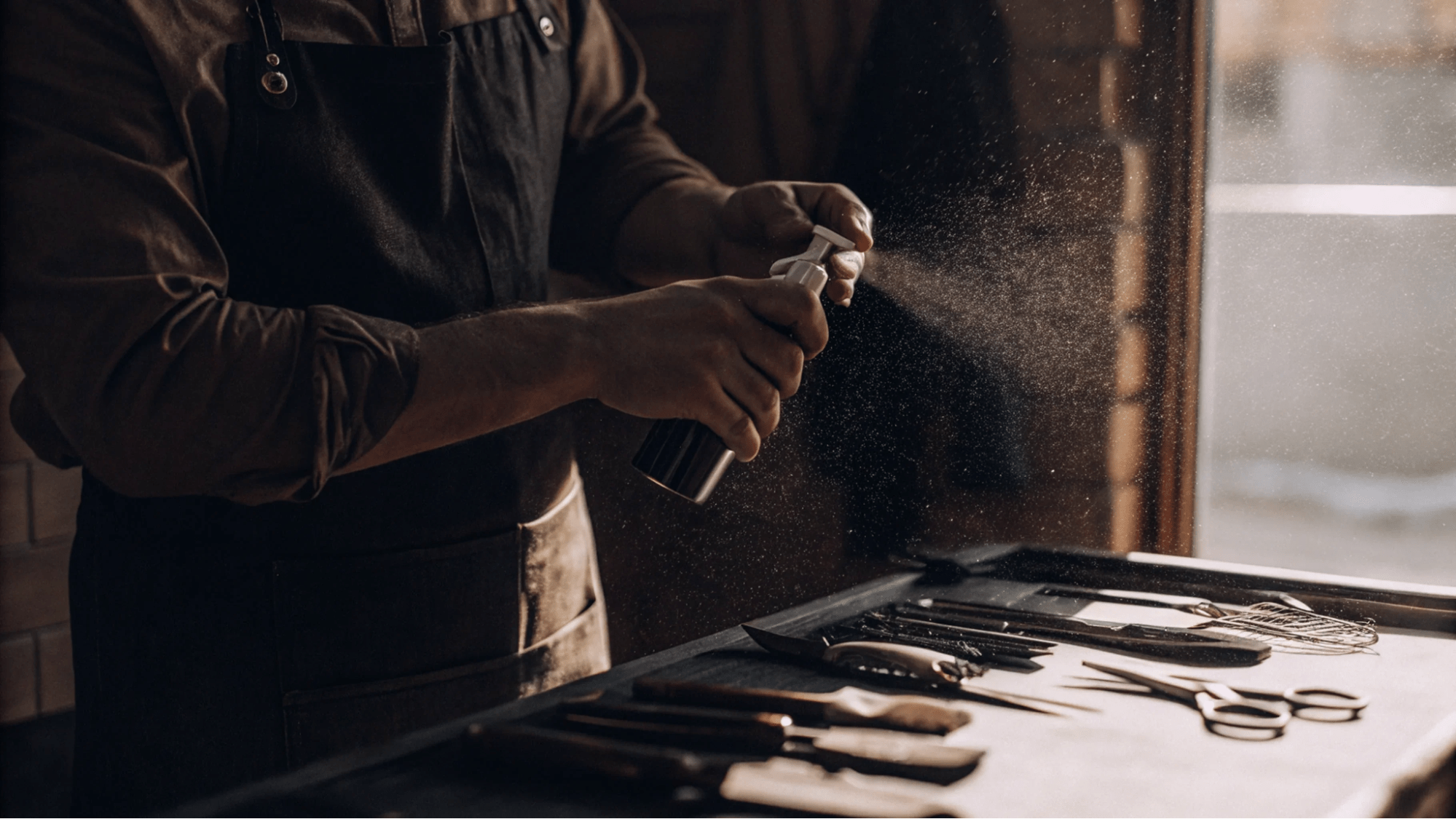
Method 2: Spraying (For Fixed Blades)
- Fill a spray bottle with isopropyl alcohol.
- Spray directly onto blade teeth while holding the clipper over a sink or towel.
- Turn on the clipper for 5–10 seconds to let alcohol circulate between blades.
- Turn off and wipe excess with a clean cloth.
Method 3: Brush Application
- Dip the cleaning brush in isopropyl alcohol.
- Scrub blade teeth thoroughly, focusing on areas with visible buildup.
- Wipe with a dry cloth.
Step 5: Dry and Reassemble
- Let alcohol evaporate completely (10–20 seconds).
- Wipe blades with a clean, dry cloth to remove any remaining residue.
- Reattach blades if you removed them, ensuring proper alignment.
Step 6: Oil the Blades
After cleaning, always oil your clipper blades:
- Apply 2–3 drops of clipper oil along the blade teeth.
- Turn on the clipper for 10 seconds to distribute oil evenly.
- Wipe away excess oil with a cloth.
Oiling prevents rust and reduces friction, keeping blades sharp.
How Often Should You Clean Clippers with Alcohol?
|
Usage Frequency |
Cleaning Schedule |
|
Daily (Professional Use) |
After every 2–3 clients, deep clean weekly |
|
2–3 Times Per Week (Home Use) |
Quick clean after each use, deep clean weekly |
|
Occasional Use |
Quick clean after each use, deep clean monthly |
Quick Clean: Brush away hair, spray with alcohol, wipe dry.
Deep Clean: Remove blades, soak in alcohol, scrub, reassemble, oil.
Safety Tips When Using Alcohol

Use in a Well-Ventilated Area
Isopropyl alcohol fumes can cause dizziness and headaches. Clean clippers near an open window or outdoors.
Keep Away from Flames
Alcohol is highly flammable. Never clean clippers near open flames, stoves, or while smoking.
Avoid Contact with Skin and Eyes
Prolonged skin contact can cause dryness. Wear gloves if you have sensitive skin. If alcohol gets in your eyes, rinse immediately with water.
Store Alcohol Safely
Keep isopropyl alcohol in its original container, tightly sealed, away from children and heat sources.
Don't Submerge the Entire Clipper
Only soak detachable blades. Submerging the motor or battery housing causes permanent damage.
Alcohol vs. Other Cleaning Methods
|
Method |
Pros |
Cons |
|
Isopropyl Alcohol |
Disinfects, evaporates fast, dissolves oil |
Flammable, requires ventilation |
|
Blade Wash Solution |
Designed for clippers, lubricates while cleaning |
More expensive than alcohol |
|
Warm Soapy Water |
Gentle, safe for most parts |
Leaves moisture, requires thorough drying |
|
Dry Brushing Only |
Quick, no chemicals |
Doesn't disinfect or remove oil |
Best Practice: Use alcohol for disinfection and oil removal; use soapy water for housing (avoid blades and motor).
Common Mistakes to Avoid
Using Too Much Alcohol
You only need enough to cover blade teeth. Excess alcohol wastes product and doesn't improve cleaning.
Not Oiling After Cleaning
Alcohol strips away all lubrication. Always oil blades immediately after cleaning to prevent rust and friction.
Submerging Non-Detachable Parts
Never soak the clipper body, motor, or battery housing. Only detachable blades should be submerged.
Using Low-Percentage Alcohol
Alcohol below 70% concentration is less effective at killing bacteria and takes longer to evaporate.
Cleaning While Plugged In
Always unplug corded clippers before cleaning to prevent electric shock.
Maintaining Clipper Performance
Daily Maintenance
- Brush away hair after each use
- Spray blades with alcohol if used on multiple people
- Wipe housing with a damp cloth
Weekly Deep Clean
- Remove and soak blades in alcohol
- Scrub with a brush
- Oil thoroughly
Every 3–6 Months
- Replace blades if they're dull or damaged
- Check screws and tighten if loose
- Inspect power cord for fraying (corded models)
For more maintenance tips and quality clippers, visit hair clippers designed for durability and easy cleaning.
Frequently Asked Questions
Can I clean hair clippers with rubbing alcohol?
Yes. Rubbing alcohol (isopropyl alcohol) at 70% concentration or higher effectively disinfects clipper blades, removes oil buildup, and evaporates quickly without causing rust.
How do you disinfect hair clippers at home?
Remove loose hair with a brush, spray or soak detachable blades in isopropyl alcohol for 10–30 seconds, let evaporate, wipe dry, and apply clipper oil. This kills bacteria and removes residue.
Can I use 70% or 91% isopropyl alcohol?
Both work well. 70% alcohol is slightly better for disinfection (slower evaporation = more contact time with bacteria). 91% alcohol evaporates faster, which is useful if you're in a hurry.
Should I oil clippers after cleaning with alcohol?
Yes, always. Alcohol removes all lubrication, leaving blades dry. Apply 2–3 drops of clipper oil after cleaning to prevent rust, reduce friction, and extend blade life.
Can I soak the entire clipper in alcohol?
No. Only soak detachable blades. Submerging the motor, battery, or housing in alcohol causes permanent damage to electronics.
How often should I clean hair clippers with alcohol?
For professional use, clean after every 2–3 clients and deep clean weekly. For home use, quick clean after each use and deep clean weekly or monthly depending on frequency.
Conclusion
Cleaning hair clippers at home with alcohol is a fast, effective way to disinfect blades, remove oil and residue, and extend the life of your tools. By following proper technique—removing loose hair, soaking or spraying blades with isopropyl alcohol, allowing evaporation, and oiling immediately after—you ensure hygienic, sharp clippers for every cut.
Regular maintenance prevents dullness, reduces bacteria buildup, and keeps performance consistent.Ready to invest in quality clippers built for easy maintenance? Explore hair clippers with detachable blades and durable construction designed for home and professional use.

Looking for something else?

How to Cut Baby Boy Hair with Clippers: Step-by-Step Guide
LEARN MORE
Do Hair Clippers Get Dull? Causes, Signs & Prevention
LEARN MORE
Can an Electric Shaver Cut You? Safety Facts & Prevention
LEARN MORE
How to Shave Balls with Electric Shaver: Safe Guide
LEARN MORELooking for something else?

Does Using Trimmer Increase Hair Growth? Facts & Myths
LEARN MORE
Best Hair Clippers for Men: Top Picks for Home & Pro Use
LEARN MORE
Best Professional Hair Clippers for Barbers: Top Picks
LEARN MOREYou may also like

Beard Trimmer-T9


Electric Shaver Y4

Further reading
Best Hair Clippers for Perfect Fades at Home
Clipper Lever Open vs Closed: What It Means (with mm)
Why You Need a Cordless Detailer Trimmer (And How to Pick the Right One)