





Razor Burn from Electric Shaver: Causes, Prevention & Treatment
Razor burn from electric shavers appears as redness, irritation, and burning sensation caused by friction, dull blades, improper technique, or shaving too quickly. While electric shavers reduce razor burn compared to manual razors, they can still cause irritation if used incorrectly. This guide covers why electric shavers cause razor burn, how to prevent it, and the best treatments for fast relief.
For gentler shaving that minimizes irritation, explore electric shavers for sensitive skin with hypoallergenic foils and flexible heads.
What Is Razor Burn?
Razor burn is a skin irritation that occurs during or immediately after shaving. Symptoms include:
- Redness and inflammation
- Burning or stinging sensation
- Itching
- Small bumps or rash-like appearance
- Dry, flaky skin
Razor burn differs from ingrown hairs (pseudofolliculitis barbae), which appear 1–3 days after shaving as raised, painful bumps when hair grows back into the skin.
Why Electric Shavers Cause Razor Burn

Electric shavers reduce razor burn risk compared to manual razors because foil or rotary heads create a barrier between blades and skin. However, several factors still cause irritation:
Dull or Damaged Blades
Worn foils or rotary heads tug and pull hair instead of cutting cleanly, creating friction and heat.
Excessive Pressure
Pressing the shaver hard against your skin doesn't improve closeness—it increases friction, causes redness, and irritates sensitive areas.
Shaving Too Fast
Rushing through your shave forces the shaver to work harder, generating heat and missing patches that require repeat passes.
Dry Shaving on Sensitive Skin
Shaving without prep (water, pre-shave lotion, or gel) increases friction on sensitive or dry skin.
Wrong Shaver Type for Your Hair
- Foil shavers: Best for fine-to-medium, straight hair
- Rotary shavers: Best for thick, coarse, or curly hair
Using the wrong type forces extra pressure and multiple passes, both of which cause irritation.
Dirty Shaver Heads
Hair, dead skin, and oil buildup reduce cutting efficiency and harbor bacteria, increasing irritation and breakout risk.
How to Prevent Razor Burn from Electric Shavers

Use the Right Technique
Foil Shavers:
- Hold at a 90-degree angle to your skin
- Use straight, back-and-forth strokes against the grain
- Let the shaver glide—don't press hard
Rotary Shavers:
- Use slow, circular motions
- Let rotating heads follow facial contours naturally
- Maintain light, consistent pressure
Replace Blades Regularly
Replace foils or rotary heads every 12–18 months with regular use. Signs you need new blades:
- Tugging or pulling
- Increased heat during shaving
- Uneven results
- Visible damage (dents, tears, rust)
Prep Your Skin Properly
For Dry Shaving:
- Wash and dry your face completely
- Apply pre-shave lotion or powder to lift hair and reduce friction
- Wait 5 minutes before shaving
For Wet Shaving (Wet/Dry Models):
- Shave after showering or splash warm water on your face
- Apply thin layer of shaving gel (not thick foam)
- Shave immediately while hair is soft
Clean Your Shaver After Every Use
Quick Clean:
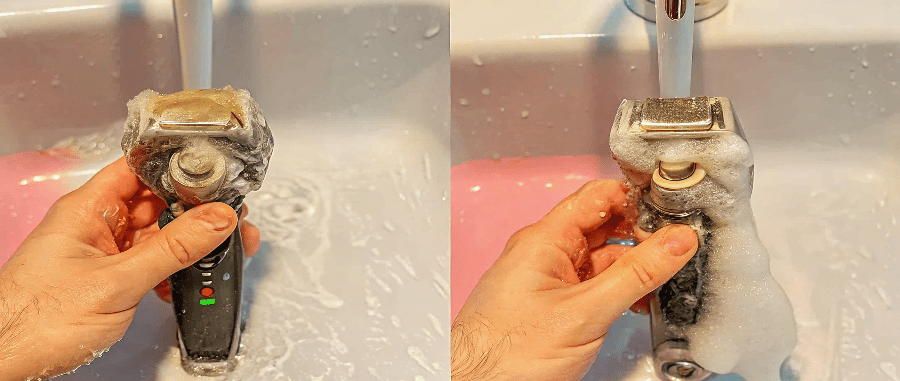
- Rinse under warm water (if waterproof)
- Shake off excess water
- Air-dry completely
Weekly Deep Clean:
- Disassemble shaver head
- Rinse components or use cleaning solution
- Dry thoroughly before reassembling
- Apply 1 drop of lubricant if recommended
Shave Slower and More Deliberately
Take your time. Slow, methodical passes reduce heat buildup and ensure complete cutting on the first pass, eliminating the need for repeat strokes.
Use the Right Shaver for Your Hair Type
Fine/Straight Hair: Foil shavers
Thick/Coarse/Curly Hair: Rotary shavers
Matching your shaver to your hair type reduces the pressure and passes needed for a close shave.
For more on shaver types, see this electric shaver guide on Wikipedia.
Best Electric Shavers for Preventing Razor Burn

Foil Shavers with Hypoallergenic Blades
Features to Look For:
- Hypoallergenic foils (nickel-free or titanium-coated)
- Flexible heads that follow facial contours
- Low-friction coatings
- Wet/dry capability for gel use
Best For: Sensitive skin, daily shaving, fine-to-medium hair
Rotary Shavers with Multi-Directional Heads
Features to Look For:
- 3–5 independently moving heads
- Wide cutting surface
- Contour-detection technology
- Rounded head edges to prevent scraping
Best For: Thick hair, curved facial areas, 2–3 day stubble
How to Treat Razor Burn from Electric Shavers
Immediate Relief (Within 1 Hour)
- Rinse with cool water to close pores and reduce inflammation
- Apply aloe vera gel (pure, fragrance-free) to soothe burning
- Use a cold compress (clean cloth soaked in cold water) for 5–10 minutes
Next 24–48 Hours
- Moisturize twice daily with fragrance-free, alcohol-free lotion
- Apply hydrocortisone cream (0.5–1%) to reduce redness and itching
- Avoid shaving until irritation clears (usually 2–3 days)
- Skip fragranced products (cologne, aftershave with alcohol)
When to See a Doctor
Seek medical attention if you experience:
- Severe pain or swelling
- Pus-filled bumps (possible infection)
- Razor burn lasting more than 1 week
- Spreading rash or fever
Razor Burn vs. Ingrown Hairs
|
Feature |
Razor Burn |
Ingrown Hairs |
|
Timing |
During/immediately after shaving |
1–3 days after shaving |
|
Appearance |
Redness, rash, burning sensation |
Raised, painful bumps with visible hair |
|
Cause |
Friction, dull blades, improper technique |
Hair grows back into skin |
|
Treatment |
Aloe, moisturizer, hydrocortisone |
Warm compress, exfoliation, tweezers |
|
Prevention |
Proper technique, sharp blades, prep |
Shave with grain, exfoliate, avoid pressing hard |
Common Mistakes That Cause Razor Burn
Pressing Too Hard
Electric shavers work by lifting and cutting hair, not by force. Pressing hard causes friction without improving closeness.
Shaving the Same Area Repeatedly
Multiple passes on the same spot generate heat and irritation. If you miss hair, adjust your angle—don't repeat the same motion.
Using a Dry-Only Shaver on Irritated Skin
If your skin is already sensitive or irritated, dry shaving increases discomfort. Switch to a wet/dry model and use shaving gel.
Ignoring Blade Maintenance
Dirty or dull blades tug hair and scrape skin. Clean your shaver after every use and replace blades on schedule.
Shaving Against a Heavy Beard Without Prep
If you have 3+ days of growth, trim with a beard trimmer first, then finish with your electric shaver. Shavers struggle with long hair, forcing extra pressure.
Frequently Asked Questions
Why does my electric shaver give me razor burn?
Electric shavers cause razor burn from dull blades, excessive pressure, shaving too fast, dirty shaver heads, or using the wrong shaver type for your hair. Foil shavers work best for fine hair; rotary shavers handle thick, coarse hair better.
Can electric shavers cause razor burn?
Yes, but less frequently than manual razors. Electric shavers reduce irritation by creating a barrier between blades and skin, but improper technique, dull blades, or inadequate prep still cause razor burn.
How do I prevent razor burn with an electric shaver?
Use light pressure, replace blades every 12–18 months, clean your shaver after every use, prep skin with warm water or pre-shave lotion, and match your shaver type (foil or rotary) to your hair texture.
What is the best electric shaver for sensitive skin?
Foil shavers with hypoallergenic blades, flexible heads, and wet/dry capability work best for sensitive skin. Look for low-friction coatings and titanium or nickel-free foils.
How do I treat razor burn from an electric shaver?
Rinse with cool water, apply aloe vera gel or hydrocortisone cream, moisturize twice daily with fragrance-free lotion, and avoid shaving until irritation clears (usually 2–3 days).
Do foil or rotary shavers cause less razor burn?
Foil shavers cause less irritation for fine, straight hair and sensitive skin. Rotary shavers cause less irritation for thick, coarse, or curly hair. Using the wrong type for your hair increases razor burn risk.
Conclusion
Razor burn from electric shavers results from dull blades, excessive pressure, improper technique, or inadequate skin prep—not from the shaver itself. By using the correct shaving motion, replacing blades regularly, cleaning your shaver after every use, and matching your shaver type to your hair texture, you can achieve smooth, irritation-free results.
If razor burn occurs, treat it immediately with aloe vera, moisturizer, and hydrocortisone cream for fast relief.Ready to eliminate razor burn for good? Explore electric shavers for sensitive skin with hypoallergenic foils, flexible heads, and wet/dry designs built to minimize irritation.

Looking for something else?

How to Cut Baby Boy Hair with Clippers: Step-by-Step Guide
LEARN MORE
Do Hair Clippers Get Dull? Causes, Signs & Prevention
LEARN MORE
Can an Electric Shaver Cut You? Safety Facts & Prevention
LEARN MORE
How to Shave Balls with Electric Shaver: Safe Guide
LEARN MORELooking for something else?

Does Using Trimmer Increase Hair Growth? Facts & Myths
LEARN MORE
Best Hair Clippers for Men: Top Picks for Home & Pro Use
LEARN MORE
Best Professional Hair Clippers for Barbers: Top Picks
LEARN MOREYou may also like

Beard Trimmer-T9


Electric Shaver Y4

Further reading
Best Hair Clippers for Perfect Fades at Home
Clipper Lever Open vs Closed: What It Means (with mm)
Why You Need a Cordless Detailer Trimmer (And How to Pick the Right One)