



How to Clean Hair Clippers Without Alcohol: Easy Methods
Learning how to clean hair clippers without alcohol keeps your hair clippers performing well using household items like warm soapy water, distilled white vinegar, professional clipper spray, or Barbicide solution. These alcohol-free methods effectively remove hair, product buildup, and bacteria while preventing rust and maintaining blade sharpness. Regular cleaning extends clipper life, ensures smooth cutting, and maintains hygiene between haircuts.
Why Clean Hair Clippers Without Alcohol

Reasons to Avoid Alcohol
- Dries out plastic components (can cause cracking over time)
- Not always available at home
- Strong smell (not ideal for sensitive users)
- Can damage blade coatings on some models
Benefits of Alcohol-Free Cleaning
- Gentler on clipper materials
- Uses common household items
- Equally effective at removing hair and disinfecting
- More affordable long-term
What You Need to Clean Clippers Without Alcohol

Essential Tools
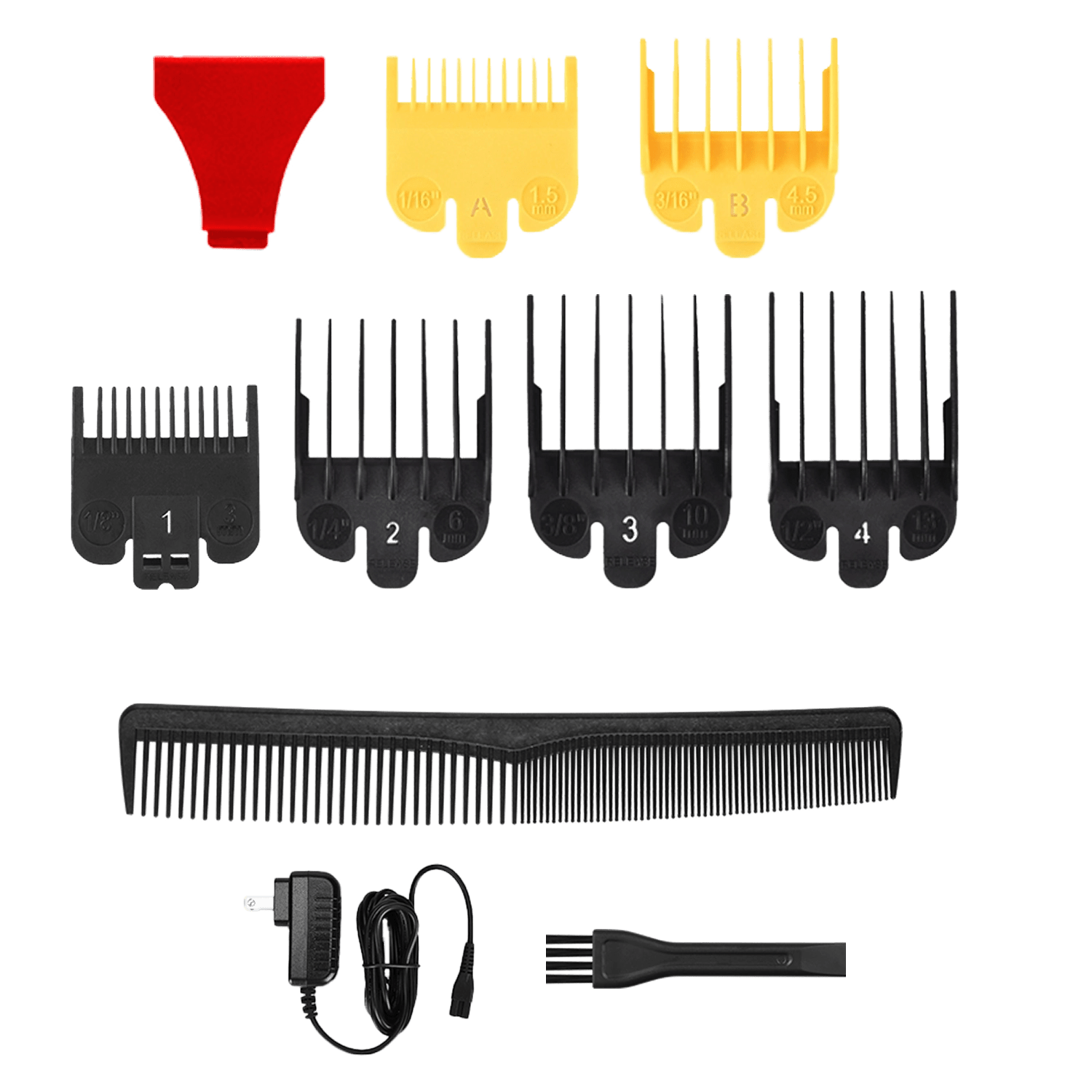
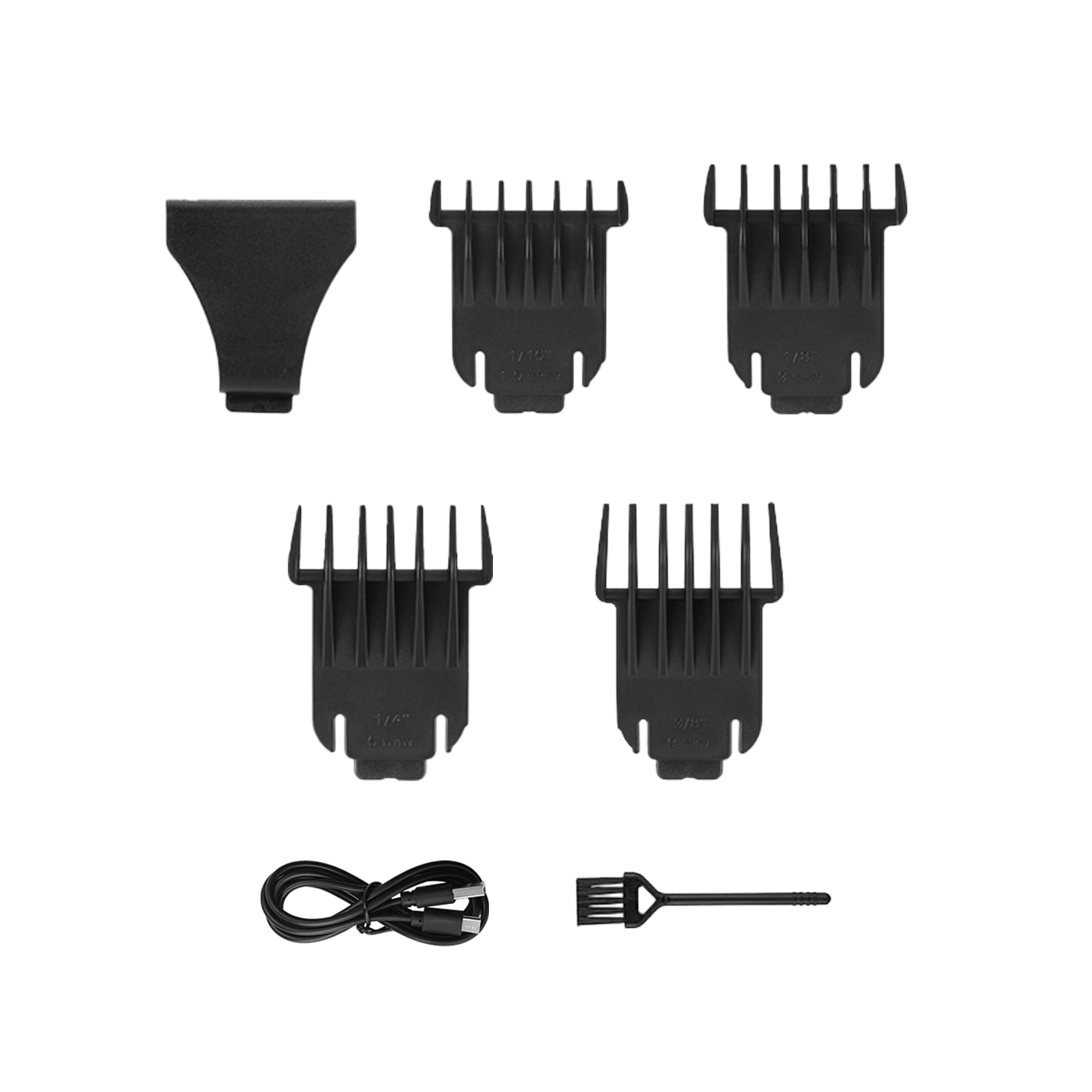
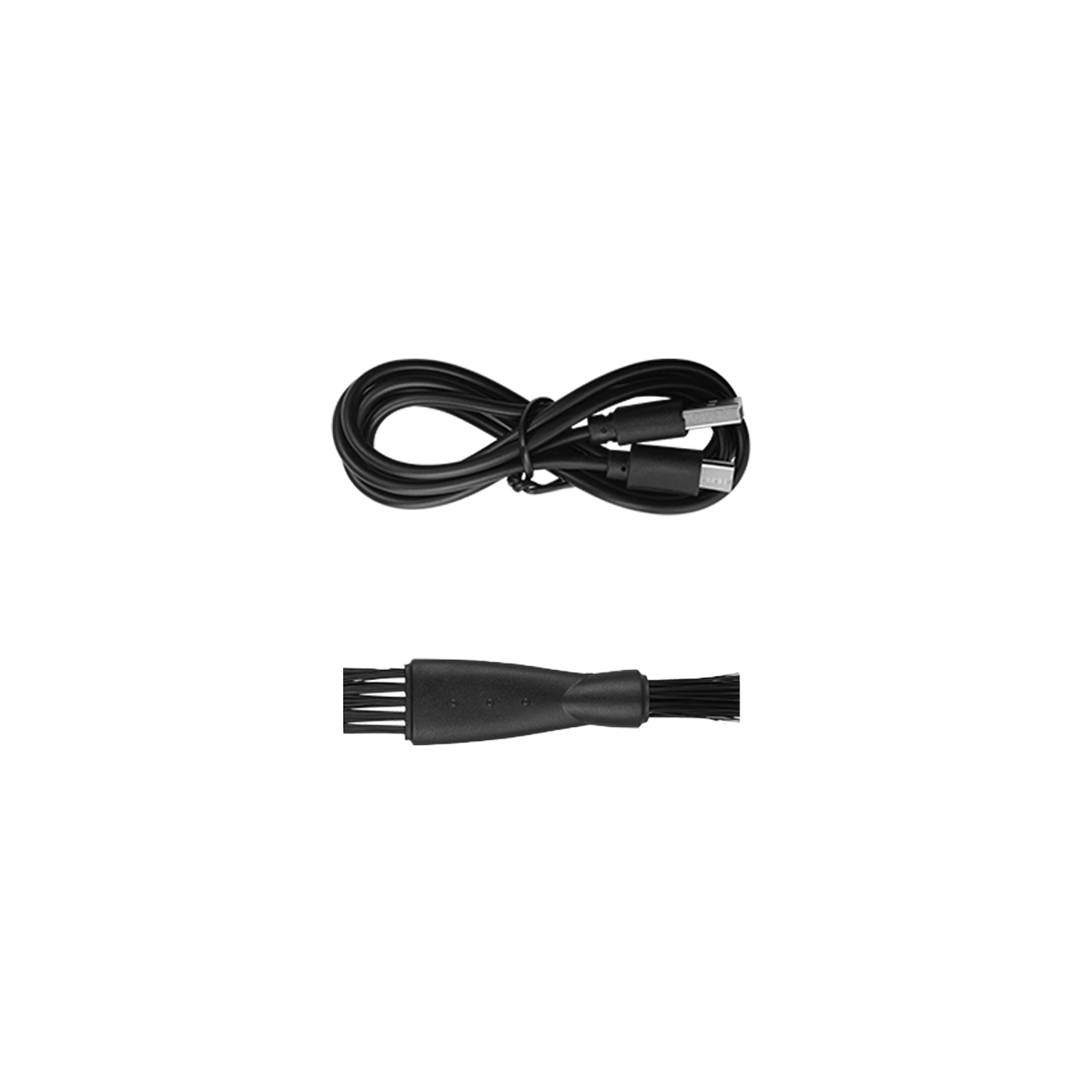
- Small cleaning brush (usually included with clippers, or use old toothbrush)
- Warm water
- Dish soap (grease-fighting)
- Soft cloth or paper towels
- Clipper oil
Optional Tools
- Distilled white vinegar
- Barbicide solution
- Professional clipper spray (Andis Cool Care, Clippercide)
- Compressed air (for stubborn hair in crevices)
Method 1: Warm Soapy Water (Daily Cleaning)

Step-by-Step
- Turn off and unplug clippers
- Remove loose hair with cleaning brush
- Remove blade (if detachable)
- Apply one drop of dish soap to blades
- Scrub gently under warm running water
- Rinse thoroughly until water runs clear
- Dry completely with soft cloth
- Oil blades (2–3 drops across teeth)
- Run clippers for 10 seconds to distribute oil
- Wipe excess oil with clean cloth
Important: Never submerge the clipper body in water. Only wash detached blades.
Method 2: Distilled White Vinegar (Natural Disinfectant)
Why Vinegar Works
Distilled white vinegar is a natural antibacterial agent that kills germs and removes buildup.
How to Use
- Remove blades from clippers
- Pour vinegar into shallow dish
- Submerge blades for 60 seconds (no longer)
- Rinse immediately with warm water
- Dry completely with cloth
- Oil blades immediately to prevent rust
Warning: Do not leave blades in vinegar longer than 60 seconds. Vinegar is acidic and can damage metal with prolonged exposure.
Method 3: Barbicide Solution (Professional Standard)
What is Barbicide
Barbicide is the industry-standard disinfectant used in barbershops and salons.
How to Use
- Mix solution: 1 fluid ounce Barbicide concentrate per 16 fluid ounces water
- Remove blades from clippers
- Submerge blades for 10 minutes minimum
- Do not submerge clipper body (only metal blades)
- Rinse blades thoroughly with clean water
- Dry completely with cloth
- Oil blades before reassembling
Method 4: Professional Clipper Spray
What is Clipper Spray
All-in-one sprays (Andis Cool Care Plus, Clippercide) clean, disinfect, cool, and lubricate blades in one step.
How to Use
- Turn clippers on
- Hold spray can 4–6 inches from blades
- Spray for 3–5 seconds while clippers run
- Turn clippers off
- Wipe away residue with cloth
- No rinsing required
Advantage: Fastest method; combines cleaning and oiling in one step.
Daily vs. Deep Cleaning Schedule
Daily Cleaning (After Every Use)
- Brush away hair from blades and housing
- Wipe blades with damp cloth
- Oil blades (2–3 drops)
Time: 2–3 minutes
Weekly Deep Cleaning
- Remove blades
- Clean with soapy water or vinegar
- Disinfect with Barbicide or clipper spray
- Dry completely
- Oil thoroughly
Time: 10–15 minutes
Cleaning Method Comparison
|
Method |
Effectiveness |
Time |
Best For |
|
Warm Soapy Water |
Good for hair/buildup removal |
5 min |
Daily cleaning |
|
Distilled Vinegar |
Good disinfectant, natural |
3 min |
Home users, natural preference |
|
Barbicide Solution |
Professional-grade disinfection |
15 min |
Weekly deep clean, pros |
|
Clipper Spray |
All-in-one, very convenient |
2 min |
Quick cleaning, on-the-go |
Common Mistakes to Avoid
Submerging the Clipper Body
Problem: Water damages motor and electronics
Solution: Only wash detached blades under water
Not Drying Completely
Problem: Rust forms on wet blades
Solution: Dry thoroughly with cloth, let air-dry 5 minutes before reassembling
Skipping Oiling After Cleaning
Problem: Blades run rough, overheat, dull faster
Solution: Always oil blades after any water-based cleaning
Using Too Much Vinegar
Problem: Prolonged vinegar exposure damages metal
Solution: Limit vinegar soak to 60 seconds maximum
Frequently Asked Question
What can I use to clean my clippers if I don't have alcohol?
Use warm soapy water (dish soap), distilled white vinegar, Barbicide solution, or professional clipper spray. All effectively remove hair, product buildup, and bacteria without alcohol. The easiest method is warm soapy water: apply one drop of dish soap to blades, scrub under warm water, rinse, dry, and oil.
Can I clean hair clippers with just water?
Yes, but water alone won't disinfect. Use warm water with dish soap for effective cleaning. Dish soap breaks down oils and product buildup while water rinses away hair. For disinfection, add vinegar soak (60 seconds) or Barbicide solution (10 minutes) after soap cleaning.
How often should I clean hair clippers?
After every use: Brush away hair, wipe blades, apply oil. Weekly: Deep clean with soapy water or vinegar, disinfect with Barbicide or clipper spray. Professional daily use: Deep clean daily. Regular cleaning prevents buildup, maintains cutting performance, and extends clipper life.
Can I use vinegar to disinfect hair clippers?
Yes. Distilled white vinegar is a natural antibacterial disinfectant. Submerge detached blades in vinegar for 60 seconds (no longer), rinse immediately with water, dry completely, and oil. Do not leave blades in vinegar longer than 60 seconds, as prolonged exposure can damage metal.
What happens if I don't oil clippers after cleaning?
Blades will rust, run rough, overheat, and dull faster. Water removes the protective oil coating, leaving metal vulnerable to oxidation. Always apply 2–3 drops of clipper oil across blade teeth after any water-based cleaning, run clippers for 10 seconds to distribute, and wipe excess.
Can I use dish soap on hair clippers?
Yes. Grease-fighting dish soap effectively removes hair, skin oils, and product buildup from clipper blades. Apply one drop to detached blades, scrub gently under warm water, rinse thoroughly, dry completely, and oil. Use mild dish soap to avoid harsh chemicals that might damage blade coatings.
Conclusion
Cleaning hair clippers without alcohol is easy using warm soapy water, distilled white vinegar, Barbicide solution, or professional clipper spray. These alcohol-free methods effectively remove hair, disinfect blades, and maintain performance.
Brush away hair after every use, deep clean weekly, and always oil blades after water-based cleaning to prevent rust and ensure smooth cutting.Ready to keep your clippers in top condition? Explore hair clippers designed for easy maintenance and long-lasting performance.
Read more
Electric Shaver vs Razor for Legs: Which is Better?
Choosing between electric shaver vs razor for legs depends on priorities: electric shavers offer speed, safety, and convenience (no water/cream needed, dry shaving), while manual razors deliver clo...

Does Using an Electric Shaver Cause Acne? Facts & Prevention
Does using an electric shaver cause acne? No, electric shavers do not directly cause acne, which is a medical condition caused by clogged pores, excess oil, and bacteria. However, improper usedirty...


Leave a comment
This site is protected by hCaptcha and the hCaptcha Privacy Policy and Terms of Service apply.