





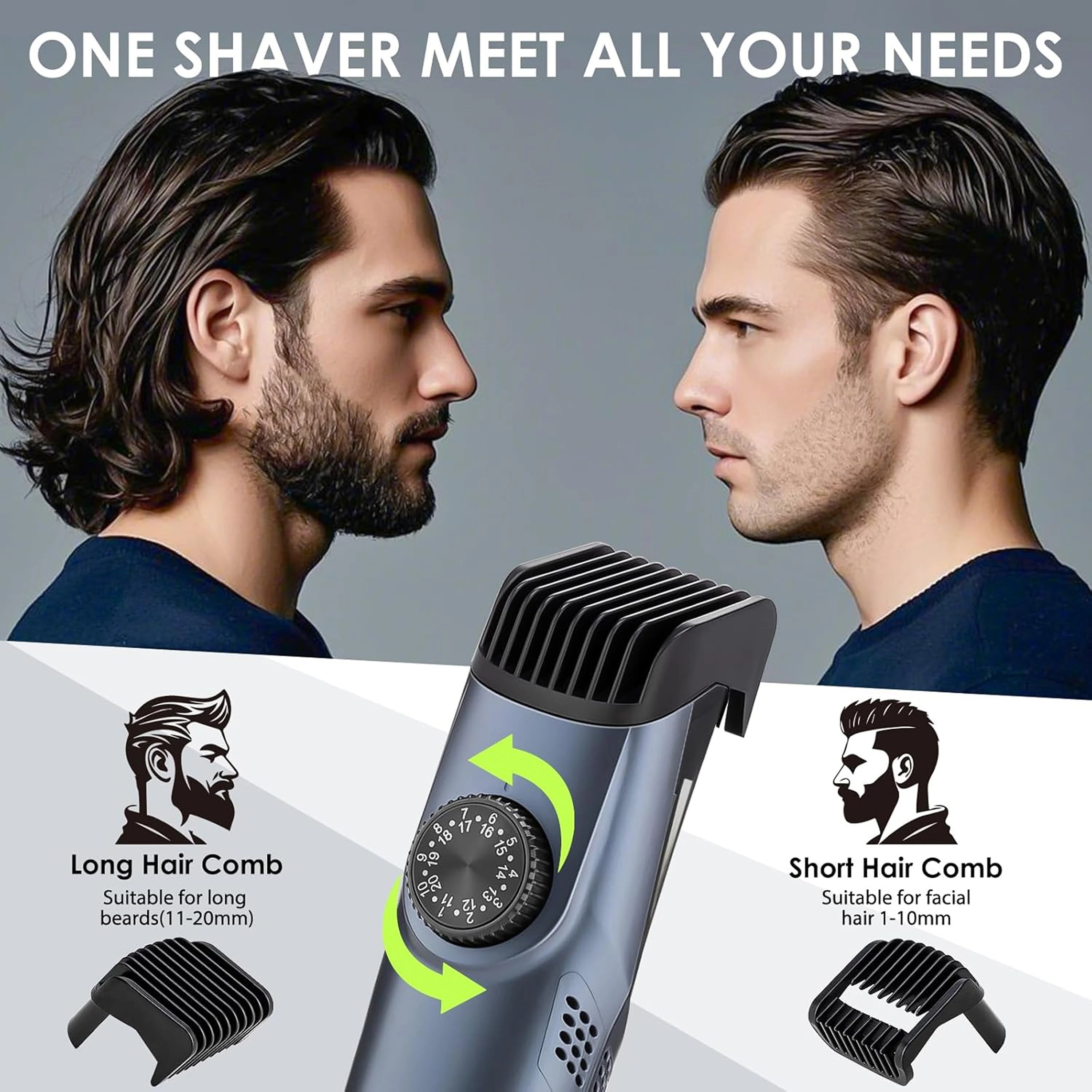

Does Using an Electric Shaver Cause Acne? Facts & Prevention
Does using an electric shaver cause acne? No, electric shavers do not directly cause acne, which is a medical condition caused by clogged pores, excess oil, and bacteria. However, improper usedirty blades, excessive pressure, or shaving over active breakoutscan irritate skin, trigger inflammation, and worsen existing acne or cause razor bumps (pseudofolliculitis barbae) that resemble acne. This guide explains how electric shavers affect acne-prone skin and how to shave safely without aggravating breakouts.
Understanding Acne vs. Razor Bumps

What Causes Acne
Acne is a medical skin condition caused by:
- Clogged pores (dead skin cells and oil)
- Excess sebum production
- Bacteria (C. acnes)
- Hormonal fluctuations
- Inflammation
Shaving does not cause acne, but it can aggravate existing breakouts or trigger inflammation.
Razor Bumps vs. Acne
Razor Bumps (Pseudofolliculitis Barbae):
- Caused by ingrown hairs
- Hair curls back into skin after shaving
- Red, inflamed bumps that look like acne
- Common on neck, jawline, and cheeks
Acne:
- Caused by clogged pores and bacteria
- Includes blackheads, whiteheads, cysts
- Not caused by shaving itself
Many people mistake razor bumps for acne breakouts.
How Electric Shavers Can Aggravate Acne

Friction and Irritation
Problem:
- Pressing too hard creates friction
- Damages skin's protective barrier
- Triggers inflammation (worsens acne)
Solution:
- Use light, even pressure
- Let shaver glide naturally
Heat Generation
Problem:
- Electric shaver foils/blades generate heat
- Heat irritates sensitive, acne-prone skin
Solution:
- Shave sensitive areas first (before shaver warms up)
- Take breaks during shaving
Dirty Blades Transfer Bacteria
Problem:
- Dirty blades harbor bacteria
- Bacteria enter pores and hair follicles
- Causes infection and pimples
Solution:
- Clean shaver after every use
- Use antibacterial cleaning solution
Dryness from Dry Shaving
Problem:
- Dry shaving removes natural oils
- Dry skin more prone to irritation
Solution:
- Use pre-shave lotion or oil
- Consider wet/dry shaving with gel
Best Practices for Shaving Acne-Prone Skin

Pre-Shave Prep
- Cleanse face with non-comedogenic (won't clog pores) cleanser
- Pat dry completely (for dry shaving)
- Apply pre-shave lotion to create protective barrier
- Soften hair with warm water (for wet shaving)
Proper Shaving Technique
For Electric Shavers:
- Use light pressure (let shaver do the work)
- Shave sensitive areas first (before heat builds up)
- Move gently against hair growth
- Avoid shaving over active pimples (shave around them)
- Don't press hard on inflamed areas
Post-Shave Care
- Rinse with cool water (closes pores)
- Pat dry gently (don't rub)
- Apply alcohol-free aftershave balm or moisturizer
- Use non-comedogenic products (won't clog pores)
- Avoid touching face after shaving
Cleaning Your Electric Shaver
Why Cleaning Matters
Dirty blades are the #1 cause of shaving-related skin issues on acne-prone skin.
Bacteria Buildup:
- Dead skin cells
- Product residue
- Natural oils
- Bacteria
Daily Cleaning Routine
- Brush away hair after every use
- Rinse under warm water (if waterproof)
- Spray with antibacterial solution or clipper spray
- Let air-dry completely
Weekly Deep Clean
- Remove shaver head
- Soak in cleaning solution (Barbicide or rubbing alcohol)
- Rinse thoroughly
- Dry completely
- Replace blades as needed (every 12–18 months)
Electric Shaver vs. Manual Razor for Acne-Prone Skin
|
Feature |
Electric Shaver |
Manual Razor |
|
Skin Contact |
Less direct (foil barrier) |
Direct blade contact |
|
Irritation Risk |
Lower (if used correctly) |
Higher (multiple passes) |
|
Ingrown Hairs |
Less common |
More common |
|
Bacteria Risk |
Lower (easier to clean) |
Higher (hard to clean fully) |
|
Best For |
Daily shaving, sensitive skin |
Occasional shaving, smooth skin |
Verdict: Electric shavers are generally better for acne-prone skin when used correctly.
Tips to Minimize Acne Flare-Ups
Choose the Right Shaver
- Hypoallergenic foils (reduce irritation)
- Flexible heads (less pressure needed)
- Wet/dry capability (use with shaving gel)
Shaving Frequency
- Daily shaving: Better for acne-prone skin (less stubble resistance)
- Every 2–3 days: Acceptable, but more irritation risk
Replace Blades Regularly
When to Replace:
- Every 12–18 months for foil shavers
- Signs of wear: Pulling, tugging, increased irritation
Avoid These Mistakes
- Shaving over active breakouts (shave around them)
- Pressing too hard (causes friction and inflammation)
- Using dirty blades (introduces bacteria)
- Skipping post-shave care (leaves skin vulnerable)
Frequently Asked Questions
Can an electric razor cause acne?
No, electric razors do not cause acne. Acne is caused by clogged pores, excess oil, and bacteria not by shaving. However, dirty blades, excessive pressure, or shaving over active breakouts can irritate skin, trigger inflammation, and worsen existing acne or cause razor bumps that resemble acne.
Are electric shavers better for acne-prone skin than razors?
Yes, generally. Electric shavers cut hair at or slightly above skin level (not below), reducing ingrown hairs and razor bumps. The foil barrier prevents direct blade contact, minimizing irritation. Manual razors cut below skin level, increasing ingrown hair and irritation risk.
How do I prevent acne when using an electric shaver?
Clean your shaver after every use, use light pressure (don't press hard), shave sensitive areas first before the shaver heats up, avoid shaving over active pimples, apply non-comedogenic pre-shave lotion, and use alcohol-free aftershave balm. Replace blades every 12–18 months.
Should I shave if I have acne?
Yes, but carefully. Shave around active pimples (not over them), use light pressure, keep your shaver clean, and use gentle technique. If acne is severe or cystic, consult a dermatologist before shaving. Never squeeze or pop pimples before shaving.
Do foil shavers cause less irritation than rotary shavers?
Yes, typically. Foil shavers have a protective foil barrier that reduces direct blade contact, making them gentler on sensitive, acne-prone skin. Rotary shavers can be more aggressive on flat facial surfaces. For acne-prone skin, foil shavers (Braun, Panasonic) are recommended.
How often should I clean my electric shaver to prevent acne?
After every use: Brush away hair, rinse (if waterproof), spray with antibacterial solution. Weekly: Deep clean with Barbicide or rubbing alcohol, remove and soak blades. Replace blades: Every 12–18 months. Dirty blades are the primary cause of shaving-related skin issues.
Conclusion
Electric shavers do not cause acne but can aggravate existing breakouts if used improperly. The key to shaving acne-prone skin safely is cleaning your shaver after every use, using light pressure, shaving sensitive areas first, avoiding active pimples, and applying alcohol-free post-shave care.
Electric shavers are generally better than manual razors for acne-prone skin because they reduce irritation and ingrown hairs.Ready to find a shaver designed for sensitive skin? Explore electric shavers with hypoallergenic foils, flexible heads, and wet/dry capability for gentle, comfortable shaving.

Looking for something else?

How to Cut Baby Boy Hair with Clippers: Step-by-Step Guide
LEARN MORE
Do Hair Clippers Get Dull? Causes, Signs & Prevention
LEARN MORE
Can an Electric Shaver Cut You? Safety Facts & Prevention
LEARN MORE
How to Shave Balls with Electric Shaver: Safe Guide
LEARN MORELooking for something else?

Does Using Trimmer Increase Hair Growth? Facts & Myths
LEARN MORE
Best Hair Clippers for Men: Top Picks for Home & Pro Use
LEARN MORE
Best Professional Hair Clippers for Barbers: Top Picks
LEARN MOREYou may also like


Electric Shaver Y4


Y4T9 Easy Start Kits
Further reading
Best Hair Clippers for Perfect Fades at Home
Clipper Lever Open vs Closed: What It Means (with mm)
Why You Need a Cordless Detailer Trimmer (And How to Pick the Right One)