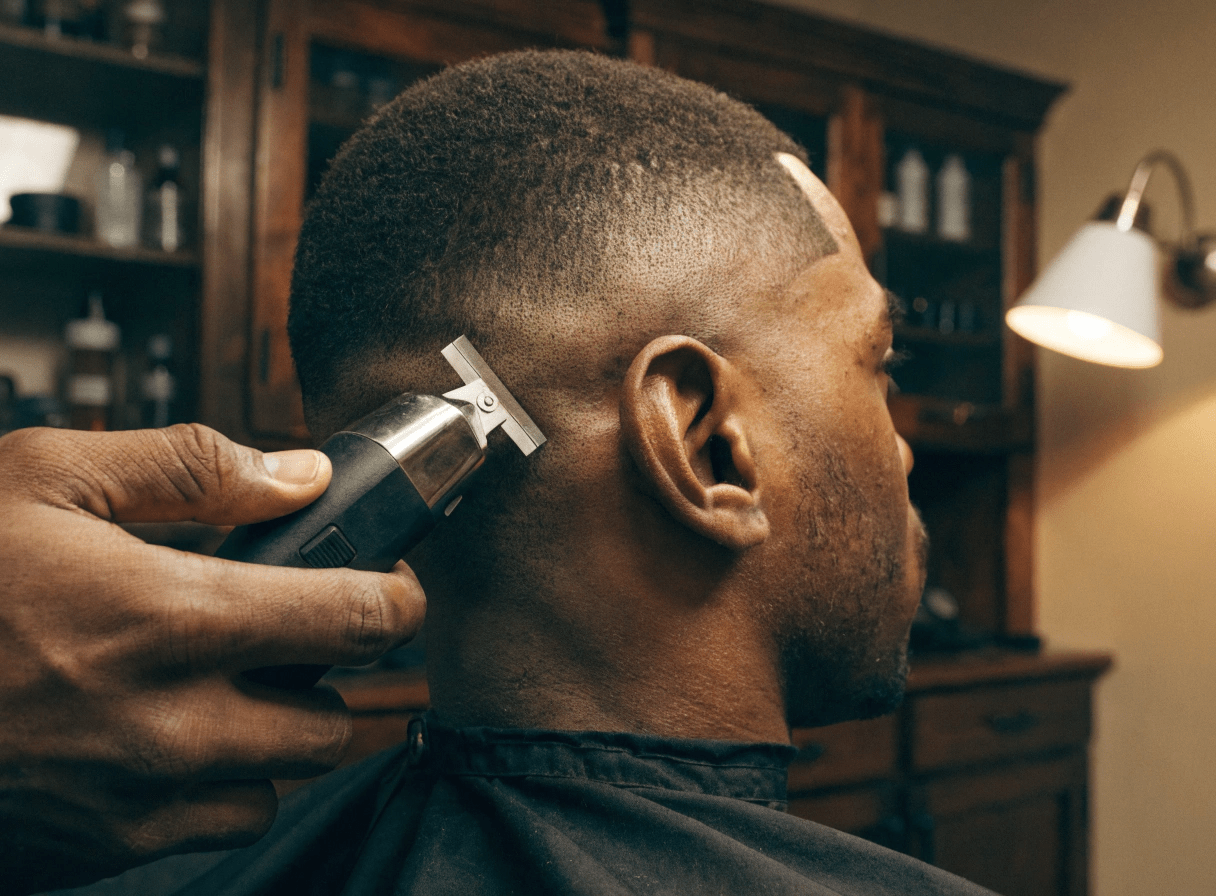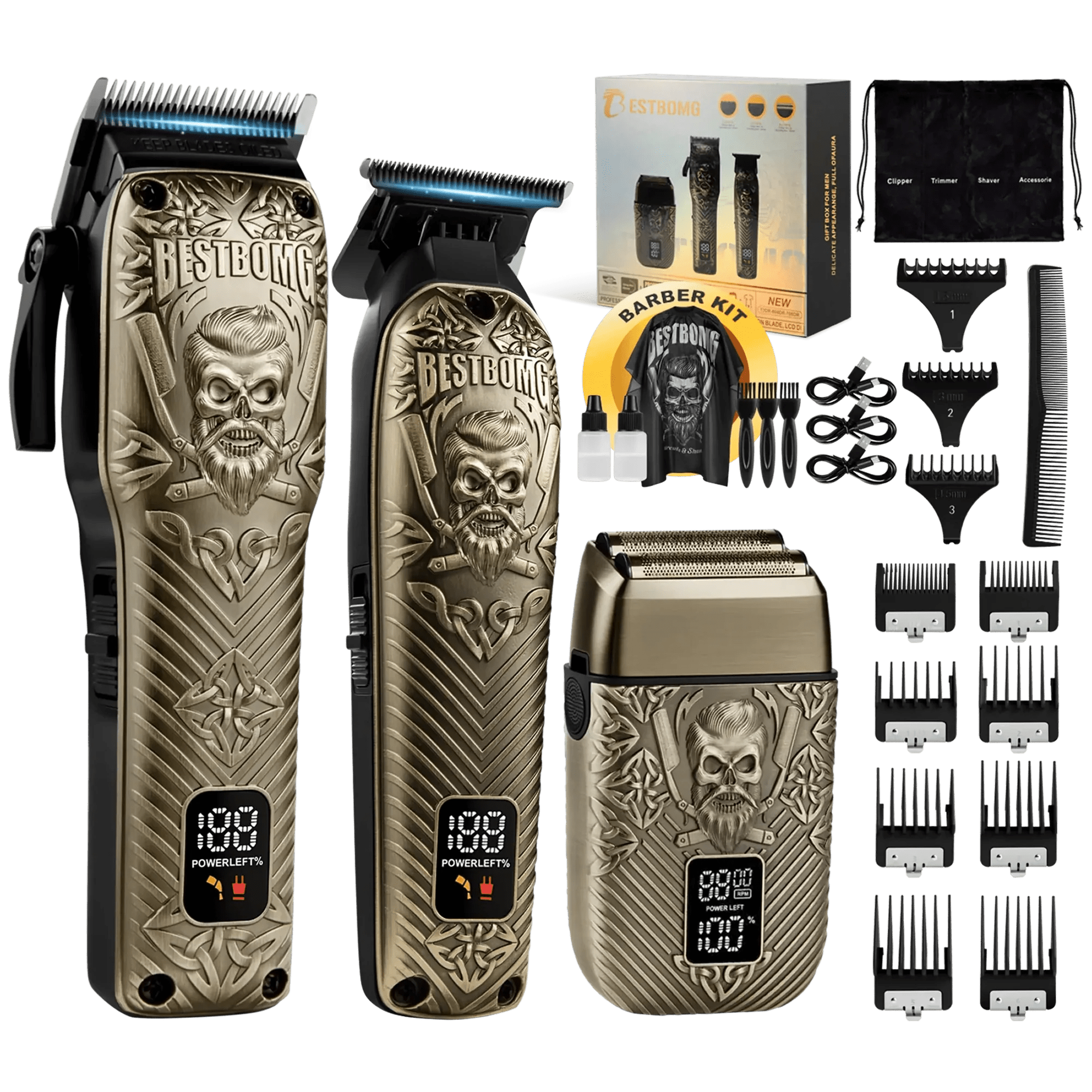

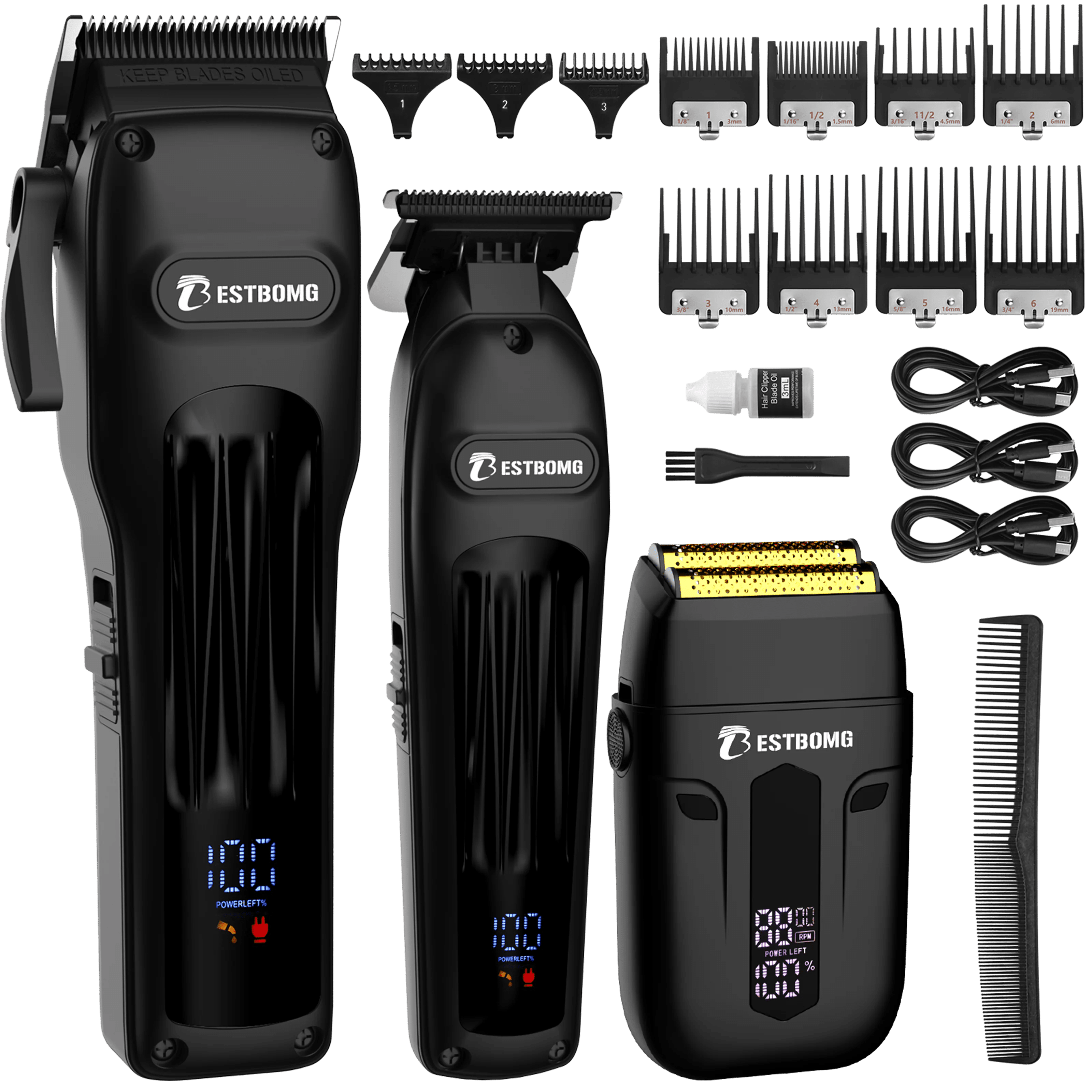

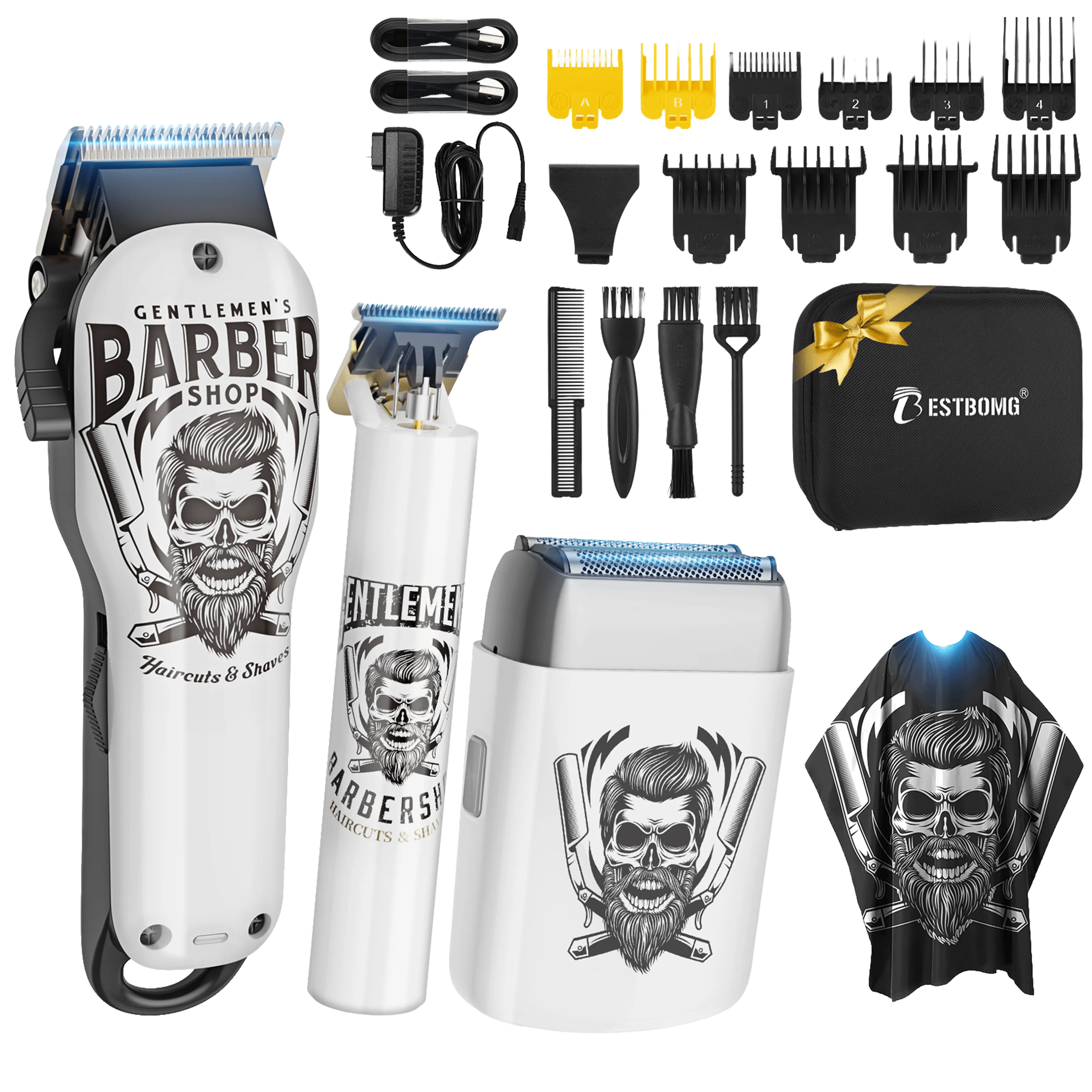




How Long Do Hair Clippers Last? Lifespan & Maintenance Guide
Hair clippers typically last 3–7 years with proper maintenance, though professional models used daily may need blade replacements every 6–12 months. Lifespan depends on build quality (metal vs. plastic housing), usage frequency, cleaning habits, and blade material (carbon steel, titanium, ceramic).
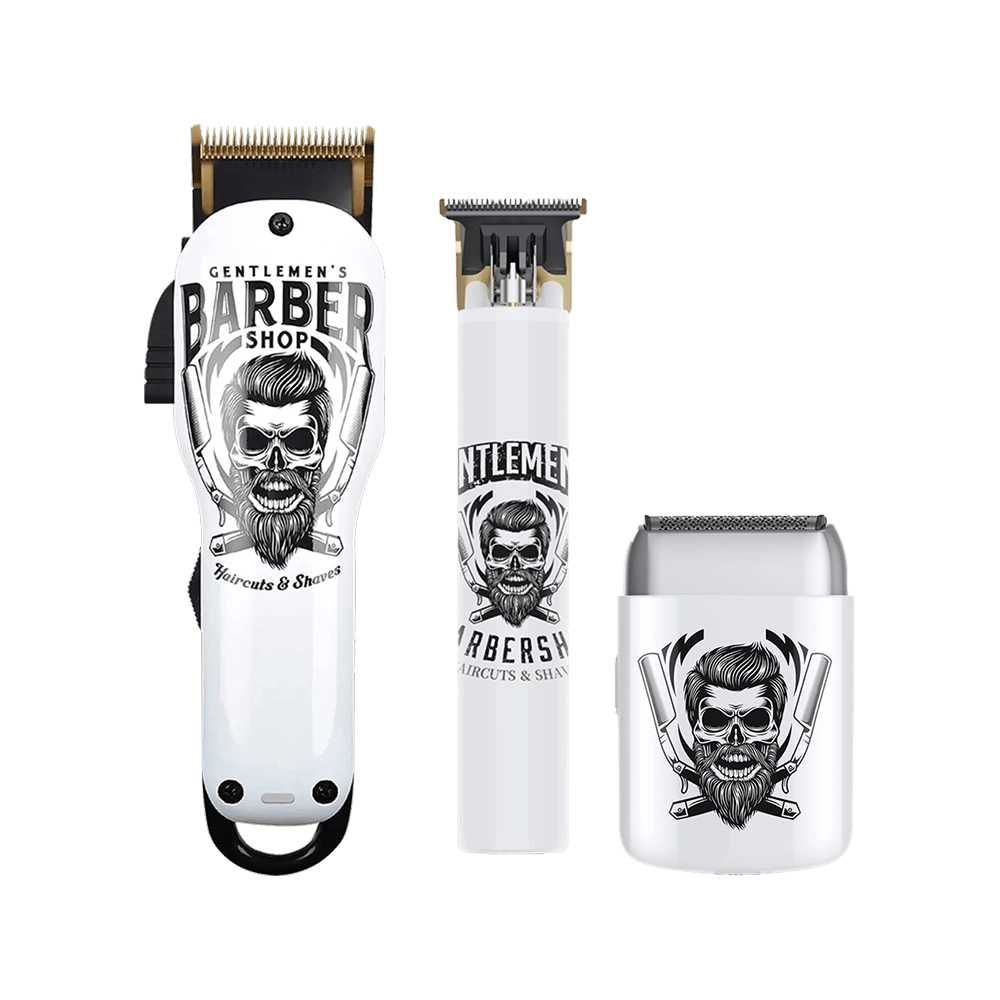
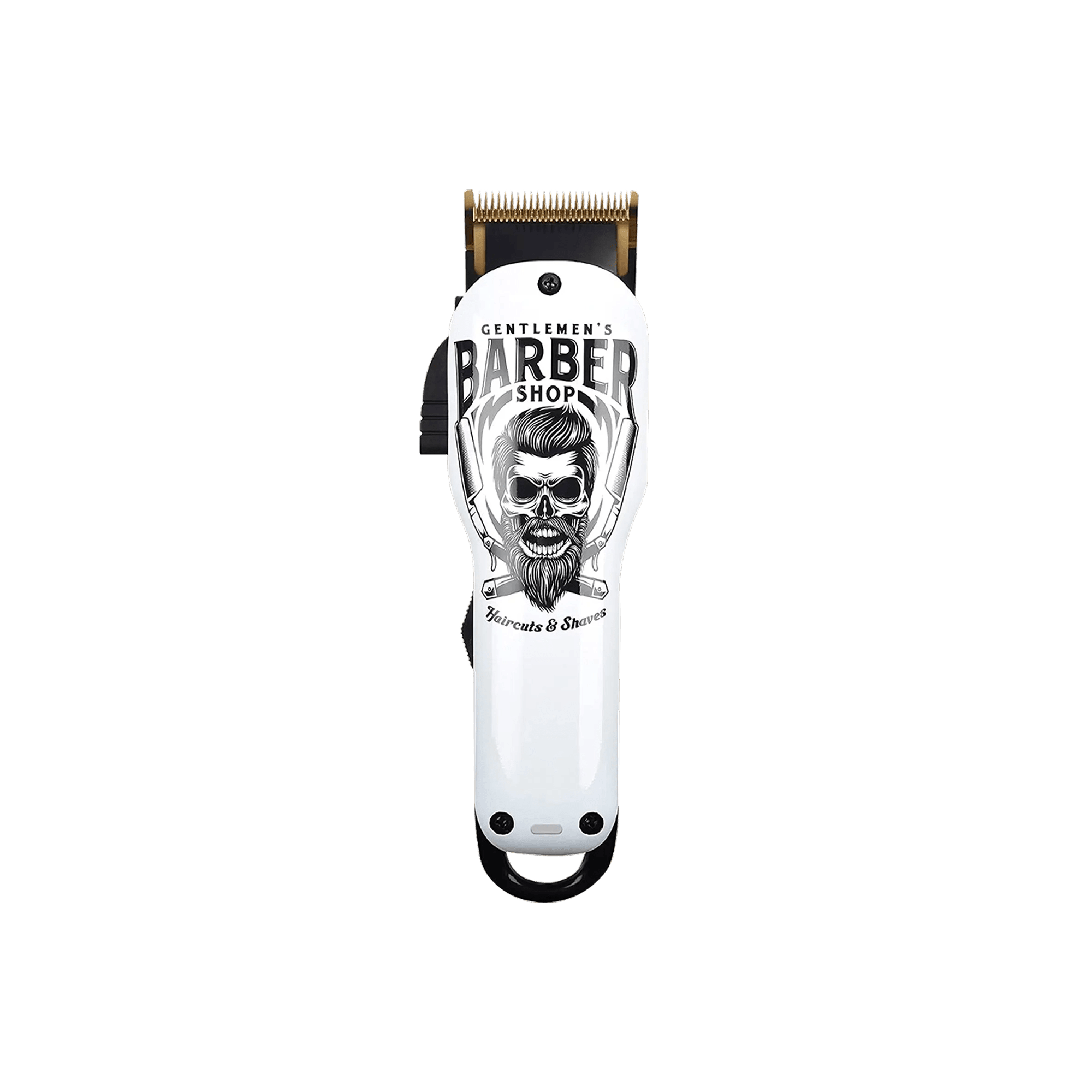
This guide covers expected lifespans, factors that affect durability, and maintenance tips to maximize your clippers' performance.For durable clippers built to last, explore hair clippers with metal housings and quality blade construction.
Average Lifespan by Clipper Type
|
Clipper Type |
Expected Lifespan |
Usage Frequency |
|
Professional Barber Clippers |
5–7 years (motor), 6–12 months (blades) |
Daily, multiple clients |
|
Home Use Clippers |
3–5 years |
Weekly or bi-weekly |
|
Budget Consumer Models |
1–3 years |
Occasional use |
|
Cordless Clippers (Battery) |
3–5 years (battery degrades) |
Varies |
Note: The motor and housing typically outlast blades. Most clippers need blade replacement or sharpening long before the motor fails.
Factors That Affect Clipper Lifespan

Build Quality and Materials
Metal Housing:
- More durable
- Better heat dissipation
- Longer lifespan (5–7 years)
Plastic Housing:
- Lighter weight
- Prone to cracks and stress fractures
- Shorter lifespan (2–4 years)
Blade Material
Carbon Steel:
- Very sharp
- Requires frequent oiling
- Lasts 6–12 months with professional use
Titanium-Coated:
- Stays cooler
- Rust-resistant
- Lasts 12–18 months
Ceramic:
- Ultra-low friction
- Fragile (chips if dropped)
- Lasts 12–24 months with careful handling
Motor Type and Power
Magnetic Motors:
- Powerful and fast (7,000+ SPM)
- Durable for professional use
- Loud but long-lasting
Pivot Motors:
- Quieter
- Less powerful
- Better for home use
- Shorter lifespan under heavy use
Rotary Motors:
- Balanced power and noise
- Good durability
- Common in mid-range models
For more on hair clipper technology, see this overview.
Usage Frequency
- Daily professional use: 6–12 months before blade replacement
- Weekly home use: 12–24 months before blade replacement
- Occasional use: 2–3 years before blade replacement
Maintenance Habits
Clippers last longer when:
- Cleaned after every use
- Oiled every 2–3 uses
- Stored properly (blade guard on, dry location)
- Blades replaced when dull
Signs Your Clippers Need Replacement

Motor Issues
- Loss of power: Blades move slower, struggle with thick hair
- Excessive heat: Motor overheating during normal use
- Strange noises: Grinding, rattling, or clicking sounds
- Intermittent operation: Motor cuts out randomly
Blade Problems
- Tugging and pulling: Dull blades yank hair instead of cutting
- Uneven cuts: Missed patches or jagged lines
- Visible damage: Chipped, bent, or rusted blades
- Excessive heat: Blades get hot quickly
Housing Damage
- Cracks or breaks: Plastic housing fractures
- Loose parts: Blade assembly wobbles
- Electrical issues: Cord fraying, switch malfunction
Battery Degradation (Cordless Models)
- Short runtime: Charges fully but dies within 15–30 minutes
- Won't hold charge: Battery drains when not in use
- Charging issues: Won't charge or takes excessively long
How to Extend Clipper Lifespan
Clean After Every Use
- Remove loose hair with the cleaning brush
- Spray blades with blade cleaner or isopropyl alcohol
- Wipe housing with a damp cloth
- Let air-dry completely before storing
Oil Blades Regularly
Frequency: Every 2–3 uses (or after every cleaning for professional use)
How:
- Apply 2–3 drops of clipper oil along blade teeth
- Turn on clipper for 10 seconds to distribute oil
- Wipe away excess with a clean cloth
Oiling reduces friction, prevents rust, and extends blade life.
Store Properly
- Use blade guard to protect teeth from damage
- Store in a dry location to prevent rust
- Avoid extreme temperatures (don't leave in car or bathroom)
- Keep cord loosely coiled to prevent fraying
Replace Blades on Schedule
Don't wait until blades are completely dull:
- Professional use: Every 6–12 months
- Home use: Every 12–24 months
- Occasional use: Every 2–3 years
Avoid Overheating
- Take breaks during extended use (let motor cool every 15–20 minutes)
- Don't press hard—let blades do the work
- Clean vents to ensure airflow
Charge Batteries Correctly (Cordless Models)
- Avoid overcharging: Unplug when fully charged
- Don't fully drain: Recharge at 20–30% remaining
- Use regularly: Batteries degrade faster when unused for months
- Replace batteries: After 300–500 charge cycles (typically 3–5 years)
For more on battery care, see proper disposal and recycling practices.
Professional vs. Home Clippers: Lifespan Comparison
|
Feature |
Professional Clippers |
Home Clippers |
|
Expected Lifespan |
5–7 years (motor) |
3–5 years |
|
Blade Lifespan |
6–12 months |
12–24 months |
|
Build Quality |
Metal housing, commercial-grade |
Plastic housing, consumer-grade |
|
Motor Power |
6,000–7,200 SPM |
4,000–6,000 SPM |
|
Duty Cycle |
Continuous daily use |
Intermittent weekly use |
|
Maintenance Needs |
Daily cleaning, frequent oiling |
Weekly cleaning, occasional oiling |
Bottom Line: Professional clippers cost more but last longer under heavy use. Home clippers are sufficient for occasional cuts but degrade faster with daily use.
When to Repair vs. Replace

Repair If:
- Blades are dull but motor works: Replace or sharpen blades
- Battery is weak (cordless): Replace battery
- Cord is frayed: Replace cord (if detachable)
- Housing has minor cracks: Use carefully until replacement
Replace If:
- Motor is failing: Grinding noise, loss of power, overheating
- Multiple components broken: Housing cracked, blades damaged, motor weak
- Repair cost exceeds 50% of new clipper cost
- Clipper is budget model: Replacement parts often unavailable
Frequently Asked Questions
How long do hair clippers last?
Hair clippers typically last 3–7 years depending on build quality and usage. Professional models with metal housings last 5–7 years with daily use, while budget home models last 2–4 years with occasional use. Blades need replacement every 6–24 months regardless of motor condition.
How long do clipper blades last?
Clipper blades last 6–12 months with daily professional use or 12–24 months with weekly home use. Signs of wear include tugging, uneven cuts, and excessive heat. Carbon steel blades wear faster than titanium or ceramic.
How often should I replace my hair clippers?
Replace clippers when the motor fails, housing cracks, or repair costs exceed half the replacement cost. Most users replace clippers every 3–5 years, though professional-grade models can last 5–7 years with proper maintenance and blade replacements.
Can hair clippers be repaired?
Yes. Blades, batteries, and cords can be replaced on most models. However, motor repairs are often impractical due to labor costs. If your clippers are still under warranty, contact the manufacturer for repair or replacement options.
Do cordless clippers last as long as corded?
Cordless clippers' motors can last as long as corded models, but batteries degrade after 3–5 years (300–500 charge cycles). Battery replacement extends lifespan, but batteries aren't always available or cost-effective to replace.
How do I make my clippers last longer?
Clean after every use, oil blades every 2–3 uses, store with blade guard on in a dry location, replace blades when dull, avoid overheating by taking breaks, and charge batteries properly (don't overcharge or fully drain).
Conclusion
Hair clippers last 3–7 years depending on build quality, usage frequency, and maintenance habits. Professional metal-housed models withstand daily use for 5–7 years, while budget plastic models last 2–4 years with occasional use. Regardless of motor lifespan, blades require replacement or sharpening every 6–24 months.
By cleaning after every use, oiling regularly, storing properly, and replacing blades on schedule, you maximize clipper performance and longevity.Ready to invest in durable, long-lasting clippers? Explore hair clippers with metal housings, quality blades, and powerful motors built for years of reliable performance.

Looking for something else?

How to Cut Baby Boy Hair with Clippers: Step-by-Step Guide
LEARN MORE
Do Hair Clippers Get Dull? Causes, Signs & Prevention
LEARN MORE
Can an Electric Shaver Cut You? Safety Facts & Prevention
LEARN MORE
How to Shave Balls with Electric Shaver: Safe Guide
LEARN MORELooking for something else?

Does Using Trimmer Increase Hair Growth? Facts & Myths
LEARN MORE
Best Hair Clippers for Men: Top Picks for Home & Pro Use
LEARN MORE
Best Professional Hair Clippers for Barbers: Top Picks
LEARN MOREYou may also like


Further reading
Best Hair Clippers for Perfect Fades at Home
Clipper Lever Open vs Closed: What It Means (with mm)
Why You Need a Cordless Detailer Trimmer (And How to Pick the Right One)