





Why Are My Clippers Pulling Hair? 7 Causes & Quick Fixes
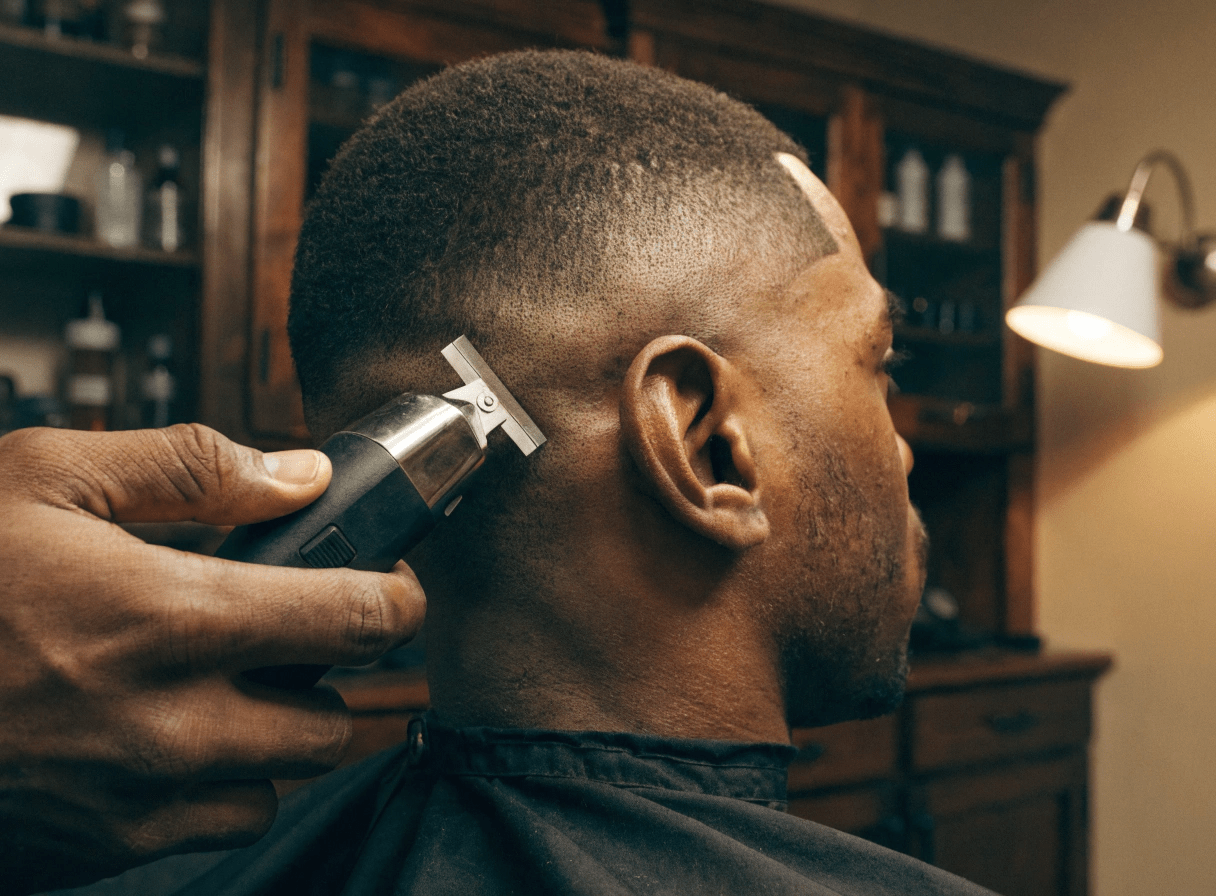
Clippers pull hair when blades are dull, misaligned, dry (lacking oil), clogged with hair and debris, or when the motor is weak. This tugging creates discomfort, uneven cuts, and can damage hair follicles. Understanding why your clippers are pulling hair and how to fix it restores smooth cutting performance and prevents irritation.
For properly maintained clippers that cut cleanly without pulling, explore hair clippers with quality blades and accessible maintenance features.
Common Causes of Hair Pulling

Dull Blades
Why It Happens:
Hair clipper blades dull over time from friction, heat, and cutting through thousands of hairs. Dull blades can't cut cleanly—they yank hair instead.
Signs:
- Tugging sensation during cuts
- Uneven results
- Longer cutting time
- Increased heat
How Often to Replace:
- Professional daily use: Every 6–12 months
- Home weekly use: Every 12–24 months
Blade Misalignment
Why It Happens:
Blades shift out of alignment from regular use, drops, or improper reassembly after cleaning. When the top and bottom blades don't meet correctly, they pull instead of cutting.
Signs:
- Pulling in specific areas
- Uneven cutting length
- Visible gap between blades
Lack of Oil
Why It Happens:
Clipper blades generate heat and friction. Without regular oiling, metal-on-metal contact creates drag that pulls hair.
Signs:
- Blades feel hot
- Pulling increases as you cut
- Motor slows down
- Blades look dry or rusty
How Often to Oil:
Every 2–3 uses (or after every cleaning for professional use).
Hair and Debris Buildup
Why It Happens:
Hair clippings, dead skin, and product residue accumulate between blades, preventing them from moving freely.
Signs:
- Visible hair stuck in blades
- Blades feel sticky
- Motor sounds strained
- Pulling worsens over time
Weak or Dying Motor
Why It Happens:
Motors lose power from age, battery degradation (cordless models), or mechanical wear. Weak motors can't drive blades fast enough to cut cleanly.
Signs:
- Motor sounds slower or quieter
- Battery drains quickly
- Clippers bog down in thick hair
- Intermittent power loss
Wrong Clipper Type for Hair Texture
Why It Happens:
Home clippers designed for fine hair struggle with thick, coarse, or curly hair. Underpowered motors and narrow blades can't handle dense textures.
Solution:
Use professional-grade clippers with 6,000+ RPM motors for thick or coarse hair.
Worn or Broken Blade Spring
Why It Happens:
The blade tension spring holds blades together at the correct pressure. If it's worn or broken, blades don't maintain proper contact.
Signs:
- Blades feel loose
- Uneven cutting
- Pulling in patches
How to Fix Clippers That Pull Hair
|
Cause |
Fix |
How Often |
|
Dull Blades |
Replace or sharpen blades |
Every 6–24 months |
|
Misaligned Blades |
Realign and tighten screws |
As needed |
|
Lack of Oil |
Apply 2–3 drops of clipper oil |
Every 2–3 uses |
|
Hair Buildup |
Clean with brush and alcohol |
After every use |
|
Weak Motor |
Replace battery or entire clipper |
When motor fails |
|
Wrong Clipper Type |
Upgrade to professional model |
N/A |
|
Worn Spring |
Replace blade tension spring |
When broken |
Step-by-Step: Fixing Pulling Clippers

Step 1: Clean the Blades
- Turn off and unplug the clipper
- Remove the blade assembly (if detachable)
- Brush away visible hair with the cleaning brush
- Spray with blade cleaner or isopropyl alcohol
- Scrub with a small brush to remove stubborn buildup
- Dry completely before reassembling
Step 2: Oil the Blades
- Apply 2–3 drops of clipper oil along the blade teeth
- Turn on the clipper for 10 seconds to distribute oil
- Wipe away excess oil with a clean cloth
Step 3: Check Blade Alignment
- Inspect blades for visible gaps or uneven edges
- If misaligned:
- Loosen the blade screws slightly (don't remove)
- Align the top blade with the bottom blade
- Tighten screws securely
- Test on arm hair before cutting
Step 4: Test for Dull Blades
Run the clipper over your arm (not too close). If it tugs arm hair instead of cutting cleanly, blades are dull and need replacement or sharpening.
Step 5: Replace Blades (If Necessary)
If cleaning, oiling, and alignment don't fix the pulling, replace the blade assembly. Most manufacturers sell replacement blades compatible with their clipper models.
Preventing Hair Pulling
Clean After Every Use
- Brush away hair clippings
- Spray with blade cleaner
- Wipe housing
- Store with blade guard on
Oil Regularly
- Every 2–3 uses for home clippers
- After every 2–3 clients for professional use
- Before storage if not used for weeks
Replace Blades on Schedule
Don't wait until blades are completely dull:
- Professional use: Every 6–12 months
- Home use: Every 12–24 months
Store Properly
- Use blade guard to protect teeth
- Store in dry location
- Avoid extreme temperatures
Use the Right Technique
- Don't press hard—let blades do the work
- Cut against the grain for efficiency
- Go slow on thick or coarse hair
For more maintenance tips, see hair clipper care essentials.
When to Replace vs. Sharpen Blades

Sharpen If:
- Blades are carbon steel (most common)
- Slight dullness (minor tugging)
- No visible damage (chips, rust, bent teeth)
Cost: Professional sharpening services charge less than new blades.
Replace If:
- Blades are chipped, bent, or rusted
- Sharpening doesn't solve the pulling
- Blades are ceramic or titanium-coated (can't be sharpened)
- Cost of sharpening approaches cost of replacement
Frequently Asked Questions
Why are my clippers pulling hair?
Clippers pull hair when blades are dull, misaligned, dry (lack oil), or clogged with hair and debris. Weak motors, worn blade springs, and using the wrong clipper type for your hair texture also cause pulling.
How do I stop my hair clippers from pulling?
Clean blades thoroughly, apply 2–3 drops of clipper oil, check blade alignment, and test for dullness. If pulling continues, replace blades. Regular maintenance (cleaning after every use, oiling every 2–3 uses) prevents pulling.
How often should I oil my clippers?
Oil clippers every 2–3 uses for home use or after every 2–3 clients for professional use. Apply 2–3 drops along blade teeth, run for 10 seconds, and wipe excess. Oiling reduces friction and prevents pulling.
Can I sharpen clipper blades myself?
Yes, but it requires proper tools (honing stone, blade alignment jig) and technique. Improper sharpening can damage blades permanently. Professional sharpening services are affordable and deliver better results for most users.
Why do my clippers pull when they're new?
New clippers shouldn't pull. If they do, blades may be factory-misaligned, improperly assembled, or lacking oil. Realign blades, oil thoroughly, and test. If pulling continues, contact the manufacturer—it may be defective.
How long do clipper blades last before they start pulling?
Clipper blades last 6–12 months with daily professional use or 12–24 months with weekly home use before dulling causes pulling. Proper maintenance (cleaning, oiling) extends blade life but doesn't prevent eventual wear.
Conclusion
Clippers pull hair when blades are dull, misaligned, dry, or clogged—all preventable with regular maintenance. By cleaning after every use, oiling every 2–3 uses, checking blade alignment, and replacing blades on schedule, you ensure smooth, pain-free cutting performance. If pulling persists after cleaning and oiling, dull or damaged blades need replacement.
Proper care extends clipper lifespan and delivers consistent, professional results.Ready to upgrade to clippers that stay sharp longer? Explore hair clippers with durable blades, accessible maintenance, and powerful motors built for reliable performance.

Looking for something else?

How to Cut Baby Boy Hair with Clippers: Step-by-Step Guide
LEARN MORE
Do Hair Clippers Get Dull? Causes, Signs & Prevention
LEARN MORE
Can an Electric Shaver Cut You? Safety Facts & Prevention
LEARN MORE
How to Shave Balls with Electric Shaver: Safe Guide
LEARN MORELooking for something else?

Does Using Trimmer Increase Hair Growth? Facts & Myths
LEARN MORE
Best Hair Clippers for Men: Top Picks for Home & Pro Use
LEARN MORE
Best Professional Hair Clippers for Barbers: Top Picks
LEARN MOREYou may also like


Electric Shaver Y4


Y4T9 Easy Start Kits
Further reading
Best Hair Clippers for Perfect Fades at Home
Clipper Lever Open vs Closed: What It Means (with mm)
Why You Need a Cordless Detailer Trimmer (And How to Pick the Right One)