











How to Cut Your Cat's Hair: Complete Safety Guide
Learning how to cut your cat's hair at home can save trips to the groomer and keep your feline comfortable especially for long-haired breeds prone to matting or cats with hygiene issues. However, cutting a cat's fur requires patience, the right tools, and careful technique to avoid injury.
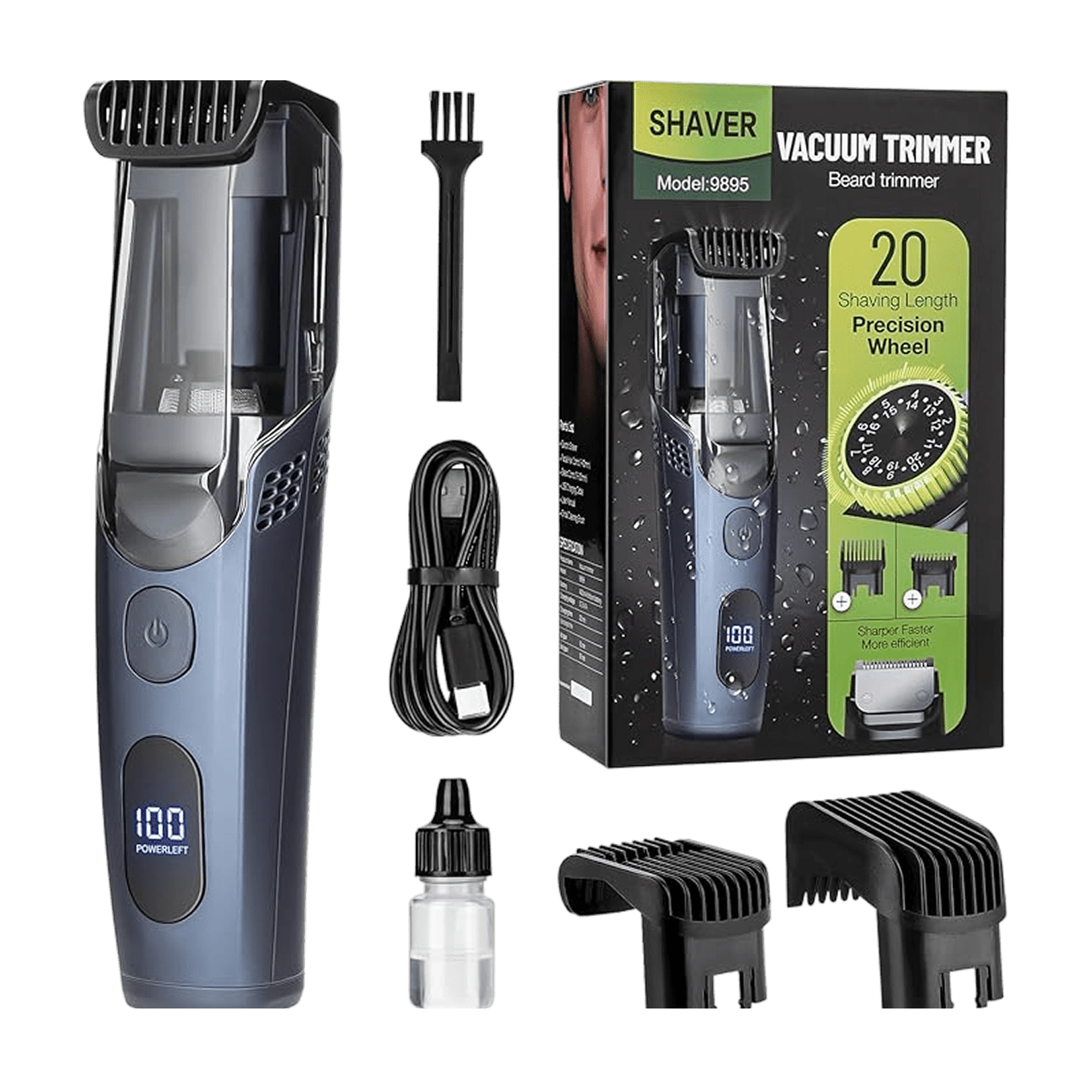
Most cats don't need regular haircuts, but understanding when and how to trim safely makes all the difference. This guide covers everything from choosing between scissors and clippers to handling sensitive areas, so you can groom confidently with tools like precision beard trimmers for sharp lines that work surprisingly well for delicate pet grooming.
When Does Your Cat Actually Need a Haircut?

Most cats self-groom effectively and don't require haircuts. However, certain situations make trimming necessary:
Medical or Hygiene Reasons
- Severe matting that causes skin pulling or pain
- Feces stuck in fur around the rear (sanitary trim)
- Excessive shedding causing hairballs or digestive issues
- Skin conditions requiring topical medication access
- Post-surgery hair removal around incision sites
Seasonal or Comfort Needs
- Long-haired cats in hot, humid climates
- Senior or overweight cats unable to groom themselves
- Cats with mobility issues preventing proper self-care
Not Recommended For
- Short-haired cats (their coats regulate temperature naturally)
- Outdoor cats (fur provides sun protection and insulation)
- Cosmetic reasons alone (unnecessary stress for the cat)
Essential Tools for Cutting Cat Hair
Clippers vs. Scissors: Which to Use?
|
Tool |
Best For |
Pros |
Cons |
|
Pet Clippers |
Full-body cuts, thick mats, long fur |
Fast, even length, safer on skin |
Can be noisy, may scare cats |
|
Blunt-Tip Scissors |
Small mats, detail work, sensitive areas |
Quiet, precise control, less intimidating |
Slower, risk of accidental cuts if not careful |
|
Thinning Shears |
Reducing bulk, blending |
Natural finish, less obvious cuts |
Not for severe mats |
Recommended Supplies
- Pet-specific clippers: Quieter motors than human clippers, designed for fur texture
- Blunt-tip scissors: Rounded ends prevent accidental skin punctures
- Fine-tooth comb: Helps locate and isolate mats
- Treats: Positive reinforcement during grooming
- Towel or grooming restraint: Gentle control without injury
- Styptic powder: Stops bleeding from accidental nicks
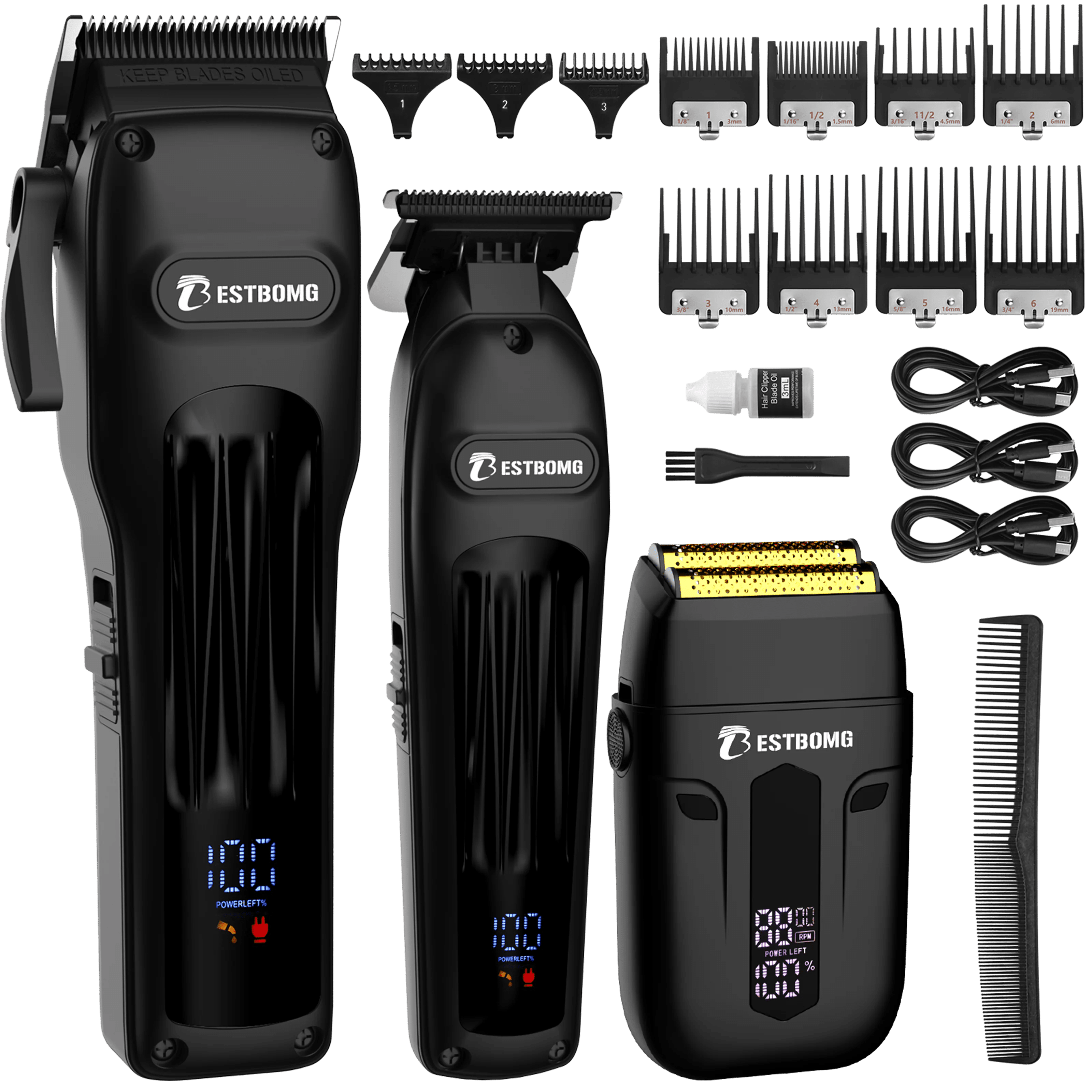
Note on Human Clippers: While not ideal, quiet human clippers with guards can work in a pinch for sanitary trims or small areas. Choose models with adjustable speeds and low noisesome people even use compact detail trimmers designed for facial hair when working around a cat's delicate paws or face.
How to Prepare Your Cat for Grooming

Create a Calm Environment
- Choose a quiet room away from loud noises or other pets
- Time it right: Groom after meals or play sessions when your cat is naturally tired
- Introduce tools gradually: Let your cat sniff clippers or scissors before using them
- Run clippers near (not on) your cat to acclimate them to the sound
Handling Techniques
- Use gentle restraint: Wrap in a towel ("purrito") if needed, leaving only the work area exposed
- Work with a helper if possibleone person holds, one trims
- Take frequent breaks: Stop if your cat becomes agitated; grooming can span multiple sessions
- Stay calm: Cats sense your stress and mirror it
Step-by-Step: How to Cut Your Cat's Hair Safely

Step 1: Assess the Mat or Area
Before cutting, determine:
- Location: Is it near skin, joints, or sensitive areas?
- Severity: Can you comb it out, or does it require cutting?
- Skin condition: Check for redness, wounds, or irritation underneath
Step 2: Comb Out What You Can
- Sprinkle cornstarch or mat spray on the tangle to reduce friction
- Hold the mat at the base (closest to skin) to avoid pulling
- Gently work the comb through from the outside in
- Stop if your cat shows discomfort
Step 3: Cutting Mats with Scissors
- Isolate the mat: Hold it away from the skin with your fingers or comb
- Cut vertically into the mat (not horizontally toward the skin)
- Split the mat in half or thirds: This loosens it without removing all fur
- Comb out the pieces: Continue splitting and combing until the mat is gone
Critical Safety Rule: Never cut parallel to the skin. Always cut perpendicular (straight into the mat) to avoid accidentally snipping skin folds.
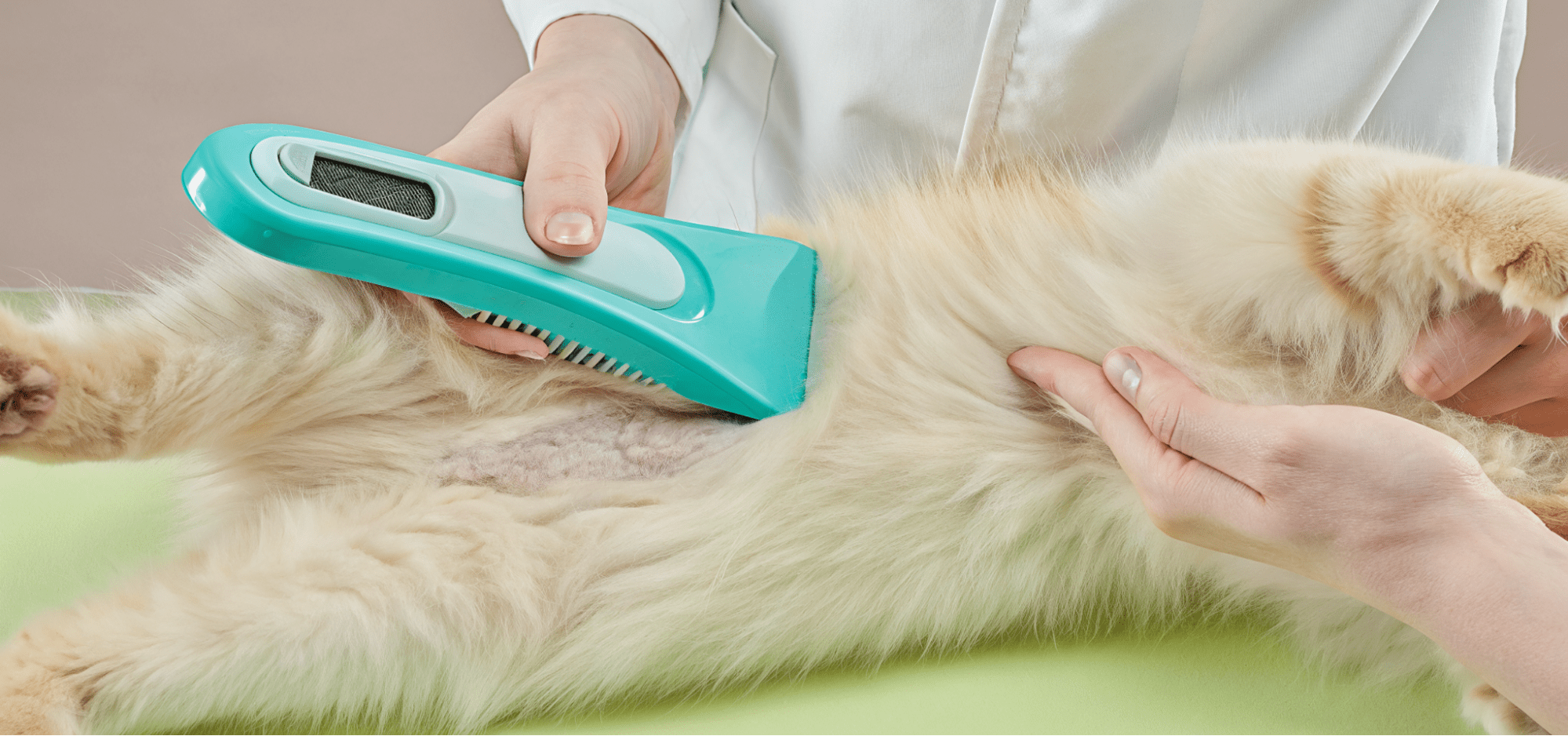
Step 4: Using Clippers for Larger Areas
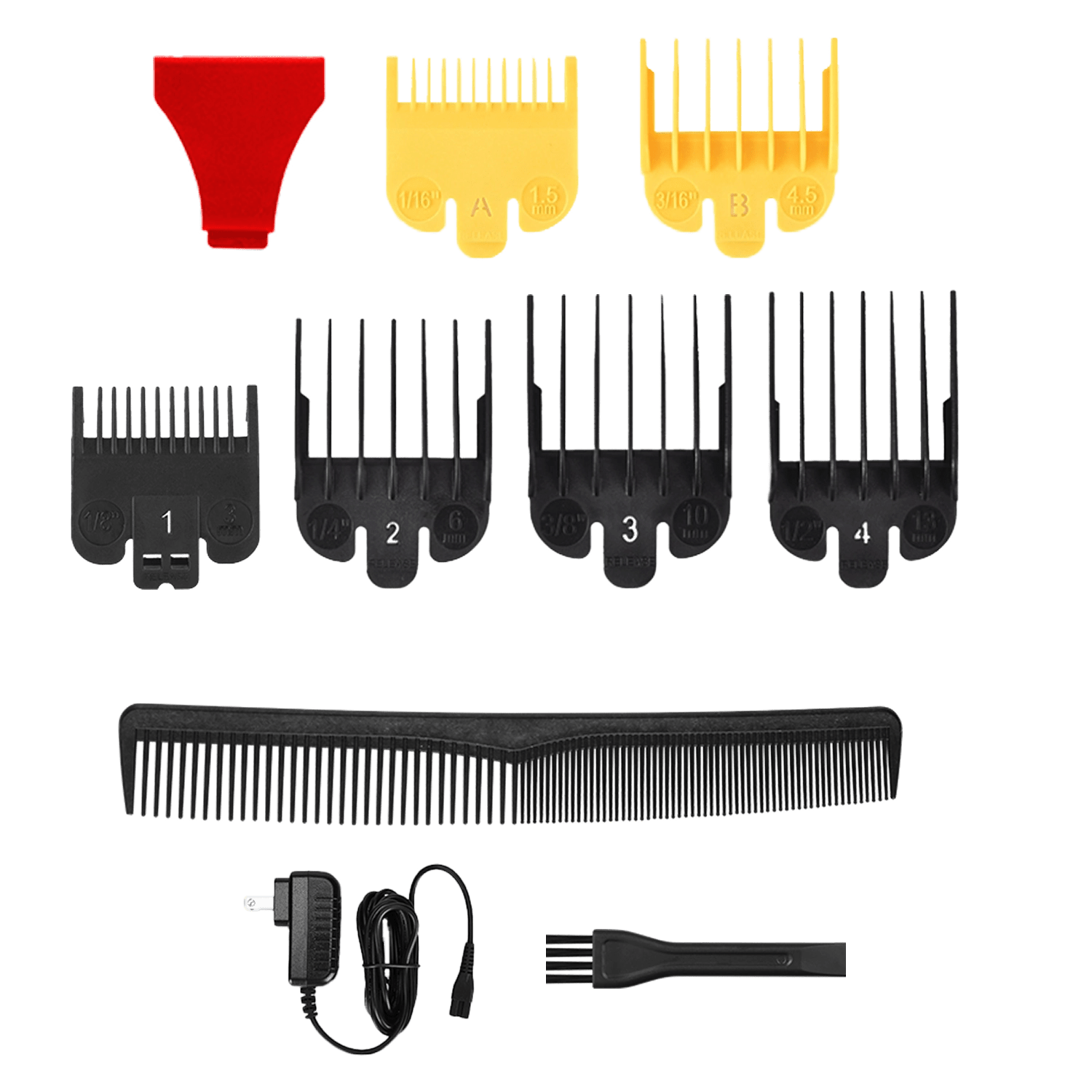
- Attach a guard comb: Start with a longer guard (at least ½ inch) to leave protective length
- Stretch the skin taut: Loose skin can fold into clipper blades
- Clip with the direction of hair growth: Move from shoulders toward tail, top to bottom
- Work in small sections: Don't rushcats have thin, delicate skin
- Check blade temperature frequently: Clippers heat up; cool them every 5–10 minutes
Areas to Approach with Extra Caution:
- Belly and armpits: Skin is extremely thin and mobile
- Legs and paws: Bony areas with little padding
- Face and ears: Use scissors only, never clippers
- Genitals and anus: For sanitary trims, clip only the immediate surrounding fur
Step 5: Sanitary Trim (Rear Area)
- Lift the tail gently and secure it upward
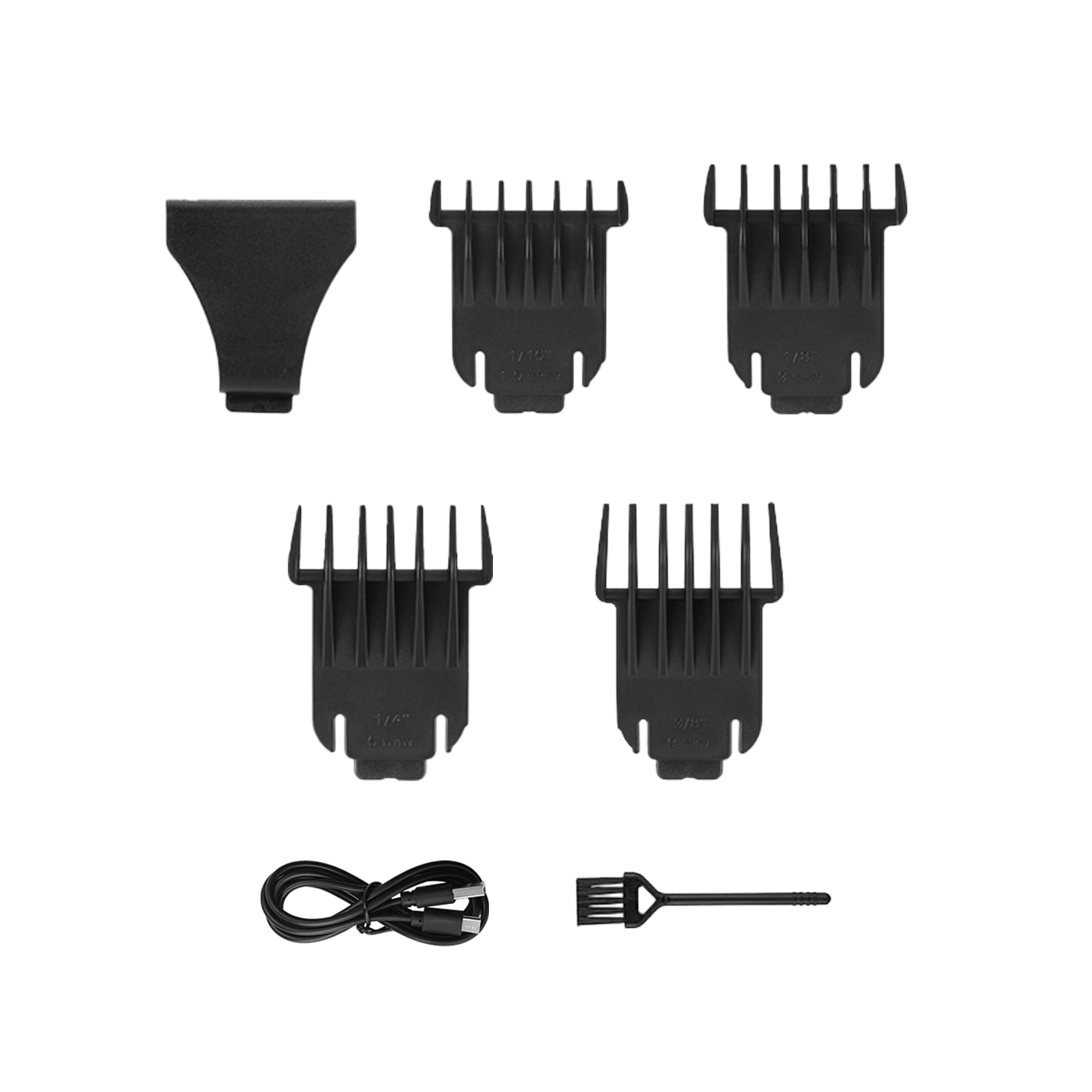
- Use small, blunt-tip scissors or a trimmer with a guard
- Trim fur around the anus to about ¼ inch length
- Clear the area between the back legs where feces may stick
- Avoid the skin: Keep scissors angled away from the body
Common Mistakes and How to Avoid Them

Cutting Too Close to Skin
Always leave at least ½ inch of fur for protection against sunburn, scratches, and temperature changes. Cats can easily overheat or get sunburned without adequate fur coverage.
Using Dull Blades
Dull scissors or clippers pull hair instead of cutting cleanly, causing pain and stress. Replace or sharpen blades regularly.
Grooming an Agitated Cat
Forcing grooming on a stressed cat risks injury to both of you. Stop and try again later with treats, play breaks, or professional help.
Ignoring Skin Underneath
Always check for wounds, hot spots, or irritation before cutting. Mats often hide skin conditions that need veterinary attention.
Attempting Complex Cuts Alone
Full-body lion cuts, creative styles, or severe mat removal are best left to professional groomers who have proper restraint equipment and experience.
When to See a Professional Groomer
Situations Requiring Professional Help:
- Mats covering more than 25% of the body
- Mats near or on genitals, face, or ears
- Aggressive or extremely fearful cats
- Elderly or ill cats that may not tolerate home grooming
- Full-body trims or cosmetic cuts (like lion cuts)
What Professionals Offer:
- Sedation options (through veterinary groomers)
- Specialized restraint techniques
- Experience handling difficult cats
- Professional-grade equipment
Aftercare: Keeping Your Cat Comfortable
Immediately After Grooming:
- Check for nicks or cuts: Apply styptic powder if needed
- Offer treats and affection: Rebuild positive associations with grooming
- Monitor behavior: Watch for excessive licking or signs of discomfort
Ongoing Maintenance:
- Brush daily (long-haired cats) or 2–3 times weekly (short-haired cats)
- Check for new mats weekly, especially behind ears, under arms, and on the belly
- Schedule professional grooming every 6–12 months for long-haired breeds
- Maintain healthy diet: Proper nutrition improves coat quality and reduces shedding
Frequently Asked Questions
Can I use regular scissors to cut my cat's hair?
Yes, but only if they have blunt or rounded tips. Sharp-pointed scissors can easily puncture your cat's thin skin if they move suddenly. Pet grooming scissors with safety tips are specifically designed for animal use. Never use kitchen or craft scissorsthey're too sharp and dangerous.
How often should I trim my cat's fur?
Most cats don't need regular trims. Long-haired cats may need mat removal or sanitary trims every 3–6 months. Cats with mobility issues may need monthly grooming assistance. Short-haired cats rarely need haircuts except for medical reasons. Base frequency on your cat's coat condition, not a set schedule.
Is it safe to use dog clippers on cats?
Dog clippers can work on cats if they're quiet and have adjustable guards. However, cat-specific clippers are quieter and less intimidating. If using dog or human clippers, choose the lowest noise setting and introduce them gradually. Never use clippers without guards on sensitive areas.
What should I do if I accidentally cut my cat's skin?
Apply firm pressure with a clean cloth to stop bleeding. Use styptic powder or cornstarch if available. Most minor nicks stop bleeding within 2–3 minutes. If bleeding continues past 5 minutes, the cut is deep, or you see exposed tissue, contact your veterinarian immediately.
Can I shave my cat completely in summer?
No. Cats need fur for temperature regulation, sun protection, and skin defense. Shaving increases risk of sunburn, overheating (yes, even in hot weather), and skin injuries. A light trim is safer than a full shave. Consult your vet before removing significant amounts of fur.
How do I groom a cat that hates it?
Start with very short sessions (2–3 minutes) focused on areas your cat tolerates. Use high-value treats throughout. Consider calming products like Feliway spray or treats with calming ingredients. If your cat becomes aggressive or extremely stressed, seek professional grooming with sedation options through a veterinary clinic.
Conclusion
Cutting your cat's hair at home is possible with patience, proper tools, and careful techniquebut it's not always necessary. Focus on regular brushing and spot-treat mats or hygiene issues as they arise.
When grooming is needed, prioritize safety over aesthetics, work slowly, and never hesitate to consult a professional for complex situations. Ready to upgrade your grooming toolkit? Explore our collection of beard trimmers that double as precise pet grooming tools for delicate areas and detail work.

Looking for something else?

How to Cut Baby Boy Hair with Clippers: Step-by-Step Guide
LEARN MORE
Do Hair Clippers Get Dull? Causes, Signs & Prevention
LEARN MORE
Can an Electric Shaver Cut You? Safety Facts & Prevention
LEARN MORE
How to Shave Balls with Electric Shaver: Safe Guide
LEARN MORELooking for something else?

Does Using Trimmer Increase Hair Growth? Facts & Myths
LEARN MORE
Best Hair Clippers for Men: Top Picks for Home & Pro Use
LEARN MORE
Best Professional Hair Clippers for Barbers: Top Picks
LEARN MOREYou may also like

Beard Trimmer-T9


Electric Shaver Y4

Further reading

Best Hair Clippers for Perfect Fades at Home
Clipper Lever Open vs Closed: What It Means (with mm)

Why You Need a Cordless Detailer Trimmer (And How to Pick the Right One)