





Human Hair Clippers vs. Dog Clippers: What’s the Difference?
If you're wondering whether you can grab your hair clippers to groom your dog or vice versayou're not alone. Many pet owners assume grooming tools are interchangeable, but using the wrong clippers can lead to overheating, skin irritation, and a stressed-out pet. This guide breaks down the key differences between human and dog clippers, explains why each is designed for specific hair types, and helps you choose the right tool for safe, effective grooming.
Why Human Clippers Don't Work Well on Dogs

Human clippers are engineered for fine, relatively uniform hair on the scalp or face. Dog fur, however, is thicker, denser, and often has a double coat with a soft undercoat and coarser guard hairs. Here's why human clippers struggle:
Motor Power & Speed
- Human clippers run at lower speeds (around 5,000–7,000 strokes per minute) because human hair is finer
- Dog clippers operate at 8,000–14,000 strokes per minute to cut through dense, matted fur without pulling
Blade Design
- Human clipper blades are narrower and duller by design, intended for thin hair that lies flat
- Dog clipper blades are wider, sharper, and reinforced to handle thick coats and prevent snagging
Heat Management
- Human clippers overheat quickly when used continuously on thick dog fur, risking burns to your pet's skin
- Dog clippers feature ventilation and heat-resistant housing to stay cool during extended grooming sessions
Noise & Vibration
- Human clippers can be louder and produce more vibration when struggling with thick fur, which may frighten anxious pets
- Professional dog clippers are quieter and designed to reduce vibration for calmer grooming
Can You Use Dog Clippers on Humans?
Interestingly, you can safely use dog clippers on human hairmany barbers even prefer them for fades and tapers because they're more powerful. However, there are trade-offs:
|
Feature |
Dog Clippers |
Human Clippers |
|
Motor Power |
High-torque, built for thick coats |
Lower power, optimized for fine hair |
|
Blade Width |
Wider (often 40–50mm) |
Narrower (typically 40mm) |
|
Heat Tolerance |
Extended use without overheating |
Designed for shorter sessions |
|
Weight |
Heavier due to robust motor |
Lighter for easier handling |
|
Cost |
Generally more expensive |
More budget-friendly options |
If you're cutting your own hair at home and already own dog clippers, they'll workbut they're bulkier and may feel less precise for detailed human haircuts. For DIY cuts, cordless hair clippers for home use offer better balance and control.
Key Differences: Human vs. Dog Clippers

Blade Speed & Cutting Action
Human clippers use a slower, gentler cutting action suitable for thin hair. Dog clippers employ a faster, more aggressive stroke to slice through multiple hair densities without pulling or tugging.
Blade Material & Durability
Dog clipper blades are made from harder steel alloys (often stainless or ceramic-coated) to resist dulling from coarse fur. Human clipper blades are softer and wear out faster if used on thick dog coats.
Guard Comb Systems
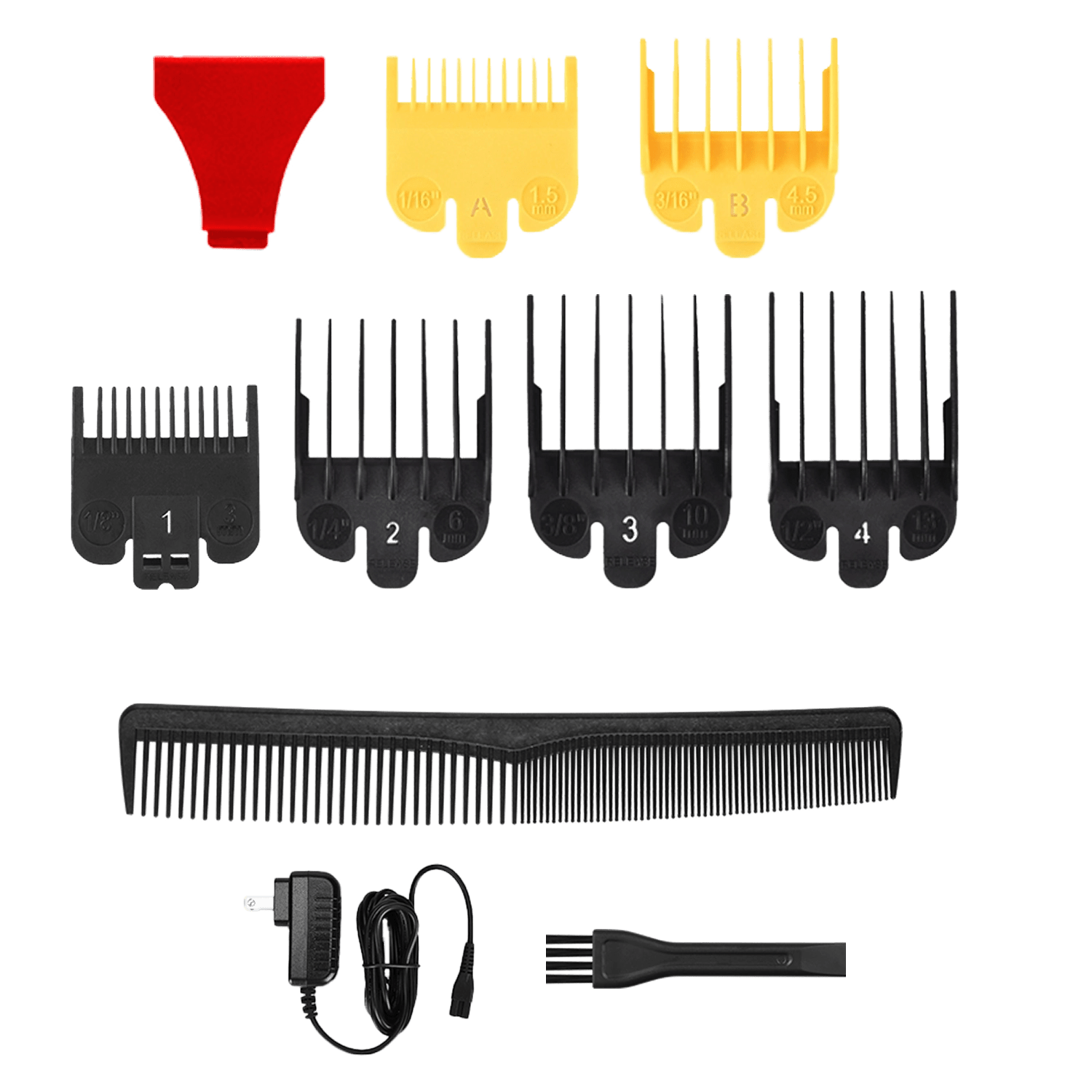
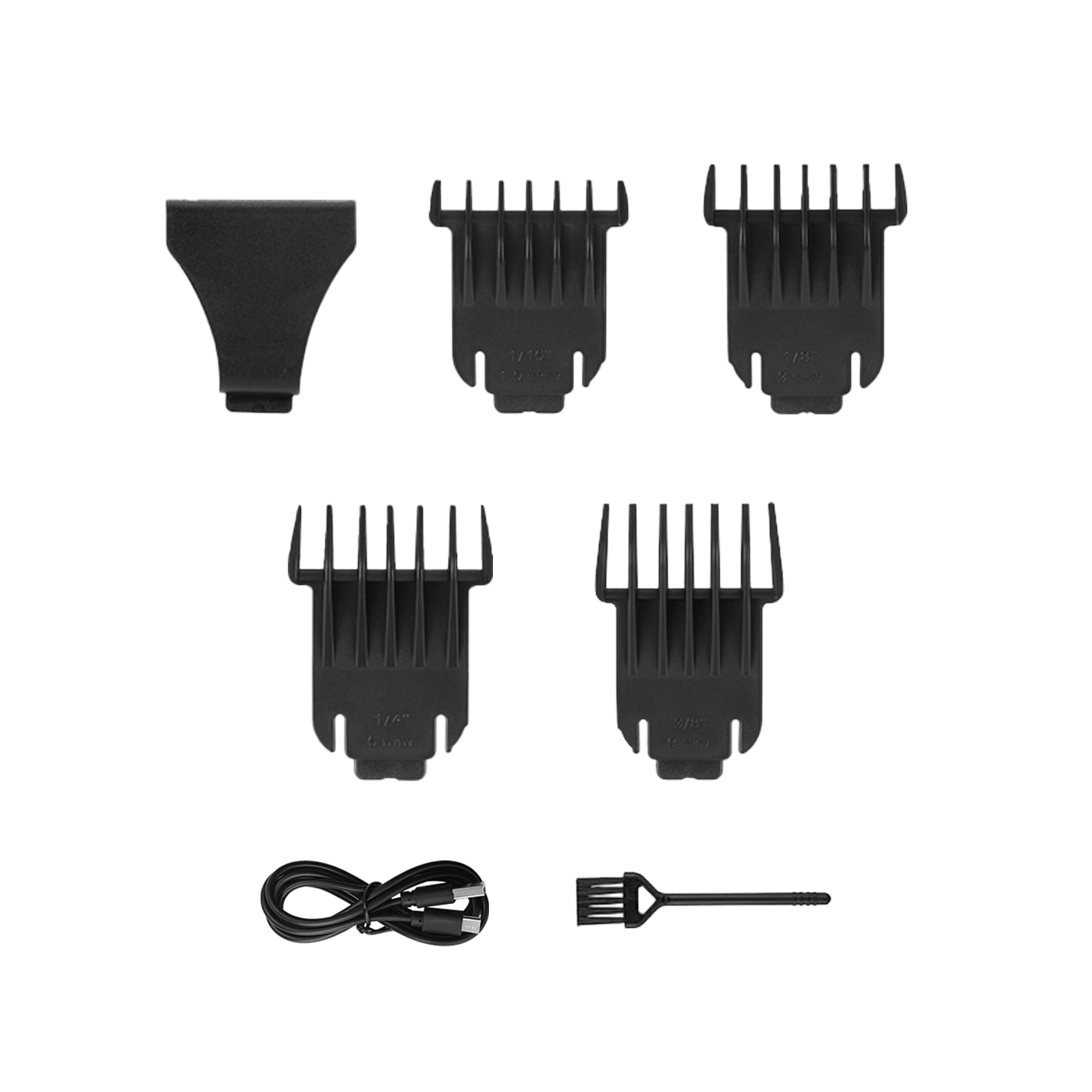
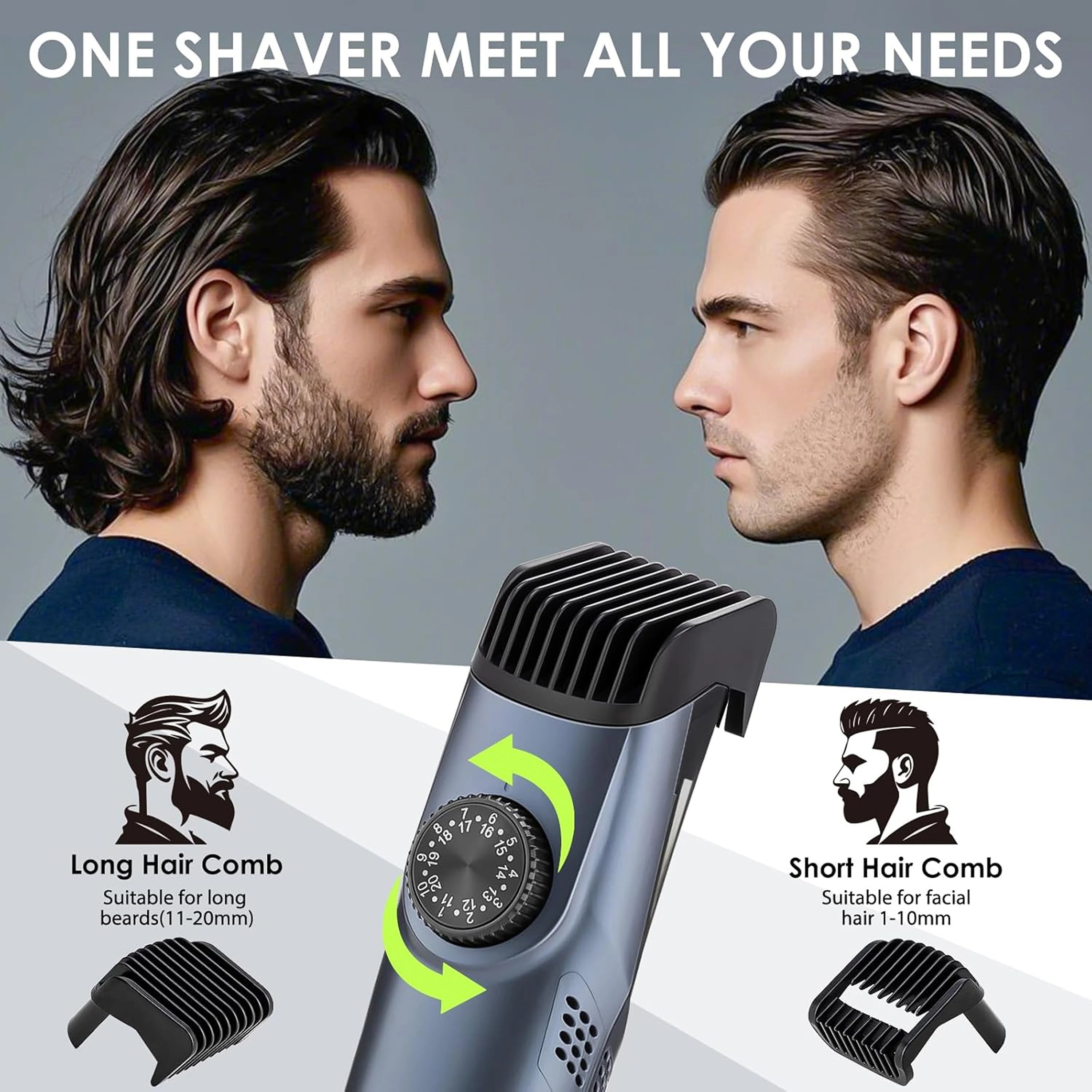
- Human clippers: Guards range from #1 (3mm) to #8 (25mm), designed for consistent hair texture
- Dog clippers: Guards accommodate varying coat densities and may include specialty combs for paws, faces, and sensitive areas
Cord vs. Cordless Design
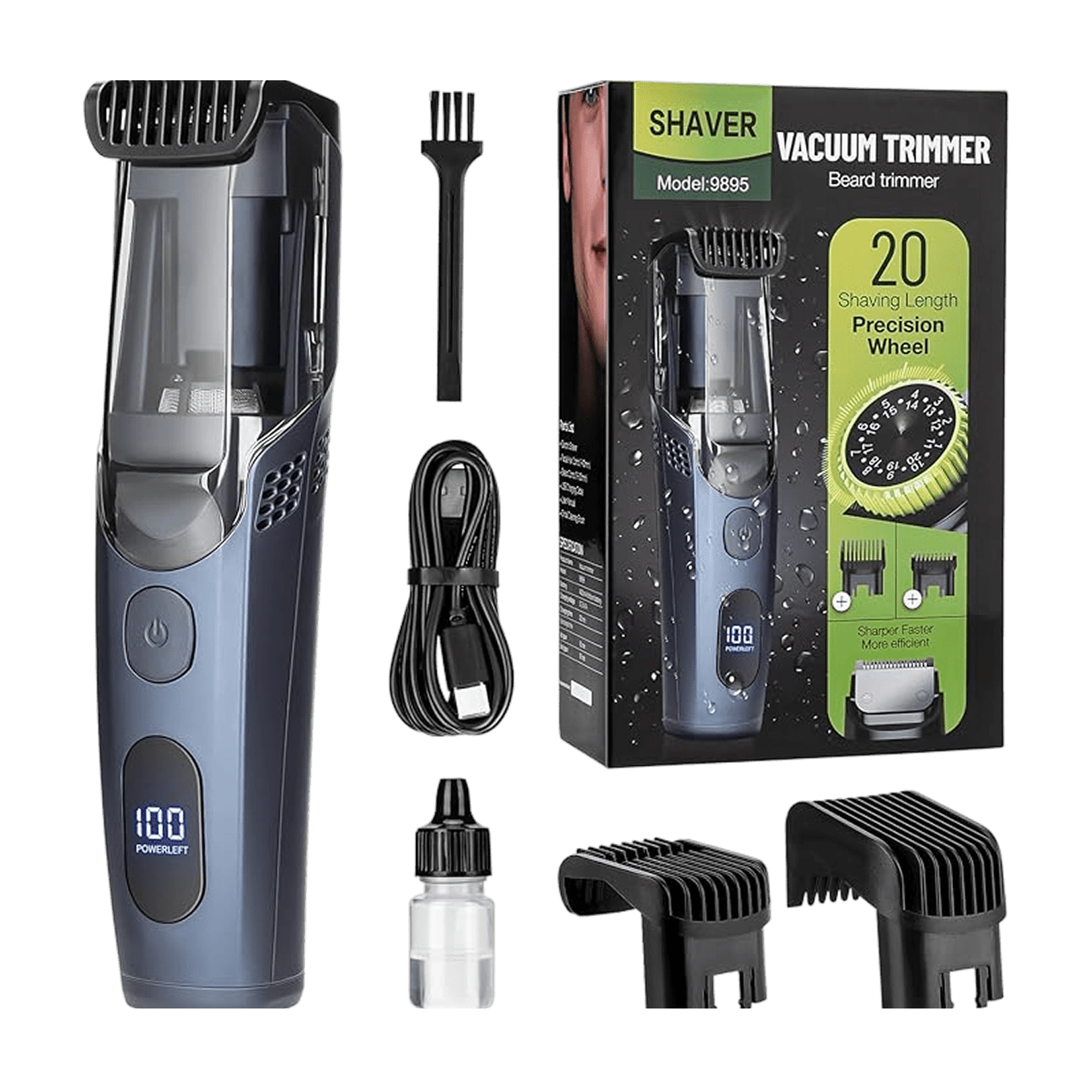
Most professional dog clippers are corded to deliver consistent power for full-body grooms. Human clippers increasingly favor cordless convenience, like starter home haircut kits that include multiple guards and rechargeable batteries.
Risks of Using Human Clippers on Dogs
Skin Irritation & Cuts
Human clipper blades aren't contoured for a dog's uneven skin surface. They can nick folds around the neck, belly, or legsareas where loose skin is common.
Overheating & Burns
When human clippers labor through thick fur, the motor and blades heat up rapidly. Your dog's skin is thinner and more sensitive than human scalp skin, making burns more likely.
Uneven Coat Results
Struggling blades create choppy, uneven cuts. You may end up with patches of different lengths or accidentally shave too close in some spots.
Stress & Fear
A clipper that pulls, vibrates excessively, or runs hot will make your dog associate grooming with discomfortleading to anxiety in future sessions.
What About Nail Clippers?
The question "can I use human nail clippers on my dog" often comes up. While small dogs with thin nails might tolerate human nail clippers in a pinch, it's not recommended:
- Shape Mismatch: Human nails are flat; dog nails are round and layered. Standard clippers can crush instead of cleanly cut, causing splits or pain.
- Quick Risk: Dogs have a blood vessel (the quick) inside each nail. Without the proper guillotine or scissor-style dog clipper, you're more likely to cut too deep and cause bleeding.
For safe nail care, invest in dog-specific nail clippers or a grinding tool designed for pets.
When Dog Clippers Are Necessary

Choose dog clippers if your pet has:
- Thick or Double Coats: Breeds like Poodles, Golden Retrievers, and German Shepherds need the power and blade design only dog clippers provide
- Mat-Prone Fur: Long-haired breeds (Shih Tzus, Maltese) develop tangles that human clippers can't handle
- Frequent Full-Body Grooms: Regular, extended grooming sessions require heat-resistant, durable tools
How to Safely Groom Your Dog at Home
- Use the Right Tool: Always choose dog-specific clippers or trimmers for pets
- Prep the Coat: Brush out tangles and bathe your dog beforehandclean, dry fur cuts more easily
- Start Slow: Let your dog sniff the clippers while they're off, then introduce the sound and vibration gradually
- Check Blade Heat: Pause every 10–15 minutes to feel the blade; if it's hot, let it cool or switch to a backup blade
- Follow the Grain: Clip in the direction of hair growth for a natural finish and less irritation
- Trim Sensitive Areas Carefully: Use scissors or a detail trimmer around eyes, ears, paws, and genitals
For detailed step-by-step guidance on human grooming techniques, see how to clean hair clippers for maintenance tips that extend blade life.
Choosing the Right Human Clippers for Your Needs
If you're grooming yourself or family members, look for:
Adjustable Taper Levers
Let you fine-tune cutting length between guard sizesessential for fades and blending.
Cordless Convenience
Rechargeable models eliminate tangled cords and make it easier to reach awkward angles.
Multiple Guard Sizes
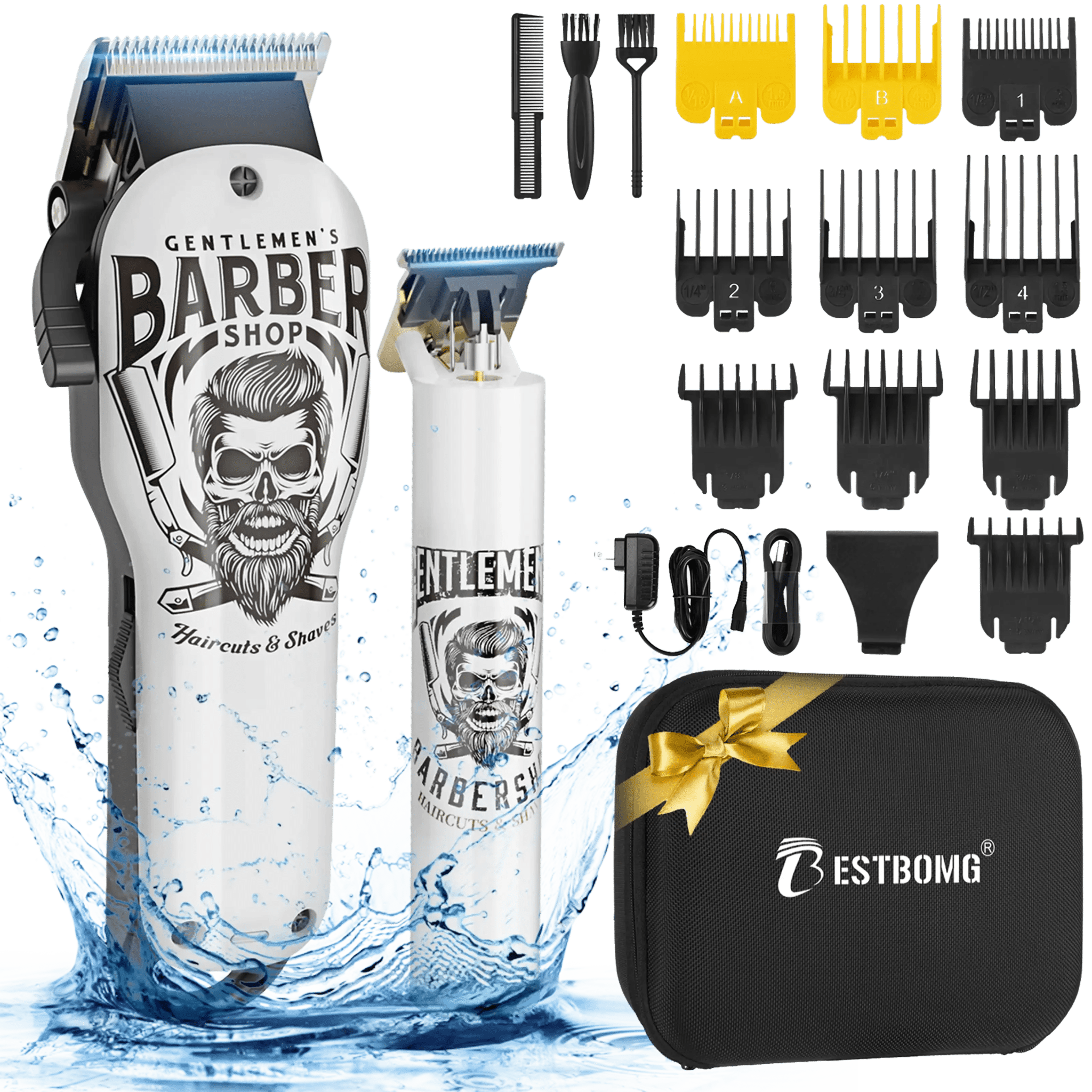
A complete kit with guards from #1 to #8 covers everything from buzz cuts to longer styles.
Quiet Operation
Lower noise levels make haircuts less stressful for children and noise-sensitive users.
Easy Maintenance
Detachable blades and included cleaning brushes simplify upkeep.
Frequently Asked Questions
Can I use human clippers on my dog for a quick trim?
No. Even for small touch-ups, human clippers overheat quickly, pull thick fur, and can irritate or cut your dog's skin. Dog clippers are specifically designed for pet coat density and skin sensitivity.
Can you use dog clippers on cats?
Yes, dog clippers also work on catsespecially long-haired breeds prone to matting. However, use a lower speed setting and quieter model if possible, since cats are often more noise-sensitive than dogs.
What happens if I accidentally use human clippers on my dog?
You may notice uneven cutting, excessive pulling, or the clippers becoming hot to the touch. Stop immediately if your dog shows discomfort. Switch to proper dog clippers to avoid skin burns or cuts.
Are human toe nail clippers safe for dog nails?
Not recommended. Dog nails are round and layered, while human nail clippers are designed for flat nails. Using the wrong tool can crush the nail or cut into the quick, causing pain and bleeding.
How often should I oil and clean my clippers?
For human clippers, apply 2–3 drops of clipper oil before and after each use. Brush away loose hair after every session. Dog clippers may need more frequent oiling during long grooming sessions to prevent overheating.
Can professional barbers use dog clippers on human hair?
Yes. Some barbers prefer dog clippers for their power and durability, especially for thick, coarse hair or intricate fades. However, they're heavier and less maneuverable than human-specific models.
Conclusion
Human clippers and dog clippers serve different purposes: one is built for fine, scalp-level hair, the other for dense, varied pet coats. Using the wrong tool risks discomfort, injury, and poor results. If you're grooming yourself or family members at home, explore our range of hair clippers designed for smooth, safe, professional-quality cuts. For your pets, always invest in proper dog grooming equipmentyour furry friend will thank you.

Looking for something else?

How to Cut Baby Boy Hair with Clippers: Step-by-Step Guide
LEARN MORE
Do Hair Clippers Get Dull? Causes, Signs & Prevention
LEARN MORE
Can an Electric Shaver Cut You? Safety Facts & Prevention
LEARN MORE
How to Shave Balls with Electric Shaver: Safe Guide
LEARN MORELooking for something else?

Does Using Trimmer Increase Hair Growth? Facts & Myths
LEARN MORE
Best Hair Clippers for Men: Top Picks for Home & Pro Use
LEARN MORE
Best Professional Hair Clippers for Barbers: Top Picks
LEARN MOREYou may also like


Electric Shaver Y4


Y4T9 Easy Start Kits
Further reading
Best Hair Clippers for Perfect Fades at Home
Clipper Lever Open vs Closed: What It Means (with mm)
Why You Need a Cordless Detailer Trimmer (And How to Pick the Right One)