





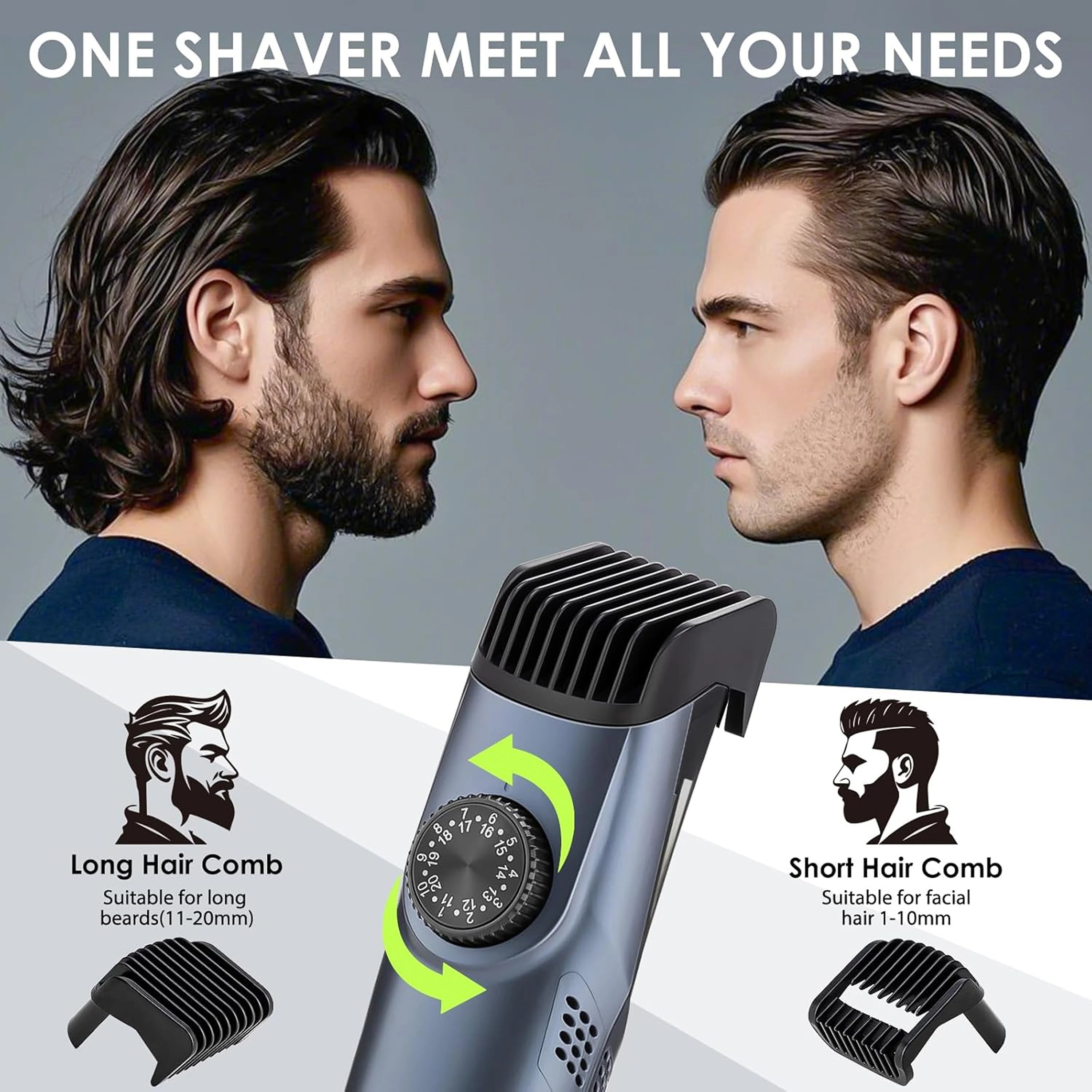

Best Goatee and Sideburns Styles for Men
A goatee and sideburns combination offers a versatile, masculine look that frames the face without requiring a full beard. Whether you're aiming for a classic disconnected style or a connected fade, this guide covers the most popular sideburns and goatee styles, how to achieve them, and the tools you need to maintain sharp lines. With the right precision beard trimmer for sharp lines, you can master any variation from corporate-friendly to edgy and bold.
Understanding Goatee and Sideburns Fundamentals

What Defines a Goatee?
A goatee is facial hair that covers the chin and often includes a mustache, but leaves the cheeks clean-shaven. Classic variations include:
- Full Goatee: Mustache connected to chin beard in a continuous circle around the mouth
- Pure Goatee: Chin hair only, no mustache
- Van Dyke: Mustache and chin beard remain separate, with a clean-shaven gap
Sideburns Basics
Sideburns extend downward from the hairline in front of the ears. Key styles include:
- Short Sideburns: End at the top or middle of the ear
- Medium Sideburns: Reach the bottom of the ear
- Long Sideburns: Extend to the jawline or below
- Tapered Sideburns: Gradually narrow as they descend
- Mutton Chops: Thick sideburns that extend to the corners of the mouth
Popular Goatee and Sideburns Combinations

Disconnected Goatee with Medium Sideburns
The most common approach keeps sideburns and goatee separate with clean-shaven cheeks. This style works well for:
- Professional environments
- Men with patchy cheek growth
- Square and oval face shapes
How to Achieve It:
- Keep sideburns trimmed to ear-bottom length
- Maintain a full goatee with defined edges
- Shave cheeks completely smooth every 2-3 days
Connected Goatee and Sideburns (Full Beard Lite)
A thin line of facial hair connects the sideburns to the goatee along the jawline, creating a frame without full cheek coverage.
Best For:
- Round faces needing definition
- Men who can grow consistent jawline hair
- Casual to business-casual settings
Maintenance: Use a detail trimmer to keep the connecting line thin and even. Fade the cheek area to skin for a clean transition.
Faded Sideburns with Classic Goatee
Sideburns gradually fade from full at the hairline to skin near the ear bottom, paired with a traditional full goatee.
Why It Works:
- Modern, stylish appearance
- Complements fade haircuts
- Requires moderate grooming skill
Mutton Chops with Soul Patch
An old-school combination where thick sideburns extend to the mouth corners, paired with a small tuft of hair below the lower lip (soul patch).
Style Notes:
- Bold, unconventional look
- Works on angular faces
- Not office-appropriate in most industries
Tapered Sideburns with Van Dyke
Narrow sideburns that taper to a point pair elegantly with a disconnected mustache and chin beard.
Ideal Candidates:
- Creative professionals
- Men with strong mustache growth
- Diamond and heart-shaped faces
Face Shape Guide: Choosing Your Style
|
Face Shape |
Best Goatee Style |
Best Sideburn Style |
Why It Works |
|
Oval |
Any goatee variation |
Medium to long sideburns |
Balanced proportions suit all styles |
|
Round |
Extended goatee (chin emphasis) |
Tapered, angular sideburns |
Adds length and definition |
|
Square |
Full goatee |
Short to medium sideburns |
Softens strong jawline |
|
Heart |
Van Dyke or petite goatee |
Medium sideburns |
Balances wider forehead |
|
Diamond |
Classic full goatee |
Long, fuller sideburns |
Adds width at cheekbones |
|
Oblong |
Wide, full goatee |
Short sideburns |
Creates horizontal balance |
How to Trim and Shape Goatee with Sideburns

Tools You'll Need
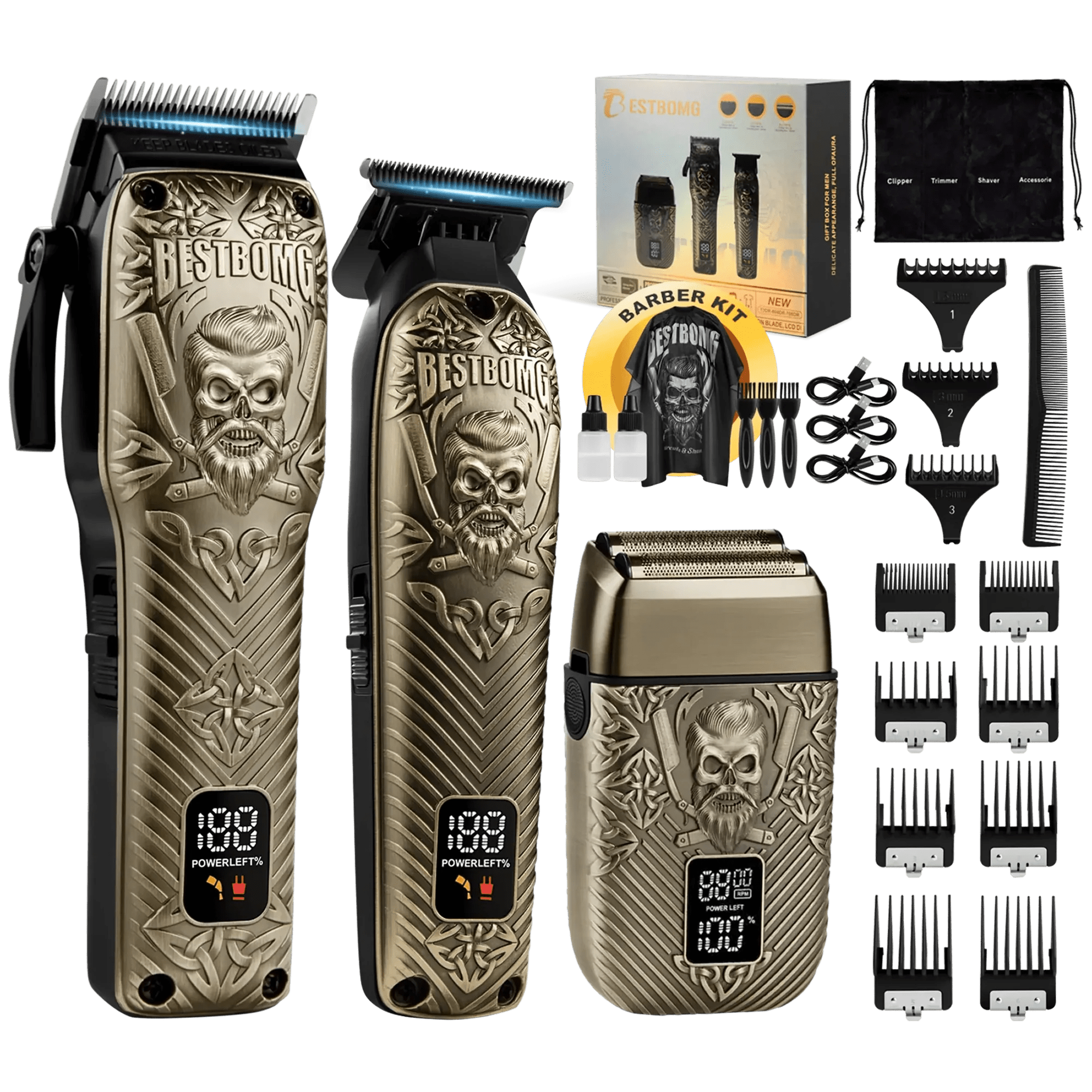
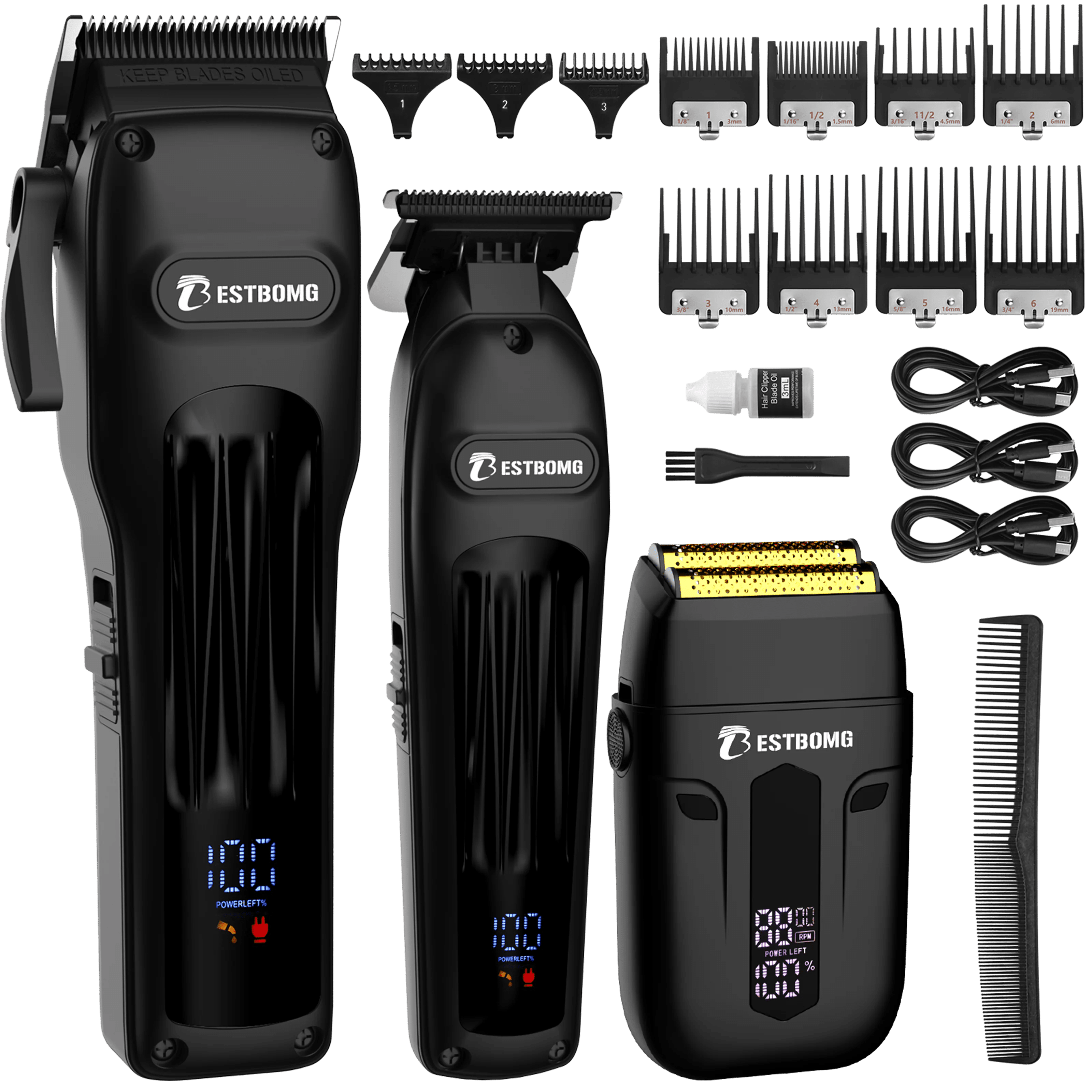
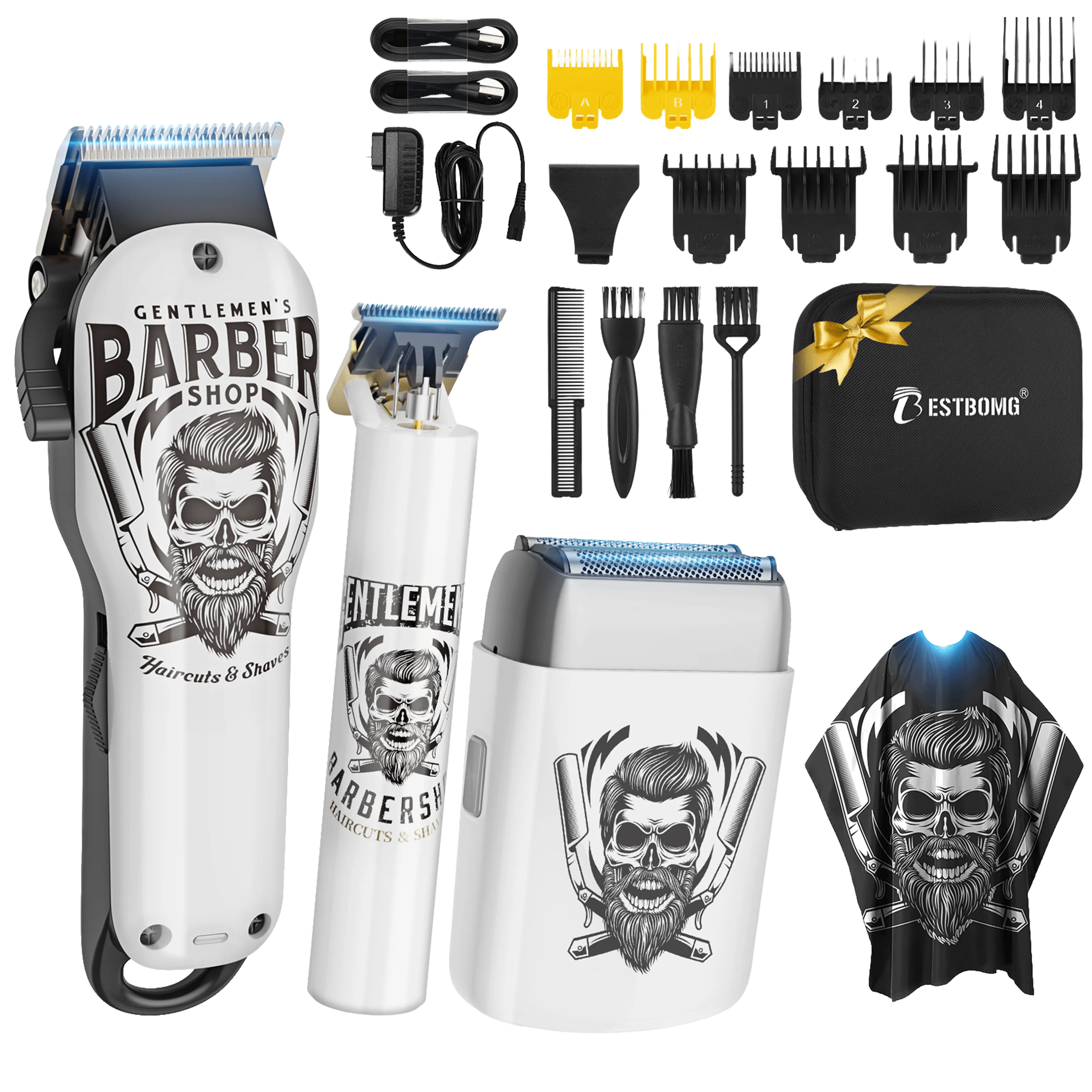
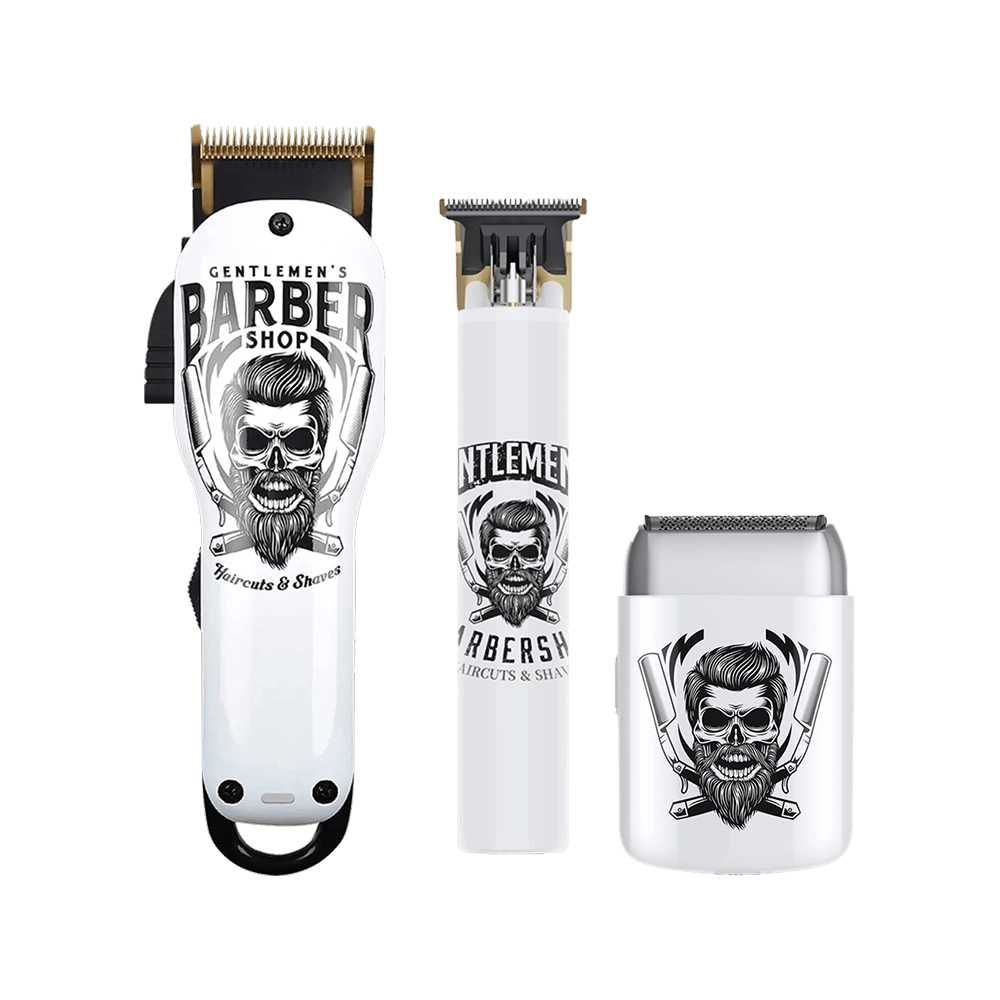
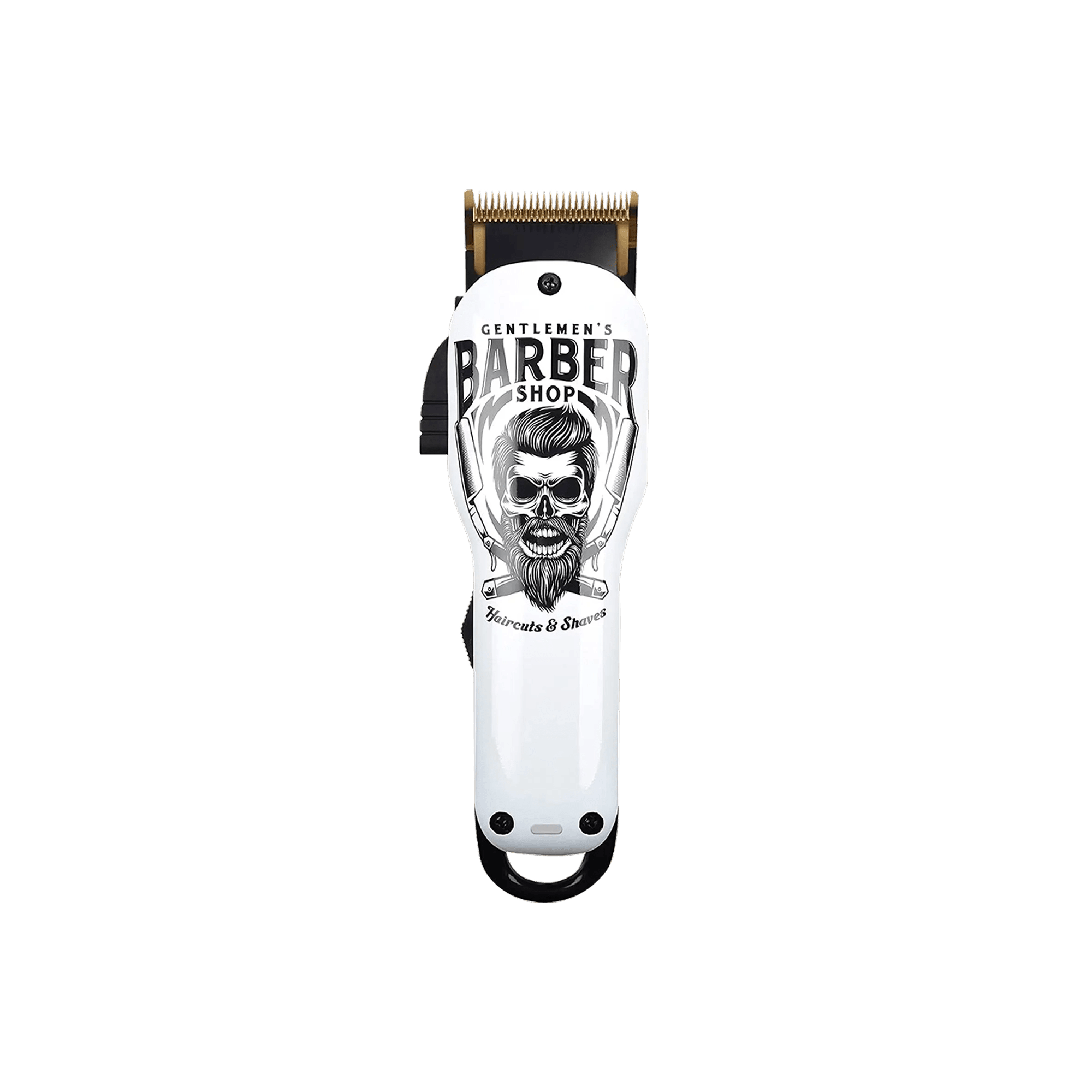
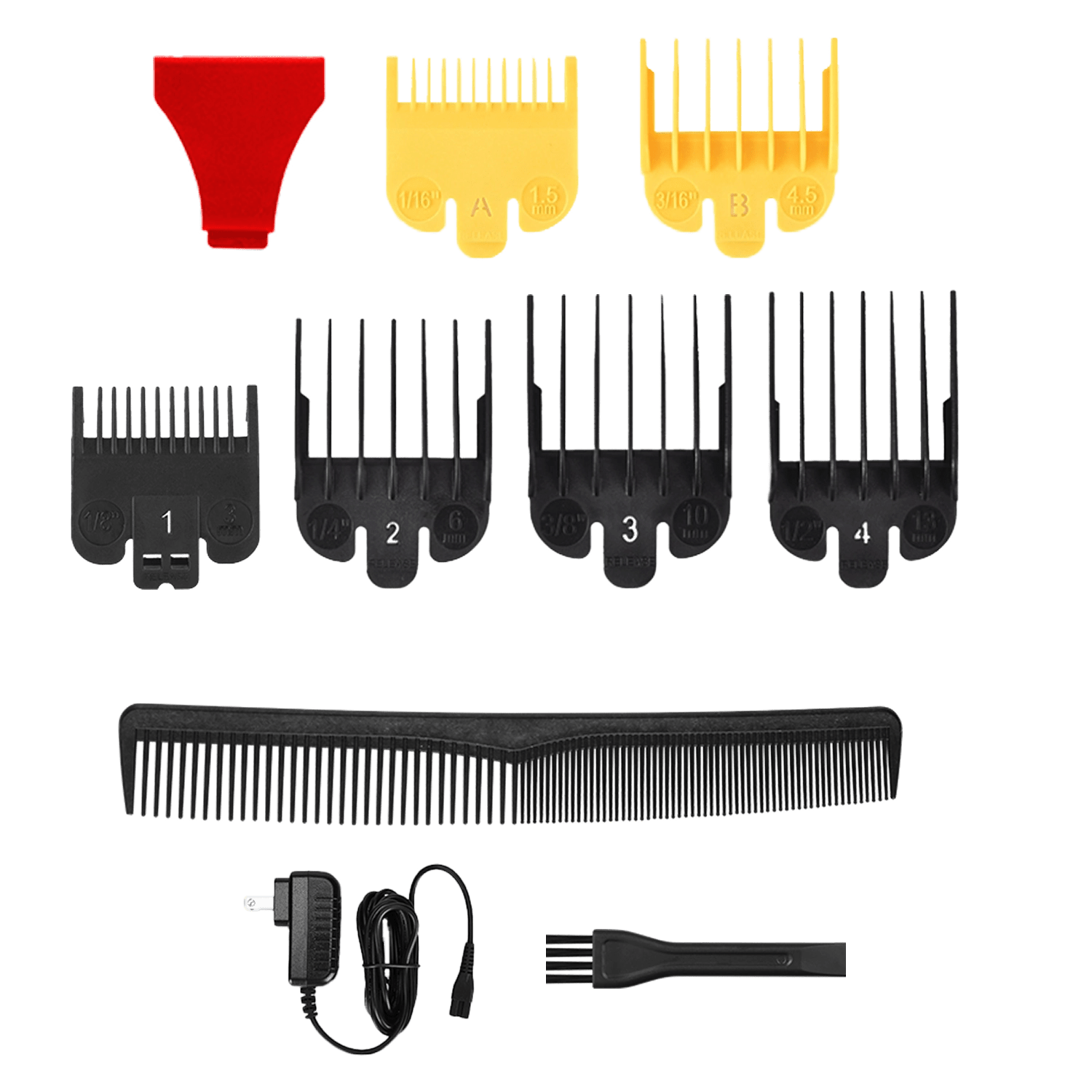
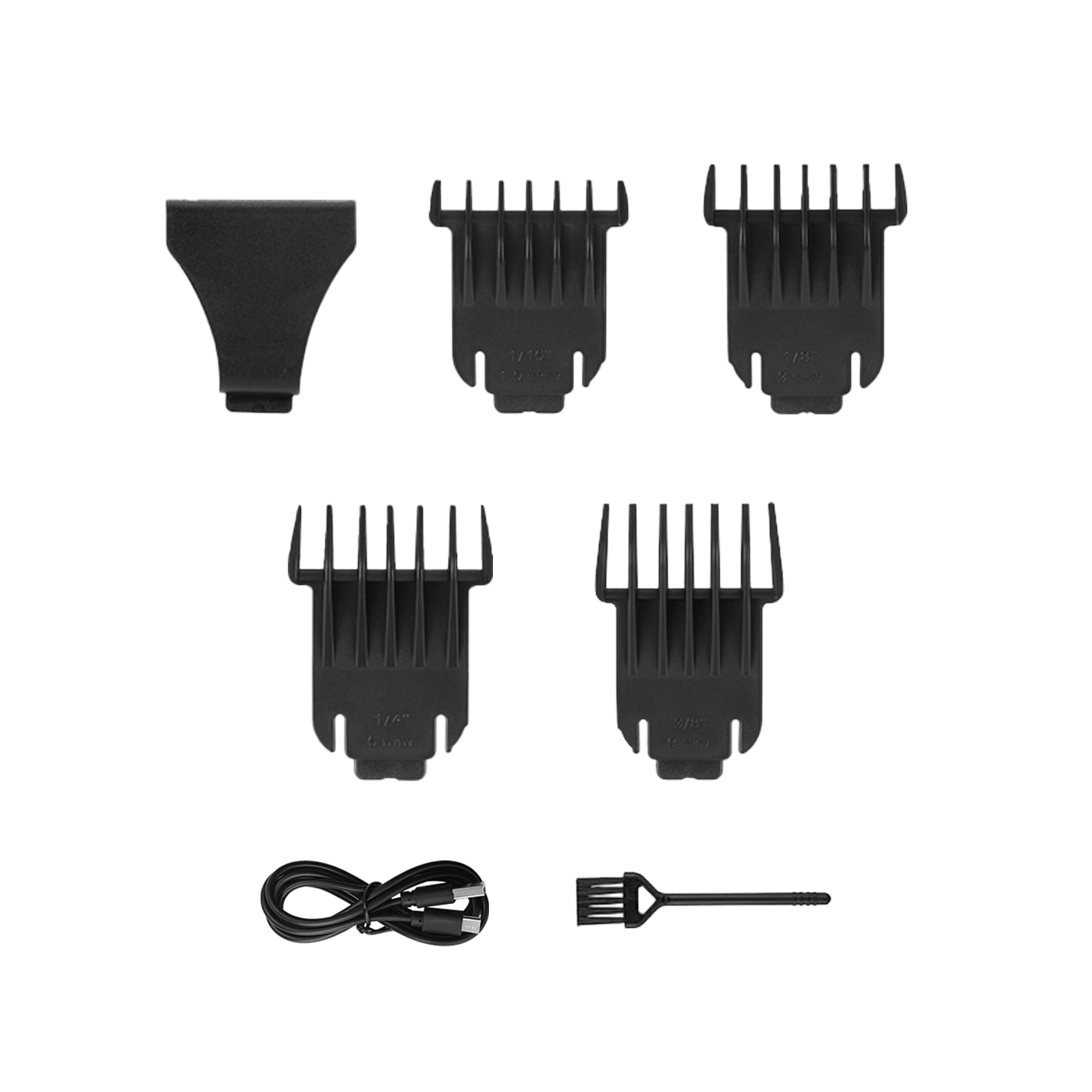
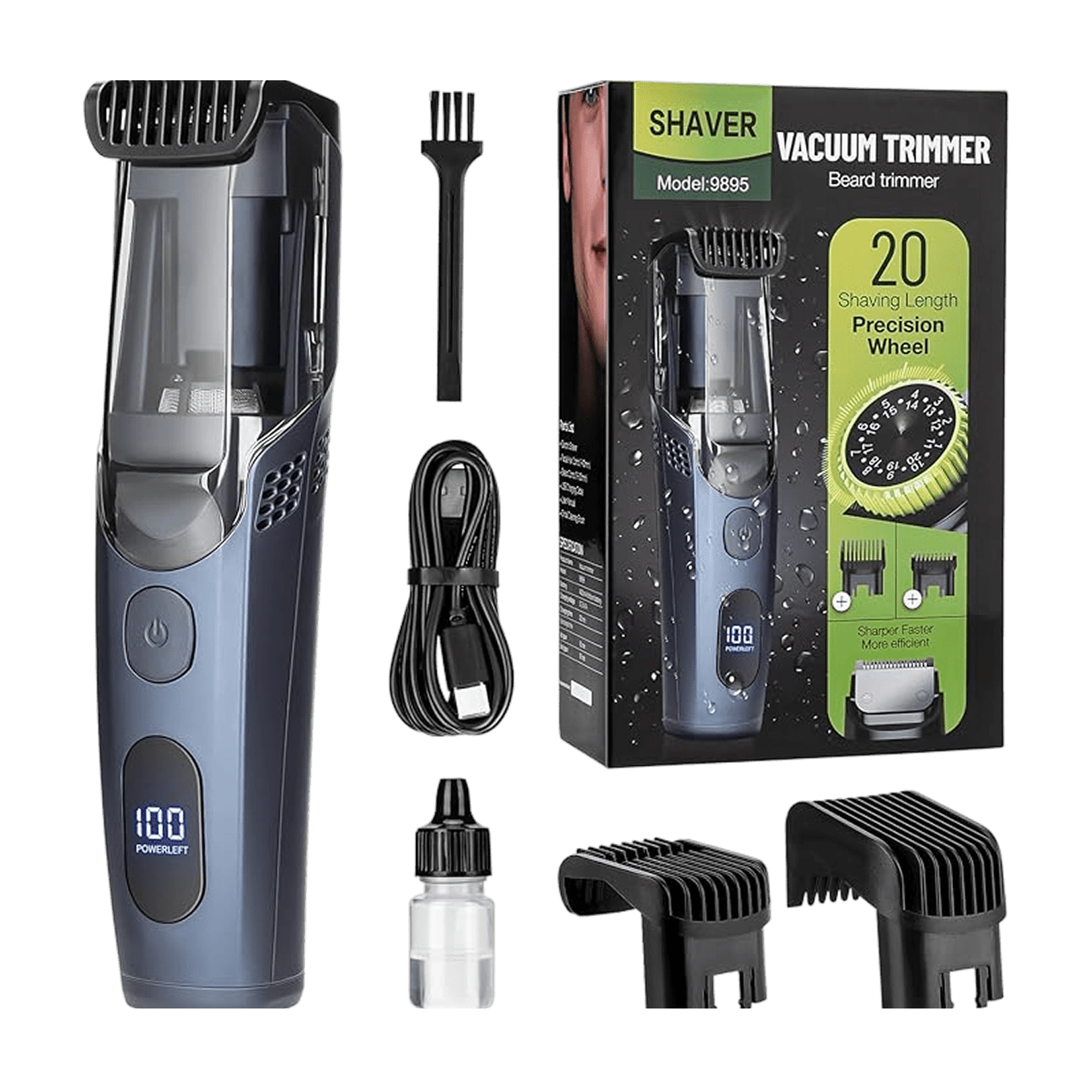
- Beard trimmer with adjustable guards (3mm–12mm range)
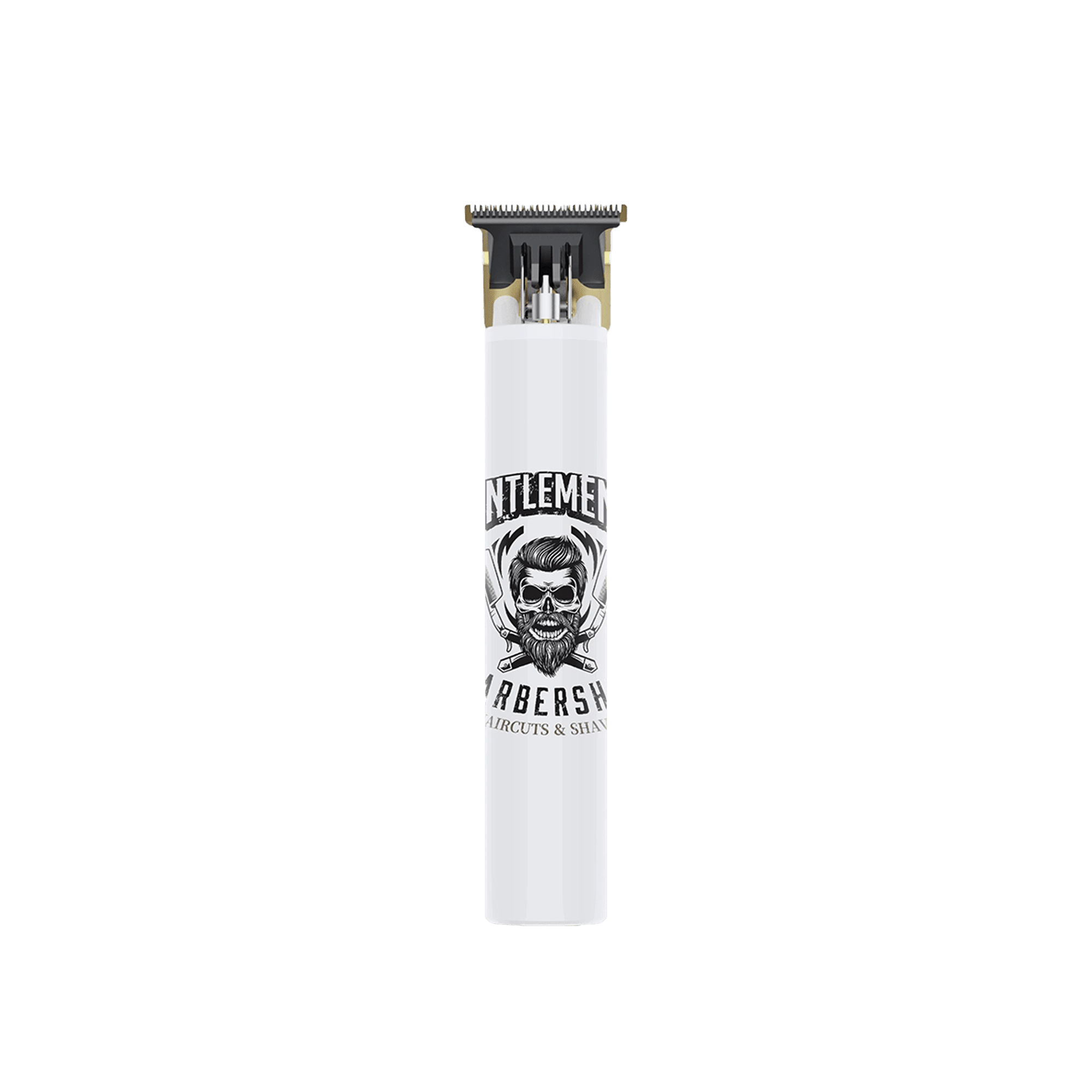
- Detail trimmer or T-blade for sharp edges
- Electric shaver for cheeks and neck
- Beard scissors for mustache detail work
- Handheld mirror to check symmetry
Step-by-Step Trimming Process
Establish Your Goatee Outline
- Identify the width (typically corners of your mouth)
- Mark the bottom edge (usually 1 inch below your chin)
- Connect the mustache to chin beard if doing a full goatee
Trim the Goatee Length
- Use a 6mm–9mm guard for a medium-length goatee
- Trim in downward strokes for even results
- Switch to a shorter guard (3mm) for goatee edges
Define Your Sideburns
- Decide on length: ear-top, mid-ear, or ear-bottom
- Use the same guard length on both sides
- Trim against the grain for a cleaner line
Create the Fade or Disconnect
- Disconnected: Shave cheeks completely smooth with a foil shaver for clean results
- Connected: Use decreasing guard lengths (9mm → 6mm → 3mm) to fade from sideburns to goatee
Edge and Detail Work
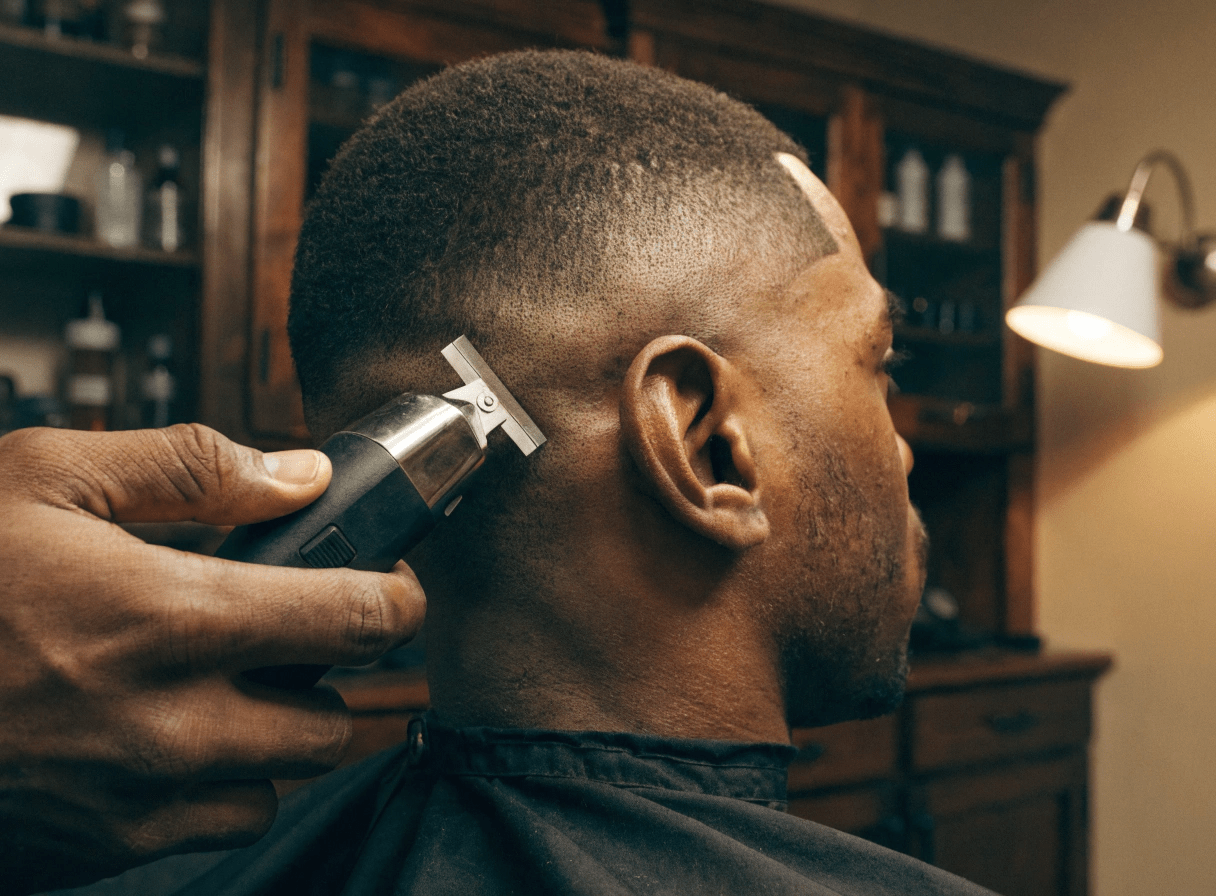
- Switch to a zero-gap detail trimmer
- Outline goatee perimeter with precise lines
- Clean up the neck below the jawline
- Define sideburn edges (front and back)
Final Touches
- Trim stray hairs with scissors
- Apply beard oil to the goatee
- Check symmetry with a second mirror
Maintenance Schedule and Tips
Daily Routine
- Comb goatee downward to check for uneven spots
- Spot-trim any hairs that extend beyond your outline
Every 2-3 Days
- Shave cheeks and neck to maintain the disconnect
- Re-define sideburn edges
- Apply beard oil or balm
Weekly Deep Maintenance
- Trim goatee and sideburns to desired length
- Scissors-trim mustache hairs that overhang the lip
- Exfoliate skin beneath the goatee to prevent ingrown hairs
Monthly Check-In
- Reassess your style—does it still suit your face?
- Adjust goatee width or sideburn length if needed
- Replace trimmer blades if you notice pulling or tugging
Common Mistakes to Avoid
Over-Trimming the Goatee Width
Many men trim the goatee too narrow, creating an unbalanced look. Keep the goatee at least as wide as your nostrils.
Uneven Sideburn Lengths
Always mark both sideburns at the same ear landmark before trimming. Check in a mirror after each pass.
Neglecting the Neckline
A clean neckline is critical. Shave everything below your jawline to prevent a "neck beard" appearance.
Skipping Oil or Balm
Dry facial hair looks dull and feels coarse. Use a lightweight beard oil daily to add shine and softness.
Using Dull Blades
Dull trimmer blades pull hair instead of cutting cleanly, leading to irritation and uneven results. Sharpen or replace blades regularly.
Product Recommendations for Goatee and Sideburns Care

While maintaining sideburns and goatee styles, having reliable tools makes all the difference:
- For Precision Edges: Look for T-blade or detail trimmers that can create sharp lines along the goatee perimeter and sideburn edges
- For Length Maintenance: Adjustable beard trimmers with multiple guard attachments (1mm–12mm) handle everything from stubble to full goatees
- For Smooth Cheeks: Electric shavers with foil or rotary heads provide irritation-free results on clean-shaven areas
Styling Variations by Lifestyle
Corporate Professional
- Style: Disconnected goatee with short, neat sideburns
- Length: 3mm–6mm goatee; sideburns to mid-ear
- Maintenance: Daily cheek shaving, weekly trimming
Creative/Casual
- Style: Faded sideburns connected to extended goatee
- Length: 6mm–12mm goatee; sideburns to ear-bottom or below
- Maintenance: Every 2-3 days for edges, bi-weekly length trim
Rugged/Outdoorsy
- Style: Full goatee with thick, natural sideburns
- Length: 9mm+ goatee; long sideburns to jawline
- Maintenance: Weekly trimming, minimal edge work
Frequently Asked Questions
Do women find goatee and sideburns attractive?
Preferences vary widely, but many women appreciate a well-groomed goatee and sideburns combination because it signals attention to personal care. The key is keeping edges clean and the style balanced with your face shape. A scruffy, unkempt look generally gets less favorable feedback than neatly trimmed facial hair.
What face shape suits a goatee and sideburns best?
Oval faces have the most versatility and can pull off almost any goatee and sideburn combination. Round faces benefit from extended goatees that add length, while square faces look best with full goatees that soften angular jaws. Heart-shaped faces pair well with Van Dyke goatees and medium sideburns.
How do I connect my sideburns to my goatee?
To create a connected look, grow facial hair along your jawline for 2-3 weeks. Then use a beard trimmer with a 6mm guard to establish a thin line from sideburns to goatee. Gradually fade the cheeks upward using shorter guards (3mm, then 1.5mm) to create a natural transition. Use a detail trimmer to sharpen the upper cheek line.
Can I have a goatee with sideburns if I have patchy cheeks?
Absolutely. The disconnected style (clean-shaven cheeks) is specifically designed for men with patchy or slow cheek growth. Focus on growing a full goatee and well-defined sideburns, then keep the cheeks smooth. This creates a deliberate, styled appearance rather than trying to cover sparse areas.
How often should I trim my goatee and sideburns?
For length maintenance, trim every 7-10 days. For edge work and cheek shaving, maintain every 2-3 days. If you prefer a sharper look or work in a professional setting, daily touch-ups on the cheek and neck areas keep you looking polished.
What's the difference between a goatee with sideburns and a full beard?
A goatee with sideburns leaves the cheeks either clean-shaven or minimally covered with a thin connecting line. A full beard has substantial hair growth across the entire cheek area. The goatee-sideburns combo requires less growth time, works for patchy growers, and offers a more defined, sculpted look.
Conclusion
Goatee and sideburns styles offer a perfect middle ground between clean-shaven and full beard, giving you facial definition without extensive growth or maintenance. Whether you prefer the professional disconnected look or a more casual connected fade, the key is consistent trimming, sharp edges, and choosing a style that complements your face shape. Ready to refine your look? Explore our collection of beard trimmers to find the precision tools that make maintenance effortless.

Looking for something else?

How to Cut Baby Boy Hair with Clippers: Step-by-Step Guide
LEARN MORE
Do Hair Clippers Get Dull? Causes, Signs & Prevention
LEARN MORE
Can an Electric Shaver Cut You? Safety Facts & Prevention
LEARN MORE
How to Shave Balls with Electric Shaver: Safe Guide
LEARN MORELooking for something else?

Does Using Trimmer Increase Hair Growth? Facts & Myths
LEARN MORE
Best Hair Clippers for Men: Top Picks for Home & Pro Use
LEARN MORE
Best Professional Hair Clippers for Barbers: Top Picks
LEARN MOREYou may also like


Electric Shaver Y4


Y4T9 Easy Start Kits
Further reading
Best Hair Clippers for Perfect Fades at Home
Clipper Lever Open vs Closed: What It Means (with mm)
Why You Need a Cordless Detailer Trimmer (And How to Pick the Right One)