





Shaving Your Head for the First Time: Complete Step-by-Step Guide
Shaving your head for the first time can feel intimidating, but with the right preparation, tools, and technique, you can achieve a smooth, confident result without nicks, irritation, or regret. This guide walks you through every step—from choosing between clippers and razors to post-shave care—so you can embrace the bald look with ease and style.
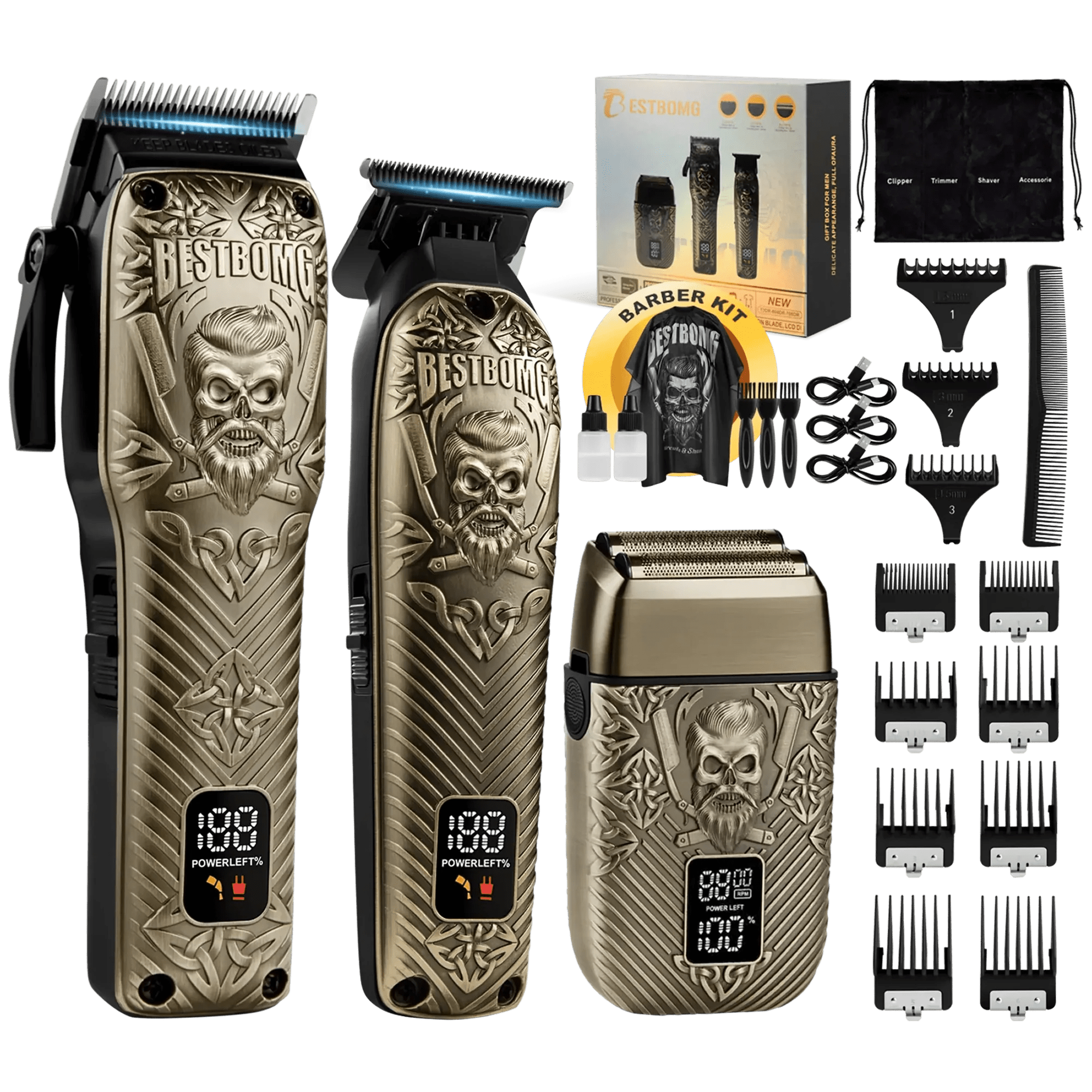
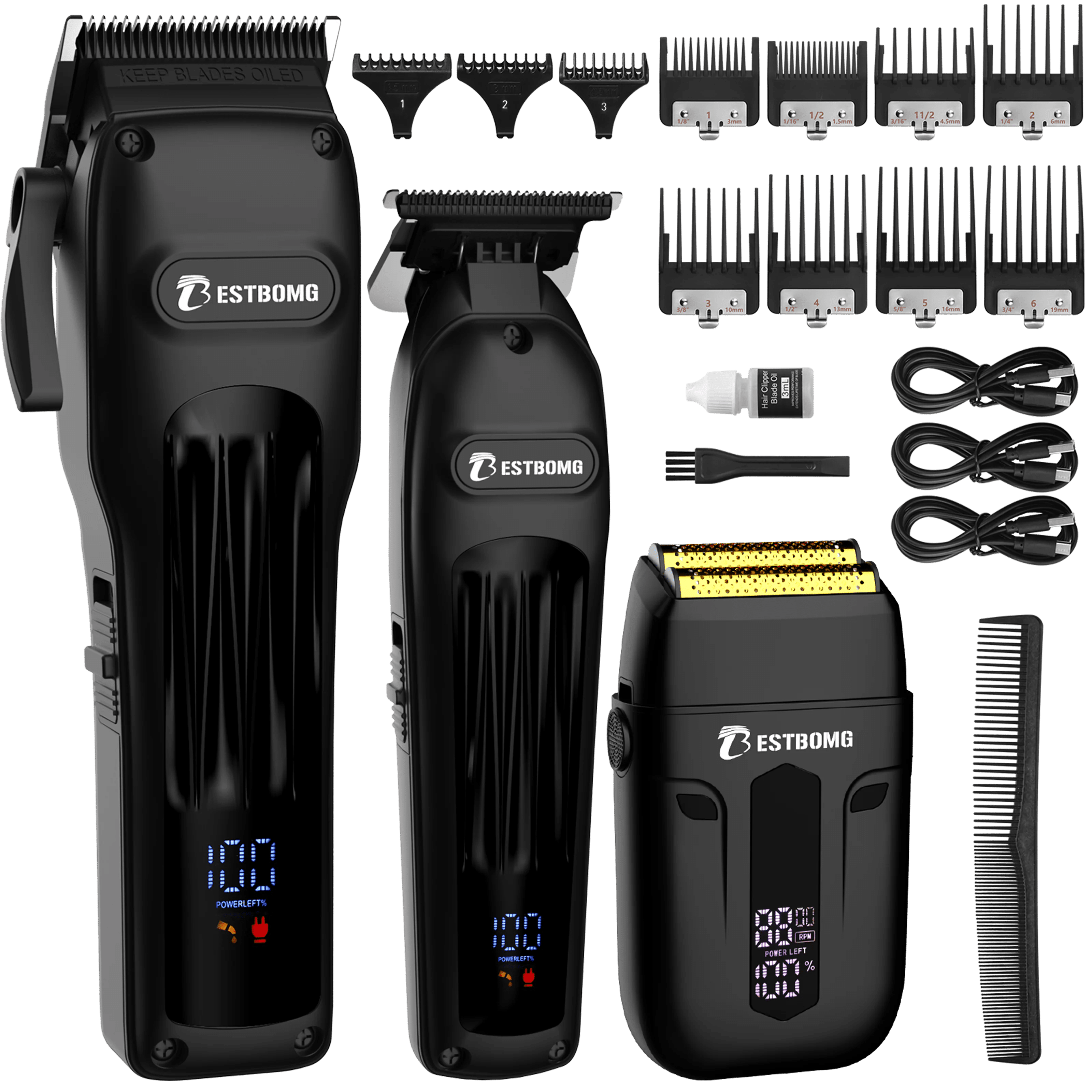
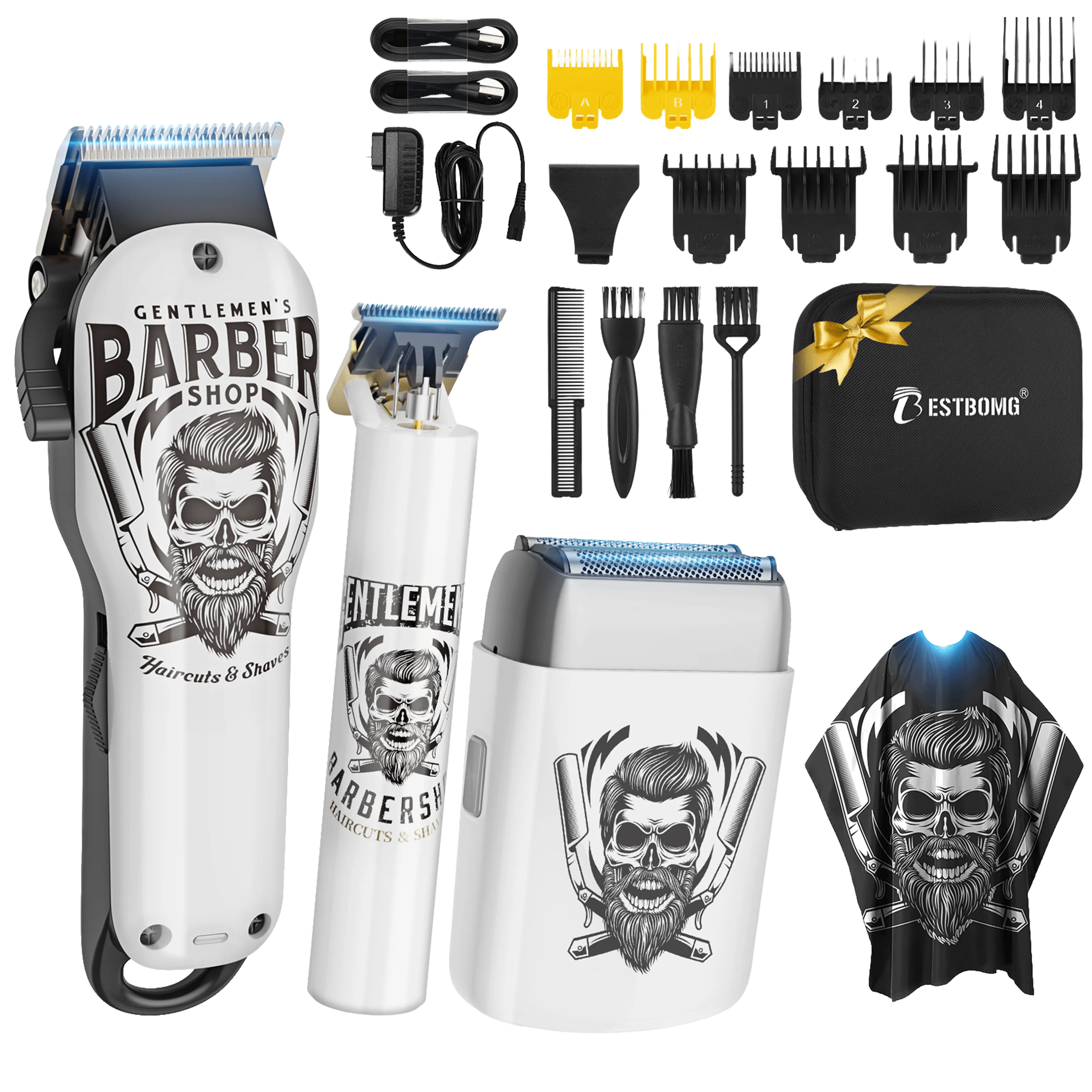
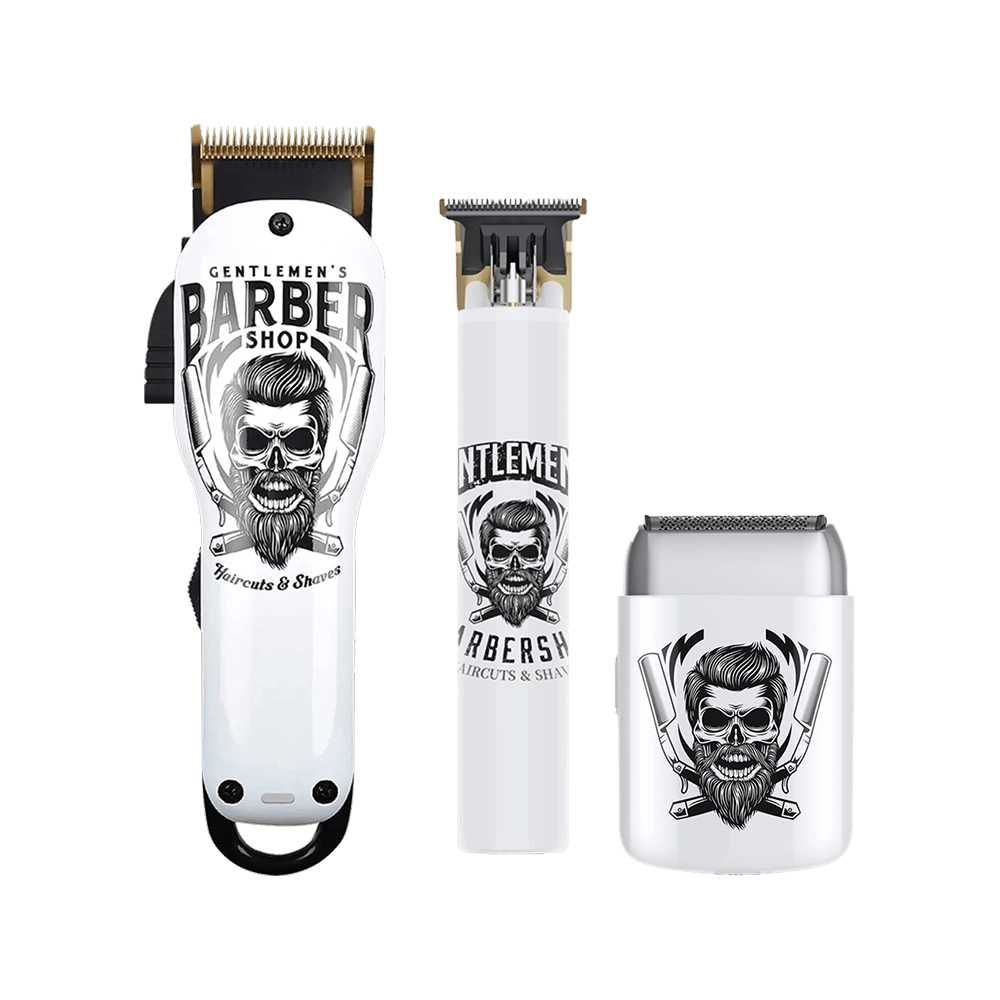
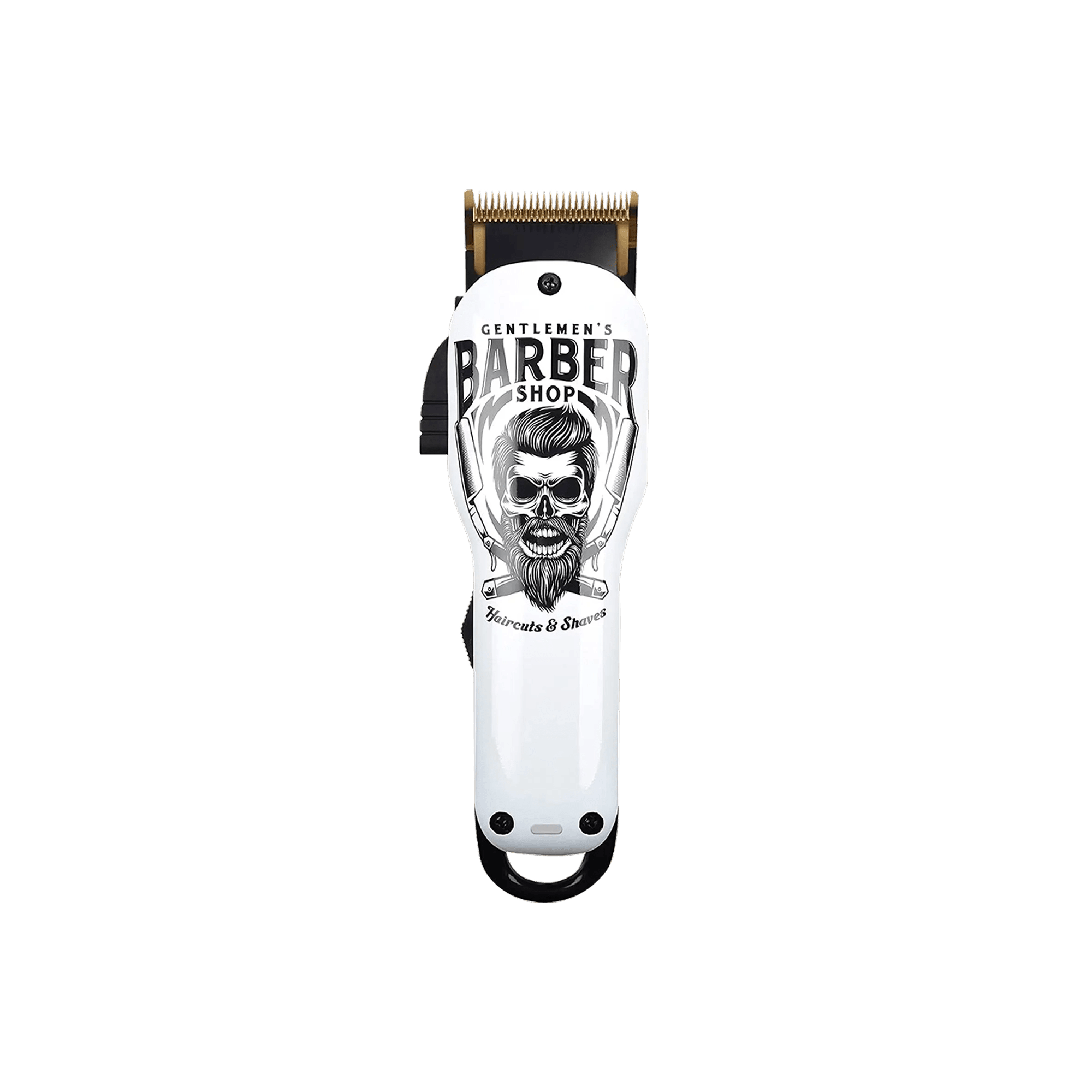
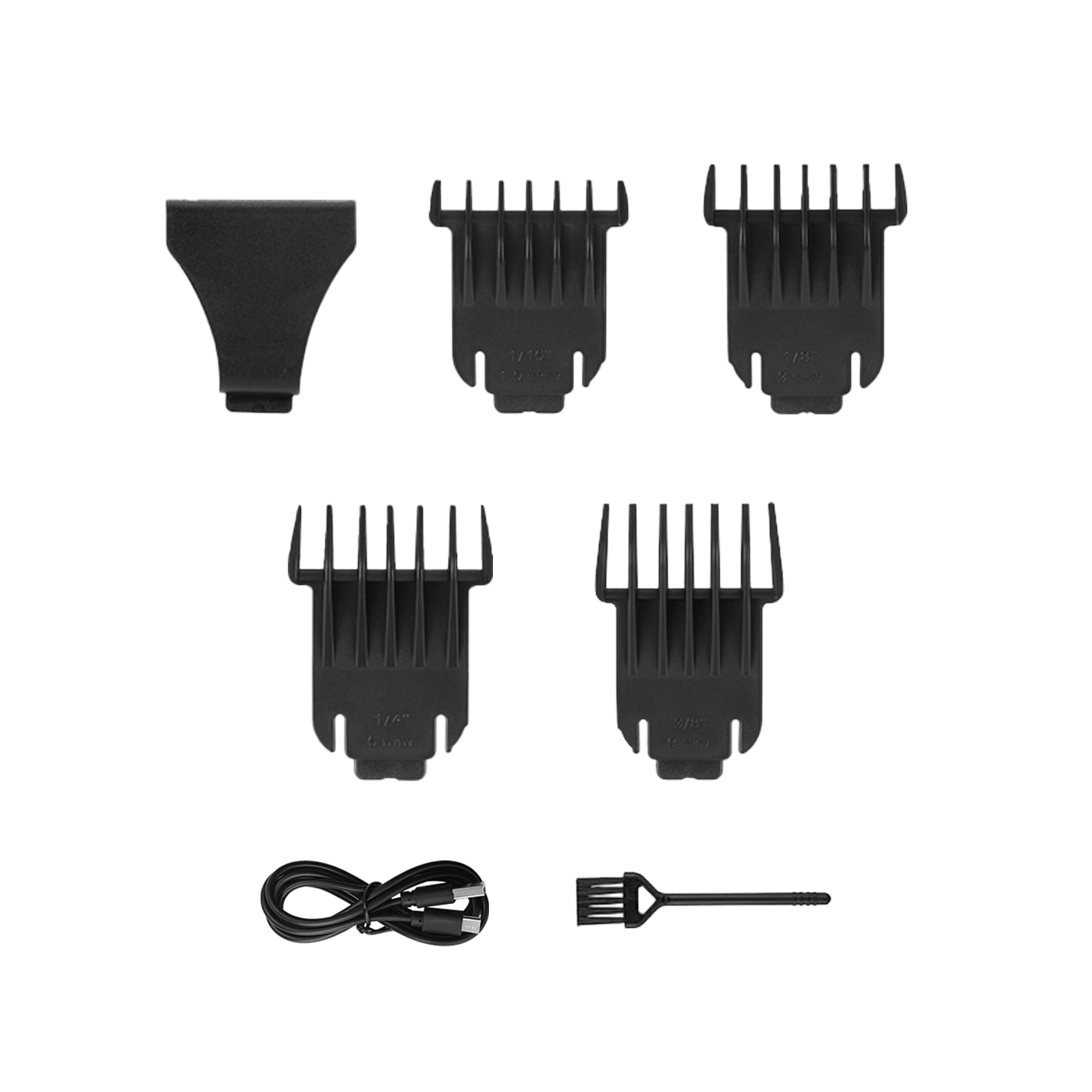
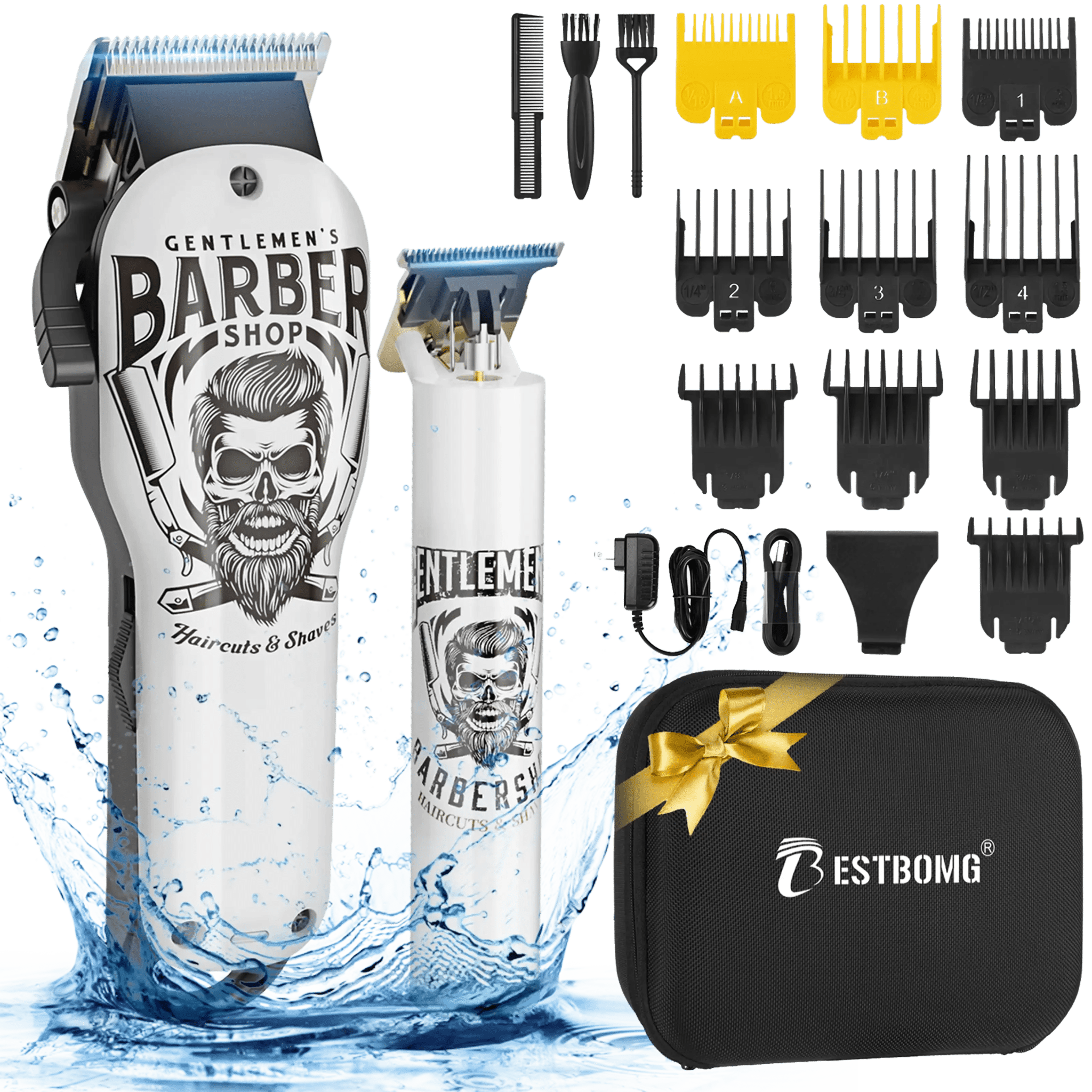
Whether you're going bald by choice or necessity, starting with quality hair clippers ensures a clean, even base before moving to a razor for that glass-smooth finish.
Why People Shave Their Heads
Hair Loss and Thinning
Many men shave their heads to take control of hair loss rather than fighting it. A clean-shaven head often looks sharper and more intentional than patchy or receding hair.
Low Maintenance
A shaved head eliminates shampoo, styling products, and barber visits. Daily upkeep takes minutes—just a quick rinse and occasional reshave.
Personal Style
From athletes to actors, the bald look conveys confidence, masculinity, and simplicity. It's a bold statement that works across ages and professions.
Comfort and Practicality
In hot climates or active lifestyles, a shaved head stays cooler and cleaner. Swimmers, military personnel, and outdoor workers often prefer this cut for practical reasons.
Tools You'll Need
|
Tool |
Purpose |
Why It Matters |
|
Hair clippers with guards |
Initial bulk removal |
Cuts long hair down to stubble before shaving |
|
Electric head shaver or safety razor |
Close, smooth finish |
Removes stubble for a glass-smooth scalp |
|
Shaving cream or gel |
Lubricates skin, reduces friction |
Prevents razor burn and nicks |
|
Pre-shave oil (optional) |
Softens hair, adds glide |
Helps razor move smoothly over contours |
|
Aftershave balm or moisturizer |
Soothes skin, prevents dryness |
Reduces irritation and redness |
|
Handheld mirror |
Checks back and sides |
Ensures even coverage and symmetry |
|
Towels |
Cleanup and drying |
Keeps workspace tidy |
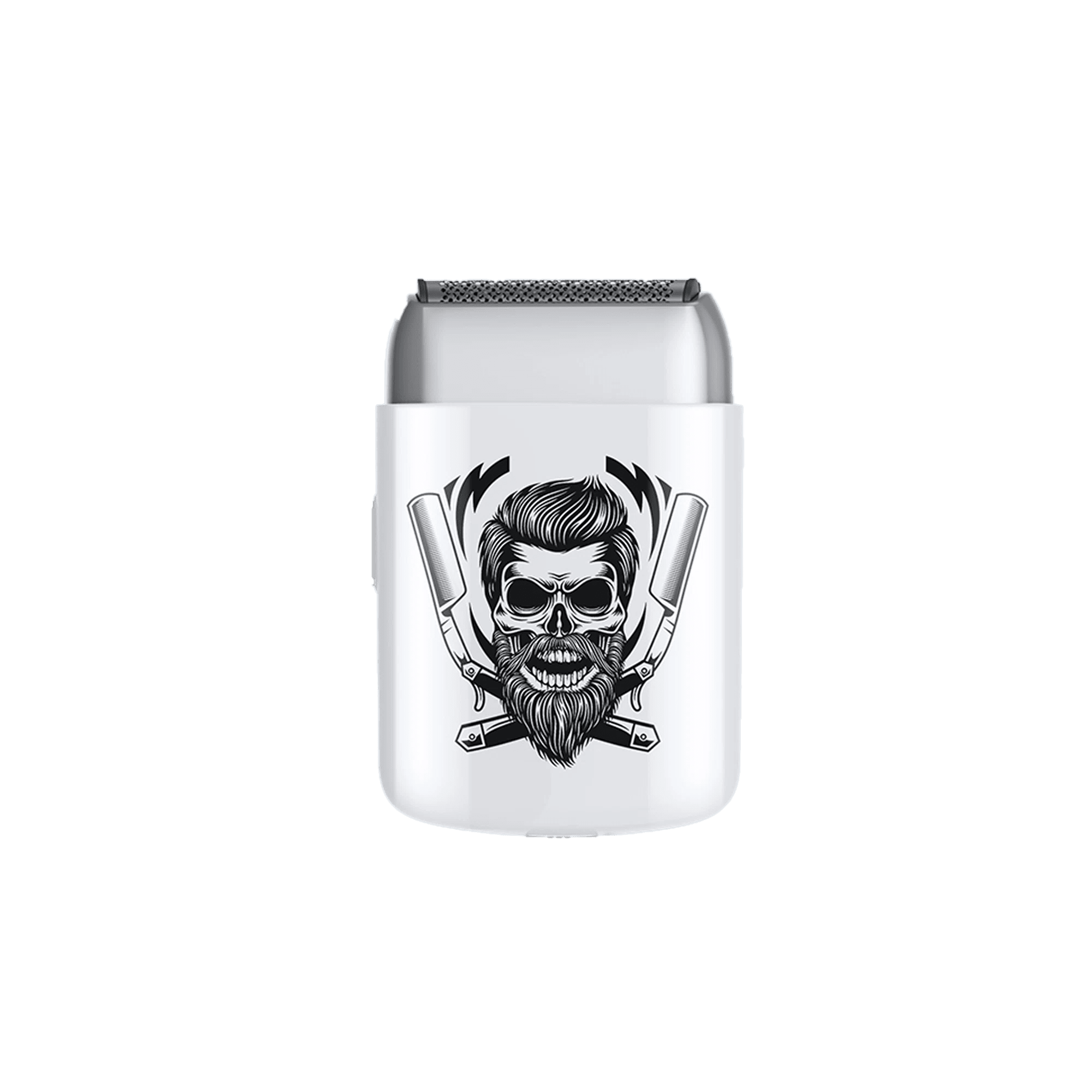
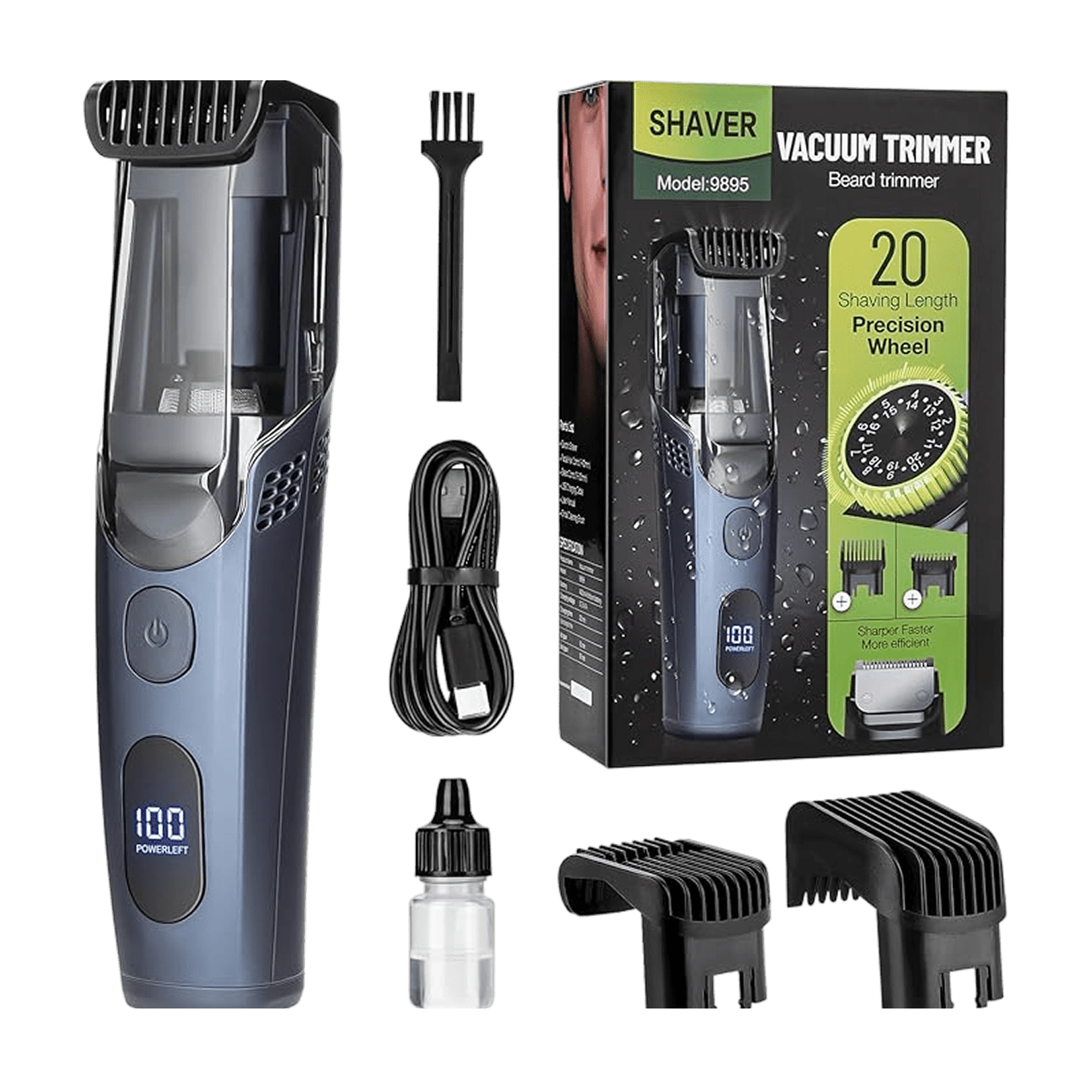
For a complete setup, consider an electric head shaver for a smooth dome that handles curves and contours with minimal effort.
Step-by-Step: How to Shave Your Head Bald for the First Time

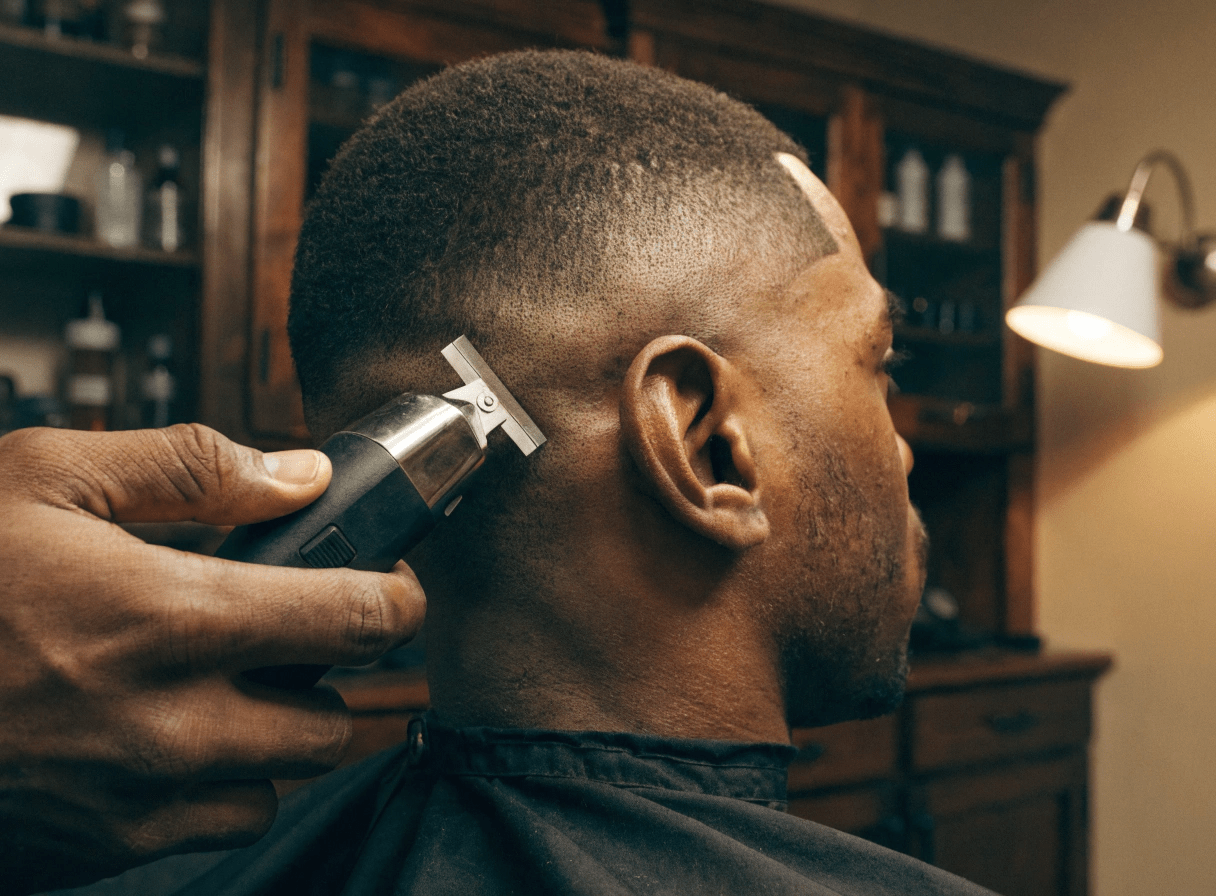
Step 1: Start with Clippers
If your hair is longer than ½ inch, use clippers first. Attempting to shave long hair directly with a razor clogs the blade and increases the risk of cuts.
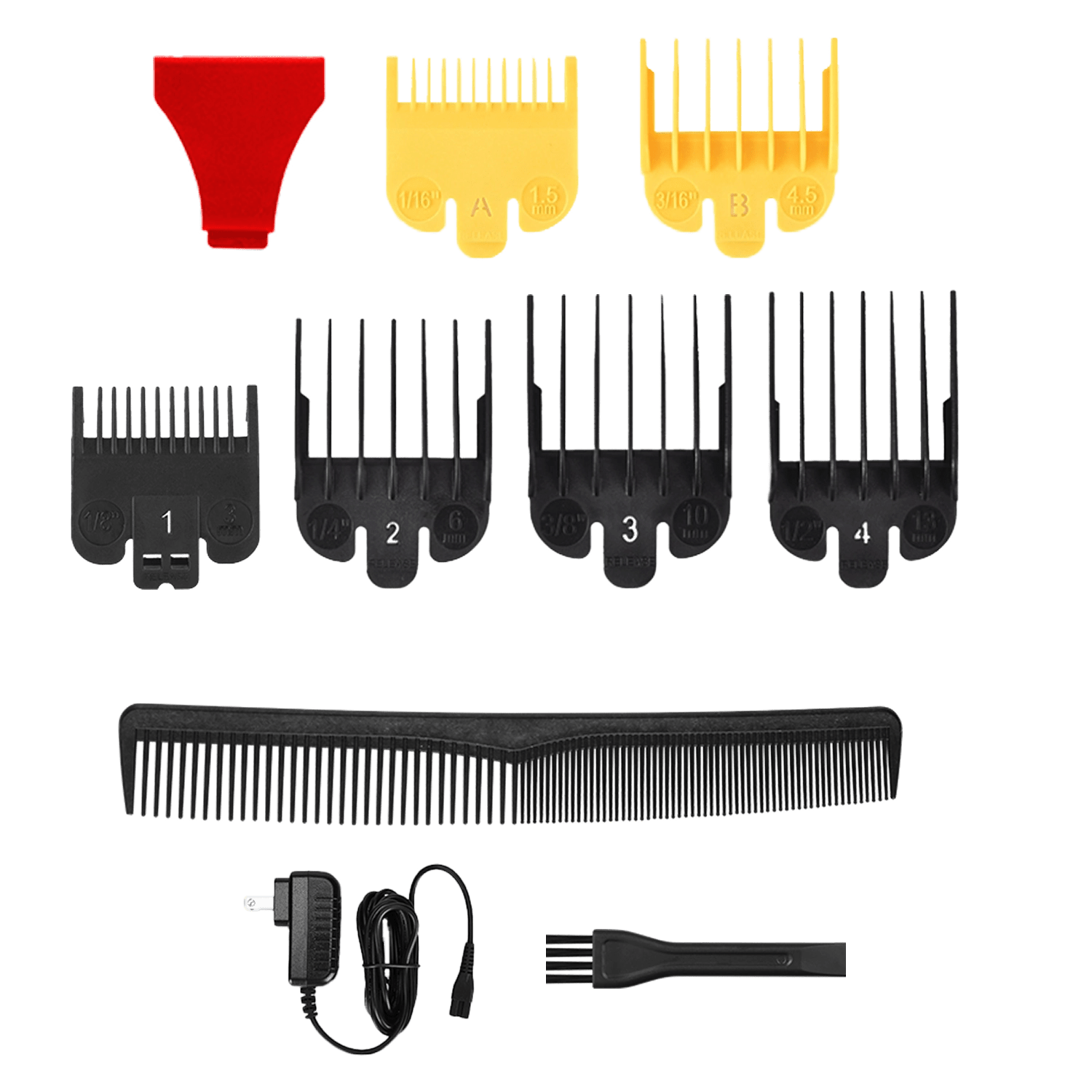
- Attach a #1 or #2 guard (3mm to 6mm) to your clippers.
- Buzz your entire head, moving against the grain in overlapping strokes.
- Remove the guard and go over the head again for a closer buzz, leaving just stubble.
This step reduces bulk and makes the final shave faster and safer.
Step 2: Shower and Prep
Take a warm shower to soften hair and open pores. Wet hair is 30% easier to cut than dry hair. If you can't shower, drench your head with warm water and let it sit for 2–3 minutes.
Apply pre-shave oil (optional but helpful) to add a protective layer between the razor and skin. This is especially useful if you have sensitive skin or coarse hair.
Step 3: Apply Shaving Cream
Use a generous amount of shaving cream or gel—enough to create a thick, visible layer across your entire scalp. Avoid foams that dry out quickly. Cream-based products stay slick longer and reduce friction.
Work the cream in circular motions to lift stubble away from the skin.
Step 4: Shave with the Grain First
Using a safety razor or electric shaver, make your first pass with the grain (the direction hair grows). This minimizes irritation and reduces the risk of ingrown hairs.
- Hold the skin taut with your free hand, especially around curves like the crown and behind the ears.
- Use short, light strokes—let the razor's weight do the work. Pressing hard causes nicks.
- Rinse the blade frequently to prevent clogging.
For technique basics, see this electric shaver guide on Wikipedia.
Step 5: Rinse and Check
Rinse your head with cool water and feel for missed spots. Common problem areas:
- Back of the head (use a handheld mirror)
- Behind the ears
- Hairline at the nape of the neck
Step 6: Optional Second Pass Against the Grain
For a glass-smooth finish, reapply shaving cream and shave against the grain. This cuts closer but increases irritation risk, so skip this step if your skin is sensitive.
Go slowly and use even lighter pressure than the first pass.
Step 7: Rinse and Pat Dry
Rinse with cool water to close pores. Pat your head dry with a clean towel—rubbing can irritate freshly shaved skin.
Step 8: Apply Aftershave Balm
Use an alcohol-free aftershave balm or moisturizer to soothe skin and prevent dryness. Look for products with aloe vera, witch hazel, or chamomile. Avoid cologne-based aftershaves—they sting and dry out the scalp.
Clippers vs. Razor: Which Should You Use?

Clippers Alone (Buzz Cut)
Pros:
- Fast and simple
- No risk of cuts or razor burn
- Good for testing the look before committing to fully bald
Cons:
- Leaves visible stubble (5 o'clock shadow effect)
- Not as smooth as a razor shave
Best for: First-timers, people with sensitive skin, or anyone who wants low-maintenance upkeep.
Razor (Full Bald)
Pros:
- Glass-smooth finish
- No visible stubble
- Clean, polished appearance
Cons:
- Takes longer
- Higher risk of nicks, cuts, and ingrown hairs
- Requires frequent maintenance (every 2–3 days)
Best for: People committed to the bald look who don't mind daily or near-daily shaving.
Electric Head Shaver
Pros:
- Faster than a manual razor
- Less irritation than blade shaving
- Works wet or dry
Cons:
- Not quite as smooth as a razor
- Requires charging and blade replacement
Best for: Balancing smoothness and convenience, especially for regular maintenance.
Tips for Shaving Your Head for the First Time

Go Slow
Your first shave will take 20–30 minutes. Rushing leads to missed spots, nicks, and uneven results. Set aside time when you're not in a hurry.
Use Two Mirrors
Position a wall-mounted mirror in front of you and hold a handheld mirror to view the back and sides. This ensures even coverage and helps you catch stray patches.
Don't Press Hard
Let the razor glide over your scalp with minimal pressure. Pressing hard doesn't give a closer shave—it just irritates skin and increases cut risk.
Shave in the Shower (Optional)
Many people find it easier to shave in the shower where water stays warm and cleanup is instant. Use a fogless mirror if you need visual guidance.
Moisturize Daily
Even on non-shave days, apply moisturizer or sunscreen to your scalp. Bald heads are exposed to sun, wind, and dry air—hydration prevents flaking and discomfort.
Post-Shave Care and Maintenance
Immediate Aftercare
- Cool rinse: Closes pores and reduces redness.
- Alcohol-free balm: Soothes irritation.
- Avoid sun exposure: Stay out of direct sunlight for 24 hours, or wear a hat.
Daily Maintenance
- Moisturize: Apply a lightweight, non-comedogenic moisturizer every morning.
- Sunscreen: Use SPF 30+ daily—scalps burn easily and are prone to sun damage.
Reshaving Schedule
- Razor shave: Every 2–3 days to maintain smoothness.
- Electric shaver: Every 2–4 days, depending on growth speed.
- Clippers (stubble look): Once a week.
Dealing with Irritation
If you experience redness, bumps, or itching, you may have razor burn. To treat it:
- Apply aloe vera gel or hydrocortisone cream.
- Avoid shaving until irritation clears (usually 2–3 days).
- Switch to an electric shaver or trim with clippers instead.
For persistent issues like ingrown hairs, see a dermatologist.
Common Mistakes to Avoid
Skipping the Clippers
Trying to shave long hair directly with a razor clogs blades, causes tugging, and increases cut risk. Always buzz down to stubble first.
Using Dull Blades
A dull razor tugs instead of cutting cleanly. Replace disposable blades after 5–7 shaves, and sharpen or replace cartridge razors every 3–4 weeks.
Dry Shaving
Shaving without water or cream creates severe friction, leading to razor burn, cuts, and ingrown hairs. Always prep with moisture.
Ignoring the Back of Your Head
The back and sides are easy to miss. Use mirrors and feel with your hand to check for uneven spots.
Over-Shaving in One Session
Multiple passes against the grain in one session strips away protective skin oils and causes irritation. Limit yourself to one with-the-grain pass and one optional against-the-grain pass.
What to Expect After Your First Head Shave
Initial Discomfort
Your scalp may feel sensitive for the first 24–48 hours. This is normal—skin that's been covered by hair for years needs time to adjust.
Temperature Sensitivity
You'll notice heat and cold more intensely. Wear a hat in winter and apply sunscreen in summer.
Faster Perceived Growth
Hair doesn't actually grow faster after shaving, but stubble is more noticeable on a bald head. Expect to see visible regrowth within 2–3 days.
Confidence Boost
Many first-timers report feeling more confident and liberated after shaving their heads. The look requires no styling, works in all settings, and projects self-assurance.
Frequently Asked Questions
How long does it take to shave your head for the first time?
Plan for 20–30 minutes for your first shave, including clipping, prep, shaving, and cleanup. With practice, the process shortens to 10–15 minutes.
Should I use clippers or a razor for my first head shave?
Start with clippers to buzz hair down to stubble, then decide if you want the extra smoothness of a razor. Clippers alone are safer and faster for beginners.
How often do I need to shave my head?
For a smooth, bald look, shave every 2–3 days. If you're maintaining a buzzed stubble with clippers, once a week is sufficient.
Will shaving my head make my hair grow back thicker?
No. Shaving does not change hair texture, thickness, or growth rate. This is a myth—hair feels coarser after shaving because blunt-cut ends are more noticeable than natural tapered tips.
What's the best way to avoid razor burn on my head?
Prep with warm water and shaving cream, shave with the grain first, use light pressure, rinse the blade frequently, and apply alcohol-free aftershave balm immediately after shaving.
Can I shave my head with an electric shaver?
Yes. An electric head shaver provides a close, smooth finish with less irritation than a manual razor. It's ideal for regular maintenance and works wet or dry.
Conclusion
Shaving your head for the first time requires the right tools, careful preparation, and patience, but the result is a clean, confident look that's easy to maintain. By starting with clippers, prepping properly, shaving with the grain, and following up with moisturizer and sunscreen, you'll avoid common mistakes and achieve a smooth finish you can be proud of.
Ready to take the leap? Explore electric shavers designed specifically for head shaving, with contoured heads and skin-friendly blades that make maintenance effortless.

Looking for something else?

How to Cut Baby Boy Hair with Clippers: Step-by-Step Guide
LEARN MORE
Do Hair Clippers Get Dull? Causes, Signs & Prevention
LEARN MORE
Can an Electric Shaver Cut You? Safety Facts & Prevention
LEARN MORE
How to Shave Balls with Electric Shaver: Safe Guide
LEARN MORELooking for something else?

Does Using Trimmer Increase Hair Growth? Facts & Myths
LEARN MORE
Best Hair Clippers for Men: Top Picks for Home & Pro Use
LEARN MORE
Best Professional Hair Clippers for Barbers: Top Picks
LEARN MOREYou may also like


Further reading
Best Hair Clippers for Perfect Fades at Home
Clipper Lever Open vs Closed: What It Means (with mm)
Why You Need a Cordless Detailer Trimmer (And How to Pick the Right One)