





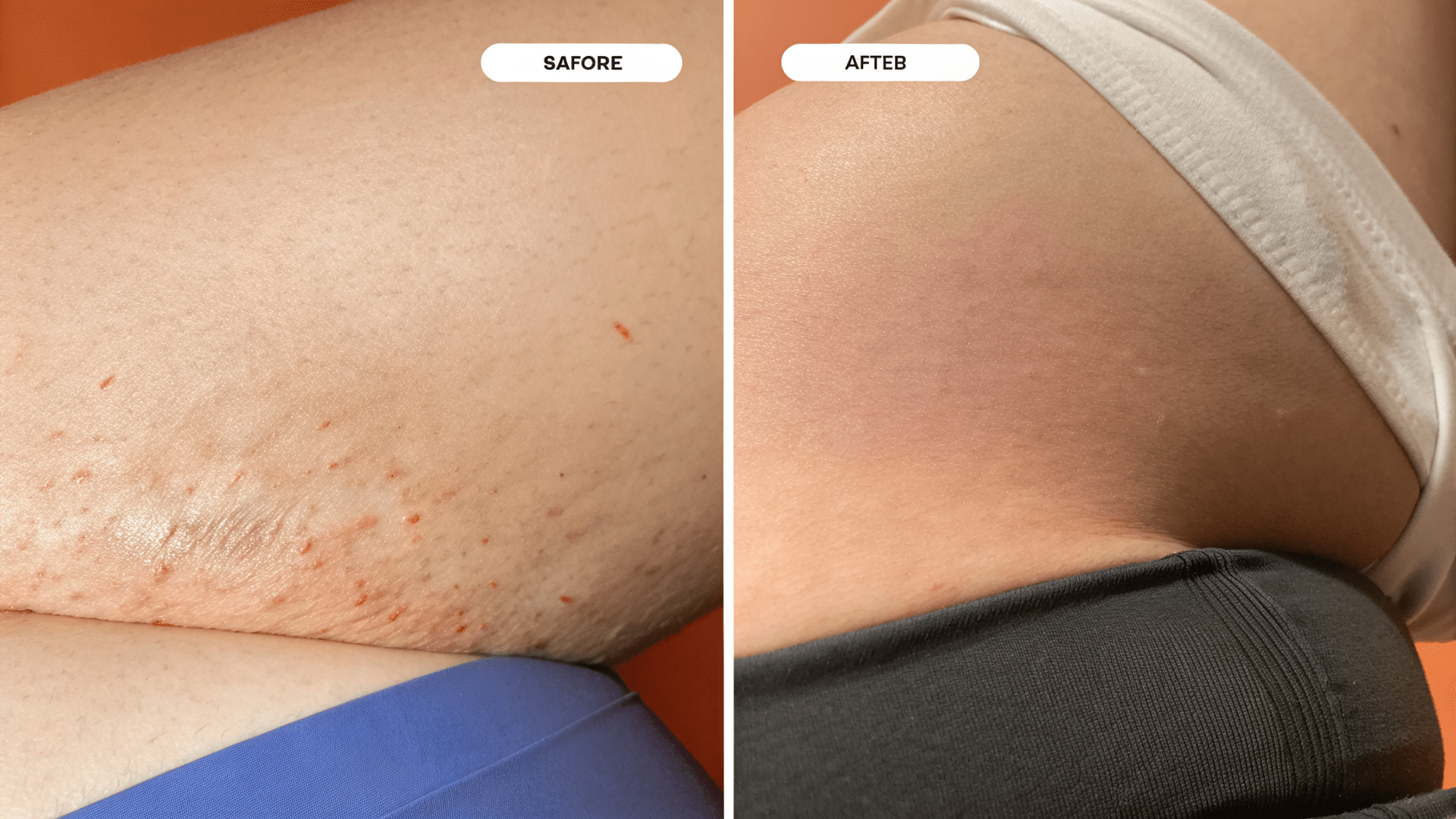
How Long Does It Take for Pubic Hair to Grow Back?
Pubic hair grows back at a rate of roughly 0.5 inches per month after shaving, with most people noticing visible stubble within 3–7 days and full regrowth to pre-shave length in 4–6 weeks. Growth speed varies based on genetics, age, hormones, and the removal method you used.
This guide explains the science behind pubic hair growth, debunks common myths about shaving, and offers tips for managing regrowth comfortably.If you're looking for safer, longer-lasting grooming methods, explore body hair trimmers for men that trim without the irritation of close shaving.
Understanding Pubic Hair Growth Cycles
The Three Growth Phases
All body hair, including pubic hair, follows a predictable cycle with three phases:
|
Phase |
Duration |
What Happens |
|
Anagen (Growth) |
2–6 months |
Active growth; hair follicle produces new cells |
|
Catagen (Transition) |
2–3 weeks |
Growth stops; follicle detaches from blood supply |
|
Telogen (Resting) |
3–4 months |
Hair rests, then sheds; new hair begins forming |
Pubic hair spends less time in the anagen phase than scalp hair, which is why it reaches a maximum length of 1–2 inches and then stops. Scalp hair, by contrast, can grow for years before shedding.
Why Pubic Hair Feels Like It Grows Back Faster
Pubic hair doesn't actually grow faster than other body hairit just appears to grow back quickly because:
- Thicker diameter: Pubic hair is coarser, so stubble is more noticeable within days.
- Darker pigment: The contrast against skin makes regrowth visible sooner.
- Sensitive skin: The pubic area has more nerve endings, so you feel stubble earlier.
For more on hair biology, see this hair follicle overview on Wikipedia.
How Long Pubic Hair Takes to Grow Back by Method

Shaving (Razor or Electric Shaver)
- Stubble visible: 1–3 days
- Noticeable length: 5–7 days
- Full regrowth: 4–6 weeks
Shaving cuts hair at the skin surface, leaving the follicle intact and active. Regrowth is immediate and often feels prickly as blunt-cut ends emerge.
Trimming (Clippers or Scissors)
- No true "regrowth" period: You're cutting hair to a chosen length, not removing it entirely.
- Maintenance needed: Every 1–2 weeks, depending on how short you trim.
Trimming is the gentlest optionit avoids razor burn, ingrown hairs, and the itchy stubble phase that follows shaving.
Waxing
- Stubble visible: 10–14 days
- Noticeable length: 3–4 weeks
- Full regrowth: 6–8 weeks
Waxing removes hair from the root, forcing the follicle to start a new growth cycle. Repeated waxing can weaken follicles over time, leading to thinner regrowth.
Depilatory Creams (Nair, Veet)
- Stubble visible: 3–5 days
- Noticeable length: 7–10 days
- Full regrowth: 4–6 weeks
Chemical depilatories dissolve hair just below the skin surface. Regrowth is slightly slower than shaving but faster than waxing, and hair returns with softer tips rather than blunt ends.
Laser Hair Removal
- Initial regrowth: 2–3 weeks (hair sheds gradually)
- Long-term: 6–12 months before touch-ups needed
- Permanent reduction: After 6–8 sessions, some follicles stop producing hair permanently
Laser targets the follicle's pigment, damaging it so it produces thinner, slower-growing hair or stops altogether.
Does Shaving Make Pubic Hair Grow Back Faster or Thicker?

The Short Answer: No
Shaving does not stimulate hair growth or change the follicle's structure. This is a persistent myth rooted in perception, not biology.
Why People Think It Does
- Blunt tips: Shaved hair has a flat, blunt end that feels coarser than natural, tapered tips.
- Faster visibility: Because shaving removes hair at the surface, stubble appears almost immediatelycreating the illusion of accelerated growth.
- Increased awareness: After shaving, you're more conscious of the area and notice every millimeter of regrowth.
Multiple studies confirm that shaving has zero impact on hair thickness, color, or growth rate. For a detailed breakdown, see this pseudofolliculitis barbae resource on post-shave irritation.
Factors That Affect Pubic Hair Growth Speed

Genetics
Your DNA determines your hair's growth rate, thickness, and texture. If your family members have fast-growing, coarse body hair, you likely will too.
Hormones
- Androgens (testosterone, DHEA): Stimulate pubic hair growth during puberty and maintain it in adulthood. Higher androgen levels generally mean faster, thicker growth.
- Estrogen: Slows body hair growth in women; hormonal birth control or menopause can reduce pubic hair density.
- Thyroid hormones: Imbalances (hypo- or hyperthyroidism) can slow or accelerate hair growth across the body.
Age
Hair growth peaks in your late teens and twenties, then gradually slows. By your 40s and 50s, pubic hair may thin, gray, or grow more slowly.
Nutrition
Protein, biotin, zinc, and iron support healthy hair follicles. Deficiencies can slow growth or cause hair to become brittle and prone to breakage.
Removal Method
Repeated waxing or laser treatments weaken follicles over time, leading to slower, sparser regrowth. Shaving and trimming leave follicles intact, so growth speed remains consistent.
Managing Regrowth: Tips to Reduce Discomfort
Switch to Trimming Instead of Shaving
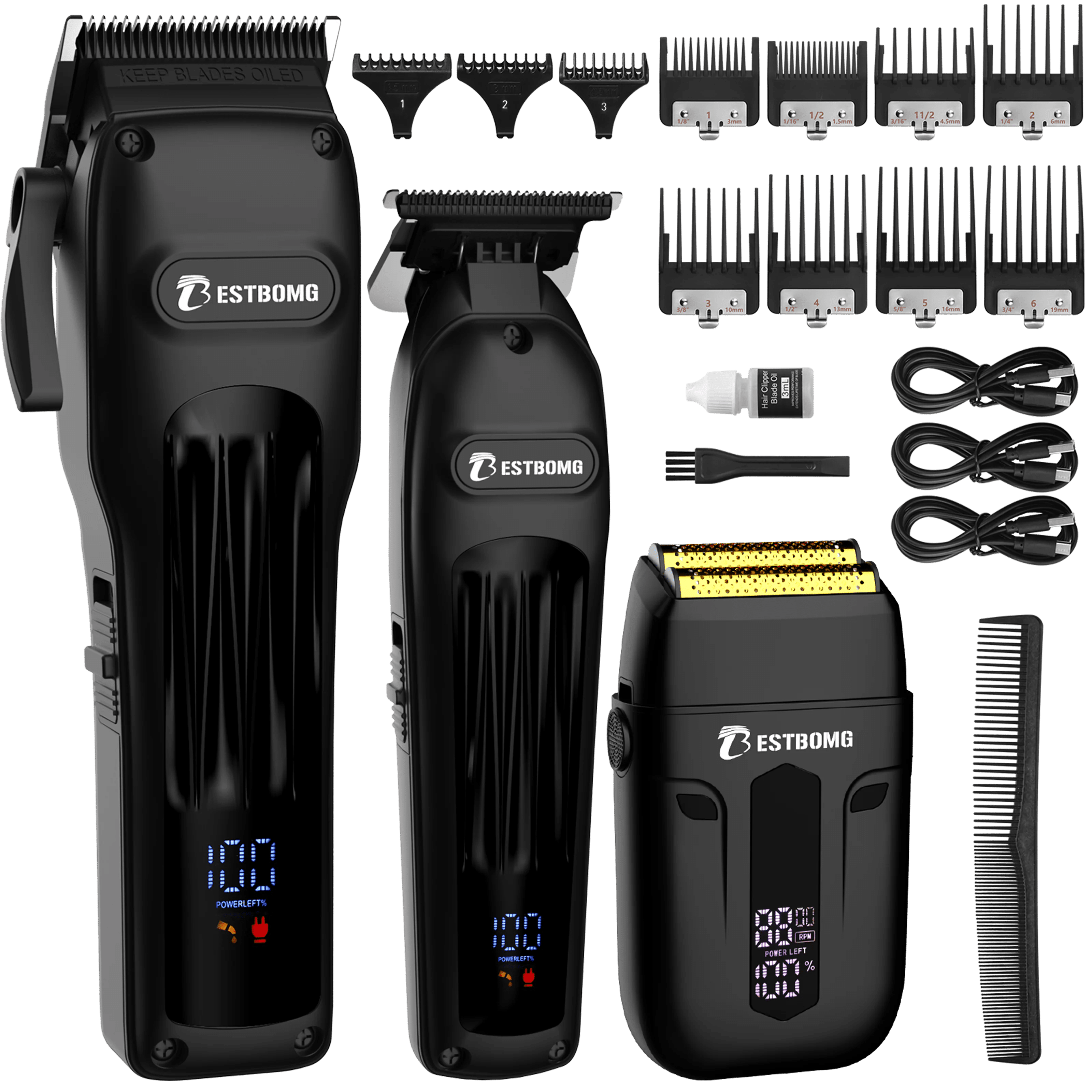
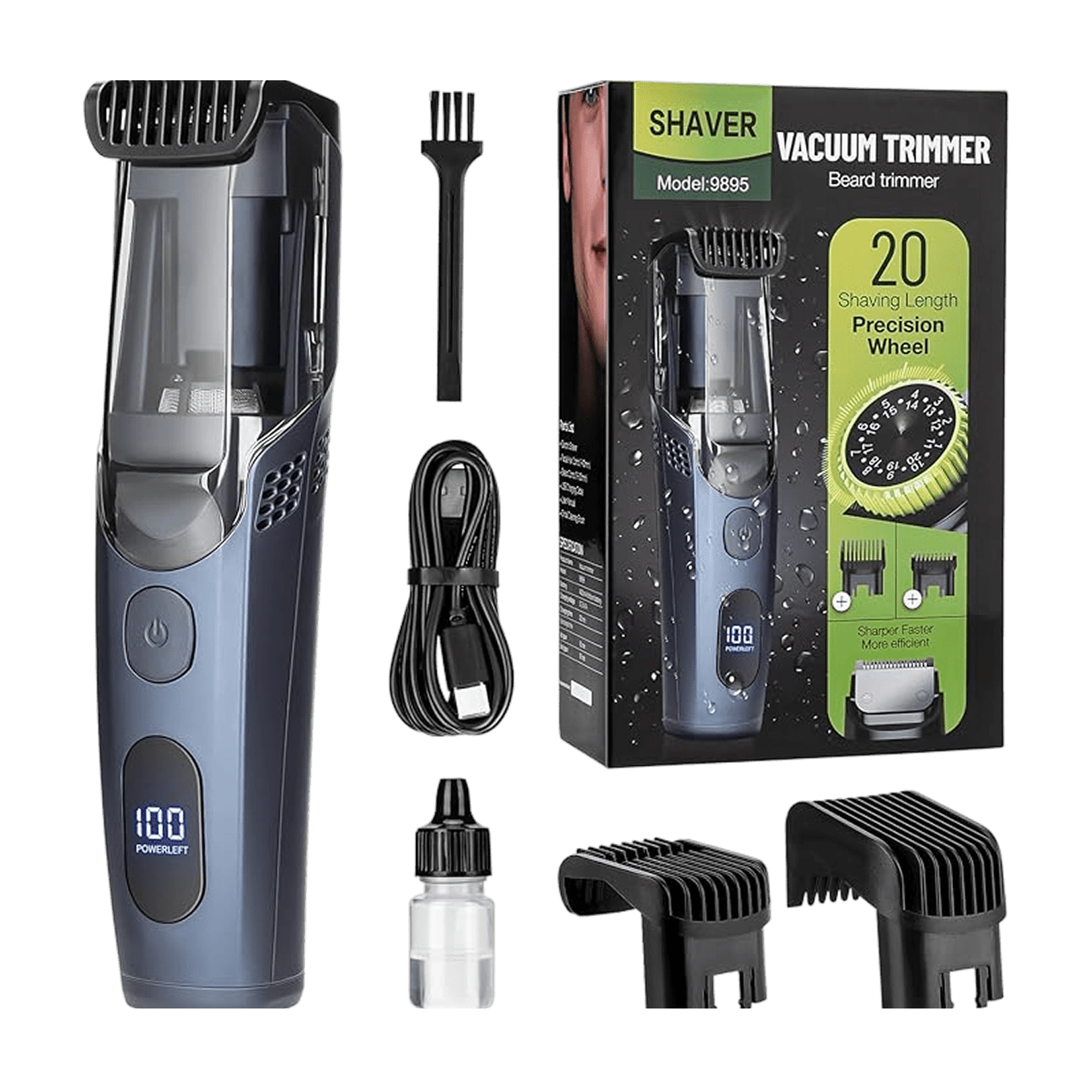
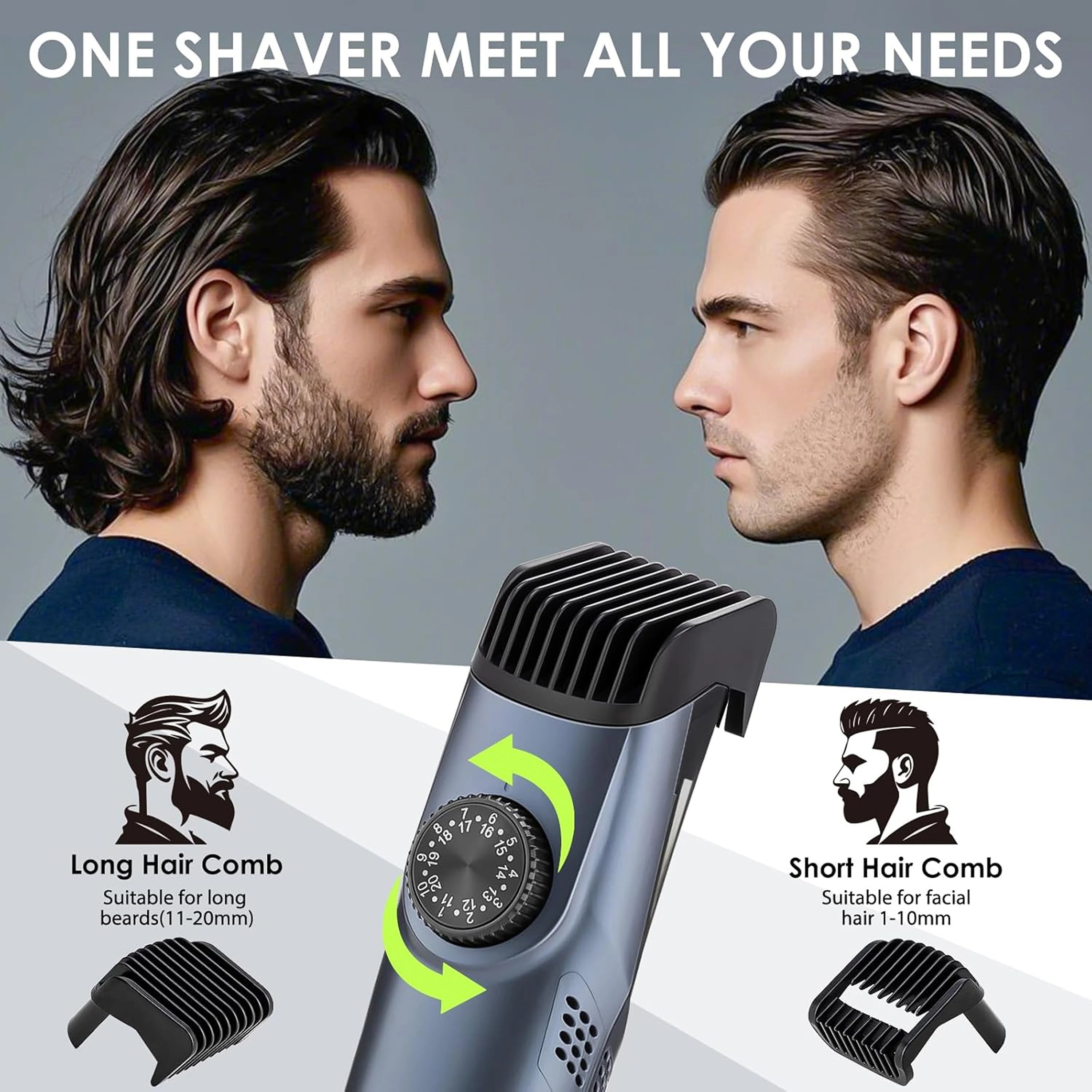
Trimming to 3mm to 6mm using a guarded best pubic hair trimmer for men avoids the itchy stubble phase entirely. You maintain a groomed appearance without razor burn, ingrown hairs, or discomfort.
Exfoliate Before and After Hair Removal
Use a gentle scrub or exfoliating glove 24 hours before and 48 hours after shaving or waxing. This removes dead skin cells, lifts trapped hairs, and prevents ingrown hairs.
Moisturize Daily
Apply a fragrance-free, alcohol-free moisturizer or soothing balm (aloe vera, witch hazel) to keep skin hydrated and reduce itching during regrowth.
Avoid Tight Clothing Immediately After Grooming
Tight underwear or pants create friction against freshly shaved or waxed skin, increasing irritation and the risk of ingrown hairs. Opt for loose, breathable cotton for 24–48 hours.
Don't Shave Daily
Shaving the pubic area more than once every 2–3 days increases irritation and razor burn. If you must maintain smoothness, consider waxing or laser for longer-lasting results.
Pubic Hair Regrowth Timeline by Gender
Male Regrowth
Men typically experience faster, denser regrowth due to higher testosterone levels. Expect:
- Stubble: 1–2 days after shaving
- Noticeable length: 5–7 days
- Full regrowth: 4–5 weeks
Female Regrowth
Women generally see slightly slower regrowth, with finer texture in some areas. Expect:
- Stubble: 2–4 days after shaving
- Noticeable length: 7–10 days
- Full regrowth: 5–6 weeks
Hormonal factors (menstrual cycle, pregnancy, menopause) can cause temporary fluctuations in growth speed.
Does Trimming Stimulate Growth?
No. Trimming cuts hair above the skin, leaving the follicle and root untouched. The follicle continues its natural growth cycle regardless of how often or how short you trim.
Some people believe trimming "trains" hair to grow thicker or fasterthis is false. What does happen:
- Regular trimming removes split ends, making hair appear healthier.
- Consistent grooming habits make you more aware of growth patterns, creating the illusion of faster regrowth.
When to See a Doctor About Pubic Hair Changes
Signs to Watch For
- Sudden hair loss: Patchy or complete loss of pubic hair can indicate hormonal imbalances, alopecia, or nutritional deficiencies.
- Excessive growth: Rapid, thick growth in unusual patterns may signal polycystic ovary syndrome (PCOS) or other endocrine disorders.
- Painful bumps or sores: Persistent ingrown hairs, cysts, or lesions require medical evaluation to rule out infection or skin conditions.
- Color changes: Premature graying or sudden darkening without cause may warrant a hormonal or thyroid check.
If any of these symptoms appear, consult a dermatologist or primary care physician.
Frequently Asked Questions
How long does it take for pubic hair to grow back after shaving?
Visible stubble appears within 3–7 days, and hair returns to pre-shave length in 4–6 weeks. Growth speed varies by genetics, hormones, and age.
Does pubic hair grow faster than head hair?
No. Pubic hair grows at roughly 0.5 inches per month, similar to scalp hair. However, pubic hair has a shorter growth phase (2–6 months vs. 2–7 years for scalp hair), so it reaches a maximum length and stops.
Does shaving make hair grow back thicker or faster?
No. Shaving cuts hair at the surface, creating a blunt tip that feels coarser. It does not alter the follicle, growth rate, or thickness. This is a common myth with no scientific basis.
Does trimming pubic hair make it grow faster?
No. Trimming removes length above the skin but does not affect the follicle or growth cycle. Hair continues growing at its natural rate regardless of how often you trim.
Why does my pubic hair itch when it grows back?
Itching occurs because shaved hair has blunt, sharp ends that irritate skin as they push through. Exfoliating, moisturizing, and switching to trimming instead of shaving reduce itchiness.
How can I make pubic hair regrowth less uncomfortable?
Trim instead of shaving, exfoliate before and after grooming, moisturize daily, wear loose clothing, and avoid shaving more than once every 2–3 days.
Conclusion
Pubic hair grows back at a consistent rate of roughly 0.5 inches per month, with visible stubble appearing within days of shaving and full regrowth taking 4–6 weeks. Shaving does not make hair grow faster or thicker this myth stems from the blunt ends and increased awareness that follow hair removal.
o minimize discomfort and avoid irritation, consider trimming instead of shaving and maintain a consistent grooming routine.Looking for a gentler grooming method? Explore beard trimmers designed for sensitive areas, with adjustable guards and rounded blade tips that protect skin while delivering clean results.

Looking for something else?

How to Cut Baby Boy Hair with Clippers: Step-by-Step Guide
LEARN MORE
Do Hair Clippers Get Dull? Causes, Signs & Prevention
LEARN MORE
Can an Electric Shaver Cut You? Safety Facts & Prevention
LEARN MORE
How to Shave Balls with Electric Shaver: Safe Guide
LEARN MORELooking for something else?

Does Using Trimmer Increase Hair Growth? Facts & Myths
LEARN MORE
Best Hair Clippers for Men: Top Picks for Home & Pro Use
LEARN MORE
Best Professional Hair Clippers for Barbers: Top Picks
LEARN MOREYou may also like


Further reading
Best Hair Clippers for Perfect Fades at Home
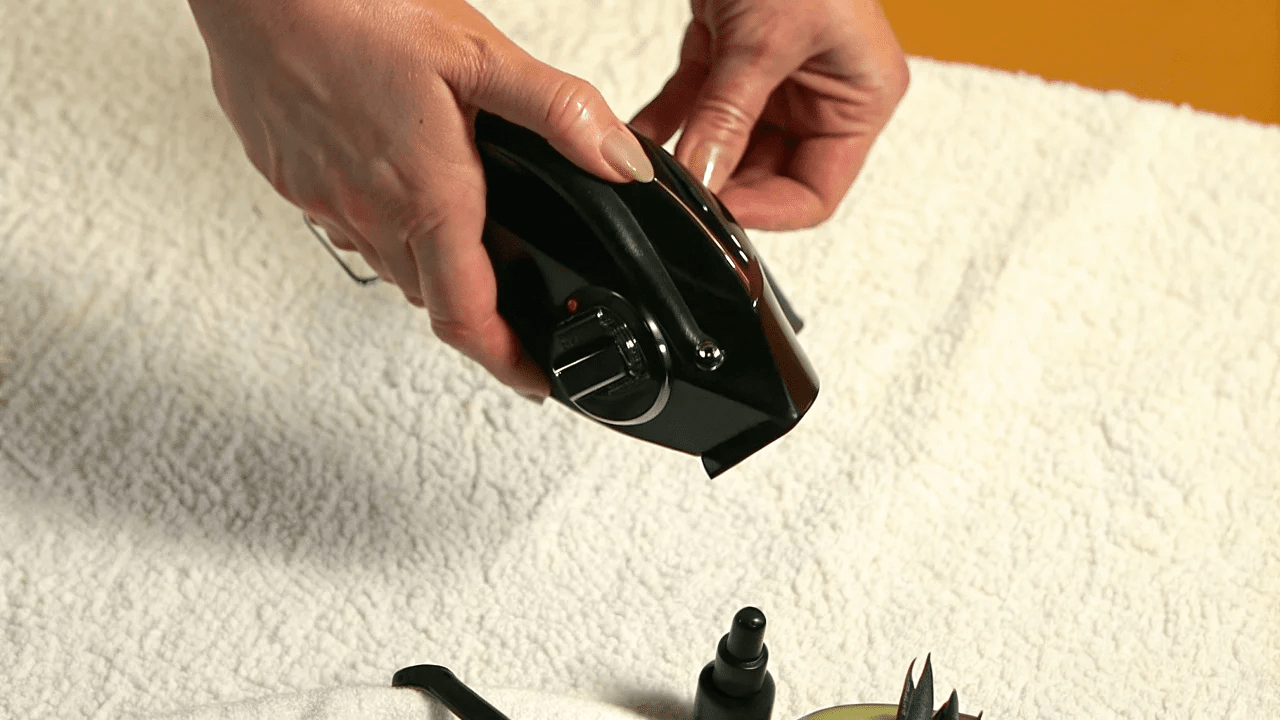
Clipper Lever Open vs Closed: What It Means (with mm)
Why You Need a Cordless Detailer Trimmer (And How to Pick the Right One)