






Complete Guide to Manscaping: Tools, Techniques & Safety Tips
Manscaping—trimming or removing body hair below the neck—has become a mainstream grooming practice for men seeking comfort, hygiene, and a polished appearance. This guide covers essential techniques for every body zone, the right tools for safe trimming, and aftercare to prevent irritation, so you can approach body grooming with confidence and avoid common mistakes.
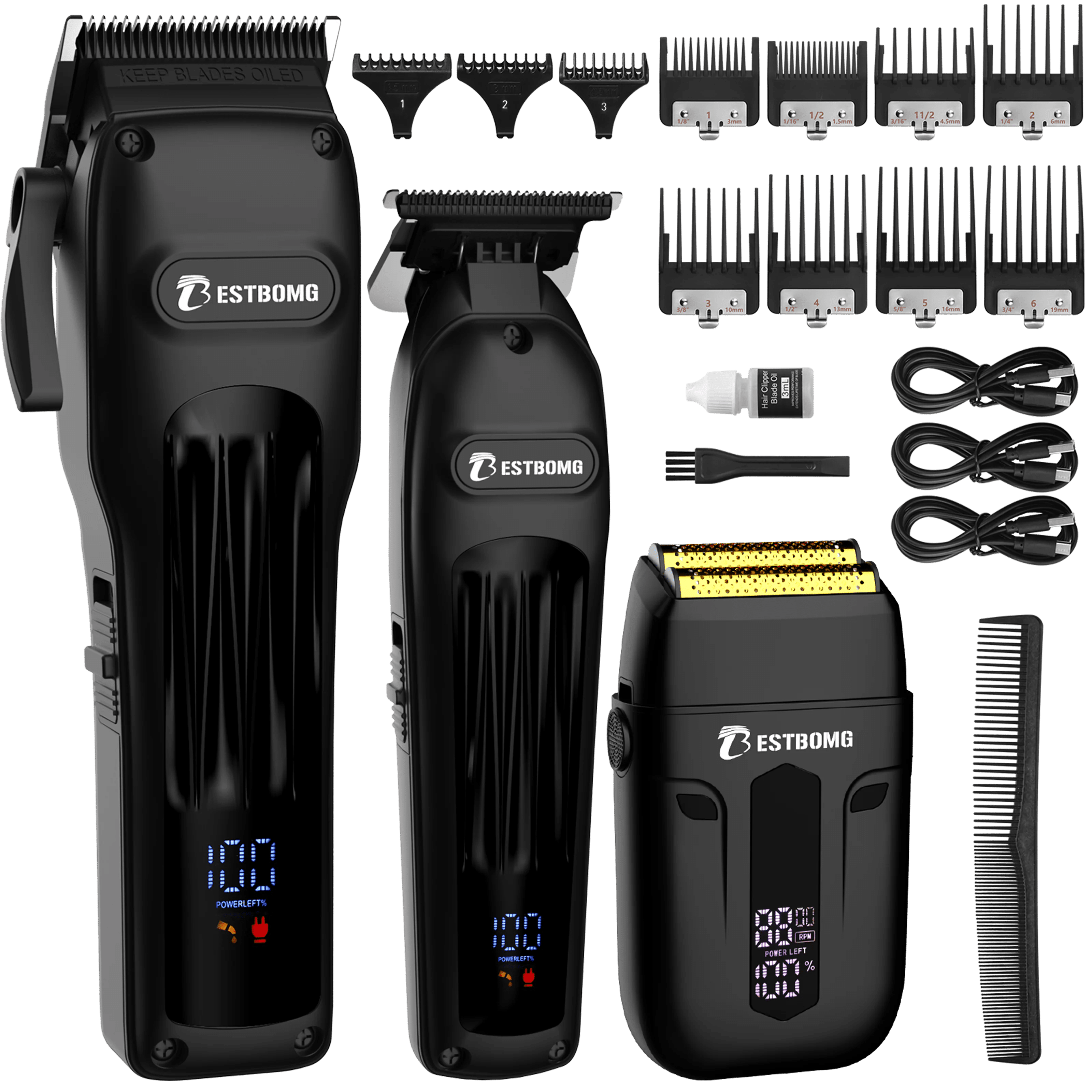
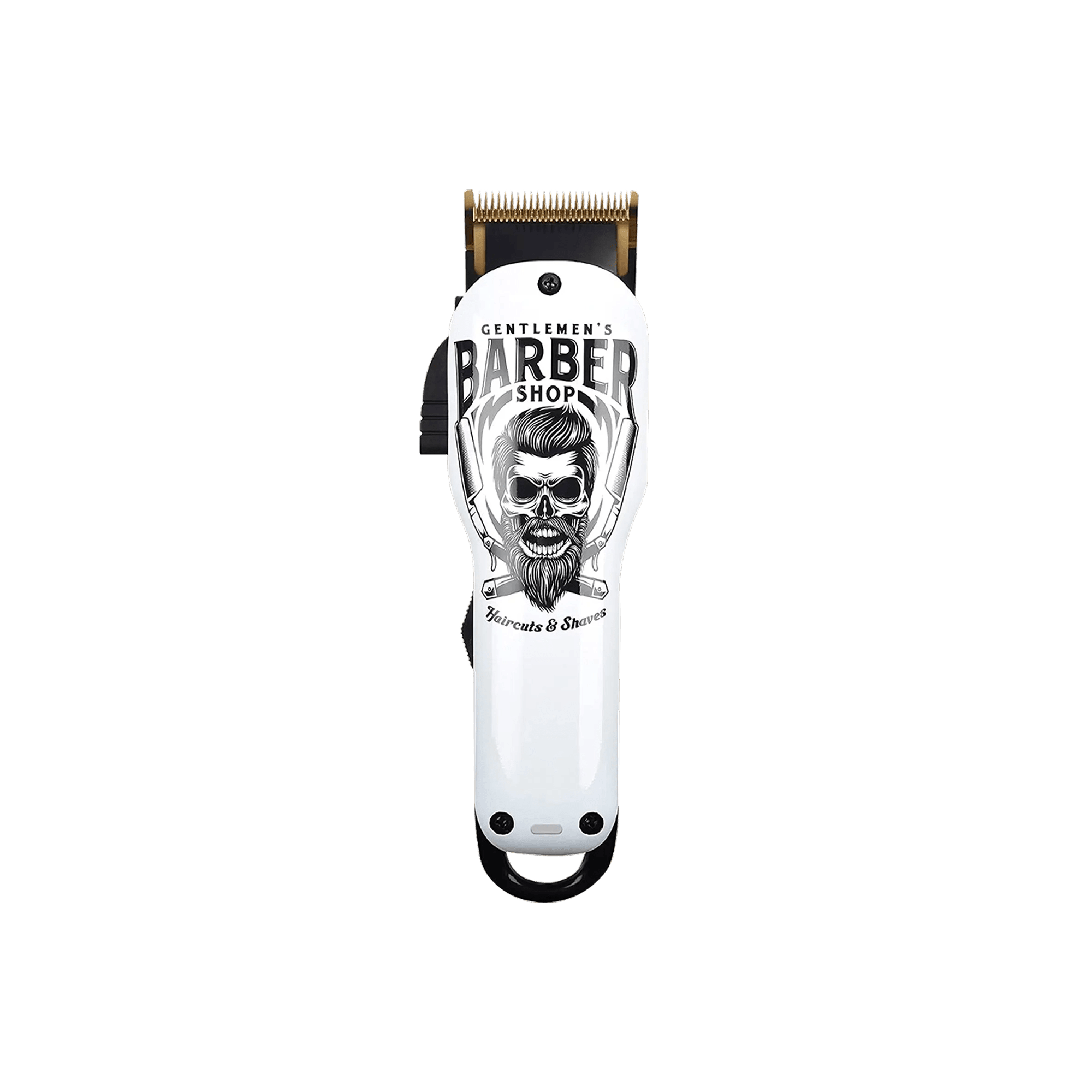
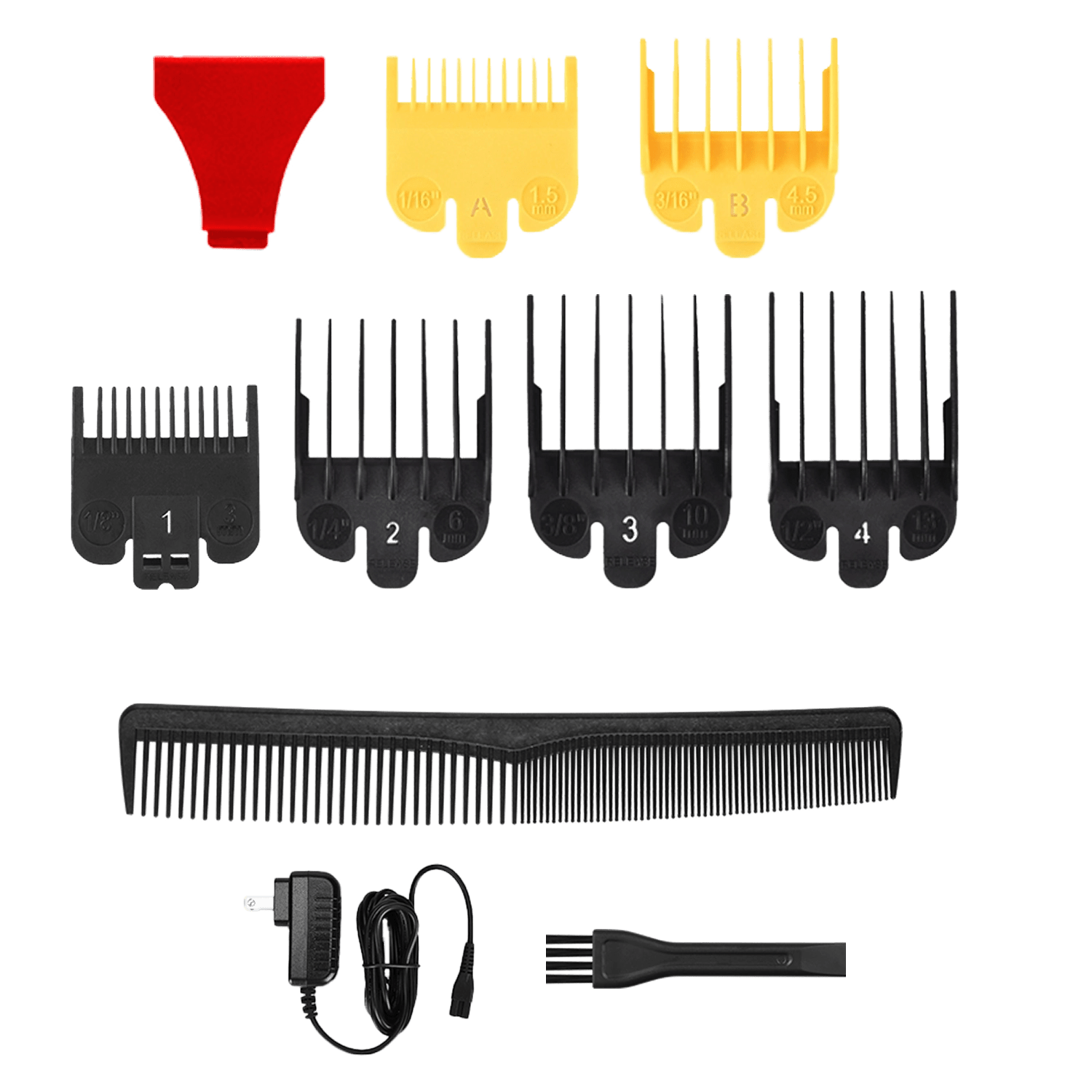
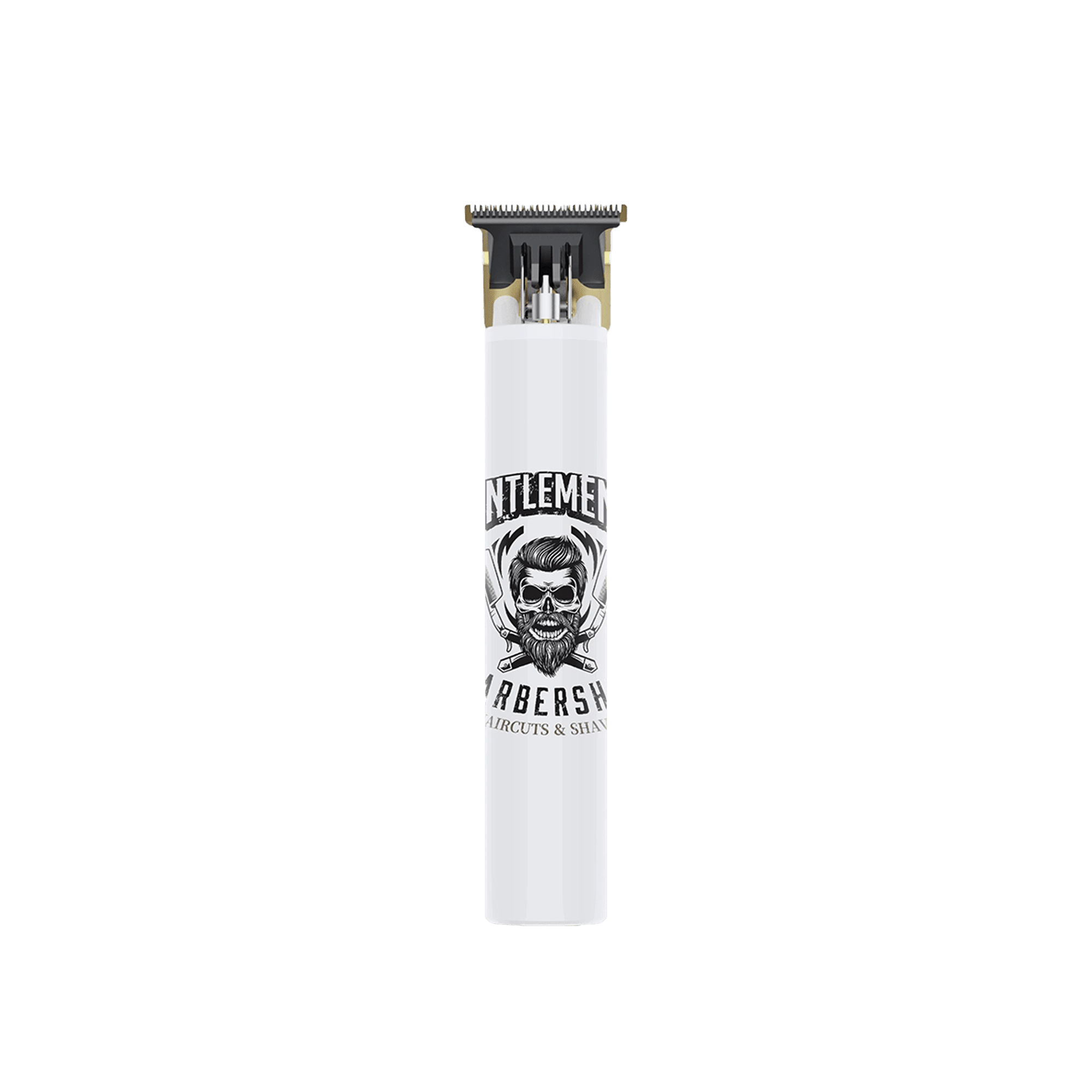
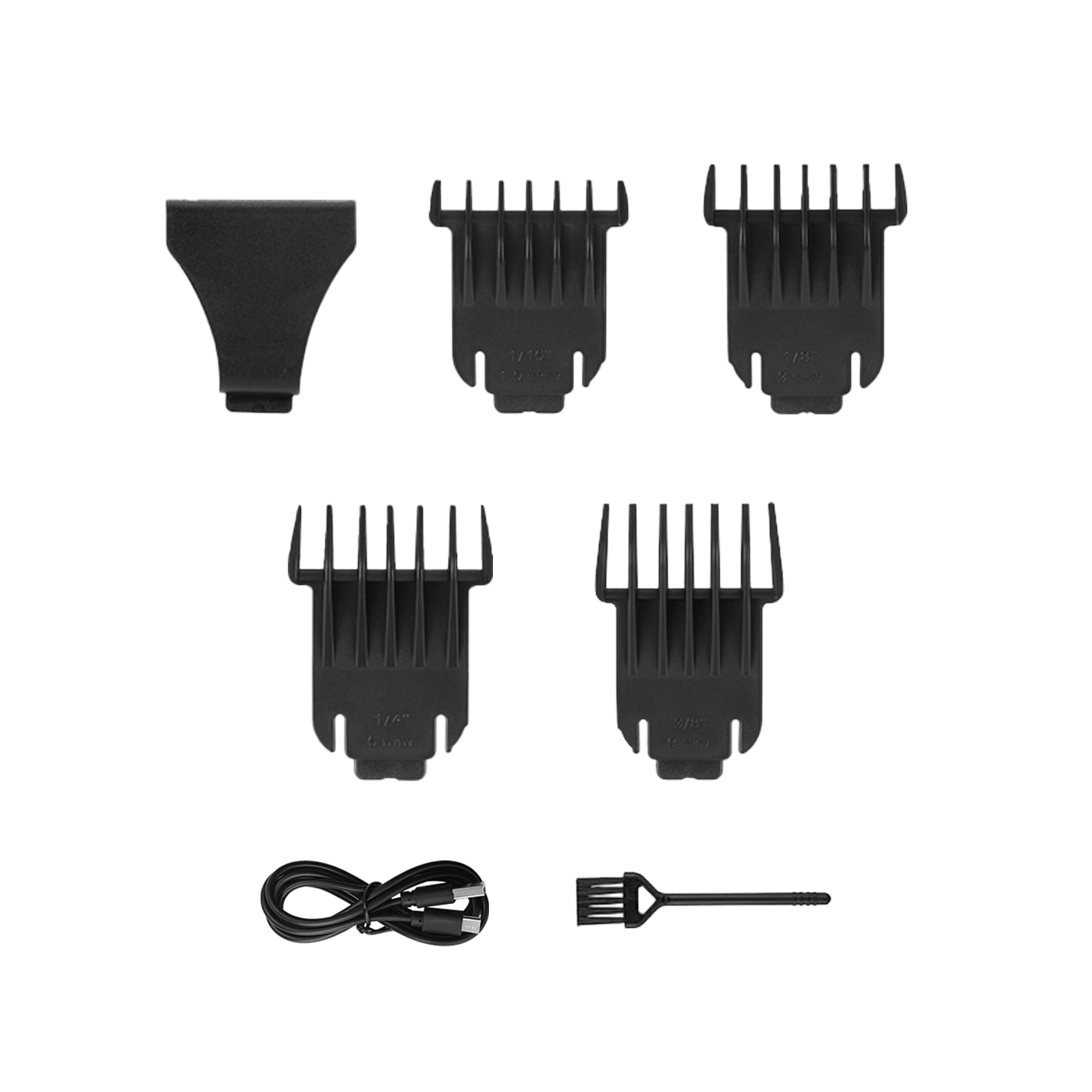
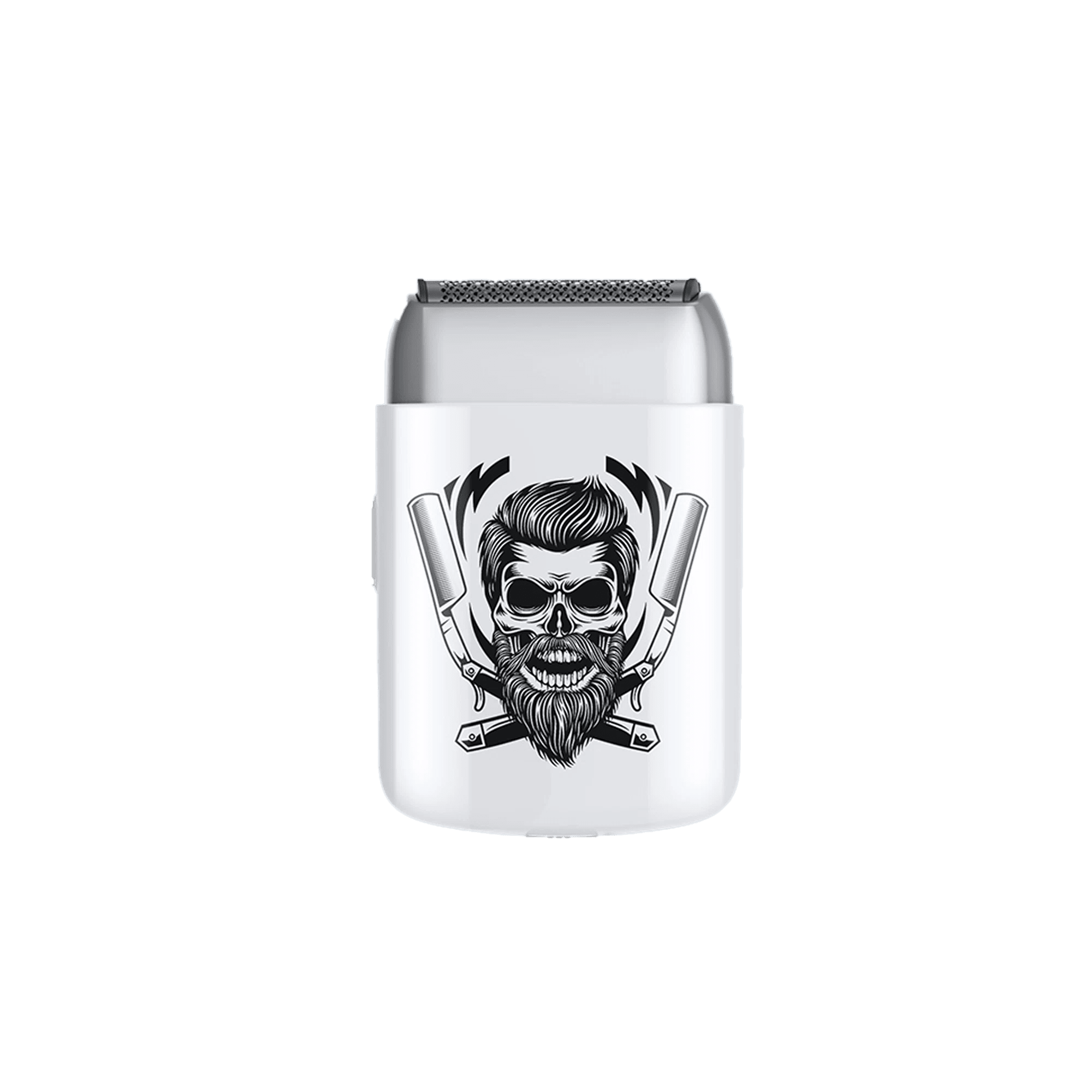
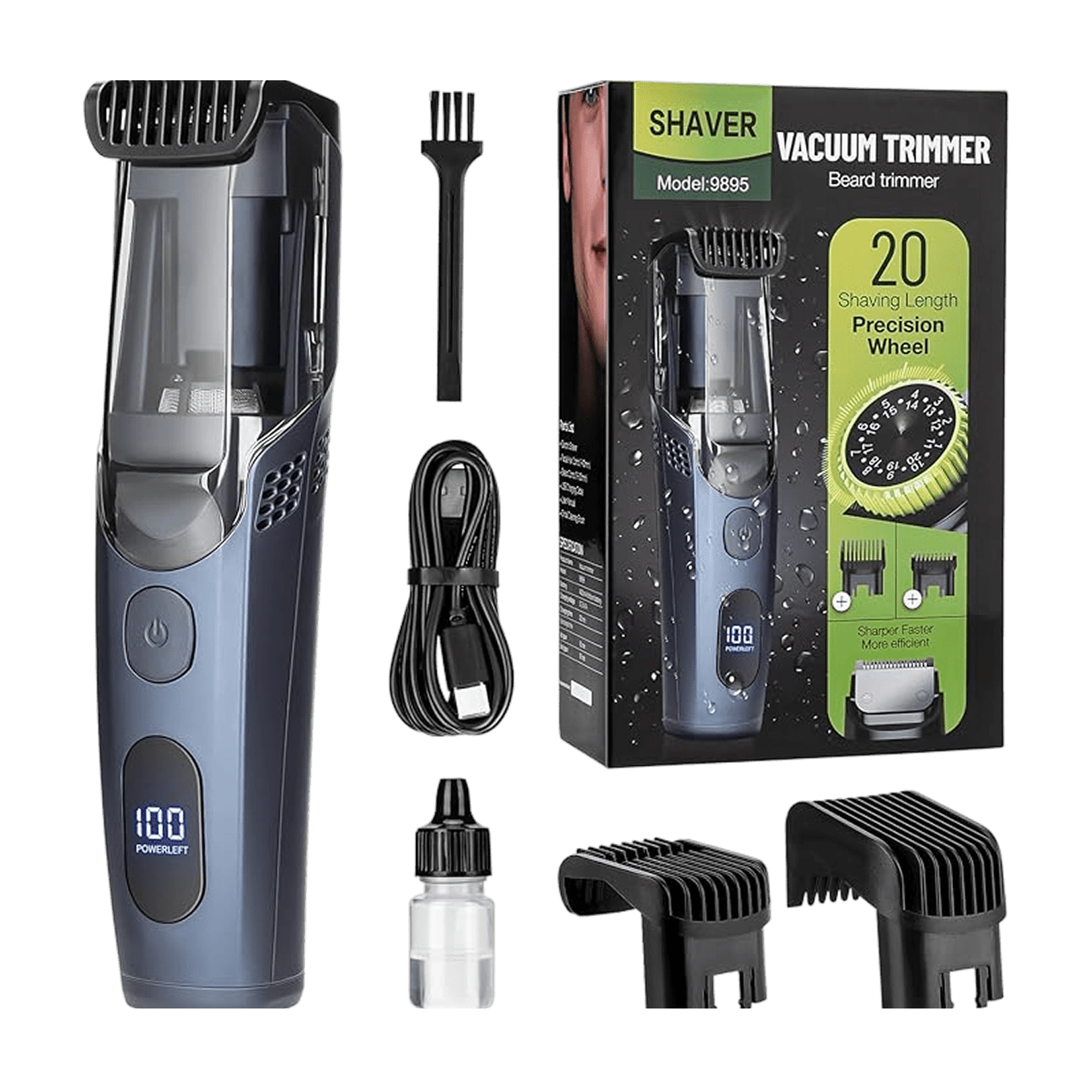
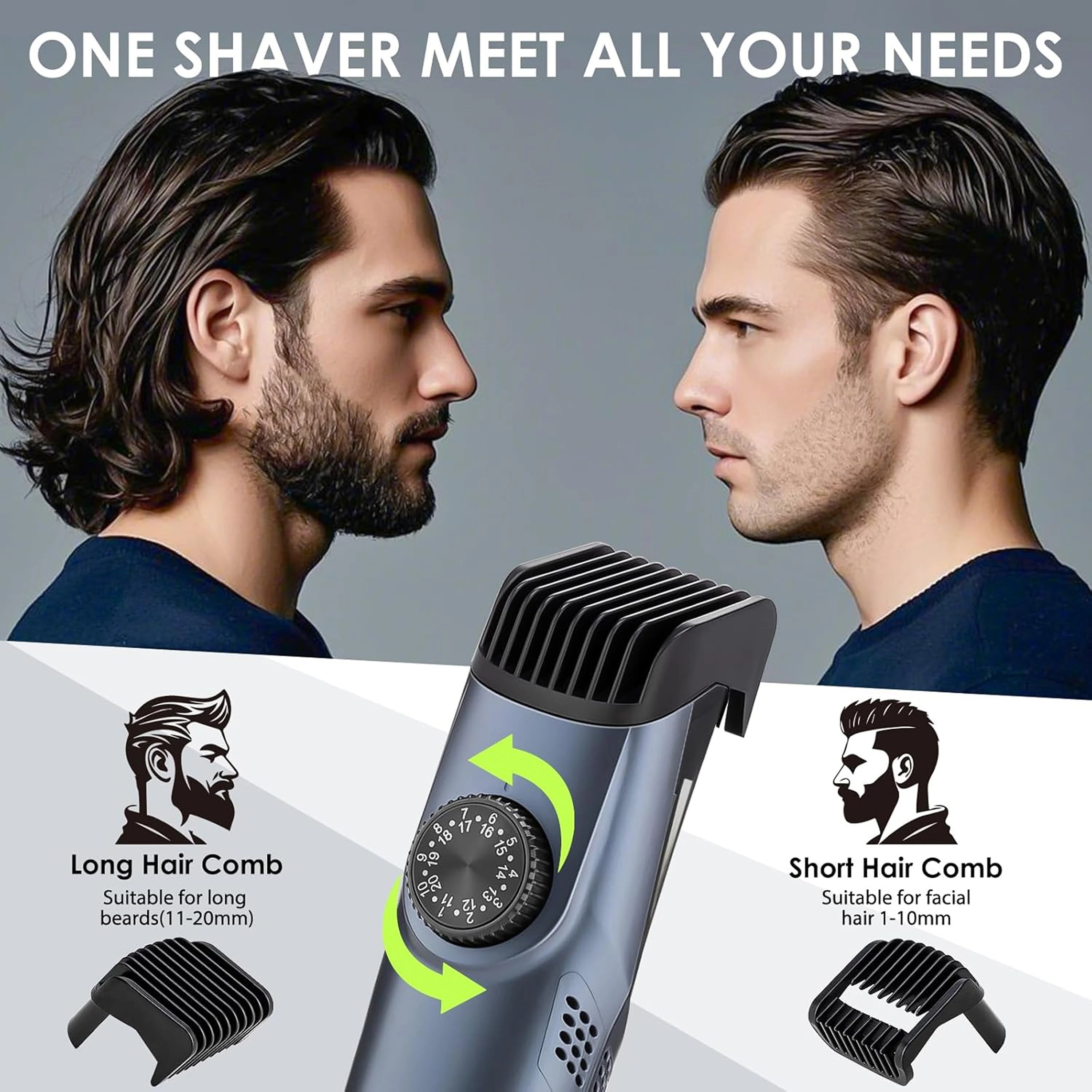
Starting with the right equipment makes all the difference. A dedicated body hair trimmer for men with adjustable guards protects sensitive skin while delivering clean, even results.
Why Men Manscape
Hygiene and Comfort
Trimming body hair reduces sweat retention, minimizes odor, and creates a cleaner feeling, especially in areas like the groin, underarms, and chest. Less hair means less friction, which translates to fewer ingrown hairs and reduced chafing during physical activity.
Aesthetics and Confidence
Surveys show that a majority of partners prefer a groomed appearance over completely natural body hair. Manscaping enhances muscle definition, makes tattoos more visible, and creates a more intentional, put-together look.
Personal Preference
Some men simply feel more comfortable with less body hair. Whether you're an athlete looking to reduce drag, a swimmer aiming for smoother skin, or someone who dislikes excess hair, manscaping offers full control over your grooming routine.
Essential Manscaping Tools
|
Tool |
Purpose |
Key Features |
|
Electric body trimmer |
Safe, adjustable trimming for all body zones |
Multiple guard lengths, waterproof, rounded blade tips |
|
Electric shaver |
Close shave for chest, back, or face |
Foil or rotary head, gentle on skin, rechargeable |
|
Safety razor |
Smooth finish for groin, underarms |
Single or multi-blade, ergonomic handle |
|
Shaving gel or cream |
Lubricates skin, reduces razor burn |
Alcohol-free, fragrance-free formulas for sensitive areas |
|
Moisturizer or aftershave balm |
Soothes skin post-shave |
Aloe vera or witch hazel base, non-comedogenic |
|
Exfoliating scrub |
Prevents ingrown hairs |
Salicylic acid or glycolic acid, gentle granules |
Invest in tools specifically designed for body grooming—facial trimmers lack the guard coverage and power needed for denser body hair, while standard razors may nick loose skin.
How to Manscape: Area-by-Area Guide

Chest and Stomach
Trimming for a Natural Look:
- Shower and dry completely—wet hair clumps and clogs blades.
- Attach a 6mm to 9mm guard to your trimmer for a natural taper.
- Trim in the direction of hair growth using smooth, overlapping strokes.
- Reduce guard length gradually if you want shorter hair—don't start at the shortest setting.
Full Removal:
- Apply shaving gel to damp skin.
- Use an electric shaver or safety razor in short, light strokes.
- Pull skin taut with your free hand to avoid nicks, especially around the nipples.
- Rinse with cool water and apply alcohol-free moisturizer.
Avoid shaving the chest completely bare unless you're prepared for stubble regrowth within 2–3 days.
Groin and Pubic Area
Safety-First Trimming:
- Trim hair to ¼ inch with scissors or a guarded trimmer before shaving (this prevents blade clogging).
- Use a trimmer with a safety guard to protect loose, wrinkled skin.
- Hold the skin taut and trim in the direction of growth—never go against the grain on the first pass.
- For a closer finish, apply shaving gel and use a fresh razor blade.
- Rinse with lukewarm water and pat dry gently.
Key Tips:
- Work in a well-lit area with a handheld mirror for visibility.
- Use short, gentle strokes—rushing increases the risk of cuts.
- Avoid applying deodorant or cologne immediately after shaving; these products sting and cause irritation.
For more on safe grooming practices in sensitive areas, see this overview on razor burn prevention.
Back and Shoulders
Solo Method:
- Use a body groomer with an extension handle or a backblade attachment.
- Stand in front of a mirror and use a handheld mirror to view your back.
- Trim slowly, checking progress frequently.
Partner Assistance:
- Ask a partner or roommate to trim or shave your back.
- Provide clear instructions and use a longer guard to minimize mistakes.
If you have dense back hair, consider professional waxing or laser hair removal for longer-lasting results.
Underarms
Why Trim:
- Reduces odor by limiting bacteria growth.
- Allows deodorant to work more effectively.
- Creates a cleaner appearance in tank tops or shirtless settings.
How to Trim:
- Raise your arm fully to stretch the skin.
- Use a trimmer with a 3mm to 6mm guard.
- Trim in multiple directions since underarm hair grows in various angles.
- Rinse and apply a light, unscented deodorant.
Avoid shaving underarms completely unless you're prepared for daily maintenance—stubble in this area can be uncomfortable.
Legs
Most men opt to trim rather than shave legs unless they're cyclists, swimmers, or bodybuilders.
Trimming:
- Use a 9mm to 12mm guard for a subtle reduction.
- Start at the thigh and work downward.
- Trim both legs evenly to avoid asymmetry.
Shaving:
- Apply shaving gel generously.
- Shave in the direction of growth for the first pass, then lightly against the grain for smoothness.
- Moisturize immediately after to prevent dryness.
Pre-Manscaping Checklist

Shower First
Warm water softens hair and opens pores, making trimming and shaving easier and reducing irritation. Use a gentle body wash to remove oils and dirt.
Exfoliate
Use a scrub or exfoliating glove to remove dead skin cells and lift hairs away from the skin. This step minimizes ingrown hairs and creates a smoother surface for blades.
Trim Before Shaving
If hair is longer than ½ inch, use scissors or a trimmer to shorten it before applying a razor. Long hair tangles in razor blades and causes uneven results.
Check Your Tools
- Ensure clipper blades are sharp and oiled.
- Replace dull razor blades—using old blades increases irritation and cuts.
- Charge electric trimmers fully to maintain consistent power.
Post-Manscaping Care

Rinse with Cool Water
Cool water closes pores and reduces redness. Avoid hot water immediately after shaving—it amplifies irritation.
Apply Soothing Products
- Aloe vera gel: Calms inflammation and cools the skin.
- Witch hazel: Natural astringent that reduces redness and prevents infection.
- Alcohol-free moisturizer: Hydrates without stinging freshly shaved skin.
Skip products with alcohol, menthol, or artificial fragrance—they burn and dry out sensitive areas.
Monitor for Ingrown Hairs
If you notice red bumps or trapped hairs, apply a warm compress for 5 minutes, then gently exfoliate. Avoid picking or tweezing—this can lead to infection. For persistent issues, consult a dermatologist or review resources on pseudofolliculitis barbae (razor bumps).
Wear Loose Clothing
Tight underwear or pants can rub against freshly shaved skin and cause irritation. Opt for breathable cotton fabrics for the first 24 hours.
Common Manscaping Mistakes
Dry Shaving
Shaving without water or gel creates severe friction, leading to razor burn, cuts, and ingrown hairs. Always prep skin with moisture.
Using Dull Blades
Old blades tug instead of cutting cleanly. Replace disposable razor cartridges every 5–7 shaves, and sharpen or replace clipper blades every 6–12 months.
Rushing Through Sensitive Areas
The groin, underarms, and inner thighs have loose, delicate skin. Take your time, pull skin taut, and use short, controlled strokes.
Over-Shaving
Shaving the same area multiple times in one session increases irritation. If you miss a spot, wait until the next day to touch it up.
Skipping Aftercare
Neglecting moisturizer and soothing products leads to dryness, itching, and discomfort. Treat post-shave care as essential, not optional.
Trimmer vs. Shaver vs. Razor: Which to Use Where?
|
Body Area |
Best Tool |
Why |
|
Chest |
Trimmer with guard |
Maintains natural look, avoids stubble |
|
Groin |
Trimmer (first pass), razor (optional close finish) |
Safety guards protect skin; razor for smoothness |
|
Back |
Extension trimmer or partner assistance |
Hard-to-reach; trimmer safer than razor solo |
|
Underarms |
Trimmer with short guard |
Reduces odor without daily maintenance |
|
Legs |
Trimmer (natural) or razor (smooth) |
Trimmer for athletes; razor for swimmers/bodybuilders |
|
Face/Neck |
Electric shaver or safety razor |
Close finish, daily use requires gentle tools |
For face and neck grooming alongside body work, explore electric shavers designed for daily use with minimal irritation.
Maintenance Schedule
Weekly
- Trim chest, stomach, and groin to maintain preferred length.
- Clean trimmer blades and apply oil.
Bi-Weekly
- Trim underarms and back (if solo trimming).
- Exfoliate all shaved areas to prevent ingrown hairs.
Monthly
- Replace razor blades or cartridges.
- Deep-clean electric trimmer by disassembling and rinsing removable parts.
As Needed
- Shave legs or other areas based on personal preference and activity schedule.
Frequently Asked Questions
Do I need a separate trimmer for body hair and facial hair?
Ideally, yes. Body trimmers have wider blades, more powerful motors, and safety guards designed for larger areas and coarser hair. Facial trimmers prioritize precision for detail work. Using one tool for both increases wear and hygiene concerns.
How do I avoid razor burn in the groin area?
Always trim long hair first, use fresh blades, apply generous shaving gel, shave in the direction of growth, and moisturize immediately after. Pull skin taut to create a flat surface, and avoid going over the same spot multiple times.
Can I use hair clippers for manscaping?
Standard hair clippers work for larger body areas like the chest, back, and legs, but they lack the specialized guards and rounded blade tips that body trimmers offer for sensitive zones. If you already own quality clippers, use them for legs and chest but invest in a dedicated trimmer for groin and underarms.
How often should I manscape?
It depends on your hair growth rate and preferences. Most men trim the groin and chest every 7–10 days, underarms every 10–14 days, and back/shoulders monthly. Experiment to find what keeps you comfortable.
What's the best way to prevent ingrown hairs?
Exfoliate 2–3 times per week with a scrub or chemical exfoliant (salicylic acid), shave in the direction of growth, use sharp blades, and moisturize daily. If ingrown hairs persist, consider switching from shaving to trimming.
Is it safe to manscape every day?
Daily trimming is generally safe for areas like the face and underarms. However, shaving the groin or chest daily increases irritation risk. Give skin at least 48 hours between shaves in sensitive zones.
Conclusion
Manscaping combines the right tools, proper technique, and consistent aftercare to deliver clean, comfortable results without irritation or injury. By following area-specific methods, avoiding common mistakes, and maintaining your equipment, you can build a grooming routine that fits your lifestyle and preferences.
Ready to upgrade your body grooming toolkit? Browse beard trimmers with adjustable guards and safety features designed for sensitive areas.

Looking for something else?

How to Cut Baby Boy Hair with Clippers: Step-by-Step Guide
LEARN MORE
Do Hair Clippers Get Dull? Causes, Signs & Prevention
LEARN MORE
Can an Electric Shaver Cut You? Safety Facts & Prevention
LEARN MORE
How to Shave Balls with Electric Shaver: Safe Guide
LEARN MORELooking for something else?

Does Using Trimmer Increase Hair Growth? Facts & Myths
LEARN MORE
Best Hair Clippers for Men: Top Picks for Home & Pro Use
LEARN MORE
Best Professional Hair Clippers for Barbers: Top Picks
LEARN MOREYou may also like


Electric Shaver Y4


Y4T9 Easy Start Kits
Further reading
Best Hair Clippers for Perfect Fades at Home
Clipper Lever Open vs Closed: What It Means (with mm)

Why You Need a Cordless Detailer Trimmer (And How to Pick the Right One)