







How to Trim a Van Dyke Beard: Step-by-Step Style Guide
The Van Dyke beard combines a disconnected mustache with a pointed chin goatee, creating a sharp, refined look that's been popular since the 17th century. Named after Flemish painter Anthony van Dyck, this style requires precision trimming to maintain its signature separation and symmetry. This guide walks you through growing, shaping, and maintaining a Van Dyke beard so you can achieve clean lines and a polished finish every time.
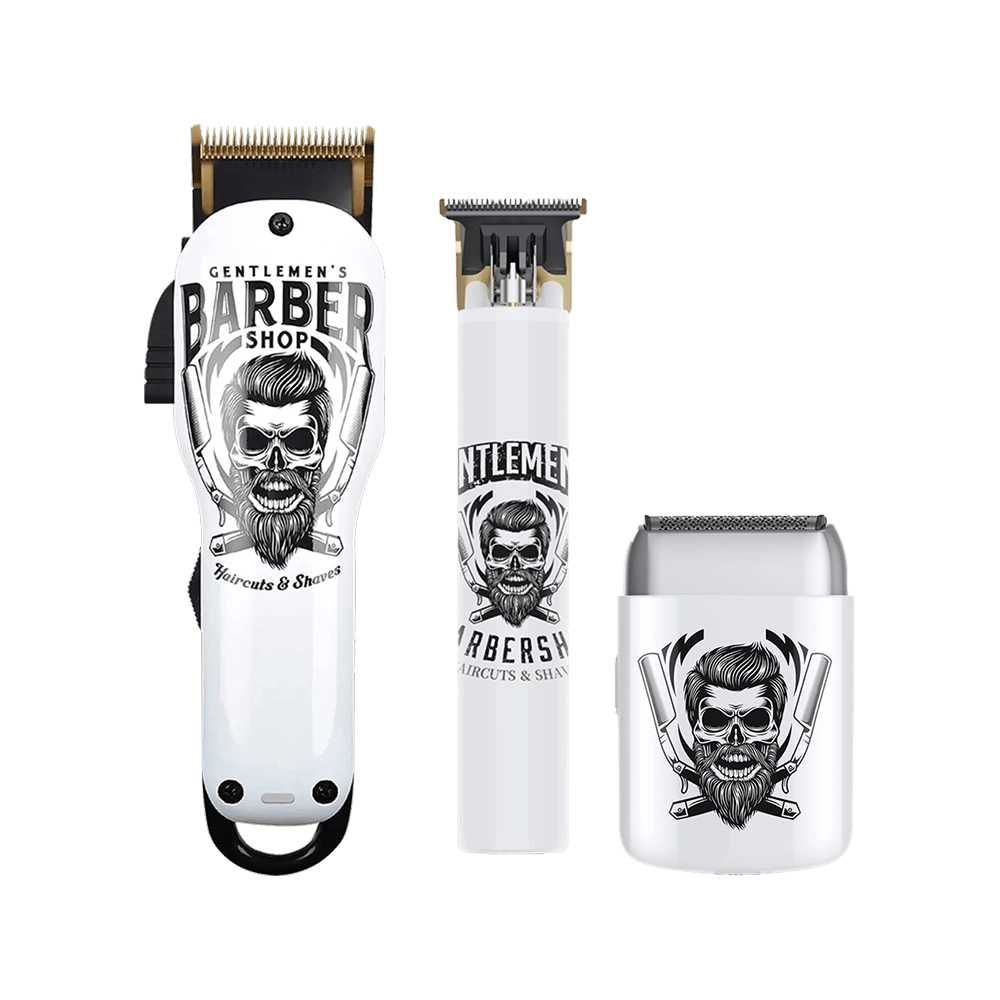
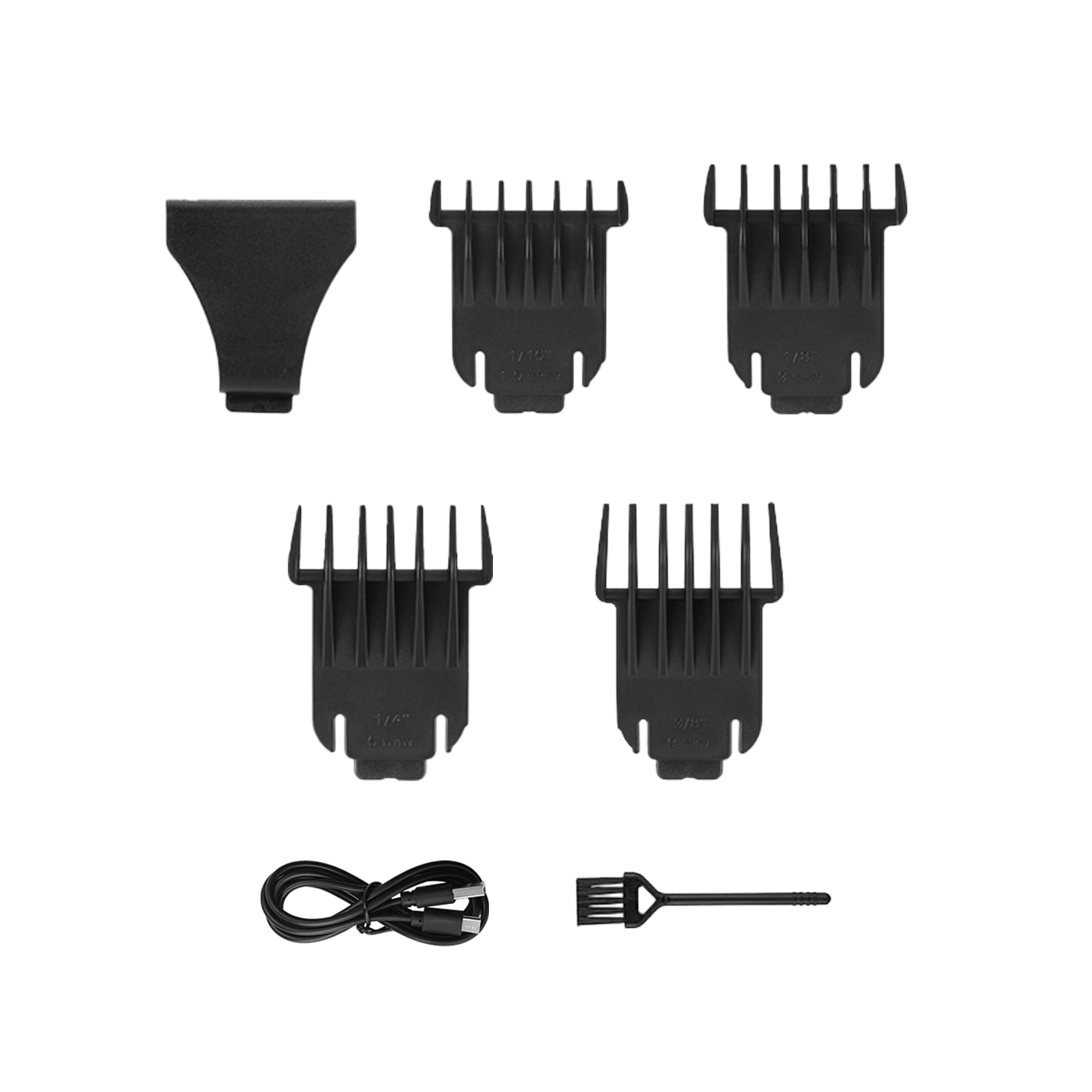
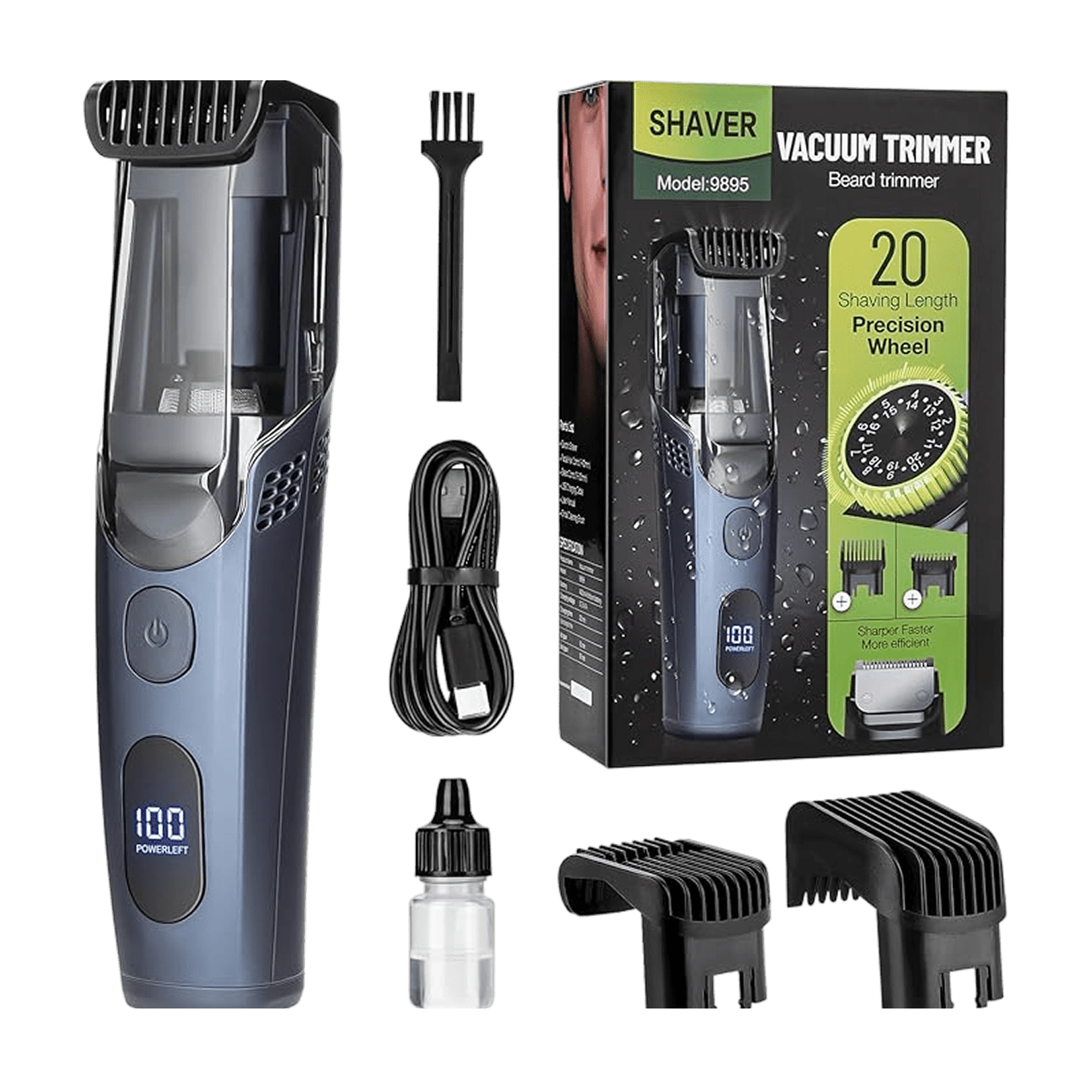
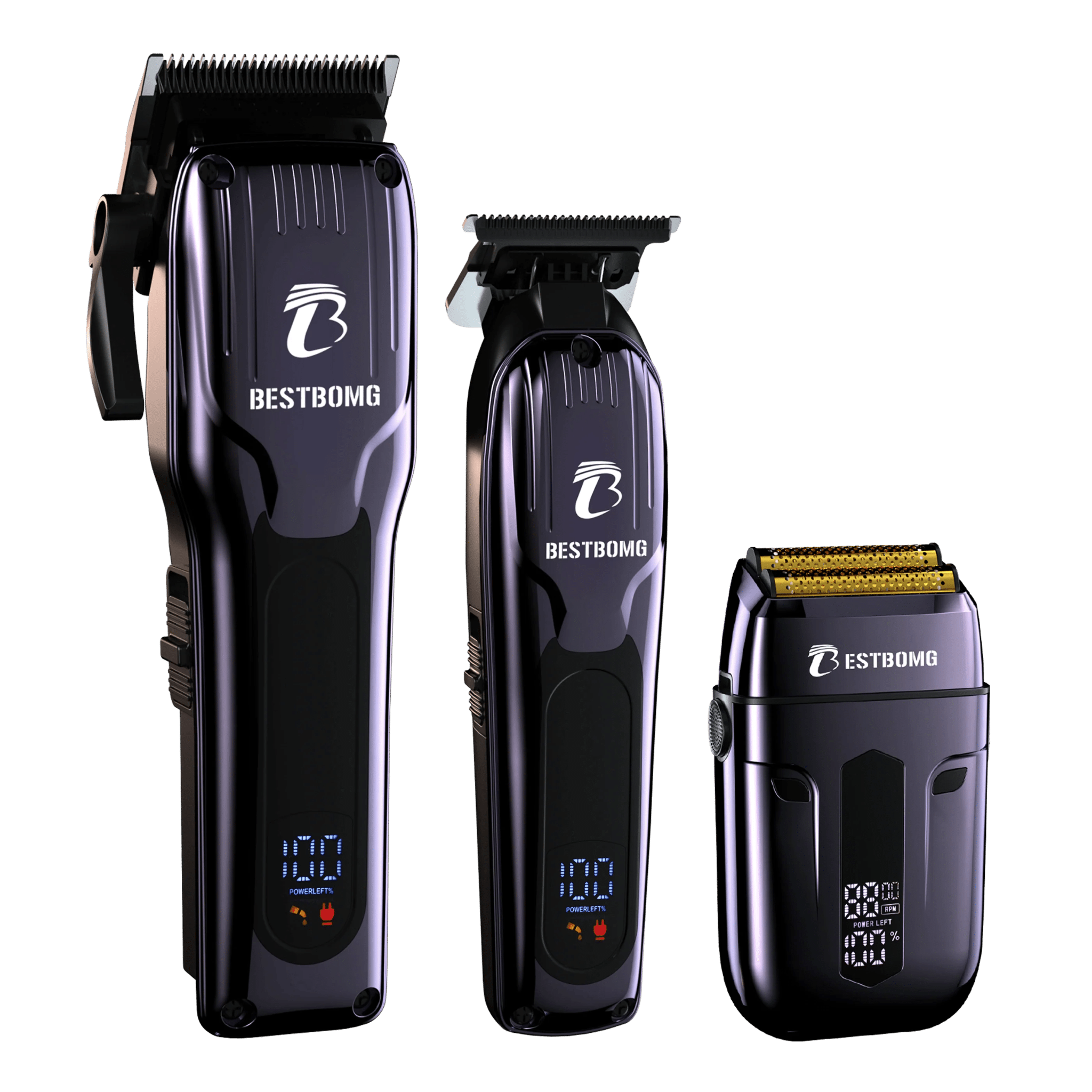
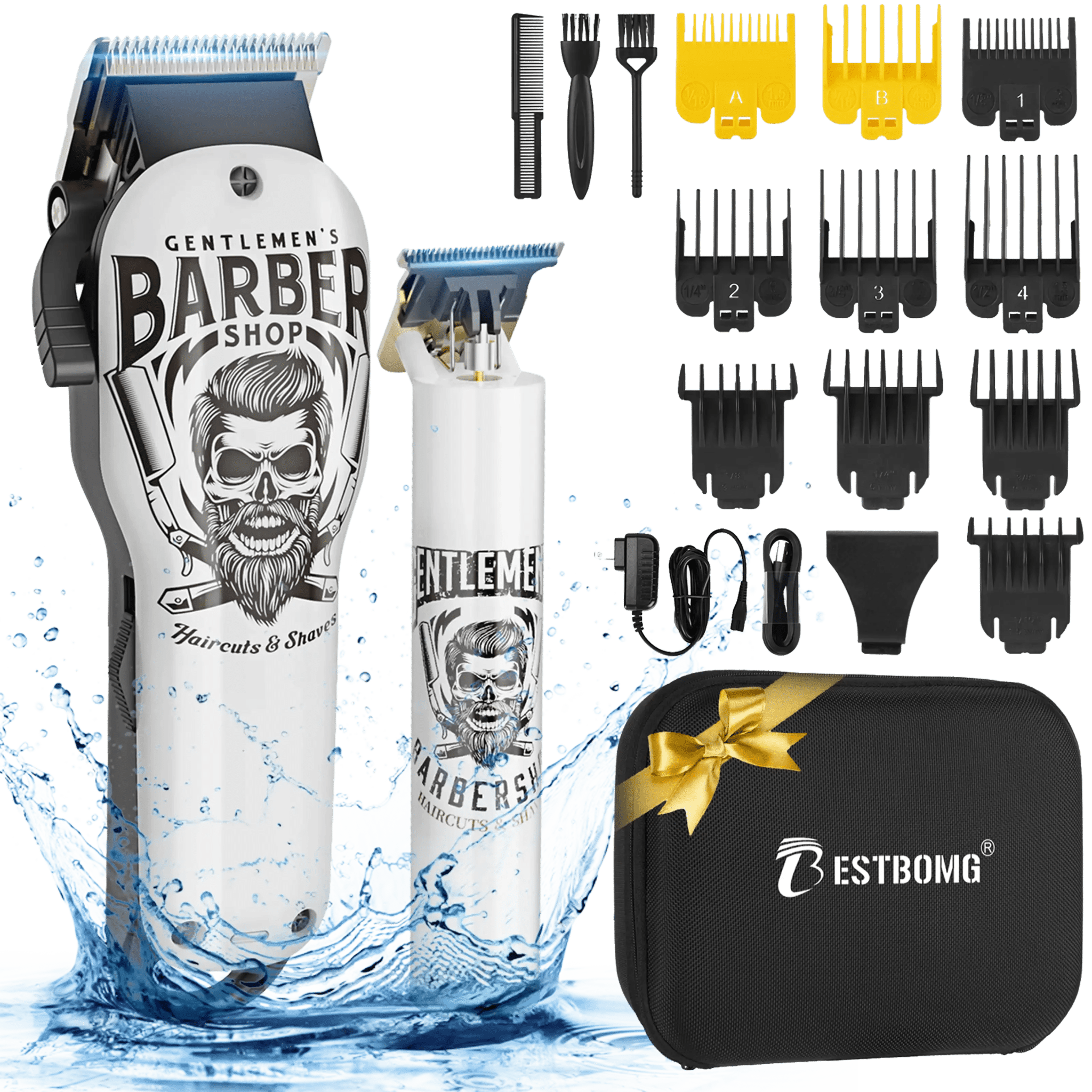
To get started, you'll need a quality precision beard trimmer for sharp lines that allows you to define edges and remove guards for detail work.
What Is a Van Dyke Beard?
Core Characteristics
A Van Dyke beard features:
- Disconnected mustache: The mustache sits above the lip, completely separated from the chin hair—no connecting strips along the jawline.
- Pointed or tapered chin goatee: Hair on the chin forms a vertical strip, often shaped into a point or rounded U-shape extending downward.
- Clean-shaven cheeks and neck: All hair on the cheeks, sideburns, and neck is removed, creating stark contrast and sharp definition.
This style differs from a traditional goatee (which includes the mustache and chin as one connected piece) and from a full beard (which covers the cheeks). The Van Dyke's defining feature is the visible gap between the mustache and chin.
Historical Context
The style gained popularity in the 1600s among European nobility and artists. It has since been associated with sophistication, creativity, and individuality—think Colonel Sanders, Lenin, or modern interpretations seen in fashion and entertainment. For more on facial hair history, see this beard overview on Wikipedia.
Best Face Shapes for a Van Dyke Beard
|
Face Shape |
Why It Works |
|
Round |
The vertical chin line adds length and reduces width, creating a more oval appearance |
|
Oval |
Balanced proportions suit nearly any beard style, including the Van Dyke |
|
Square |
Softens angular jawlines while maintaining masculine structure |
|
Diamond |
The pointed chin balances narrow foreheads and wide cheekbones |
If you have a long or oblong face, consider a shorter, rounded Van Dyke rather than an extended point—this avoids making the face appear even longer.
Tools You'll Need

Essential Equipment
- Adjustable beard trimmer: For establishing length and shaping the mustache and chin.
- Detail trimmer or precision edger: Creates sharp cheek and neck lines (remove guard for zero-gap cuts).
- Beard comb: Detangles and lifts hair for even trimming.
- Razor or electric shaver: Cleans up cheeks and neck for smooth contrast.
- Scissors: Trims stray hairs and refines the mustache.
- Handheld mirror: Checks symmetry from multiple angles.
- Beard oil or balm (optional): Softens hair and adds light hold for styling.
A detail trimmer for crisp outlines simplifies edge work around the mustache and chin perimeter.
How to Grow a Van Dyke Beard

Step 1: Start with Full Growth
Stop shaving for 1–2 weeks to allow facial hair to grow evenly. You need at least ¼ to ½ inch of length across the mustache and chin to shape the Van Dyke effectively. Don't worry about the cheeks during this phase—you'll remove that hair later.
Step 2: Assess Your Growth Pattern
Check for sparse areas or uneven density. If your mustache or chin grows patchily, consider:
- Waiting an additional 1–2 weeks for fuller coverage.
- Adjusting the Van Dyke width to emphasize denser zones.
- Consulting a dermatologist if patchy growth persists beyond 6 months.
Step 3: Plan Your Shape
Decide on your chin style:
- Pointed: Extends downward in a sharp V-shape (classic Van Dyke).
- Rounded: A softer U-shape that tapers slightly at the bottom.
- Wide: Broader chin strip that stays closer to the natural goatee width.
Sketch or visualize the shape before trimming—this reduces mistakes and ensures symmetry.
How to Trim a Van Dyke Beard: Step-by-Step

Step 1: Comb and Prepare
Wash your beard with a gentle cleanser and dry completely. Comb the mustache downward and the chin hair straight down to see the natural length. Trimming damp hair can mislead you on final length.
Step 2: Establish Uniform Length
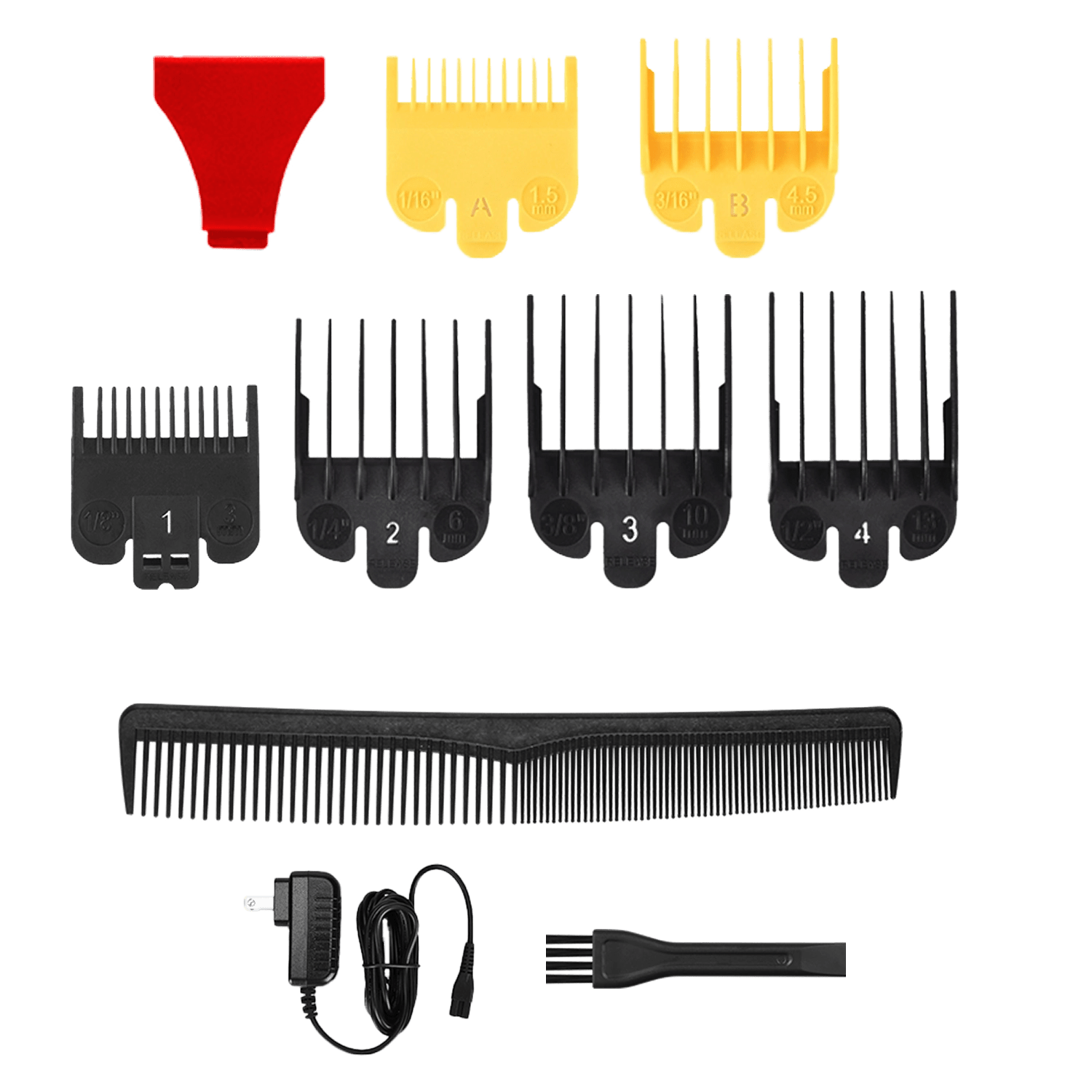
Attach a 6mm to 9mm guard to your trimmer (adjust based on desired length). Trim the mustache and chin evenly, moving with the grain. This creates a consistent base before shaping.
Step 3: Define the Mustache
Remove the guard or switch to a detail trimmer. Trim the mustache edges so they align with the corners of your mouth—avoid extending too far toward the cheeks. Trim hairs that overhang the upper lip, leaving a clean line just above the lip edge.
Step 4: Shape the Chin
For a Pointed Van Dyke:
- Comb the chin hair downward.
- Use scissors or a guardless trimmer to taper the sides inward, creating a V-shape.
- Trim the tip to your desired length—most pointed styles extend 1–2 inches below the chin.
For a Rounded Van Dyke:
- Trim the sides of the chin strip to create a narrow, vertical rectangle.
- Round the bottom edges slightly with scissors, avoiding a harsh point.
Step 5: Remove Cheek and Neck Hair
This is where the Van Dyke takes shape. Using a razor or electric shaver:
- Shave the cheeks completely, starting from the bottom edge of the mustache down to the jaw.
- Clean the neck from the Adam's apple downward.
- Remove all hair between the mustache and chin, ensuring a clear gap.
Pro Tip: Use shaving gel or cream to protect skin and achieve a close, smooth finish. Rinse frequently to avoid razor clogging.
Step 6: Create Sharp Lines
Remove the trimmer guard and carefully outline:
- The top edge of the mustache (just below the nose).
- The bottom edge of the mustache (just above the upper lip).
- The chin strip perimeter (vertical sides and bottom).
Go slowly—one extra pass can alter the entire shape. Check symmetry by comparing both sides in a mirror.
Step 7: Final Touches
Use scissors to snip any stray hairs that the trimmer missed. If you want a styled mustache (e.g., curled ends), apply a small amount of beard wax and twist the tips outward.
Daily Maintenance and Upkeep
Weekly Routine
- Trim cheeks and neck: Re-shave every 3–5 days to maintain clean contrast.
- Edge the chin and mustache: Use a detail trimmer to sharpen lines and remove growth beyond the defined shape.
- Check length: Trim the mustache and chin if they exceed your preferred length (usually every 7–10 days).
Daily Care
- Wash: Rinse with beard wash or mild face cleanser 3–4 times per week.
- Oil or balm: Apply 2–3 drops of beard oil daily to soften hair and hydrate skin.
- Comb: Brush the mustache and chin downward to train hair direction and remove tangles.
Long-Term Maintenance
Replace trimmer blades every 6–12 months to ensure sharp, clean cuts. Dull blades tug hair and create uneven edges, undermining the precision that defines a Van Dyke.
Common Van Dyke Mistakes and How to Avoid Them
Connecting the Mustache to the Chin
If hair grows or is trimmed so the mustache and chin touch, you've created a traditional goatee, not a Van Dyke. The gap is essential. Check daily for stray connectors and remove them immediately.
Asymmetrical Chin Point
An off-center point looks accidental. Use your nose and the center of your mouth as reference points. Trim equal amounts from both sides, pausing frequently to compare.
Over-Trimming the Mustache
Trimming too high above the lip creates a thin, unnatural mustache. Keep the bottom edge just above the lip line—about 1–2mm of clearance prevents food interference without looking sparse.
Neglecting Neck and Cheek Maintenance
Even 2–3 days of stubble growth on the cheeks disrupts the Van Dyke's sharp contrast. Shave these areas as often as you shave your face (typically every 1–3 days).
Ignoring Symmetry
Check your work from multiple angles—front, left, right, and bottom. What looks even from the front may reveal imbalance from the side.
Van Dyke Variations
Short Van Dyke
Keep the chin hair trimmed to ¼ to ½ inch for a subtle, professional look. This works well in conservative workplaces and requires minimal styling.
Long Van Dyke
Let the chin extend 2–3 inches below the jawline for a dramatic, artistic appearance. Use beard oil and occasional trimming to prevent split ends.
Faded Van Dyke
Blend the chin hair length gradually from longer at the bottom to shorter near the lip. This creates a tapered, modern effect.
Anchor Beard
Similar to a Van Dyke but includes a thin strip of hair along the jawline connecting the chin to the sideburns. This style suits men who want slightly more coverage without a full beard.
Van Dyke vs. Other Goatee Styles
|
Style |
Mustache |
Chin |
Cheeks |
Best For |
|
Van Dyke |
Disconnected |
Pointed or rounded |
Clean-shaven |
Round, oval, square faces; artistic, refined look |
|
Full Goatee |
Connected to chin |
Rounded or squared |
Clean-shaven |
All face shapes; low-maintenance |
|
Anchor Beard |
Disconnected |
Pointed with jawline strip |
Mostly clean |
Narrow or long faces; adds width |
|
Circle Beard |
Connected to chin in a circle |
Rounded |
Clean-shaven |
Round faces; classic, simple style |
The Van Dyke requires more precision than a full goatee but offers a distinctive, tailored appearance that stands out.
Frequently Asked Questions
How long does it take to grow a Van Dyke beard?
Most men can grow enough facial hair to shape a Van Dyke in 1–2 weeks. If your growth is slower or patchy, allow 3–4 weeks before trimming to ensure adequate density on the mustache and chin.
Can I have a Van Dyke with a patchy beard?
Yes, if the patches are primarily on the cheeks and jawline—areas you'll shave anyway. However, if the mustache or chin grows unevenly, consider waiting longer or adjusting the width of the chin strip to cover sparse zones.
What's the best trimmer length for a Van Dyke?
Start with a 6mm to 9mm guard for a natural look. You can go shorter (3mm to 4mm) for a tighter, more sculpted style or longer (10mm+) for a fuller, relaxed Van Dyke.
How often should I trim a Van Dyke beard?
Trim the edges and neck every 3–5 days to maintain sharp lines. Trim the length of the mustache and chin every 7–10 days depending on your growth rate.
Does a Van Dyke beard work for professional settings?
Yes, when kept neat and symmetrical. The Van Dyke reads as polished and intentional, especially in creative fields, tech, and academia. Avoid overly long or unkempt versions in conservative industries like finance or law.
What's the difference between a Van Dyke and a goatee?
A goatee connects the mustache and chin hair. A Van Dyke keeps them separated with clean-shaven skin between them. The visible gap is the defining difference.
Conclusion
Trimming a Van Dyke beard requires patience, precision, and regular upkeep, but the result is a distinctive, polished style that enhances your facial structure and projects confidence. By following proper shaping techniques, maintaining sharp lines, and checking symmetry frequently, you can master this classic look and adapt it to your personal aesthetic.
Ready to refine your grooming routine? Explore beard trimmers with adjustable guards and precision blades designed for detailed facial hair work.

Looking for something else?

How to Cut Baby Boy Hair with Clippers: Step-by-Step Guide
LEARN MORE
Do Hair Clippers Get Dull? Causes, Signs & Prevention
LEARN MORE
Can an Electric Shaver Cut You? Safety Facts & Prevention
LEARN MORE
How to Shave Balls with Electric Shaver: Safe Guide
LEARN MORELooking for something else?

Does Using Trimmer Increase Hair Growth? Facts & Myths
LEARN MORE
Best Hair Clippers for Men: Top Picks for Home & Pro Use
LEARN MORE
Best Professional Hair Clippers for Barbers: Top Picks
LEARN MOREYou may also like

Beard Trimmer-T9


Electric Shaver Y4

Further reading
Best Hair Clippers for Perfect Fades at Home
Clipper Lever Open vs Closed: What It Means (with mm)
Why You Need a Cordless Detailer Trimmer (And How to Pick the Right One)