






Textured Crew Cut: How to Get, Style & Maintain This Modern Look
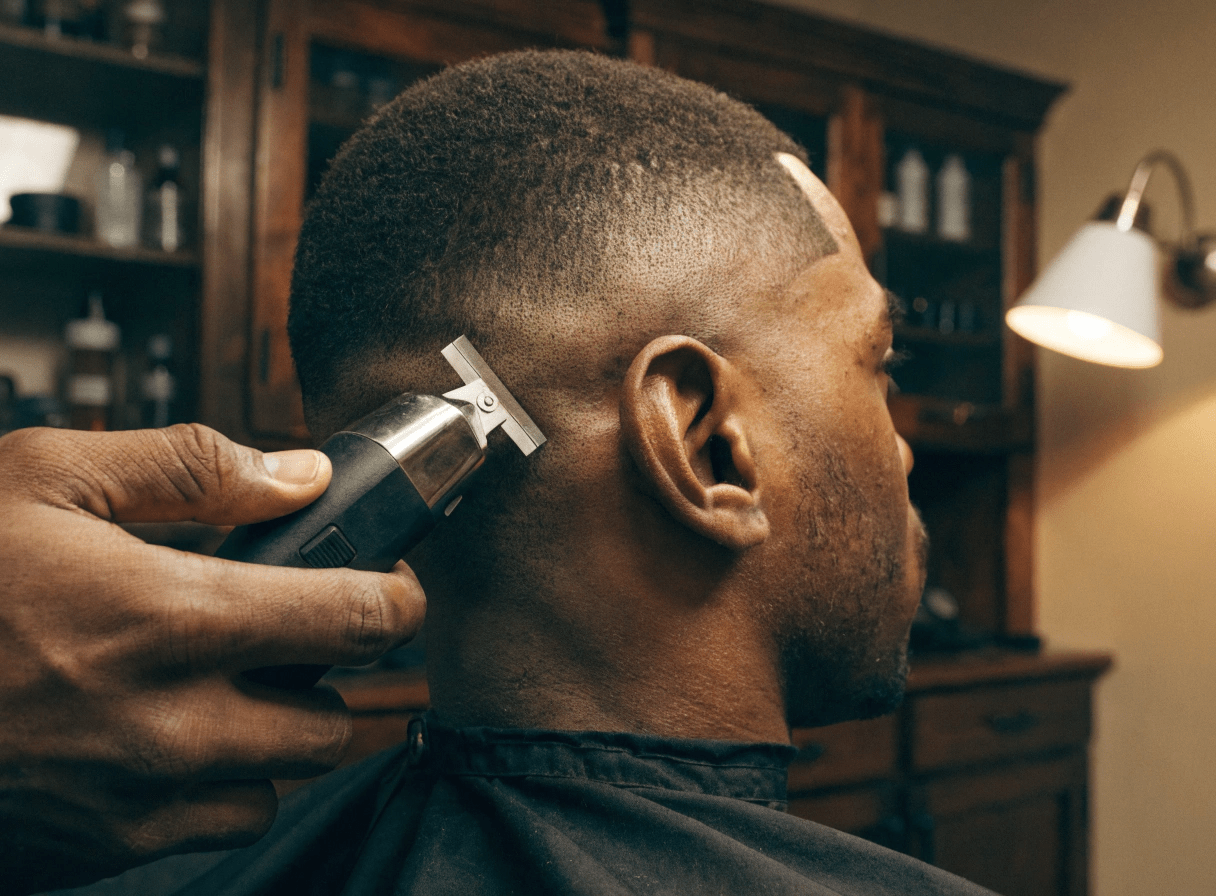
The textured crew cut blends the clean lines of a classic military cut with choppy, layered styling on topdelivering a low-maintenance style that works in offices, gyms, and casual settings. This guide covers everything from initial cutting technique and styling products to daily maintenance and popular variations, so you can nail the look whether you're cutting at home or directing your barber.
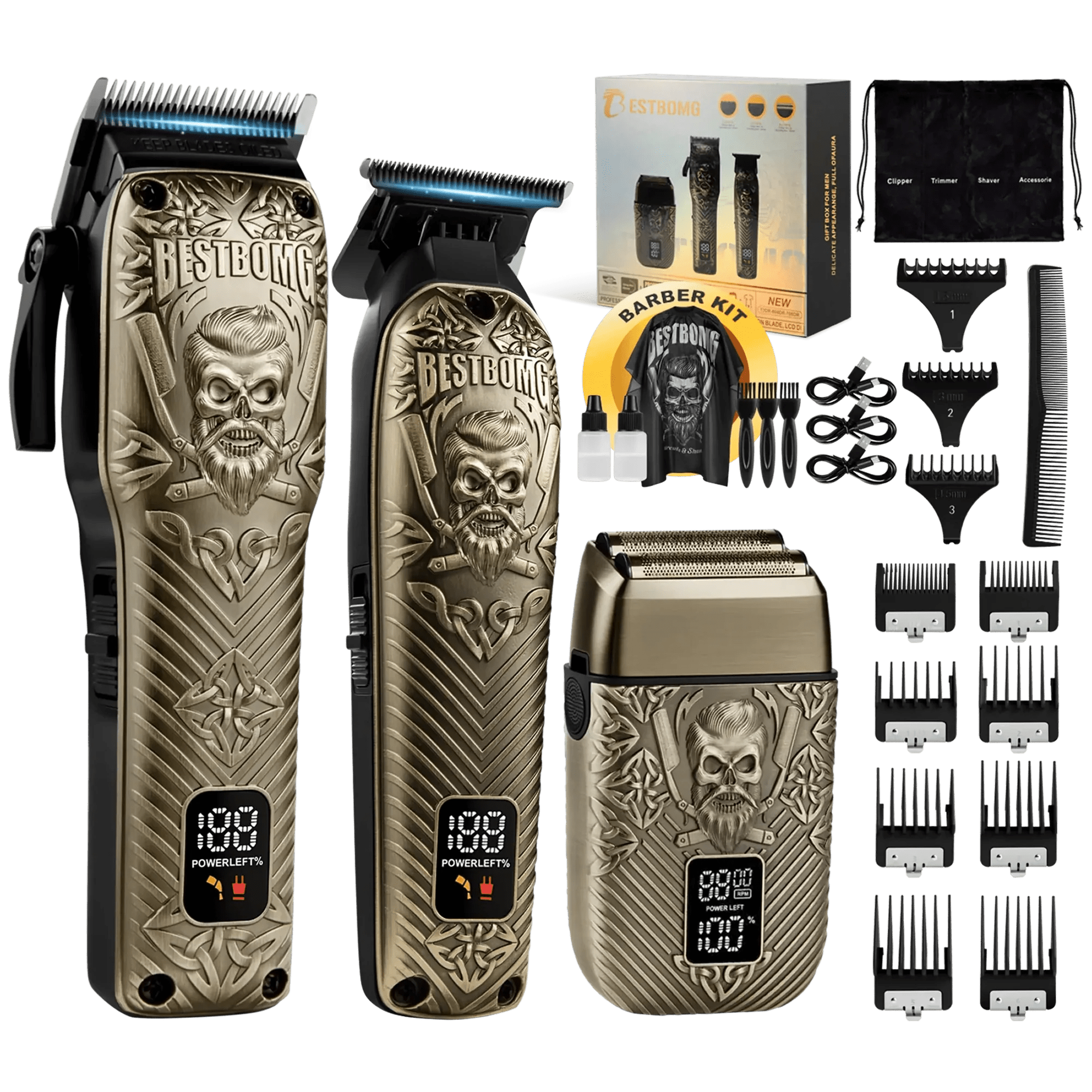
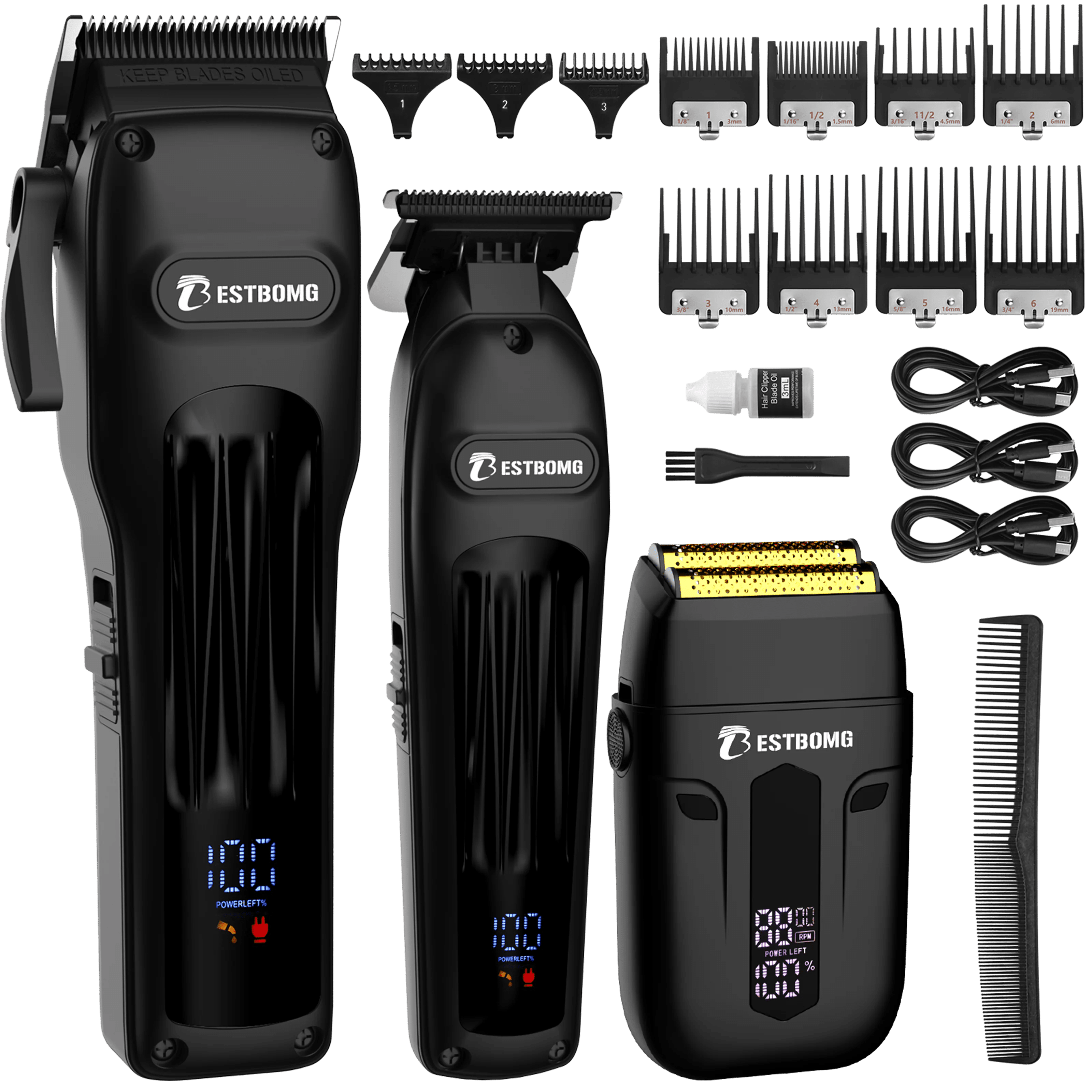
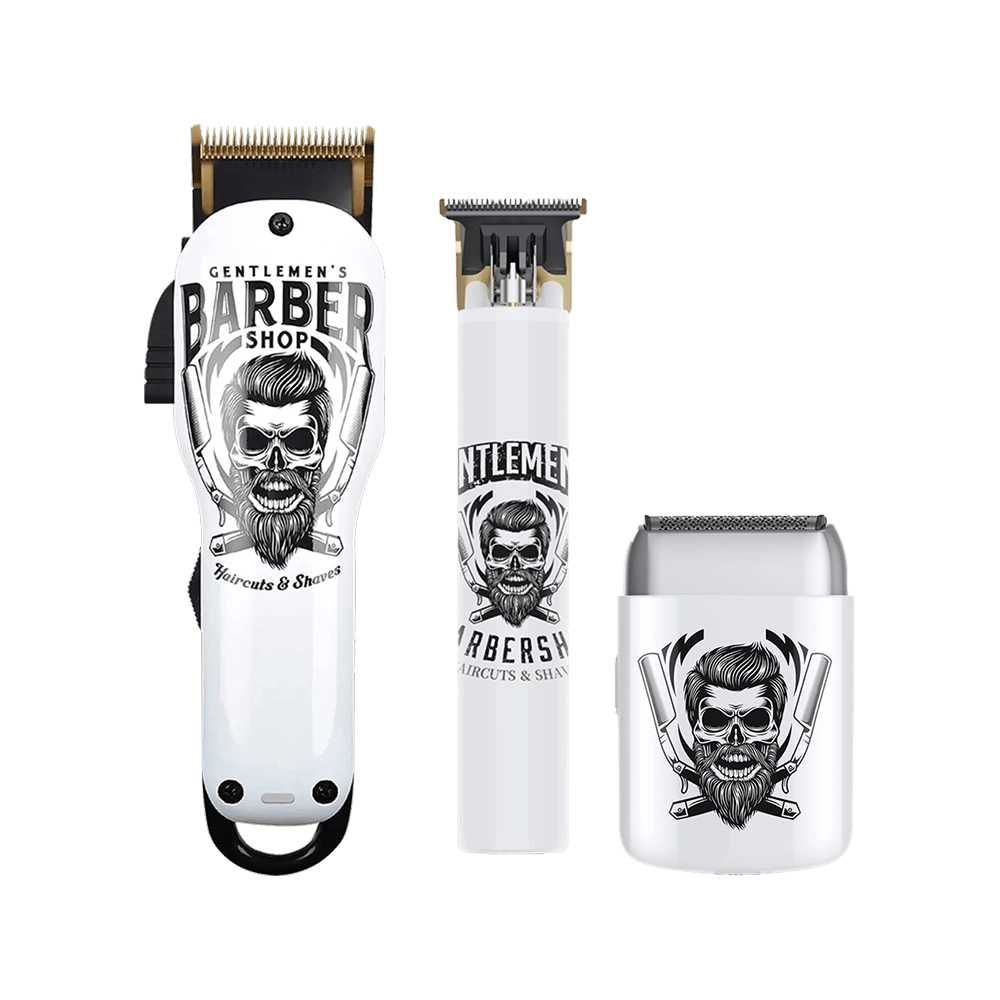
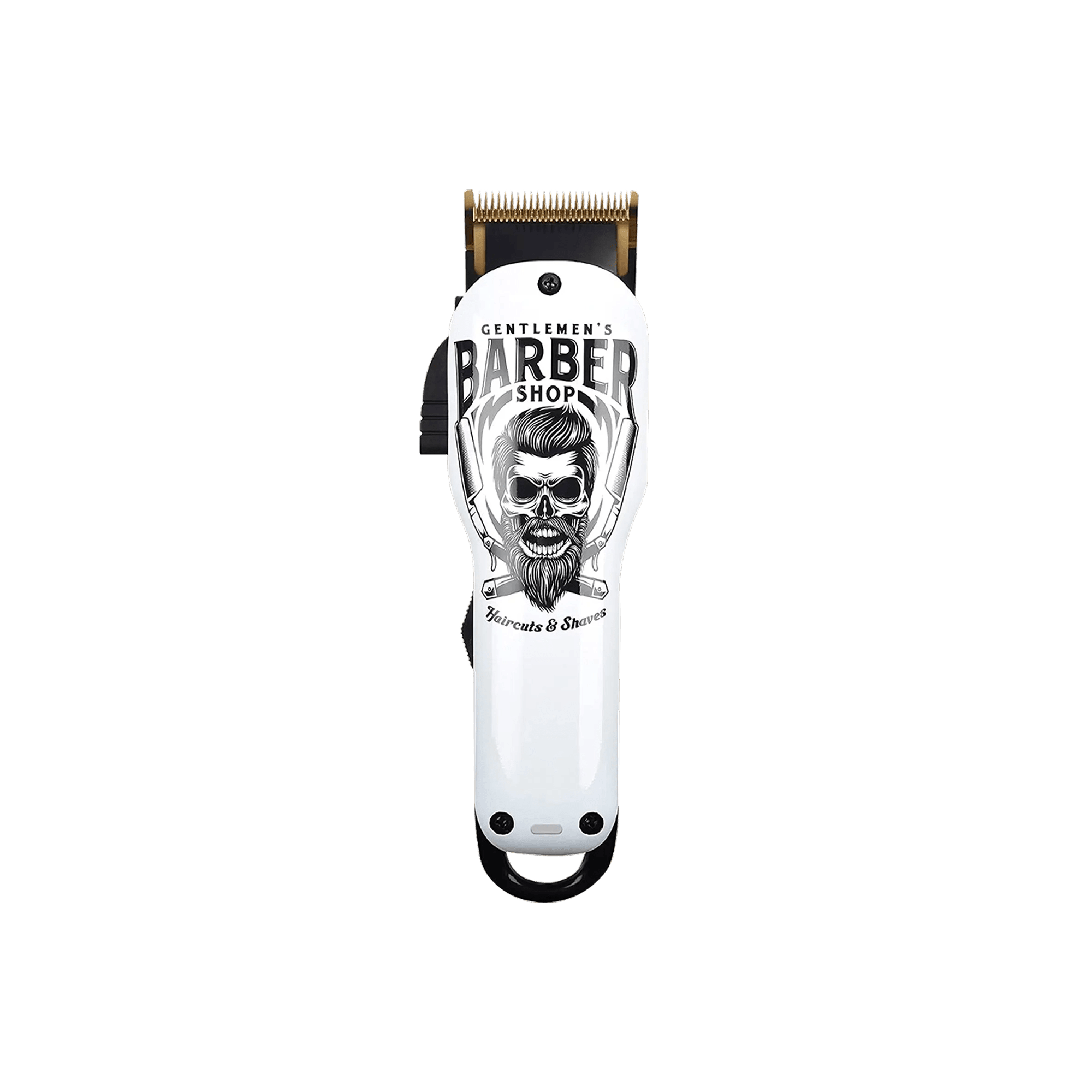
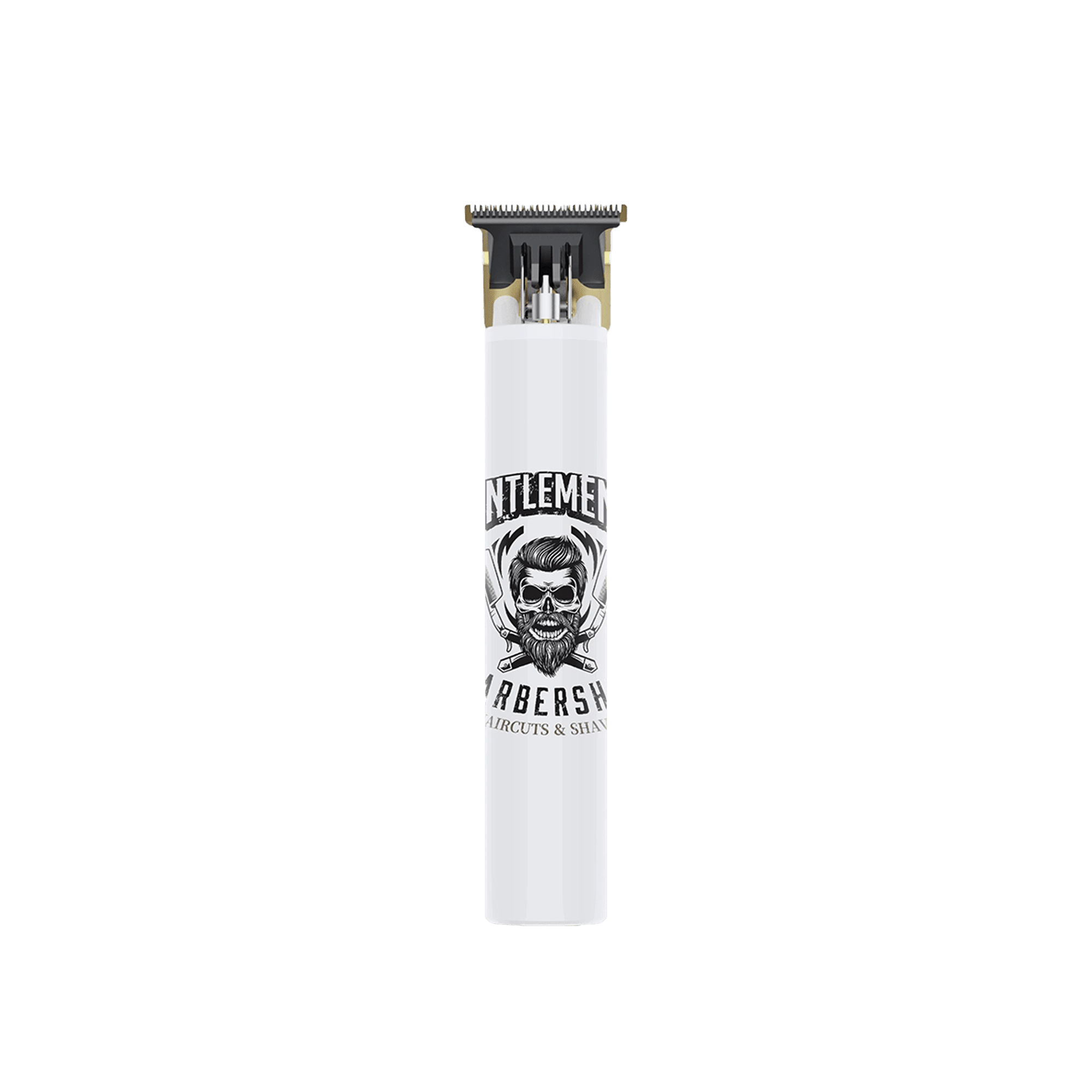
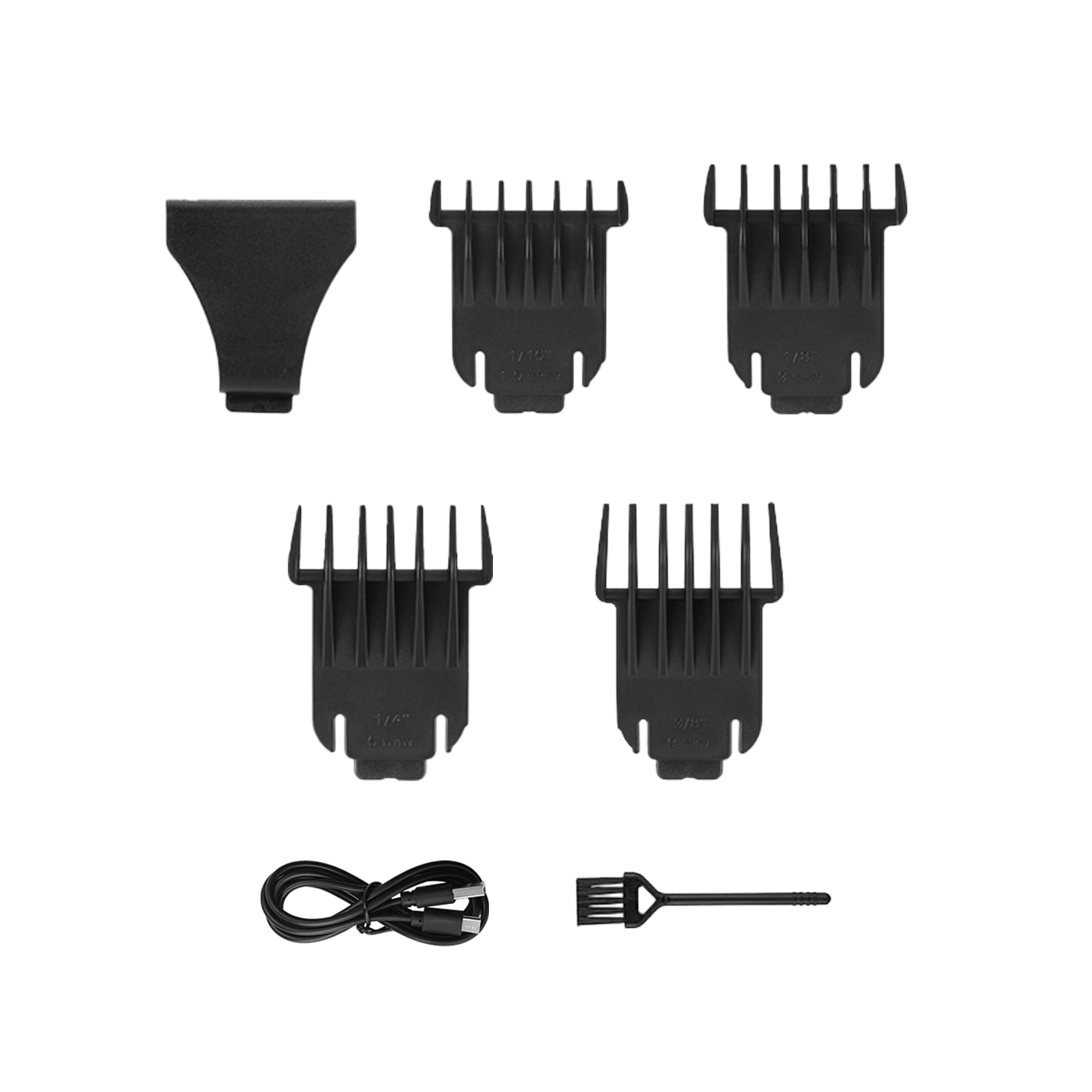
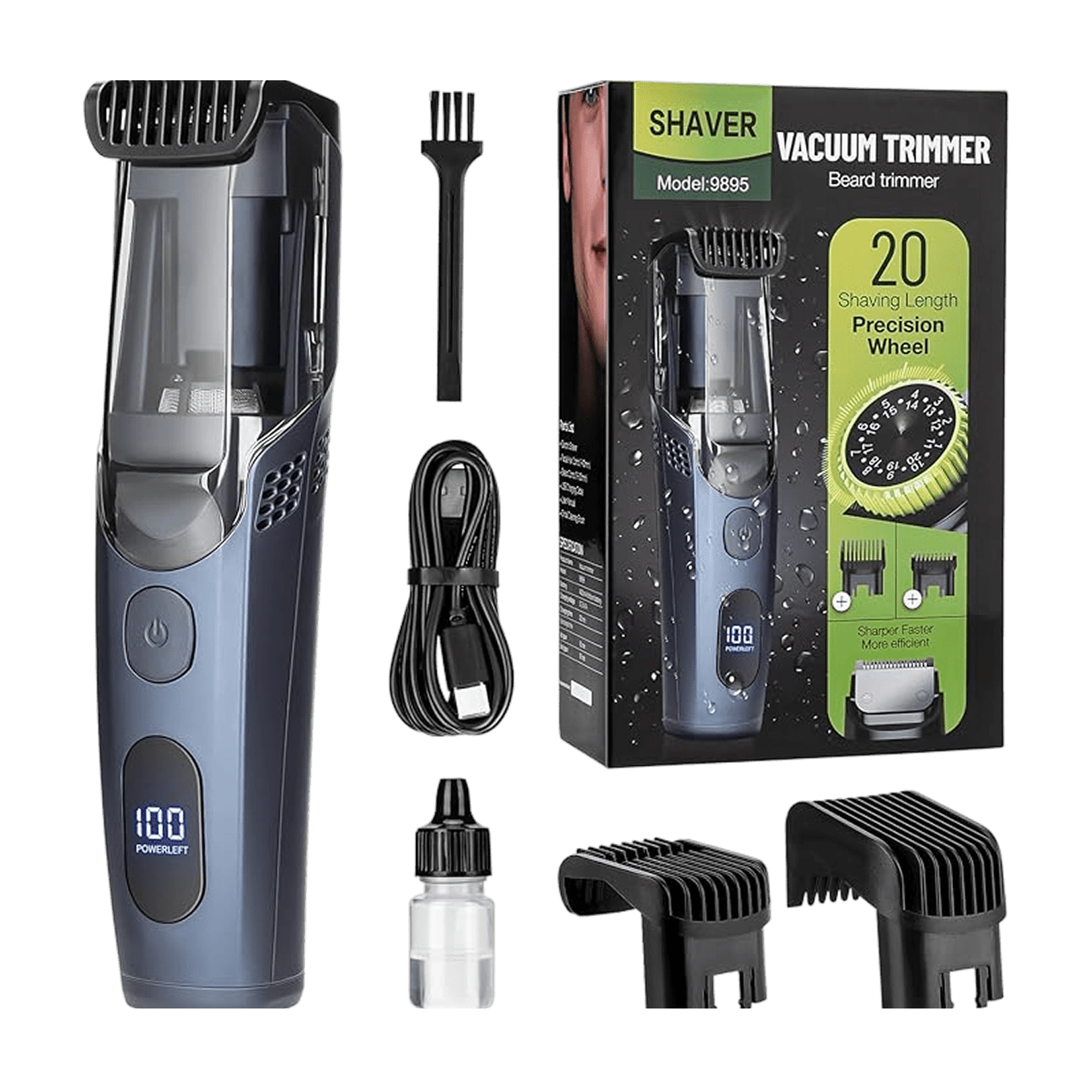
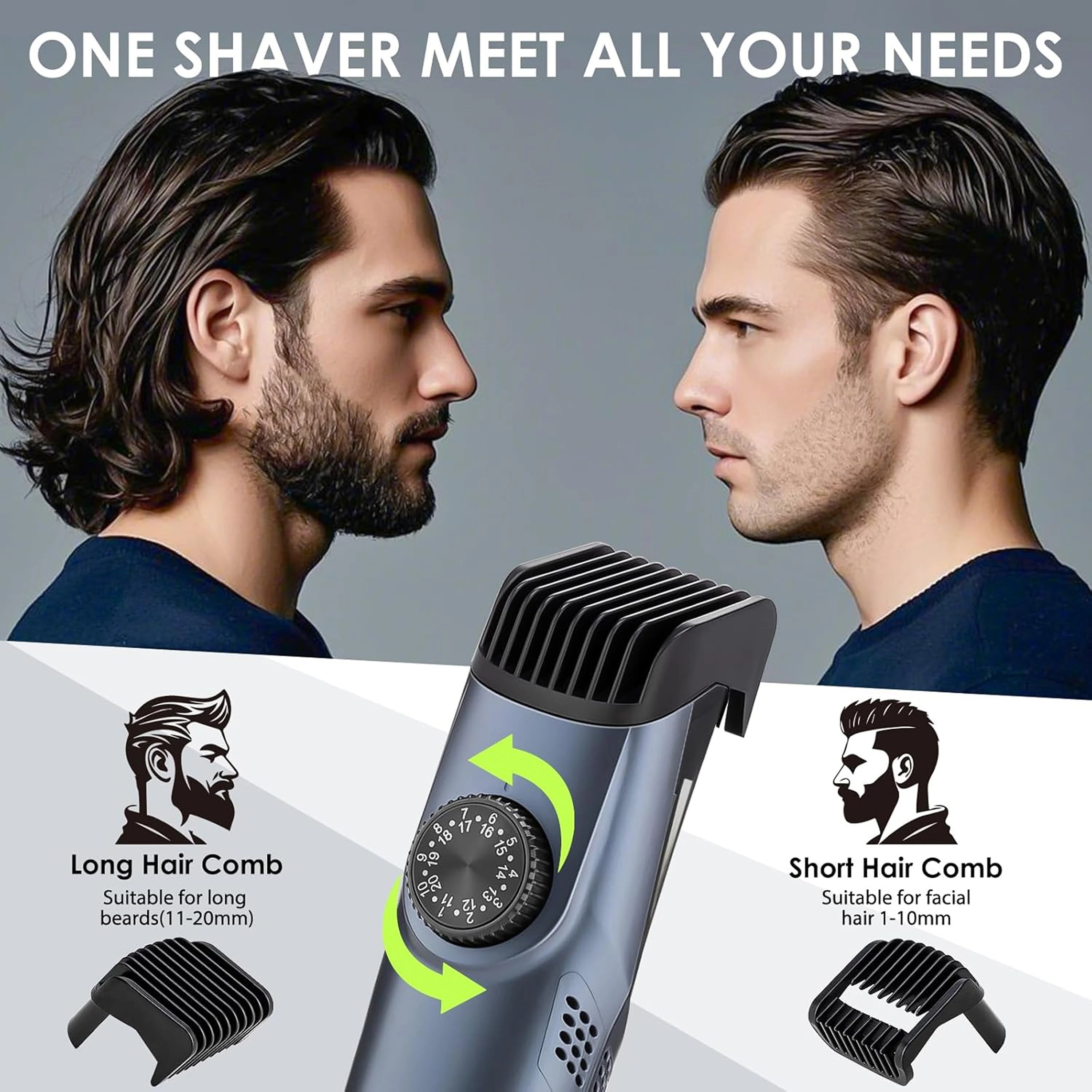
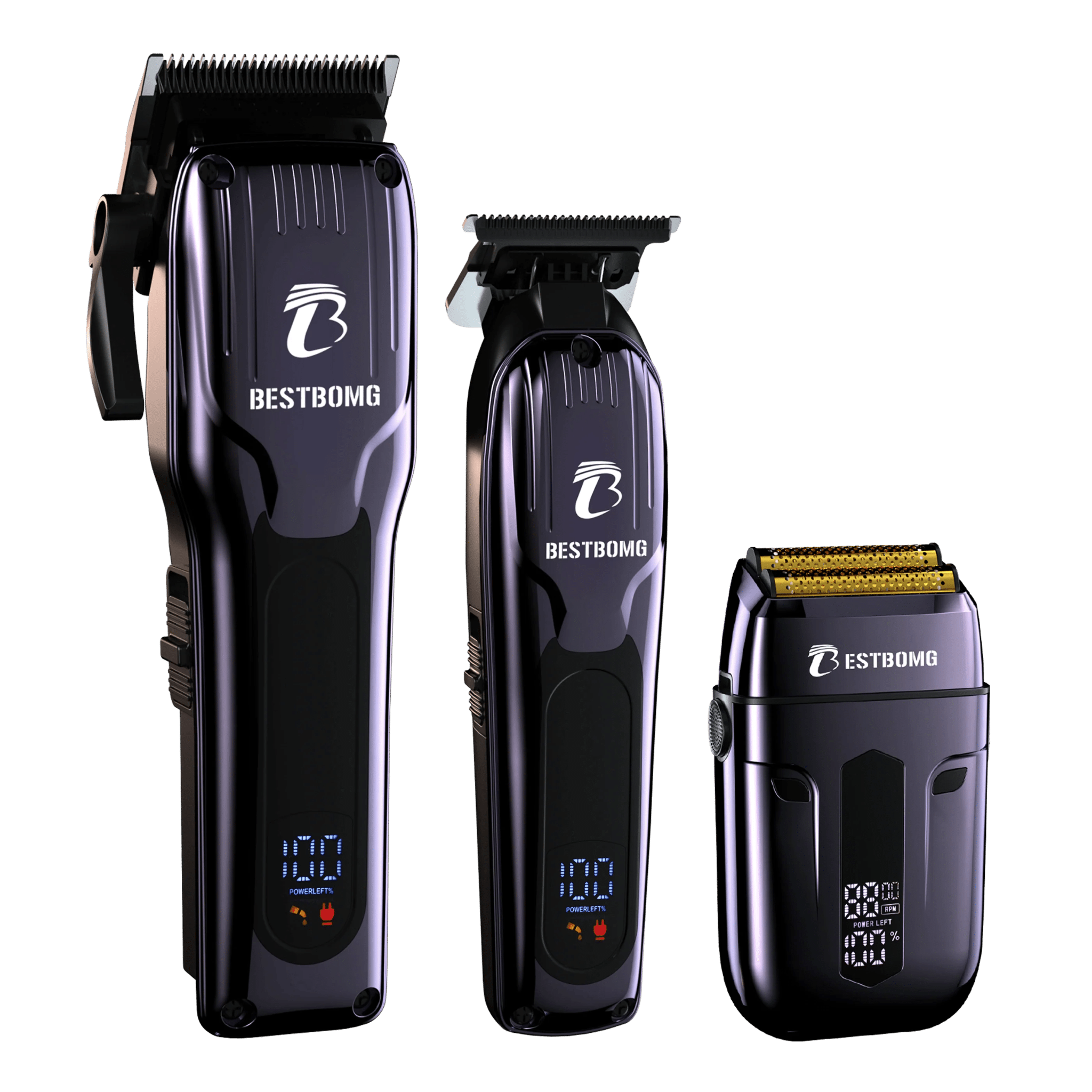
If you're planning a DIY approach, investing in quality hair clippers with adjustable guards ensures you can handle both the tapered sides and the textured top with precision.
What Is a Textured Crew Cut?

Core Characteristics
A textured crew cut features:
- Short, tapered sides and back: Typically faded or buzzed close (often with a #1 to #3 guard), creating sharp contrast with the top.
- Longer top: Hair on top measures 1 to 2 inches, cut with point-cutting or layering techniques to create separation and movement.
- Piecey finish: Individual strands or small sections stand out, giving a casual, intentional texture rather than a smooth, uniform surface.
This style evolved from the traditional crew cuta military-inspired cut from the 1920sby adding modern layering and styling flexibility.
Who It Works For
|
Face Shape |
Why It Works |
|
Oval |
Balanced proportions suit nearly any variation |
|
Round |
Height on top elongates the face |
|
Square |
Softens angular jawlines with textured movement |
|
Diamond |
Adds volume at the crown to balance narrow foreheads |
The textured crew cut also suits various hair typesstraight, wavy, and even some curly textures respond well to layering.
Textured Crew Cut Variations

Textured Crew Cut Low Fade
The low fade starts the taper just above the ears, keeping more length on the sides. This variation offers a subtler transition and works well in conservative workplaces.
Textured Crew Cut High Fade
A high fade begins near the temples, creating dramatic contrast between the top and sides. Pair this with aggressive texturing for a bold, modern edge.
Messy Textured Crew Cut
Skip structured styling and use fingers to tousle the top into an intentionally disheveled look. This works best for casual environments and laid-back personalities.
Military Crew Cut (Textured)
Keep the top shorteraround ½ to 1 inchand add light texture for a cleaner, more disciplined appearance that still avoids the flat uniformity of a traditional buzz.
How to Cut a Textured Crew Cut at Home

Tools You'll Need
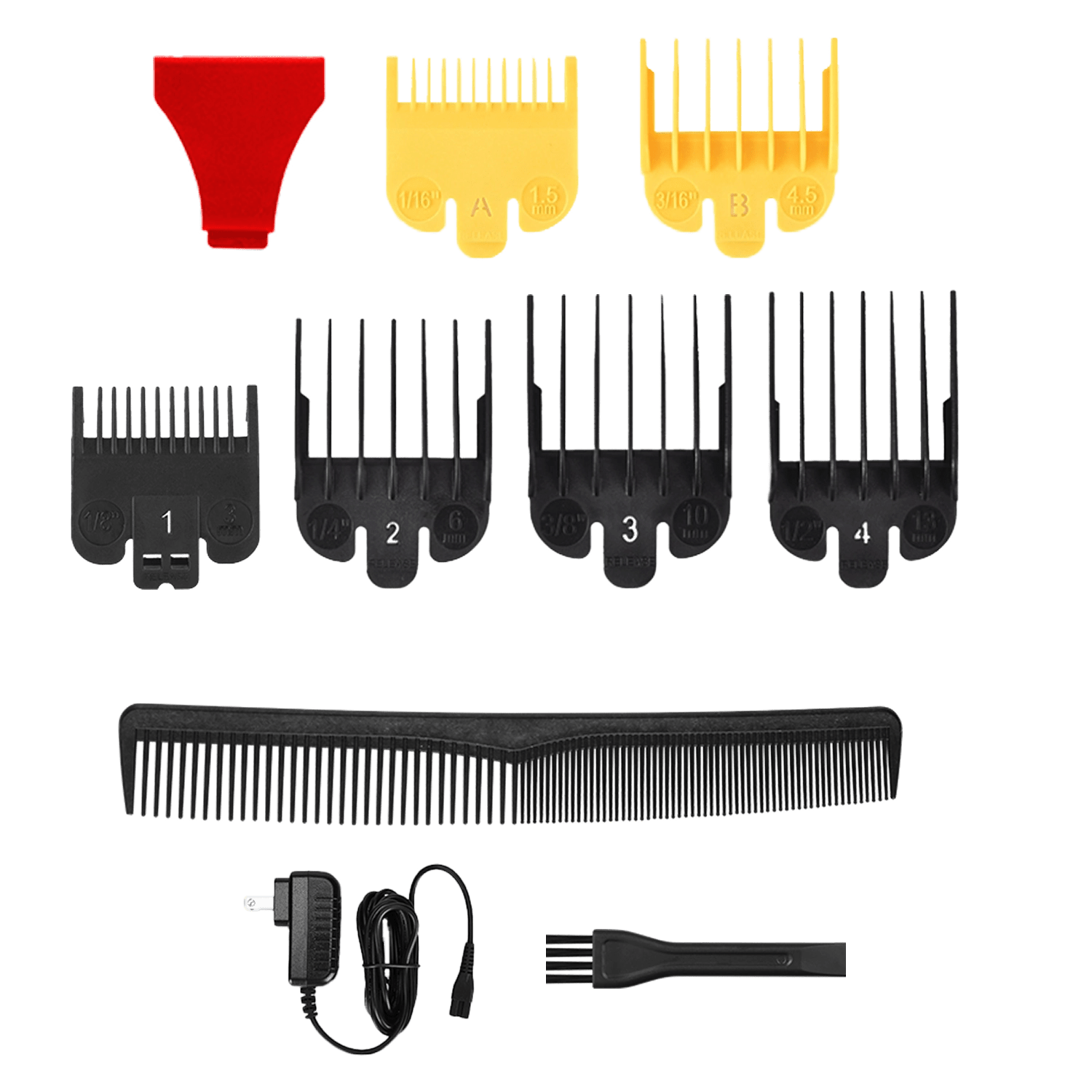
- Adjustable hair clipper with guards (#1 through #4)
- Texturizing shears or regular scissors
- Comb
- Hand mirror
- Cape or towel
Step-by-Step Process
Start with clean, dry hair. Cutting wet hair can mislead you on final length since hair shrinks as it dries.
Buzz the sides and back. Attach a #2 or #3 guard and run the clipper upward from the neckline to just above the ears. Use smooth, overlapping strokes. For a fade, switch to a #1 guard at the bottom inch and blend upward.
Trim the top to 1–2 inches. Comb the hair upward and use scissors to cut horizontally across. Keep the front slightly longer than the crown for a natural gradient.
Add texture. Hold texturizing shears or regular scissors vertically and point-cut into the ends. This creates choppy, uneven tips that separate when styled. Avoid cutting straight acrossvertical cuts prevent blunt edges.
Blend the transition. Remove the guard and use the clipper blade to fade the line where the short sides meet the longer top. Flick the clipper outward at the boundary to soften harsh edges.
Check symmetry. Use a hand mirror to view both sides and the back. Make micro-adjustments until the fade and top length match on both sides.
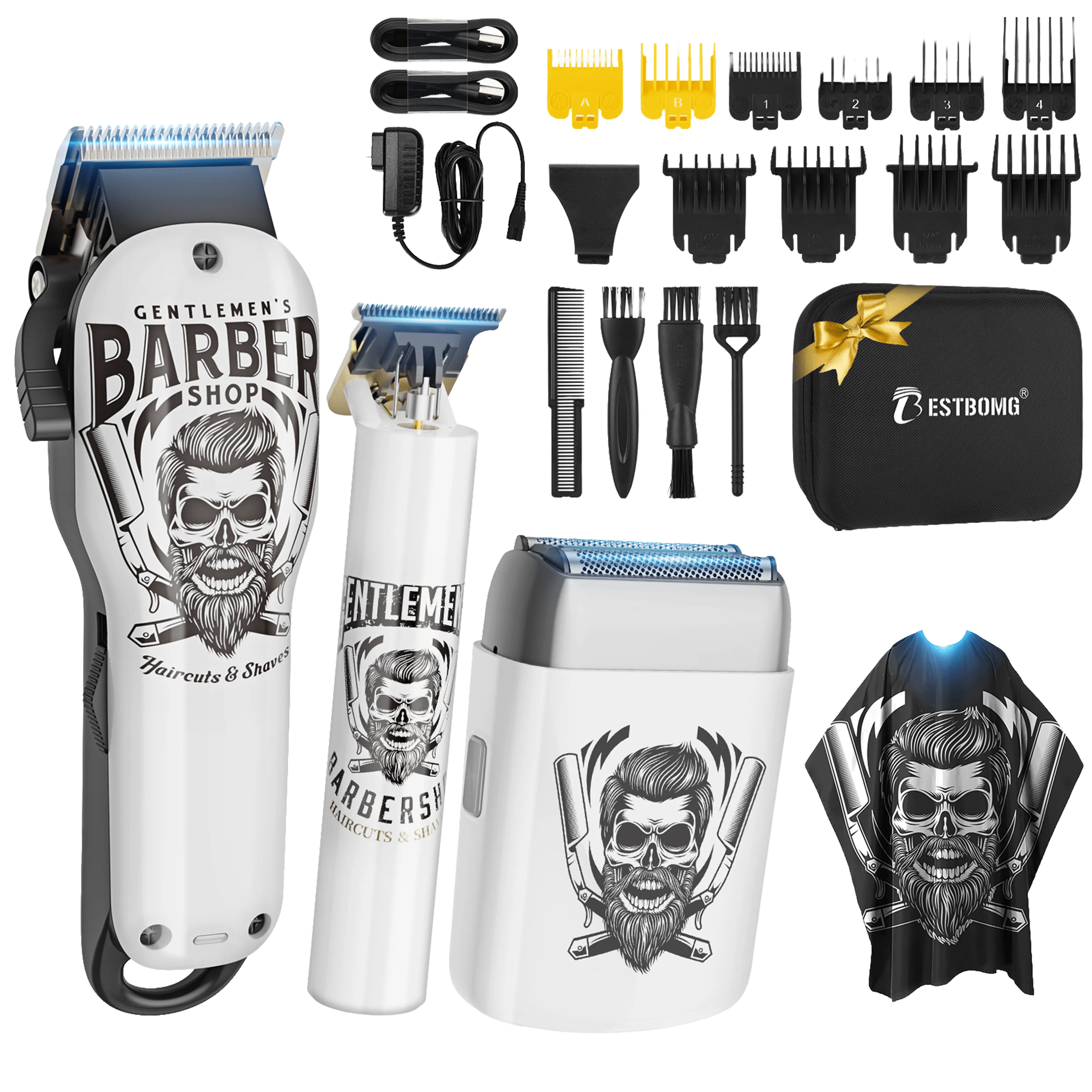
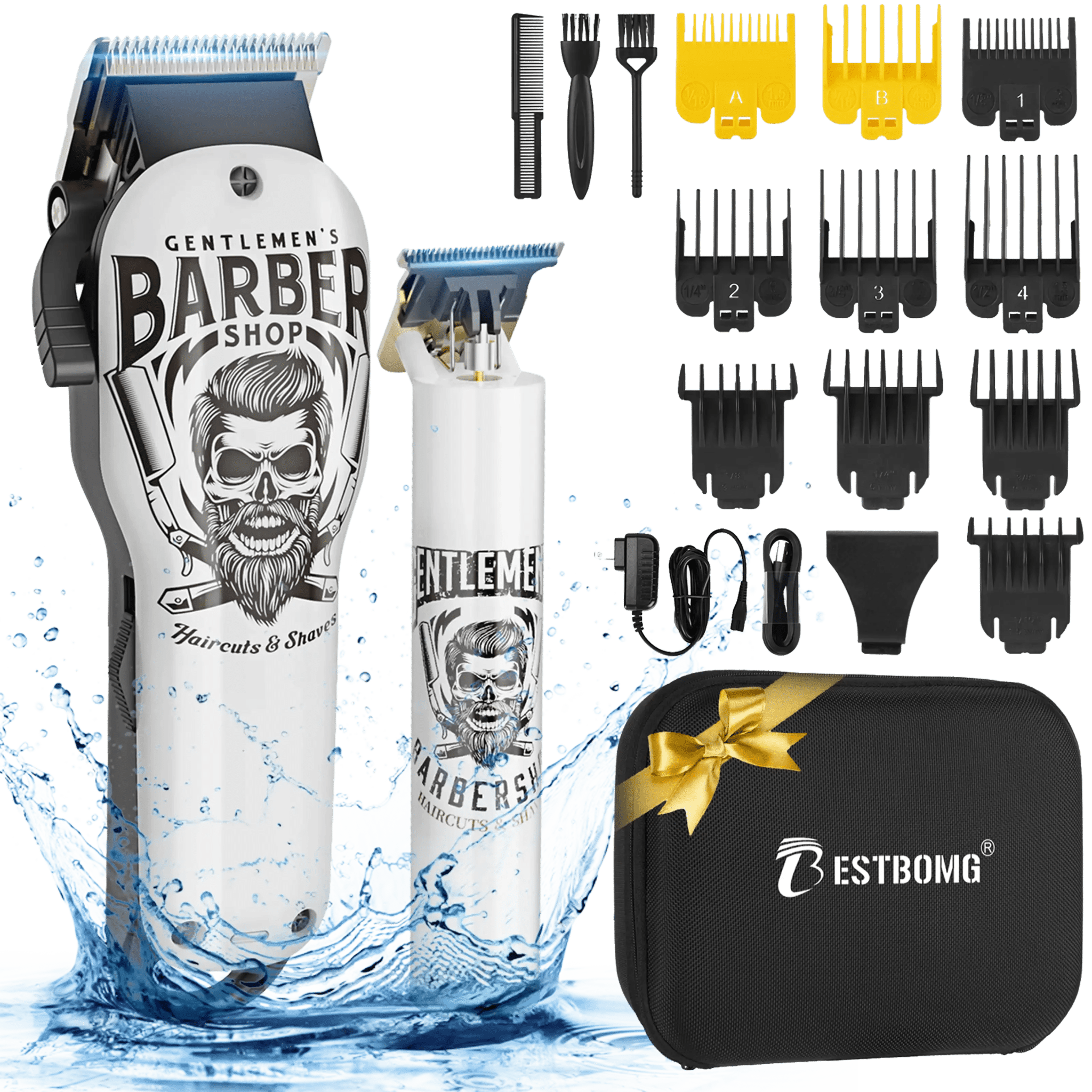
For a complete home setup, explore starter home haircut kits that include multiple guards, scissors, and maintenance tools.
How to Style a Textured Crew Cut
Best Products
|
Product Type |
Purpose |
Best For |
|
Matte clay |
Strong hold, no shine, buildable texture |
Thick, coarse hair; all-day control |
|
Texture paste |
Medium hold, slight sheen, flexible styling |
Fine to medium hair; reworkable looks |
|
Matte pomade |
Firm hold, minimal shine, defined pieces |
Straight hair; structured styles |
|
Sea salt spray |
Light hold, natural volume, beachy texture |
Wavy hair; casual, tousled finishes |
Avoid high-shine pomades or heavy waxesthey weigh down the texture and create a slick, outdated appearance.
Daily Styling Routine
Start with damp hair. Towel-dry after showering until hair is slightly damp, not dripping wet. Excess water dilutes product effectiveness.
Warm the product. Rub a dime-sized amount of clay, paste, or pomade between your palms until it softens and spreads evenly.
Apply from back to front. Run your hands through the top, working the product from the crown toward the hairline. This ensures even distribution.
Use your fingers, not a comb. Pinch small sections of hair and pull upward or forward to create separation. Twist or scrunch pieces for added definition.
Adjust the direction. Push the front forward for a fringe-like effect, sweep it to the side for a classic part, or lift it straight up for maximum height.
Optional: finish with hairspray. A light mist locks the style without stiffness. Hold the can 8–10 inches away and spray briefly.
Pro Tip
If the style looks too uniform or flat, back-comb (tease) small sections at the roots to add instant lift and volume.
Maintenance Schedule
Every 2–3 Weeks: Sides and Back
The tapered sides grow out quickly and lose their sharp definition. Visit a barber or use your clipper to re-fade the sides and clean up the neckline.
Every 4–6 Weeks: Top Trim
The top requires less frequent maintenance. Trim ¼ to ½ inch to remove split ends and refresh the texture. If you skip this step, the top becomes heavy and loses its piecey quality.
Daily: Washing and Conditioning
Wash your hair 3–4 times per week with a lightweight shampoo. Over-washing strips natural oils, causing dryness and frizz. Use a light conditioner on the ends onlyapplying it to the scalp can flatten the style.
Common Mistakes to Avoid
Cutting the Top Too Short
Leaving less than ¾ inch on top eliminates the ability to add texture. You'll end up with a standard buzz cut instead of a styled crew cut. Always err on the side of leaving more lengthyou can trim again if needed.
Using the Wrong Product
Gel and high-shine pomades create a wet, outdated look that contradicts the matte, casual vibe of a textured crew cut. Stick to clay, paste, or powder-based products.
Over-Styling
Too much product or excessive combing creates clumps and stiffness. The goal is soft, touchable texturenot a helmet. Use less product than you think you need and build up gradually.
Skipping the Fade
A blunt, unblended transition between the top and sides looks harsh and unfinished. Spend extra time blending the fade zone for a polished result.
Textured Crew Cut vs. Other Short Styles
|
Style |
Top Length |
Texture |
Best For |
|
Textured Crew Cut |
1–2 inches |
High (choppy, layered) |
Versatile, modern, low-maintenance |
|
Classic Crew Cut |
½–1 inch |
Low (uniform, smooth) |
Conservative settings, minimal styling |
|
Buzz Cut |
¼ inch or less |
None |
Zero styling, maximum simplicity |
|
Ivy League |
1–2 inches (front longer) |
Medium |
Side-part styles, professional polish |
|
French Crop |
1–2 inches (blunt fringe) |
Medium to high |
Fashion-forward, bold fringe |
The textured crew cut offers the perfect middle ground: short enough to stay low-maintenance, long enough to express personal style through texture and direction.
Tools and Products Checklist
For Cutting
- Adjustable clipper with guards #1–#4
- Texturizing shears or regular scissors
- Comb (fine-tooth for precision, wide-tooth for thick hair)
- Hand mirror for back-of-head checks
- Cape or old towel to catch clippings
For Styling
- Matte clay, texture paste, or matte pomade
- Sea salt spray (optional, for wavy hair)
- Light-hold hairspray (optional, for extended hold)
- Blow dryer (optional, for added volume)
For Maintenance
- Clipper oil for blade care
- Brush for cleaning clipper teeth
- Mirror setup (wall-mounted + handheld)
Proper tool maintenance extends the life of your clippers and ensures consistent, smooth cuts. For more on upkeep, see this hair clipper overview on Wikipedia.
Frequently Asked Questions
How long does hair need to be for a textured crew cut?
You need at least 1 to 2 inches on top to create visible texture. If your hair is shorter, let it grow for 4–6 weeks before attempting this cut. The sides can start at any length since they'll be buzzed short.
Can I do a textured crew cut on curly hair?
Yes, but the texture will look different. Curly hair naturally adds volume and separation, so you may need less product and fewer point-cutting passes. Keep the top slightly longer (1.5–2 inches) to account for shrinkage when dry.
What's the difference between a textured crew cut and a buzz cut?
A buzz cut uses the same guard length all over, creating uniform shortness with no styling. A textured crew cut leaves 1–2 inches on top with layered, choppy ends, allowing for styled texture and movement.
How often should I wash my hair with this style?
Wash 3–4 times per week with a lightweight shampoo. Daily washing strips oils and causes dryness, making the hair harder to style. On non-wash days, rinse with water and restyle with product.
Do I need texturizing shears, or can I use regular scissors?
Regular scissors work if you point-cut (hold scissors vertically and snip into the ends). Texturizing shears make the process faster and create more consistent results, but they're not required for beginners.
What's the best product for a matte finish?
Matte clay provides strong hold with zero shine and is ideal for thick or coarse hair. For finer hair, try a texture paste with medium hold. Avoid pomades labeled "high shine" or gel-based products.
Conclusion
The textured crew cut delivers modern style with minimal upkeep perfect for men who want a sharp, intentional look without spending 20 minutes in front of the mirror every morning. By mastering the cut, choosing the right products, and maintaining regular trims, you'll keep this versatile style looking fresh week after week.
Ready to tackle your next cut? Explore hair cutting kits with adjustable guards, scissors, and maintenance tools to build your home grooming setup.

Looking for something else?

How to Cut Baby Boy Hair with Clippers: Step-by-Step Guide
LEARN MORE
Do Hair Clippers Get Dull? Causes, Signs & Prevention
LEARN MORE
Can an Electric Shaver Cut You? Safety Facts & Prevention
LEARN MORE
How to Shave Balls with Electric Shaver: Safe Guide
LEARN MORELooking for something else?

Does Using Trimmer Increase Hair Growth? Facts & Myths
LEARN MORE
Best Hair Clippers for Men: Top Picks for Home & Pro Use
LEARN MORE
Best Professional Hair Clippers for Barbers: Top Picks
LEARN MOREYou may also like


Further reading
Best Hair Clippers for Perfect Fades at Home
Clipper Lever Open vs Closed: What It Means (with mm)
Why You Need a Cordless Detailer Trimmer (And How to Pick the Right One)