










How to Cut a Caesar Haircut
The Caesar haircut is a timeless, low-maintenance style featuring short, horizontally-cut bangs and uniform length all around. Whether you're cutting your own hair at home or learning barbering basics, mastering how to cut a Caesar haircut with clippers gives you a clean, masculine look that works for nearly any face shape.
This guide walks you through every stepfrom choosing the right guard lengths to texturizing the top and blending the sides so you can achieve professional results with hair clippers you already own or plan to buy.
What Is a Caesar Cut Haircut?
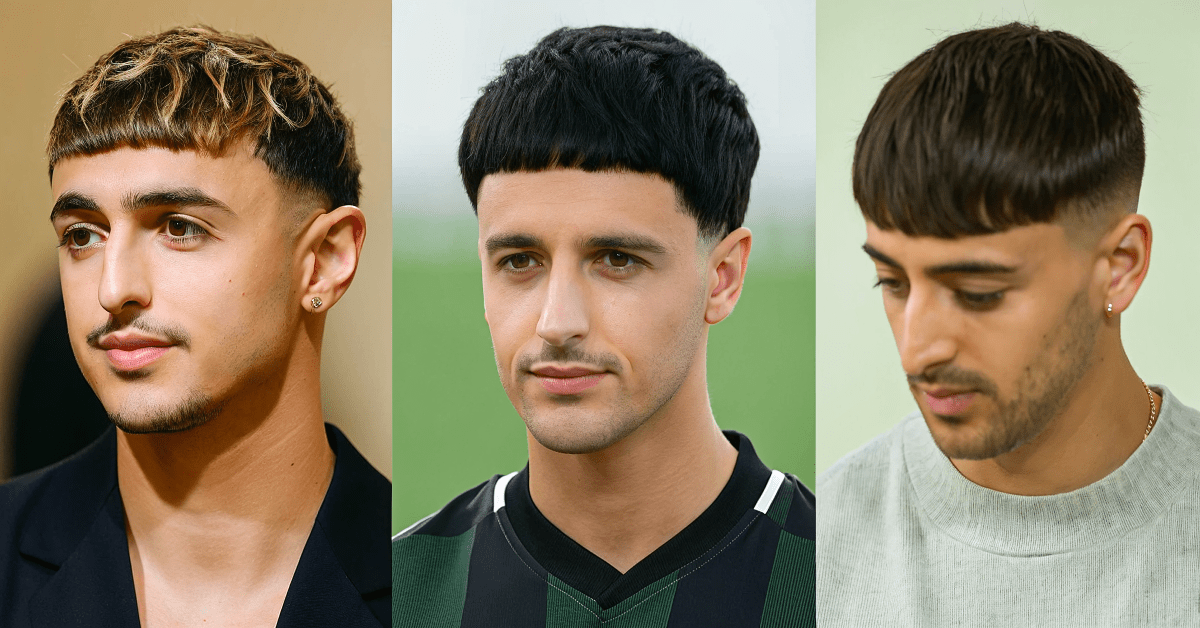
A Caesar cut is a short men's hairstyle characterized by:
- Short, horizontal bangs that sit 1–2 inches above the eyebrows
- Even length across the top, typically 1–3 inches
- Tapered or faded sides and back that blend into the longer top
- Forward styling where hair is combed toward the forehead
Named after Julius Caesar (who reportedly wore his hair forward to hide a receding hairline), this cut offers a clean, structured appearance with minimal styling effort. It's especially popular among men with thinning hair, straight to wavy textures, and those seeking a professional yet modern look.
Key Variations
|
Style |
Top Length |
Sides/Back |
Fringe |
|
Classic Caesar |
1–2 inches |
Tapered short |
Straight, blunt cut |
|
Dark Caesar |
Very short (¼–½ inch) |
Skin fade or #1 guard |
Minimal, textured |
|
Textured Caesar |
2–3 inches |
Medium fade |
Choppy, layered |
|
French Crop Caesar |
2–3 inches |
High fade |
Defined, longer fringe |
Tools You'll Need
Before you start cutting, gather:
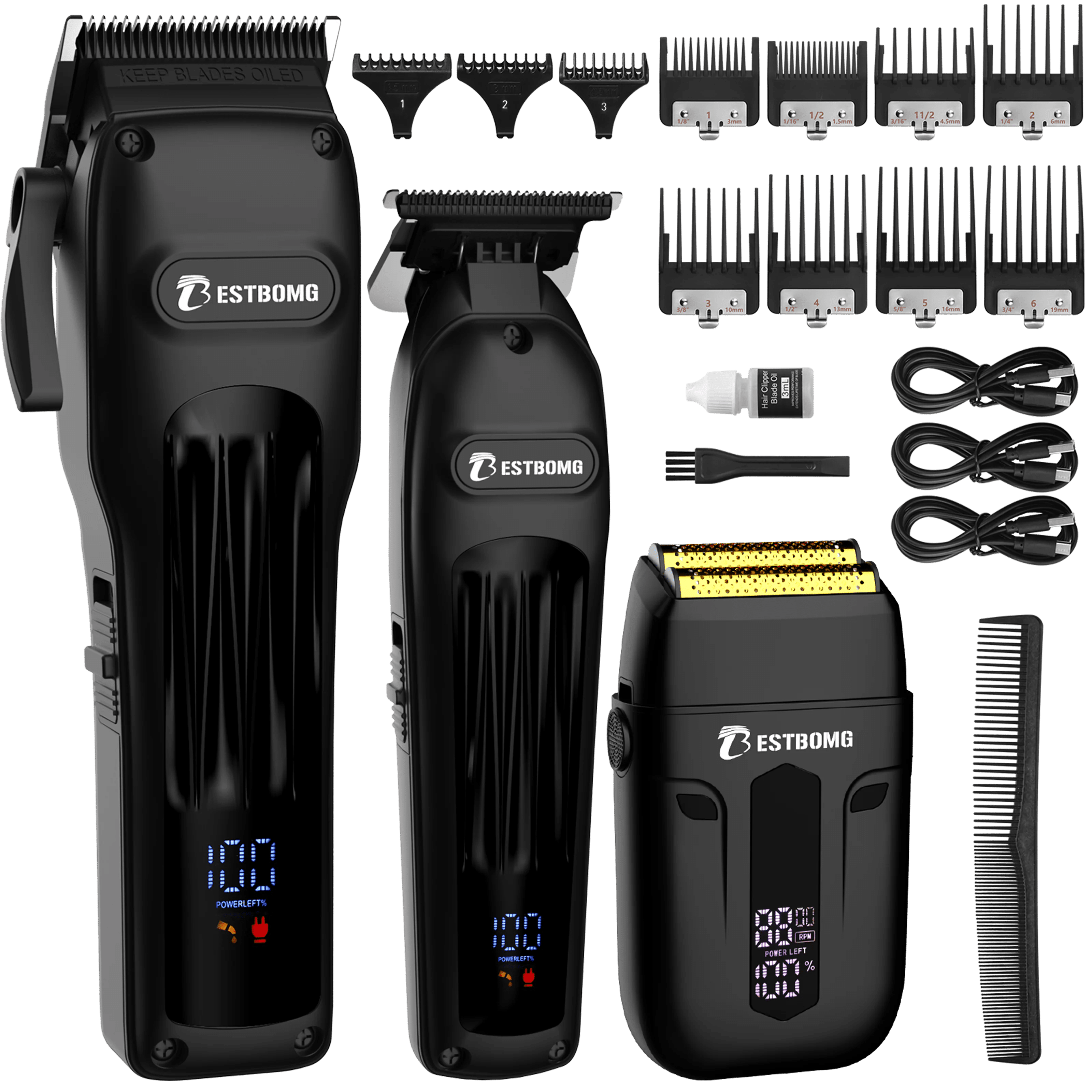
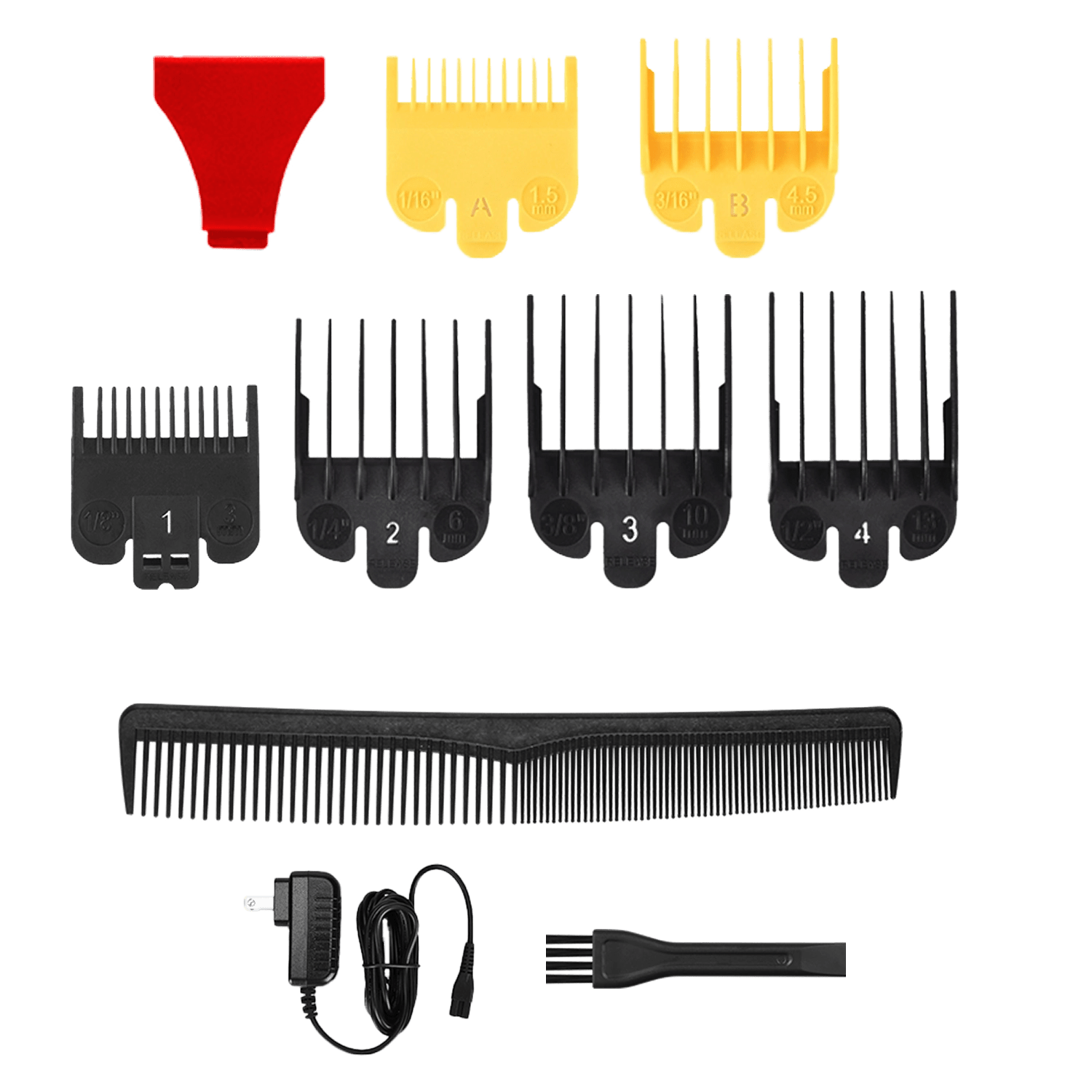
- Clippers with multiple guards (#1, #2, #3, #4)
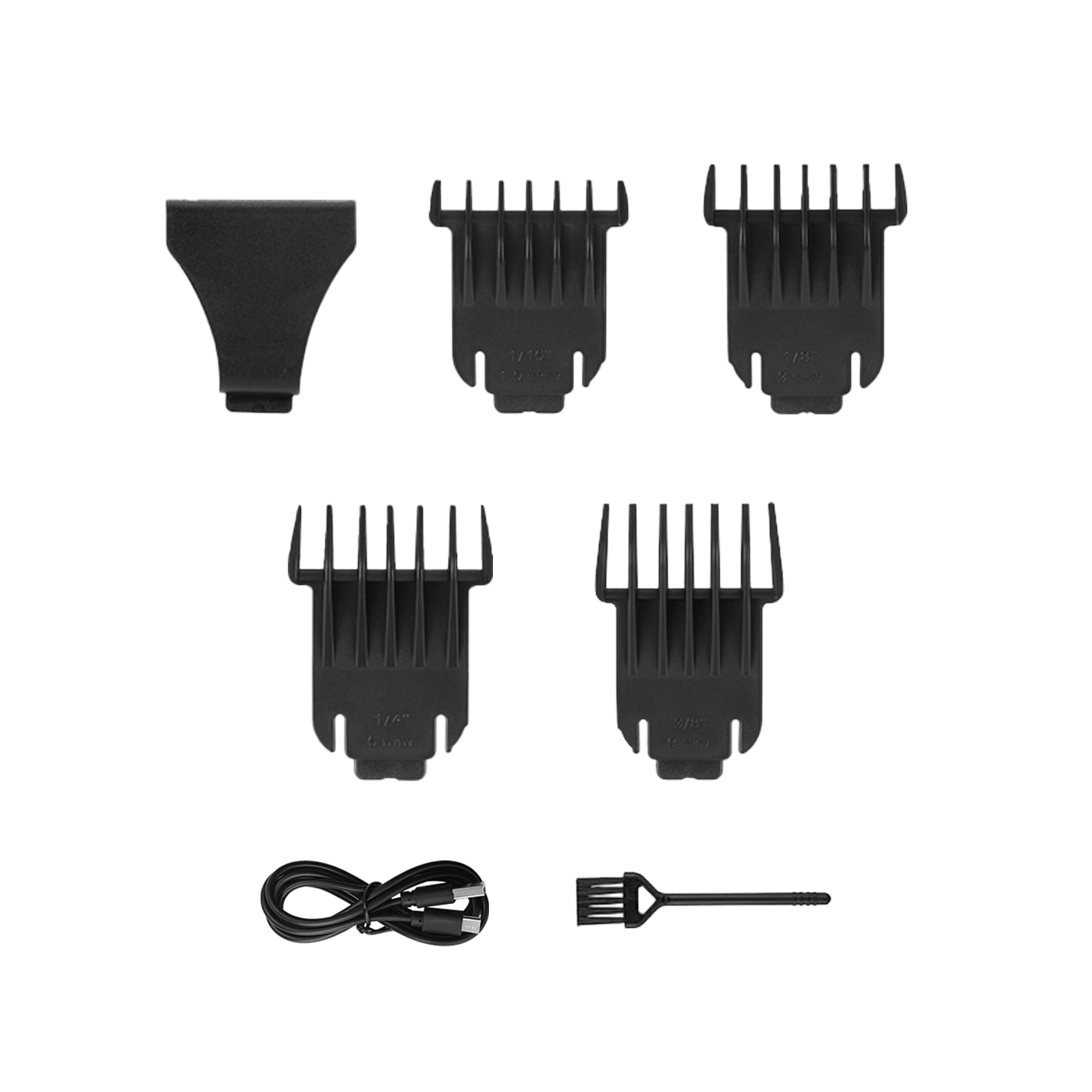
- Trimmer or detail clipper for edging and neckline
- Scissors for texturizing the top
- Fine-tooth comb to section and guide hair
- Spray bottle with water to dampen hair
- Mirror setup (handheld + wall-mounted for back visibility)
- Cape or towel to catch clippings
For beginners tackling their first at-home cut, a complete set with all necessary guards makes the process smoother. Check out starter home haircut kits that include clippers, combs, and guards in one package.
How to Cut a Caesar Haircut: Step-by-Step

Step 1: Start with Clean, Damp Hair
Wash and towel-dry the hair until it's damp but not dripping. Damp hair is easier to cut and shows the natural texture. Comb it forward in the direction it will be styledtoward the forehead.
Step 2: Section the Hair
Use your comb to create a horseshoe section that separates the top from the sides and back:
- Starting at the front hairline, comb straight back about 2–3 inches
- Angle the parting line down toward the top of each ear
- Continue the line around the back of the head, creating a U-shape
- Clip or tie the top section out of the way
This division lets you work on the sides and back first, then finish with the top and fringe.
Step 3: Cut the Sides and Back (Clipper Work)
Start with the sides and back to establish your foundation:
Create the Baseline:
- Attach a #1 or #2 guard to your clippers
- Begin at the bottom of the hairline (neckline)
- Work upward in smooth, vertical strokes following the head's curve
- Cut from the nape of the neck up to about ear-level
Blend and Taper:
- Switch to a #2 or #3 guard for the next section
- Start just above where the first guard ended
- Use a flicking motion as you reach the top of this sectionlift the clippers slightly away from the head to create a gradual blend
- For a low fade, keep sides longer; for a high fade, go shorter with a #0.5 or #1 at the bottom
Tips for Smooth Blending:
- Always move clippers against the direction of hair growth (upward)
- Use a "C-motion"curve the clipper slightly as you lift it away
- Blend in stages: short guard at bottom → medium guard mid-level → longer guard near the top
Step 4: Trim the Top
Release the top section and comb it forward:
Establish Length:
- Decide your desired top length (1–3 inches is standard)
- Use scissors or clippers with a longer guard (#4 or #5)
- For a classic Caesar, keep the top uniform by cutting horizontally across
- Hold hair between your fingers, pull taut, and trim to the same length throughout
Texturizing (Optional):
- For a modern, less blocky look, use point-cutting with scissors
- Hold scissors at a 45-degree angle to the hair ends
- Snip into the tips to create texture and remove weight
- This adds movement and prevents the top from looking too flat
Step 5: Cut the Bangs (Fringe)
The bangs define the Caesar cut:
- Comb the front section forward over the forehead
- Determine length: Typically 1–2 inches past the hairline (about eyebrow level)
- Cut straight across horizontally with scissors
- Hold hair between your fingers for control and cut just below your fingers
- Check symmetry by combing straight down and comparing both sides
For a Blunt Look: Cut cleanly across in one line
For Texture: Use point-cutting to soften the edge
Step 6: Blend the Top into the Sides
The transition between the top and tapered sides is crucial:
- Use scissors or clippers to fade the connection point
- Comb hair at the boundary between top and sides
- Cut at an angle to remove any harsh lines
- Blend so the top flows naturally into the shorter sides without a visible "shelf"
Step 7: Clean Up the Edges
Switch to a trimmer or detail clipper:
- Neckline: Create a clean, rounded or squared neckline at the back
- Sideburns: Trim to desired length and ensure both sides match
- Around the ears: Use the trimmer to remove hair touching the ears
- Hairline: Sharpen the front hairline if needed (but keep it natural-looking)
Step 8: Final Check and Style
- Comb all hair forward
- Check for any uneven spots or long hairs
- Trim stray hairs with scissors
- Apply a small amount of pomade, wax, or styling cream
- Comb forward and slightly to one side for the classic Caesar look
How to Cut a Dark Caesar Haircut

The dark Caesar is an ultra-short variation popular in African American communities:
Key Differences:
- Top is cut to ¼ to ½ inch using a #1.5 or #2 guard all over
- Sides are faded to skin or #0.5 guard
- Waves (360 waves) are often maintained through brushing and du-rags
- Fringe is minimal and textured, not a distinct bang
Cutting Steps:
- Use a #1 or #1.5 guard all over the head for a uniform short length
- Create a skin fade on the sides and back using progressively shorter guards
- Line up the hairline, edges, and neckline with a trimmer for sharp definition
- Brush forward to encourage wave pattern (if desired)
The dark Caesar requires frequent maintenancetouch-ups every 1–2 weeks to keep the fade crisp and waves tight.
Tips for Maintaining Your Caesar Cut at Home

Between Cuts:
- Touch up the neckline and sideburns every 1–2 weeks with a trimmer
- Trim bangs if they extend past eyebrow level
- Use a light styling product to keep hair in place
Styling Products:
- Pomade or wax: For shine and hold
- Matte clay: For a natural, textured finish
- Styling cream: For soft control without stiffness
Washing Frequency: Wash every 2–3 days to maintain natural oils while keeping hair clean. Over-washing can dry out shorter cuts.
Tools Maintenance: Clean clipper blades after each use and oil them regularly to maintain performance. Dull blades pull hair instead of cutting cleanly, leading to uneven results.
Who Suits a Caesar Haircut?
The Caesar cut is highly versatile but works especially well for:
Face Shapes:
- Oval: The universal face shape that suits nearly any style
- Round: The horizontal fringe adds structure and angles
- Square: Softens a strong jawline with forward styling
- Heart: Balances a wider forehead
Hair Types:
- Straight: Creates clean, defined lines
- Wavy: Adds natural texture and movement
- Thin/Thinning: The forward styling creates the illusion of fuller hair
Not Ideal For:
- Very curly or coily hair (unless cut very short like a dark Caesar)
- Extremely thick hair (can look boxy without proper texturizing)
Common Mistakes and How to Avoid Them

Cutting the Bangs Too Short
Leave bangs at least 1–1.5 inches long. Too short looks unbalanced and loses the Caesar's signature look.
Skipping the Blend
A harsh line between the top and sides ruins the cut. Take time to blend with multiple guard lengths or scissor work.
Uneven Sides
Always work symmetricallycut one side, then mirror the technique on the other. Check frequently in the mirror.
Over-Texturizing
Too much point-cutting creates a choppy, uneven appearance. Use texturizing sparingly, especially if you're new to cutting hair.
Ignoring Hair Growth Patterns
If hair naturally grows forward, work with it. If it has a cowlick, adjust the styling direction accordingly.
Frequently Asked Questions
What is a Caesar cut haircut?
A Caesar cut is a short men's hairstyle with horizontally-cut bangs that sit 1–2 inches above the eyebrows, even length across the top (typically 1–3 inches), and tapered or faded sides and back. Hair is styled forward toward the forehead, creating a clean, structured look that requires minimal daily maintenance.
How long should a Caesar cut be?
The top of a Caesar cut typically ranges from 1 to 3 inches, with bangs cut to about eyebrow level. Sides and back are tapered shorterusually a #1 to #3 guard (⅛ to ⅜ inch). The dark Caesar variation is much shorter, with top length at ¼ to ½ inch all around.
How to cut a dark Caesar haircut?
To cut a dark Caesar, use a #1 or #1.5 guard all over the head for uniform short length. Create a skin fade on the sides and back using progressively shorter guards (#0.5, #1, #1.5). Line up edges, hairline, and neckline with a trimmer. Brush hair forward to encourage wave patterns if desired.
What's the difference between a Caesar cut and a crew cut?
A Caesar cut features horizontal bangs combed forward and even length on top with tapered sides. A crew cut has the top gradually shortened from front to back (longer at the front, shorter toward the crown) with no distinct fringe. The Caesar is styled forward; the crew cut stands upright.
Can you cut a Caesar haircut with clippers only?
Yes, you can cut a Caesar entirely with clippers using various guard lengths. However, scissors give you more control for texturizing the top and cutting precise, straight bangs. A combination of clippers (for sides, back, and bulk removal) and scissors (for detailing and fringe) produces the best results.
How often should you get a Caesar cut trimmed?
Get a full Caesar cut every 3–4 weeks to maintain the shape and length. Touch up the neckline, sideburns, and edges every 1–2 weeks between full cuts. The dark Caesar requires more frequent maintenancefull cuts every 2 weeks and edge touch-ups weekly to keep fades sharp.
Conclusion
Learning how to cut a Caesar haircut opens the door to low-maintenance, classic styling that suits nearly any lifestyle. By following the proper sectioning, guard progression, and blending techniques outlined here, you can achieve barbershop-quality results at home.
Whether you're mastering the cut for yourself or expanding your barbering skills, the right tools and practice make all the difference. Ready to start cutting? Explore our collection of hair clippers to find reliable, easy-to-use options for every skill level.

Looking for something else?

How to Cut Baby Boy Hair with Clippers: Step-by-Step Guide
LEARN MORE
Do Hair Clippers Get Dull? Causes, Signs & Prevention
LEARN MORE
Can an Electric Shaver Cut You? Safety Facts & Prevention
LEARN MORE
How to Shave Balls with Electric Shaver: Safe Guide
LEARN MORELooking for something else?

Does Using Trimmer Increase Hair Growth? Facts & Myths
LEARN MORE
Best Hair Clippers for Men: Top Picks for Home & Pro Use
LEARN MORE
Best Professional Hair Clippers for Barbers: Top Picks
LEARN MOREYou may also like

Beard Trimmer-T9


Electric Shaver Y4

Further reading

Best Hair Clippers for Perfect Fades at Home
Clipper Lever Open vs Closed: What It Means (with mm)

Why You Need a Cordless Detailer Trimmer (And How to Pick the Right One)