





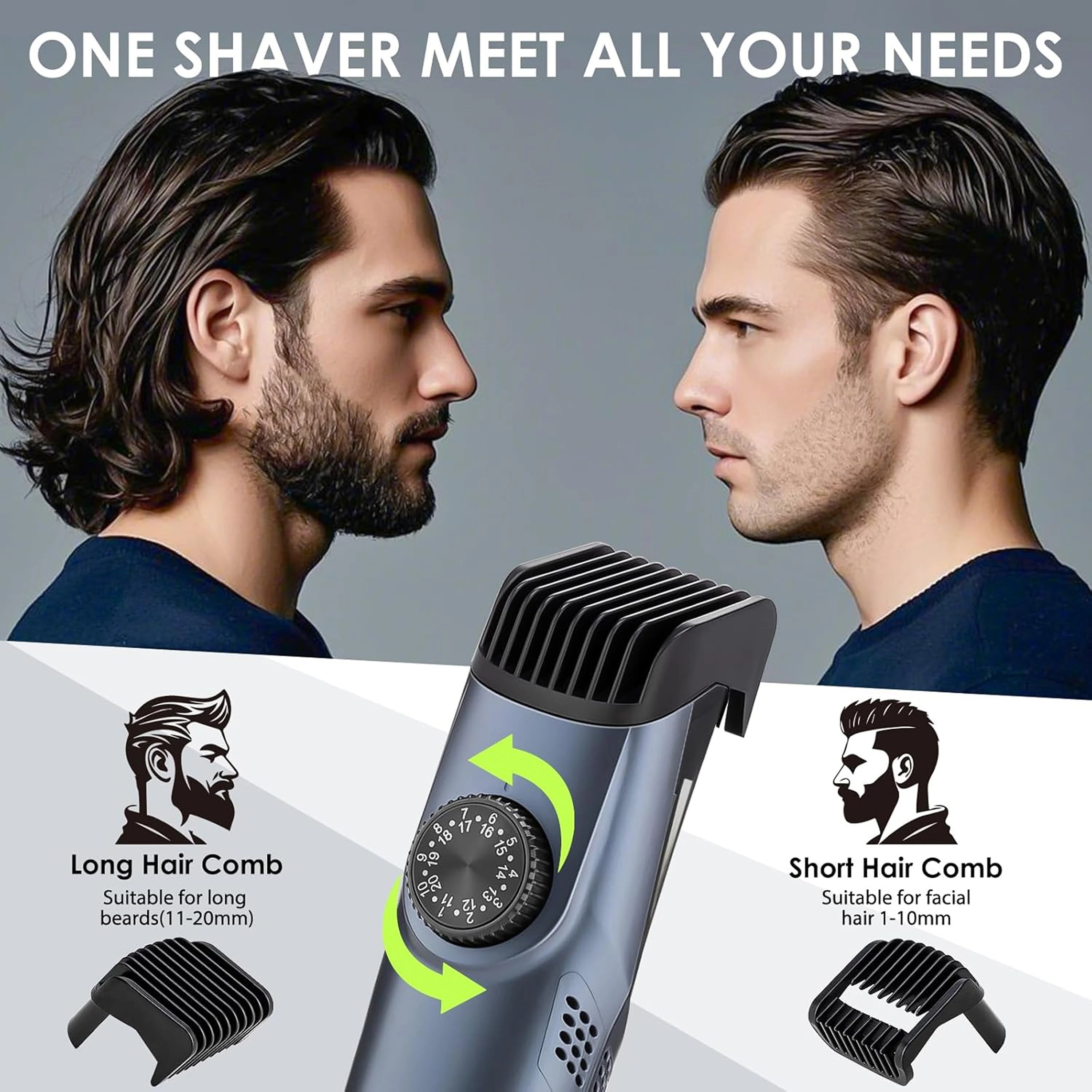
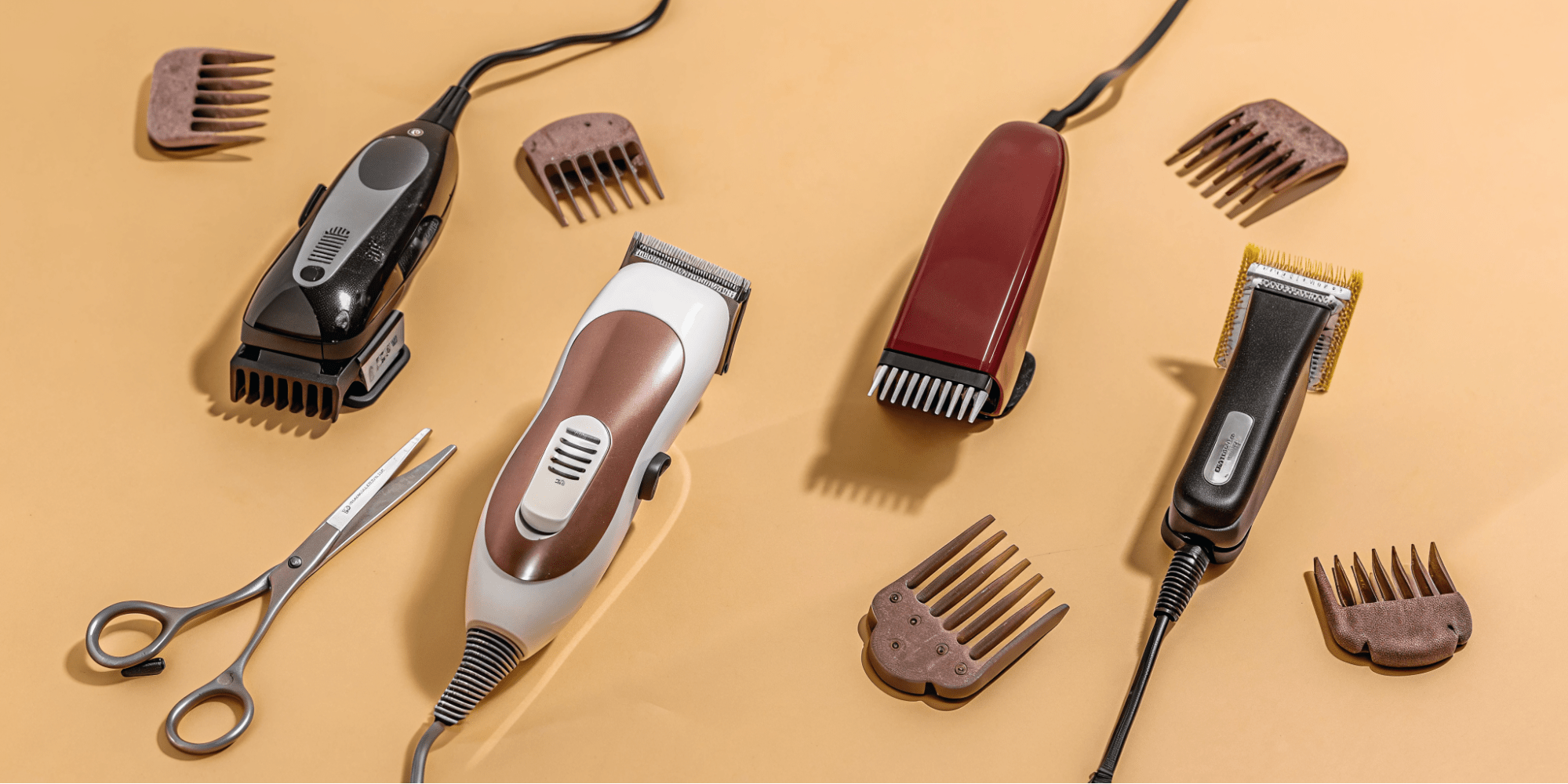
Best Hair Clippers: Complete Buying Guide for Home & Pro Use
Finding the best hair clippers can transform your grooming routine, whether you're a professional barber working through back-to-back clients or someone cutting hair at home to save time and money. The right clippers deliver consistent power, sharp blades, and comfortable handling but with dozens of brands and models available, choosing becomes overwhelming.
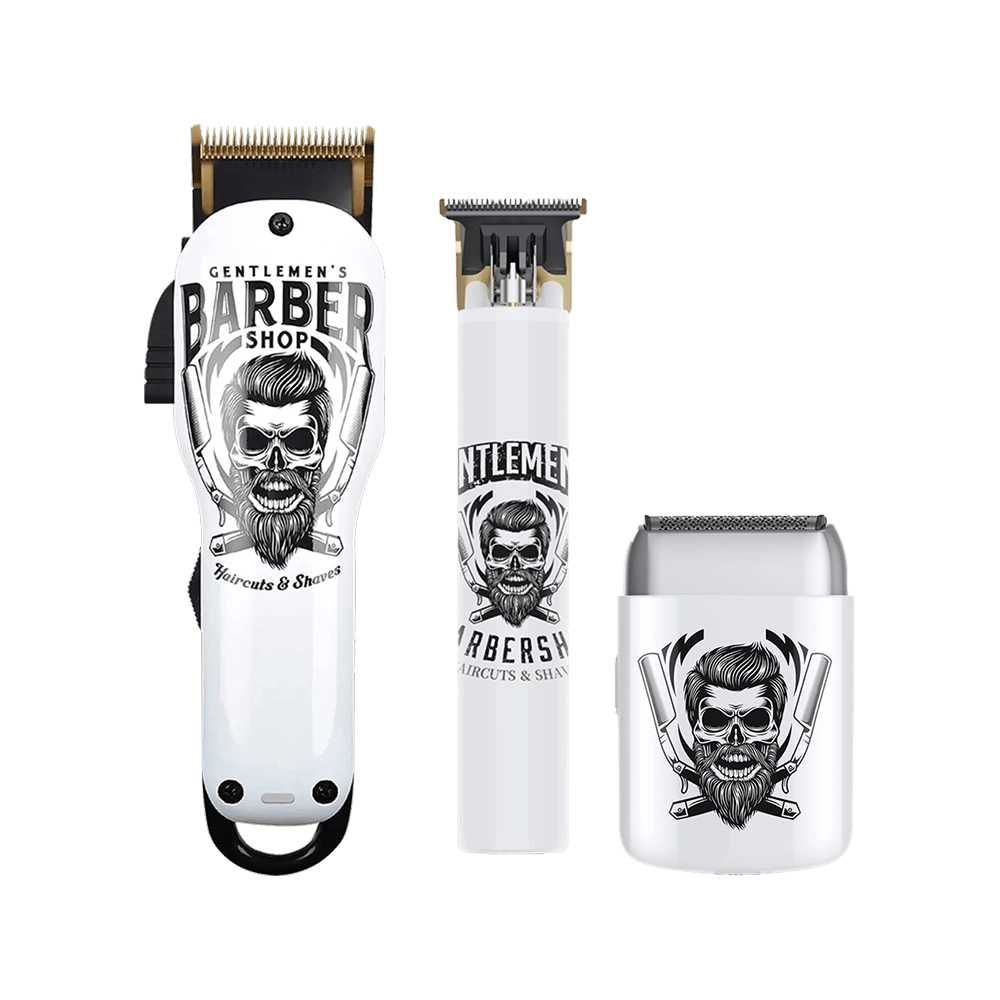
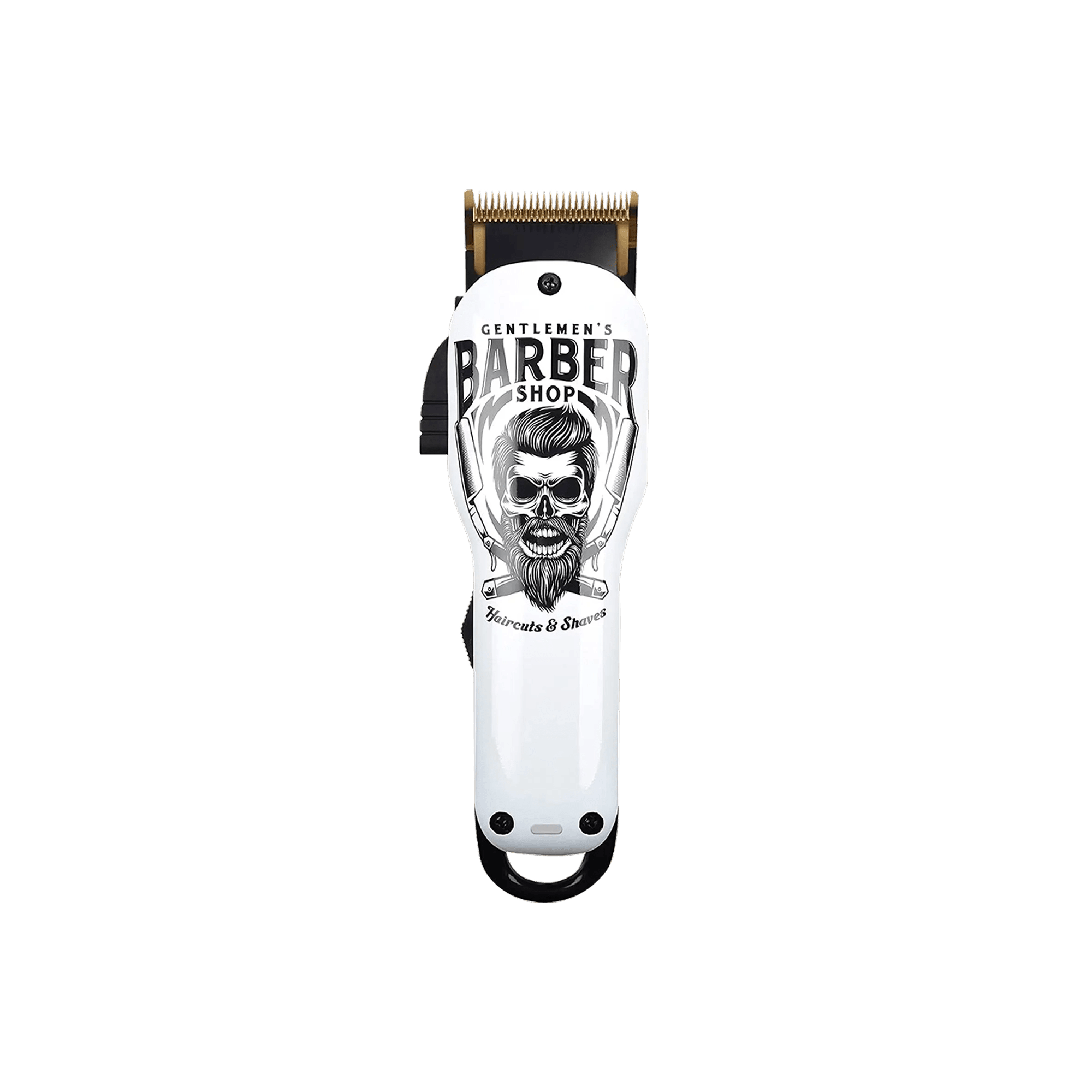
This guide breaks down what makes clippers truly effective, compares key features across categories, and helps you match the right tool to your needs. If you're starting your search, explore hair clippers designed for reliability and ease of use.
What Makes Hair Clippers the Best Choice?

Hair clippers offer speed, precision, and versatility that scissors alone can't match. Here's why they're essential:
Efficiency
Clippers cut through bulk quickly, reducing haircut time from 45 minutes to 15 minutes for basic styles. Guards ensure consistent length across the entire head.
Consistency
Manual scissor cuts vary based on hand steadiness and fatigue. Clippers maintain uniform length automatically, especially crucial for fades and buzz cuts.
Convenience
At-home haircuts eliminate scheduling, travel, and waiting. A one-time clipper investment pays for itself after 3–4 cuts.
Control Over Style
Professional clippers with adjustable taper levers and multiple guards give you complete creative freedomfrom tight fades to textured crops.
Key Features That Define Quality Clippers

Motor Power
The motor determines how clippers handle different hair types:
- Rotary motors: High torque, ideal for thick or coarse hair, common in professional models
- Magnetic motors: Quieter, lighter, sufficient for fine to medium hair and home use
- Pivot motors: Budget-friendly, adequate for occasional trimming but less durable
What to Look For: At least 6,000 RPM for home use; 7,000+ RPM for professional all-day cutting.
Blade Quality
Blade material impacts sharpness, longevity, and maintenance needs:
|
Blade Type |
Pros |
Cons |
Best For |
|
Stainless Steel |
Affordable, stays sharp with care |
Requires regular oiling |
Home users |
|
Carbon Steel |
Extremely sharp, precise cuts |
Rusts if not maintained |
Professionals |
|
Ceramic |
Stays cool, reduces irritation |
Brittle, can chip if dropped |
Sensitive skin |
|
Titanium-Coated |
Durable, corrosion-resistant |
Higher cost |
Heavy use |
Cordless vs. Corded
Cordless Clippers
- Pros: Freedom of movement, portable, no tangled cords
- Cons: Limited runtime (60–180 minutes), requires charging
- Best for: Home use, mobile barbers, touch-ups
Corded Clippers
- Pros: Unlimited runtime, consistent power, no charging needed
- Cons: Restricted movement, cord can tangle
- Best for: Barbershops, high-volume cutting
Battery Life & Charging
For cordless models, look for:
- Runtime: Minimum 90 minutes for home use; 2+ hours for professionals
- Charge time: Under 2 hours is ideal
- Quick charge: 5–10 minutes for emergency cuts
- Battery type: Lithium-ion lasts longer and holds charge better than NiMH
Adjustable Taper Lever
A taper lever fine-tunes blade position between guard lengths, essential for blending and fading. Move the lever up for shorter cuts, down for longergiving you half-guard increments without changing attachments.
Ergonomics & Weight
Long cutting sessions strain hands and wrists. Quality clippers weigh 8–12 ounces and feature:
- Rubberized or textured grips
- Balanced weight distribution
- Low vibration for reduced fatigue
Best Clippers by Use Case
For Professional Barbers
Must-Have Features:
- High-torque rotary or pivot motor
- Carbon steel or titanium blades
- Corded or long-runtime cordless (2+ hours)
- Adjustable taper lever
- Durable housing for daily drops
Top Picks:
- Andis Master (corded powerhouse)
- Wahl Senior (fade specialist)
- Oster Classic 76 (decades-proven reliability)
For Home Use
Must-Have Features:
- Cordless convenience
- Multiple guard attachments (1–8)
- Easy blade maintenance
- Lightweight design
- Affordable
Top Picks:
- Wahl Color Pro Cordless (color-coded guards, beginner-friendly)
- Philips Series 5000 (self-sharpening blades, low maintenance)
- Remington Shortcut Pro (unique self-haircut design)
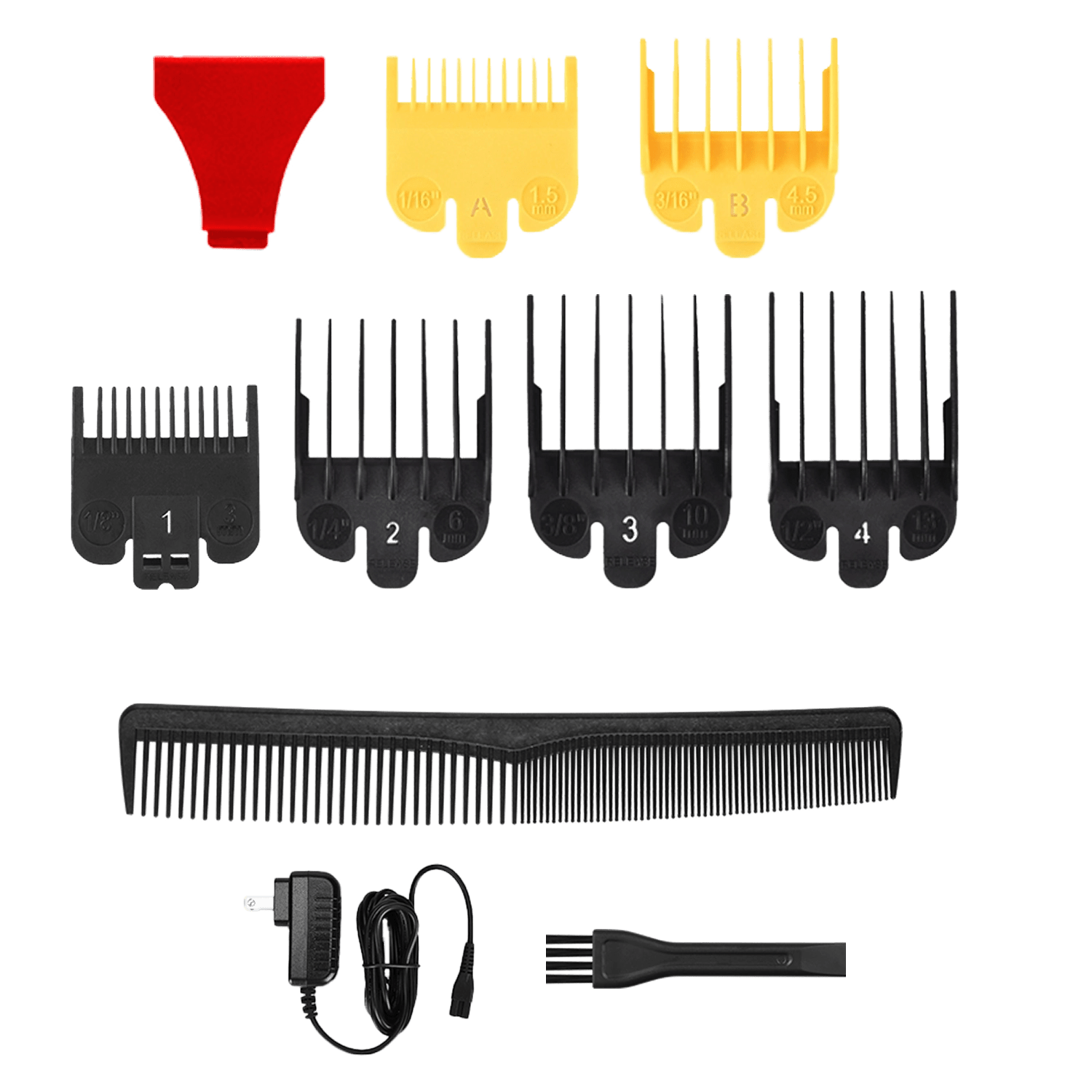
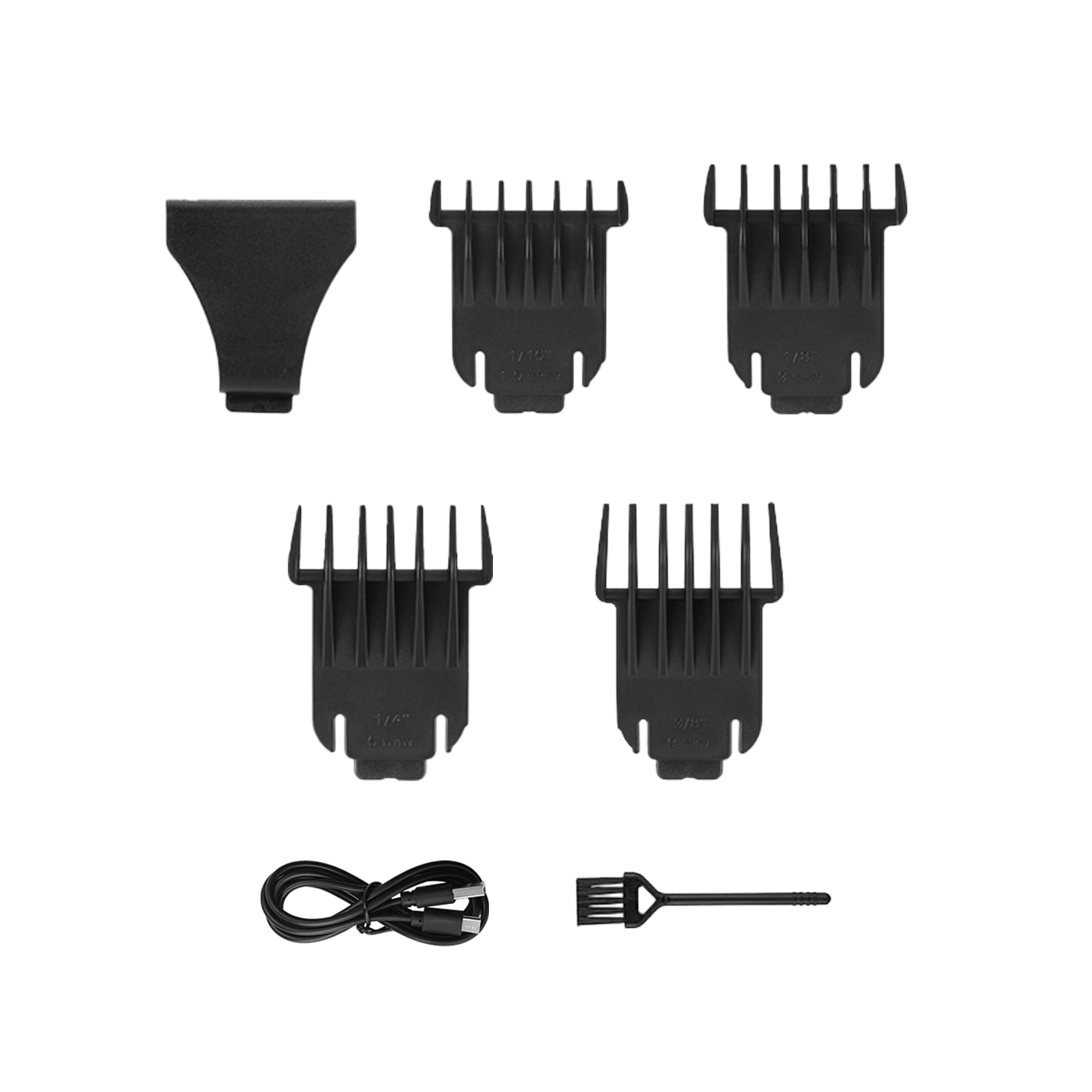
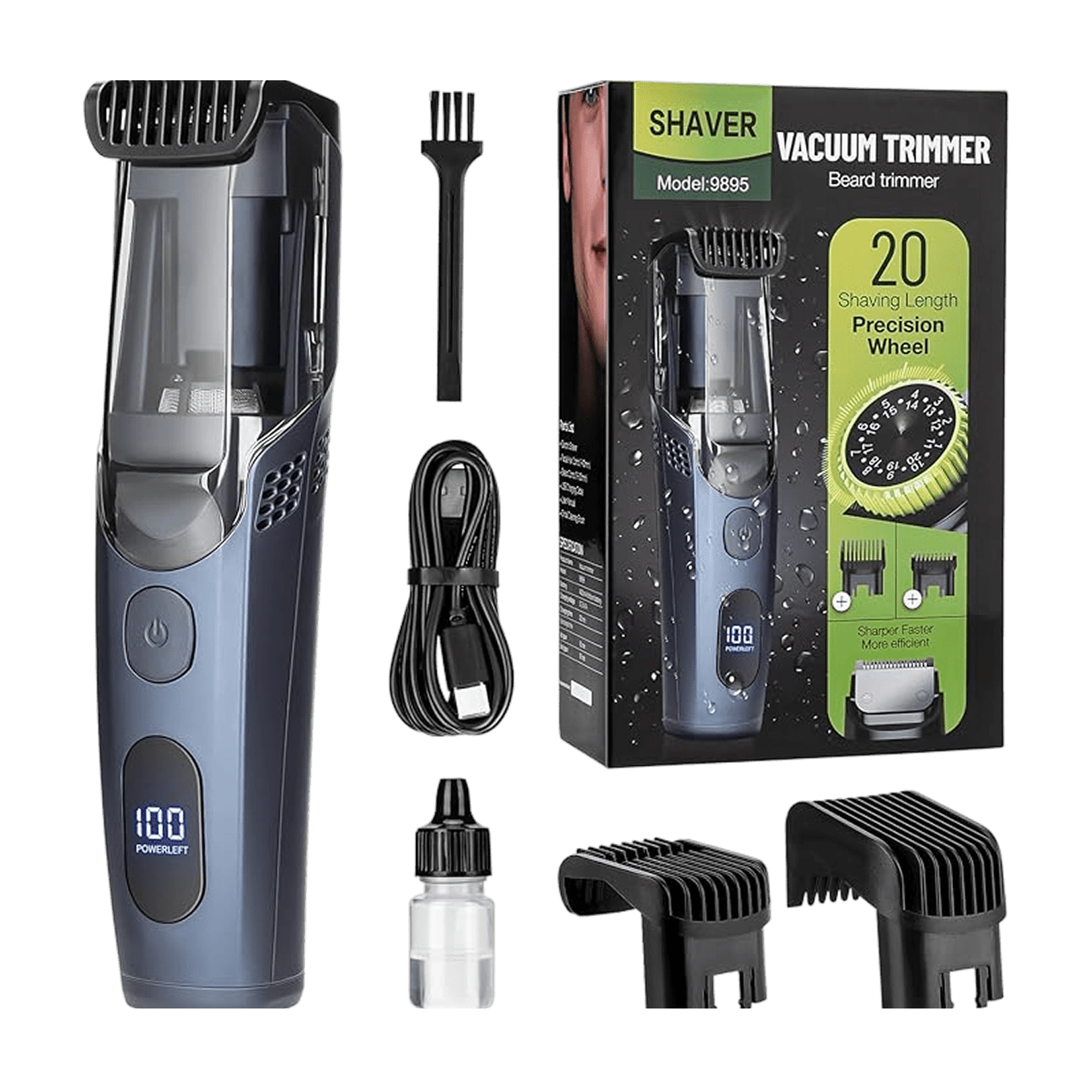
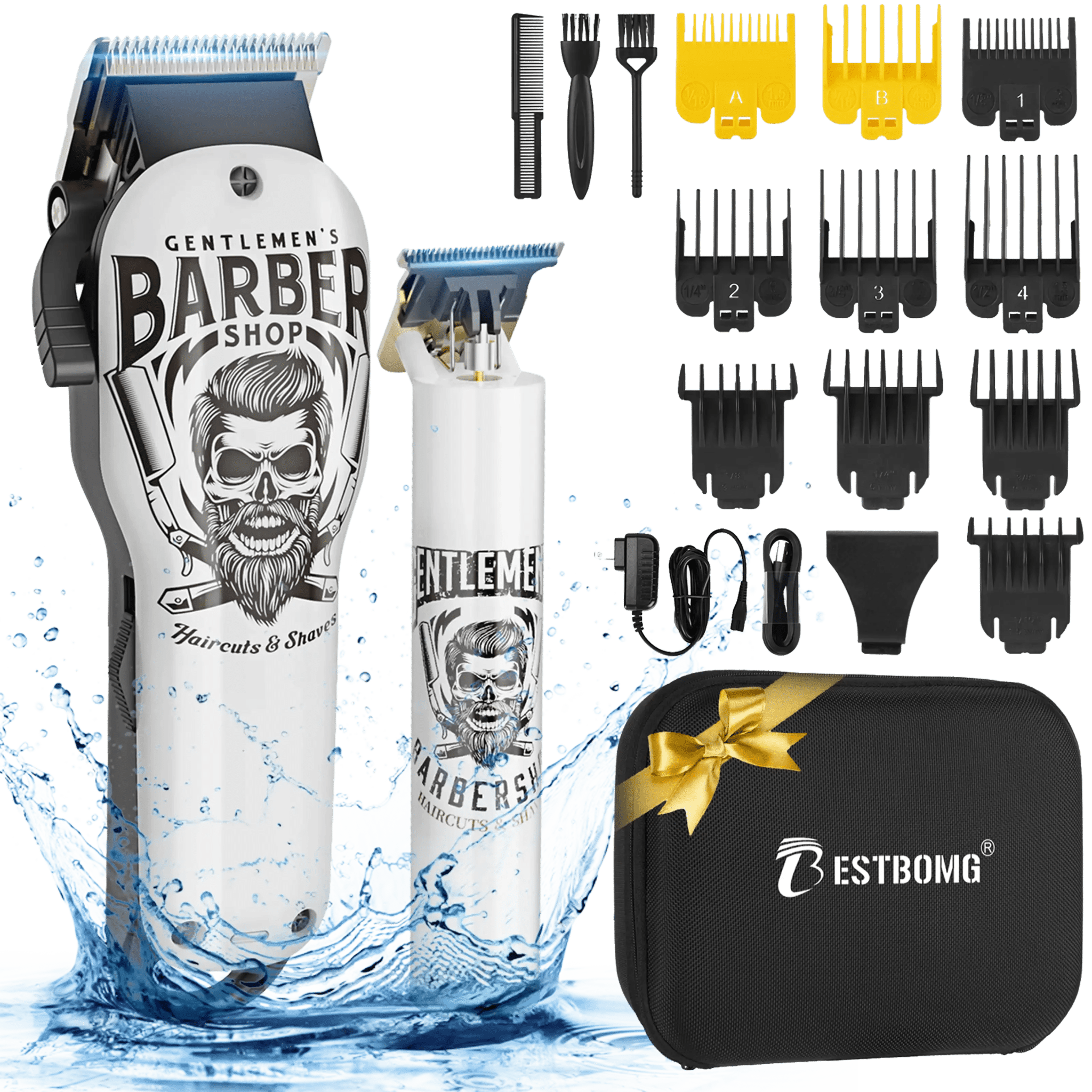
For families or those new to cutting, starter home haircut kits bundle clippers with guards, scissors, combs, and oileverything needed to start cutting immediately.
For Thick or Coarse Hair
Must-Have Features:
- High-powered rotary motor (7,000+ RPM)
- Wide, sharp blades
- Heat-resistant design
- Strong motor cooling
Top Picks:
- Andis ReVite (combines power with ergonomics)
- Oster Fast Feed (adjustable blade, powerful cutting)
- Wahl 5-Star Magic Clip (fade taper for thick textures)
For Fading & Detail Work
Must-Have Features:
- Zero-gap blade adjustment capability
- Precise taper lever
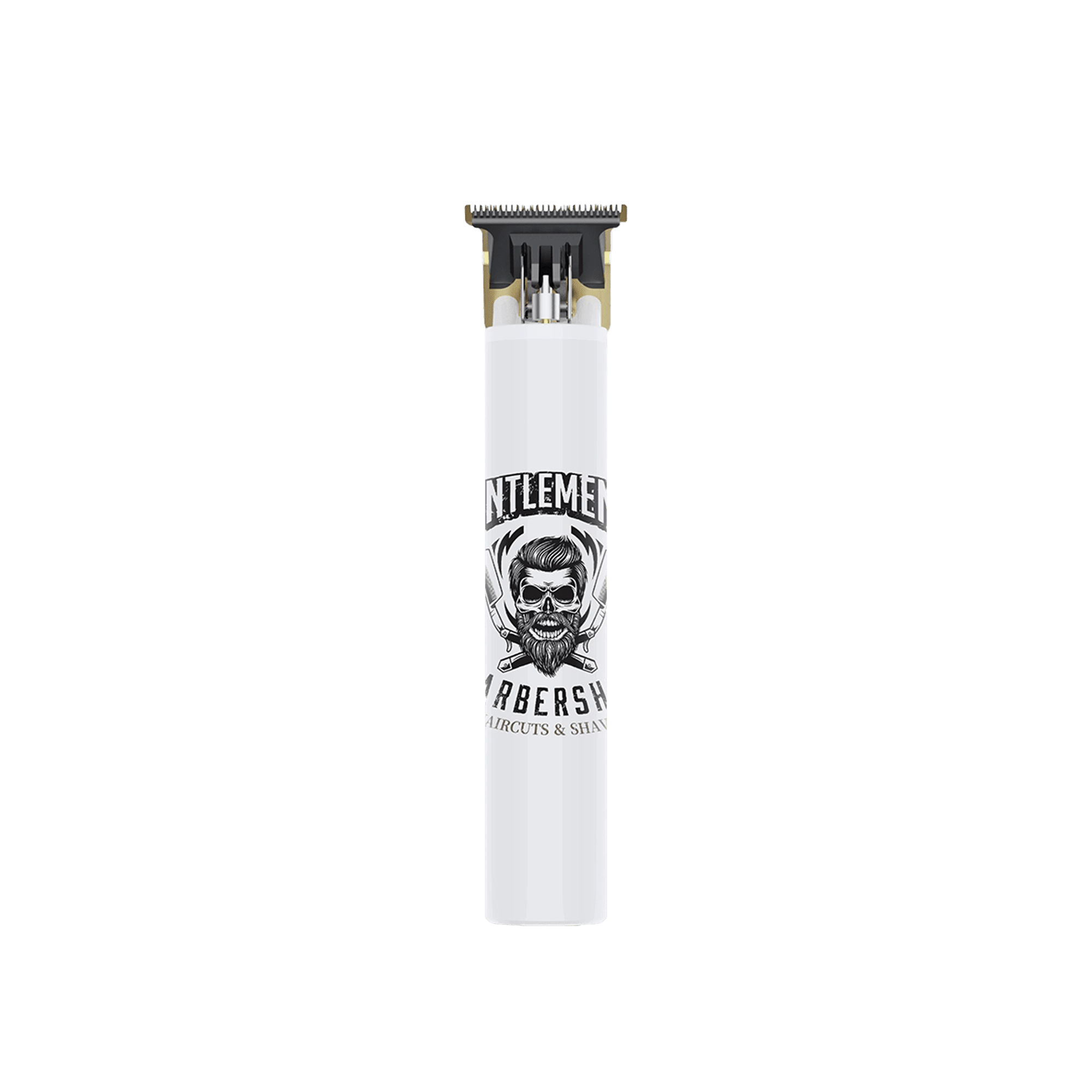
- T-blade or detachable blade system
- Lightweight for extended detailing
Top Picks:
- Wahl Vapor (lithium power, fade-focused)
- BaBylissPRO FX (gold-titanium blades)
- Andis T-Outliner (T-blade for crisp edges)
How to Choose the Right Clippers

Step 1: Define Your Primary Use
- Cutting your own hair at home? → Cordless with multiple guards
- Professional barber? → Corded or long-runtime cordless with power
- Maintaining fades/detailed styles? → Taper lever + zero-gap capability
Step 2: Consider Hair Type
- Fine/thin hair: Magnetic motor, standard blades
- Medium hair: Pivot or magnetic motor, stainless blades
- Thick/coarse hair: Rotary motor, carbon or titanium blades
Step 3: Set Your Budget
- Budget ($30–$60): Wahl Color Pro, Remington Shortcut Pro
- Mid-range ($70–$150): Andis Fade, Oster Fast Feed
- Professional ($150–$300): Wahl Senior, Andis Master, BaBylissPRO
Step 4: Check Reviews for Durability Look for clippers praised for lasting 3+ years with regular use. Brands like Wahl, Andis, and Oster have decades-long reputations for durability.
Maintenance Tips for Longevity
Daily/After Each Use
- Brush off hair clippings from blades and housing
- Wipe blades with a dry cloth
- Blow out vents to prevent hair buildup
Weekly
- Oil blades with clipper oil (2–3 drops across the blade)
- Run clippers for 10 seconds to distribute oil
- Wipe off excess oil to prevent buildup
Monthly
- Deep clean blades: Remove blade assembly, wash with blade wash or rubbing alcohol, dry completely, reassemble
- Check blade alignment: Ensure blades are flush and not loose
- Inspect cord (if corded) for fraying or damage
When Needed
- Sharpen or replace blades: When pulling hair instead of cutting cleanly (every 6–18 months depending on use)
- Replace worn guards: Cracked or bent guards cause uneven cuts
Common Mistakes When Buying Clippers

Choosing Based on Price Alone
The cheapest clippers often have weak motors and dull blades that pull hair painfully. Invest at least $50–$70 for reliable performance.
Ignoring Motor Type
Magnetic motors can't handle thick hair. Match motor strength to your hair texture.
Overlooking Battery Quality
Cheap NiMH batteries lose charge quickly and degrade within a year. Lithium-ion is worth the extra cost.
Not Testing Weight & Balance
A heavy or unbalanced clipper causes hand fatigue. If possible, hold the clipper before buying or check return policies.
Skipping Accessories
Without guards, scissors, and oil, you'll need separate purchases. Kits offer better value.
Frequently Asked Questions
What brand of clippers is best?
Wahl, Andis, and Oster dominate professional and home markets for reliability and performance. Wahl excels in cordless versatility, Andis leads in power for thick hair, and Oster is known for durability. BaBylissPRO offers premium features for professionals. For home users, Philips and Remington provide excellent value and ease of use.
What makes a clipper good?
A quality clipper combines a powerful motor (6,000+ RPM), sharp blades (stainless, ceramic, or titanium), comfortable ergonomics, and reliable battery life (90+ minutes for cordless). Adjustable taper levers, multiple guards, and easy maintenance elevate good clippers to great ones. Durabilitylasting 3+ years with regular useis the ultimate measure of quality.
Is it better to shave or use clippers?
Clippers are better for maintaining length, creating fades, and cutting bulk hair quickly. Razors or electric shavers provide closer shaves for smooth skin. For haircuts and beard shaping, clippers offer speed and precision. For completely smooth finishes on the face or head, shavers work best. Many people use both: clippers for styling, shavers for final smoothing.
How often should you replace clipper blades?
Replace blades every 6–18 months depending on use frequency and maintenance. Professional barbers cutting 10+ clients daily may replace blades every 4–6 months. Home users cutting monthly can extend blade life to 2+ years with proper oiling and cleaning. Replace immediately if blades pull hair, feel hot, or show visible nicks.
Can you use the same clippers for hair and beard?
Yes, but dedicated beard trimmers often perform better for facial hair. Full-size hair clippers work for longer beards and bulk removal. For detailed beard shaping, edging, and shorter lengths, smaller trimmers with precision blades offer better control. Many people own both: clippers for hair and long beards, trimmers for detailed beard work.
What guard size should I use for a buzz cut?
Use a #3 guard (⅜ inch) for a standard buzz cut that's short but not too close. #2 (¼ inch) gives a shorter, tighter look. #4 (½ inch) leaves more length on top. Start longeryou can always go shorter in a second pass. Most beginners find #3 the safest starting point.
Conclusion
The best hair clippers match your specific needswhether that's powerful cutting for thick hair, cordless convenience for home use, or professional-grade precision for detailed fades. By focusing on motor strength, blade quality, ergonomics, and proper maintenance, you'll find clippers that deliver consistent results and last for years.
Ready to upgrade your grooming routine? Explore our curated selection of hair clippers designed to handle every hair type and skill level with confidence.

Looking for something else?

How to Cut Baby Boy Hair with Clippers: Step-by-Step Guide
LEARN MORE
Do Hair Clippers Get Dull? Causes, Signs & Prevention
LEARN MORE
Can an Electric Shaver Cut You? Safety Facts & Prevention
LEARN MORE
How to Shave Balls with Electric Shaver: Safe Guide
LEARN MORELooking for something else?

Does Using Trimmer Increase Hair Growth? Facts & Myths
LEARN MORE
Best Hair Clippers for Men: Top Picks for Home & Pro Use
LEARN MORE
Best Professional Hair Clippers for Barbers: Top Picks
LEARN MOREYou may also like


Further reading
Best Hair Clippers for Perfect Fades at Home
Clipper Lever Open vs Closed: What It Means (with mm)
Why You Need a Cordless Detailer Trimmer (And How to Pick the Right One)