

What Is the Lever for on Hair Clippers? Complete Guide
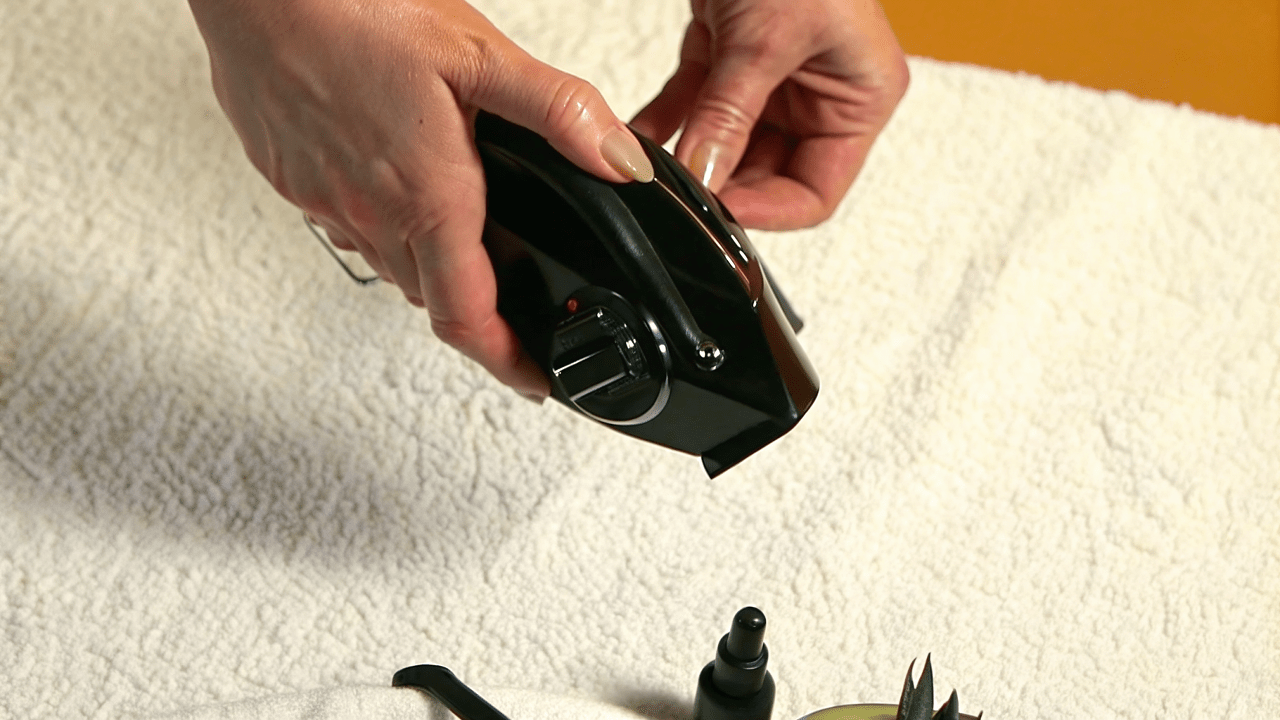
The lever on hair clippers is a taper lever (also called an adjustment lever) that moves the top blade forward or backward to adjust cutting length by approximately 0.5mm–1mm without changing guards. This feature allows barbers and home users to blend, fade, and fine-tune haircuts with precision, creating seamless transitions between different guard lengths for professional results.
For clippers with adjustable taper levers designed for fades and blending, explore hair clippers built for versatility and control.
How the Taper Lever Works
The Mechanism
Hair clippers have two blades:
- Bottom blade (stationary): Remains fixed in place
- Top blade (moving): Oscillates back and forth to cut hair
The taper lever adjusts the position of the top blade relative to the bottom blade:
- Lever closed (down position): Top blade moves forward—cuts longer (adds ~0.5mm–1mm)
- Lever open (up position): Top blade moves backward—cuts shorter (removes ~0.5mm–1mm)
This adjustment changes cutting length without swapping guards, making it essential for fades, blends, and detailed work.
Lever Positions Explained
|
Lever Position |
Blade Position |
Cutting Length |
Best Use |
|
Closed (Down) |
Top blade forward |
Longer (adds 0.5–1mm) |
Bulk cutting, initial passes |
|
Half-Open (Middle) |
Top blade partially back |
Medium |
Blending, transitioning |
|
Open (Up) |
Top blade fully back |
Shortest (removes 0.5–1mm) |
Close cuts, fades, tight blends |
Key Point: Some people confuse the terminology. "Open" means the lever is in the up position (blades are farther apart, cutting closer). "Closed" means lever down (blades closer together, cutting longer).
What the Taper Lever Is Used For

Fading and Blending
The taper lever creates smooth transitions between different guard lengths:
- Start with a longer guard (#3 or #4) at the top
- Switch to a shorter guard (#2) for the sides
- Use the taper lever in various positions to blend the line where the two lengths meet
Without a taper lever, you'd see harsh lines between guard lengths.
Fine-Tuning Length
The lever lets you adjust cutting length by small increments (0.5mm–1mm) without changing guards. This is crucial when:
- A guard cuts slightly too short
- You need a length between two guards
- You want to customize a fade
Detail Work and Edging
Barbers use the lever in the open position for:
- Tight neckline clean-ups
- Sharp sideburn edges
- Close buzz cuts
Extending Guard Range
A #1 guard typically cuts at 3mm. By adjusting the lever:
- Lever closed: ~3.5–4mm
- Lever half-open: ~3mm
- Lever fully open: ~2.5mm
This effectively gives you three lengths from one guard.
How to Use the Taper Lever

For Fades
- Start with longer guard: Use #3 or #4 at the top with lever closed
- Switch to shorter guard: Use #2 for the sides
- Blend the transition: At the line where lengths meet, use lever in half-open position and flick upward to fade the line
- Repeat with shorter guards: Continue process down to #1 or zero-gap for skin fades
For Even Cuts
- Lever closed (down): For consistent length across the entire head
- Keep lever in same position: Don't adjust mid-cut unless intentionally fading
For Adjusting Length Without Changing Guards
- Cutting too short? Move lever to closed position (longer)
- Need it closer? Move lever to open position (shorter)
Taper Lever vs. Adjustable Blade Clippers
Some clippers have adjustable blades instead of a taper lever. Here's the difference:
|
Feature |
Taper Lever Clippers |
Adjustable Blade Clippers |
|
Mechanism |
Lever moves top blade |
Dial or wheel adjusts blade gap |
|
Adjustment Range |
0.5–1mm |
0.5–2.5mm (wider range) |
|
Speed |
Instant (flip lever mid-cut) |
Slower (requires stopping to dial) |
|
Precision |
Less precise (3 positions) |
More precise (click settings) |
|
Best For |
Fades, blending |
Versatile length control |
Bottom Line: Taper levers are faster for fades; adjustable blades offer more control for varied lengths.
Common Mistakes When Using the Taper Lever

Not Keeping Lever Consistent
Accidentally moving the lever during a cut creates uneven length. Choose a position and stick with it unless intentionally blending.
Using Closed Lever for Fades
Fades require the lever in the open position for the closest cut. Starting with the lever closed defeats the purpose.
Forgetting to Adjust After Blending
If you use the lever to blend, remember to return it to your default position (usually closed) before continuing with the main cut.
Forcing the Lever
If the lever feels stuck, turn off the clipper, clean debris from the blades, and apply clipper oil. Forcing it can break the mechanism.
Maintaining Your Taper Lever
Keep Blades Clean
Hair and oil buildup can jam the lever mechanism:
- Brush away hair after each use
- Apply clipper oil weekly
- Deep clean monthly with blade wash
Oil Regularly
Apply 2–3 drops of clipper oil along the blade teeth and cycle the taper lever through all positions to distribute oil evenly.
Check for Blade Alignment
If cutting becomes uneven:
- Remove the blade assembly
- Realign the top and bottom blades
- Tighten screws securely
For more maintenance tips, see hair clipper care basics.
Do All Clippers Have Taper Levers?
No. Taper levers are common on:
- Professional barber clippers
- Home clippers designed for fades
- Versatile all-purpose models
Budget or basic clippers often lack taper levers. If fading and blending are important, choose a model with this feature.
Frequently Asked Questions
What is the lever for on hair clippers?
The lever (taper lever) adjusts the top blade position to change cutting length by 0.5–1mm without changing guards. It's used for fading, blending, and fine-tuning haircuts. Lever closed (down) cuts longer; lever open (up) cuts shorter.
Should the clipper lever be up or down?
Down (closed): For longer, consistent cuts and bulk removal. Up (open): For shorter, closer cuts, fades, and blending. Most people keep the lever closed for general cutting and open it for detail work.
What does the taper lever do?
The taper lever moves the top blade forward (closed) or backward (open) to adjust cutting length. This allows seamless blending between guard lengths, creating smooth fades without harsh lines.
How much length does the taper lever add or remove?
Approximately 0.5mm to 1mm depending on the clipper model. This small adjustment is enough to blend guard transitions smoothly.
Do I need a taper lever for home haircuts?
Not for simple buzz cuts, but yes for fades, blends, or any haircut with multiple lengths. The lever makes transitions look professional instead of choppy.
Can I fade hair without a taper lever?
Yes, but it's harder. You'd need more guard sizes and careful technique to avoid harsh lines. The taper lever simplifies the process significantly.
Conclusion
The lever on hair clippers is a taper lever that adjusts cutting length by 0.5–1mm, allowing you to fade, blend, and fine-tune haircuts without changing guards. Understanding how to use it—closed for longer cuts, open for shorter—transforms your ability to create professional-looking fades and seamless transitions.
Regular cleaning and oiling keep the lever mechanism smooth and extend clipper life.Ready to master fading and blending? Explore hair clippers with taper levers designed for precision, versatility, and professional results at home.

Looking for something else?

Electric Shaver vs Razor for Legs: Which is Better?
LEARN MORE
How to Clean Hair Clippers Without Alcohol: Easy Methods
LEARN MORE
Does Using an Electric Shaver Cause Acne? Facts & Prevention
LEARN MORE
How to Cut Baby Boy Hair with Clippers: Step-by-Step Guide
LEARN MORELooking for something else?

Do Hair Clippers Get Dull? Causes, Signs & Prevention
LEARN MORE
Can an Electric Shaver Cut You? Safety Facts & Prevention
LEARN MORE
How to Shave Balls with Electric Shaver: Safe Guide
LEARN MOREYou may also like

Beard Trimmer-T9


Electric Shaver Y4

Further reading
How to Get a Crisp Line Up at Home (+ Best Trimmers)
Best Outliner Trimmer for Sharp Barber Edges in 2026

How to Zero Gap Clippers (Step-by-Step Guide for Beginners and Pros)