





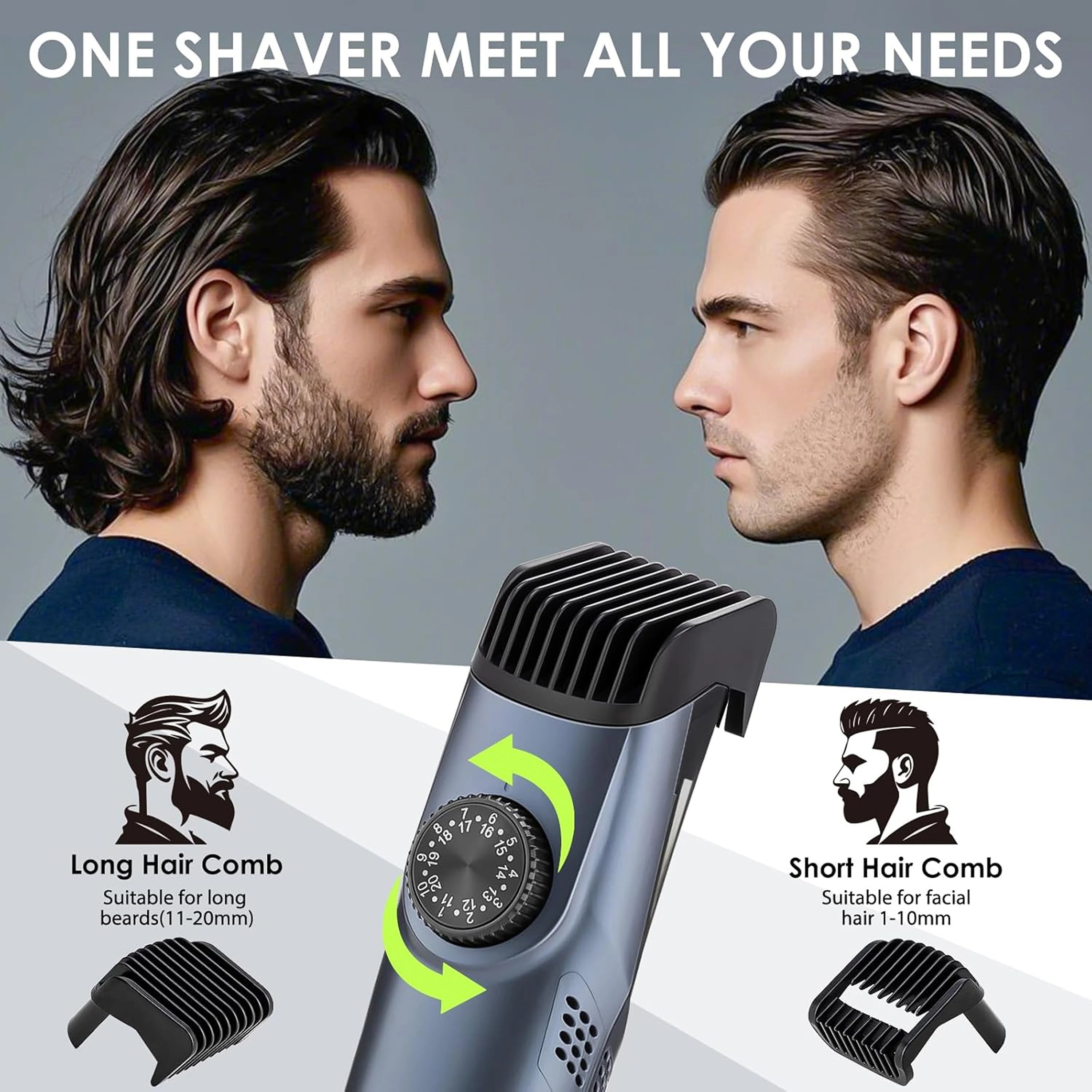
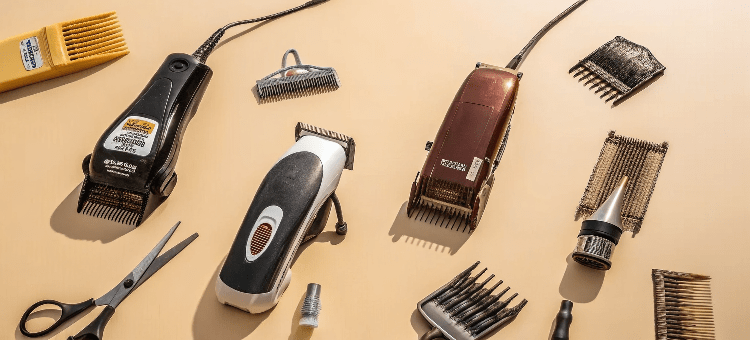
Clippers vs Trimmers: Understanding the Difference
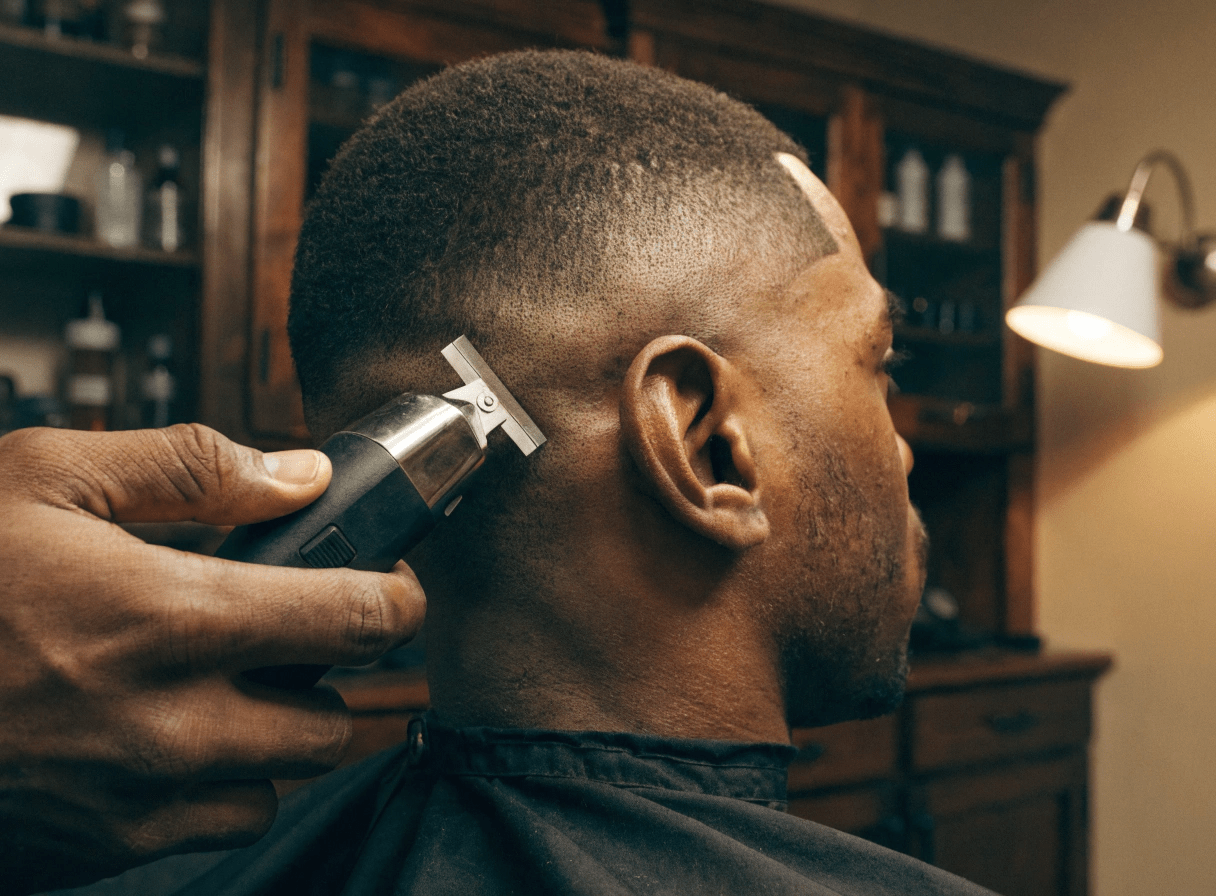
If you’re diving into men’s grooming, you’ve probably wondered: clippers vs trimmers—which one should I use? While they may seem similar at first glance, each serves a distinct purpose. Clippers are designed for bulk hair removal and shaping, whereas trimmers excel at detailing, edging, and precision work. Knowing the differences between these tools can save time, prevent mistakes, and help you achieve professional results at home.
In this guide, we’ll cover what are trimmers, the differences between clippers and trimmers, shaver vs trimmer comparisons, and tips for maintenance and usage. By the end, you’ll confidently choose the right tool for your grooming routine.
What Are Hair Clippers?
Hair clippers are larger, more powerful grooming tools intended for cutting longer and thicker hair. They are commonly used for:
- Reducing bulk quickly during haircuts
- Creating fades and blended styles
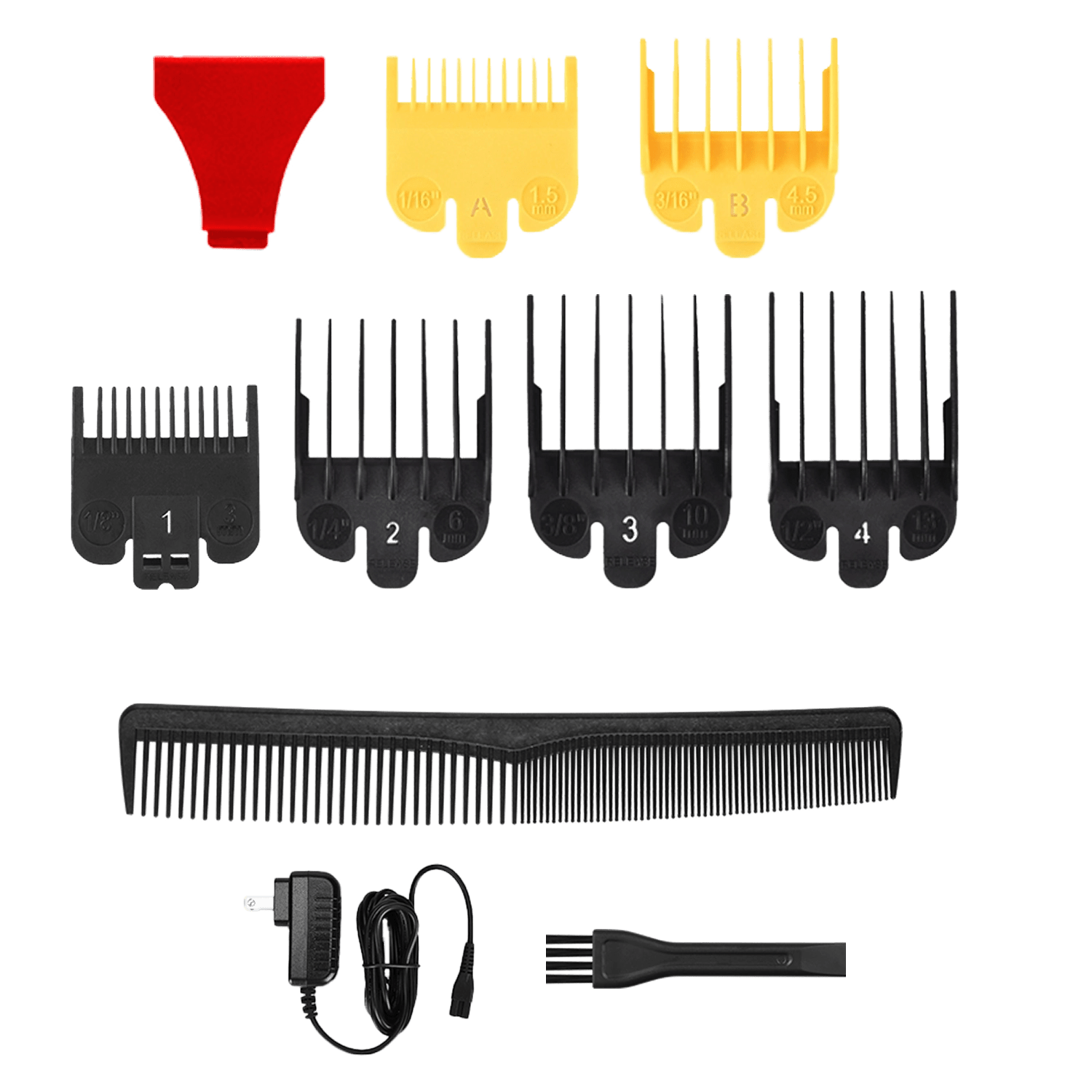
- Cutting uniform lengths with adjustable guards
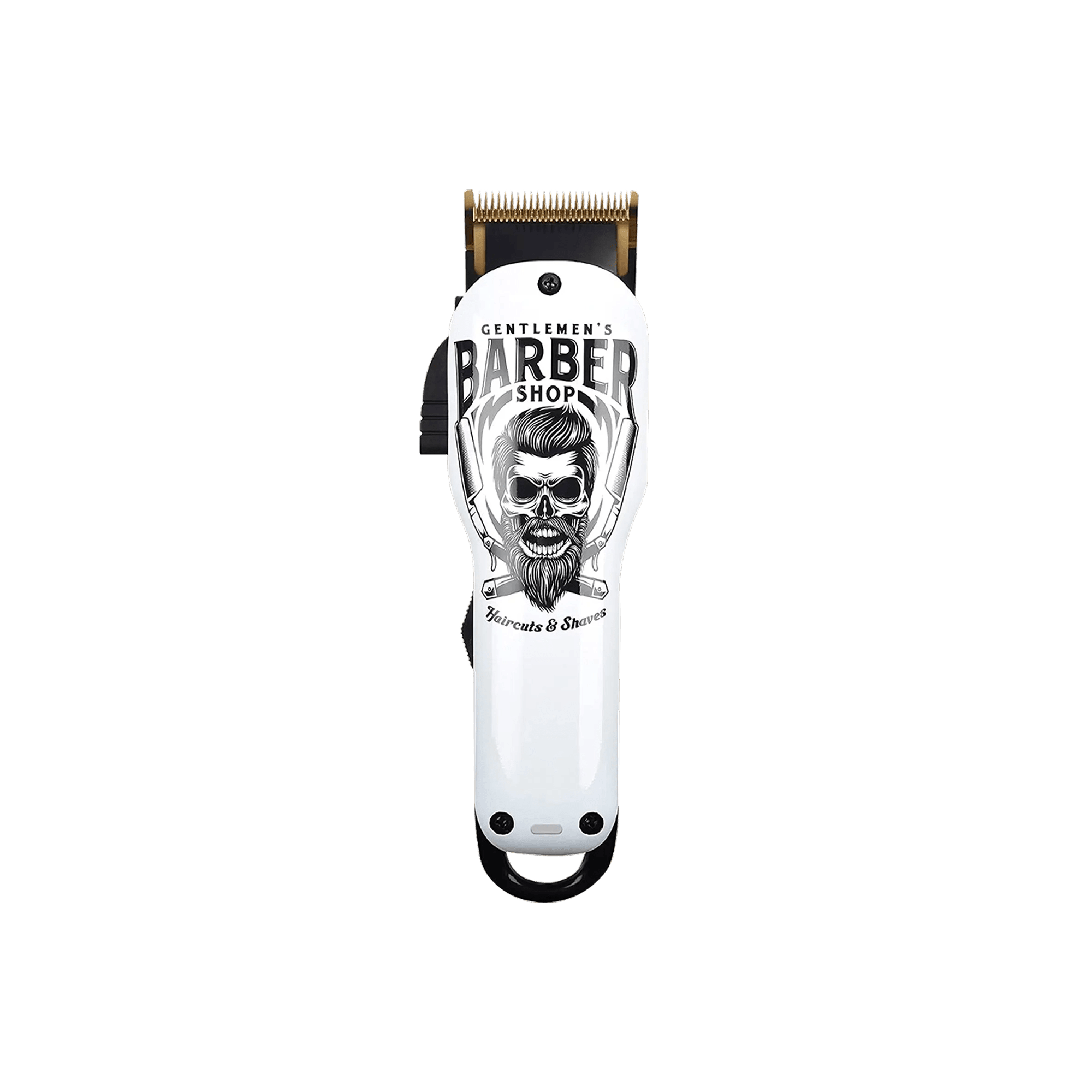
Clippers typically have wider teeth, stronger motors, and a larger build to handle full-head hair efficiently. They’re ideal for barbers or at-home users aiming for general haircuts.
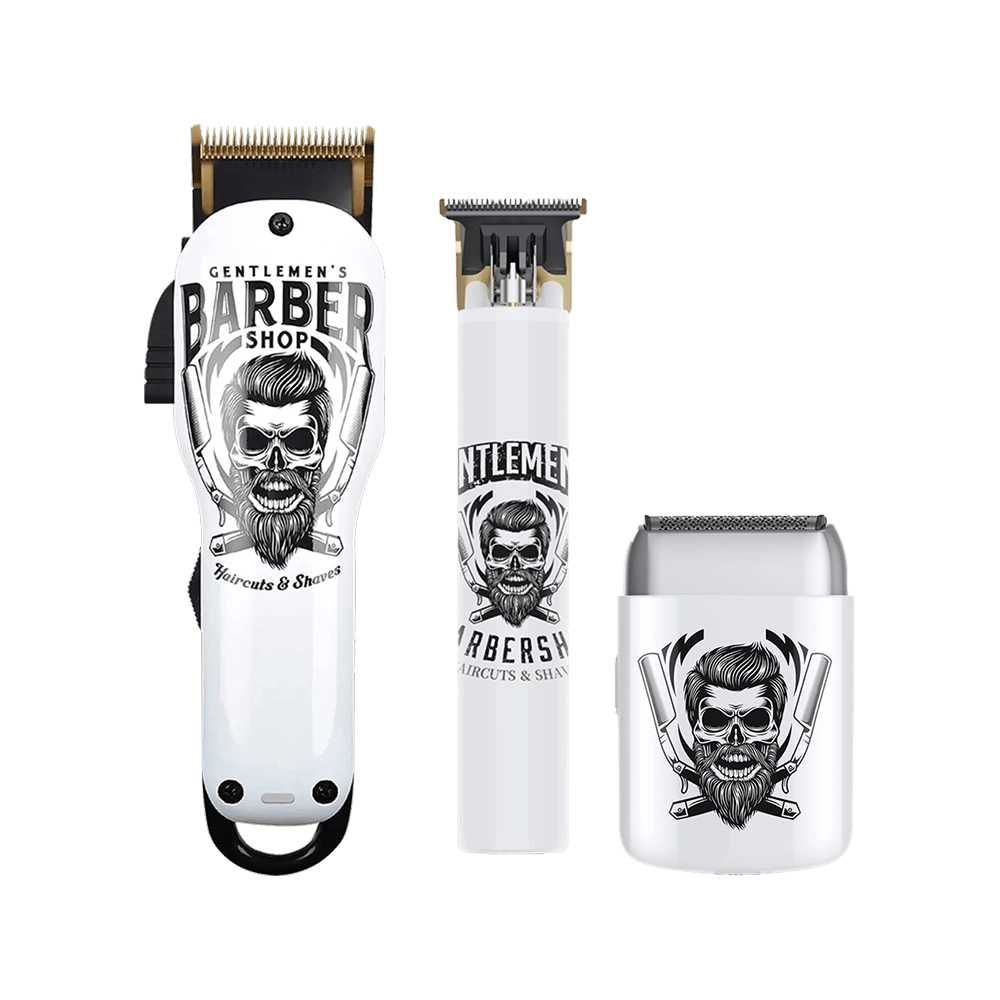
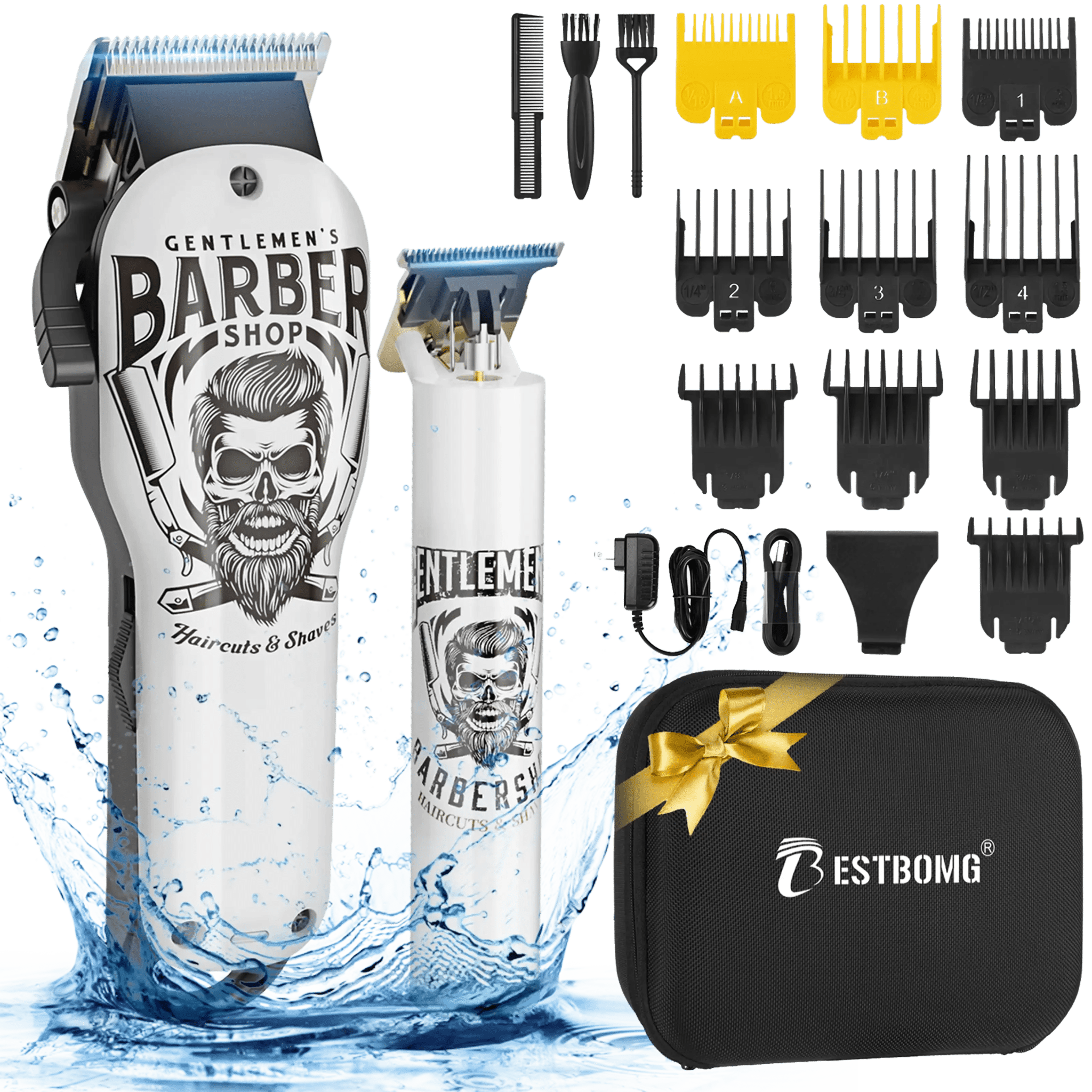
Tip: Pair a good set of clippers with adjustable guards for maximum control. Consider the BS-808A Hair Clippers Kit for precise home haircuts.
External Reference: Learn more about hair clippers on Wikipedia.
What Are Trimmers?

Trimmers, sometimes called detailers, are smaller grooming tools designed for precision. They’re excellent for:
- Shaping beards, mustaches, and sideburns
- Trimming necklines and around ears
- Creating clean lines for intricate haircuts
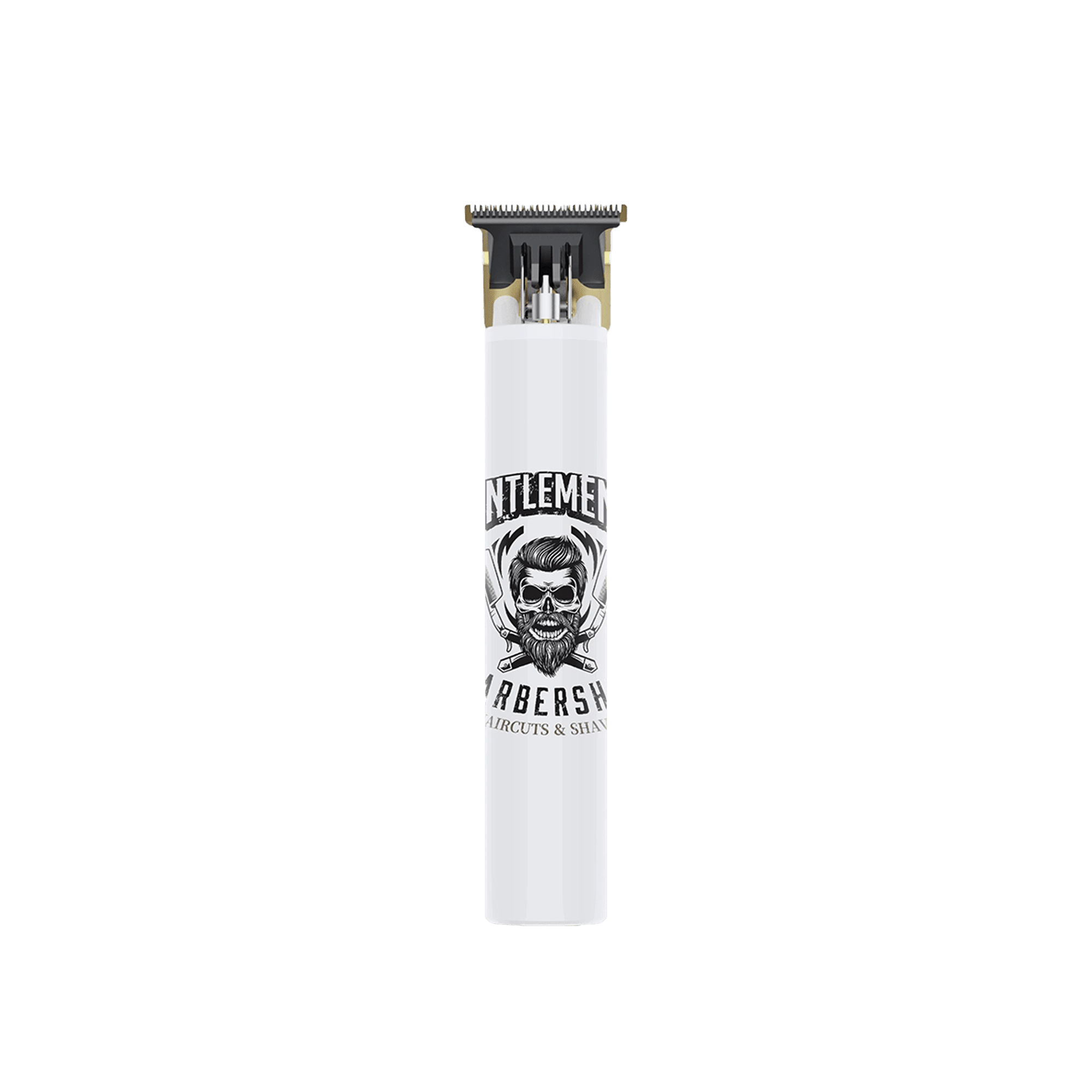
Unlike clippers, trimmers have narrower, finely spaced blades for close cutting and detailing. They are not suited for removing large volumes of hair but are indispensable for finishing touches.
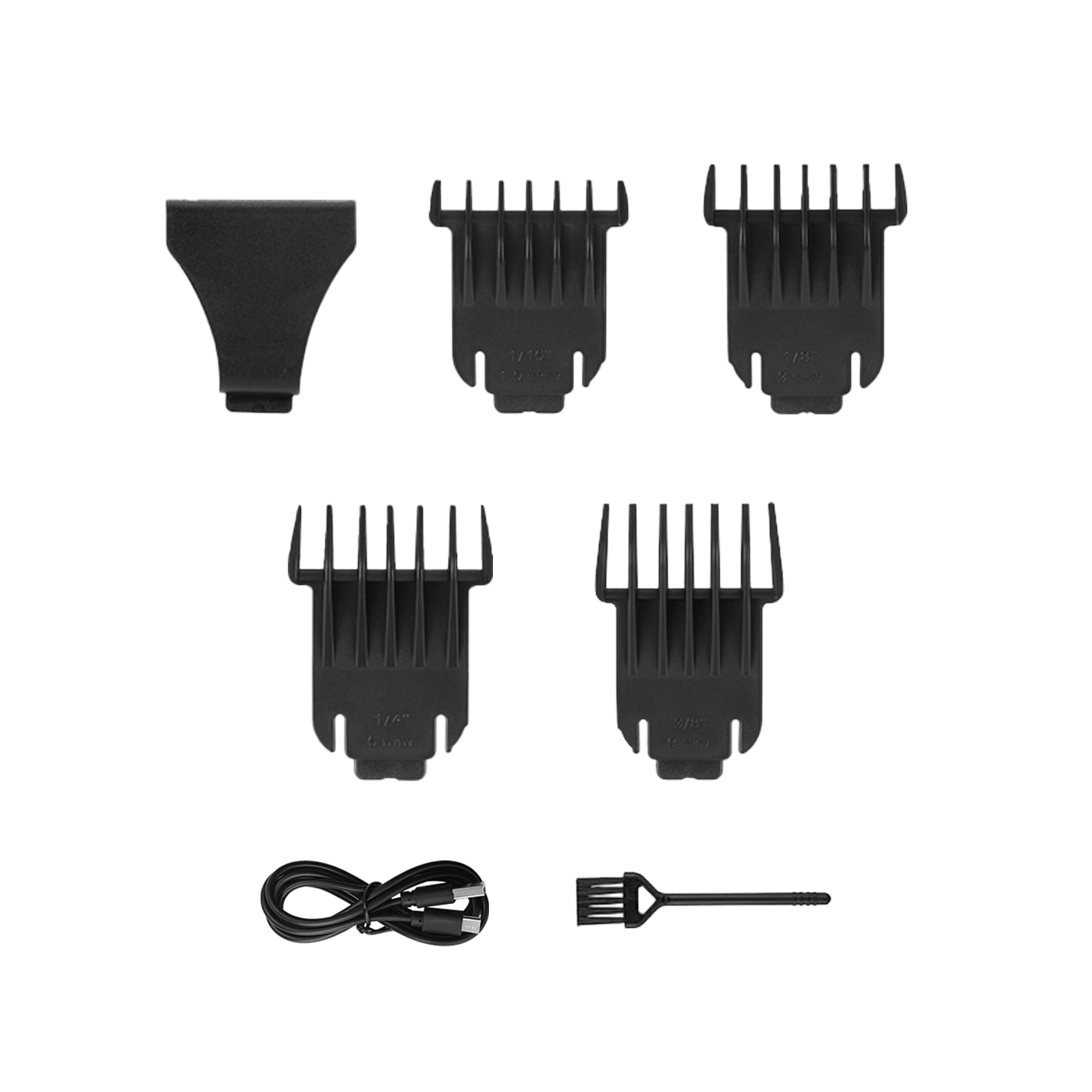
Recommended Product: The T9 Beard Trimmer is perfect for precise edging and shaping, ideal for beards and detailed haircuts.
External Reference: For beard grooming guidance, see Cleveland Clinic: Beard Care Tips.
Why Choosing the Right Grooming Tool Matters
Using the wrong device can lead to:
- Uneven haircuts
- Beard patchiness
- Skin irritation and razor bumps
- Damaged or dull blades
- Longer grooming time
Clippers handle bulk cutting,
Trimmers handle precision styling
Knowing when to use each tool ensures clean, professional grooming results — even at home!
Clippers vs Trimmers: Quick Comparison Chart
|
Feature |
Clippers |
Trimmers |
|
Best For |
Haircuts, bulk hair removal |
Detailing, edging, beard shaping |
|
Blade Type |
Wider teeth |
Narrower, finer teeth |
|
Hair Length |
Medium to long |
Short stubble / fine hair |
|
Motor Strength |
High power |
Medium power |
|
Skin Contact |
Rarely close to skin |
Designed for close work |
|
Maintenance |
Moderate |
Low to moderate |
Rule of thumb: Clippers first → Trimmers last for sharp finishing.
Signs You Need Clippers vs Trimmers
Use Clippers If:
You cut your own hair
You want fades or taper styles
Your hair is thick or long
You trim children’s hair at home
Use Trimmers If:
You maintain a beard or mustache
You want defined cheek/neck lines
You detail around ears or edges
You prefer short stubble
For a complete solution, consider Hair Cutting Kits that include both tools.
Clippers, Trimmers & Shavers: How They Work Together
To achieve barbershop-quality results:
Start with Clippers — remove bulk, shape haircut
Follow with Trimmers — sharpen lines and detail edges
Finish with Electric Shavers — smooth skin for a polished look
|
Tool |
Function |
End Result |
|
Clippers |
Reduce length & create style shape |
Base haircut |
|
Trimmers |
Define & clean precision areas |
Sharp lines |
|
Shavers |
Remove remaining stubble |
Smooth finish |
Clippers vs Trimmers: Key Differences
Understanding the distinctions between clippers and trimmers ensures you use the right tool for the task.
|
Feature |
Clippers |
Trimmers |
|
Primary Use |
Bulk hair cutting |
Precision detailing |
|
Blade Width |
Wide, aggressive teeth |
Narrow, closely spaced teeth |
|
Motor Power |
High |
Moderate |
|
Best For |
Haircuts, fades, reducing length |
Beard lines, sideburns, necklines |
|
Size & Weight |
Larger, heavier |
Smaller, lightweight |
|
Hair Length |
Handles long and thick hair |
Best for short or fine hair |
Tip: Many grooming routines benefit from both tools: use clippers for the main haircut and trimmers for clean finishing details.
Shaver vs Trimmer: Understanding the Differences

Another grooming question often arises: shaver vs trimmer. Both have unique benefits:
- Shavers: Provide a close, smooth finish by cutting hair at skin level. Ideal for clean-shaven looks.
- Trimmers: Focus on precision and length control, allowing short facial hair to remain.
In other words, trimmers shape and refine, while shavers remove hair completely. Many men use both tools together: trimming first to shape, then shaving for a polished finish.
Choosing Between Clippers and Trimmers

Selecting the right tool depends on your hair type, style goals, and skill level. Consider:
- Haircuts: Clippers are best for full-head trims, fades, or reducing bulk quickly.
- Beard Maintenance: Trimmers excel at shaping, edging, and keeping a beard tidy.
- Precision Work: If you want clean lines around ears, neck, or beard, trimmers are essential.
- Combined Use: For professional or polished home results, use clippers for bulk hair removal and trimmers for detailing.
Types of Clippers and Trimmers
Clippers
- Standard Clippers: General-purpose haircuts.
- Cordless Clippers: Easier maneuvering without cables.
- Professional Clippers: High-powered, suitable for barbers.
Trimmers
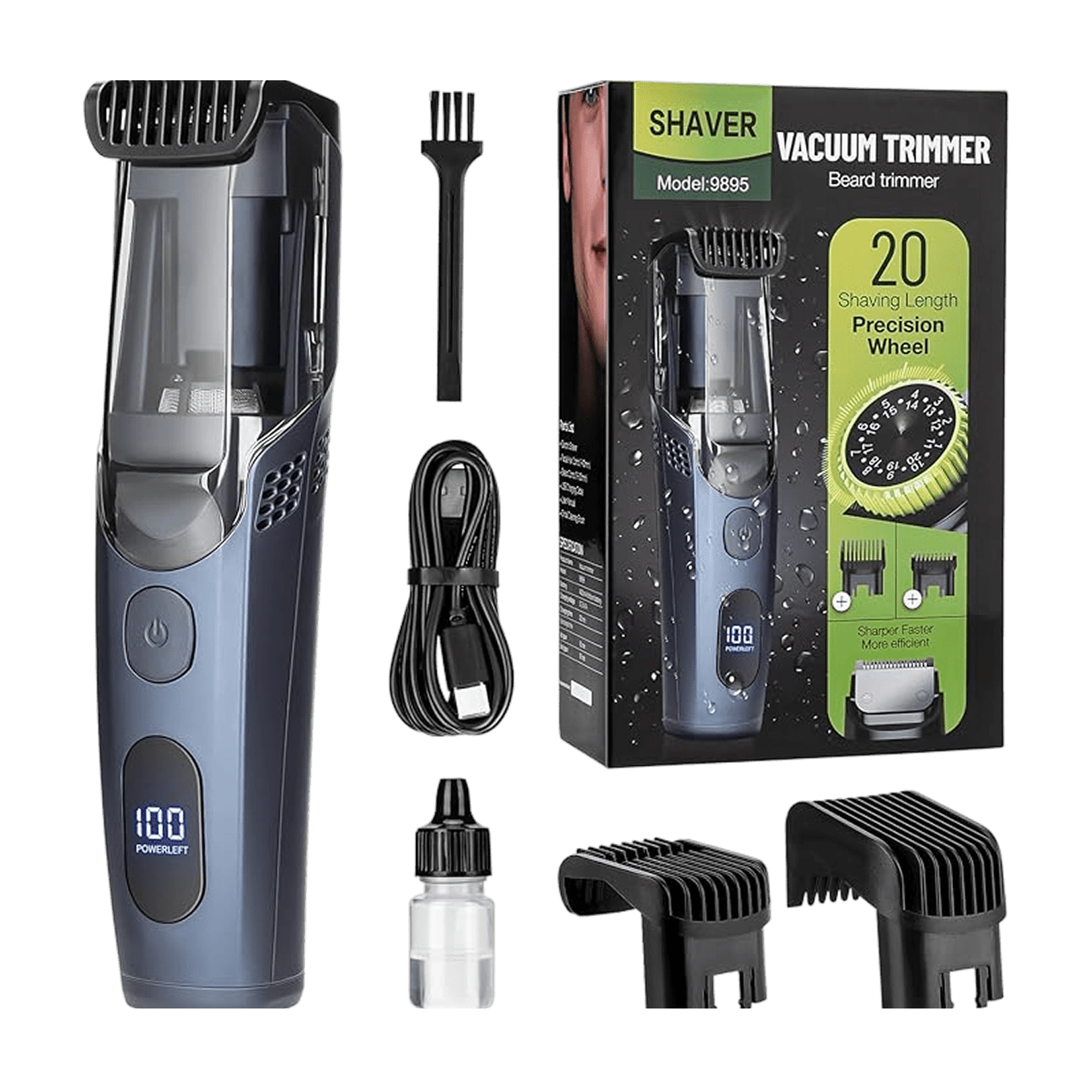
- Beard Trimmers: Adjustable length, precise shaping.
- Detail Trimmers: Narrow blades for fine lines and edges.
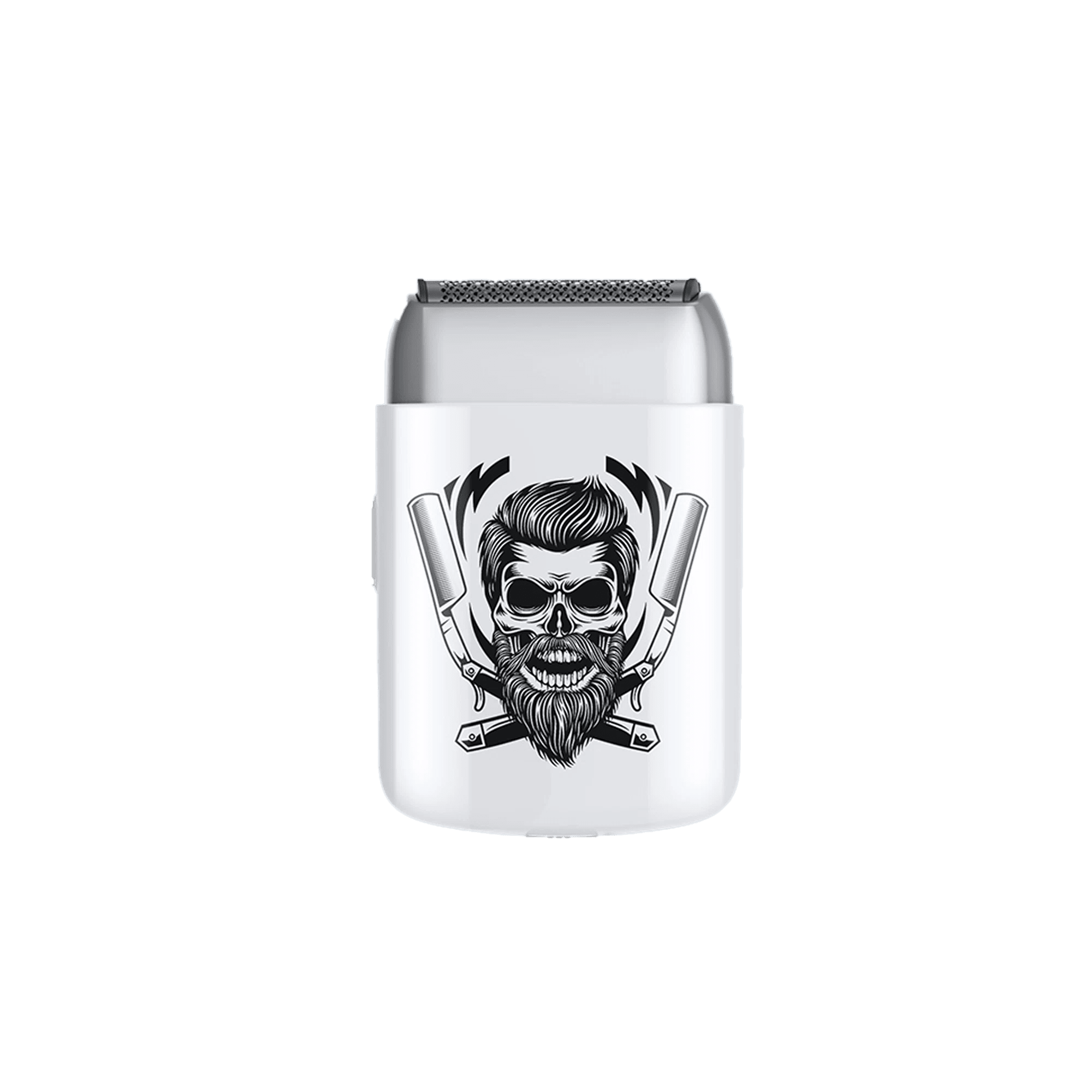
- Foil Shavers: Ideal for skin-close finishing after trimming.
Tip: Look for kits like Hair Cutting Kits that combine clippers and trimmers for a complete grooming solution.
How to Use Clippers vs Trimmers
Using Clippers:
- Attach the appropriate guard.
- Start from the crown or top section of hair.
- Move clippers in the direction of hair growth.
-
Gradually reduce guard size for fades or shorter lengths.
Using Trimmers:
- Remove attachments for detailed work.
- Trim along hairlines, sideburns, and neck.
- Use slow, controlled movements for precision.
- Check symmetry frequently.
Tip: Clean blades after each use to maintain sharpness and hygiene.
Maintaining Clippers and Trimmers
Proper maintenance extends the life of your grooming tools:
- Clean After Each Use: Remove hair clippings from blades.
- Oil Blades Regularly: Prevent rust and maintain cutting efficiency.
- Check Battery: For cordless models, ensure full charge before use.
- Sharpen or Replace Blades: Keep cuts precise.
- Store Properly: Avoid moisture and dust accumulation.
External Reference: FDA guide on safe grooming devices.
Common Mistakes to Avoid
- Using trimmers for bulk hair removal: slower, can stress the motor.
- Using clippers for detailing: wide blades cannot reach fine areas.
- Skipping blade maintenance: leads to dull cuts and skin irritation.
- Ignoring skin preparation: wash and dry hair before cutting for smoother results.
Clippers vs Trimmers for Different Hair Types
Different hair textures respond differently to grooming tools. Choosing the right device can save time and avoid irritation:
- Thick or coarse hair: Clippers are better at handling dense hair quickly, while trimmers may struggle and wear out faster.
- Fine or thin hair: Both clippers and trimmers work well, but trimmers offer more control for precise lines.
- Curly or wavy hair: Clippers can bulk reduce quickly, but trimmers are ideal for clean edges along the hairline.
Tip: For multi-textured hair, start with clippers for the main length and finish with a trimmer to define edges and prevent frizz.
Clippers vs Trimmers for Beards and Facial Hair
While clippers dominate scalp grooming, facial hair styling often requires a combination approach:
- Full beard trims: Clippers help reduce bulk quickly but may remove too much length if not used carefully.
- Beard shaping: Trimmers allow for detailed shaping of cheek lines, mustache edges, and neckline.
- Precision work: Use a trimmer for small areas like sideburns, under the jaw, or around the lips.
Advanced Grooming Techniques with Clippers and Trimmers

Once you’re comfortable with basic use, these techniques elevate your grooming results:
- Fade Haircuts: Use clippers with guard attachments to gradually blend lengths. Finish with trimmers to sharpen the hairline and edges.
- Disconnected Styles: Clippers handle the bulk, but trimmers create sharp contrasts between sections.
- Detailing Around the Neck and Ears: Trimmers are essential for clean, professional-looking lines.
- Combining with Shavers: After trimming, a foil shaver can smooth the skin for a polished finish, especially around beards and sideburns.
Frequently Asked Questions
What is the main difference between clippers and trimmers?
Clippers cut bulk hair quickly, while trimmers are designed for detailing, edging, and precision grooming.
Can I use a trimmer instead of a clipper?
Trimmers can manage small areas, but they are not efficient for full-head haircuts or thick hair.
How often should I clean and oil my clippers or trimmers?
Clean after every use and oil blades weekly for optimal performance and hygiene.
Are cordless clippers or trimmers better?
Cordless models offer more maneuverability, while corded devices provide constant power. Choose based on your grooming environment.
Can a trimmer give a clean shave?
No, trimmers leave a short length of hair; use a shaver for a completely smooth finish.
Which is better for fading haircuts?
Clippers with adjustable guards handle fades better, while trimmers refine edges for precision.
Conclusion
Understanding clippers vs trimmers is essential for effective grooming. Clippers are your go-to for bulk hair cutting and fades, while trimmers excel in precision detailing and beard shaping. Pairing these tools with proper maintenance and the right techniques ensures a professional look at home.
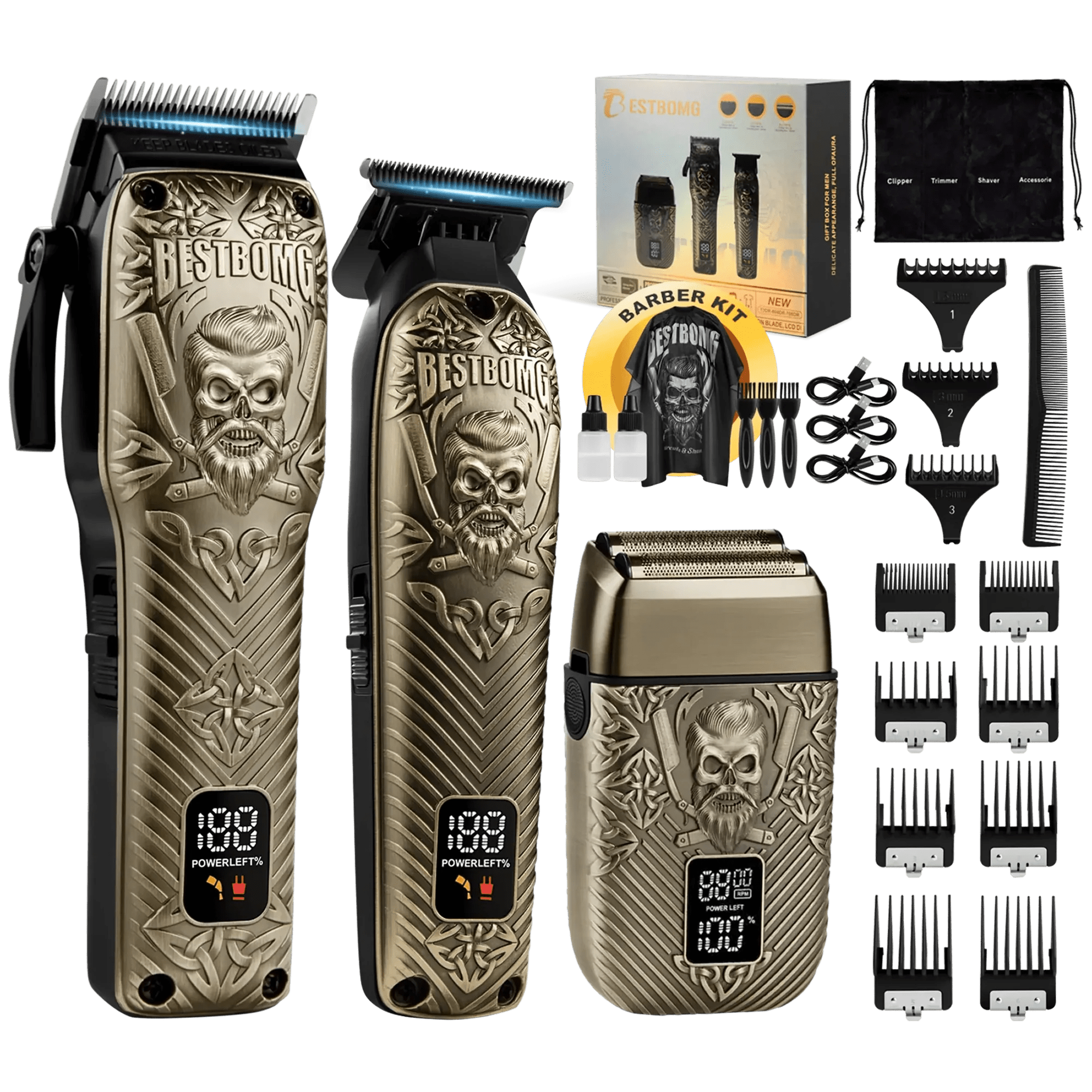
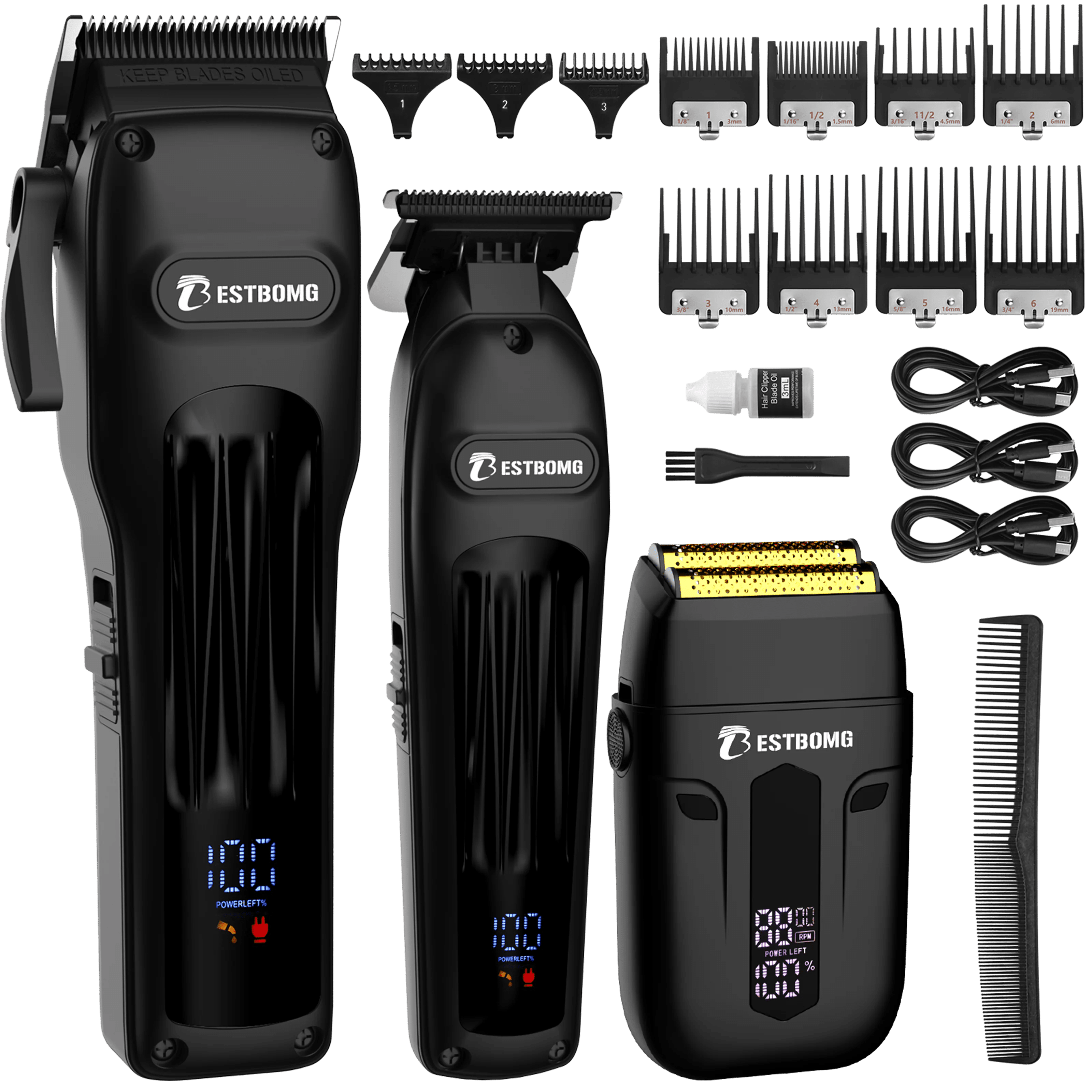
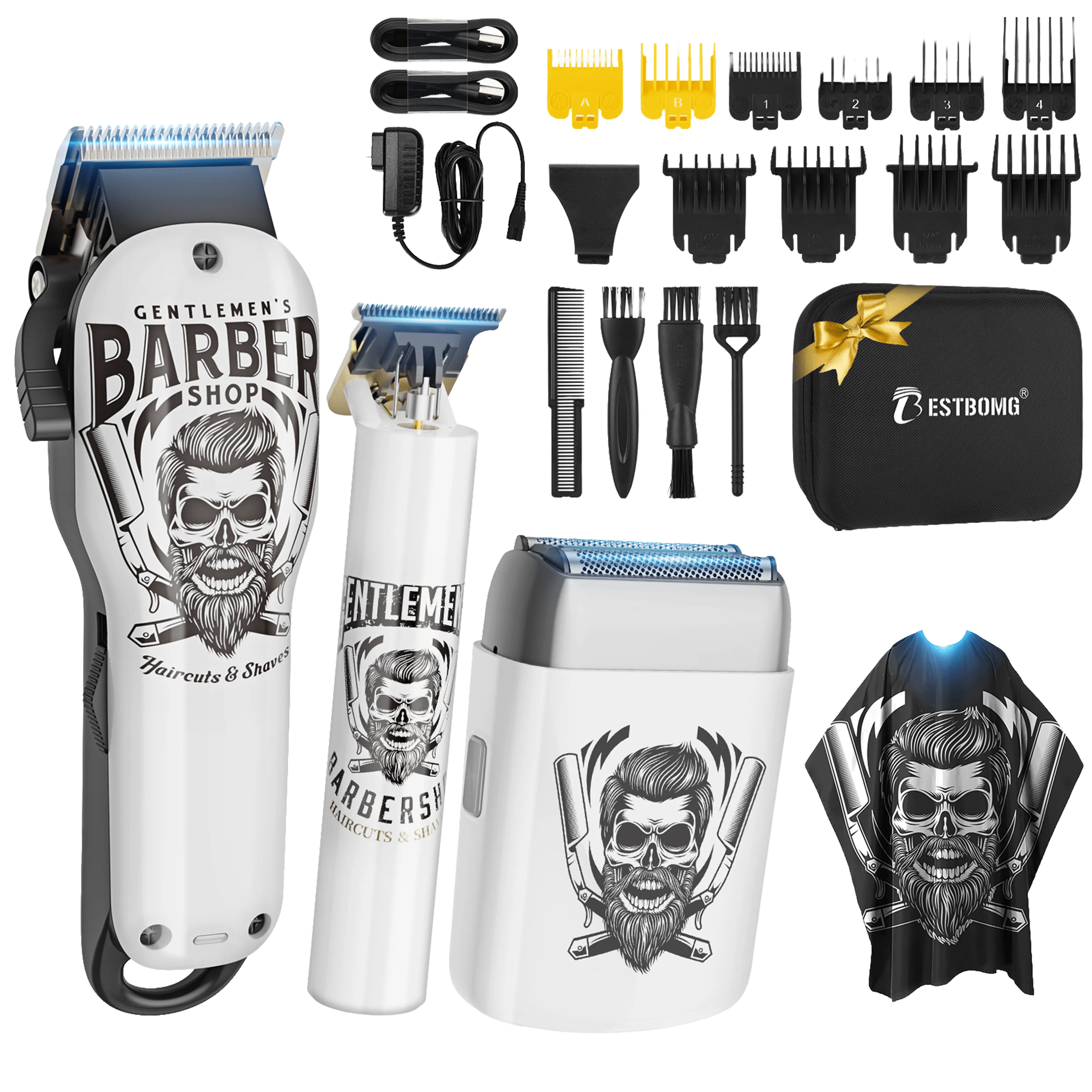
Explore top-quality options like the BS-808A Hair Clippers Kit, T9 Beard Trimmer, and comprehensive Hair Cutting Kits to elevate your grooming routine today.

Looking for something else?

How to Cut Baby Boy Hair with Clippers: Step-by-Step Guide
LEARN MORE
Do Hair Clippers Get Dull? Causes, Signs & Prevention
LEARN MORE
Can an Electric Shaver Cut You? Safety Facts & Prevention
LEARN MORE
How to Shave Balls with Electric Shaver: Safe Guide
LEARN MORELooking for something else?

Does Using Trimmer Increase Hair Growth? Facts & Myths
LEARN MORE
Best Hair Clippers for Men: Top Picks for Home & Pro Use
LEARN MORE
Best Professional Hair Clippers for Barbers: Top Picks
LEARN MOREYou may also like

Beard Trimmer-T9


Electric Shaver Y4

Further reading
Best Hair Clippers for Perfect Fades at Home
Clipper Lever Open vs Closed: What It Means (with mm)
Why You Need a Cordless Detailer Trimmer (And How to Pick the Right One)