





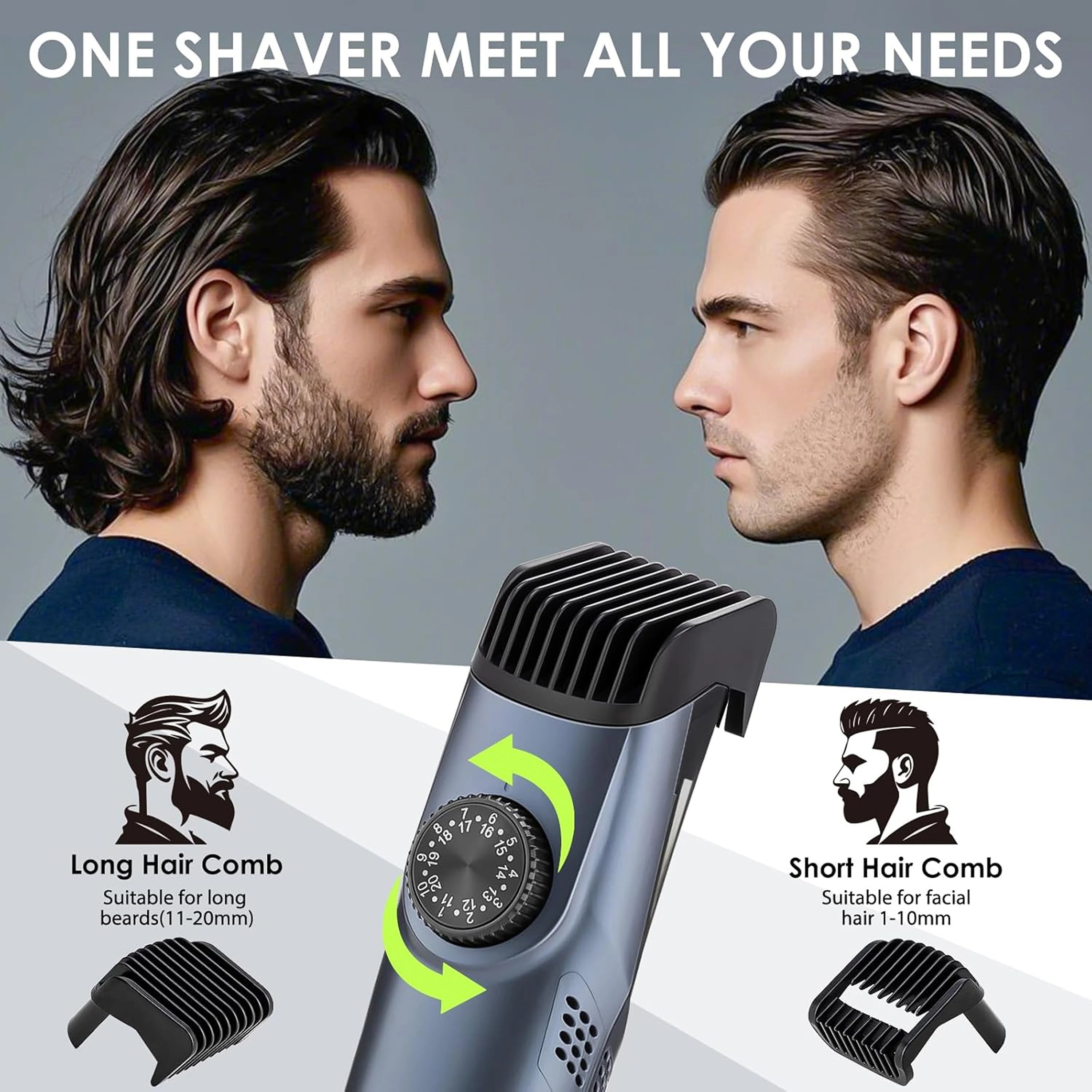
Top 7 Best Zero Gap Trimmers for Crisp Lines in 2026

Zero-gapping is the difference between a line that looks crisp and one that looks soft. The best zero gap trimmers in 2026 span professional corded outliners to budget cordless kits — and the right pick depends on your use case, hair texture, and whether you want factory zero-gap or are comfortable with a manual adjustment. This guide covers all 7 with real specs, a step-by-step zeroing guide, and honest Best for / Skip if cards so you can match the tool to your actual grooming routine.
What Is a Zero-Gap Trimmer?

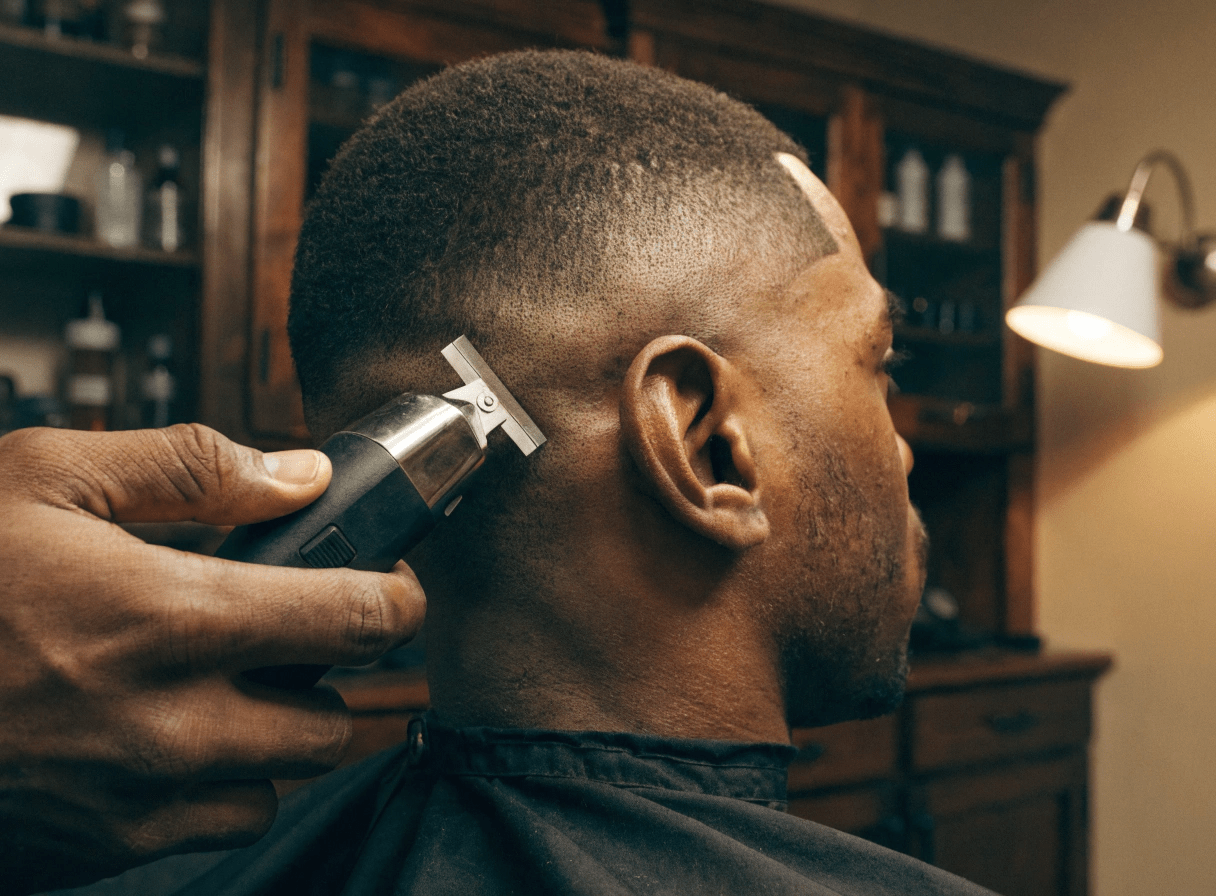
A precision beard trimmer for sharp lines that's zero-gapped has its inner (cutting) blade aligned flush with the outer (stationary) blade — tooth tip to tooth tip, no visible gap. Standard factory blades carry a built-in safety buffer of 0.5 to 1.5 mm to prevent the vibrating teeth from direct skin contact. Zero-gapping removes that buffer, allowing the blade to cut at 0.1 to 0.5 mm from the skin surface.
Why zero-gapping changes the result
A standard blade leaves microscopic stubble — short enough to be invisible individually but collectively creating a 'soft' edge rather than a high-contrast line. Zero-gap blades cut at the base of the follicle, producing the white-line effect that defines sharp hairline edges, skin fades, and professional neckline work. The result is a line that reads as razor-drawn but achieved with the speed and relative safety of an electric motor.
Factory zero-gap vs manual zero-gap
Some trimmers ship factory zero-gapped — the blades are already aligned during manufacturing. Others (like the Andis Fade Master) carry a deliberate standard gap and require manual adjustment. The Hair clipper overview on Wikipedia explains blade alignment mechanics and why different designs handle this differently. For most home users, factory zero-gapped is the practical choice — ready to use immediately, no alignment risk.
|
Pricing note: All competitor prices require manual verification before publishing. Screenshot each product page showing price, URL bar, and system clock. Filename: brand-model-retailer-YYYYMMDD-HHMM.png. |
Top 7 Zero Gap Trimmers — Specs at a Glance
The table below compares all 7 picks on the criteria that specifically matter for zero-gap work:
|
Model |
Zero-GapCut Length |
FactoryZero-Gapped? |
Blade Material |
Best Zero-Gap Use Case |
|
Andis T-Outliner (04710) |
~0.4 mm |
✅ Yes |
Carbon steel |
Precise hairline and beard outlining, neckline detail work |
|
Wahl 5-Star Magic Clip |
~0.5 mm (lever max) |
✅ Via lever |
High-carbon steel |
Seamless zero fades and skin-close blending passes |
|
BaBylissPRO GoldFX+ |
~0.3–0.4 mm |
✅ Yes |
DLC titanium |
Professional skin fades, highest skin comfort at zero |
|
Andis 73000 Envy Li |
~0.5 mm |
✅ Yes |
Carbon steel |
Cordless home fades and touch-ups |
|
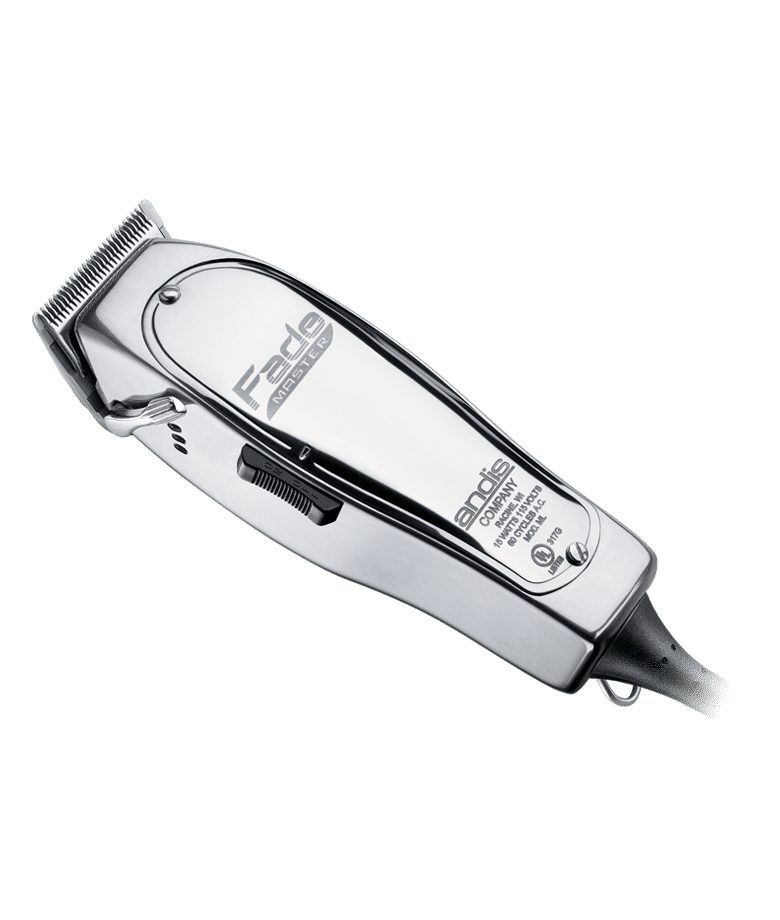
Andis 01690 Fade Master |
~0.1–0.2 mm (manual) |
❌ Manual adjust |
High-carbon magnetic |
Pro bald fades — tightest achievable gap |
|
Bestbomg T9 Beard Trimmer |
~0.5 mm |
✅ Yes |
Stainless steel |
Home outlining, beard edging, hairline cleanup |
|
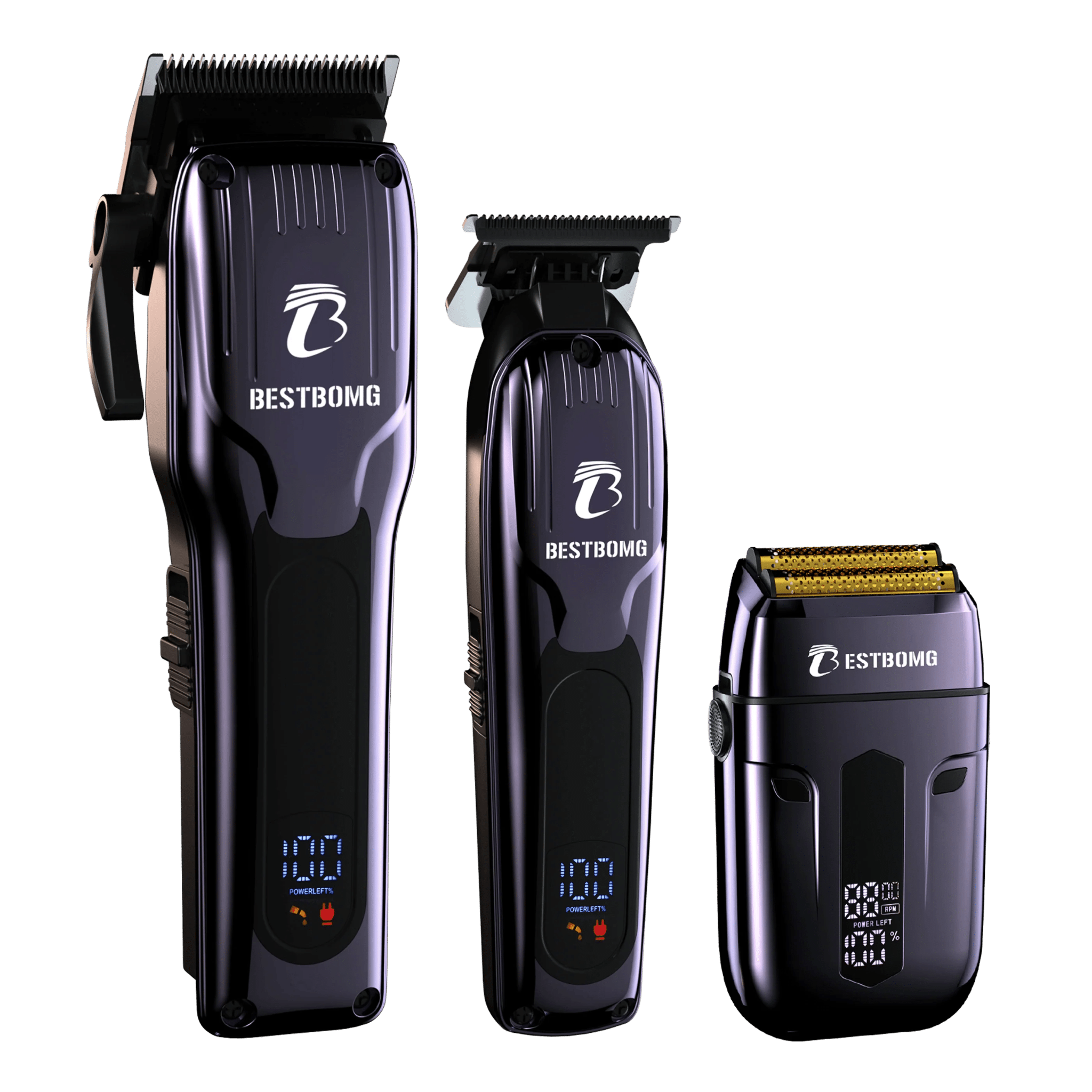
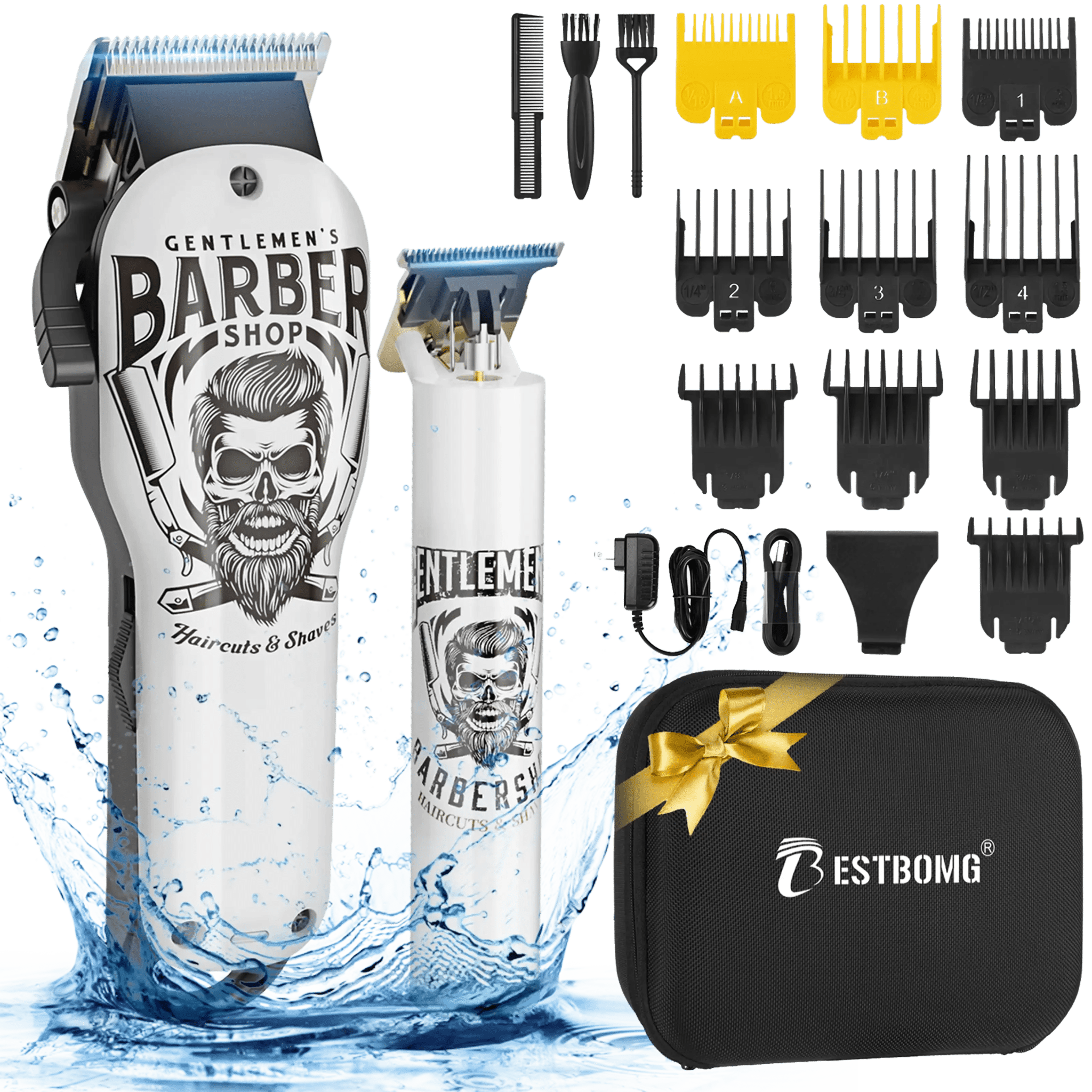
Bestbomg Y4T9 Clipper Kit |
~0.5 mm |
✅ Yes |
Stainless steel |
Complete home kit — guards for fades + zero-gap edges |
The tightest cutting length (Andis Fade Master at ~0.1–0.2 mm post-manual zero-gap) requires manual alignment. The factory zero-gapped tools are ready at purchase — with the GoldFX+ achieving the tightest factory setting at ~0.3–0.4 mm.
The Top 7 Zero Gap Trimmers Reviewed
1. Andis T-Outliner (04710) — Best Factory Zero-Gap Corded Outliner

- Type: Corded
- Motor: 7,200 SPM
- Blade: Carbon steel T-blade
- Zero-gap: Factory (~0.4 mm)
- Warranty: 1 year
✅ Best for
- Professional barbers at a fixed station
- All-day use — never needs charging
- Precise hairline and neckline outline work
- Budget-friendly entry into professional zero-gap tools
⚠️ Skip if
- You need cordless freedom
- Sessions involve moving around a client
- You're sensitive to motor heat on prolonged use
- You want quieter operation
The T-Outliner is the most widely used professional outliner in US barbershops — and it's been factory zero-gapped since its introduction. Its carbon steel T-blade cuts at approximately 0.4 mm from the skin surface: close enough for sharp lines without the bleeding risk of an over-aggressive gap. The 7,200 SPM electromagnetic motor is powerful and consistent. Men's Health's best beard trimmers guide consistently places the T-Outliner in the top tier for precision detailing because of how reliably it produces defined lines on varied skin and hair types.
The corded design means constant power and no battery management — ideal for professional stations. The trade-off: electromagnetic motors generate more heat than rotary designs during extended use. Many barbers keep a cooling spray at their station for back-to-back client sessions.
2. Wahl 5-Star Magic Clip — Best Versatile Zero-Gap Cordless

- Type: Cordless
- Runtime: 90 min
- Motor: 5,700 RPM
- Blade: Stagger-tooth high-carbon steel
- Zero-gap: Via taper lever
- Warranty: 1 year
Best for
- Barbers who want one tool for bulk + zero-gap finishing
- Experienced home users learning fade technique
- Cordless freedom without sacrificing motor quality
- Stagger-tooth blade that blends more naturally than standard flat blades
Skip if
- You want the tightest possible factory zero setting
- You do exclusively detail/outline work and don't need a full clipper
- You prefer lever-free simplicity
The Magic Clip achieves zero-gap differently from a dedicated outliner: its taper lever at maximum open position brings the stagger-tooth blade to its closest cutting position — approximately 0.5 mm. The lever transitions between standard cutting and zero-gap in a second without tools. For a tool that handles bulk cutting, fade blending, and guard work, this versatility is remarkable.
The stagger-tooth blade's offset tooth pattern produces smoother gradients in the skin-fade transition zone than a standard flat blade. For barbers who want a single cordless tool for the full fade from start to finish, the Magic Clip is the most practical choice in this roundup.
3. BaBylissPRO GoldFX+ — Best Premium Cordless Zero-Gap

Type: Cordless
Runtime: 2.5+ hours
Motor: 7,200 RPM brushless
Blade: DLC titanium-coated T-blade
Zero-gap: Factory (~0.3–0.4 mm)
Warranty: 1 year
Best for
- Professional skin fades requiring maximum skin comfort
- High-volume daily use — brushless motor runs cooler
- Barbers who do repeated close passes on the same zone
- DLC coating holds zero-gap setting longer than uncoated carbon steel
Skip if
- Budget is a constraint — this is a premium-priced tool
- You want a lighter body for extended self-grooming sessions
- Weight (~8.5 oz) may cause wrist fatigue over 8+ hours
The GoldFX+ is the standard other premium zero-gap cordless tools are compared against. Its DLC titanium-coated blade holds a zero-gap setting more consistently under sustained use because the harder coating resists micro-wear that causes gap drift over time. Forbes' best hair clippers review specifically notes that the GoldFX+ excels at zero gaps and graduated tapers — both depend on the blade holding its set position throughout the cutting pass.
At approximately 0.3–0.4 mm at factory zero setting, the GoldFX+ is the tightest factory-set gap among the cordless picks. The DLC coating also significantly reduces blade temperature during extended zero-gap work, which directly affects skin comfort on the repeated close passes that skin fade finishing requires.
4. Andis 73000 Envy Li — Best Budget-Tier Cordless Zero-Gap

- Type: Cordless
- Runtime: 90 min
- Motor: 5,500 SPM
- Blade: Carbon steel
- Zero-gap: Factory (~0.5 mm)
- Warranty: 1 year
Best for
- Home users who want factory zero-gap without premium pricing
- Barbers needing a cordless backup to a primary corded tool
- Zero-gap maintenance cuts and light fade work
- 90-minute runtime covers most home and moderate professional sessions
Skip if
- Heavy-duty professional all-day volume
- You want premium build quality and lever feel
- Extended back-to-back client sessions where battery management matters
The Envy Li ships factory zero-gapped with blades already aligned for close work at approximately 0.5 mm. Its adjustment lever allows backing off from zero-gap to a standard cutting position for bulk work, giving it some versatility beyond pure zero-gap application.
Build quality is the honest trade-off — the housing feels lighter and the lever less precise than the GoldFX+ or Magic Clip. For home users and barbers wanting cordless zero-gap capability without the premium price, the Envy Li is the practical entry point in the professional-brand category.
5. Andis 01690 Fade Master — Best Manual Zero-Gap Professional

- Type: Corded
- Motor: 14,000 SPM magnetic
- Blade: High-carbon fade blade
- Zero-gap: Manual — reaches ~0.1–0.2 mm
- Housing: Aluminum
- Warranty: 1 year
Best for
- Experienced barbers specializing in bald and skin-close fades
- Tightest achievable gap on any pick in this list (post-manual)
- Heavy-duty bulk hair removal at zero — motor handles all textures
- Professionals who want maximum gap control over their tools
Skip if
- Beginners — requires manual alignment before first use
- Anyone who doesn't want to learn the zero-gap adjustment process
- Home self-cuts — weight and power are designed for professional volume
- You prefer cordless freedom at your station
The Fade Master requires manual zero-gap adjustment to achieve its tightest cutting position — and once adjusted, it reaches approximately 0.1–0.2 mm, tighter than any factory-set tool in this roundup. The 14,000 SPM magnetic motor is the most powerful here, which gives it the ability to cut through bulk hair at zero gap without blade bog.
Manual zero-gapping is both its advantage and the barrier to entry. The adjustment is straightforward following the steps in this guide, but it requires doing it correctly. An improperly aligned Fade Master is a skin-risk tool; one aligned correctly by someone who knows what they're doing is arguably the most precise zero-gap instrument available.
6. Bestbomg T9 Beard Trimmer — Best Home Value Zero-Gap

- Type: Cordless
- Runtime: 60+ min
- Motor: Rotary
- Blade: Stainless steel T-blade
- Zero-gap: Factory (~0.5 mm)
- Warranty: 12 months + free US shipping
Best for
- Home users who want a dedicated zero-gap outliner at home pricing
- Weekly beard outlining, hairline edge-up, and neckline cleanup
- First dedicated outliner for DIY grooming — ready to use out of the box
- Lightweight body ideal for pencil-grip precision on curved lines
Skip if
- Professional skin-fade closeness below 0.3 mm
- High-volume professional barbershop use
- You need DLC or titanium blade performance for prolonged client sessions
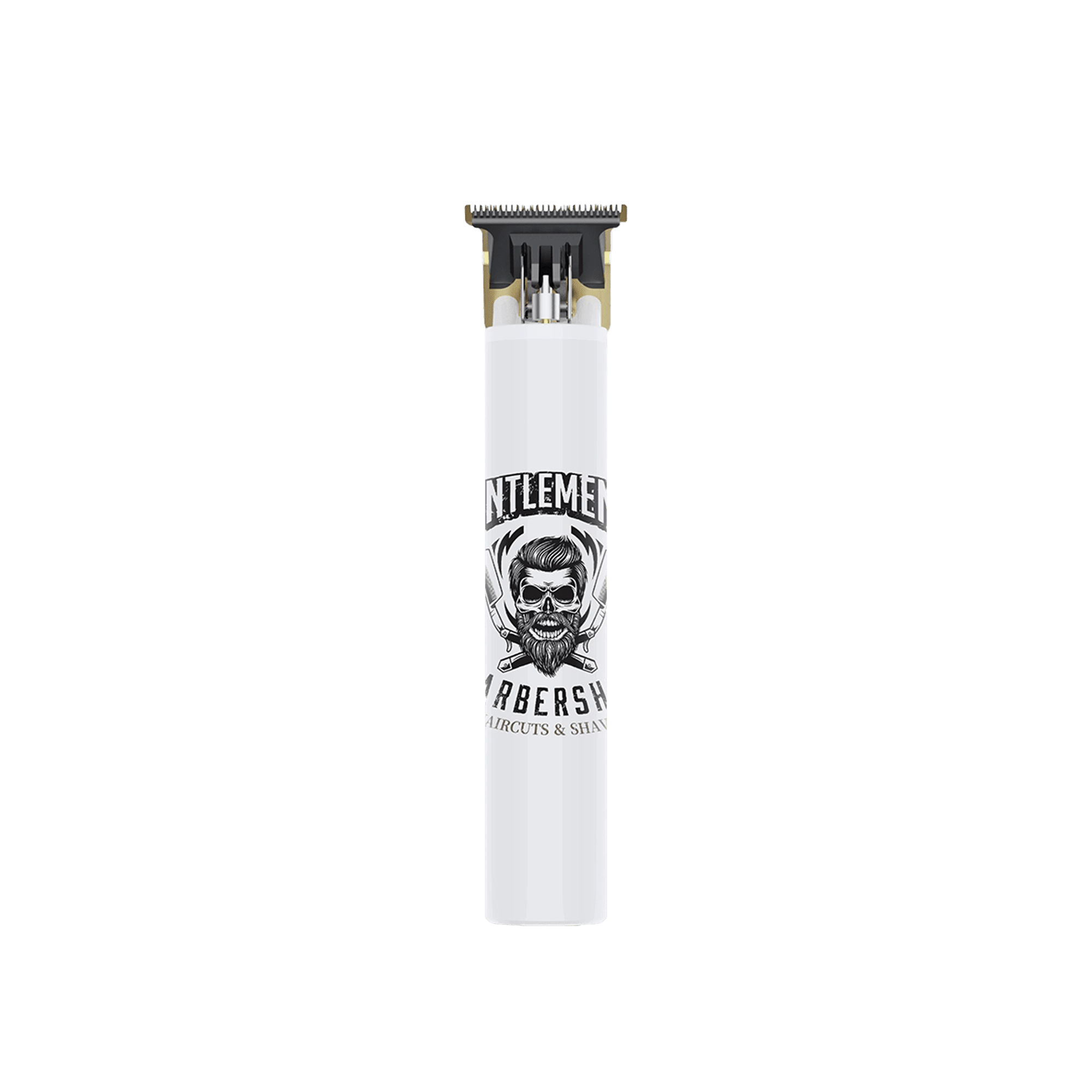
For home users who want genuine zero-gap capability without professional prices, the detail trimmer for crisp outlines — the T9 — ships factory zero-gapped on a LiIon cordless body designed for weekly beard outlining, hairline edge work, and neckline cleanup. The stainless steel blade cuts at approximately 0.5 mm, which handles the definition work that most home users need: sharp beard cheek lines, clean neckline, sideburn definition.
It doesn't compete with the Fade Master's ultra-close 0.1 mm setting or the GoldFX+'s DLC blade performance under professional conditions. For the home groomer doing 10–15 minute sessions once or twice a week, those distinctions don't matter. The T9 delivers what factory zero-gap means for home use: ready to cut at close range from the first power-on.
7. Bestbomg Y4T9 Clipper Kit — Best Complete Home Zero-Gap Setup

- Type: Cordless kit
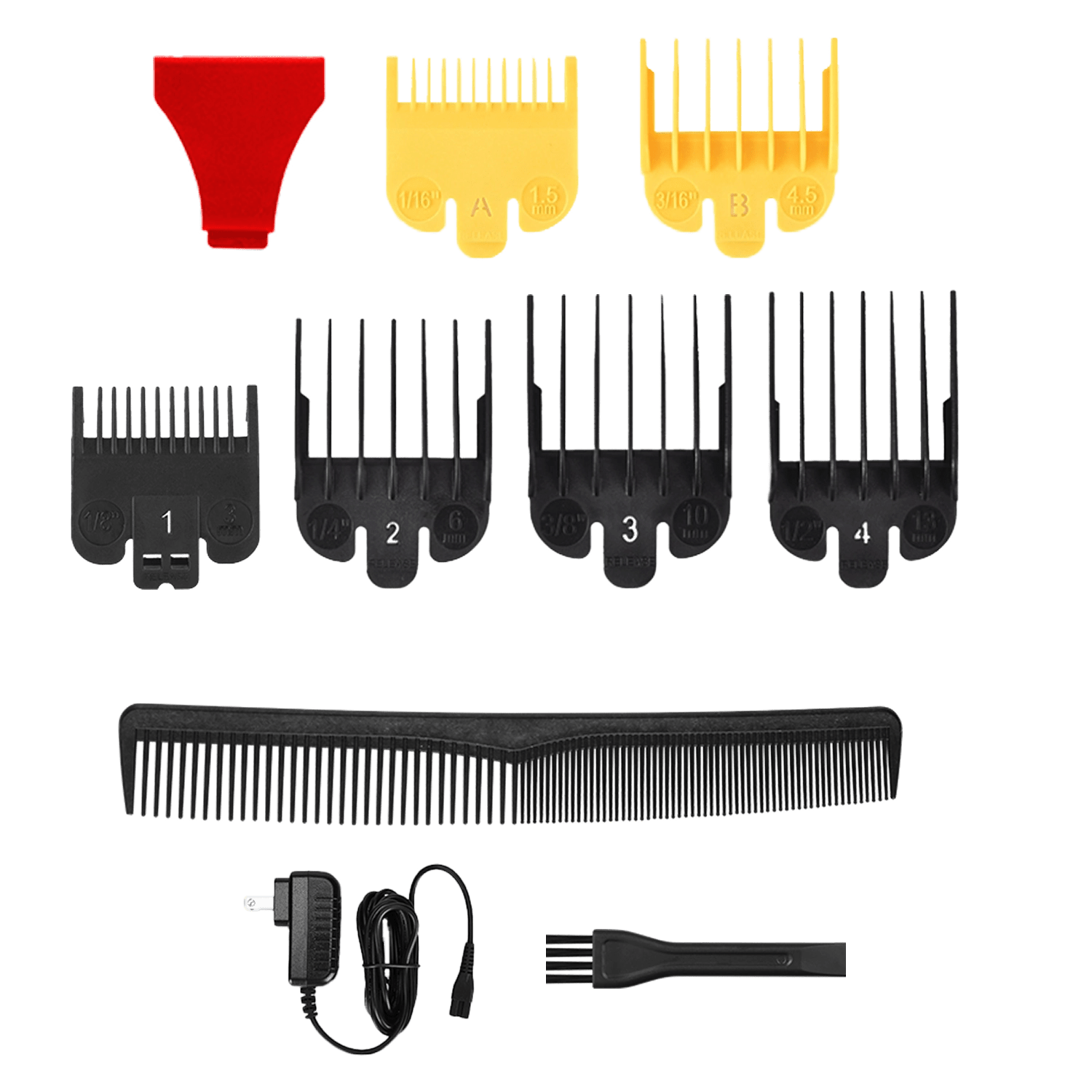
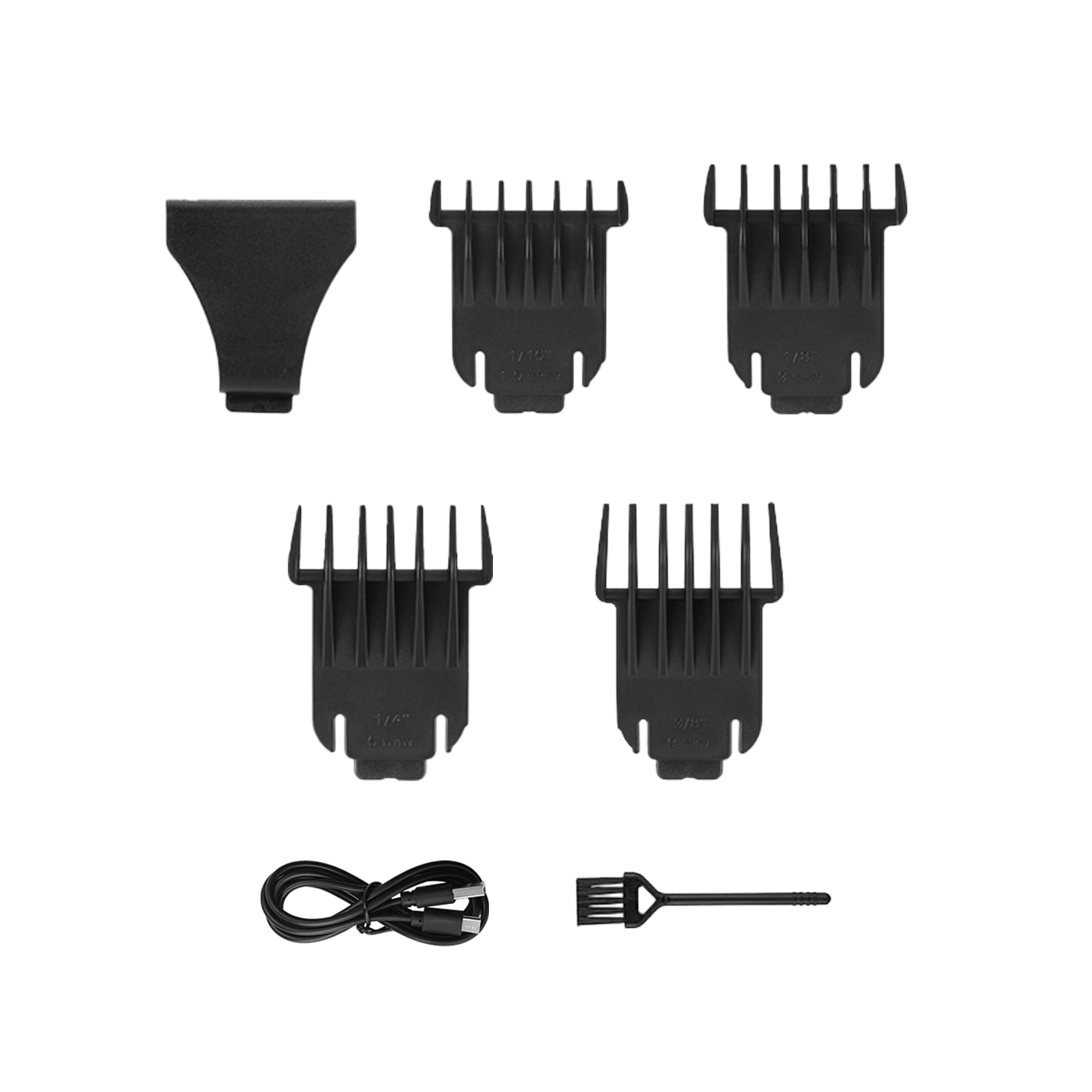
- Includes: Clipper + full guard set + oil + brush |Blade: Stainless steel
- Zero-gap: Factory (~0.5 mm no guard)
- Warranty: 12 months + free US shipping
Best for
- Home users starting from scratch — everything included in one purchase
- Both guard-based mid fades and zero-gap edge work from a single tool
- Beginners who don't want to source clipper and outliner separately
- Budget-conscious buyers who need a complete kit, not a component
Skip if
- You already own a quality clipper and just need the outliner component
- Professional motor power for high-volume commercial use
- You need the tightest sub-0.3 mm zero-gap performance
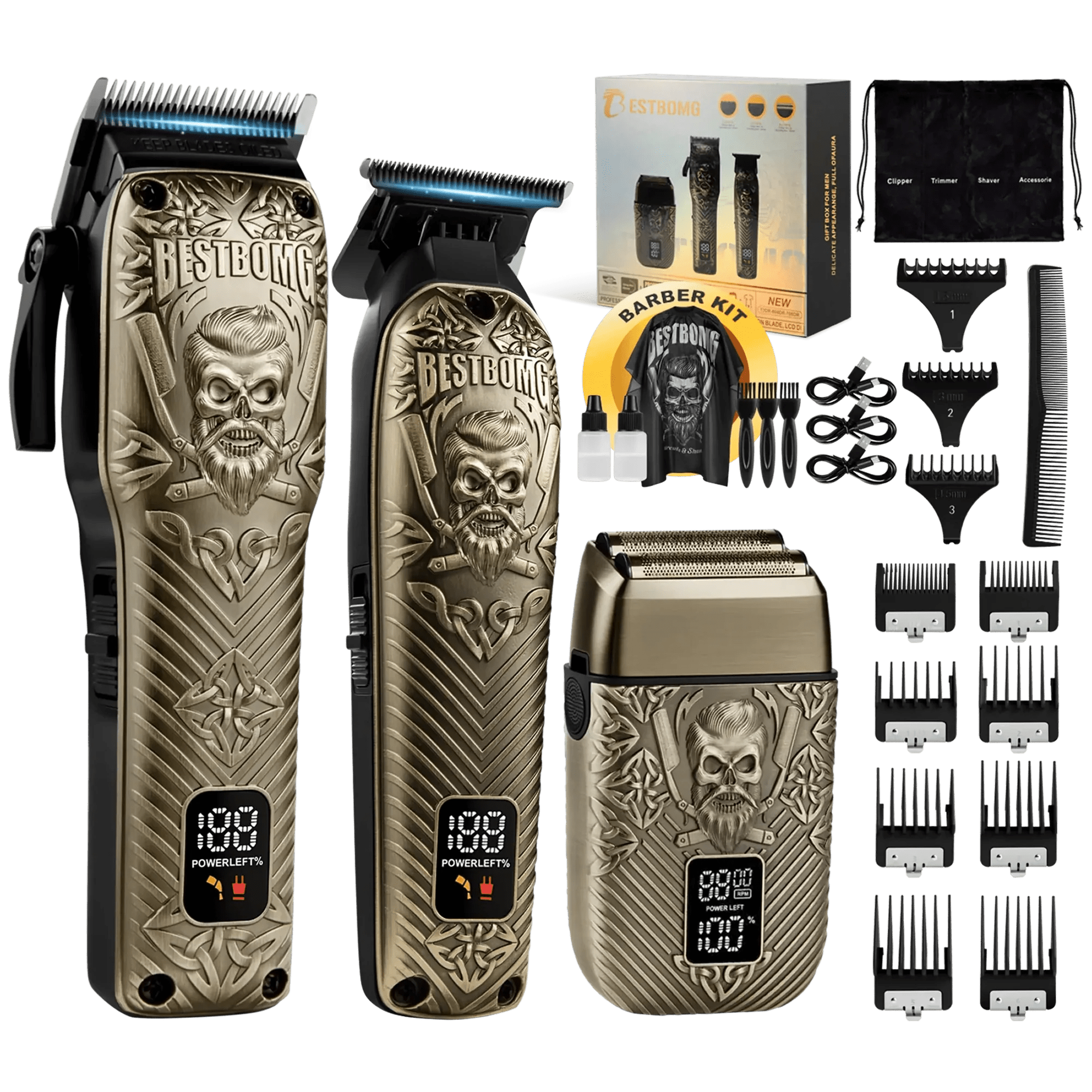
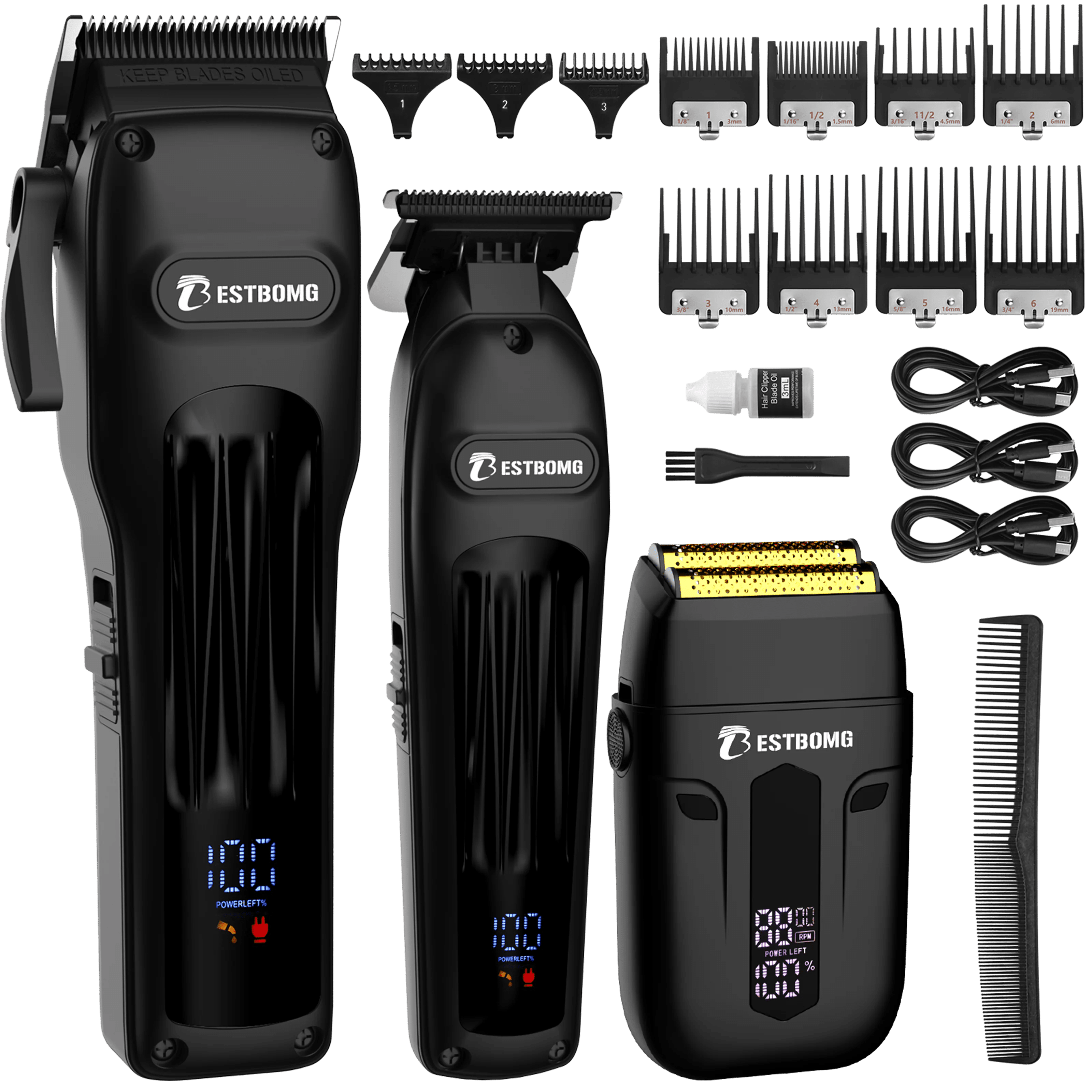
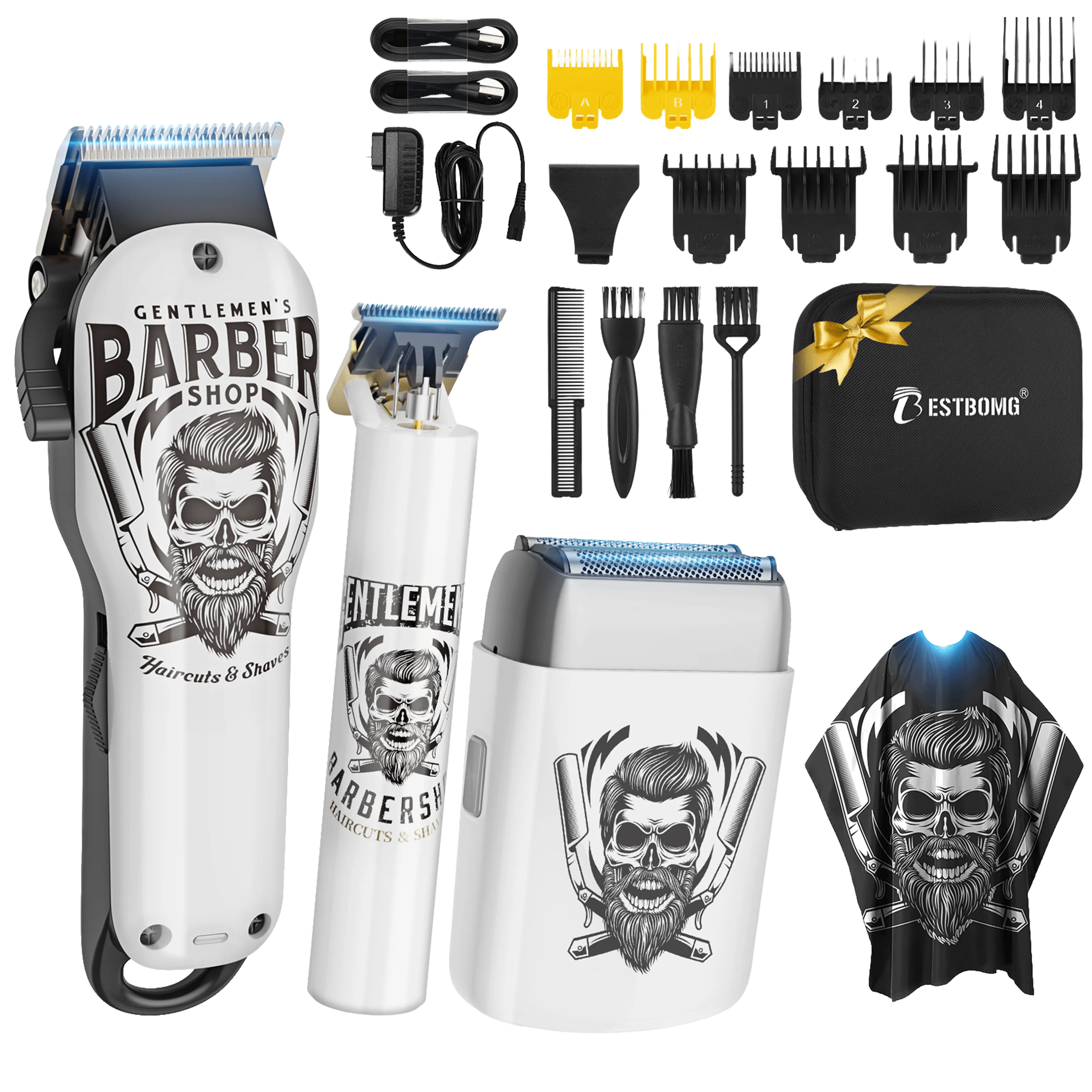
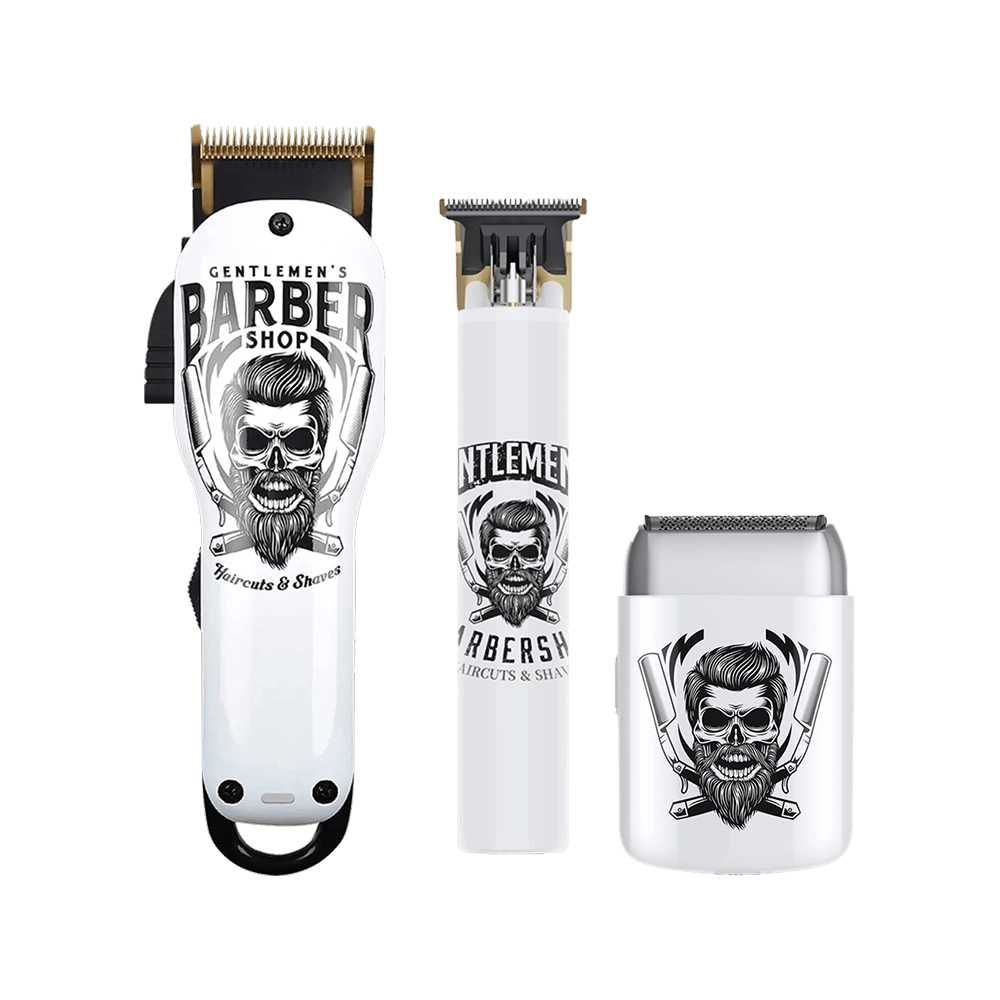
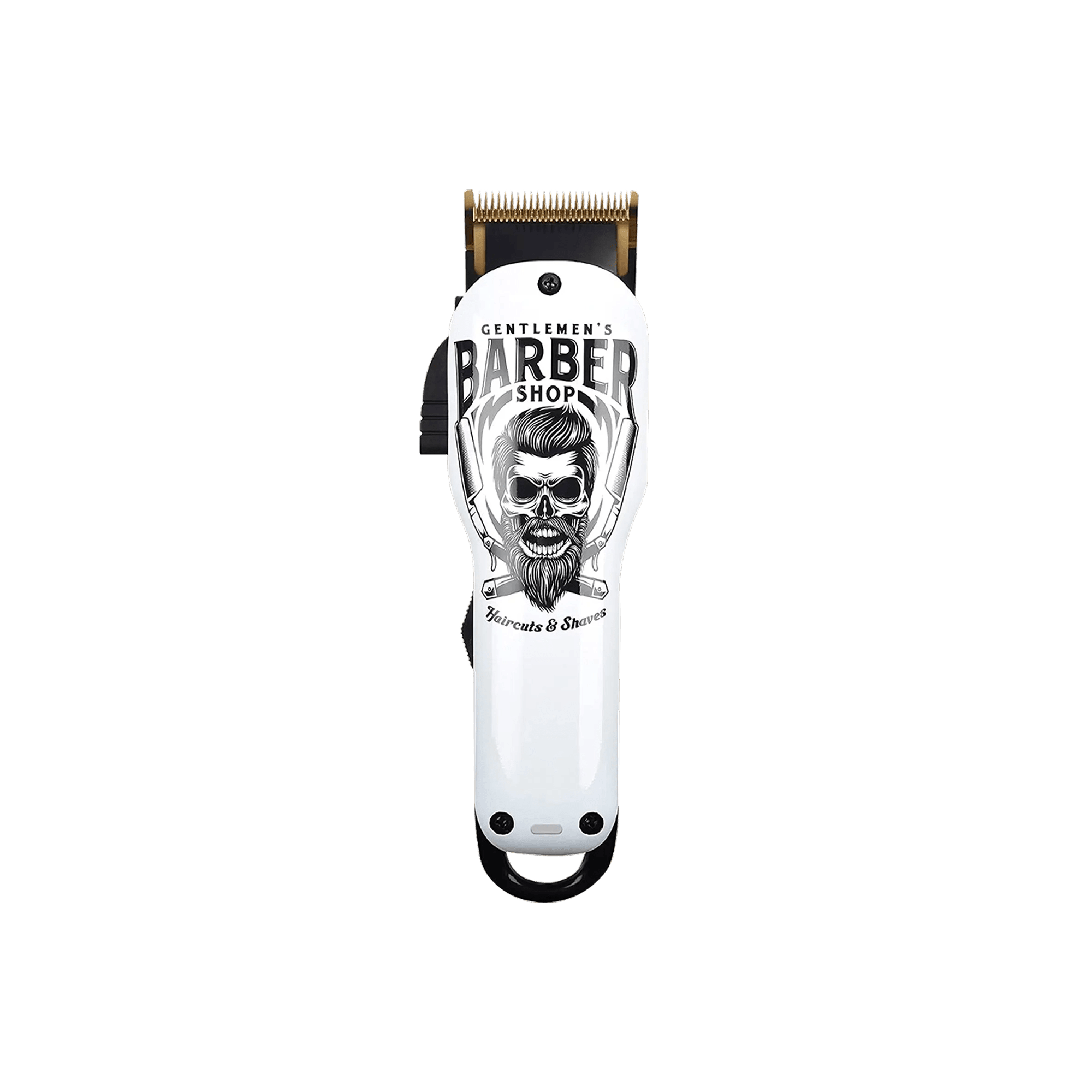
The Y4T9 kit is the complete home fade setup: a cordless clipper with a full guard set, oil, brush, and a blade designed for zero-gap close work when the guards come off. Rather than buying a clipper and a separate zero-gap outliner, the Y4T9 handles both functions — guard-based mid and taper fade work with guards on, and zero-gap line definition for hairlines and necklines with guards off.
For someone building a home grooming setup from scratch — who needs the clipper for length work and the zero-gap capability for edges — the Y4T9 kit eliminates the need for two separate tools. The zero-gap cutting length at approximately 0.5 mm positions it correctly for home edge work, not professional-volume skin fades.
Corded vs Cordless for Zero-Gap Work

The corded vs cordless question maps differently for zero-gap work than for general cutting. Corded tools (T-Outliner, Fade Master) maintain constant motor speed regardless of session length — for zero-gap work, blade velocity consistency directly affects skin-close pass quality. A motor that drops power mid-pass creates inconsistent cut depth in the transition zone.
The disadvantage: cords limit the wrist rotation freedom that zero-gap neckline work specifically requires. Working around the neckline with a corded tool means managing a cord that can pull the trimmer off the precision line.
Cordless tools (GoldFX+, Magic Clip, Envy Li, Bestbomg picks) provide the mobility that precision work benefits from. Modern LiIon batteries maintain consistent power until near-depletion. For home self-cuts especially, the freedom of movement during neckline work is a meaningful advantage over corded.
|
Simple rule: For professional stations doing all-day zero-gap work, corded eliminates battery management complexity. For home use and mobile barbers, cordless removes cord interference from the precision passes that matter most. |
How to Zero-Gap Your Trimmer at Home — Step by Step

If your trimmer didn't come factory zero-gapped — or if you want to tighten it further — here's the complete process:
|
Step |
Action |
Pro Tip |
|
1 |
Power off and unplug completely before touching the blade assembly. On cordless models, hold the power button until fully off. |
Never adjust with the motor running. Vibration shifts the alignment immediately — you'll tighten the screws onto a misaligned blade. |
|
2 |
Loosen (don't remove) the two blade screws using a correctly sized screwdriver. Turn counterclockwise just enough to allow blade movement. |
Rounding a screw head is the most common damage point here. Use a properly fitting driver — not the closest thing that works. |
|
3 |
Slide the inner cutting blade forward until its tooth tips are flush with the outer stationary blade tip row. Inner blade must never sit higher than outer. |
Hold the clipper sideways against a bright light source. You'll see the blade profile and know instantly whether the tips are level. |
|
4 |
Verify: no inner blade overhang, no visible gap between the two blade tip rows. Double-check both sides of the blade width. |
If the inner blade sits even fractionally higher than the outer, back off. This configuration is a nick risk. Lower = safe, higher = unsafe. |
|
5 |
Hold alignment with your thumb and tighten both screws evenly. Tighten one side, re-check, tighten the other. |
If the trimmer suddenly sounds much louder after tightening, the blades are touching — back off the gap a fraction and test again. |
|
6 |
Paper test then forearm test. A properly zero-gapped blade cuts a clean paper slice without snagging. On forearm hair it should cut on first contact. |
If it pulls rather than cuts, the gap is still slightly too wide. If the forearm feels uncomfortably sharp, back off before any face or neck work. |
|
When NOT to zero-gap: If your trimmer has a plastic snap-on blade system rather than screwed metal blades, it typically cannot be zero-gapped. Don't force it. The process above applies to professional-grade metal blade assemblies with adjustment screws. |
Zero-Gap Safety — What to Know Before Your First Use

Zero-gap blades have no safety buffer between the cutting teeth and the skin surface. The conditions below are worth knowing before using a zero-gapped tool. For context on how close-cutting tools relate to ingrown hair and skin irritation risk, Wikipedia's entry on pseudofolliculitis barbae explains why repeated close passes — particularly on curved hairlines and coarse hair — increase follicle irritation risk.
|
Scenario |
What to Know Before Using Zero-Gap |
|
First-time user |
No muscle memory yet for how a zero-gap blade behaves on skin. Test on paper, then forearm hair, then a non-visible area of the neckline before committing to the hairline or beard edge. |
|
Sensitive or reactive skin |
Zero-gap creates more friction and heat per pass than standard trimmers. Keep passes short, oil every few minutes during use, and never press into the skin — float the blade on the surface. |
|
Coarse or kinky hair |
Multiple passes in one zone generate significant blade heat. Use cooling spray between sections. Redness is a stop signal — back off and let the skin recover before the next pass. |
|
Self-cutting neckline |
Limited visibility at the neckline makes zero-gap work less controllable. Use a two-mirror setup. Misplacement at zero-gap produces a visible nick rather than a soft error. |
|
After any tool drop |
A drop can shift blade alignment — sometimes causing the inner blade to sit higher. Always re-verify alignment and run the paper test after any impact before returning to skin work. |
After sessions involving repeated zero-gap passes, let the skin rest before a repeat session. The razor burn overview on Wikipedia explains why repeated close-cutting accumulates micro-irritation even when individual sessions feel comfortable. This applies to zero-gap trimmer work as much as straight razor work.
Maintaining Zero-Gapped Blades for Consistent Performance

Zero-gapped blades lose alignment faster than standard blades because they operate with less tolerance. how to sharpen hair clippers (basics) covers the full blade care routine. Zero-gap-specific maintenance adds three requirements:
Oil before and after every zero-gap session
Apply oil at three points across the blade: left corner, center, right corner. The corners are most critical — this is where skin contact is closest and heat concentrates. Pre-oiling also reduces the friction that causes the blade to run hot on the first few passes of a session.
Re-verify alignment after every drop or impact
A zero-gapped blade dropped on a hard floor can shift the inner blade position by a fraction of a millimeter — which at zero setting means the inner blade may now sit higher than the outer. Run the paper test after every impact before returning to skin work.
Replace carbon steel blades before they drift
Carbon steel blades at zero-gap setting can develop micro-corrosion between the two blade faces over time. Signs: visible rust dots between blade faces, or the tool requiring more pressure to cut at zero than it used to. DLC-coated blades (GoldFX+) resist this significantly longer.
Conclusion
The best zero gap trimmers in 2026 serve different users. Professional barbers doing skin fades need either the Andis T-Outliner's factory-zero corded reliability or the Fade Master's maximum-gap-closure performance after manual adjustment. Premium cordless professionals favor the BaBylissPRO GoldFX+ for its DLC blade and motor consistency. Home users who want zero-gap precision without professional-tool pricing have solid options in the Andis Envy Li, the Bestbomg T9, and the Y4T9 complete kit.
Whichever tool you choose, zero-gap is only as reliable as the alignment you start with. Verify before every session, oil consistently, and respect the reduced safety margin that zero-gap cutting carries.
Browse the Bestbomg beard trimmers and hair clippers range for cordless zero-gap options, or see the full Hair Cutting Kits collection for complete setups with guards included.
FAQs
Do any trimmers come zero-gapped from the factory?
Yes — most professional-grade trimmers from Andis (T-Outliner), BaBylissPRO (GoldFX+), Wahl (Magic Clip via taper lever), and Bestbomg (T9, Y4T9) ship ready for zero-gap work. Factory zero-gap typically means approximately 0.3–0.5 mm — close enough for crisp lines without requiring manual adjustment.
Is it safe to zero gap clippers?
Yes, if done correctly and used carefully. The primary risk is the inner blade sitting higher than the outer blade after adjustment, which can cause nicks. Always perform a paper test then a forearm test before using on face or neckline. Use light, consistent pressure during use — pressing hard into the skin with a zero-gap blade is the most common cause of clipper burn.
Is there a 0.1 mm trimmer?
Approximately — the Andis Fade Master, when manually zero-gapped, achieves approximately 0.1–0.2 mm cutting length. The BaBylissPRO GoldFX+ at factory zero approaches 0.3 mm. No mainstream consumer trimmer reaches 0.1 mm at factory setting. These values represent the theoretical minimum; real-world cutting depth varies slightly by hair thickness and pressure.
Are zero gap clippers better than standard gap?
Better for specific work, not universally better. Zero-gap blades produce sharper lines, crisper edges, and closer skin-fade finishes than standard blades. For general beard maintenance, length control, and bulk cutting, standard blades are safer and equally effective. Zero-gap clippers are precision instruments; standard-gap clippers are general tools.
Can you zero gap any trimmer?
Most professional-grade trimmers with metal screw-on blade assemblies can be zero-gapped (Wahl, Andis, BaBylissPRO, most barber-grade tools). Consumer trimmers with plastic snap-on blades typically cannot. Some Wahl models require a two-hole blade slide rather than a three-hole slide — this is a parts swap, not an impossibility.
Do zero gap trimmers cause irritation?
They can, particularly on coarse or curly hair and around curved hairlines. The closer the cut, the more the blade contacts skin directly, and repeated passes accumulate friction and heat. Conditions like pseudofolliculitis barbae (razor bumps) are more common after repeated close-cutting on coarse, tightly-coiled hair. Oil frequently, use light pressure, and limit zero-gap passes per zone to reduce this risk.
What is a #0 buzz cut?
A #0 buzz cut uses no guard — the bare blade leaves approximately 1–1.5 mm of hair depending on the clipper's standard blade position. Zero-gapping takes this to approximately 0.1–0.5 mm, producing a near-bald look that reads as shaved rather than buzzed. Professional skin fades use zero-gap settings in the lowest transition zone to create the illusion of bare skin.
How do I check if my trimmer is zero-gapped?
Hold the trimmer sideways against a bright light source and look at the blade profile. If the tooth tips of the inner and outer blades appear on the same horizontal line — no visible step between them — the trimmer is zero-gapped or very close to it. The paper test confirms it: a properly zero-gapped blade slices a clean paper cut without snagging.
Sources
1. Men's Health — Best Beard Trimmers (editorial grooming guide including T-blade outliners and zero-gap-capable trimmers with professional close-shave performance context), menshealth.com.
2. Groomshaper — Best Zero Gap Trimmers and Clippers (hands-on comparison of zero-gap trimmers including cutting closeness tests, blade sharpness assessments, and motor power rankings), groomshaper.com.
3. Forbes — Best Hair Clippers (three-person testing panel evaluation of professional clippers including zero-gap capability and adjustable lever performance testing), forbes.com, September 2025.
4. Reddit r/BuyItForLife — Best Zero Guard Beard Trimmer (community discussion on long-term durability and real-world performance of zero-gap trimmers from actual long-term users), reddit.com.
5. Wikipedia — Hair clipper (blade mechanics, gap adjustment systems, motor types, and blade alignment affecting cutting length in professional hair clippers), wikipedia.org.

Looking for something else?

How to Cut Baby Boy Hair with Clippers: Step-by-Step Guide
LEARN MORE
Do Hair Clippers Get Dull? Causes, Signs & Prevention
LEARN MORE
Can an Electric Shaver Cut You? Safety Facts & Prevention
LEARN MORE
How to Shave Balls with Electric Shaver: Safe Guide
LEARN MORELooking for something else?

Does Using Trimmer Increase Hair Growth? Facts & Myths
LEARN MORE
Best Hair Clippers for Men: Top Picks for Home & Pro Use
LEARN MORE
Best Professional Hair Clippers for Barbers: Top Picks
LEARN MOREYou may also like


Electric Shaver Y4


Y4T9 Easy Start Kits
Further reading
Best Hair Clippers for Perfect Fades at Home
Clipper Lever Open vs Closed: What It Means (with mm)
Why You Need a Cordless Detailer Trimmer (And How to Pick the Right One)