





How to Trim a Ducktail Beard: Complete DIY Guide
The ducktail beard is a bold, sculpted style that tapers from full sides down to a defined point at the chin think Viking warrior meets modern gentleman. Learning how to trim a ducktail beard at home saves you regular barber visits while giving you complete control over the shape and length.
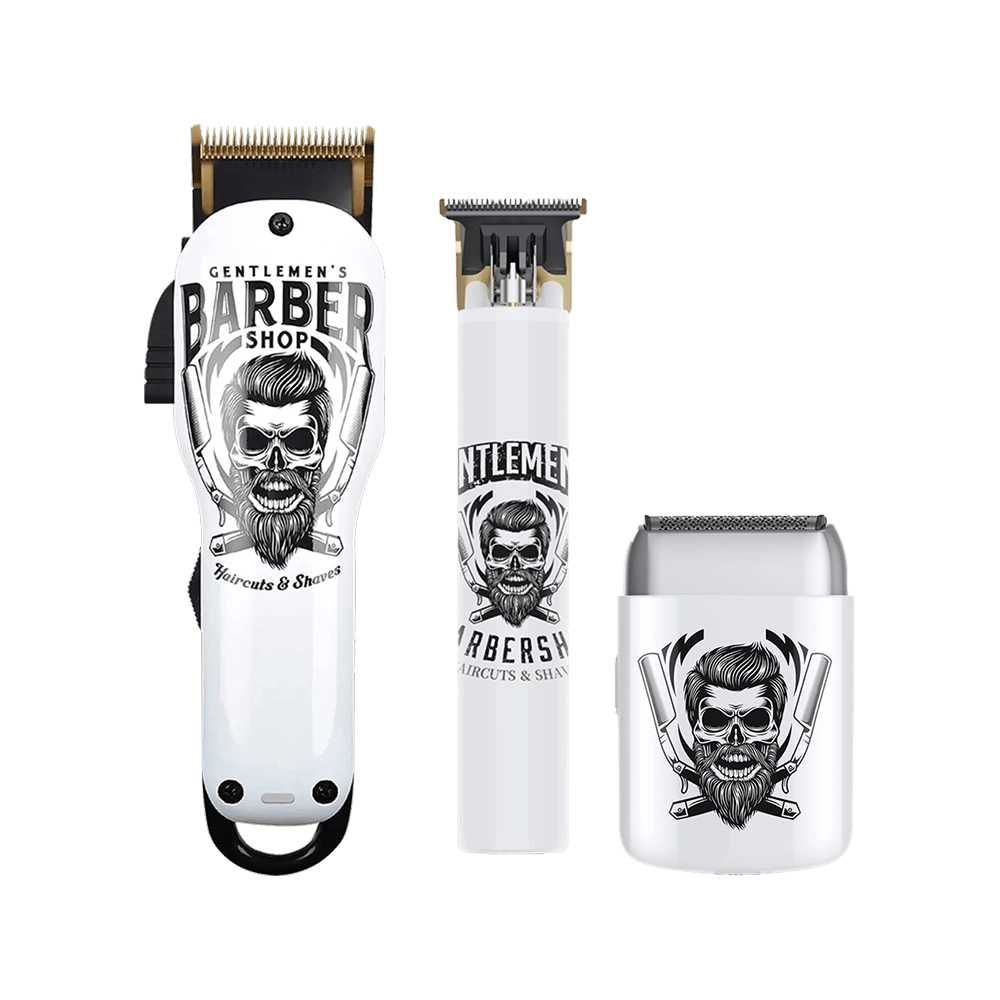
This guide walks you through every step, from growing out the foundation to maintaining sharp lines with the right tools. Whether you're aiming for a short, tapered ducktail or a longer, pointed style, a quality precision beard trimmer for sharp lines makes all the difference.
What Is a Ducktail Beard?
A ducktail beard features fuller growth on the chin that tapers to a point, resembling the tail feathers of a duck. The sides are trimmed shorter and gradually blend into the longer chin section, creating a distinctive V-shape. Unlike a full beard where everything grows evenly, the ducktail emphasizes vertical length at the chin while keeping the cheeks and jawline tighter.
Key Characteristics:
- Sides taper from ears down to the jawline
- Chin hair extends 2–4 inches below the jawline (depending on style)
- Forms a pointed or rounded tip at the bottom
- Mustache typically connects to the chin beard
- Clean cheek and neck lines for definition
Growing Your Ducktail Foundation
Before you can trim a ducktail, you need sufficient length. Here's the growth timeline:
Weeks 1–4: Initial Growth
- Let everything grow without trimming
- Resist the urge to shape too early
- Moisturize daily to reduce itchiness
Weeks 5–8: Establish Length
- Chin hair should reach 1.5–2 inches minimum
- Continue letting the chin area grow
- You can lightly trim cheek lines if they creep too high
Weeks 9–12: Ready to Shape
- Chin length hits 2–3 inchesideal for your first ducktail shaping
- Sides should be full enough to create the taper
- Time to define the style
Pro Tip: If your beard grows unevenly, focus on the chin and jawline areas. The ducktail is forgiving for men with patchy cheek growth since those areas get trimmed shorter anyway.
Essential Tools for Trimming a Ducktail Beard

Gather these before you start:
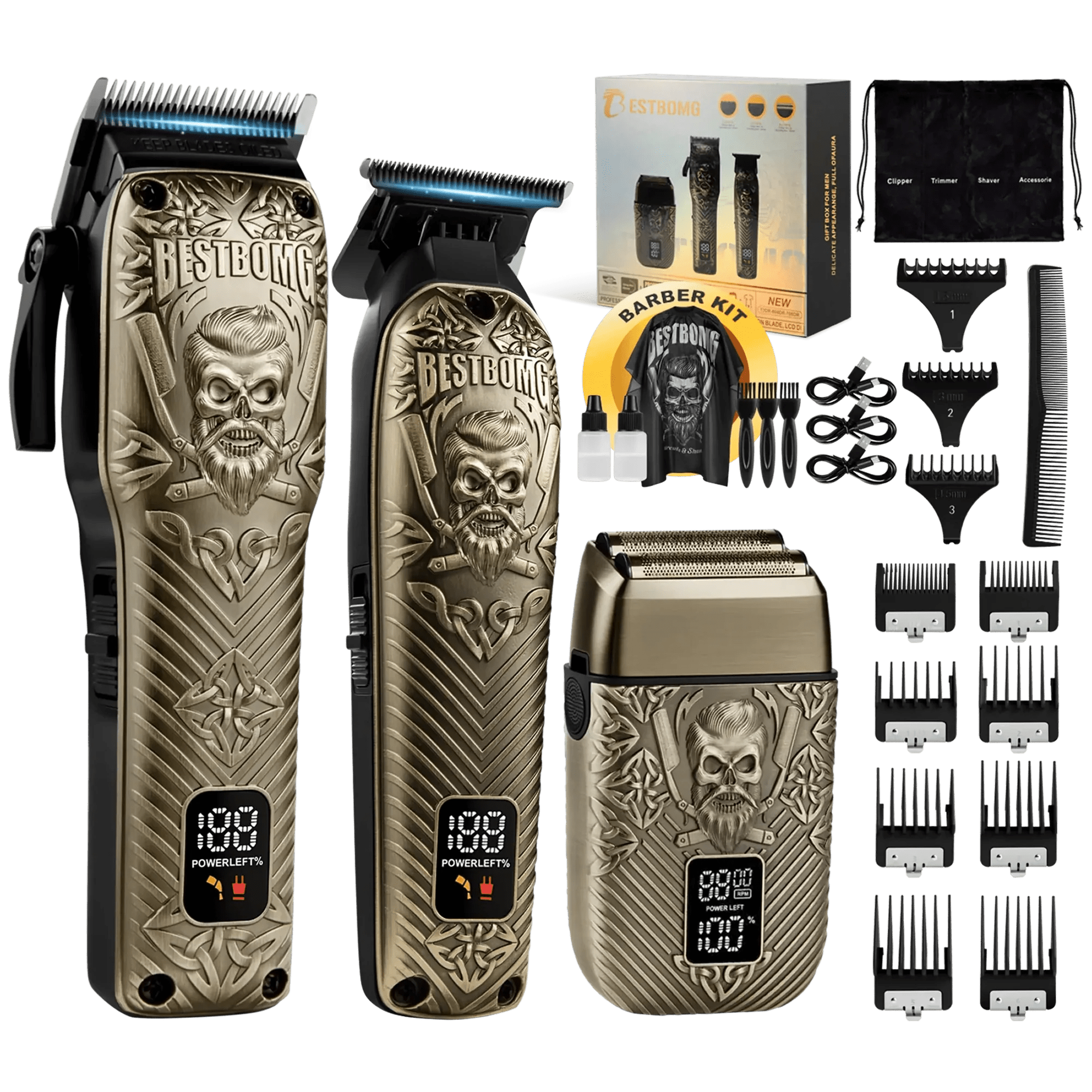
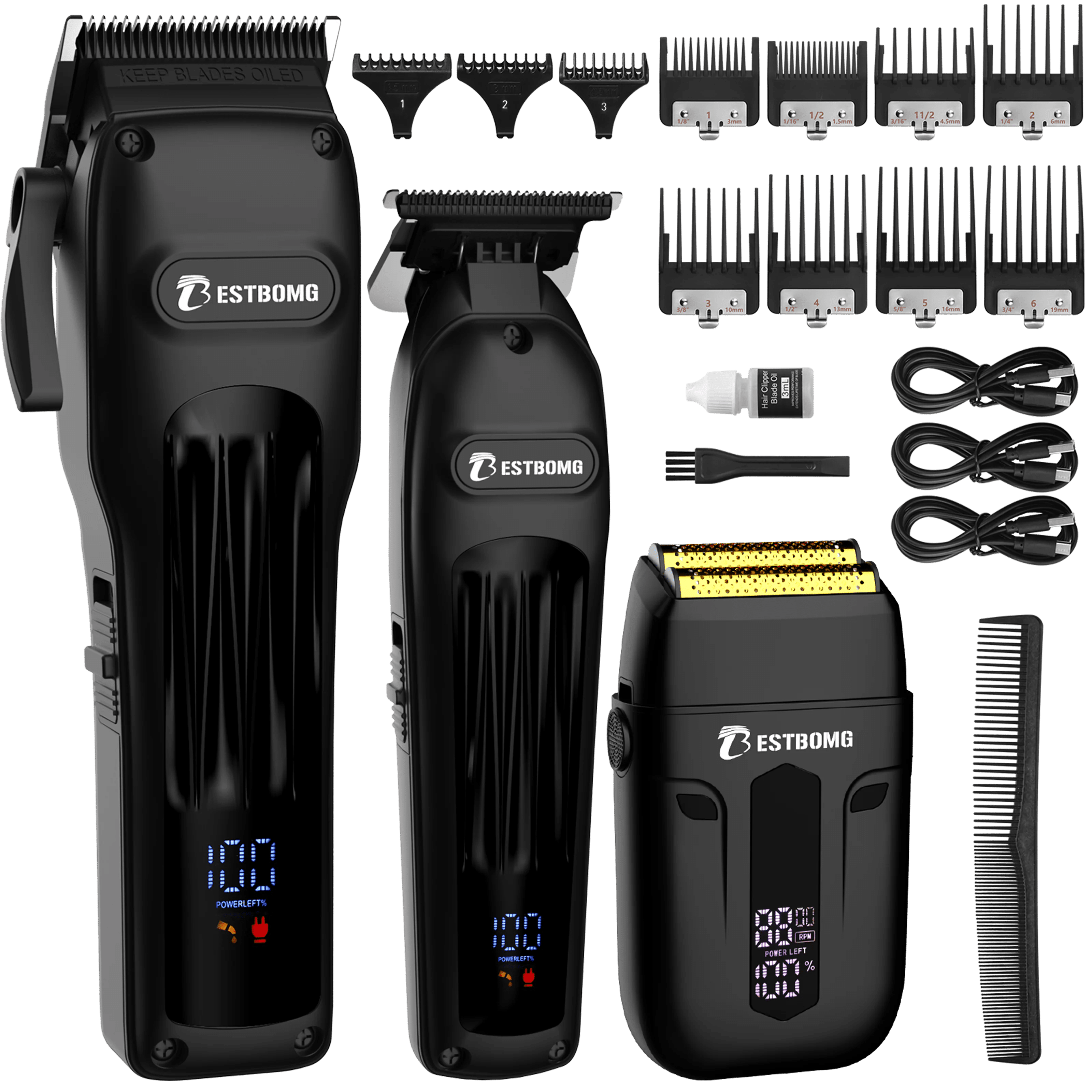
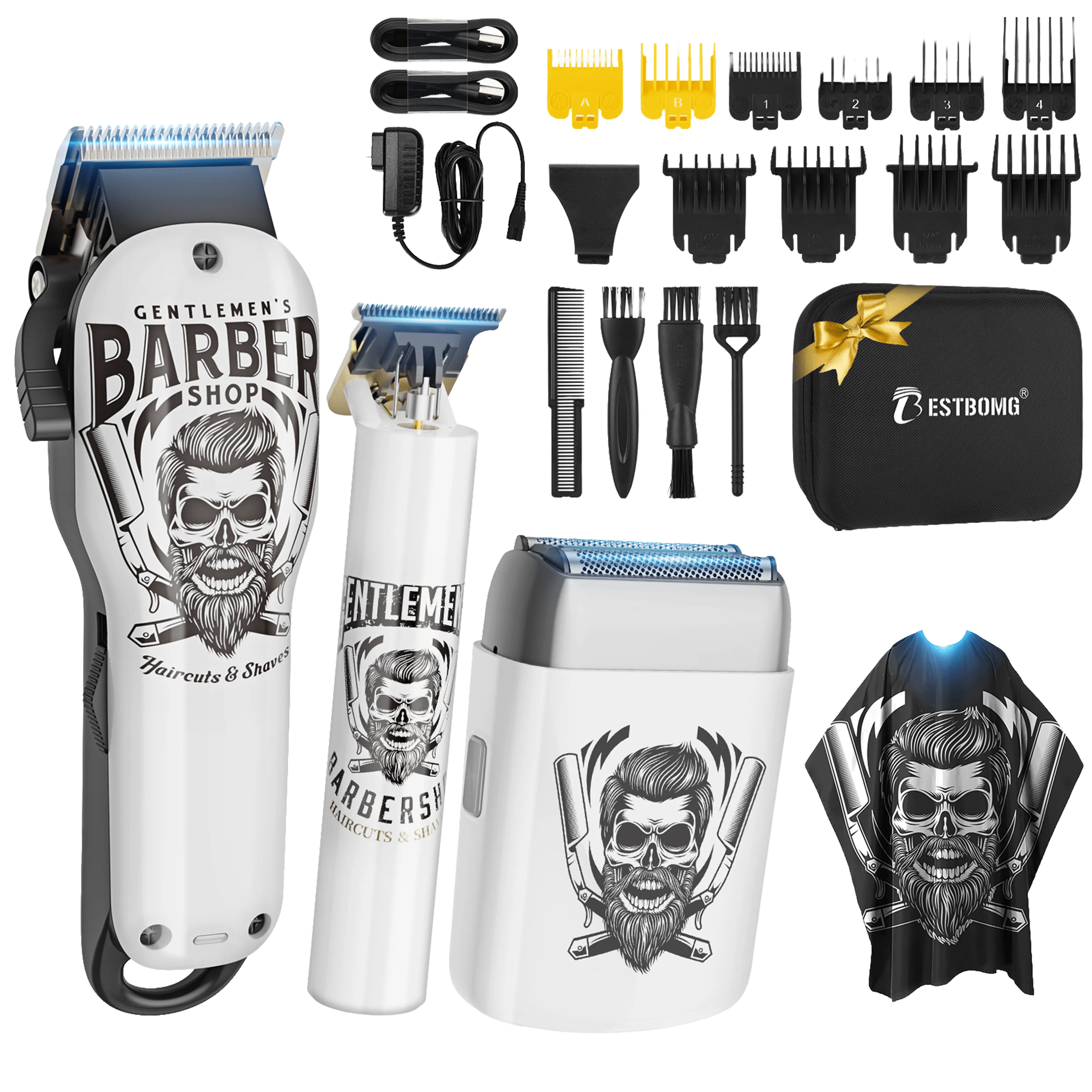
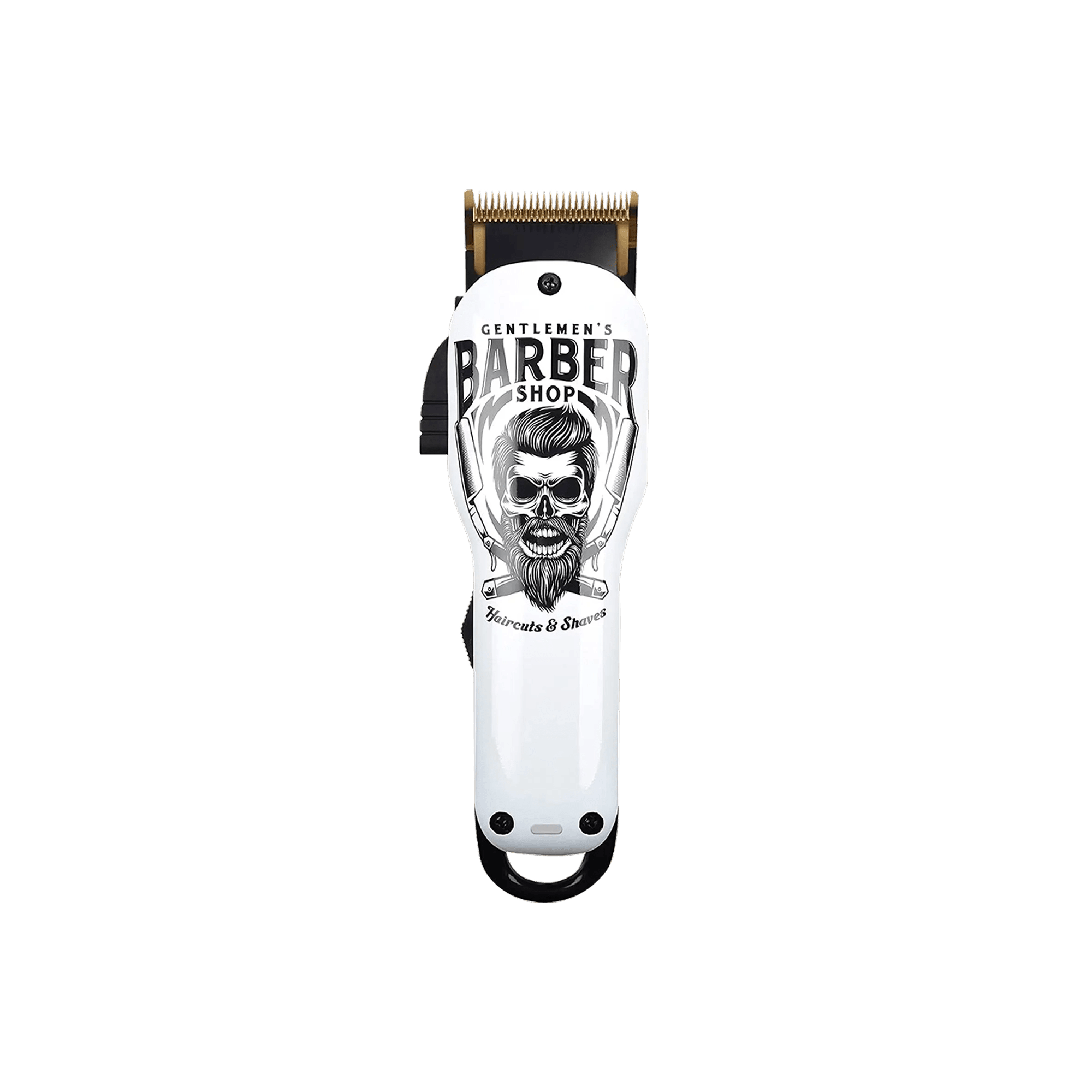
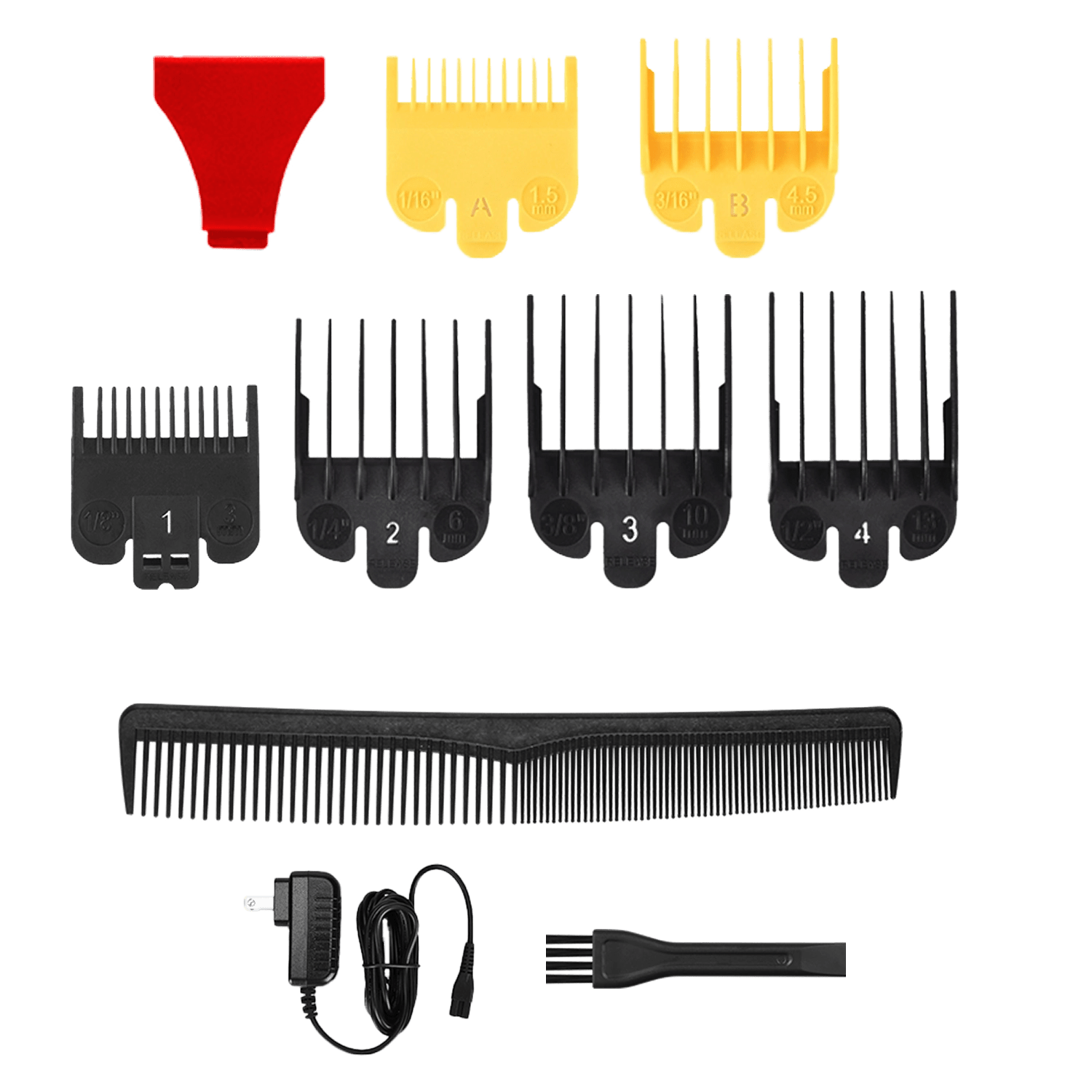
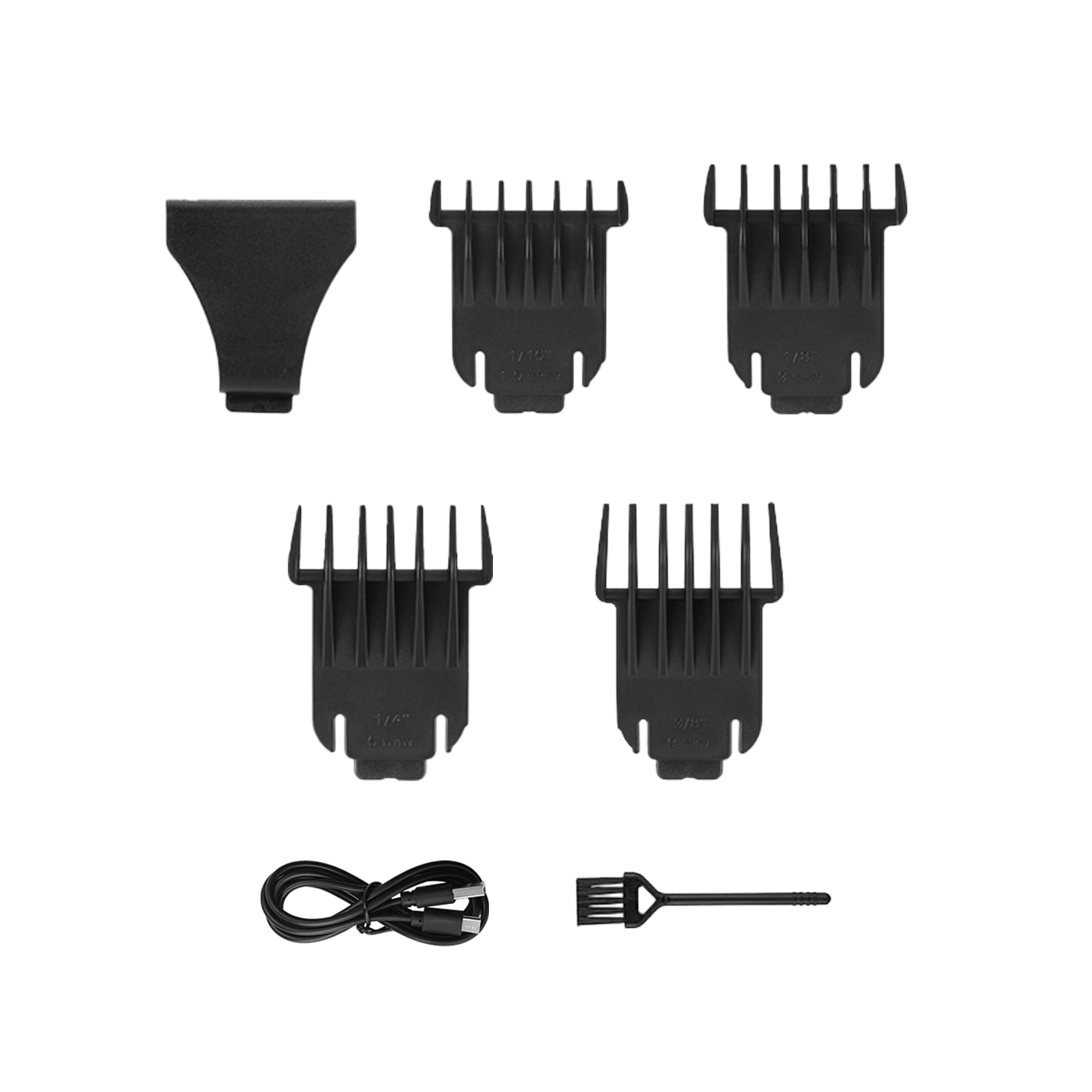
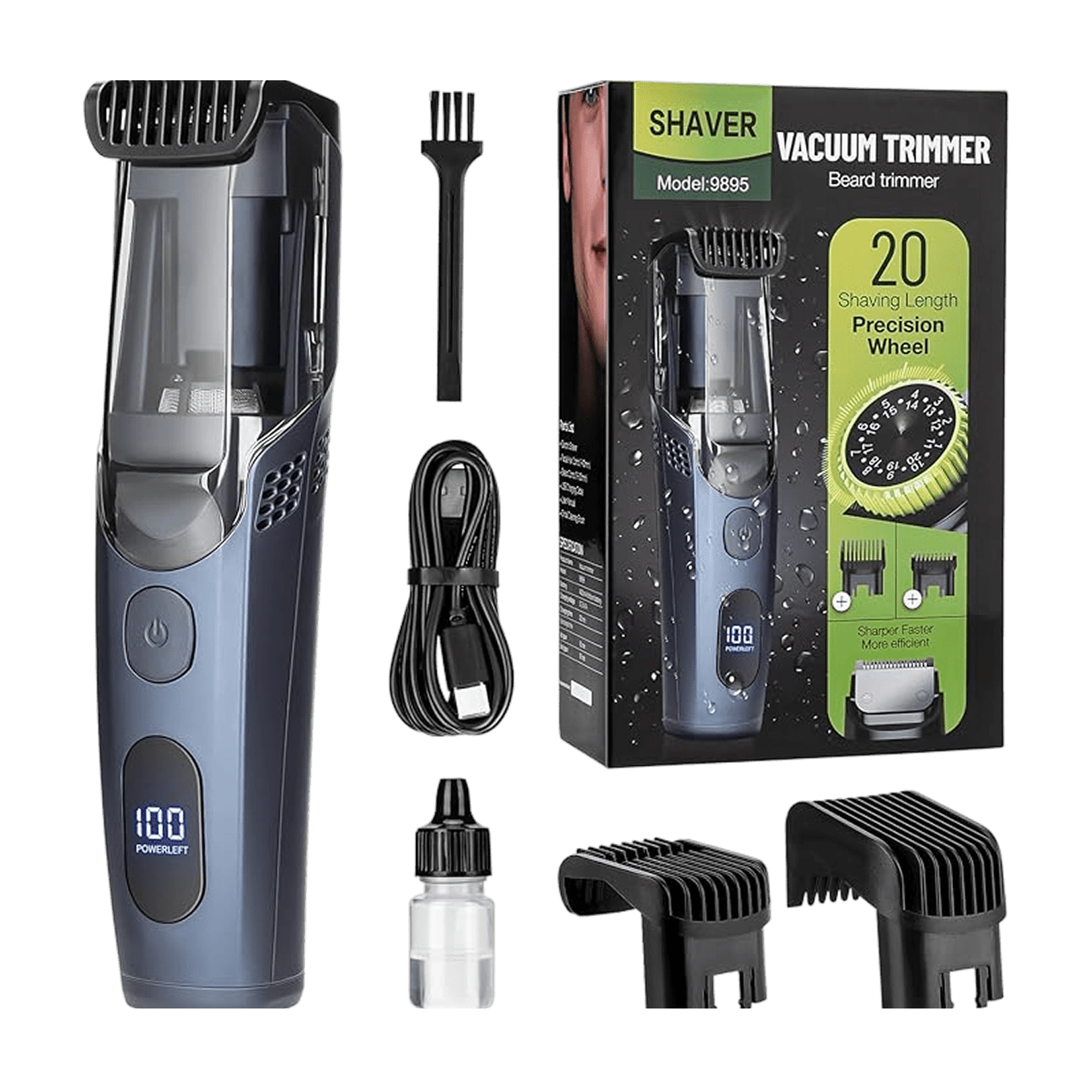
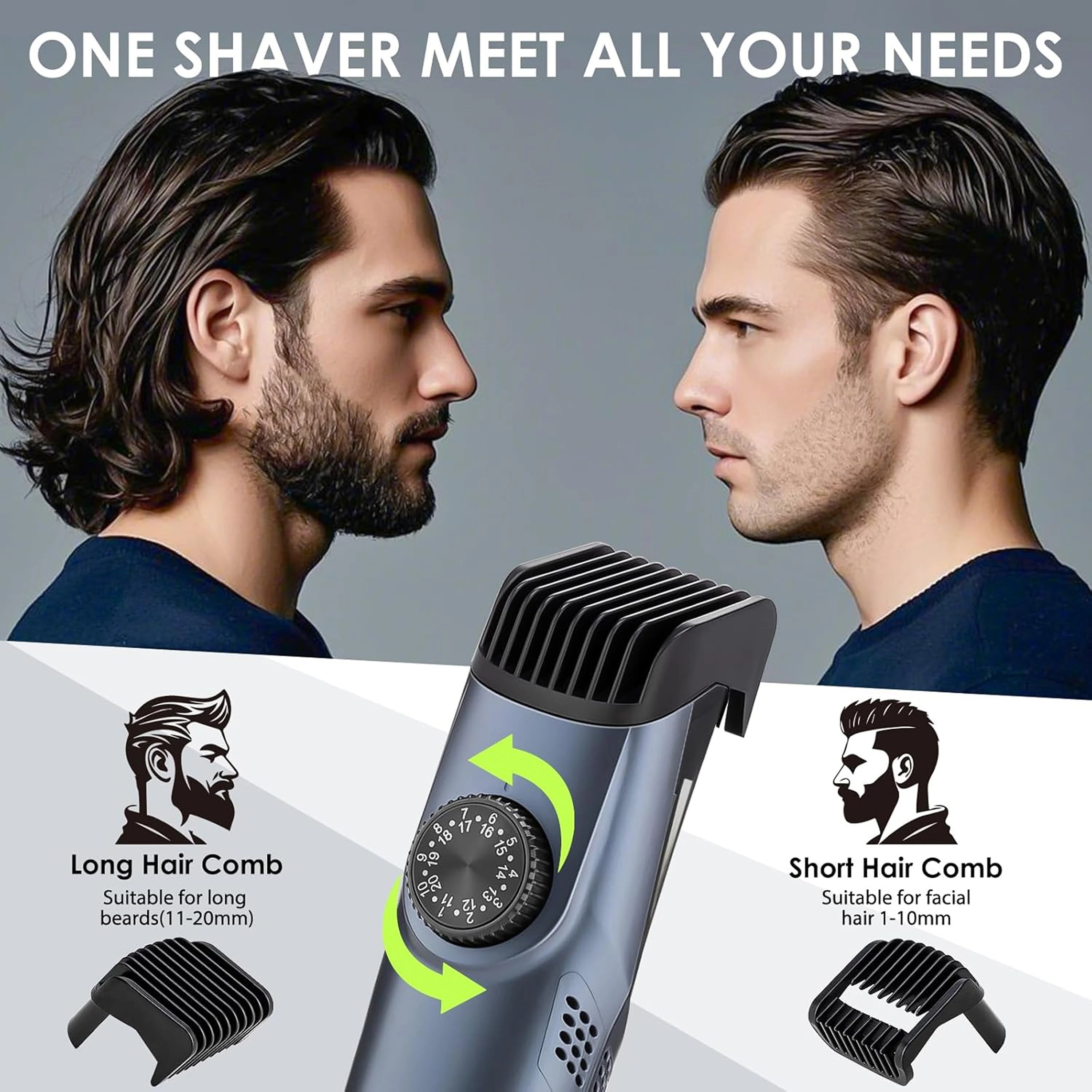
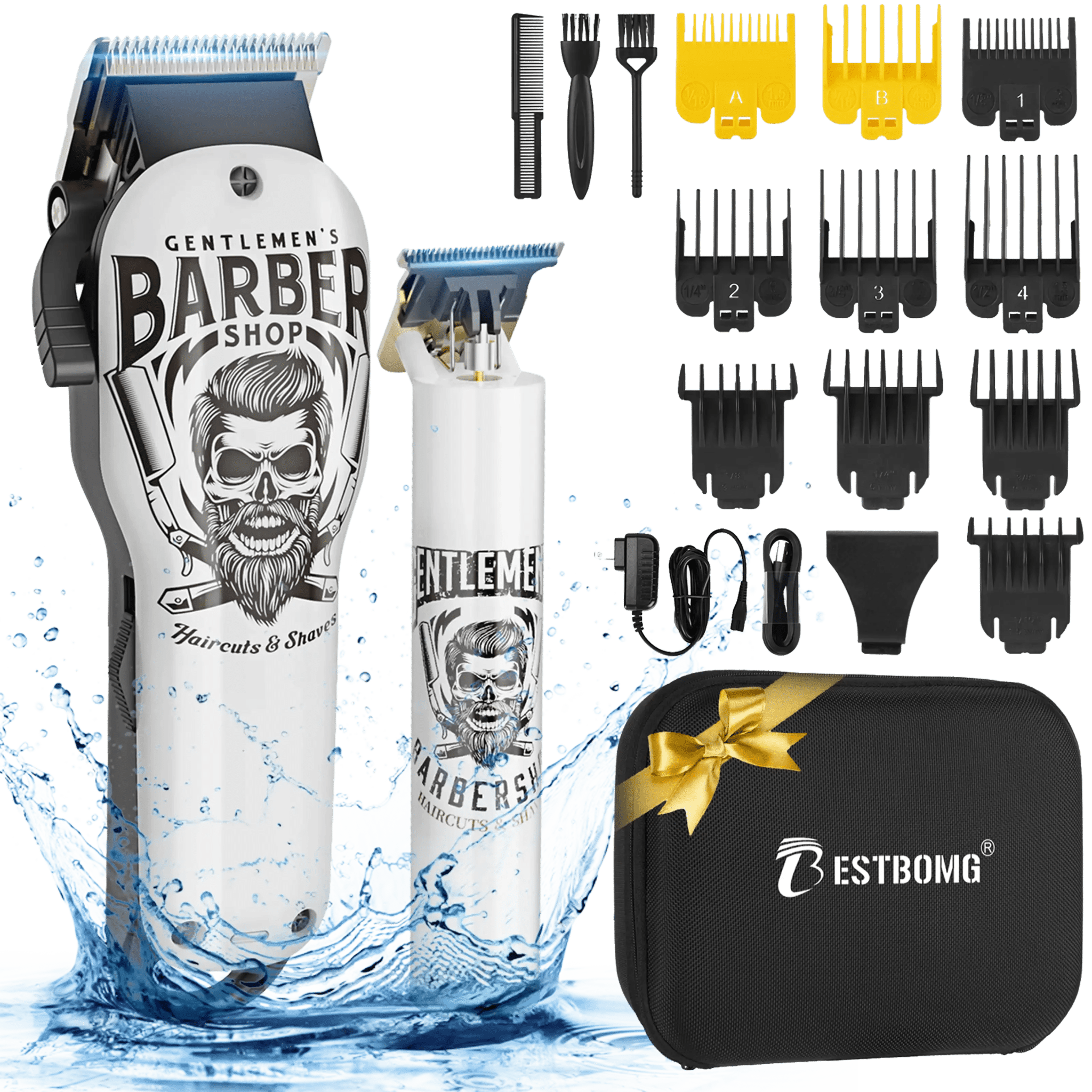
- Adjustable beard trimmer with guard lengths from 1mm to 12mm
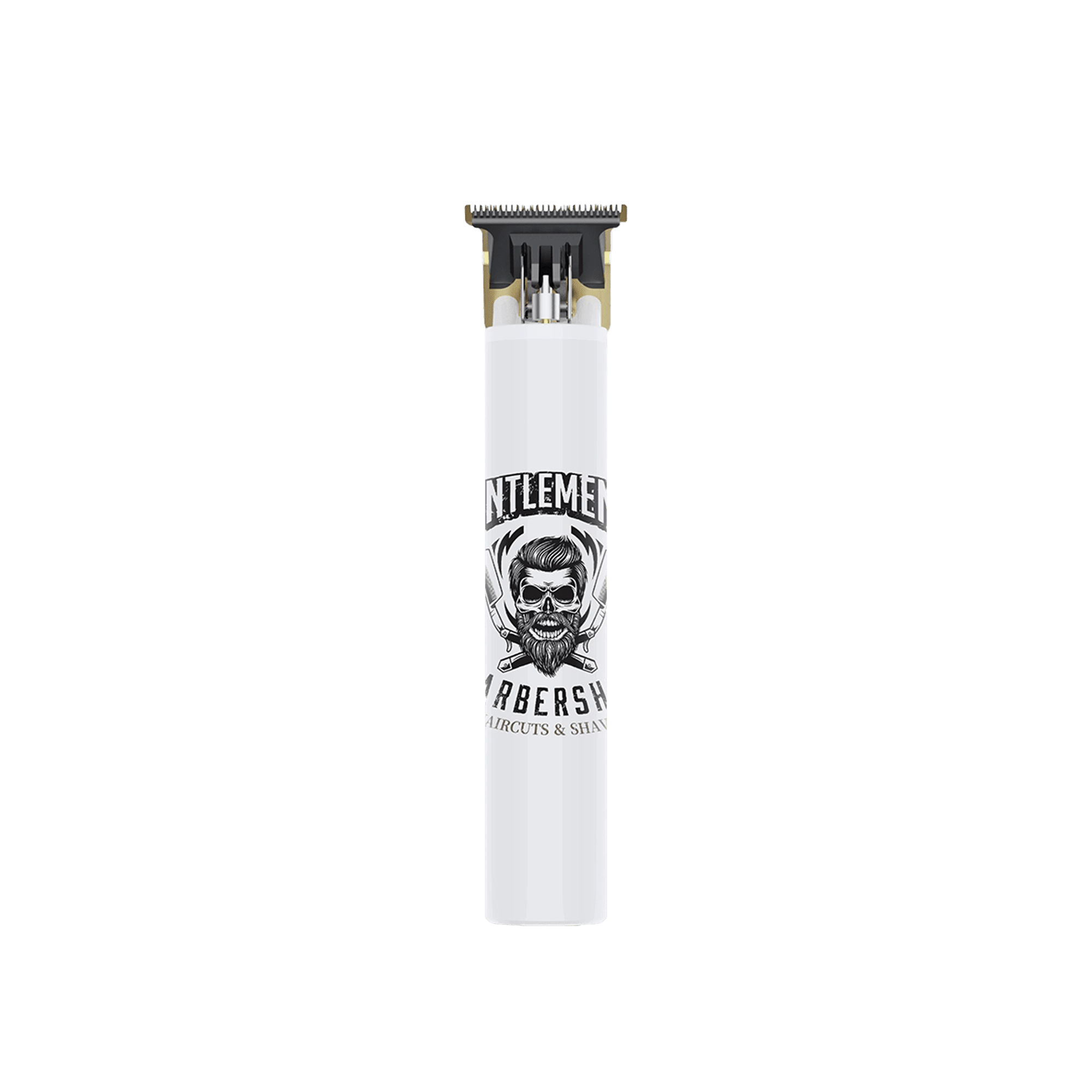
- Detail trimmer or T-blade for sharp edges and the pointed tip
- Electric shaver for clean cheek and neck lines
- Beard scissors for precision point work
- Fine-tooth comb to control hair direction
- Two mirrors (handheld + wall-mounted) for symmetry checks
- Beard balm or wax for styling and hold
Step-by-Step: How to Trim a Ducktail Beard at Home

Step 1: Clean and Dry Your Beard
Wash your beard thoroughly and let it dry completely. Wet hair appears longer and behaves differently, leading to uneven cuts. Comb downward to reveal the natural flow.
Step 2: Visualize the Point
Decide where the tip of your ducktail will situsually 1–2 inches below your chin. Use a comb to guide the hair straight down and mark the desired endpoint mentally.
Step 3: Trim the Sides to Create the Taper
This is where the ducktail shape begins:
- Start with a longer guard (9mm or #3) on your trimmer
- Trim from ear to jawline on both sides, moving downward
- Create the V-shape: As you approach the chin, angle your trimmer inward, reducing length gradually
- Switch to shorter guards (6mm, then 3mm) as you move toward the center chin area
- Blend the transition: Use overlapping strokes to avoid harsh lines between lengths
Key Technique: Work in small sections, checking symmetry frequently. Trim less at firstyou can always take more off.
Step 4: Define the Chin Point
The point is the ducktail's signature feature:
- Use beard scissors to trim the very bottom of the chin hair, creating a V or rounded point
- Hold hair taut with a comb and snip below it for control
- For a sharper point, use a detail trimmer without a guard to carve the shape
- Round the tip slightly if you prefer a softer, less aggressive look
Step 5: Clean Up Cheek and Neck Lines
Sharp boundaries make the ducktail pop:
- Cheek Line: Shave or trim everything above your natural cheek line. Most men keep this 1–2 finger-widths below the cheekbone.
- Neck Line: Define a curve that follows your jawline, typically 1–2 inches above the Adam's apple. Shave everything below this line completely smooth.
- Use an electric shaver or trimmer with no guard for these areas
Step 6: Refine with Scissors
Go over the entire beard with scissors to:
- Trim stray hairs that stick out beyond your shape
- Refine the point for a cleaner finish
- Adjust the mustache (trim hairs that overhang your upper lip)
Step 7: Style and Set
Apply beard balm or wax:
- Work product through the beard, emphasizing downward strokes toward the point
- Use a comb or boar-bristle brush to train hairs into position
- For extra hold on the point, use a small amount of mustache wax
Ducktail Beard Variations
Short Ducktail Beard
- Length: 1–2 inches at the chin
- Taper: Subtle, tight fade on sides
- Best For: Professional settings, maintaining a polished look
- Trim Frequency: Every 5–7 days
Long Pointed Ducktail
- Length: 3–4+ inches at the chin
- Taper: Dramatic V-shape with pronounced point
- Best For: Bold personal style, creative industries
- Trim Frequency: Every 10–14 days
Rounded Ducktail
- Length: 2–3 inches at the chin
- Taper: Softer curve at the tip instead of sharp point
- Best For: Mature, distinguished appearance
- Trim Frequency: Every 7–10 days
Viking Ducktail with Fade
- Length: 3–5 inches, very full
- Taper: High fade on sides, thick chin section
- Best For: Rugged, masculine aesthetic
- Trim Frequency: Every 14–21 days for length, weekly for fade
Maintenance Schedule
|
Task |
Frequency |
Tools Needed |
|
Cheek/neck shaving |
Every 2–3 days |
Electric shaver or safety razor |
|
Length trimming |
Weekly |
Beard trimmer with guards |
|
Point refinement |
Weekly |
Scissors or detail trimmer |
|
Full reshape |
Every 2–3 weeks |
All tools |
|
Deep clean & oil |
2–3 times per week |
Beard wash, oil, balm |
Common Ducktail Trimming Mistakes

Trimming Too Much Too Fast
The ducktail requires patience. Trim conservatively and assess after each pass. You can always cut moreyou can't reattach hair.
Uneven Sides
Use landmarks like your ears and jawline to ensure both sides taper symmetrically. Check from multiple angles with mirrors.
Ignoring the Neckline
A sloppy neckline ruins even a perfectly shaped ducktail. Keep everything below the jawline cleanly shaved.
Over-Sculpting the Point
A too-narrow, overly sharp point looks artificial. Aim for a natural taper that flows from the wider chin area.
Skipping Daily Styling
The ducktail needs daily combing and product to maintain its shape. Without styling, it loses definition.
Face Shapes Best Suited for Ducktail Beards
|
Face Shape |
Works Well? |
Why |
|
Oval |
✓ Excellent |
Balanced proportions suit the elongated style |
|
Round |
✓ Excellent |
Adds length and definition to softer features |
|
Square |
✓ Good |
Softens strong jawline, adds vertical emphasis |
|
Oblong |
✗ Avoid |
Further lengthens already long face |
|
Heart |
✓ Good |
Balances wider forehead with chin volume |
Styling Products for Ducktail Beards

Beard Balm
Provides medium hold and moisture. Best for daily styling and training the beard downward.
Beard Wax
Strong hold for the pointed tip. Use sparingly to avoid a greasy appearance.
Beard Oil
Keeps skin and hair healthy. Apply after washing to prevent dryness and flaking.
Boar Bristle Brush
Distributes natural oils and trains hair to grow in the desired direction.
Frequently Asked Questions
How long does it take to grow a ducktail beard?
Most men need 8–12 weeks to grow enough length for a proper ducktail shape. The chin area should reach at least 2 inches before shaping. If you're starting from clean-shaven, expect 3 months minimum. Genetics and age affect growth speed, so some men may need 4–5 months.
How do I trim a short ducktail beard?
For a short ducktail, keep the chin length at 1–2 inches. Use a 6mm (¼ inch) guard on the chin and taper down to 3mm on the sides. Define the point with scissors rather than letting it grow too long. Clean cheek and neck lines every 2–3 days to maintain the compact shape.
Can I trim a ducktail beard with just clippers?
Yes, but scissors and a detail trimmer make it easier. Clippers with adjustable guards handle the bulk and taper, but scissors give you more control over the pointed tip. A detail trimmer or T-blade is essential for sharp cheek and neck lines. Using only clippers with guards may result in a less refined point.
How often should I trim a ducktail?
Trim the overall length and sides weekly to maintain the taper. Touch up the point every 5–7 days with scissors. Shave the cheeks and neck every 2–3 days. Full reshaping every 2–3 weeks keeps the style looking intentional rather than unkempt.
What's the difference between a ducktail and a full beard?
A full beard grows evenly across the face with minimal shaping. A ducktail features a deliberate taper from the sides to a pointed chin, creating a V-shape. The sides are shorter, and the chin is emphasized. A full beard is easier to maintain but less sculpted; the ducktail requires more frequent trimming and styling.
Is a ducktail beard attractive?
It depends on personal preference and face shape. The ducktail projects confidence and suits men who want a distinctive, masculine look. It works especially well on round or heart-shaped faces. Some people find it rugged and appealing, while others prefer cleaner or fuller styles. Proper grooming makes any beard style more attractive.
Conclusion
Mastering how to trim a ducktail beard at home takes practice, but the payoff is a bold, sculpted style that stands out. Start with sufficient length, invest in quality tools, and trim conservatively as you learn the shape.
With weekly maintenance and daily styling, you'll keep your ducktail looking sharp and intentional. Ready to upgrade your grooming toolkit? Explore our collection of beard trimmers designed for precision shaping and easy at-home maintenance.

Looking for something else?

How to Cut Baby Boy Hair with Clippers: Step-by-Step Guide
LEARN MORE
Do Hair Clippers Get Dull? Causes, Signs & Prevention
LEARN MORE
Can an Electric Shaver Cut You? Safety Facts & Prevention
LEARN MORE
How to Shave Balls with Electric Shaver: Safe Guide
LEARN MORELooking for something else?

Does Using Trimmer Increase Hair Growth? Facts & Myths
LEARN MORE
Best Hair Clippers for Men: Top Picks for Home & Pro Use
LEARN MORE
Best Professional Hair Clippers for Barbers: Top Picks
LEARN MOREYou may also like

Beard Trimmer-T9


Electric Shaver Y4

Further reading
Best Hair Clippers for Perfect Fades at Home
Clipper Lever Open vs Closed: What It Means (with mm)
Why You Need a Cordless Detailer Trimmer (And How to Pick the Right One)