





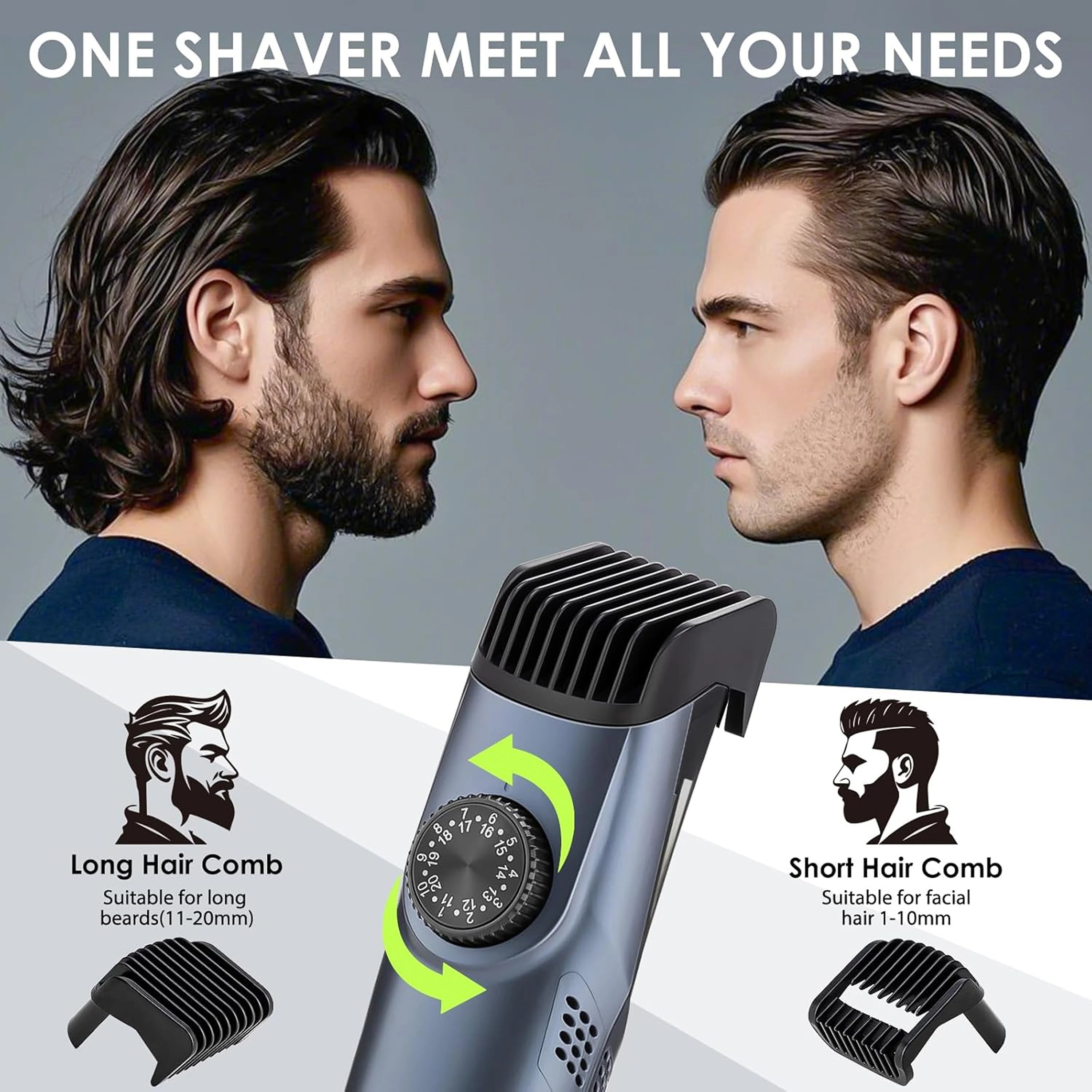

How to Trim Your Sideburns: A Complete Guide
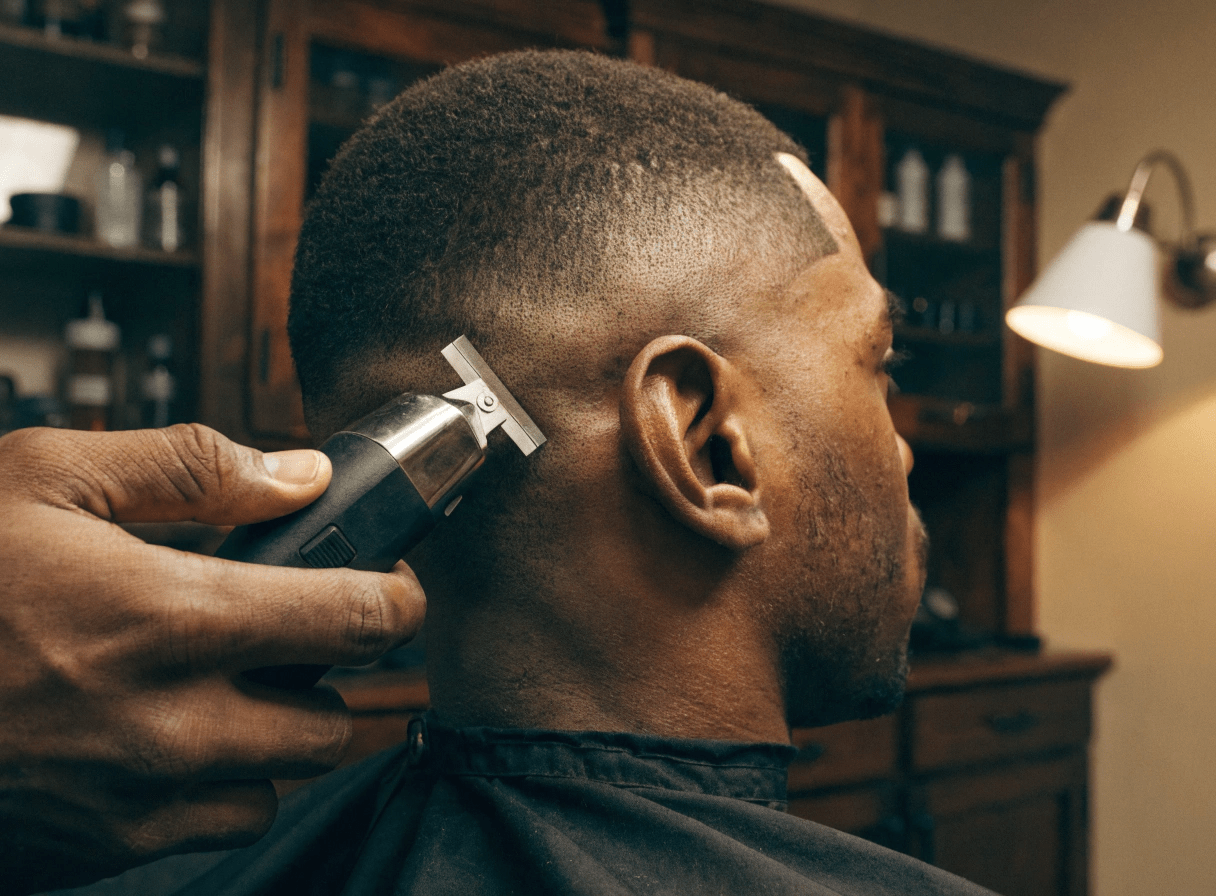
Knowing how to trim your sideburns properly can transform your entire look whether you're maintaining a clean fade, balancing a beard, or simply keeping your haircut sharp between barber visits. Uneven or overgrown sideburns throw off facial symmetry and make even fresh haircuts look sloppy.
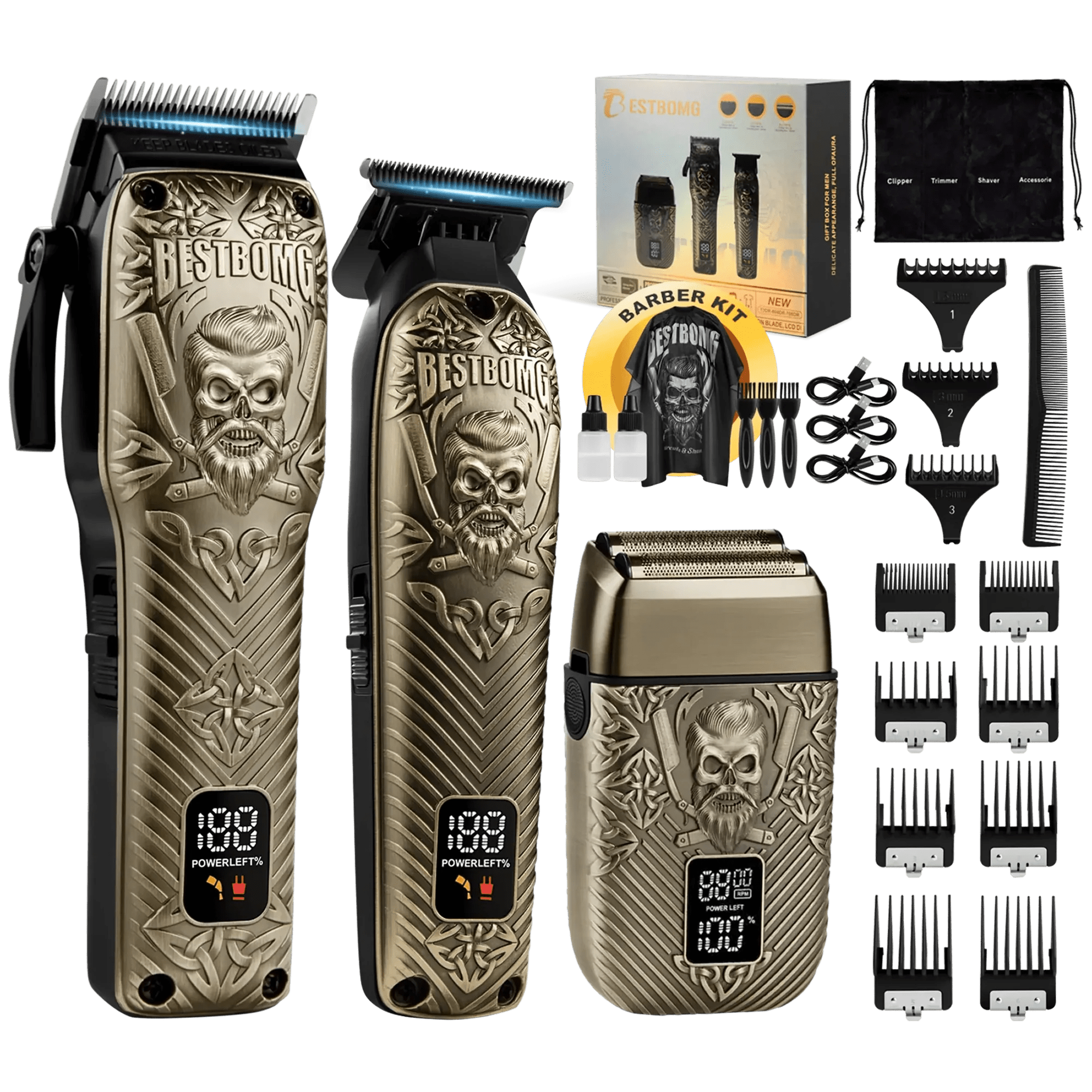
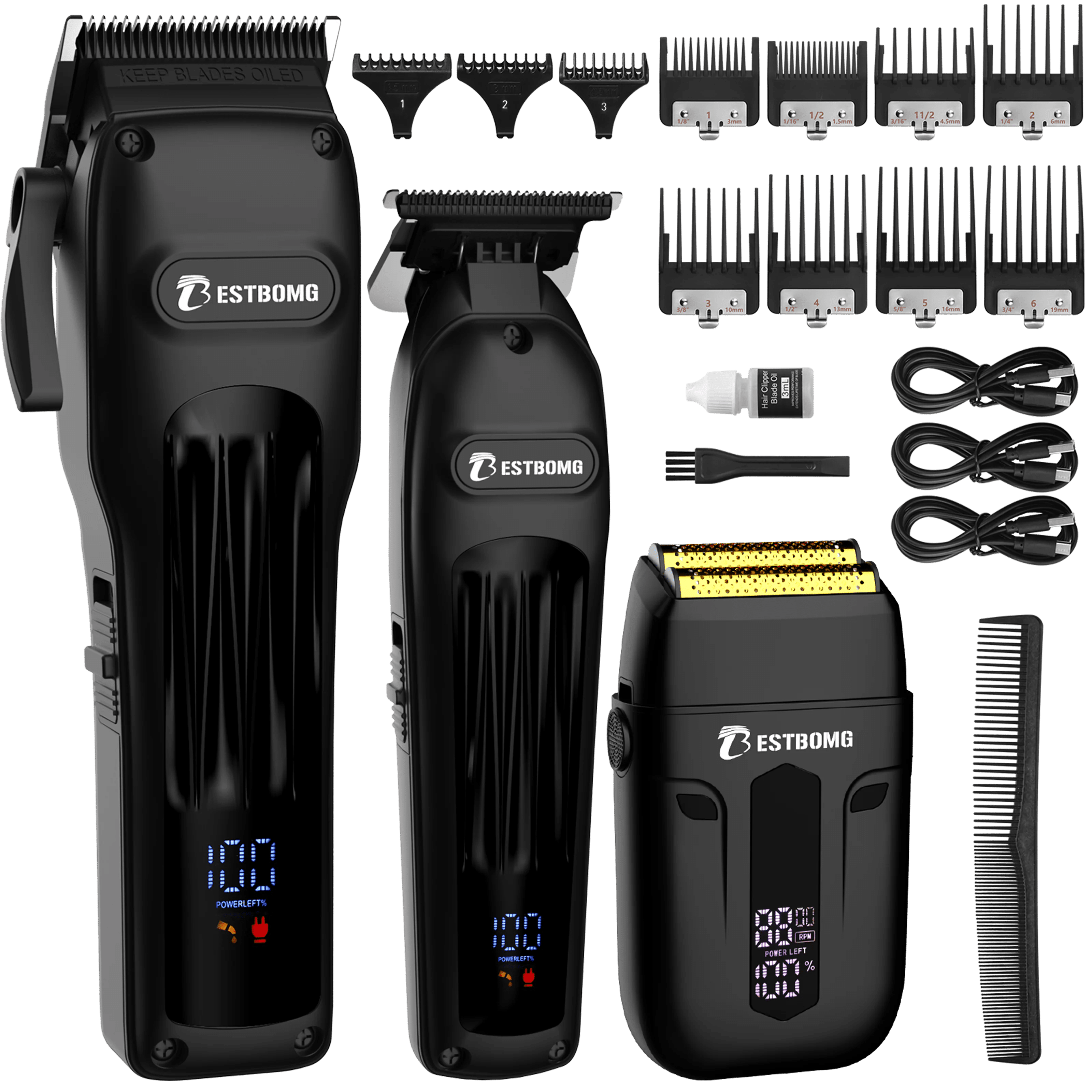
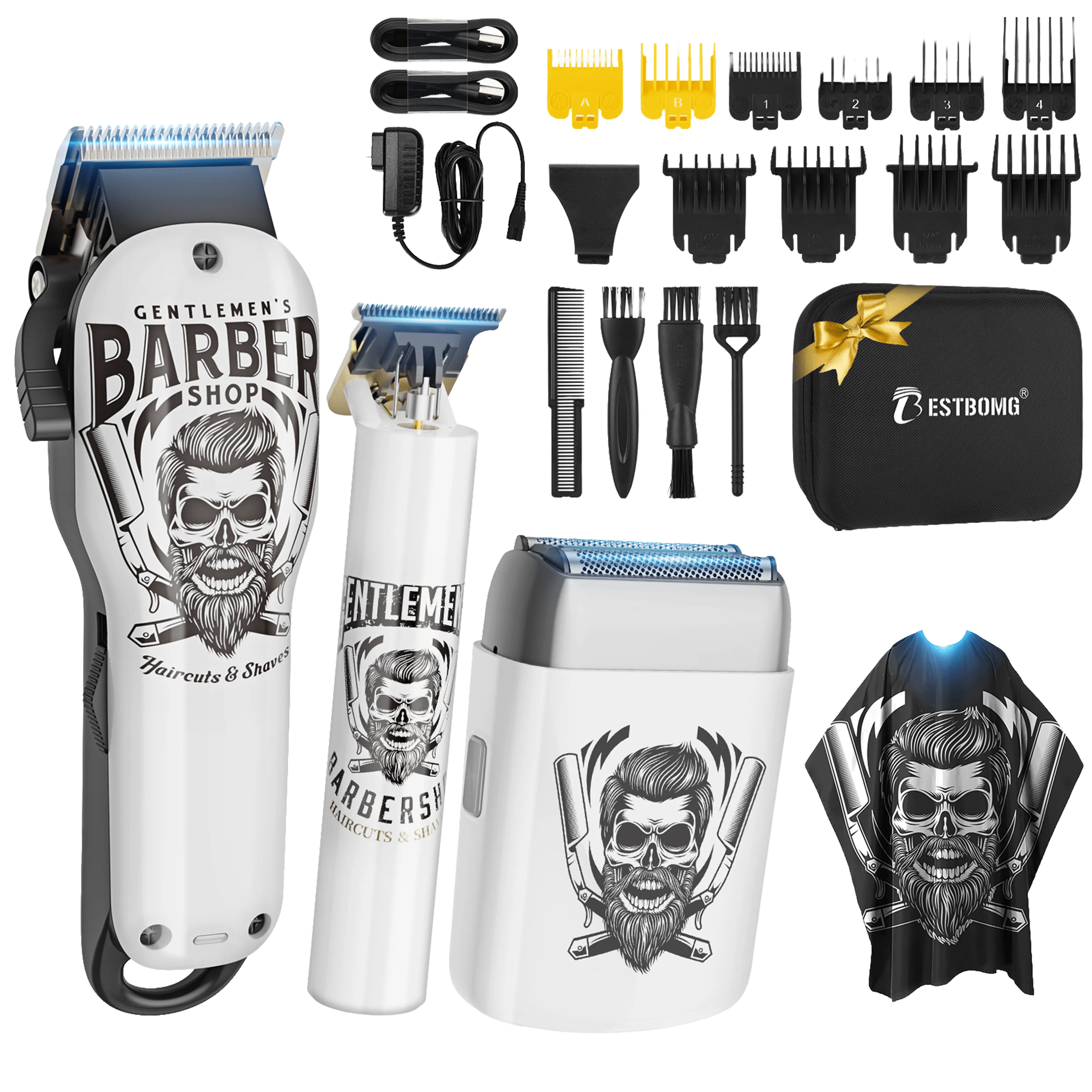
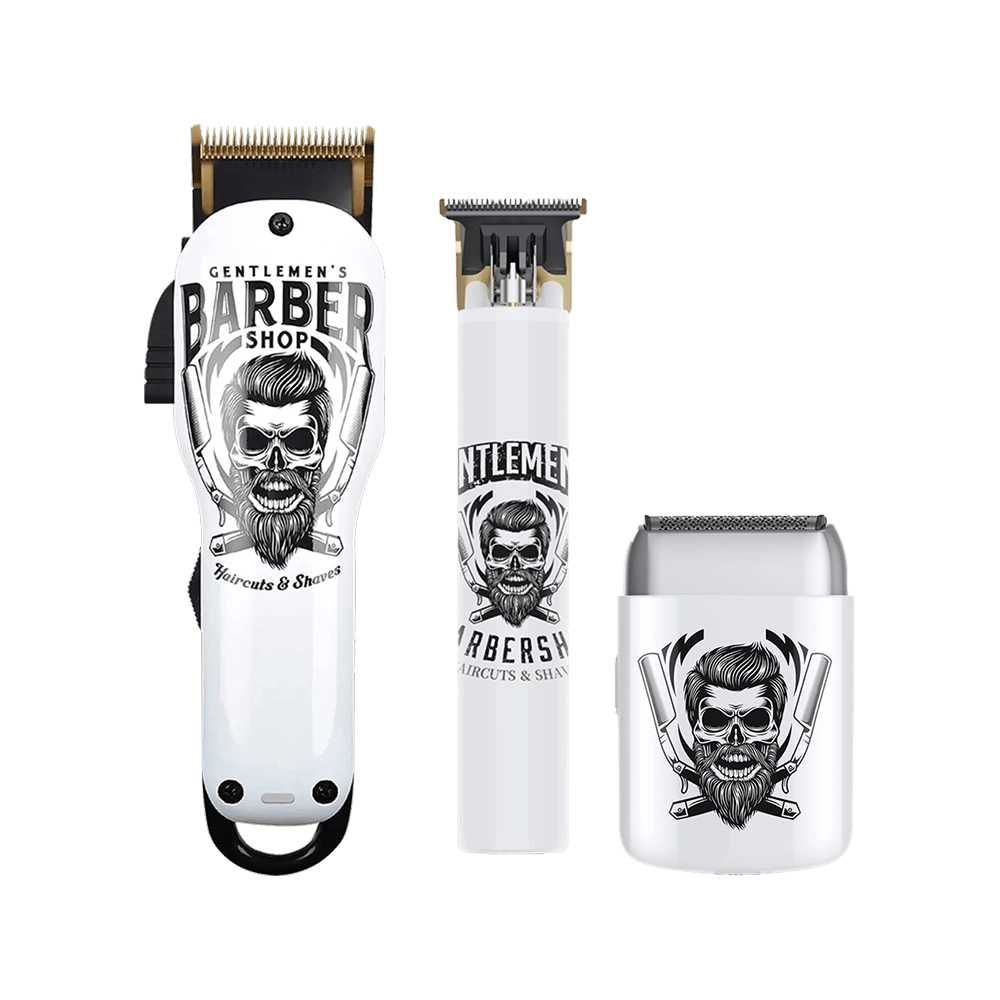
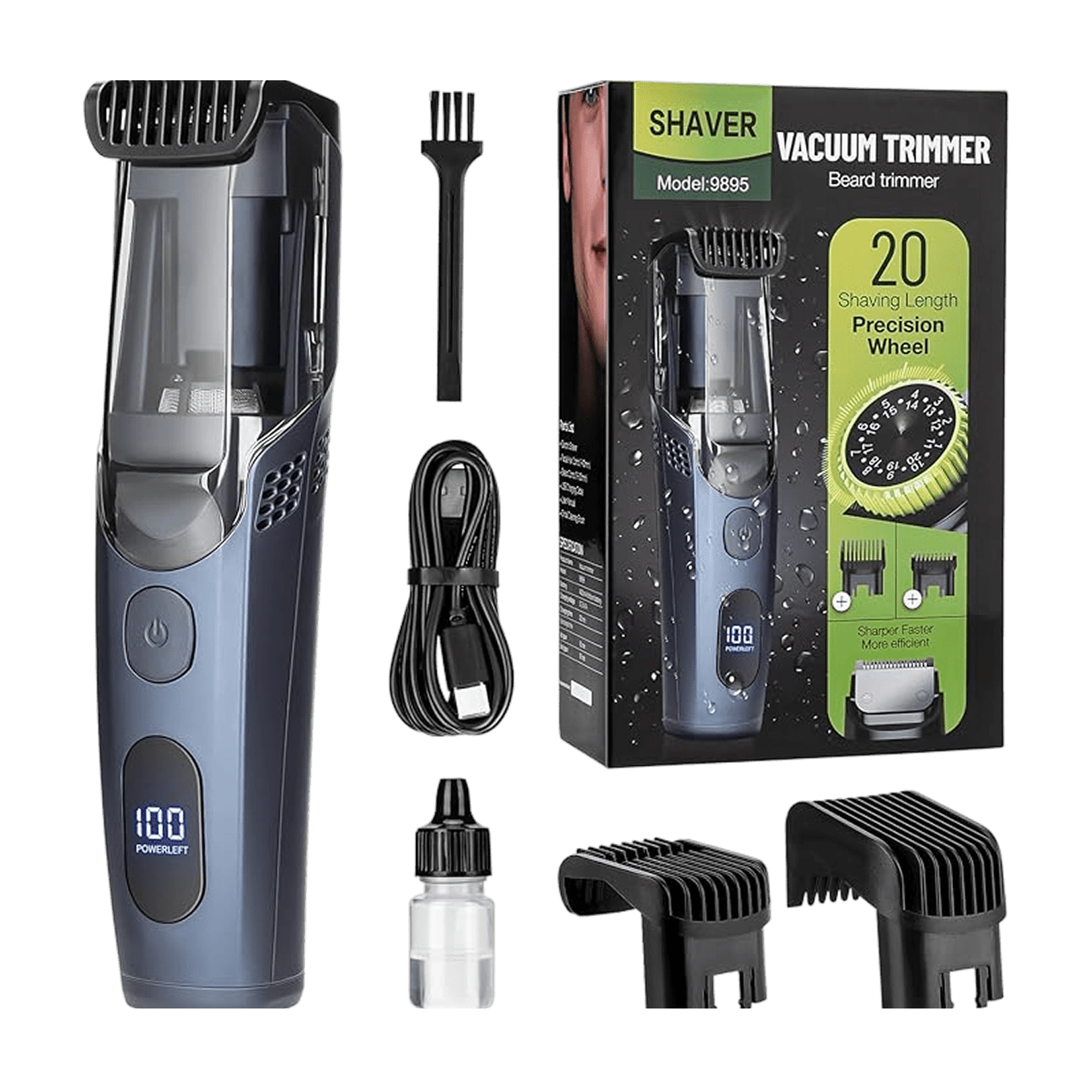
This guide covers everything from finding the right length and angle to achieving symmetrical results with a precision beard trimmer for sharp lines. Whether you're trimming sideburns with clippers, scissors, or a detail trimmer, you'll learn the techniques that deliver professional results at home.
What to Know Before You Trim Your Sideburns

Why Sideburns Matter
Sideburns frame your face and connect your hairstyle to your facial features. They create visual balance and can make your face appear longer, wider, or more defined depending on their length and shape. Cutting them too high or making them uneven disrupts this balance instantly.
Anatomy of Sideburn Placement
Understanding natural landmarks helps you achieve symmetry:
- Top boundary: Where your hairline naturally starts in front of your ear
- Bottom endpoint: Typically ranges from mid-ear to bottom of ear, or extends to jawline depending on style
- Width: Usually tapers from wider at the top to narrower at the bottom
- Angle: Should follow the natural angle from your eye to your ear opening
Tools You'll Need
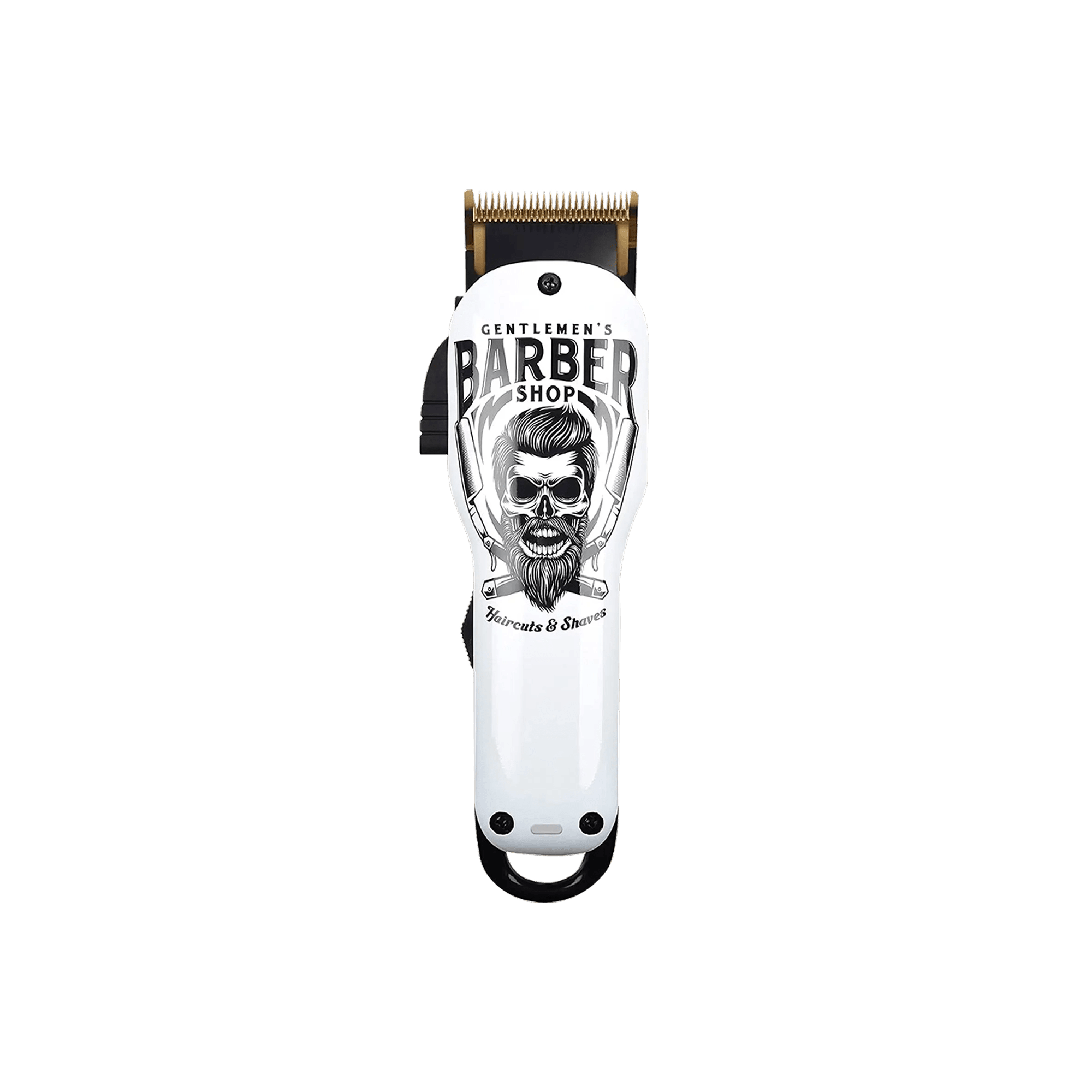
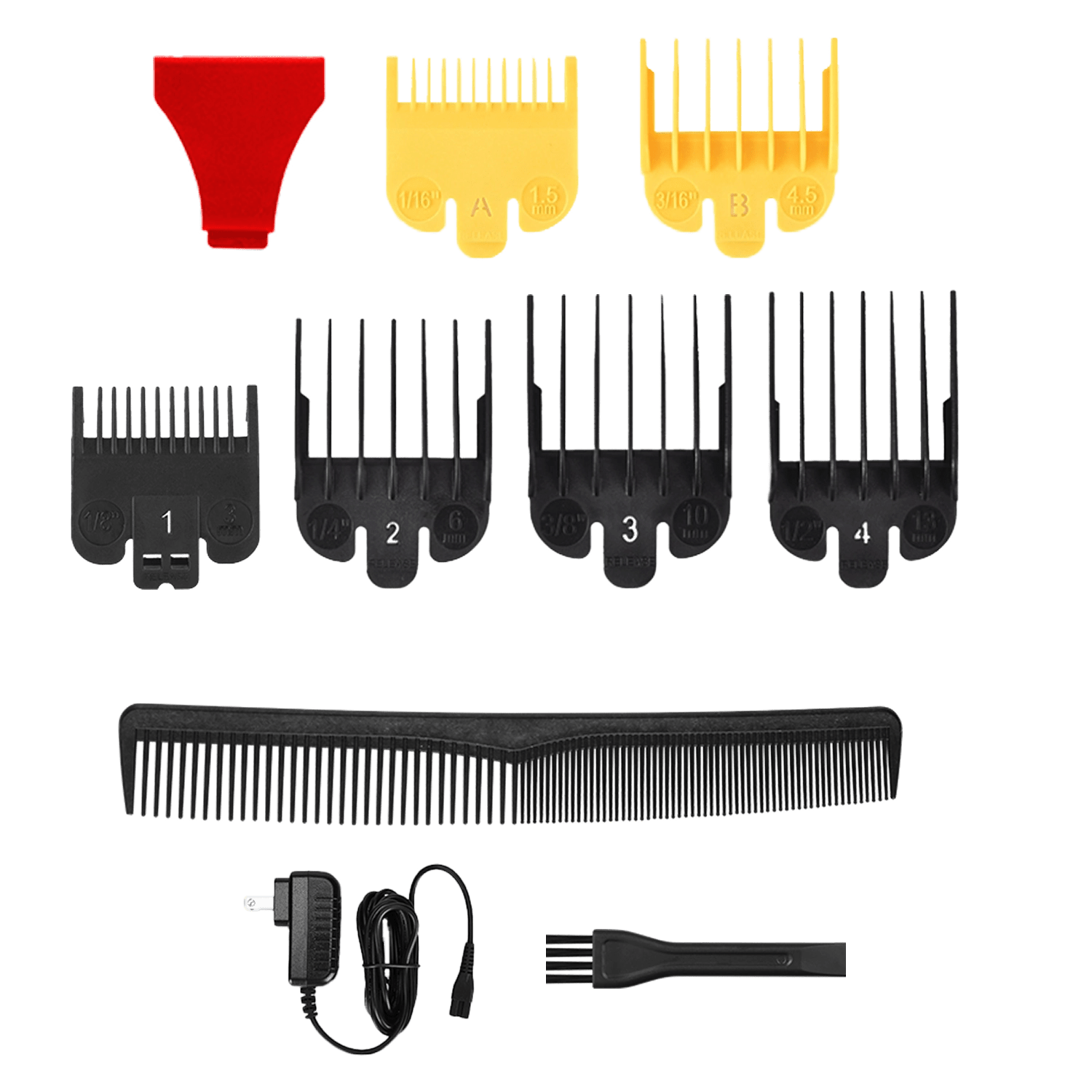
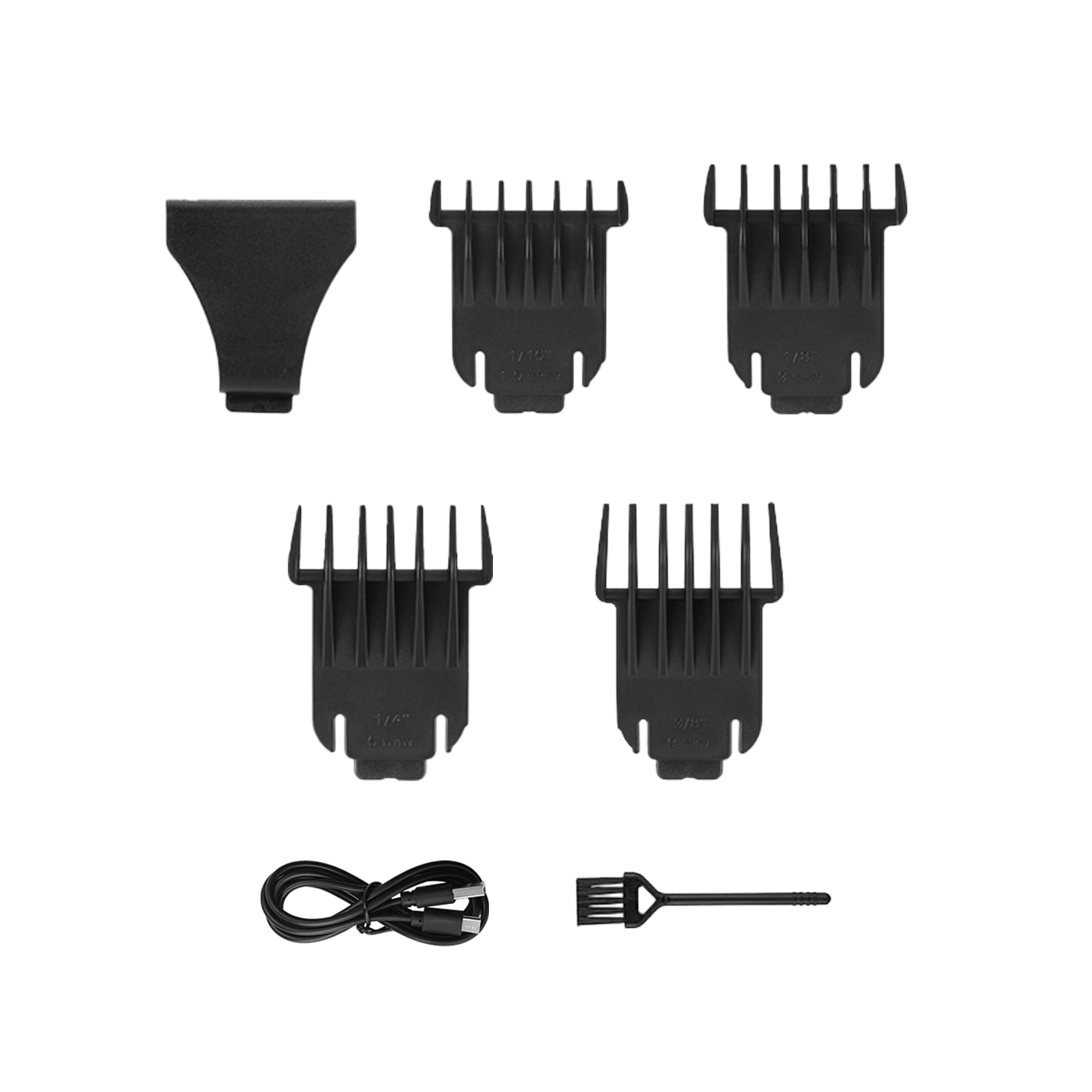
- Electric trimmer or clippers with adjustable guards (#1–#4)
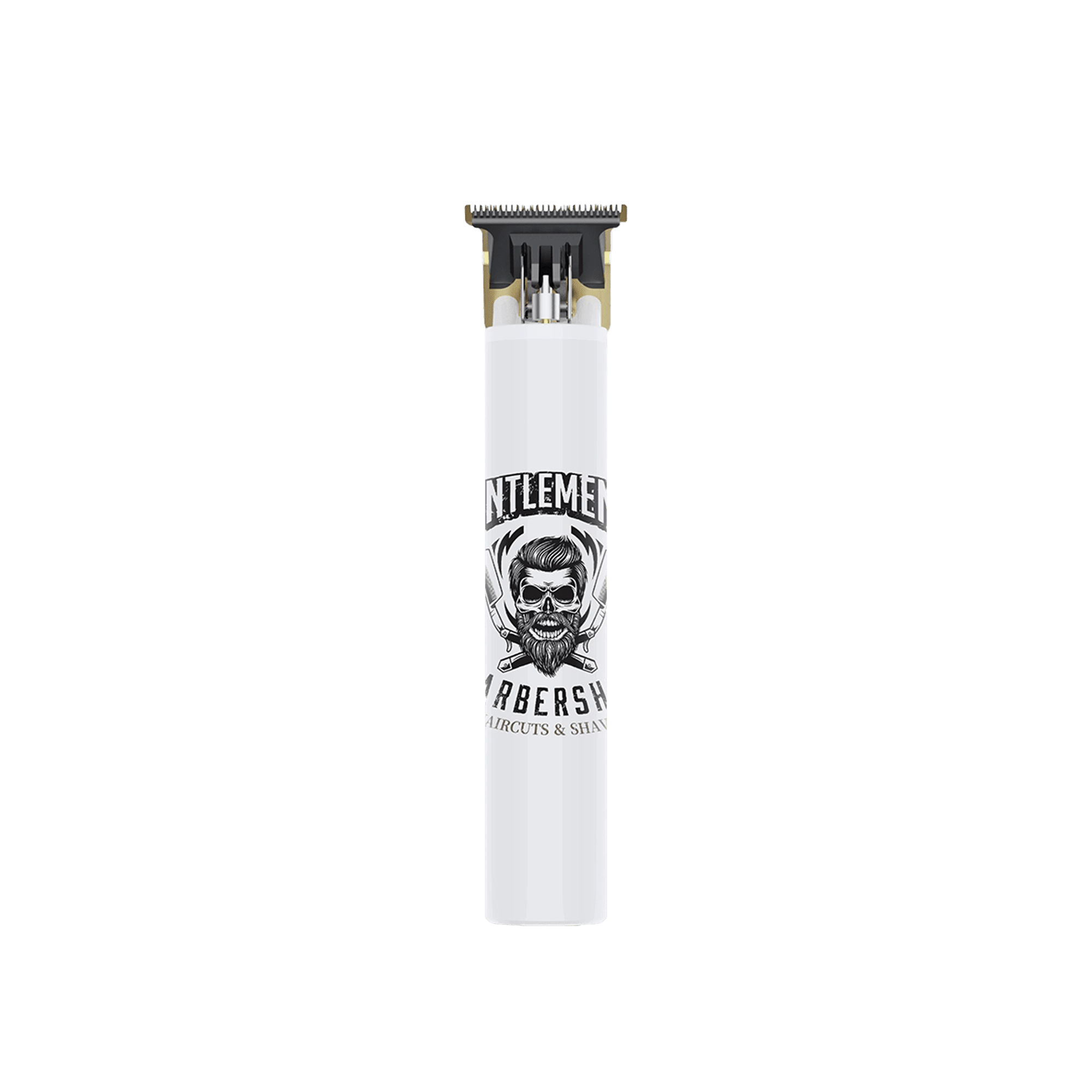
- Detail trimmer or T-blade for sharp edges
- Fine-tooth comb for length control
- Small scissors for detail work
- Spray bottle with water for dampening
- Two mirrors (wall-mounted + handheld) for checking both sides
How to Trim Your Sideburns: Step-by-Step

Step 1: Prepare Your Hair
Start with clean, slightly damp hairnot soaking wet. Wet hair clumps together and appears longer than it actually is, leading to over-trimming. Spray your sideburns lightly with water and comb them down flat in the direction of natural growth.
Step 2: Establish Your Length
Decide how long you want your sideburns before making any cuts:
Short Sideburns: End at the top or middle of your ear
Medium Sideburns: Reach the bottom of your ear
Long Sideburns: Extend to your jawline or below
Tapered Sideburns: Gradually narrow as they descend
Attach a guard to your trimmer based on desired length:
- #1 guard (3mm) for very short, tight sideburns
- #2 guard (6mm) for short to medium length
- #3 or #4 guard (9–12mm) for longer sideburns
Step 3: Find Your Baseline
Create an imaginary line from the outer corner of your eye to the opening of your ear. This line marks the natural endpoint for most sideburn styles. For reference, the tragus (the small cartilage flap at your ear opening) is a reliable landmark.
Step 4: Begin Trimming
- Start on one side: Comb sideburns down flat
- Position trimmer parallel to your ear: This prevents slanted cutting lines
- Trim downward with the grain: Move from top to bottom in smooth, even strokes
- Work slowly: Make multiple light passes rather than one aggressive cut
Critical Technique: Keep your trimmer blade parallel to the ground and perpendicular to the side of your head. Angling the trimmer creates uneven lines.
Step 5: Create the Bottom Edge
The bottom edge defines your sideburn's shape:
- Straight horizontal cut: Classic, clean look that works for most face shapes
- Angled cut: Slopes slightly upward toward the back for a modern touch
- Rounded edge: Softens the bottom for a less harsh appearance
Use your trimmer without a guard or with a detail trimmer to create a sharp bottom line. Place your finger horizontally at the desired endpoint and trim just above it for guidance.
Step 6: Check Symmetry
This is where most people go wrong. Use your handheld mirror to check both sideburns from the front:
- Stand directly in front of your mirror with your head level
- Visually compare both sideburn endpointsthey should align
- Use your fingers to measure: place one finger at each bottom edge and compare heights
- Make micro-adjustments by removing small amounts from the longer side
Pro Tip: It's better to have both sideburns slightly longer than to keep chasing perfect symmetry and end up with none left.
Step 7: Blend Into Your Haircut
The top of your sideburns should blend seamlessly into your hairstyle:
- Use a slightly longer guard than what you used for the main sideburn
- Trim upward from the sideburn into your hair with a flicking motion
- This creates a gradual fade rather than a harsh line
- Check the transition from multiple angles
Step 8: Detail Work
Switch to scissors or a detail trimmer for final touches:
- Trim any stray hairs that stick out beyond your clean line
- Clean up the edges for a razor-sharp finish
- Snip any individual hairs that are noticeably longer than the rest
Trimming Rules and Common Mistakes to Avoid

Everyone Needs Sideburns
Unless you're doing a high skin fade that extends above your ears, you need sideburns. They provide essential framing for your face. Cutting them off completely creates an unnatural, unfinished look.
Always Maintain Symmetry
Uneven sideburns are immediately noticeable. If you accidentally cut one side too short, resist the urge to "fix" it by cutting the other side to match. Let it grow back a few days and reassess.
Use Sharp, Quality Tools
Dull trimmer blades pull hair instead of cutting cleanly, resulting in uneven lines and potential skin irritation. Replace or sharpen blades regularly. If you're investing in grooming tools, explore hair clippers designed for consistent performance.
Trim With the Grain
Always trim in the direction your hair naturally grows (downward for most people). Trimming against the grain can cause razor bumps and irritation, especially on sensitive skin.
Don't Cut Straight Across at the Top
A flat horizontal line at the top of your ear looks unnatural. The top of your sideburns should angle slightly back toward your hairline, following the natural flow of your hair.
How to Get Specific Sideburn Styles

Classic Medium Sideburns
Length: Bottom of the ear
Width: Moderate, about ½ inch wide
Edge: Straight horizontal bottom
Best For: Universal style that works with most haircuts and face shapes
How to Achieve:
- Use a #2 or #3 guard
- Trim to the exact bottom of your earlobe
- Create a straight edge with no guard
- Keep width consistent from top to bottom
Long Sideburns
Length: Extends to mid-jawline
Width: Fuller, up to ¾ inch wide
Edge: Can be straight or slightly angled
Best For: Men with full beards, vintage styles, strong jawlines
How to Achieve:
- Use a #3 or #4 guard
- Let sideburns connect with beard or stop at jawline
- Taper width slightly as it descends
- Blend into beard if applicable
Skinny Tapered Sideburns
Length: Mid-ear to bottom of ear
Width: Narrow, starting at ½ inch and tapering to ¼ inch
Edge: Pointed or softly rounded
Best For: Modern fades, minimalist styles, oval and rectangular faces
How to Achieve:
- Use a #1 or #2 guard
- Trim the back edge of sideburns closer than the front to create taper
- Gradually narrow as you move downward
- Use detail trimmer to sharpen the point
Mutton Chops
Length: Extends from ear to corner of mouth
Width: Very full, often 1+ inch wide
Edge: Connects to mustache or beard
Best For: Bold statements, vintage aesthetics, thick facial hair growth
How to Achieve:
- Let sideburns grow for 6–8 weeks
- Keep cheeks clean-shaven except for the thick sideburn strip
- Use scissors to shape the bottom curve near the mouth
- Maintain definition with weekly trimming
Sideburns and Face Shape Matching
|
Face Shape |
Recommended Sideburn Style |
Why It Works |
|
Oval |
Medium classic sideburns |
Balanced proportions work with any style |
|
Round |
Long, angular sideburns |
Adds length and definition to softer features |
|
Square |
Medium to short sideburns |
Avoids adding more width to strong jaw |
|
Oblong |
Short to medium sideburns |
Prevents further lengthening of long face |
|
Heart |
Medium tapered sideburns |
Balances wider forehead with chin area |
|
Diamond |
Longer sideburns |
Adds width at cheekbone level |
Maintenance Tips for Keeping Sideburns Sharp
Weekly Touch-Ups
Check your sideburns every 5–7 days. Hair grows unevenly, so one side may need attention before the other. Quick weekly trims prevent the need for major corrections.
Combine With Haircuts
When getting a professional haircut, have your barber set your sideburn length and angle. Use this as your baseline for at-home maintenance between visits.
Clean Your Tools
Dirty trimmer blades accumulate hair, oil, and dead skin, which dulls cutting performance. Brush debris off after each use and oil your trimmer blades monthly for smooth operation.
Address Growth Patterns
If your sideburns grow in different directions (swirls or cowlicks), work with the pattern rather than against it. Comb them in the dominant direction before trimming.
Use Good Lighting
Natural daylight or bright bathroom lighting reveals uneven spots and missed hairs that dim lighting hides. Always trim in well-lit conditions.
Frequently Asked Questions
How to trim sideburns girl?
Women trimming sideburns should follow the same basic techniques: dampen hair, comb downward, and use small scissors or a detail trimmer. Focus on removing stray hairs along the hairline in front of the ears. Keep the length just below the ear opening for a natural look that doesn't draw attention. Avoid taking off too muchsubtle shaping is more flattering than heavy trimming.
Is it OK to shave your sideburns?
Yes, shaving sideburns is fine if you're doing a high skin fade or want to completely remove them temporarily. However, for most hairstyles, trimming to a short length looks more natural than shaving to skin. If you shave them completely, you may create a harsh line where hair suddenly stops. Use an electric shaver for the smoothest results if you choose to shave rather than trim.
Where should your sideburns end?
For most men, sideburns should end somewhere between the middle and bottom of the ear. The exact placement depends on your hairstyle, face shape, and personal preference. A safe default is the bottom of your ear where the lobe connects to your face. Longer sideburns that reach the jawline work well if you have a beard. Avoid ending them at the very top of your ear unless you're doing a high fade.
How often should you trim sideburns?
Trim sideburns every 5–7 days to maintain clean lines and symmetry. If you have a slower hair growth rate, you can extend this to every 10 days. Quick weekly touch-ups take just 2–3 minutes and prevent your sideburns from looking overgrown or uneven.
Should you trim sideburns with or against the grain?
Always trim with the grain (downward) to avoid irritation and achieve even results. Trimming against the grain can cause ingrown hairs, razor bumps, and uneven cuts. The only exception is when using clippers to create a fadethen you may work in multiple directions to blend lengths smoothly.
Can you trim sideburns without clippers?
Yes, you can trim sideburns using only scissors and a comb. Comb the hair downward, hold it taut, and snip horizontally to your desired length. This method requires more precision and takes longer than using clippers, but it works well for minor adjustments or if you don't own electric tools.
Conclusion
Mastering how to trim your sideburns is a fundamental grooming skill that keeps your entire look polished between haircuts. By following the natural line from your eye to your ear, maintaining symmetry, and using the right tools, you'll achieve clean, professional results at home.
Whether you prefer classic medium sideburns or bold mutton chops, consistent maintenance is the key to looking sharp. Ready to upgrade your grooming routine? Explore our collection of beard trimmers for precision trimming and easy at-home touch-ups.

Looking for something else?

How to Cut Baby Boy Hair with Clippers: Step-by-Step Guide
LEARN MORE
Do Hair Clippers Get Dull? Causes, Signs & Prevention
LEARN MORE
Can an Electric Shaver Cut You? Safety Facts & Prevention
LEARN MORE
How to Shave Balls with Electric Shaver: Safe Guide
LEARN MORELooking for something else?

Does Using Trimmer Increase Hair Growth? Facts & Myths
LEARN MORE
Best Hair Clippers for Men: Top Picks for Home & Pro Use
LEARN MORE
Best Professional Hair Clippers for Barbers: Top Picks
LEARN MOREYou may also like


Electric Shaver Y4


Y4T9 Easy Start Kits
Further reading
Best Hair Clippers for Perfect Fades at Home
Clipper Lever Open vs Closed: What It Means (with mm)
Why You Need a Cordless Detailer Trimmer (And How to Pick the Right One)