





Cutting Hair with Scissors vs Clippers: Which Is Better?
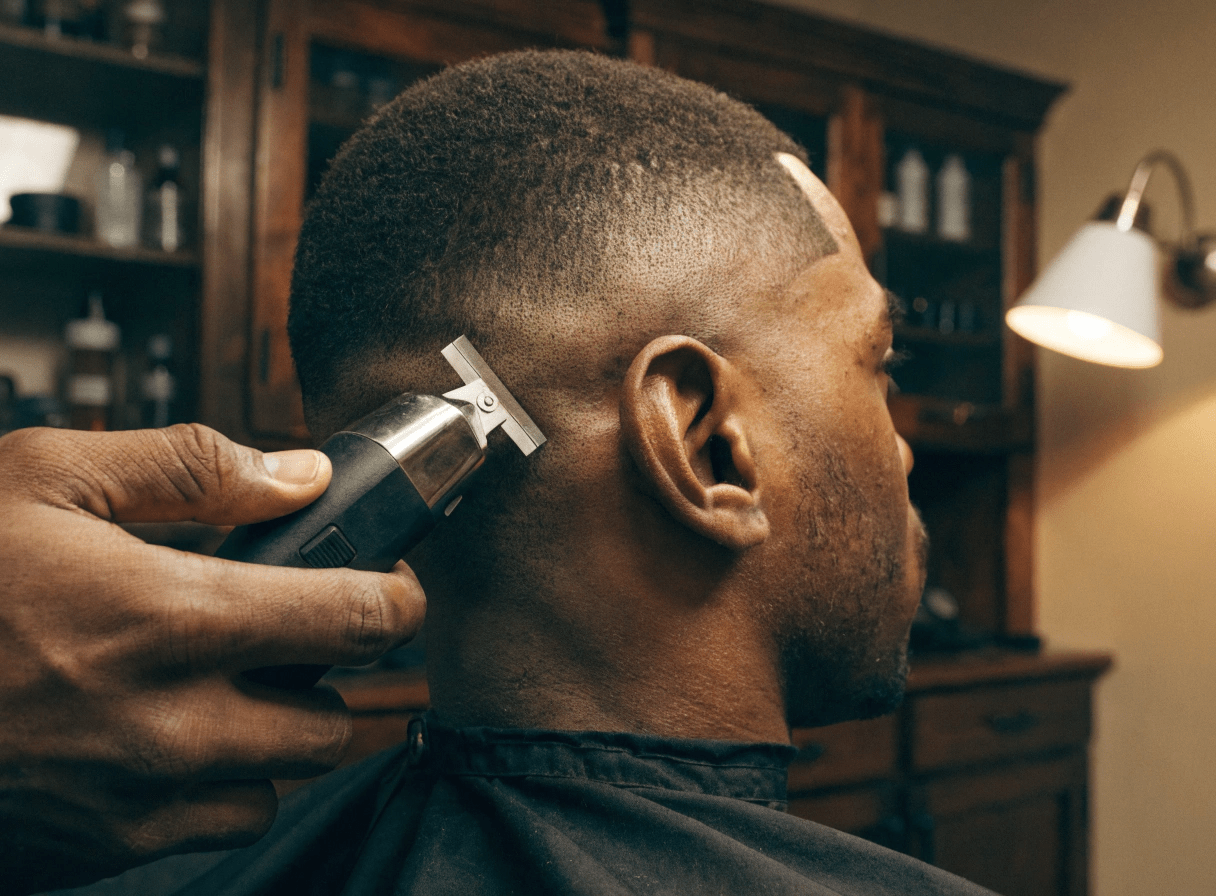
Cutting hair with scissors vs clippers centers on technique, finish, and intended style: scissors deliver softer, textured cuts that grow out gradually and work best for layering, longer styles, and custom shaping, while hair clippers provide speed, precision, and uniform length ideal for buzz cuts, fades, short styles, and efficient bulk removal.
Understanding each tool's strengths helps you choose the right approach for your desired haircut, hair length, and maintenance preferences.
Scissors vs Clippers: Key Differences
|
Feature |
Scissors |
Clippers |
|
Cutting Style |
Individual strand precision |
Uniform length removal |
|
Finish |
Soft, textured, blended |
Sharp, clean, defined |
|
Best For |
Longer styles, layers, bobs, pixie cuts |
Buzz cuts, fades, short tapers, outlines |
|
Speed |
Slower (detailed cutting) |
Faster (bulk removal) |
|
Grow-Out |
Gradual, softer appearance |
Harsher lines, needs frequent trims |
|
Versatility |
High (texture, volume, shaping) |
Moderate (length control, fades) |
|
Skill Required |
High (precision cutting technique) |
Moderate (guard selection, blending) |
|
Maintenance |
Less frequent (softer grow-out) |
More frequent (sharp lines lose shape) |
|
Cost |
Often higher (time-intensive) |
Generally lower (faster service) |
Scissors: Advantages & Best Uses

How Scissors Cut Hair
Precision Technique:
- Individual strand control (cut hair one section at a time)
- Angle customization (create texture, layers, movement)
- Point cutting (softer edges, blended finish)
- Slide cutting (remove weight while maintaining length)
Scissors Advantages
Soft, Natural Finish:
- No harsh lines (hair blends smoothly)
- Textured appearance (movement and volume)
- Gradual grow-out (looks good longer)
- Custom shaping (follows head contours)
Versatility:
- Layering (dimension and volume)
- Thinning (reduce bulk without shortening)
- Texturizing (modern, piecey looks)
- Precision detailing (bangs, face-framing)
Longer Styles:
- Essential for shoulder-length and longer
- Creates movement impossible with clippers
- Maintains hair health (clean cuts, less damage)
Best Uses for Scissors
- Longer hairstyles (shoulder-length and beyond)
- Layered cuts (bobs, lobs, pixie cuts)
- Texturizing (modern messy/piecey styles)
- Women's haircuts (primarily scissor-based)
- Blending clipper work on top
- Precision detailing (bangs, sideburns, neckline refinement)
Clippers: Advantages & Best Uses

How Clippers Cut Hair
Motorized Efficiency:
- Motorized blades cut through hair quickly (see hair clipper mechanics)
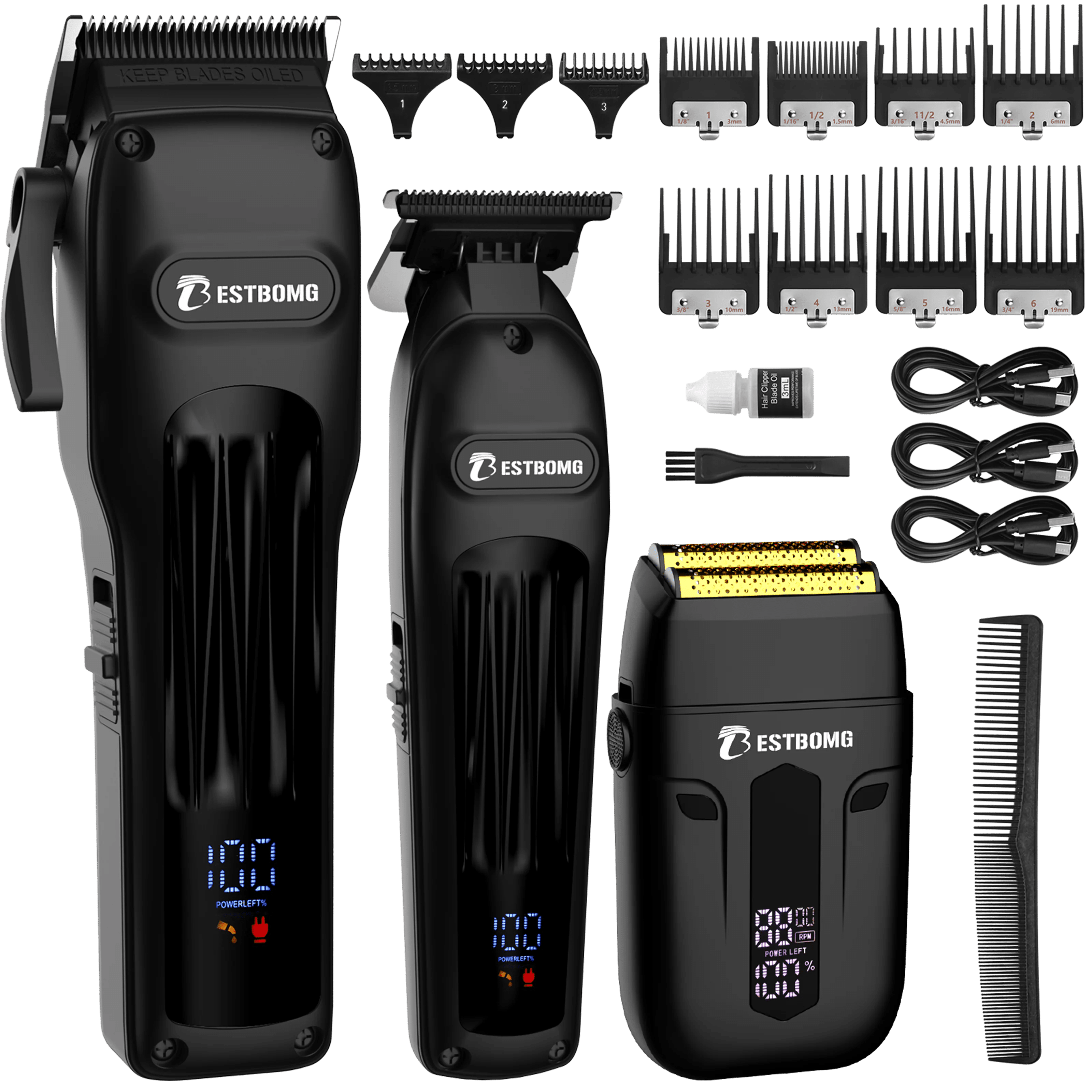
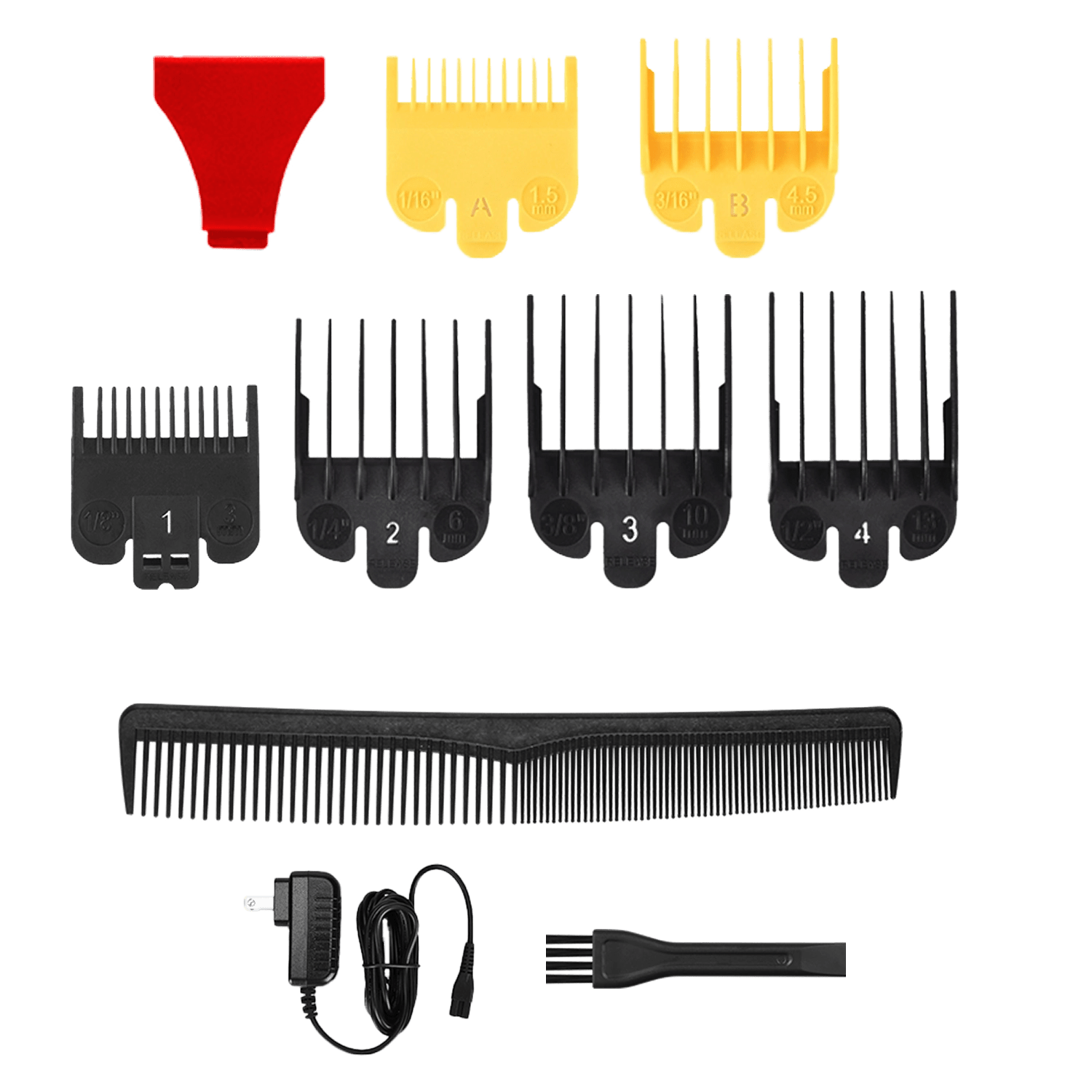
- Guard attachments determine length (#1–#8 standard)
- Taper lever adjusts blade for blending
- Uniform cutting (consistent length across area)
Clippers Advantages
Speed & Efficiency:
- Fast bulk removal (10–15 minutes for full cut)
- Consistent length (no uneven sections)
- Ideal for short hair (1/8" to 1")
Precision for Fades:
- Guard progression (#1 to #4 creates smooth fade)
- Taper lever (micro-adjustments between guards)
- Clean outlines (sharp edges, defined shape)
Cost-Effective:
- Faster service (lower labor cost)
- Home use (easy DIY buzz cuts)
- Consistent results (less skill needed for basic cuts)
Best Uses for Clippers
- Buzz cuts (all-over short length)
- Fades (gradual length transitions)
- Short tapers (sides and back)
- Men's short cuts (#1–#4 guards)
- Outlines (hairline, neckline definition)
- Bulk removal (initial cutting before scissor work)
Combination Approach: Best of Both

Modern Barbering Standard
Hybrid Technique:
Most professional men's cuts use both tools strategically:
- Clippers for sides/back (fades, tapers, bulk removal)
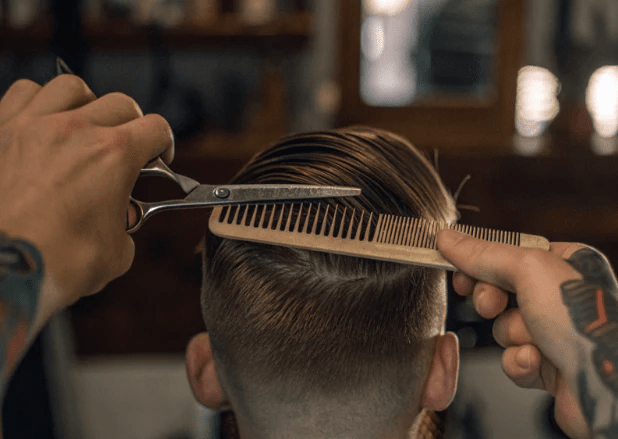
- Scissors for top (texture, layering, custom length)
- Clippers for outline (clean edges)
- Scissors for blending (soften clipper lines)
Result: Clean, defined sides with textured, versatile top.
When to Combine
Classic Men's Haircut:
- Clipper sides and back (#2–#4 fade)
- Scissors on top (2–4 inches, textured)
- Clipper outline (hairline, sideburns)
- Scissors blending (where clipper meets scissor work)
Women's Short Cut:
- Scissors primary tool (shaping, layering)
- Clippers for undercut (if applicable)
- Scissors final texturizing
Grow-Out & Maintenance Differences
Scissors Cut Grow-Out
Softer Maintenance:
- Gradual appearance change (no harsh demarcation)
- Trim every 6–8 weeks (maintain shape)
- Looks presentable longer (blended finish)
- More forgiving (doesn't look "shaggy" immediately)
Clipper Cut Grow-Out
Sharper Maintenance Needs:
- Defined lines lose shape (obvious growth)
- Trim every 2–4 weeks (maintain clean look)
- "Fuzzy" appearance as hair grows out
- Fades require frequent touch-ups
Cost Trade-Off: Scissor cuts cost more per visit but need fewer visits; clipper cuts cost less per visit but need more frequent maintenance.
Choosing Based on Hair Length & Style
Very Short (1/8" – 1/2")
Best Choice: Clippers exclusively
Guards: #1 (#2 (6mm), #3 (9mm), #4 (12mm)
Why: Scissors cannot maintain uniform length at very short lengths; clippers excel.
Short to Medium (1/2" – 3")
Best Choice: Combination (clippers + scissors)
Approach: Clippers for sides/back bulk, scissors for top texture and blending.
Why: Provides clean, defined sides with versatile, styled top.
Medium to Long (3"+)
Best Choice: Scissors primarily, clippers for undercuts only
Why: Scissors essential for layering, texturizing, and shaping longer hair. Clippers only used for specific design elements like undercuts.
Frequently Asked Questions
Is a scissor cut better than clippers?
Neither is universally "better"—each excels for different purposes. Scissors deliver softer, textured cuts with gradual grow-out, ideal for longer styles, layering, and custom shaping. Clippers provide speed, uniform length, and precision for buzz cuts, fades, and short styles. Most modern men's cuts use both: clippers for sides/back, scissors for top texture.
Do scissor cuts last longer than clipper cuts?
Scissor cuts require less frequent trimming (every 6–8 weeks) because the blended, textured finish grows out gradually without harsh lines. Clipper cuts need maintenance every 2–4 weeks because sharp fades and defined outlines lose shape quickly. However, clipper cuts are faster and less expensive per visit, balancing total cost.
Can you get a fade with scissors?
Yes, but clippers are far superior for fades. Scissor-over-comb technique can create gradual length transitions, but it's slower, requires advanced skill, and doesn't achieve the precision of clipper fades. Professional barbers use clippers with taper levers and multiple guards (#1–#4) for seamless fades, reserving scissors for blending and top work.
What is the difference between clipper and scissor cuts for men?
Clipper cuts use motorized blades with guards for uniform short lengths (buzz cuts, fades, tapers), creating sharp, clean lines that require frequent maintenance. Scissor cuts use manual shears for textured, custom-length cutting (layering, point cutting), creating softer finishes that grow out gradually. Most men's cuts combine both: clippers for sides, scissors for top.
Are clippers easier to use than scissors for home haircuts?
Yes, clippers are significantly easier for beginners. Guards prevent cutting too short, uniform length is automatic, and simple buzz cuts require minimal skill. Scissors demand technique (tension, angle, sectioning) that takes practice to master. For home use, start with clippers and guard sets for safe, consistent results.
Why do barbers use both scissors and clippers?
Each tool serves distinct purposes: Clippers excel at bulk removal, uniform short lengths, fades, and outlines (speed and precision). Scissors excel at texturizing, layering, custom shaping, and blending (versatility and soft finish). Combining both delivers the best results: clean, defined sides (clippers) with textured, versatile top (scissors).
Conclusion
Cutting hair with scissors vs clippers depends on desired style, hair length, and maintenance preferences: scissors deliver textured, versatile cuts with softer grow-out ideal for longer styles and layering, while clippers provide fast, uniform cutting perfect for buzz cuts, fades, and short tapers.
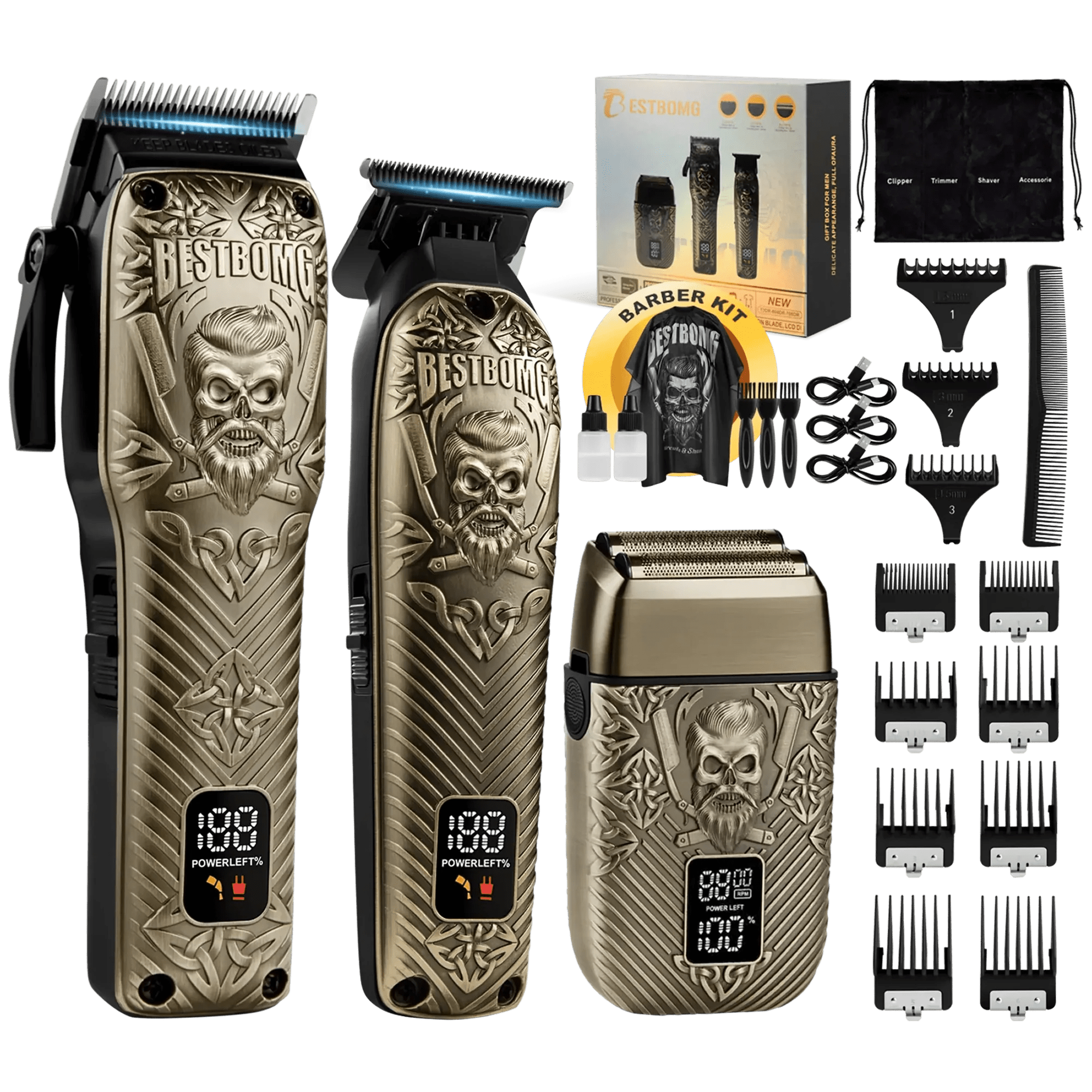
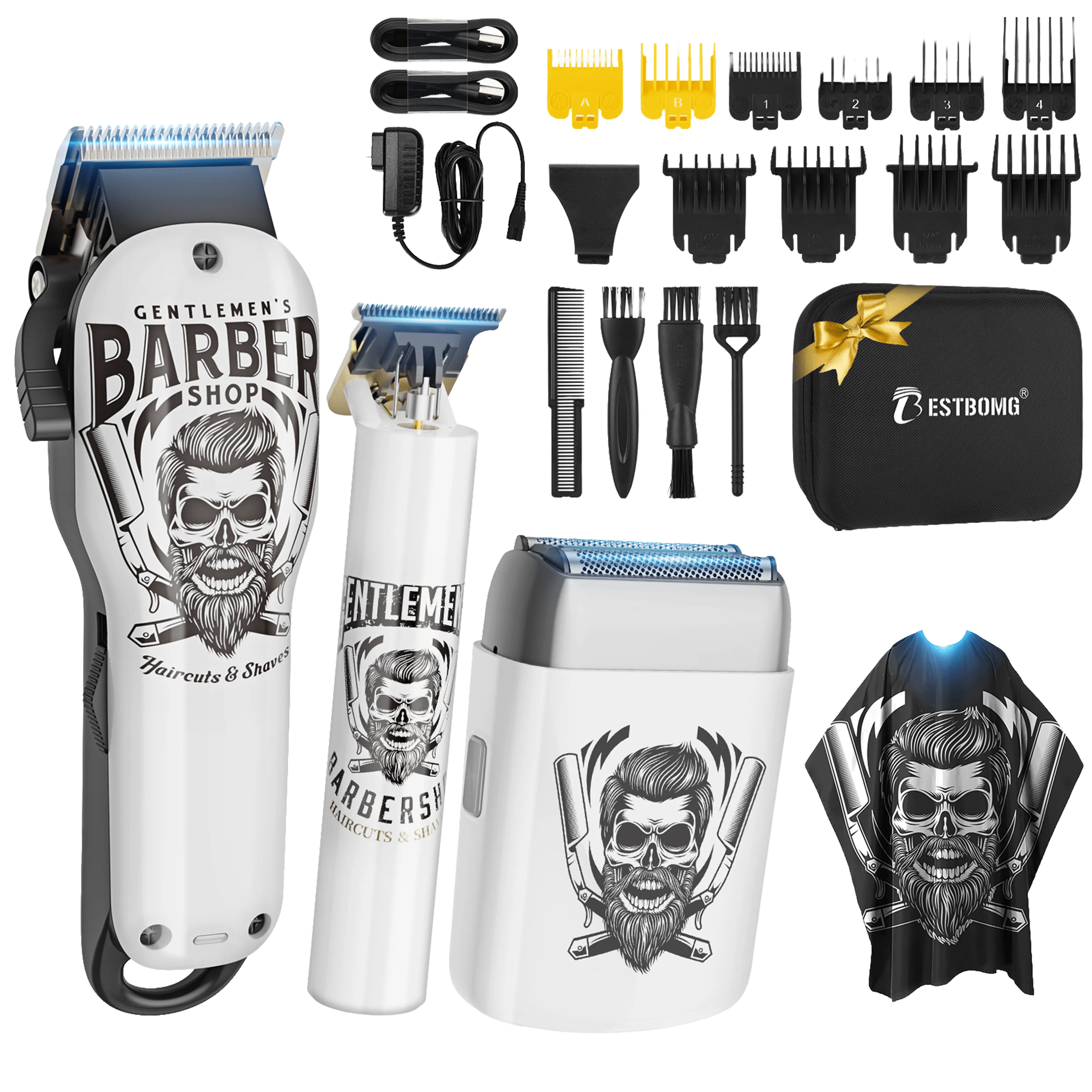
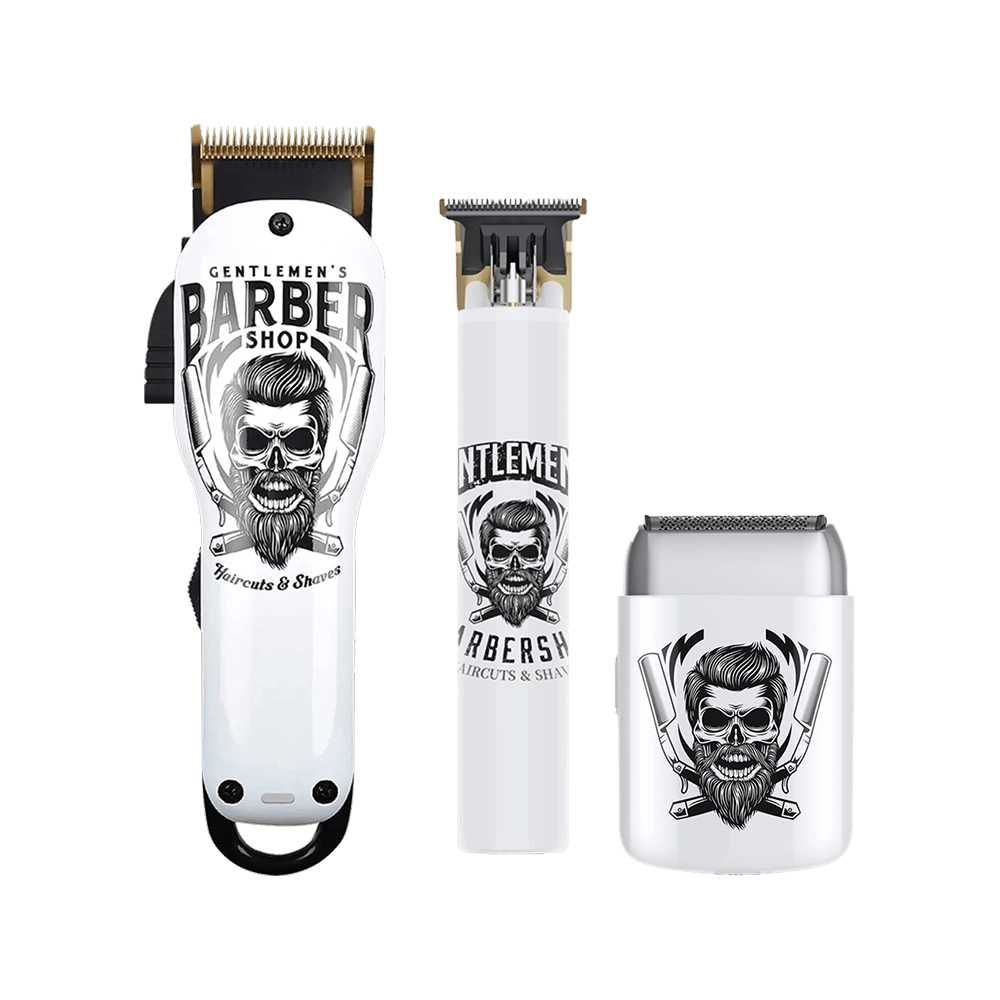
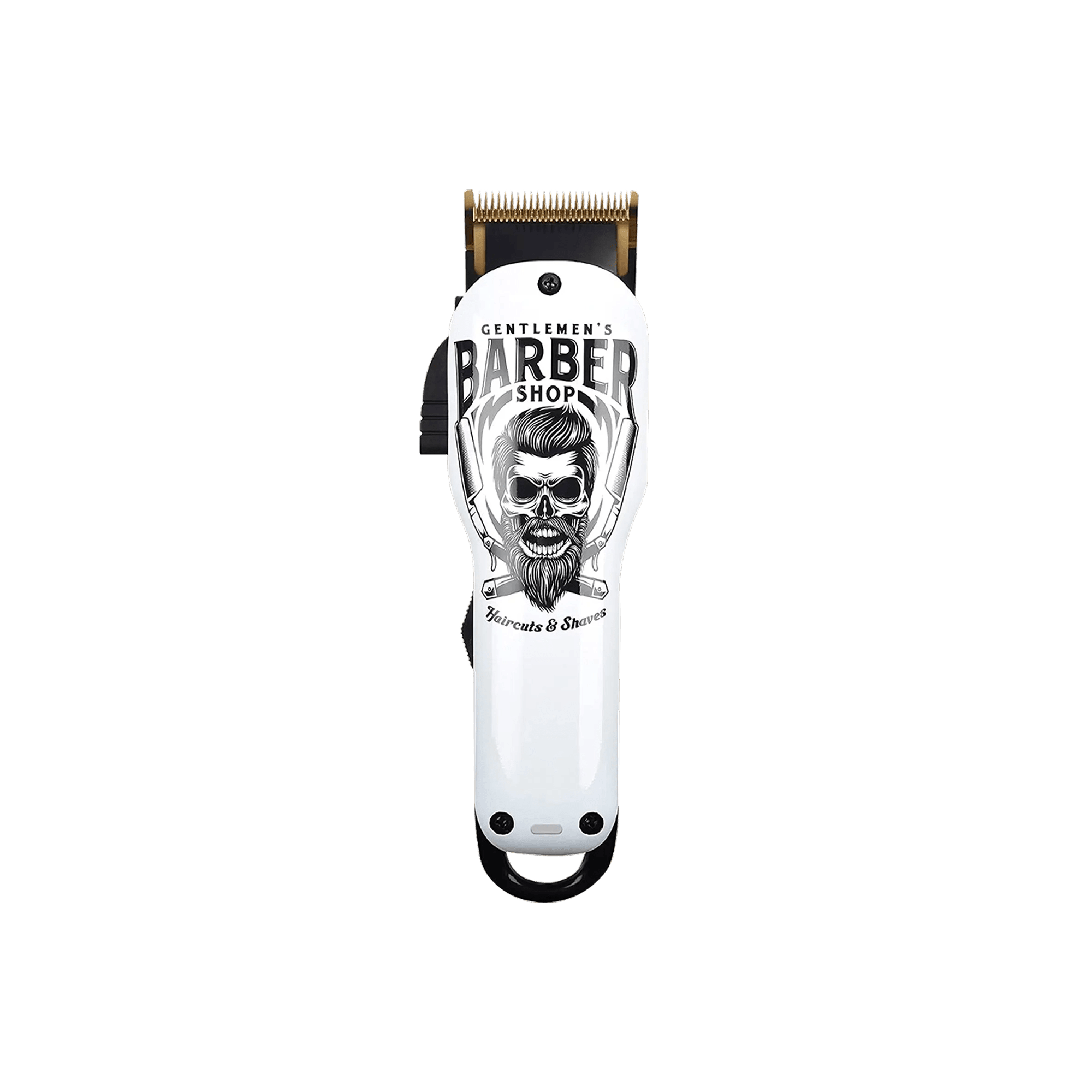
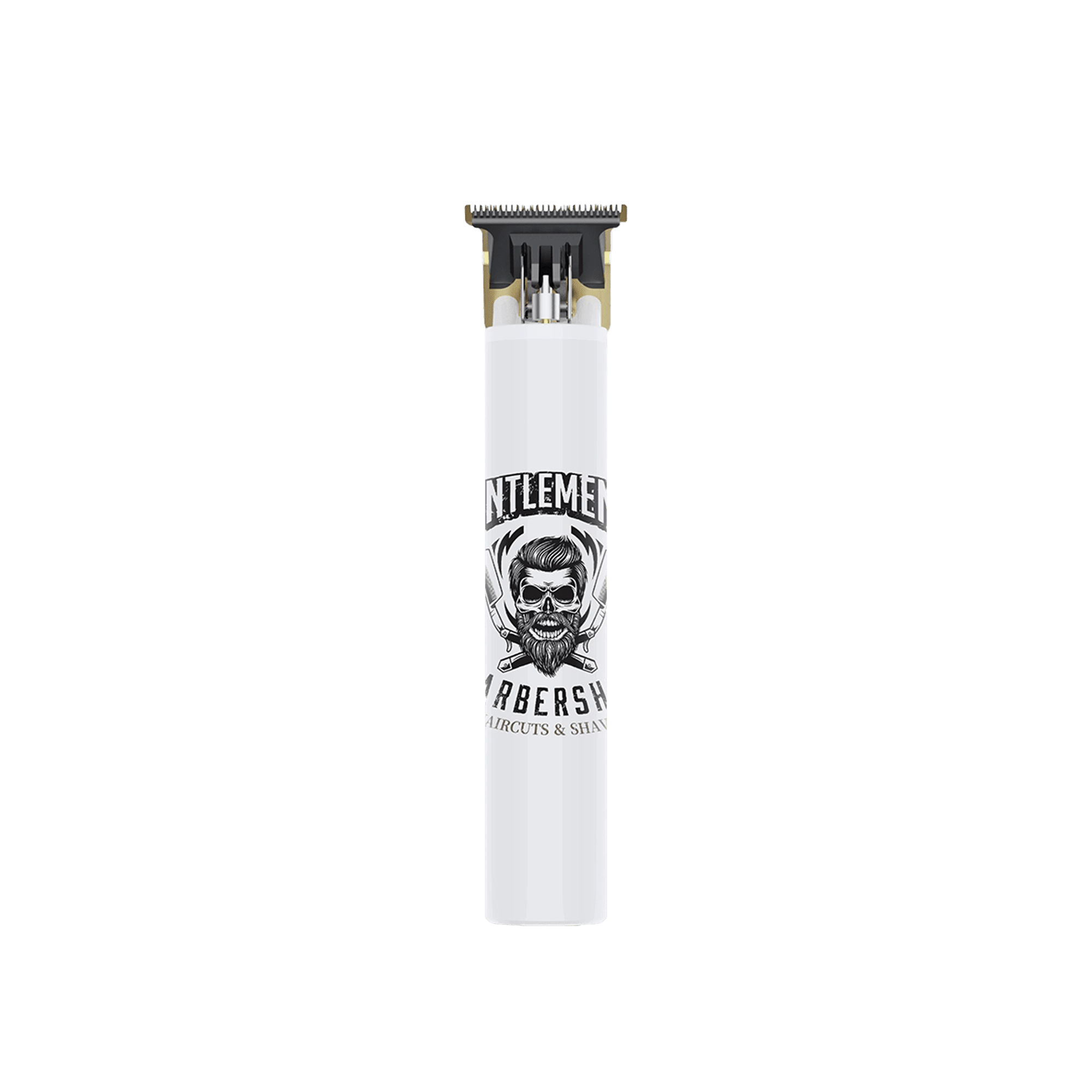
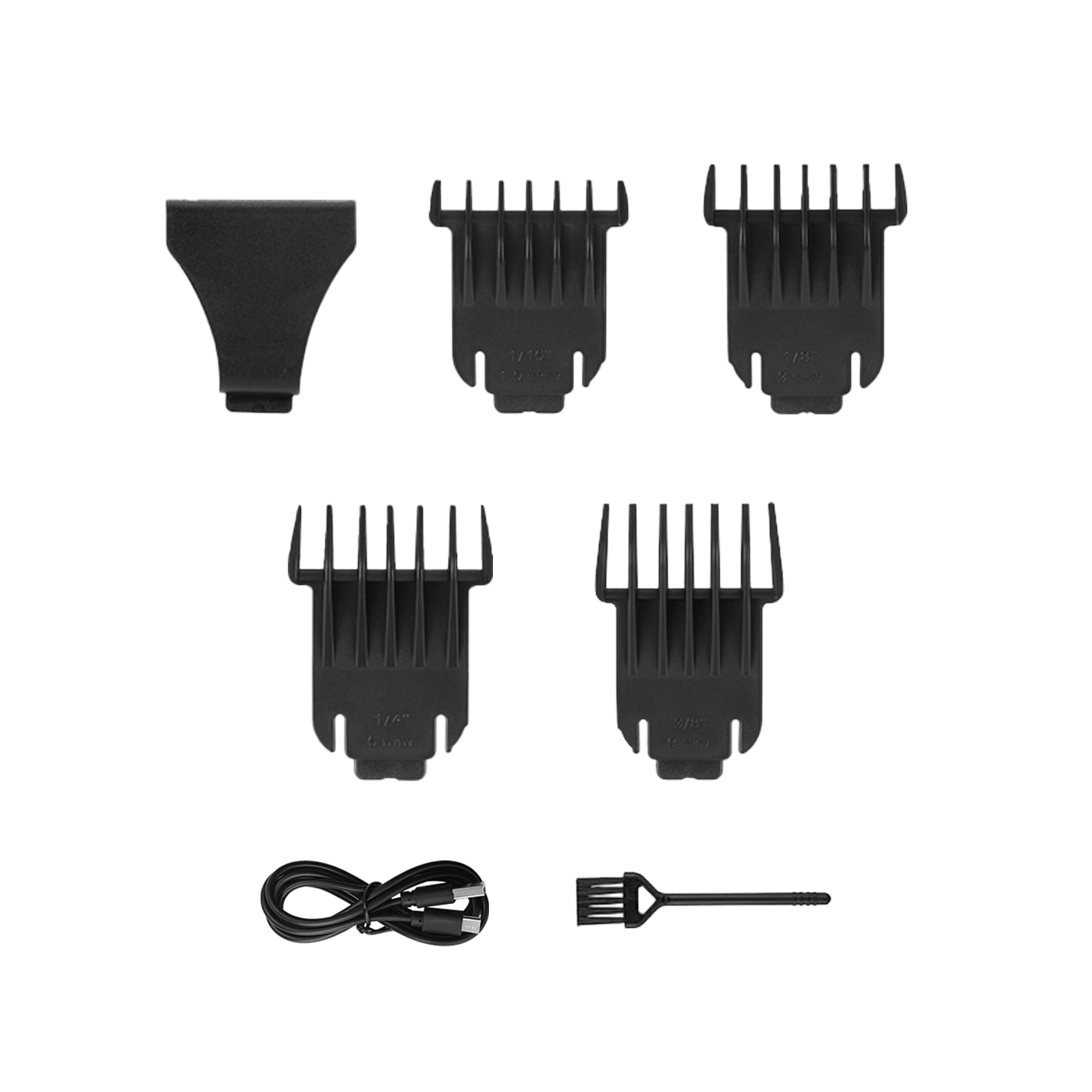
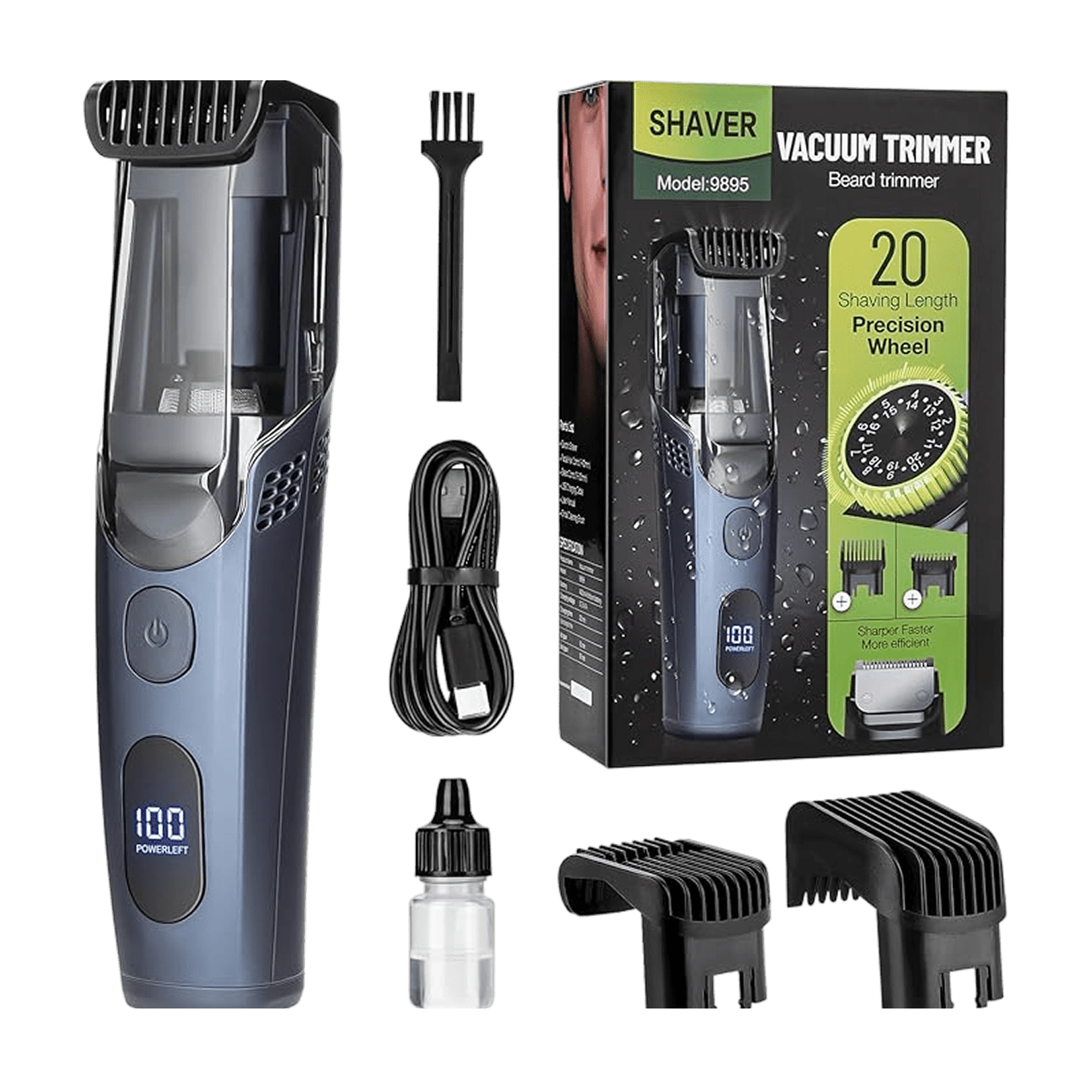
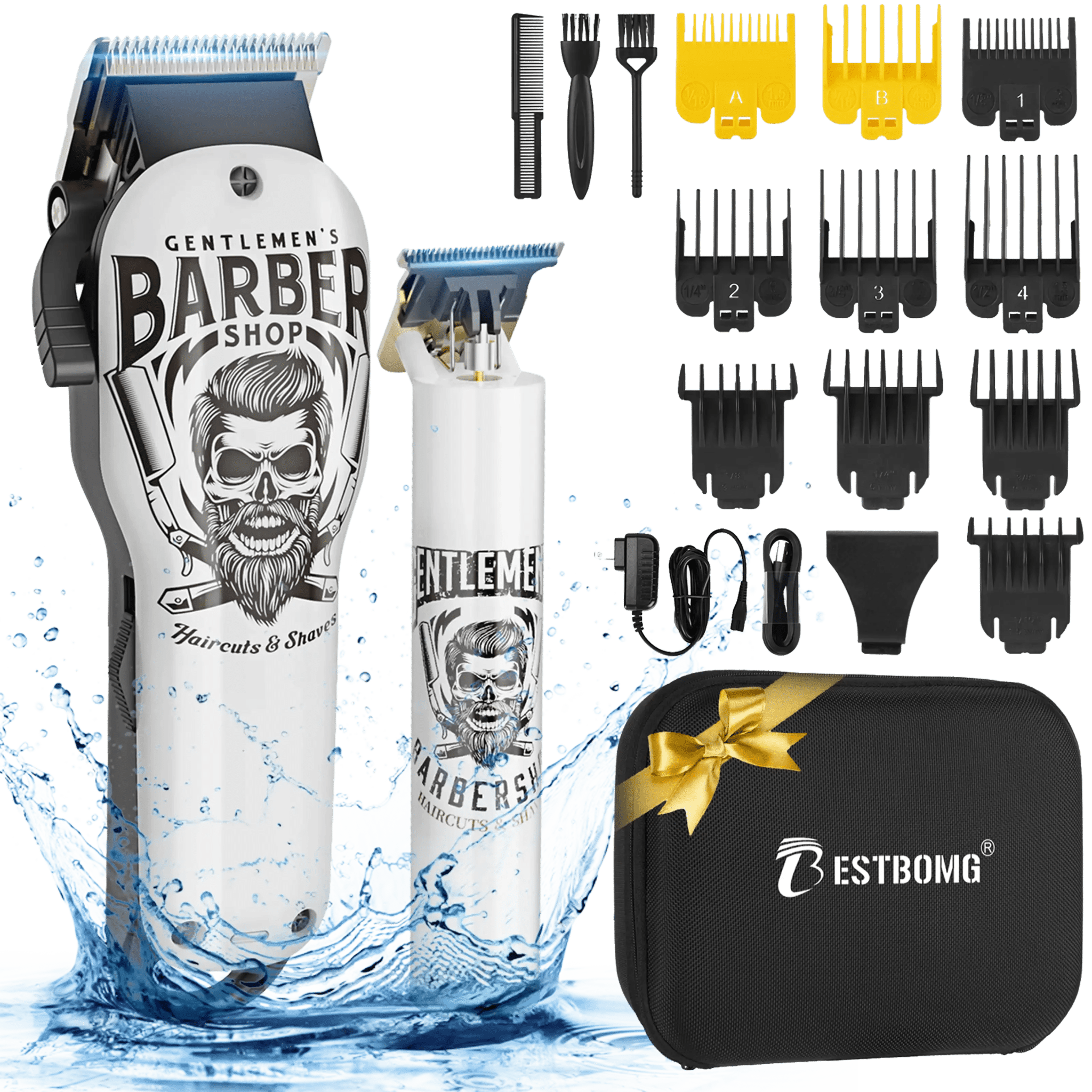
Modern barbering often combines both tools strategically for superior results.Ready to achieve professional-quality cuts at home? Explore hair clippers and complete cutting kits with multiple guards, sharp blades, and everything needed for salon-style results.

Looking for something else?

How to Cut Baby Boy Hair with Clippers: Step-by-Step Guide
LEARN MORE
Do Hair Clippers Get Dull? Causes, Signs & Prevention
LEARN MORE
Can an Electric Shaver Cut You? Safety Facts & Prevention
LEARN MORE
How to Shave Balls with Electric Shaver: Safe Guide
LEARN MORELooking for something else?

Does Using Trimmer Increase Hair Growth? Facts & Myths
LEARN MORE
Best Hair Clippers for Men: Top Picks for Home & Pro Use
LEARN MORE
Best Professional Hair Clippers for Barbers: Top Picks
LEARN MOREYou may also like


Further reading
Best Hair Clippers for Perfect Fades at Home
Clipper Lever Open vs Closed: What It Means (with mm)
Why You Need a Cordless Detailer Trimmer (And How to Pick the Right One)