






Shaver vs Trimmer: Which Tool Is Right for Your Grooming Needs?
Choosing between a shaver and a trimmeror understanding when to use bothcan transform your grooming routine from frustrating to effortless. Shavers deliver smooth, close finishes for clean-shaven looks, while trimmers maintain length, shape beards, and handle detail work. This guide breaks down the key differences, shows you when to use each tool, and helps you decide which one (or both) belongs in your grooming kit.
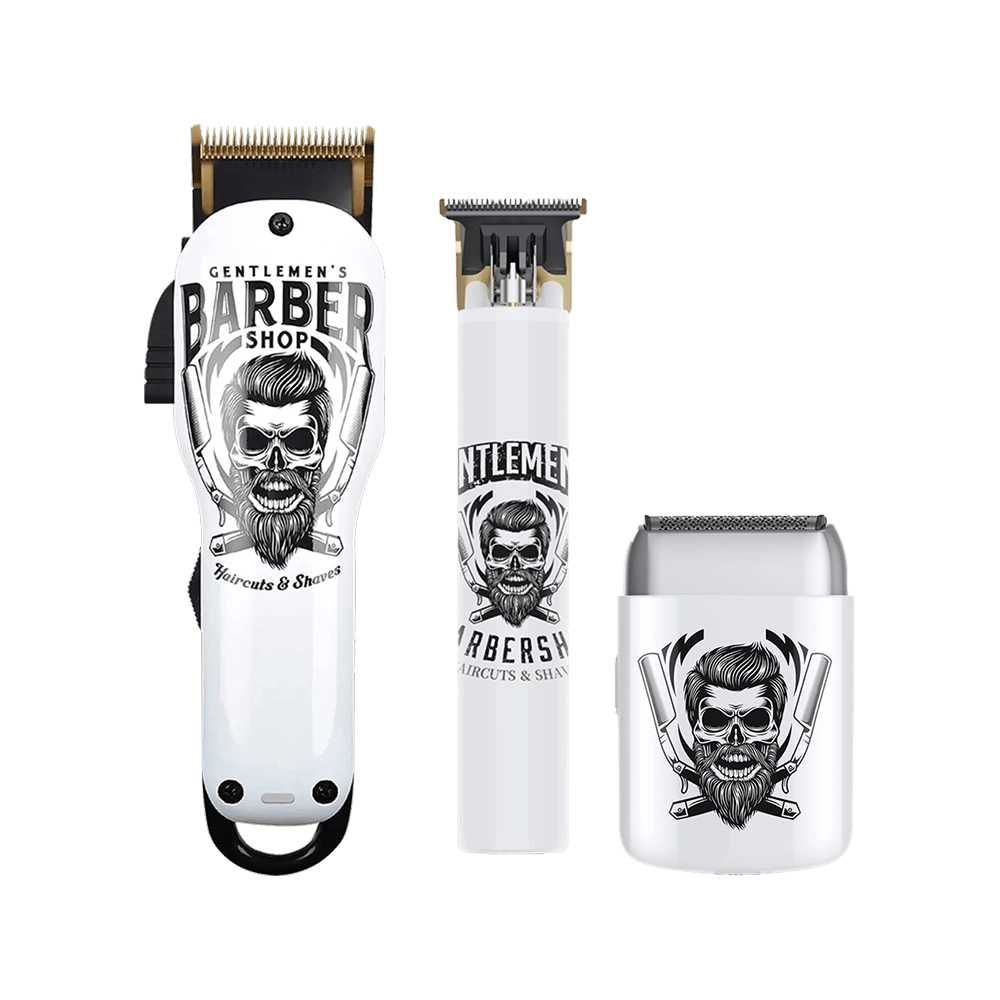
For versatile grooming options that cover both trimming and shaving, explore electric shavers and beard trimmers designed for precision and comfort.
Shaver vs Trimmer: Core Differences
|
Feature |
Electric Shaver |
Beard Trimmer |
|
Primary Purpose |
Removes hair at skin level for smooth finish |
Maintains length, shapes facial hair |
|
Blade Design |
Oscillating blades under foil or rotary heads |
Fixed or adjustable cutting teeth |
|
Typical Use |
Clean-shaven face, head shaving, smooth body grooming |
Beard maintenance, mustache shaping, edging, body hair trimming |
|
Length Control |
None (cuts to skin level) |
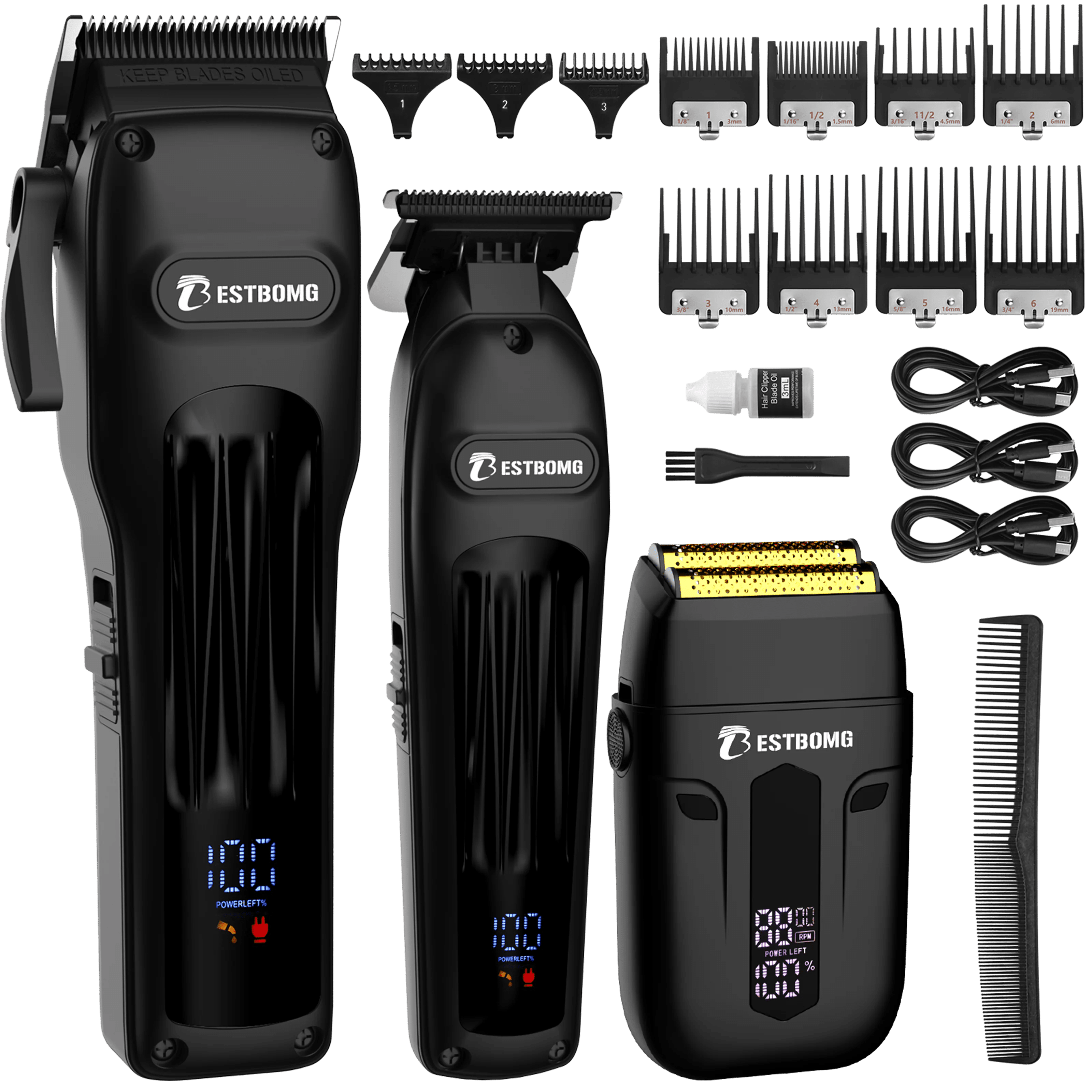
Adjustable guards (1mm to 25mm+) |
|
Finish |
Smooth, no visible stubble |
Visible stubble or styled beard |
|
Best For |
Daily clean shaves, sensitive skin, professional appearance |
Beard styling, maintaining stubble, creative grooming |
|
Maintenance |
Replace foils/heads every 12–18 months |
Replace blades every 6–12 months; oil regularly |
What Is an Electric Shaver?

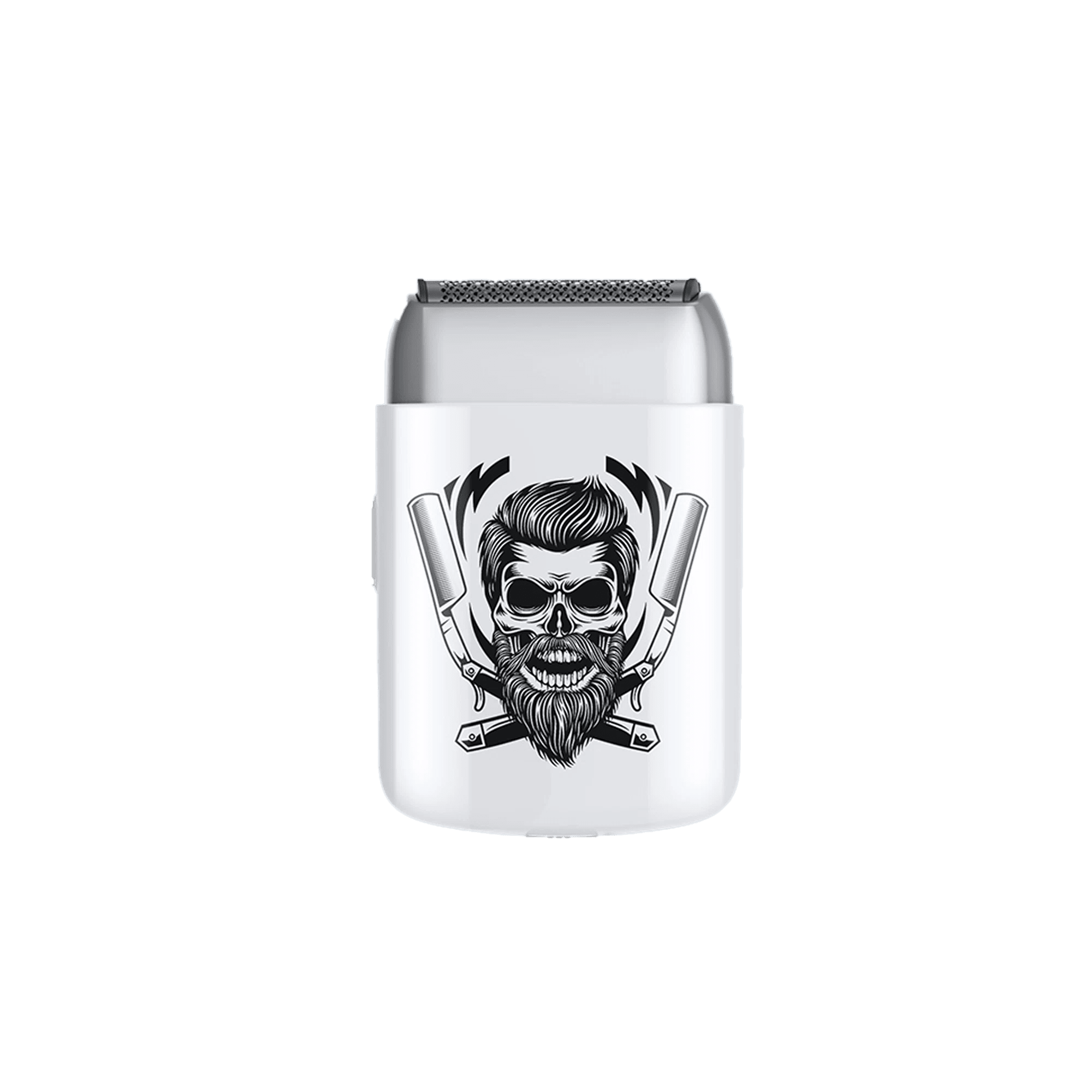
An electric shaver cuts hair at the skin surface using oscillating or rotating blades hidden beneath a protective foil or rotary head. The result is a smooth, clean-shaven finish similar to a manual razor but with less irritation and no need for water, cream, or aftershave.
Types of Electric Shavers
Foil Shavers:
- Straight blades oscillate beneath a thin, perforated metal foil
- Best for straight hair, sensitive skin, and precision
- Require back-and-forth strokes
- Quieter operation
Rotary Shavers:
- Circular blades spin beneath dome-shaped heads
- Best for thick, coarse hair and facial contours
- Use circular motions
- Better for head shaving
For a detailed comparison, see this electric shaver overview on Wikipedia.
When to Use a Shaver
- Clean-shaven look: Daily face shaving for work or personal preference
- Head shaving: Maintaining a smooth, bald scalp
- Sensitive skin: Reducing razor burn and ingrown hairs compared to manual razors
- Quick grooming: No prep time needed for dry shaving
What Is a Beard Trimmer?

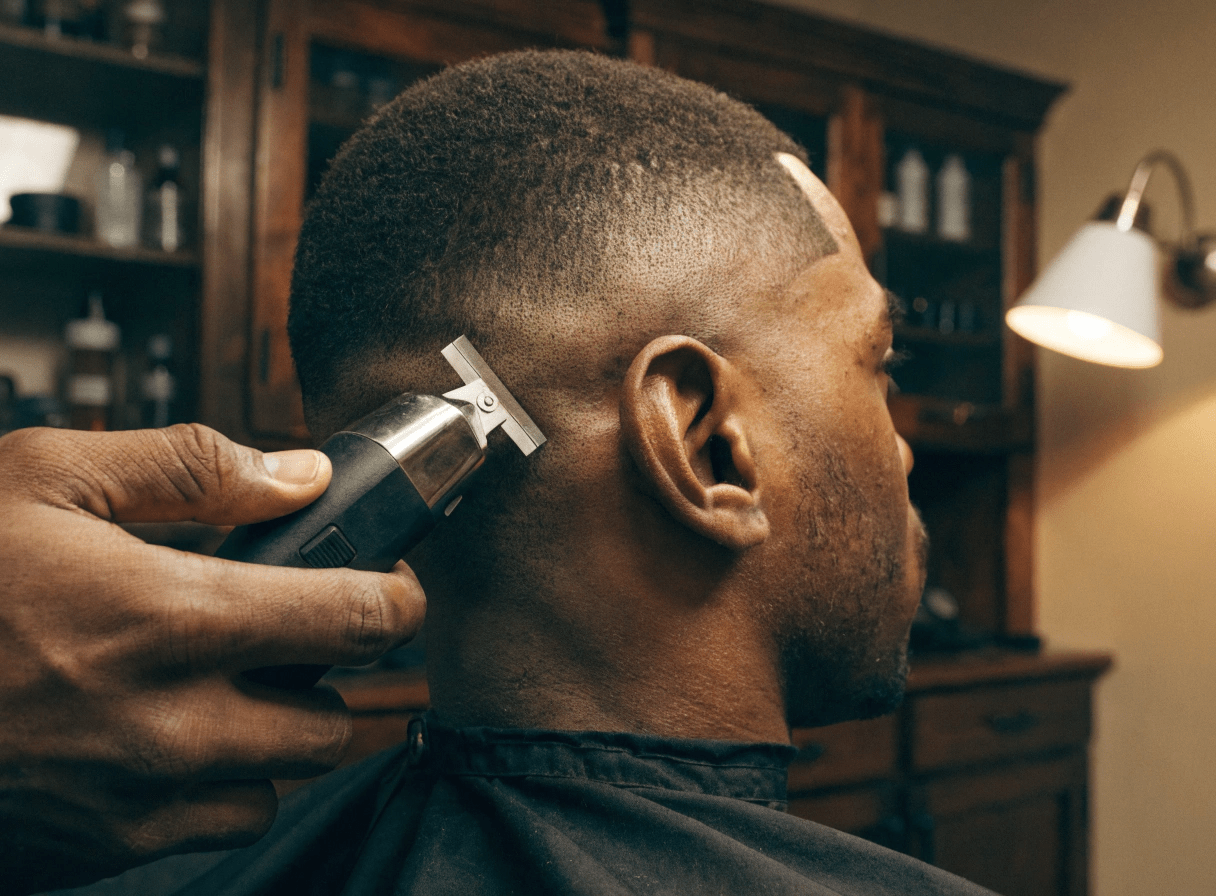
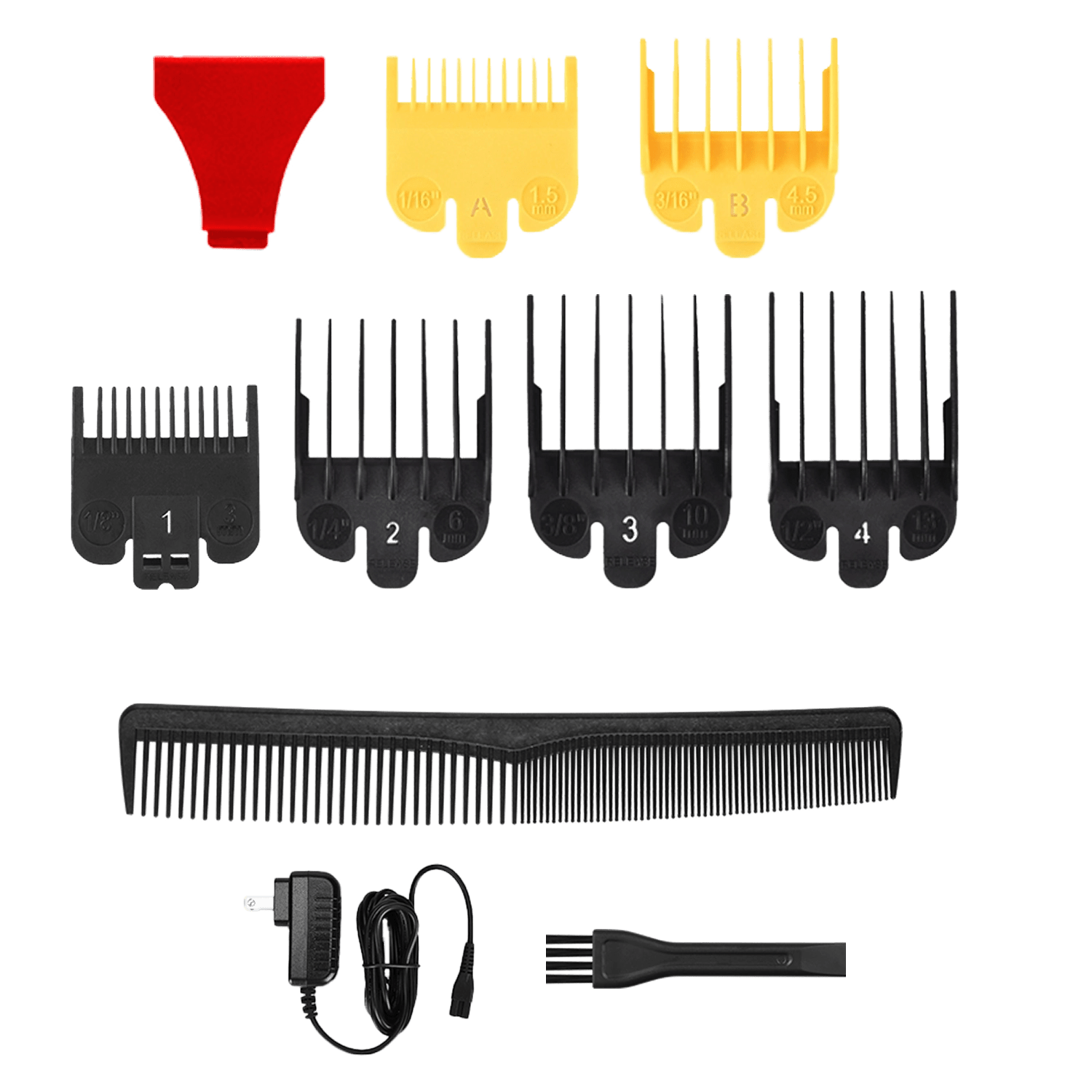
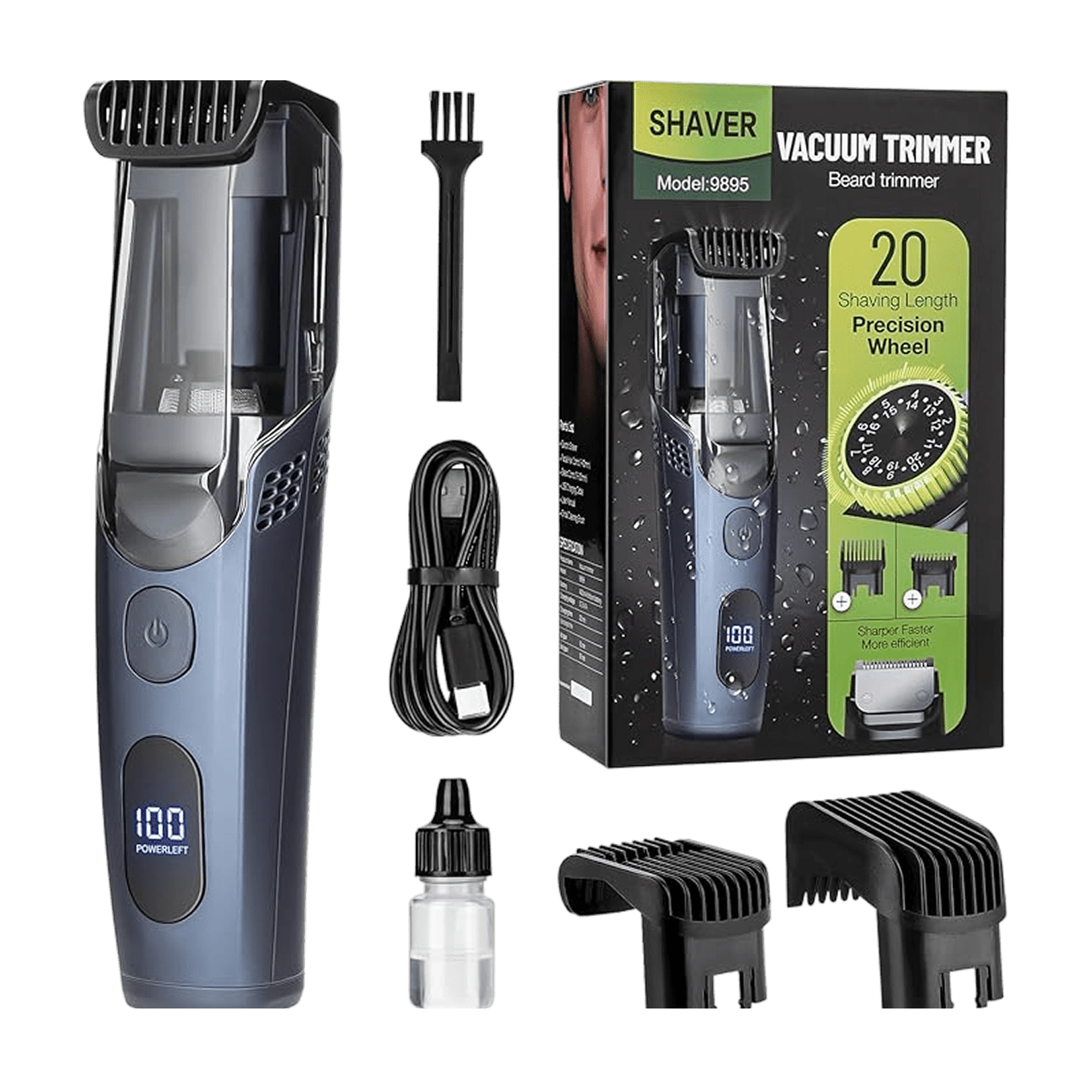
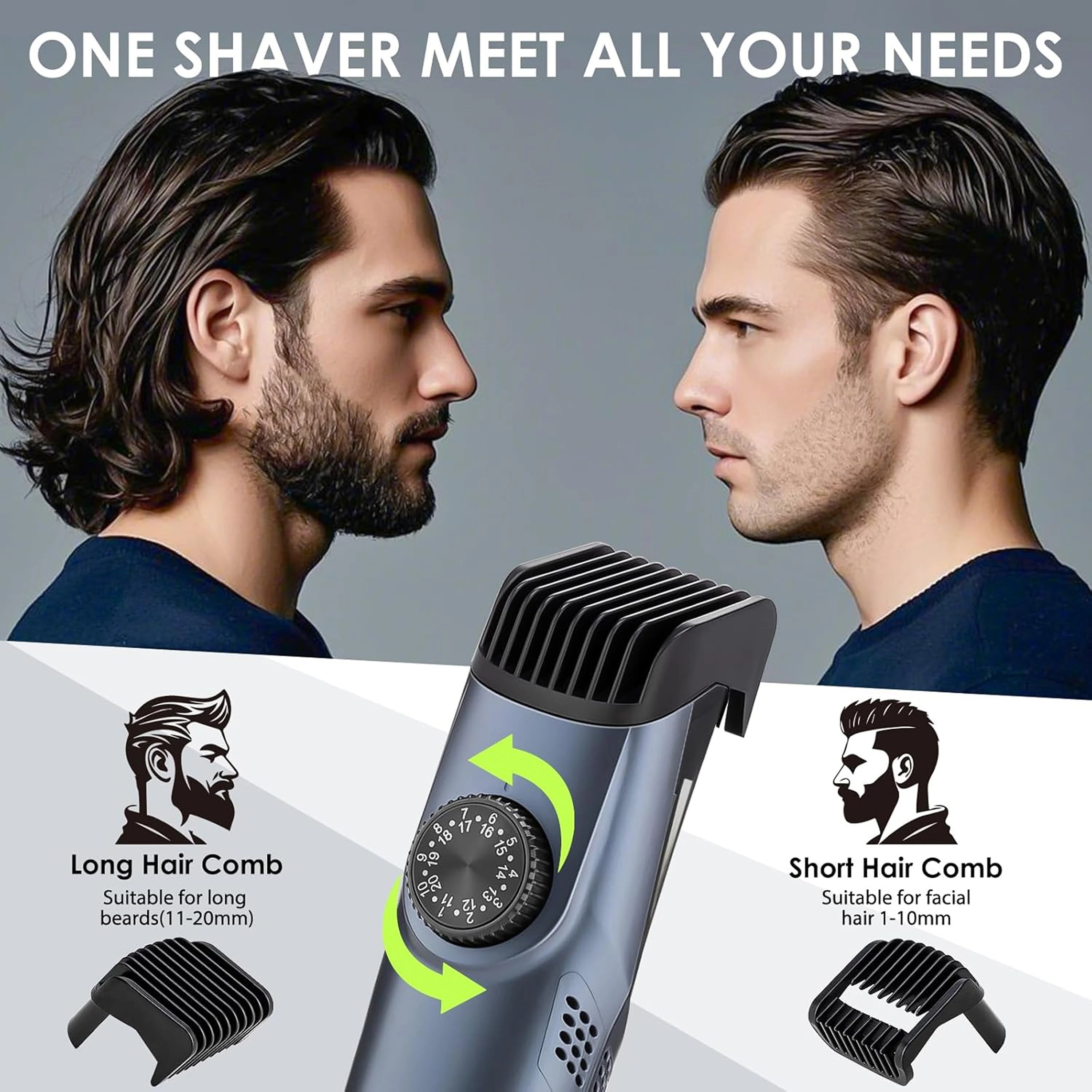
A beard trimmer uses fixed or adjustable cutting teeth to trim hair to a specific length rather than removing it entirely. Adjustable guards let you maintain consistent beard length, create fades, and shape edges with precision.
Types of Trimmers
Full-Size Beard Trimmers:
- Wider blades for bulk trimming
- Multiple guard lengths (3mm to 25mm)
- Ideal for maintaining beards, body hair, and head buzz cuts
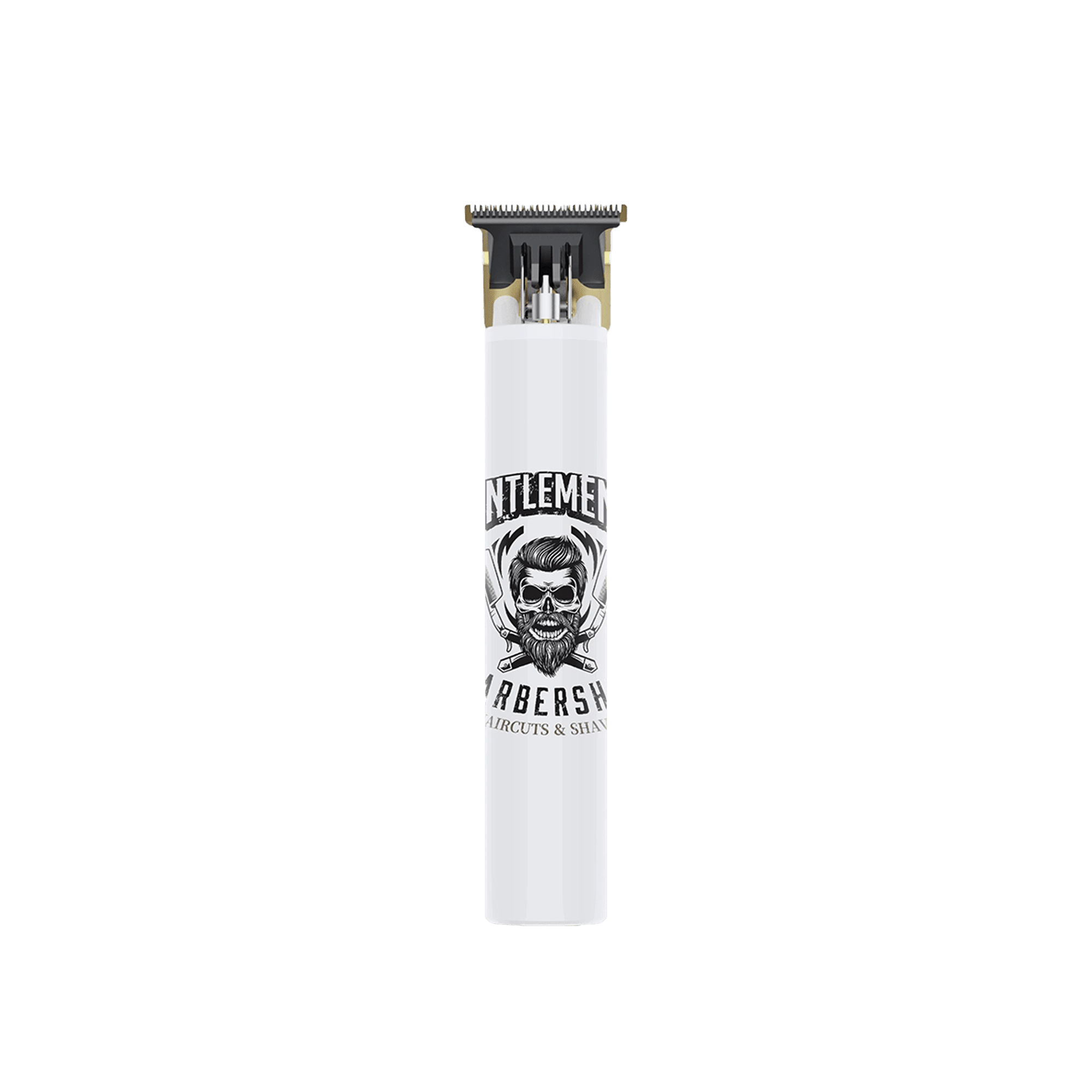
Detail Trimmers:
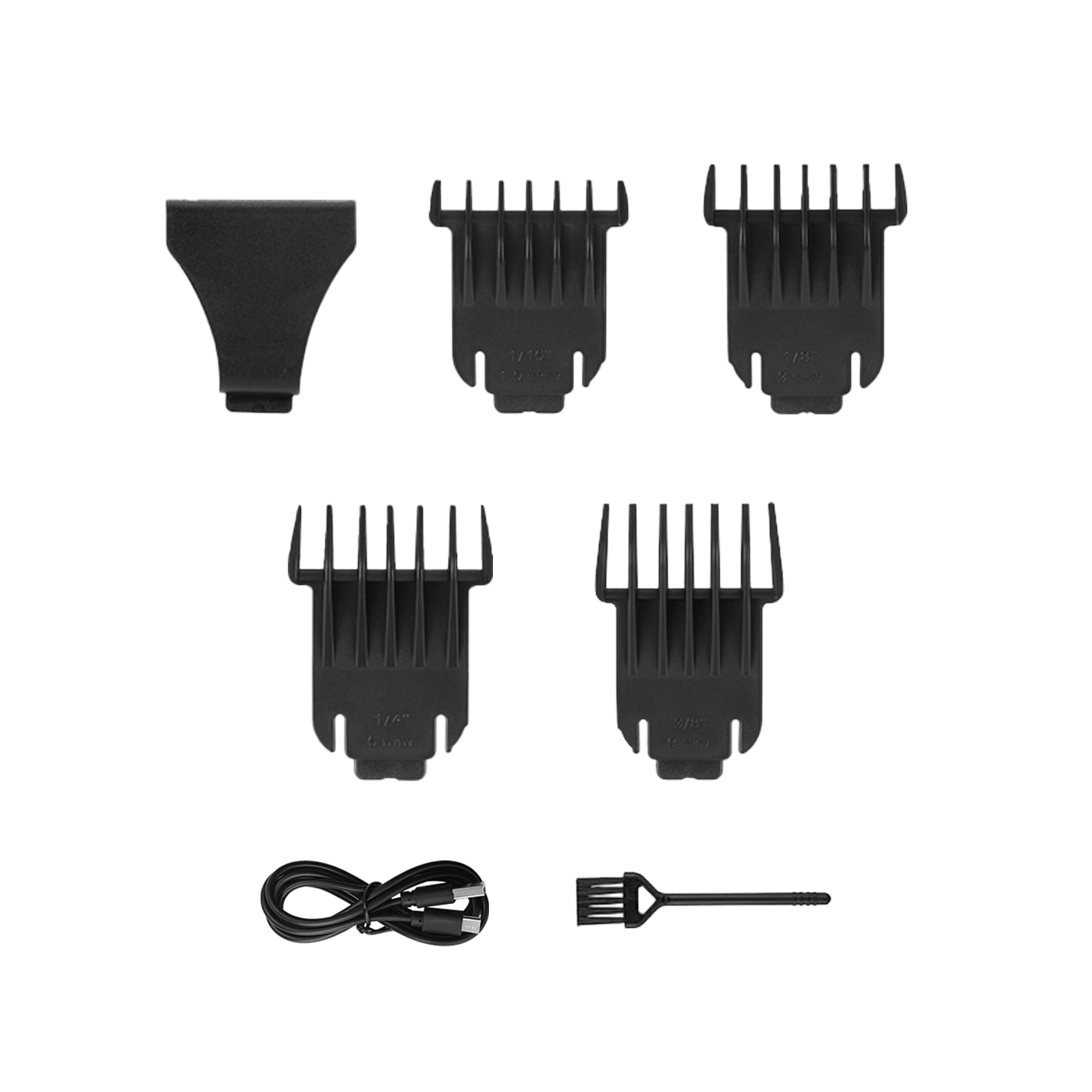
- Narrow, precision blades (often T-blades)
- No guards for tight line-ups and edging
- Perfect for sideburns, necklines, and mustache shaping
When to Use a Trimmer
- Beard maintenance: Keeping facial hair at a consistent length
- Stubble grooming: Maintaining short, even stubble (1mm to 5mm)
- Edging and shaping: Creating sharp lines along cheeks, neckline, and hairline
- Body grooming: Trimming chest, back, or pubic hair to manageable length
- Hair cutting: Buzz cuts, fades, and DIY haircuts at home
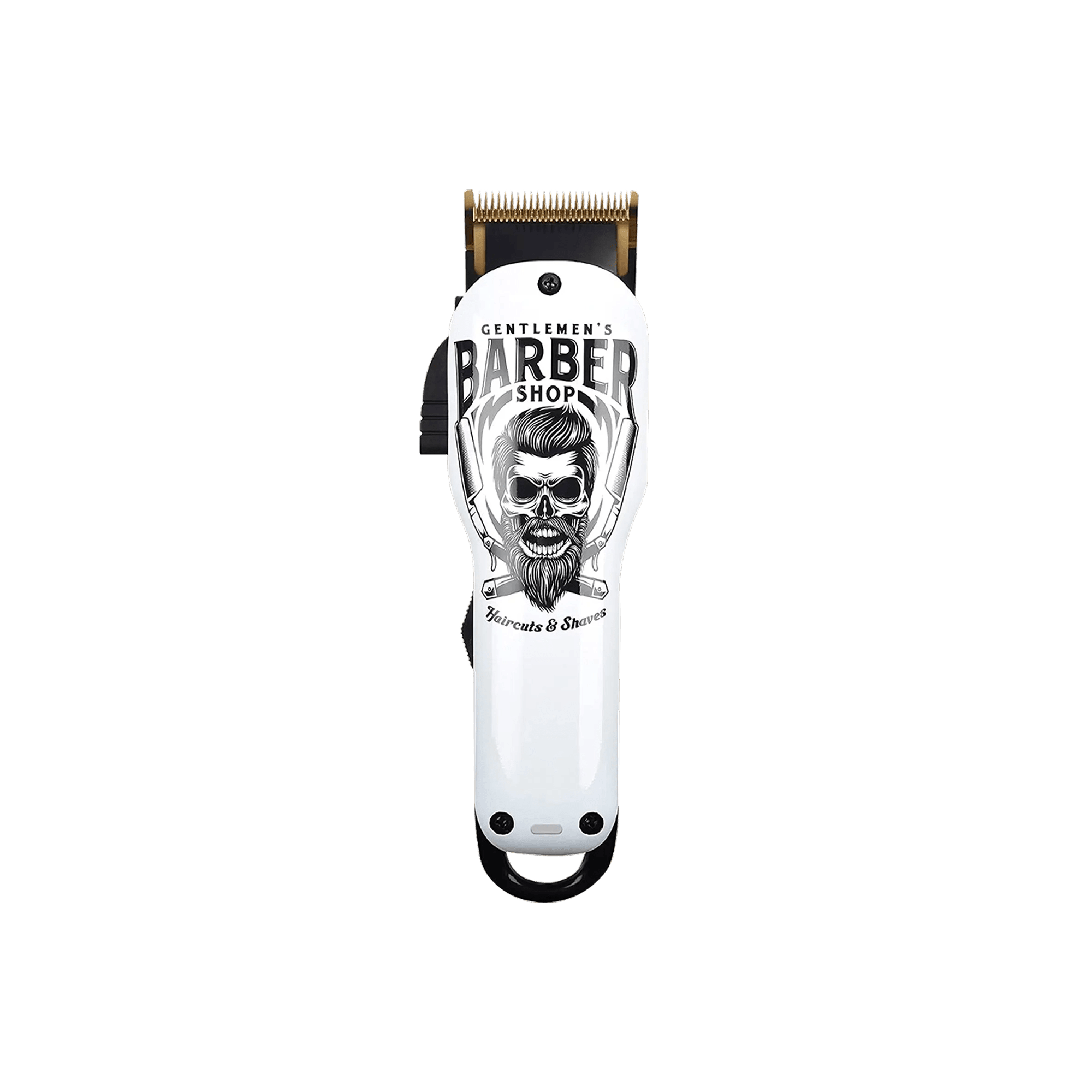
Clipper vs Trimmer vs Shaver: What's the Difference?
Many people confuse clippers, trimmers, and shavers. Here's the breakdown:
|
Tool |
Primary Use |
Blade Type |
Length Control |
|
Hair Clipper |
Cutting head hair (buzz cuts, fades) |
Wide, powerful blades |
Guards (3mm to 25mm) |
|
Beard Trimmer |
Facial hair shaping and body grooming |
Medium-width blades |
Guards (1mm to 20mm) |
|
Detail Trimmer |
Edging, line-ups, precision work |
Narrow T-blades or zero-gap blades |
Minimal or no guards |
|
Electric Shaver |
Smooth, clean shave |
Oscillating foil or rotary blades |
None (cuts to skin) |
Key Takeaway: Clippers are built for power and bulk removal on the scalp; trimmers handle facial hair and detail work; shavers remove hair entirely for a smooth finish.
Electric Shaver vs Trimmer: Which Should You Choose?

Choose a Shaver If You:
- Prefer a completely smooth, clean-shaven face
- Shave daily or every other day
- Have sensitive skin prone to razor burn
- Want fast grooming with no prep time
- Need a tool for head shaving
Choose a Trimmer If You:
- Maintain a beard, goatee, or mustache
- Prefer stubble or short facial hair
- Need precise edge work for clean lines
- Groom body hair without full removal
- Want versatility for multiple grooming tasks
Use Both If You:
- Maintain a beard with a clean-shaven neck and cheeks
- Want a smooth head but keep facial hair
- Need both close shaves and length maintenance
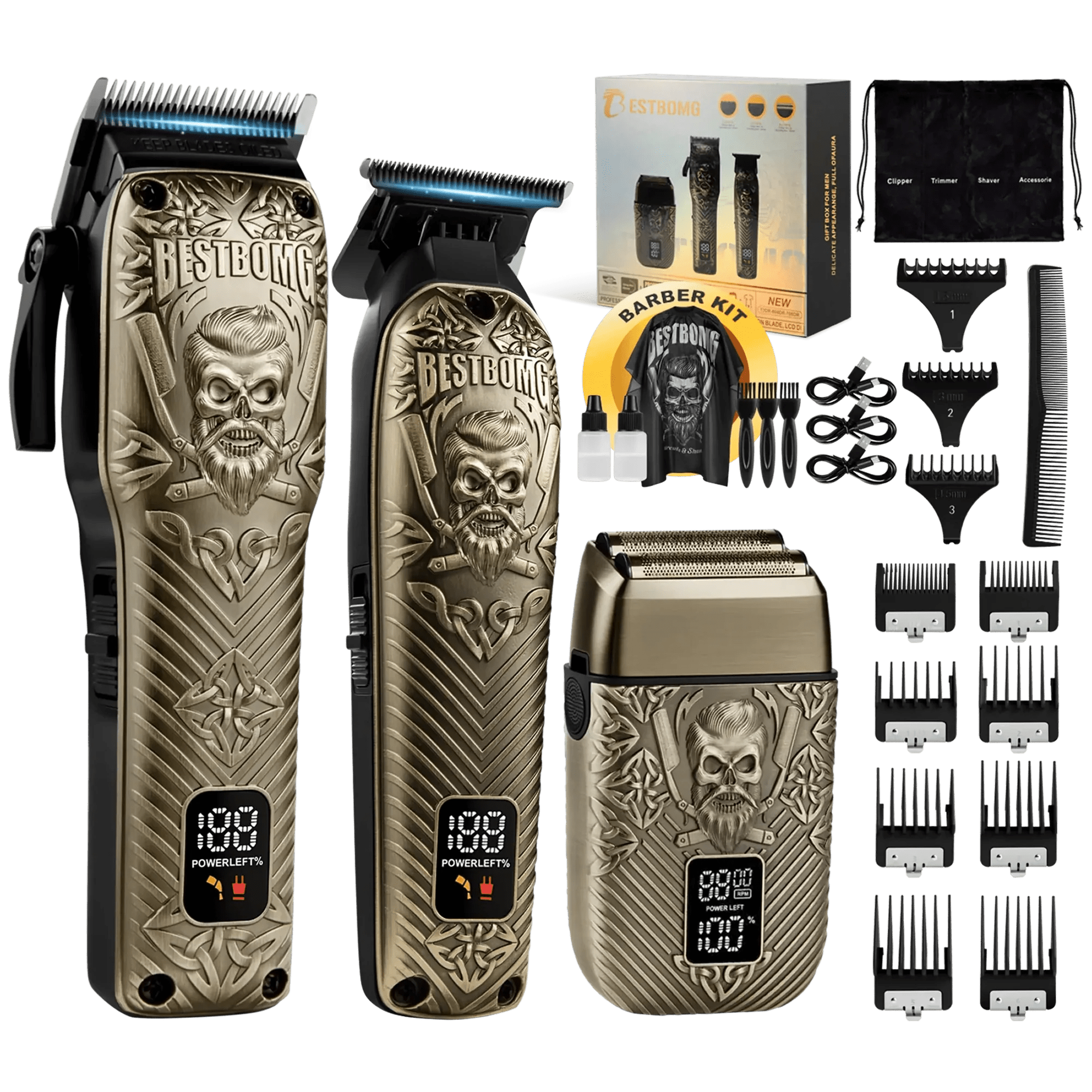
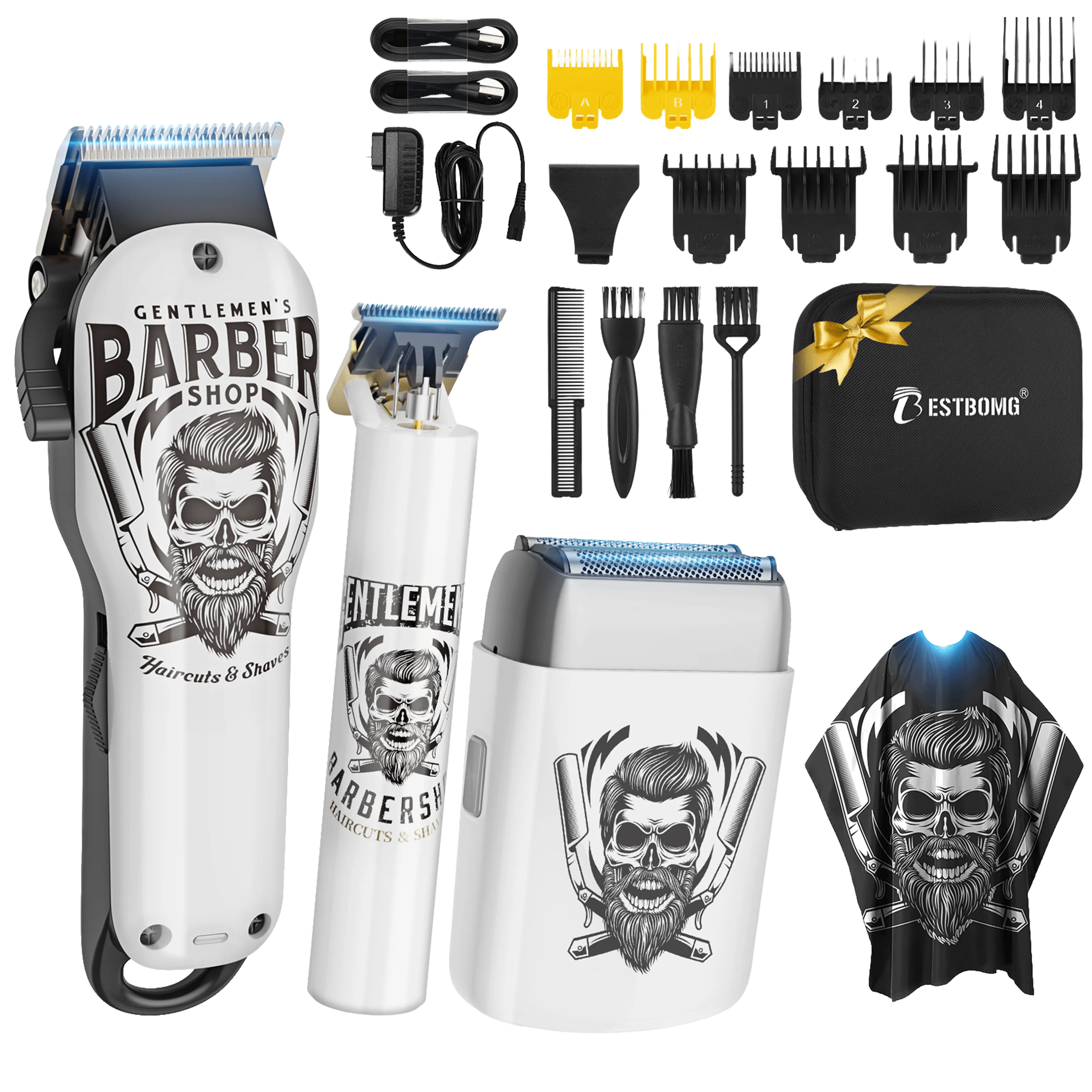
Many grooming kits include both tools, offering maximum flexibility for different styles and areas.
Foil Shaver vs Trimmer: Key Considerations
Foil Shaver Advantages
- Closeness: Delivers the closest electric shave, nearly matching manual razors
- Precision: Straight blade design works well on flat areas like cheeks and jawline
- Gentleness: Foil barrier reduces skin contact, minimizing irritation
Trimmer Advantages
- Length Control: Adjustable guards let you maintain consistent beard length
- Versatility: Handles face, head, and body grooming
- Detail Work: Narrow blades create sharp lines and edges
Bottom Line: If you want smooth skin, choose a foil shaver. If you want to style and maintain hair length, choose a trimmer.
Beard Trimmer vs Shaver for Different Grooming Goals
Goal: Maintain a Full Beard
Tool: Beard trimmer with guards
Why: Keeps beard length consistent, prevents overgrowth, and shapes edges without removing hair.
Goal: Keep Stubble Look
Tool: Beard trimmer with 1mm to 3mm guard
Why: Creates even, short stubble across the face. Shavers would remove all hair.
Goal: Clean-Shaven Face with Beard
Tool: Bothshaver for cheeks and neck, trimmer for beard
Why: Many men prefer a defined beard with clean-shaven surrounding areas. Using both tools delivers professional-looking contrast.
Goal: Smooth Head and Face
Tool: Rotary shaver or dedicated head shaver
Why: Rotary heads navigate scalp curves and deliver smooth results on large areas.
Goal: Body Grooming
Tool: Body trimmer with guards
Why: Trimming body hair to manageable length (3mm to 9mm) is safer and more comfortable than shaving large areas.
Maintenance: Shaver vs Trimmer Care
Electric Shaver Maintenance
Daily:
- Rinse foil or rotary heads under warm water (if waterproof)
- Shake off excess water and air-dry
Weekly:
- Disassemble head and clean with brush or cleaning solution
- Dry thoroughly before reassembling
Every 12–18 Months:
- Replace foil or rotary heads (blades dull over time)
For persistent skin issues, see razor burn prevention tips.
Beard Trimmer Maintenance
After Every Use:
- Brush away hair clippings with cleaning brush
- Wipe blades with dry cloth
Weekly:
- Apply 1–2 drops of clipper oil along blade teeth
- Run trimmer briefly to distribute oil
Every 6–12 Months:
- Replace blades if they snag, pull, or cut unevenly
- Deep-clean with blade wash or isopropyl alcohol
Proper maintenance extends tool life and ensures consistent performance.
Can You Use a Trimmer as a Shaver?
Short Answer: Not effectively.
Trimmers cut hair to a specific length but don't remove it at the skin level. Even with the shortest guard or no guard, trimmers leave visible stubble. If you want a smooth, clean-shaven finish, you need an electric shaver or manual razor.
However: Some advanced trimmers include "zero-gap" blades for very close cutsuseful for fades and tight buzz cuts, but still not as smooth as a shaver.
Choosing the Right Tool for Your Routine
Scenario 1: Professional Office Job, Clean-Shaven
Tool: Foil or rotary electric shaver
Routine: Shave daily before work (5 minutes)
Scenario 2: Bearded with Clean Neck and Cheeks
Tool: Beard trimmer + electric shaver
Routine: Trim beard weekly (10 minutes), shave neck/cheeks every 2–3 days (5 minutes)
Scenario 3: Maintaining Stubble Look
Tool: Beard trimmer with 1mm to 3mm guard
Routine: Trim every 2–3 days (5 minutes)
Scenario 4: Bald Head, Full Beard
Tool: Rotary shaver for head + beard trimmer
Routine: Shave head every 2–3 days (10 minutes), trim beard weekly (10 minutes)
Scenario 5: Body Grooming
Tool: Body trimmer with guards
Routine: Trim chest, back, or pubic area every 2–4 weeks (15 minutes)
Frequently Asked Questions
What's the difference between a shaver and a trimmer?
A shaver removes hair at the skin level for a smooth, clean-shaven finish. A trimmer cuts hair to a specific length using adjustable guards, making it ideal for maintaining beards, stubble, and body hair.
Can I use a beard trimmer for a close shave?
No. Beard trimmers maintain length but don't cut hair flush with the skin. For a smooth, clean-shaven finish, you need an electric shaver or manual razor.
Which is better for sensitive skin: shaver or trimmer?
An electric shaver is better for sensitive skin when you want a close shave, as foil shavers create a barrier between blades and skin. However, if you prefer keeping facial hair, a trimmer avoids shaving irritation entirely by maintaining length.
Do I need both a shaver and a trimmer?
It depends on your grooming style. If you maintain a beard but want a clean-shaven neck and cheeks, you need both. If you're always clean-shaven or always bearded, one tool suffices.
Can I use a hair clipper as a beard trimmer?
Yes, but it's less precise. Hair clippers have wider blades designed for bulk cutting on the scalp. Beard trimmers offer finer control and narrower blades for facial detail work.
How long do electric shavers and trimmers last?
With proper maintenance, electric shavers last 3–5 years (replace foils/heads every 12–18 months). Beard trimmers last 5–7 years (replace blades every 6–12 months).
Conclusion
Understanding the difference between a shaver and a trimmer helps you build a grooming routine that matches your style and saves time. Shavers deliver smooth, clean-shaven results for face and head, while trimmers maintain beard length, shape edges, and handle body grooming. Many men benefit from owning both tools using a trimmer for beard maintenance and a shaver for clean-shaven areas.
Ready to upgrade your grooming toolkit? Explore beard trimmers and electric shavers designed for precision, comfort, and long-lasting performance.

Looking for something else?

How to Cut Baby Boy Hair with Clippers: Step-by-Step Guide
LEARN MORE
Do Hair Clippers Get Dull? Causes, Signs & Prevention
LEARN MORE
Can an Electric Shaver Cut You? Safety Facts & Prevention
LEARN MORE
How to Shave Balls with Electric Shaver: Safe Guide
LEARN MORELooking for something else?

Does Using Trimmer Increase Hair Growth? Facts & Myths
LEARN MORE
Best Hair Clippers for Men: Top Picks for Home & Pro Use
LEARN MORE
Best Professional Hair Clippers for Barbers: Top Picks
LEARN MOREYou may also like


Further reading
Best Hair Clippers for Perfect Fades at Home
Clipper Lever Open vs Closed: What It Means (with mm)
Why You Need a Cordless Detailer Trimmer (And How to Pick the Right One)