





Cordless vs Corded Clippers: Which Should You Buy?

The cord question comes up every time someone buys a new clipper. Cordless clippers vs corded — and neither answer is obviously correct. Both types do the same job. They do it differently, and the right choice depends on specifics about how and where you cut hair, not on which type is objectively better. This guide goes through the actual tradeoffs: power delivery, battery management, motor types, hair compatibility, maintenance, and the use cases where each type wins clearly.
What's Actually Different Between Corded and Cordless Clippers

The power source. That's the fundamental mechanical difference. Corded clippers draw from the electrical grid continuously through a direct AC connection. Cordless clippers draw from a lithium-ion battery until it depletes, then require recharging before the next session.
That single difference produces a cascade of downstream effects: on motor design, on weight, on mobility, on cost, on maintenance, and on how you plan your working day. Understanding those downstream effects is what a good comparison of cordless clippers vs corded is actually about — not just listing pros and cons. The hair clipper overview covers the mechanical history that explains why this split developed in professional barbering.
|
Feature |
Corded Clippers |
Cordless Clippers |
|
Power delivery |
Unlimited — draws directly from AC grid the entire session |
90–180 min per charge on lithium-ion; consistent power until ~15% remaining |
|
Motor torque on thick hair |
Maintains full torque indefinitely on dense or coarse hair |
Premium brushless models match corded power; budget models may drop on thick hair near depletion |
|
Mobility |
8–10 ft radius; cord can catch on chair or create trip hazard |
Full 360-degree freedom; no cord to manage during tight fade angles |
|
Weight |
Lighter — no battery (typically 2–4 oz less) |
Heavier by battery weight; premium models still feel balanced for daily use |
|
Cost |
Lower upfront; no battery replacement over time |
Higher upfront; battery replacement after 2–4 years of professional use |
|
Best use case |
High-volume shops, all-day professional use, very thick or dense hair |
Home users, mobile barbers, fade specialists, self-cutting |
|
Maintenance |
Oil blades daily; don't coil the cord tightly for storage |
Oil blades daily; charge after each session; store at 40–60% charge if storing |
The table above captures most of it. The sections below go deeper on the factors that actually determine which type suits your specific situation.
The Case for Corded Clippers

Corded clippers have two things going for them that battery technology cannot fully replicate. First, they never run out of power. Second, the motor runs at full torque the entire time — from the first cut of the day to the last. That matters specifically in two situations.
High-volume professional work. A barber doing 12 to 15 cuts per day on back-to-back clients needs a tool that can run for 6–8 hours without an interruption for charging. No cordless clipper does this reliably without active battery management — rotating clippers, docking between clients, or keeping a backup charged. A corded clipper eliminates all of that. You plug it in and it runs.
Very thick or coarse hair. Dense hair demands more motor torque than fine hair. Sustained torque under load is where corded clippers maintain their engineering advantage. The motor draws exactly as much power from the grid as the hair requires. A cordless model at 20% battery on a thick head of hair will drag — not catastrophically, but noticeably.
The tradeoff is the cord. An 8–10 foot cord restricts your working radius. It can catch on the chair arm during a fade, create a trip hazard in a busy shop, and make certain cutting angles awkward — especially at the back of the head when the cord is pulling away from you. These are real inconveniences that corded users manage through habit and cord discipline, but they don't disappear.
|
Cost note: Corded clippers are generally less expensive upfront because they don't include battery cells, charging circuitry, or motor controller electronics. Simpler mechanical design = fewer failure points over the tool's lifetime. |
The Case for Cordless Clippers

Cordless clippers win on mobility, and that's not a minor thing. Moving freely around a client without a cord affects cutting angles, transition speed between sides, and fade quality at the back of the head. Many barbers who make the switch report that their work feels smoother — not because the motor improved, but because they stopped thinking about the cord.
The 'cordless clippers lose power as the battery drains' concern is accurate for budget models with older battery management systems. For current-generation lithium-ion tools with smart power regulation, it's largely not true. Premium models — Andis, Wahl 5-Star, BaBylissPRO — maintain consistent cutting power until the battery reaches approximately 10–15% remaining, at which point power drops noticeably. Below 20% is when you should stop and dock, not below 80%.
Battery runtime has also improved meaningfully. Modern professional cordless models run 90–180 minutes on a full charge. At 120 minutes on standard hair, that's 5–6 full cuts. At 180 minutes, it's 7–9 cuts. For a home user cutting their own hair once a week, one full charge lasts several weeks between sessions.
The real cost premium is real. You're paying for the battery technology, charging circuitry, and the more expensive brushless motor design that makes consistent cordless performance possible. That upfront gap is typically $30–$80 on comparable tools. And plan for eventual battery replacement — lithium-ion batteries degrade after 500+ charge cycles, which is approximately 2–4 years of professional daily use.
Key Technical Factors: Motors, Batteries, and Ergonomics

Motor types and what they mean for daily use
Corded clippers traditionally use electromagnetic (pivot) motors or universal motors — fast, reliable, and designed to run on steady AC current indefinitely. Cordless clippers use rotary motors or, in current premium models, brushless motors that handle the variable voltage of battery discharge without the power fluctuation that older cordless designs suffered from. See adjustable clippers with taper lever for how taper lever mechanics interact with both motor types on a working station.
The practical upshot in 2026: the top-tier brushless cordless motors match corded RPM specs. The Andis Master Cordless runs at 7,200 RPM — identical to the corded version. Wahl's Magic Clip Cordless runs at 6,000 RPM, exceeding the corded Wahl Senior's electromagnetic motor. The old 'cordless is weaker' rule no longer applies to premium tools. It does still apply to budget cordless models with non-brushless motors, which is why the quality gap between entry-level and professional cordless clippers is wider than the gap between entry-level and professional corded clippers.
Battery life and the real-world math
The runtime figures manufacturers advertise are based on ideal conditions — light hair, full charge, no motor strain. Real-world runtime on thick or coarse hair is typically 20–30% lower than the advertised spec.
|
Use Type |
Cuts per Charge (estimate) |
Practical Note |
|
Fine/thin hair, 15–20 min cuts |
7–9 cuts per 120-min charge |
Battery anxiety is not a realistic concern for this use case |
|
Standard mixed hair, 20–25 min cuts |
5–6 cuts per 120-min charge |
Charge overnight and most professionals are covered for a half-day |
|
Thick/dense hair, 25–35 min cuts |
3–4 cuts per 120-min charge |
High-volume professionals should use a dock or keep a second clipper charged |
|
Home user, self-cut once a week |
Charge every 3–6 weeks typical |
A single charge typically covers 2–4 weeks of casual personal use |
For a professional context: a barber doing 10–12 full cuts per day on mixed hair types needs approximately 200–300 minutes of runtime. No single cordless battery covers that without a recharge. The practical solutions are a charging dock that refills the battery between clients (15–30 minutes for a significant charge boost), rotating between two clippers, or keeping a corded model for heavy use.
Weight, balance, and hand fatigue
Batteries add 2–4 oz to a cordless clipper's weight. That's meaningful over an 8-hour shift. Repeated grip pressure on a heavier tool increases cumulative wrist and forearm strain — a consideration that matters more in professional daily use than in occasional home use.
Where cordless often compensates: without the cord pulling away from the tool, the grip can be lighter. You're not counterbalancing the cord weight at awkward angles. Many barbers report the overall feel is comparable despite the battery weight, particularly on designs where the battery sits at the base of the handle rather than the head.
Cordless vs Corded: Which Is Right for Your Situation?

The decision depends almost entirely on how you answer a few specific questions about your work.
|
Your Situation |
Recommended Type |
|
Professional barber, busy shop, 8+ clients per day |
Corded as primary workhorse + one cordless for fading. Don't rely on cordless alone without a charging dock or backup. |
|
Home user, self-cutting every 1–2 weeks |
Cordless. Battery lasts multiple sessions between charges. Mobility makes self-cutting significantly easier. |
|
Mobile barber — house calls, outdoor events |
Cordless only. Extension cord logistics at client locations are impractical and unprofessional. |
|
Fade specialist — most work is blending and tapering |
Cordless preferred. No cord drag during the small-angle transitions that define a clean fade. |
|
Heavy bulk removal on thick, dense hair all day |
Corded first. Sustained AC torque outperforms battery models under prolonged heavy load. |
|
The honest summary: The barber who says 'cordless is always better' and the barber who says 'corded is always more reliable' are both describing their own specific use case. Neither is describing a universal rule. |
The Hybrid Approach Most Experienced Barbers Actually Use

Walk into any professional barbershop in 2026 and look at what's actually on the stations. Most experienced barbers have both. One corded unit — typically an Oster Classic 76 or Wahl Senior — for heavy bulk removal on the initial cut, particularly on dense or thick hair. One or two cordless units for the fading, blending, and finishing phase where mobility and precision matter more than raw torque.
This is exactly what corded vs cordless clippers explained by Wahl recommends as the professional setup: each type serves a specific role rather than one attempting to cover everything. The Reddit barber community discussion on this question consistently reaches the same conclusion — 'get both' is the most common answer from barbers who have tried exclusively one or the other.
For a home user, the hybrid approach is overkill. One quality cordless clipper is almost always the right answer. But for anyone working professionally, the question isn't 'which is better' — it's 'which do I need at which point in the service.'
Hair Type Changes the Calculation Too

Thick, dense, or coarse hair
Dense hair demands motor torque. Cutting through a full head of thick, tightly-coiled hair or a very dense beard requires sustained power that doesn't fluctuate. A corded clipper provides this without reservation. A premium cordless model provides this at above 30% battery. A budget cordless model at any battery level may struggle.
If the majority of your clients have thick, dense hair — or if you're cutting your own thick hair — corded clippers have a genuine performance advantage that isn't negated by premium cordless pricing. The motor simply has more power available from the grid than a battery can consistently deliver under sustained heavy load.
Fine, thin, or straight hair
Light hair is much less demanding on the motor. Any quality cordless clipper cuts fine hair cleanly throughout the full battery cycle with no perceptible power difference. The choice between corded and cordless for this use case is entirely about mobility preference and convenience, not cutting performance.
Fades on all hair types
The fading technique itself — the slow guard progression, the blending passes, the transitions at the skin line — favors cordless for the mobility reason. You're making many small, precise movements at various angles around the head. No cord to catch. Most fade specialists use cordless for this phase regardless of hair type.
Maintaining Whichever You Choose

Daily oiling is universal. Both corded and cordless clippers need 2–3 drops of blade oil after every use. Under-oiled blades run hot, dull faster, and pull hair instead of cutting it. This is the single maintenance action that most directly affects cut quality and blade lifespan.
For the full cleaning and oiling routine, see how to clean hair clippers (step by step) — applicable to both corded and cordless models.
Corded-specific maintenance
The cord is the failure point. Don't coil it tightly for storage — tight coiling stresses the internal wiring at the connection points over time, eventually causing intermittent power or complete failure. Let the cord hang loosely in large loops. Inspect the cord connection at both the clipper end and the wall end periodically for kinking, fraying, or exposed wire. A frayed cord should be replaced, not taped.
Cordless-specific maintenance
Lithium-ion battery management makes a real difference in how long the battery lasts. Charge after each use rather than letting the battery drain completely — repeated full discharge cycles accelerate lithium-ion degradation. Store at 40–60% charge if you're putting the clipper away for a week or more. Avoid leaving it on the charger continuously after reaching full charge, though modern chargers with trickle-charge management handle this automatically.
Signs a battery is approaching end-of-life: runtime has dropped to less than 60% of the original spec, the clipper powers down unexpectedly during use, or the battery case feels warm when charging. Most manufacturers sell replacement battery packs, typically for $20–$50, which is much cheaper than replacing the full clipper.
|
Battery recycling: When a lithium-ion battery from a clipper reaches end of life, don't put it in regular trash. Most hardware stores and electronics retailers have drop-off bins for lithium-ion battery recycling. It's a 60-second detour that keeps a fire risk out of landfills. |
Bestbomg Options for Corded and Cordless Setups
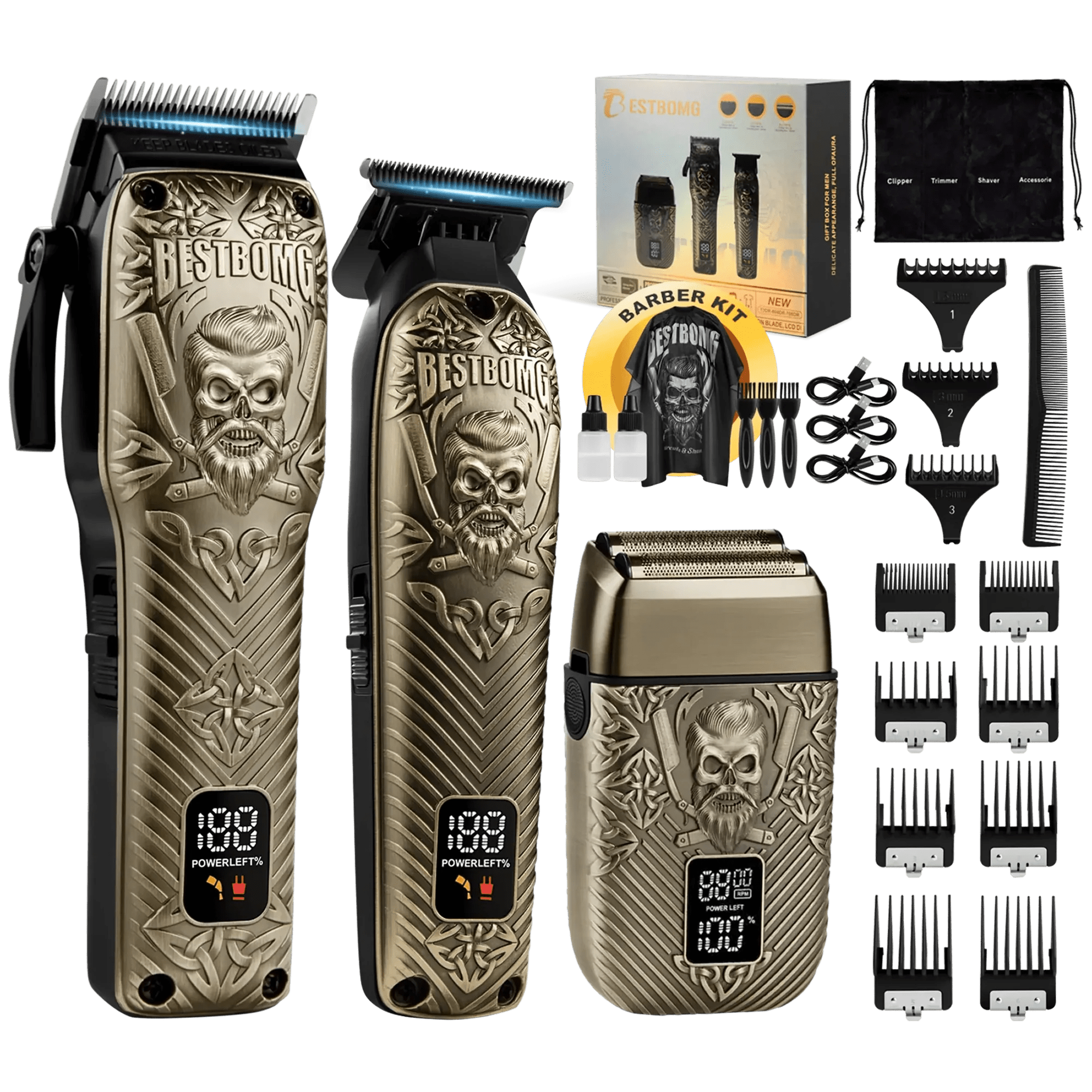
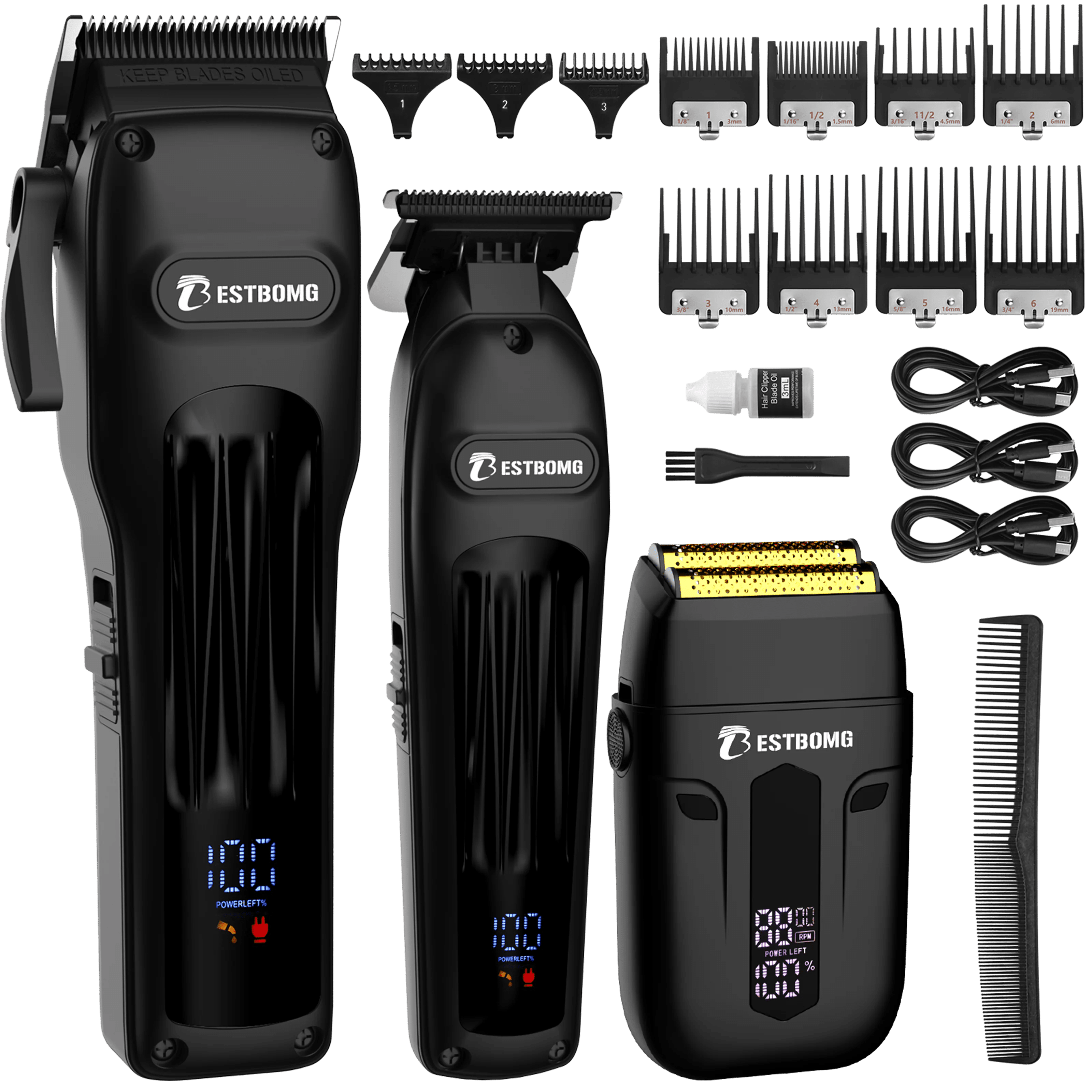
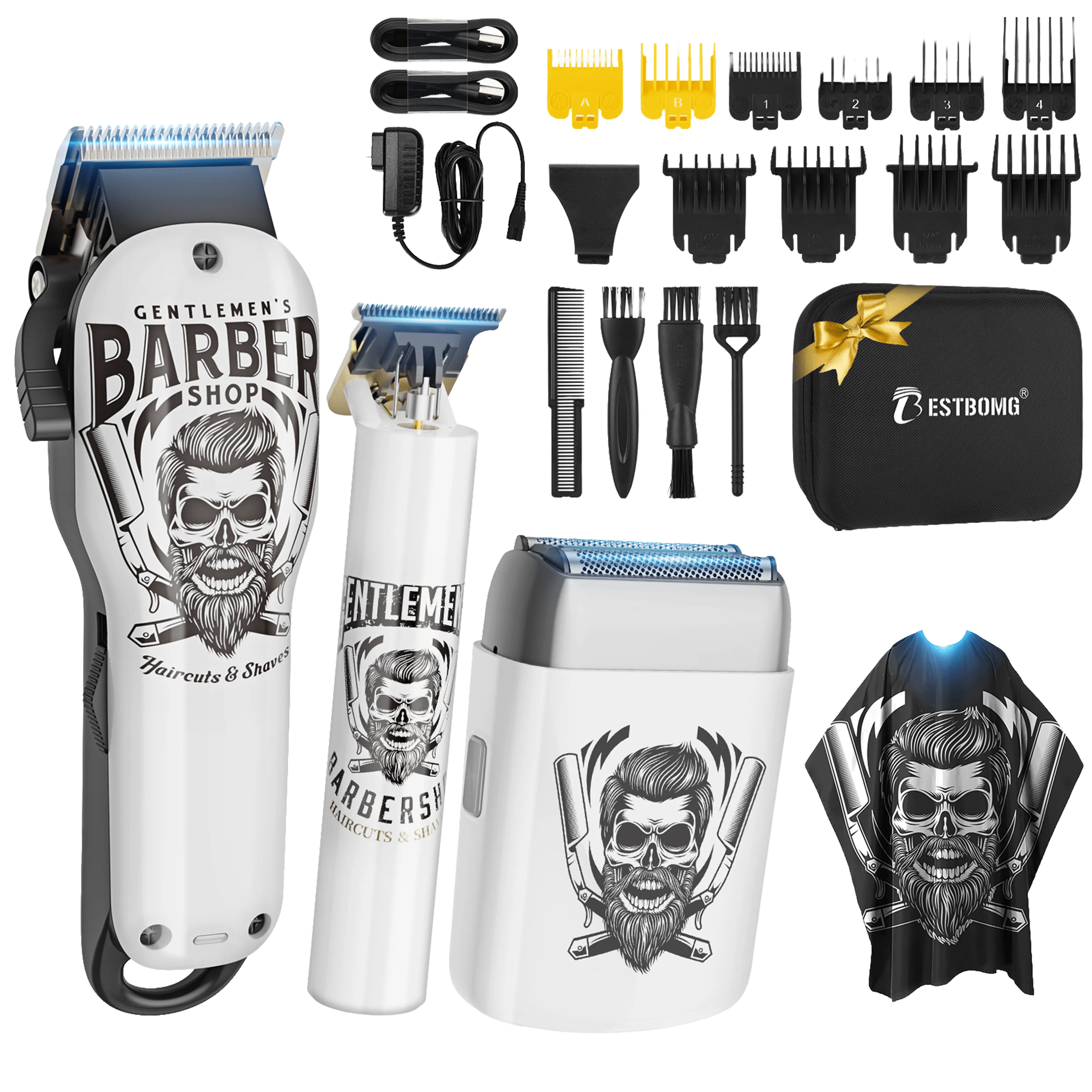
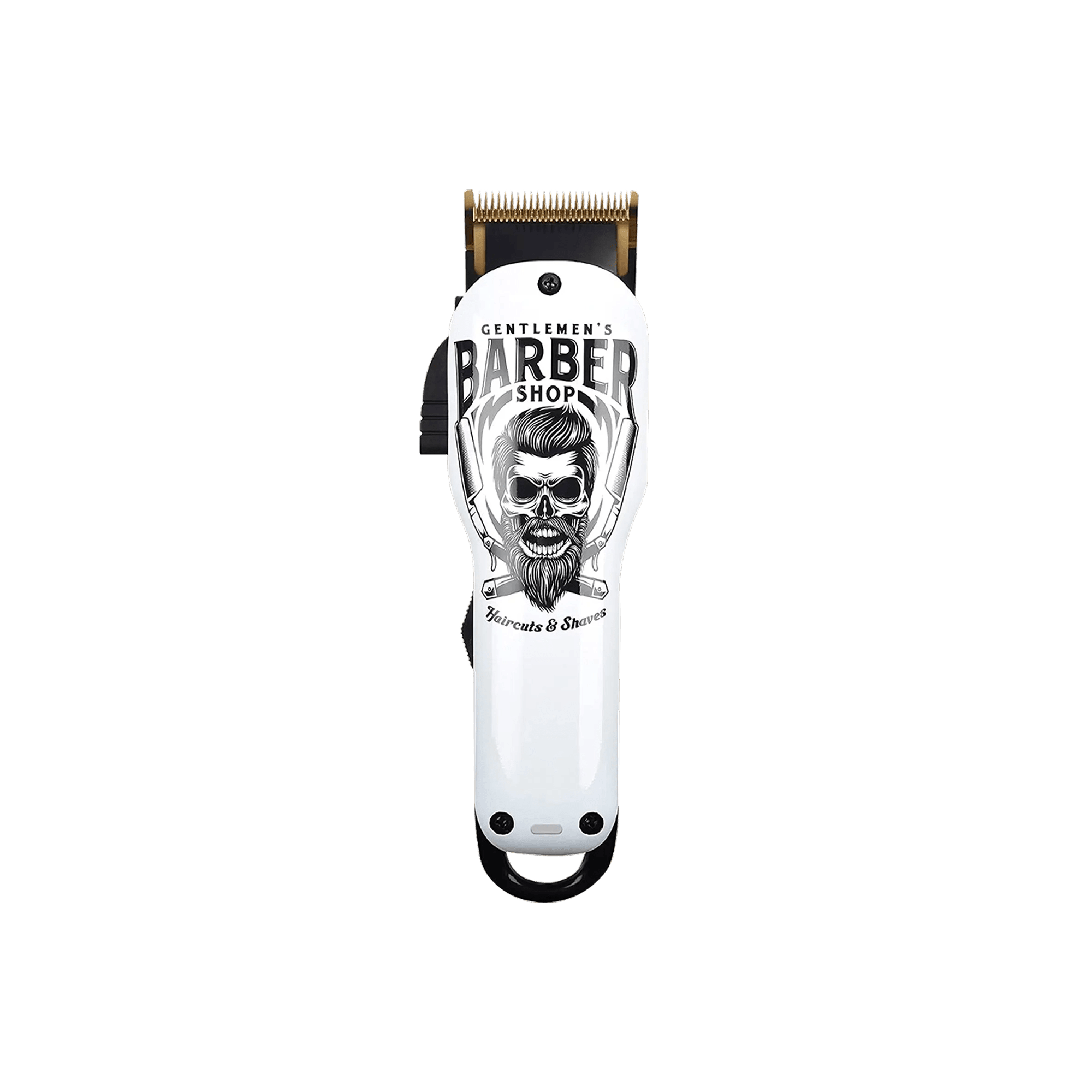
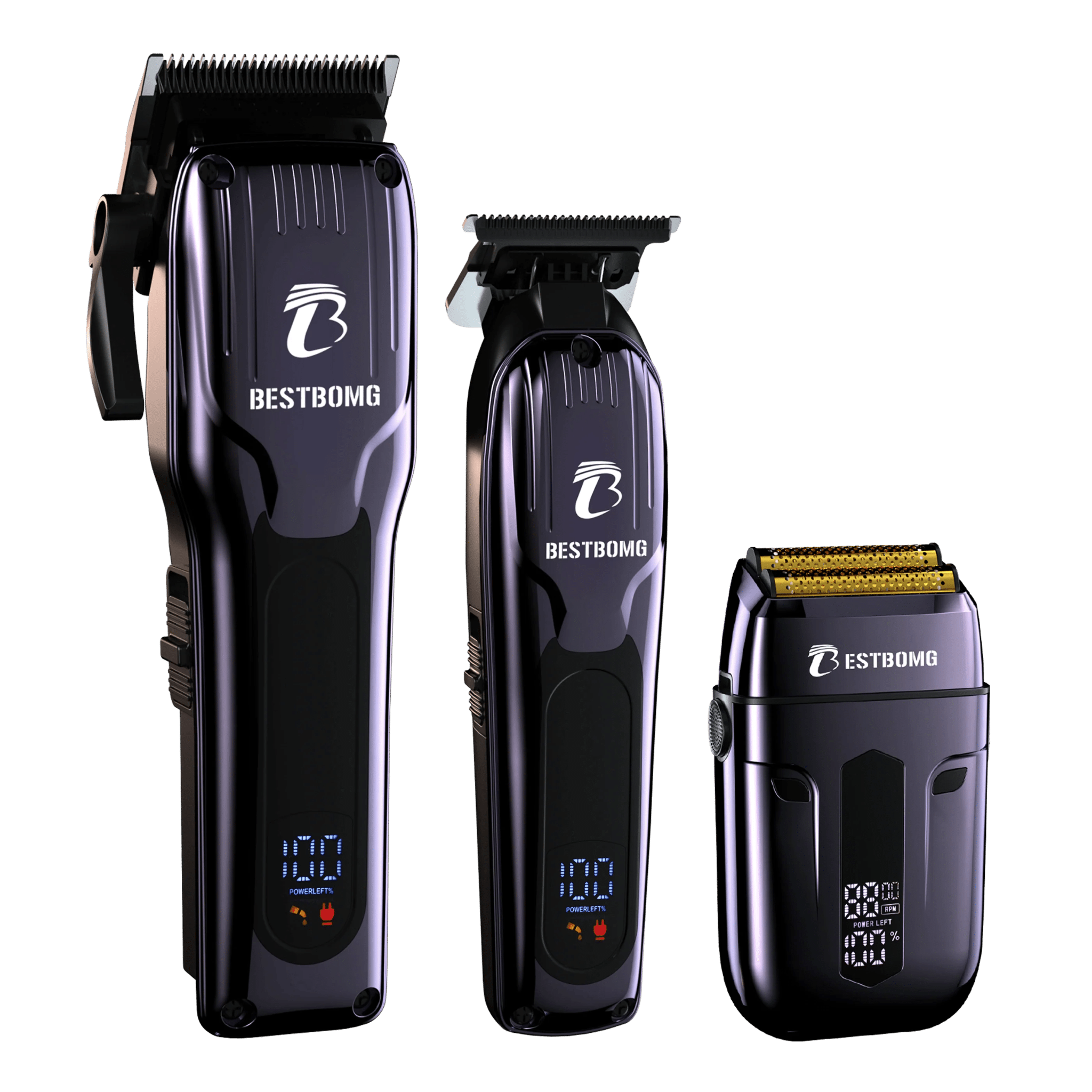
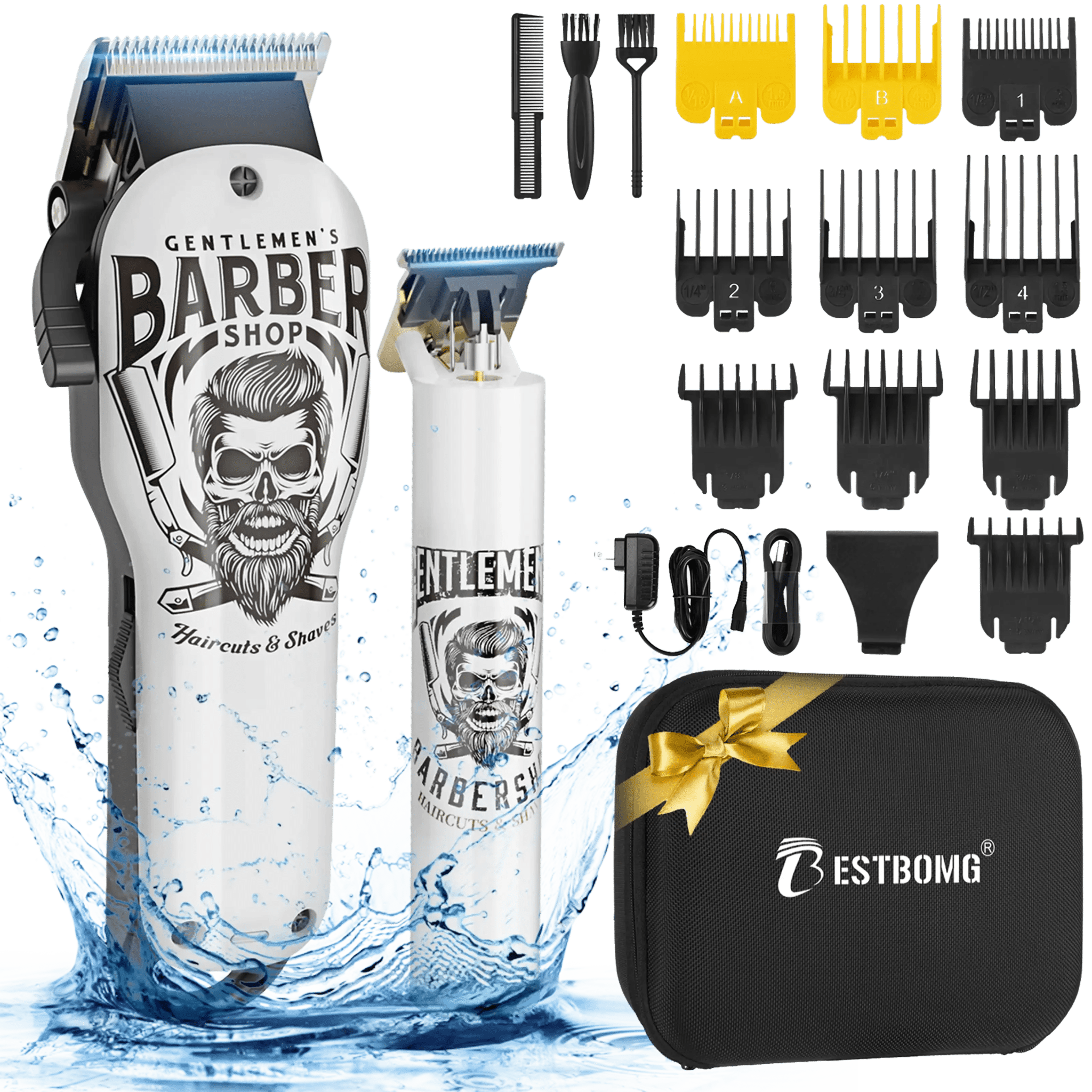
For barbers or home users building a practical cutting kit, Bestbomg's cordless hair clippers for home use range covers both cordless models with brushless motors and standard corded designs — priced for users who want professional build quality without the premium brand markup that inflates prices on the flagship models from Andis, Wahl, and BaBylissPRO.
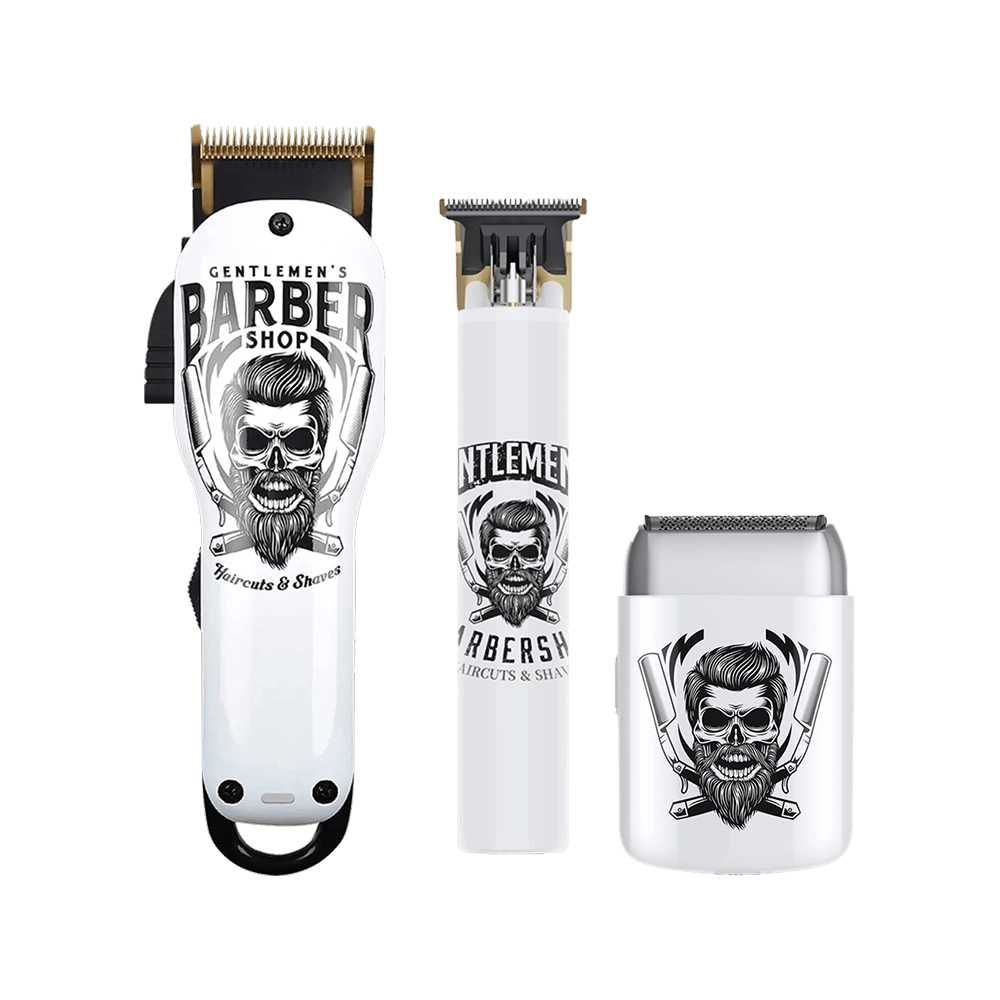
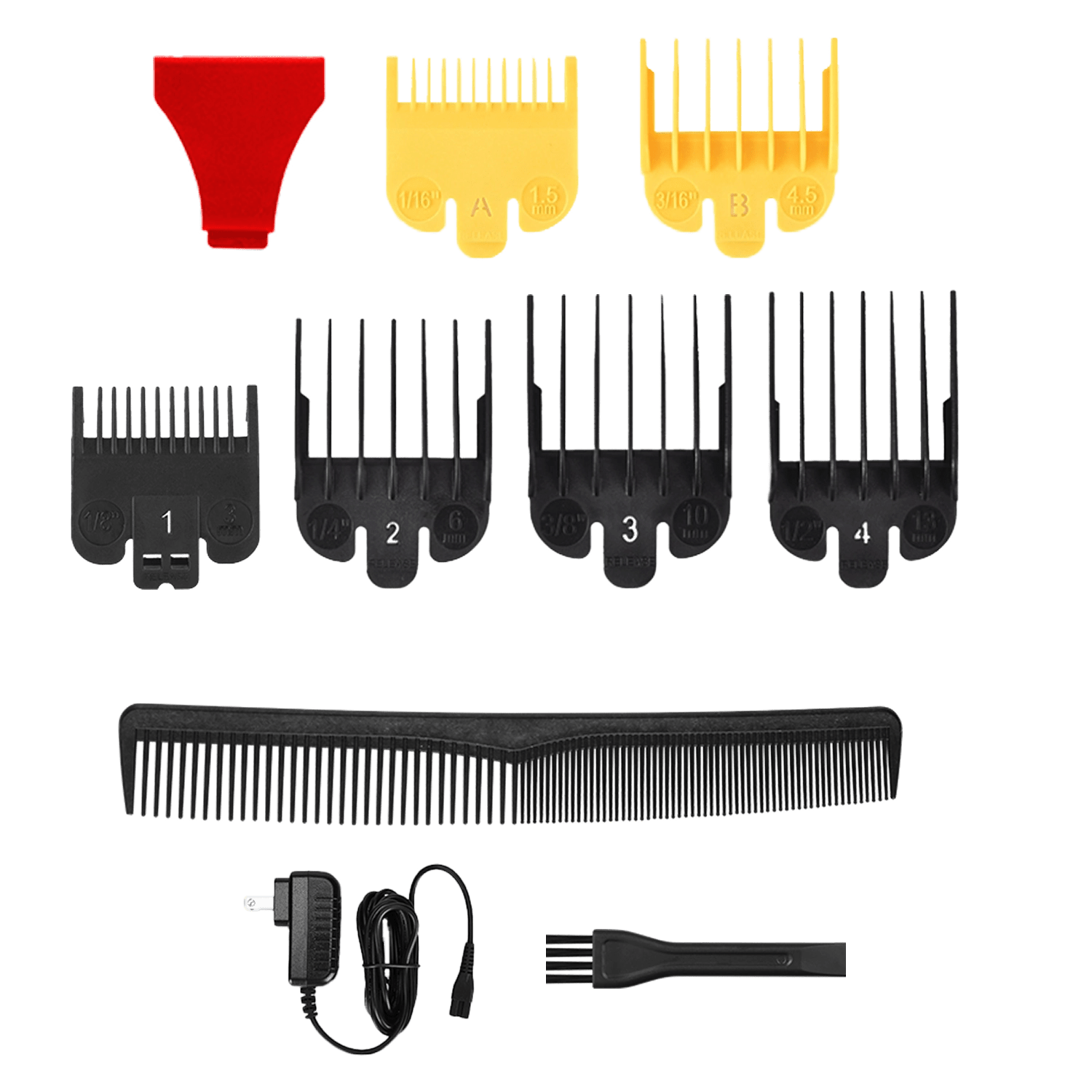
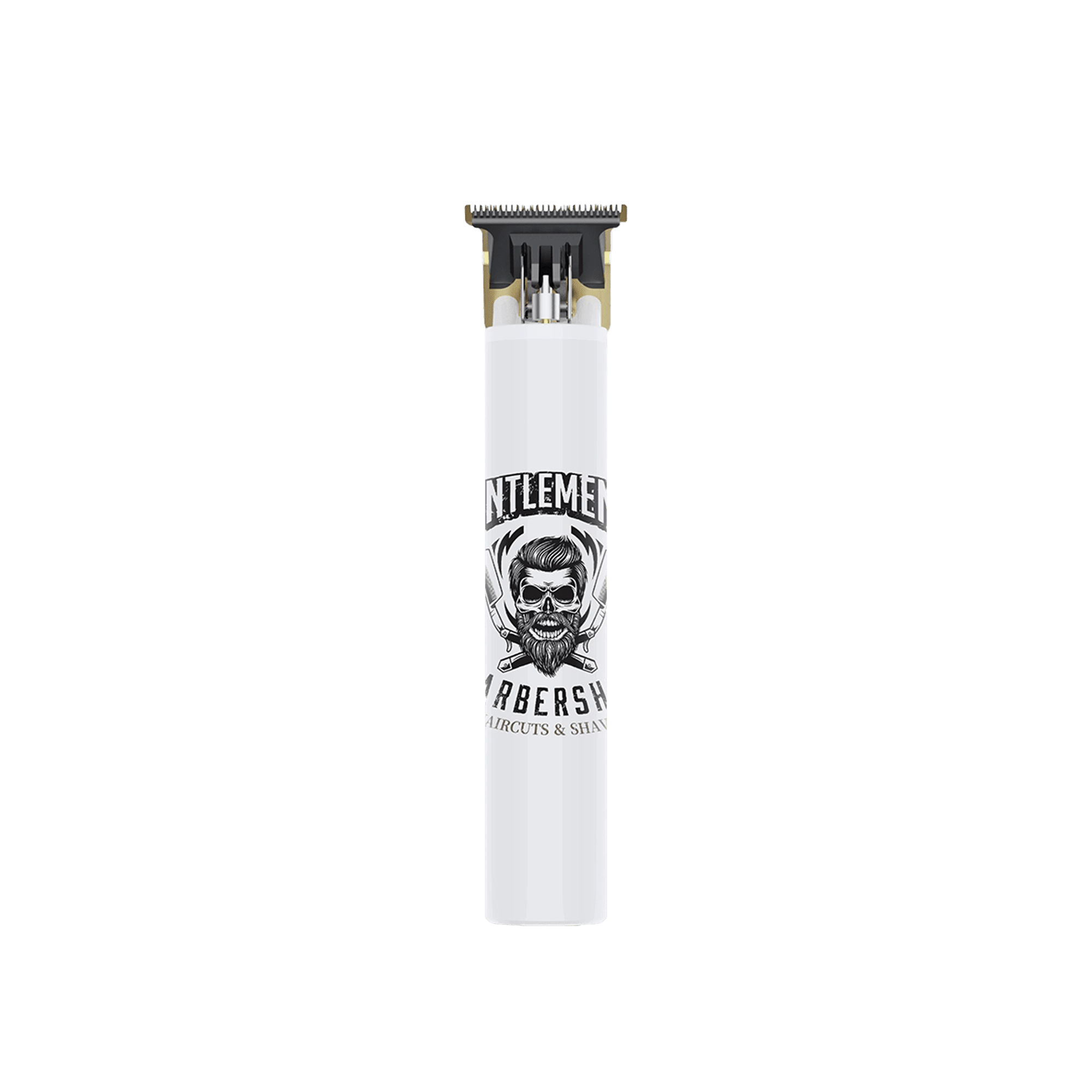
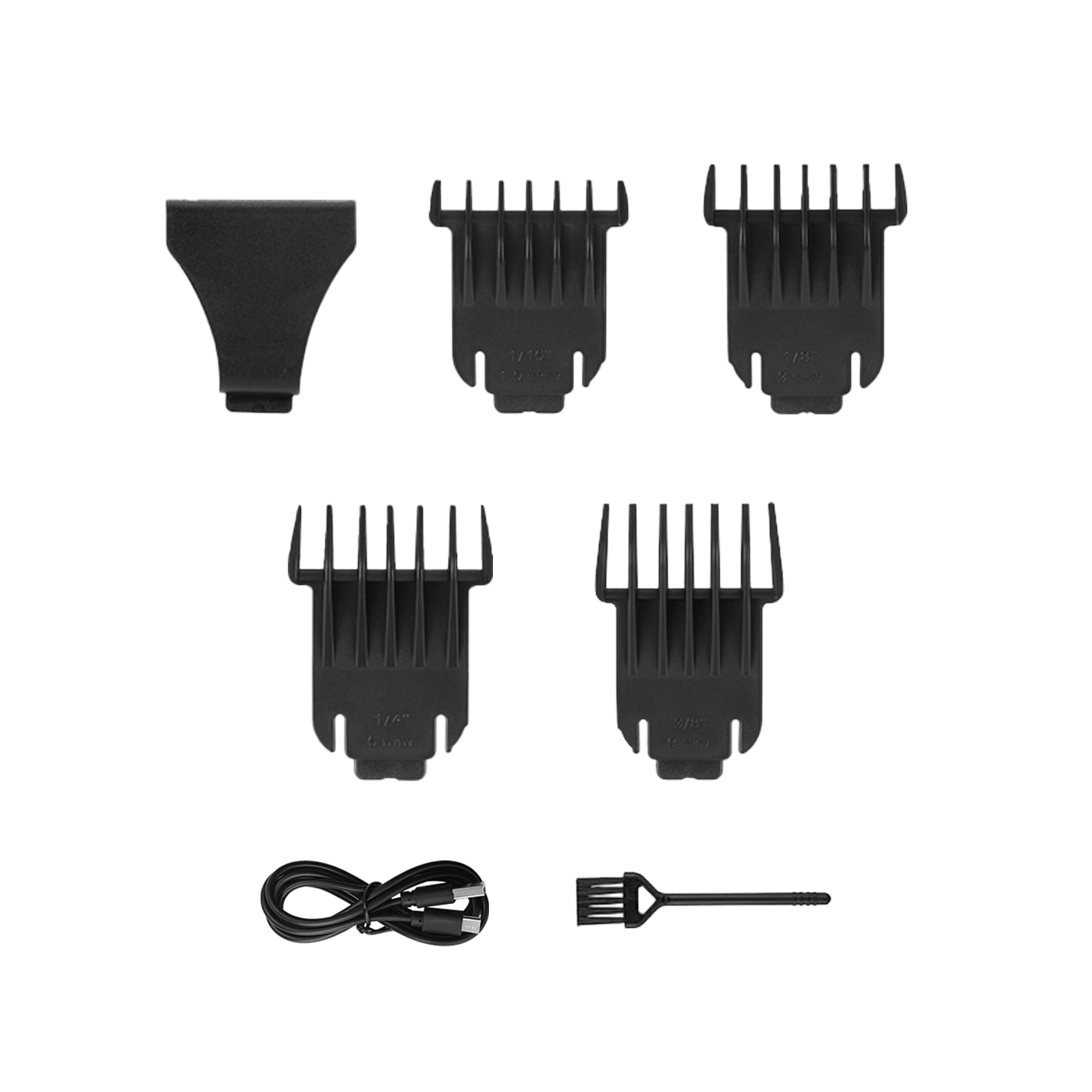
The BS-808C kit ships as a complete matched setup — clipper, trimmer, guards, blade oil, and cleaning brush. For someone building their first real home setup or upgrading from a box-store clipper that's been pulling instead of cutting, this is the sensible starting point. Everything works together from day one. Free US shipping and 12-month warranty on every order.
Conclusion
Cordless clippers vs corded isn't a debate that has a universal winner. It has a correct answer for each specific use case. Home users almost always benefit more from cordless — the mobility makes self-cutting easier and battery life isn't a real constraint on weekly personal use. Mobile barbers need cordless. Professional barbers doing high-volume work on thick hair benefit from corded reliability, ideally alongside a cordless tool for the fade and finish work.
The hybrid approach isn't hedging — it's the solution that professional experience actually points toward. One corded workhorse, one or two cordless tools, and both maintained properly. That combination handles any haircut situation without the limitations of either type becoming a problem.
Browse the Bestbomg hair clippers range to see both corded and cordless options, matched accessories, and complete kit setups.
FAQs
Which is better — corded or cordless hair clippers?
Neither is universally better. Corded wins for high-volume professional use and thick hair. Cordless wins for home users, mobile barbers, and fade work where mobility matters. Most experienced barbers use both.
Is corded more powerful than cordless?
Corded clippers maintain full motor power indefinitely. Premium brushless cordless models now match corded RPM specs and maintain consistent cutting until the battery drops to 10–15%. Budget cordless models degrade faster under load and at lower charge levels.
Do most barbers use cordless clippers?
The trend is heavily cordless in most barbershops, but most professionals also keep at least one corded model for heavy bulk removal. 'Most barbers use cordless exclusively' overstates it — the accurate version is 'most use primarily cordless.'
Are cordless clippers worth the higher price?
For home users: yes, because the mobility advantage is significant and battery life is rarely a constraint. For professional daily use: yes, with the caveat that you need a charging strategy and should budget for battery replacement every 2–4 years.
Do cordless clippers lose power as the battery drains?
On premium lithium-ion models with smart battery management: no noticeable drop until approximately 10–15% remaining. On budget models with older battery technology: gradual decline starts earlier. This is the main reason why premium cordless costs significantly more.
How long do cordless clipper batteries last?
90–180 minutes of runtime depending on model and hair type. Battery lifespan across charge cycles: approximately 2–4 years of professional daily use, longer for home users who charge weekly.
Can cordless clippers be used while charging?
Some models offer corded/cordless hybrid mode — they'll run while plugged in even if the battery is depleted. Check the spec sheet for the specific model, as most cannot. Using a clipper while charging can reduce battery lifespan on models not designed for it.
Why do some barbers still prefer corded?
Unlimited runtime, full motor torque on thick hair, lower cost, and no battery management required. For barbers who work 8+ hour days in a stationary shop with good outlet placement, the cord is a manageable inconvenience compared to battery anxiety.
What is the 3-2-1 rule for haircuts?
A fading technique: three guard lengths to create the progression, two tools (clipper and trimmer) to handle bulk and detail separately, combined into one seamless blend. The trimmer step is where cordless wins on precision.
Sources
1. Wahl Australia — Corded or Cordless Clippers (pros and cons overview with guidance on battery replacement and maintenance), au.wahl.com.
2. BarberSets — Comparison of Barber Clippers: Corded vs Cordless (in-depth professional barber perspective on use cases, maintenance, and hybrid strategies), barbersets.com, November 2024.
3. Supreme Trimmer — Guide to Choosing Corded vs Cordless Clippers (barber tool comparison covering battery management, portability, and professional workflow), supremetrimmer.com.
4. Wikipedia — Hair clipper (overview of clipper history, motor types including electromagnetic, pivot, rotary, and brushless designs), wikipedia.org.
5. Wikipedia — Battery recycling (disposal and recycling of lithium-ion batteries including those from cordless grooming tools), wikipedia.org.

Looking for something else?

How to Cut Baby Boy Hair with Clippers: Step-by-Step Guide
LEARN MORE
Do Hair Clippers Get Dull? Causes, Signs & Prevention
LEARN MORE
Can an Electric Shaver Cut You? Safety Facts & Prevention
LEARN MORE
How to Shave Balls with Electric Shaver: Safe Guide
LEARN MORELooking for something else?

Does Using Trimmer Increase Hair Growth? Facts & Myths
LEARN MORE
Best Hair Clippers for Men: Top Picks for Home & Pro Use
LEARN MORE
Best Professional Hair Clippers for Barbers: Top Picks
LEARN MOREYou may also like


Electric Shaver Y4


Y4T9 Easy Start Kits
Further reading
Best Hair Clippers for Perfect Fades at Home
Clipper Lever Open vs Closed: What It Means (with mm)
Why You Need a Cordless Detailer Trimmer (And How to Pick the Right One)