






What Does a Foil Shaver Do? Complete Beginner's Guide
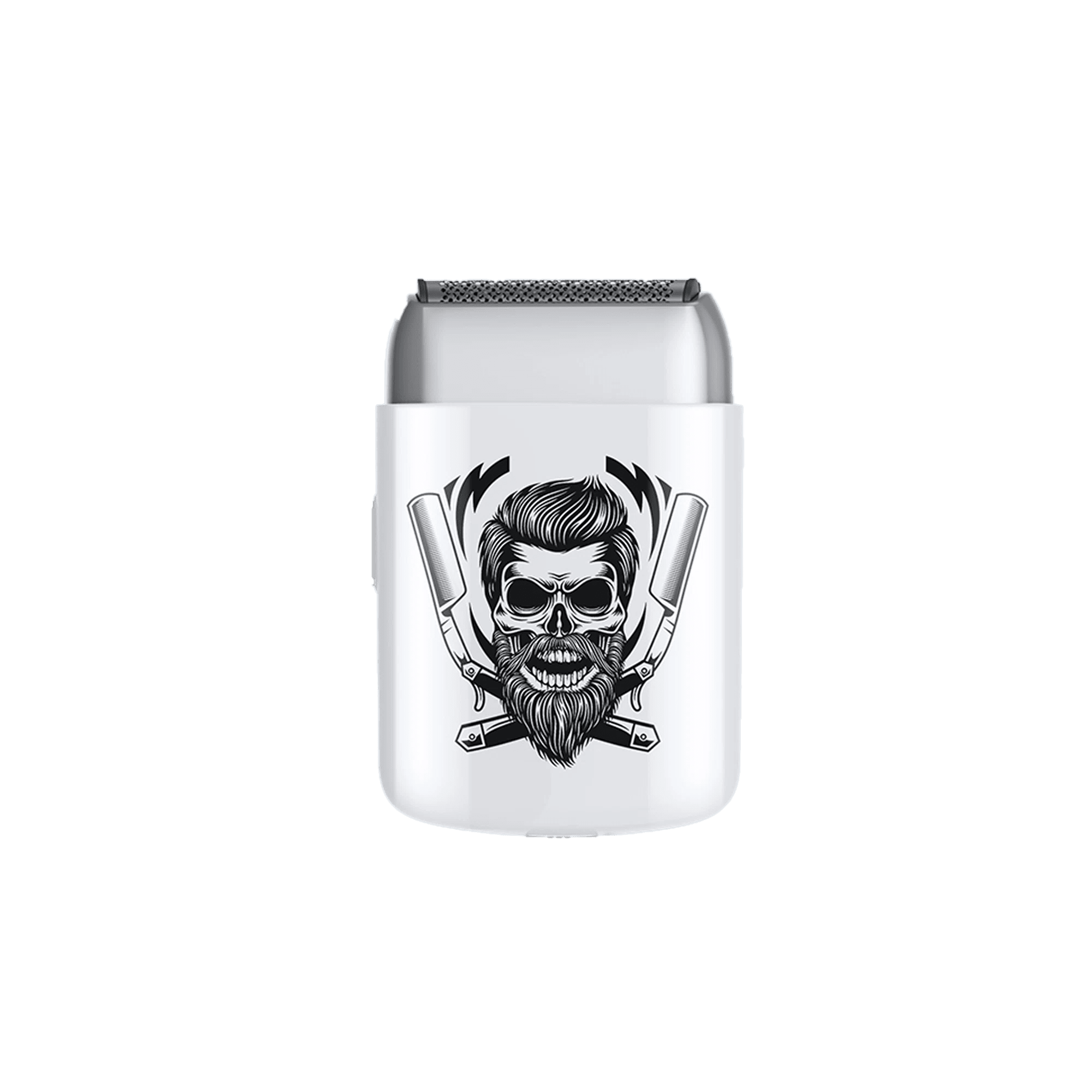
A foil shaver uses oscillating blades hidden beneath a thin, perforated metal screen (the foil) to lift and cut hair close to the skin. The foil acts as a protective barrier, reducing direct blade contact and minimizing irritation, making foil shavers ideal for sensitive skin, daily shaving, and achieving smooth results on flat facial areas like cheeks and jawlines.
For gentle, close shaves with minimal irritation, explore foil shavers designed for everyday use and sensitive skin.
How a Foil Shaver Works
The Cutting Mechanism
Foil shavers feature:
- Perforated metal foil: A thin screen with tiny holes that lifts hair away from skin
- Oscillating blades: Blades move rapidly back and forth beneath the foil (10,000–14,000 vibrations per minute)
- Cutting action: Hair enters through foil perforations and is cut by the moving blades
The foil's protective barrier ensures blades never touch skin directly, reducing nicks, cuts, and razor burn.
Single vs. Multi-Foil Systems
Single Foil:
- One cutting head with one foil screen
- Narrower cutting area
- Best for detail work and touch-ups
Double or Triple Foil:
- Two or three cutting heads side by side
- Wider coverage for faster shaving
- Better for full-face shaves
Flexible Foils:
- Foils that pivot and flex to follow facial contours
- Reduce missed spots on curves and angles
What Does a Foil Shaver Do Best?

Close, Comfortable Shaves
Foil shavers excel at cutting hair very close to the skin (0.05–0.1mm stubble) while protecting skin from blade contact. This makes them ideal for men who shave daily and want smooth results without irritation.
Sensitive Skin Protection
The foil barrier minimizes friction and prevents direct blade scraping, reducing the risk of:
- Razor burn
- Ingrown hairs (pseudofolliculitis barbae)
- Nicks and cuts
- Redness and inflammation
Precision on Flat Areas
Foil shavers work best on:
- Cheeks: Large, flat surface areas
- Upper lip: Straight, defined edges
- Jawline: Clean, straight lines
- Neck: Smooth, even coverage
They're less effective on highly contoured areas compared to rotary shavers.
Foil Shaver vs. Rotary Shaver
|
Feature |
Foil Shaver |
Rotary Shaver |
|
Blade Design |
Oscillating blades under straight foil |
Circular blades under rotating heads |
|
Best For |
Fine-to-medium hair, sensitive skin, daily shaving |
Thick, coarse hair, facial curves, 2–3 day stubble |
|
Shaving Motion |
Straight, back-and-forth strokes |
Circular motions |
|
Noise Level |
Quieter |
Slightly louder |
|
Ideal Facial Area |
Flat surfaces (cheeks, jawline) |
Contoured areas (neck, chin) |
|
Maintenance |
Replace foil every 12–18 months |
Replace rotary heads every 12–18 months |
Bottom Line: Foil shavers are better for sensitive skin and daily shaving; rotary shavers handle thick hair and contours more effectively.
For more on shaver technology, see this electric shaver guide on Wikipedia.
Who Should Use a Foil Shaver?

Men with Sensitive Skin
Foil shavers reduce irritation by limiting skin contact. If you experience frequent razor burn, redness, or ingrown hairs with manual razors, a foil shaver offers gentler results.
Daily Shavers
Foil shavers work best on short stubble (1–2 days of growth). If you shave every day or every other day, a foil shaver maintains smoothness without irritation.
People with Fine-to-Medium Hair
Foil shavers handle fine and medium hair density efficiently. Men with very thick or coarse beards may find rotary shavers more effective.
Those Seeking Precision
Foil shavers deliver clean lines and sharp edges, making them ideal for men who maintain defined beard shapes or need precision around the mustache.
How to Use a Foil Shaver
Step 1: Prep Your Skin
For Dry Shaving:
- Wash and dry your face completely.
- Apply pre-shave lotion or powder to reduce friction.
For Wet Shaving (Wet/Dry Models):
- Wet your face with warm water.
- Apply shaving gel or foam.
Step 2: Use Straight, Back-and-Forth Strokes
Hold the foil shaver at a 90-degree angle to your skin. Move the shaver in straight, back-and-forth strokes against the direction of hair growth.
Do:
- Keep the foil flat against your skin
- Use light pressure—let the shaver do the work
- Go slowly for best results
Don't:
- Press hard (causes irritation without improving closeness)
- Use circular motions (foil shavers need straight strokes)
- Rush—multiple slow passes beat one fast pass
Step 3: Shave Systematically
Work in sections:
- Cheeks: Downward strokes from sideburns to jawline
- Upper lip: Short, controlled strokes
- Chin: Upward strokes from neck to chin
- Neck: Upward strokes against the grain
Step 4: Rinse and Moisturize
Rinse with cool water to close pores. Pat dry and apply alcohol-free aftershave balm or moisturizer.
Maintenance and Care
Daily Cleaning
Quick Rinse (Wet/Dry Models):
- Turn on the shaver and rinse under warm water for 30 seconds.
- Shake off excess water and air-dry.
Brush Cleaning (Dry-Only Models):
- Remove the foil head.
- Brush away hair clippings with the included cleaning brush.
- Wipe the foil gently—don't press hard or it will bend.
Weekly Deep Clean
- Disassemble the foil and cutter assembly.
- Rinse each component under water or use cleaning solution.
- Dry thoroughly before reassembling.
- Apply 1 drop of lubricant if recommended by the manufacturer.
Foil Replacement
Replace the foil and cutter every 12–18 months with regular use. Signs of wear:
- Tugging or pulling hair
- Uneven results
- Visible dents or tears in the foil
- Increased irritation
Warning: Never use a damaged foil—torn foils can nick skin.
Advantages of Foil Shavers

Gentler on Sensitive Skin
The foil barrier reduces direct blade contact, minimizing irritation, razor burn, and ingrown hairs.
Faster for Daily Shaving
Foil shavers work efficiently on short stubble (1–2 days of growth), making them ideal for daily maintenance.
Quieter Operation
Foil shavers produce less noise than rotary models, making them suitable for shared living spaces or early morning shaves.
Easier to Clean
Straight foil designs are simpler to rinse and maintain compared to multi-headed rotary systems.
Limitations of Foil Shavers
Less Effective on Thick, Coarse Hair
Foil shavers struggle with very dense or curly hair. Rotary shavers handle these hair types more effectively.
Require Straight Strokes
Foil shavers need back-and-forth motions, which can feel less intuitive than the circular motions of rotary shavers.
Less Effective on Contours
Highly curved areas (neck, chin) may require multiple passes with a foil shaver. Rotary shavers navigate these areas more easily.
Foil Fragility
Foils are thin and can be damaged by drops or rough handling. Bent or torn foils must be replaced immediately.
Frequently Asked Questions
What does a foil shaver do?
A foil shaver lifts and cuts hair close to the skin using oscillating blades hidden beneath a perforated metal screen (foil). The foil acts as a protective barrier, reducing direct blade contact and minimizing irritation, making it ideal for sensitive skin and daily shaving.
Is a foil shaver better than a rotary shaver?
Foil shavers are better for sensitive skin, fine-to-medium hair, and daily shaving on flat facial areas. Rotary shavers are better for thick, coarse hair, facial contours, and 2–3 day stubble. Choose based on your hair type and skin sensitivity.
How close does a foil shaver shave?
Foil shavers deliver very close shaves, leaving ultra-fine stubble (0.05–0.1mm) that feels smooth to the touch. They don't cut as close as manual razors (which cut at skin level) but offer similar smoothness with less irritation.
Can foil shavers be used on sensitive skin?
Yes. Foil shavers are ideal for sensitive skin because the foil barrier reduces direct blade contact, minimizing razor burn, nicks, and ingrown hairs. They're gentler than manual razors and most rotary shavers.
How often should I replace foil shaver heads?
Replace foils and cutters every 12–18 months with regular use. Signs of wear include tugging, uneven results, visible foil damage, and increased irritation.
Do foil shavers work on beards?
Foil shavers work best on short stubble (1–2 days of growth). For longer beards, use a trimmer first to reduce bulk, then finish with a foil shaver for smoothness.
Conclusion
Foil shavers use oscillating blades beneath a protective metal screen to deliver close, comfortable shaves while minimizing irritation. They excel at daily shaving, sensitive skin care, and precision work on flat facial areas. By understanding how foil shavers work and using proper technique, you can achieve smooth, irritation-free results without the nicks and razor burn associated with manual razors.
Ready to experience gentler, closer shaves? Explore electric shavers with foil designs optimized for sensitive skin and everyday grooming.

Looking for something else?

How to Cut Baby Boy Hair with Clippers: Step-by-Step Guide
LEARN MORE
Do Hair Clippers Get Dull? Causes, Signs & Prevention
LEARN MORE
Can an Electric Shaver Cut You? Safety Facts & Prevention
LEARN MORE
How to Shave Balls with Electric Shaver: Safe Guide
LEARN MORELooking for something else?

Does Using Trimmer Increase Hair Growth? Facts & Myths
LEARN MORE
Best Hair Clippers for Men: Top Picks for Home & Pro Use
LEARN MORE
Best Professional Hair Clippers for Barbers: Top Picks
LEARN MOREYou may also like

Beard Trimmer-T9


Electric Shaver Y4

Further reading
Best Hair Clippers for Perfect Fades at Home
Clipper Lever Open vs Closed: What It Means (with mm)
Why You Need a Cordless Detailer Trimmer (And How to Pick the Right One)