





7 Barber Tool Essentials: The Complete List for 2026
A barber’s toolkit is not a checklist. It is the difference between calling yourself a barber and being one.
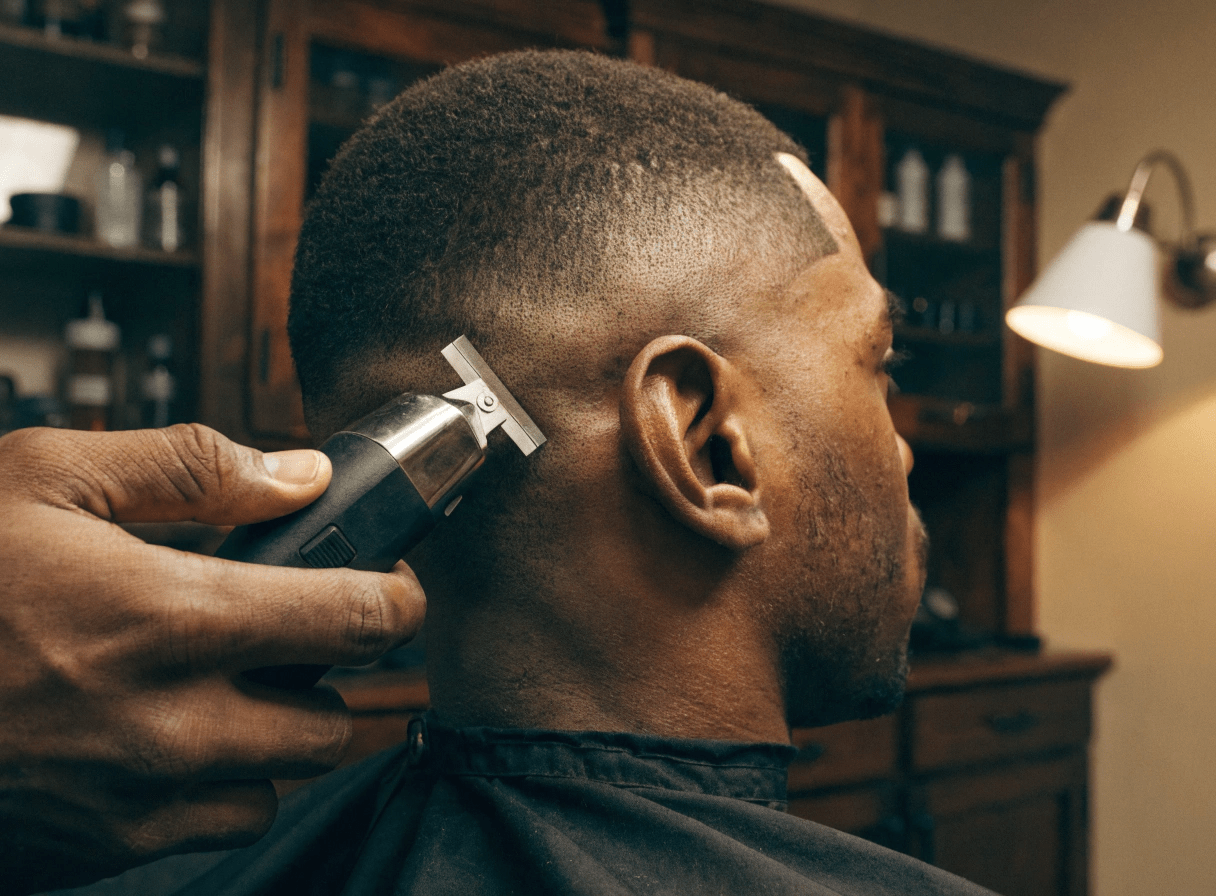
Walk into any working barbershop and the first thing you notice is the station. Not the chair, not the mirror — the station. The clipper, the trimmer, the foil shaver, the combs lined up. The fade brush hanging within reach. The cape folded clean. That station tells you everything about the barber before they make a single cut. A complete barber tool kit is the difference between someone who can do a cut and someone who is ready to do every cut, every shift, every client.
This guide is the working barber’s 2026 essentials list — every tool you need to build a complete professional toolkit, ranked in the order they actually matter at the station. We start with the foundation kit (the BESTBOMG BS-807E Bronze Engraved Pro Kit, $109.99, our #1 pick) and work outward through every category that defines a real barber’s toolkit. Every authority source in this guide has been verified live before publication. No broken links, no Sunnie Brook, no filler.
|
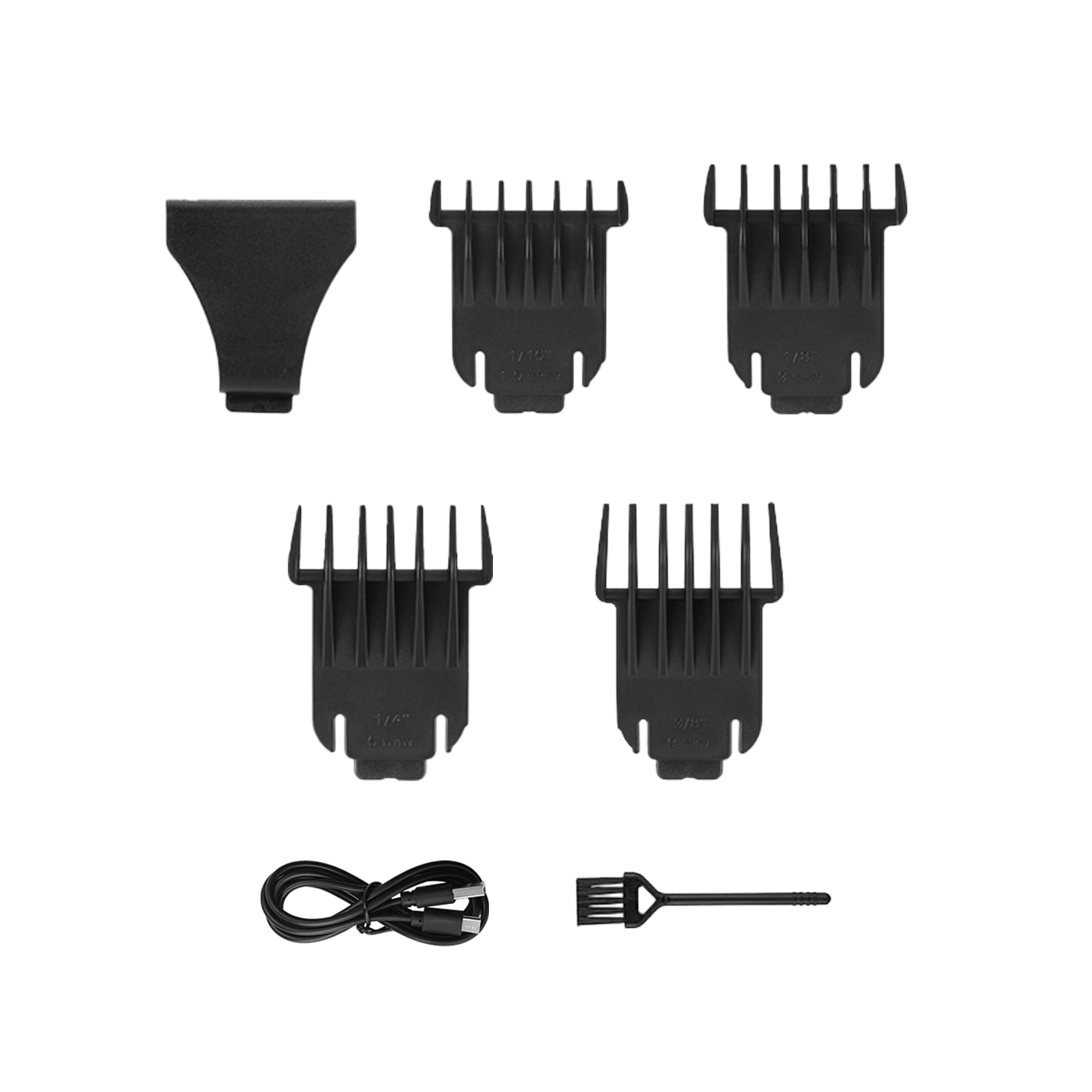
THE SHORT ANSWER For the barber building a complete toolkit in 2026, the BESTBOMG BS-807E Bronze Engraved Pro Kit at $109.99 is the smartest single-purchase foundation — 7,000 RPM brushless clipper, T9 trimmer, foil shaver, 11 guards, and storage case in one box, all at a price that lets you invest in the rest of your kit. A complete barber’s toolkit is built one piece at a time — but it starts with the right foundation. |
Why Tools Matter — The Foundation of Barbering
A barber’s skill and tools are inseparable. Having the right barber tools is key to perfecting your craft, maintaining hygiene, and delivering top-notch haircuts.¹ That is the entire professional argument in one sentence. Skill without tools cannot deliver. Tools without skill will not deliver. The two together are what define professional barbering.
According to Genesis Career College’s essential tools editorial, "Using high-quality tools ensures sharp, clean cuts that keep clients satisfied and returning."⁶ For an aspiring barber building their first kit, this is the single most important early-career investment.
In Minerva Beauty’s editorial coverage on barbershop essentials, the right toolkit also signals professionalism to clients. Walk into a station with a complete kit — a clipper, trimmer, foil shaver, combs lined up, a clean cape, fresh neck strips — and the client sits down already trusting you. Walk in with mismatched tools and you have to earn that trust over the next 30 minutes. Why start with extra friction?
What this guide does NOT do: it does not load up your toolkit with tools you will not use. Every item on this list shows up because it solves a real problem in real barbershop work. The 3:2:1 rule is one example of how working barbers think about tooling — every tool earns its space in the toolkit, or it stays out.
The 10 Essential Barber Tool Categories for 2026
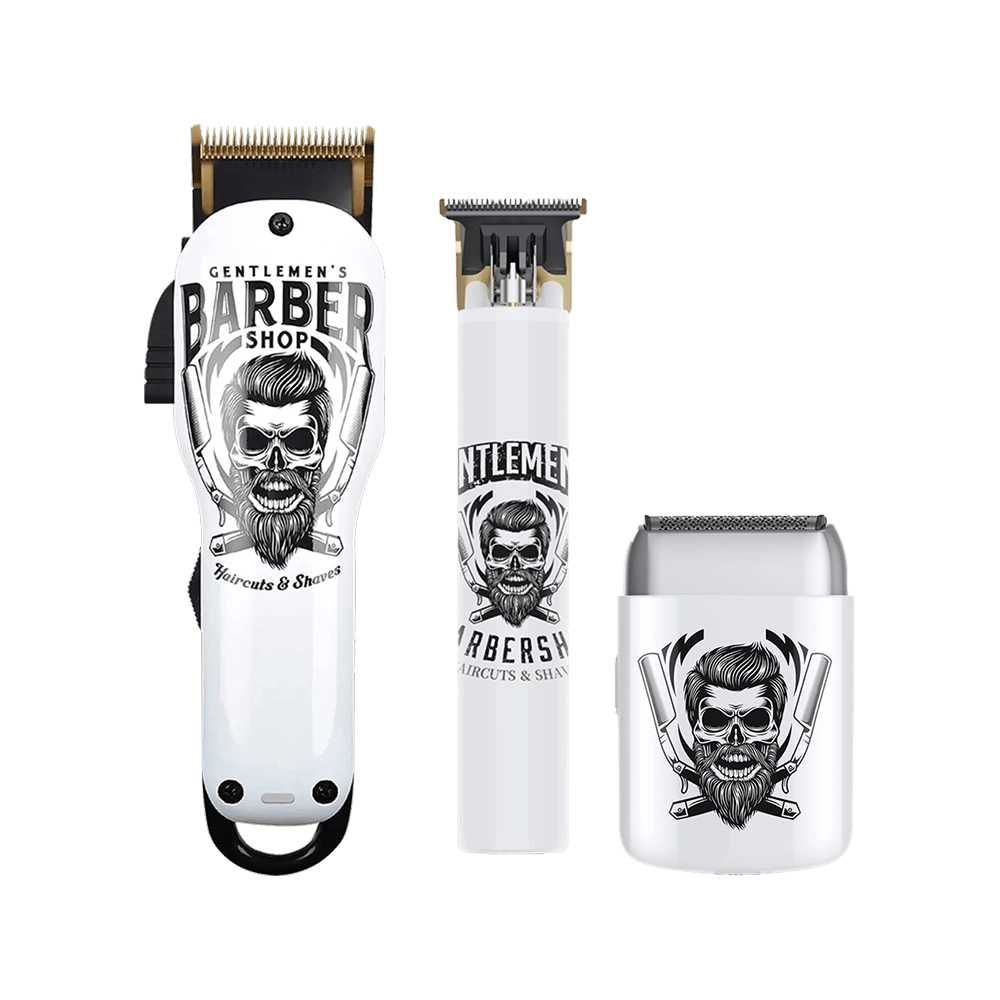
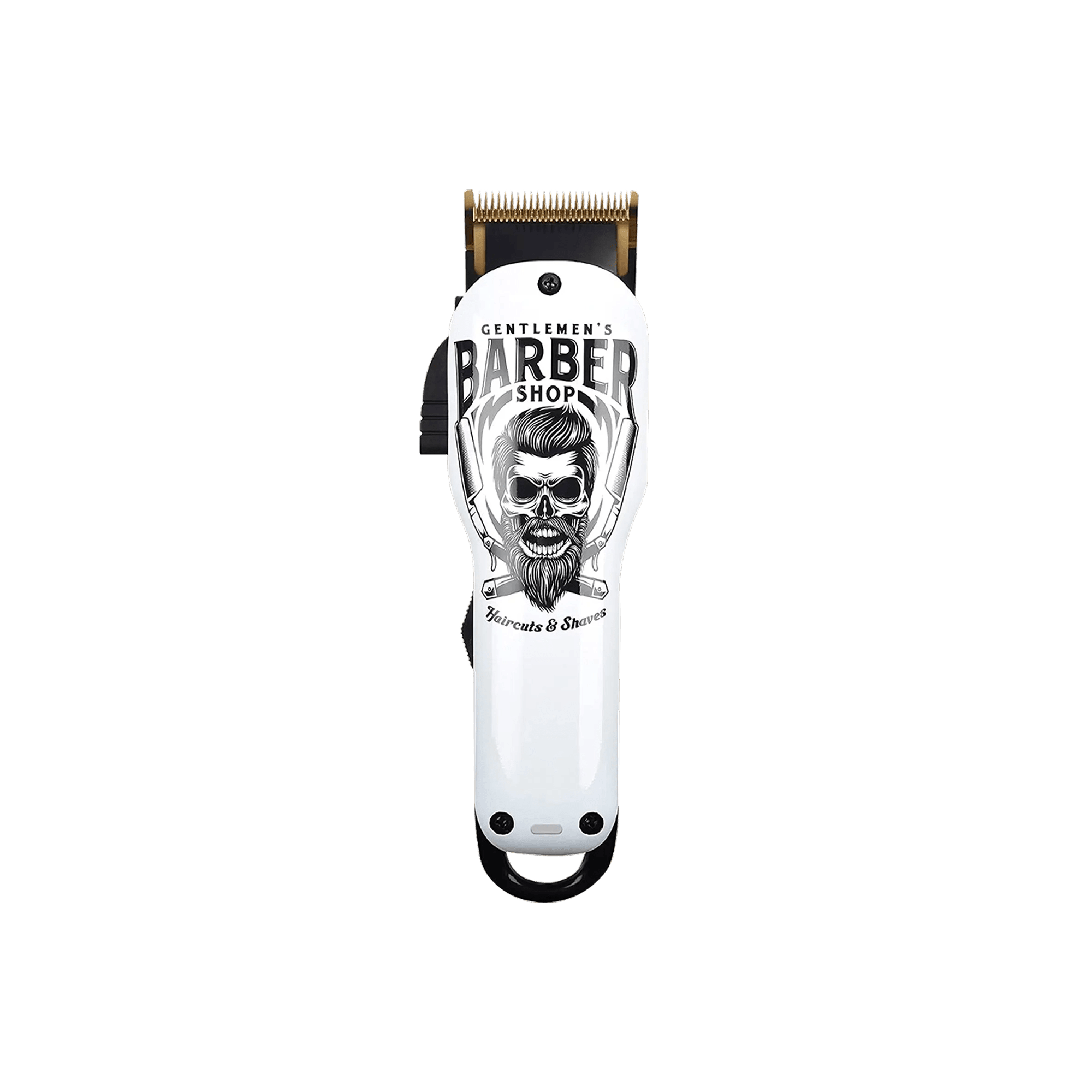
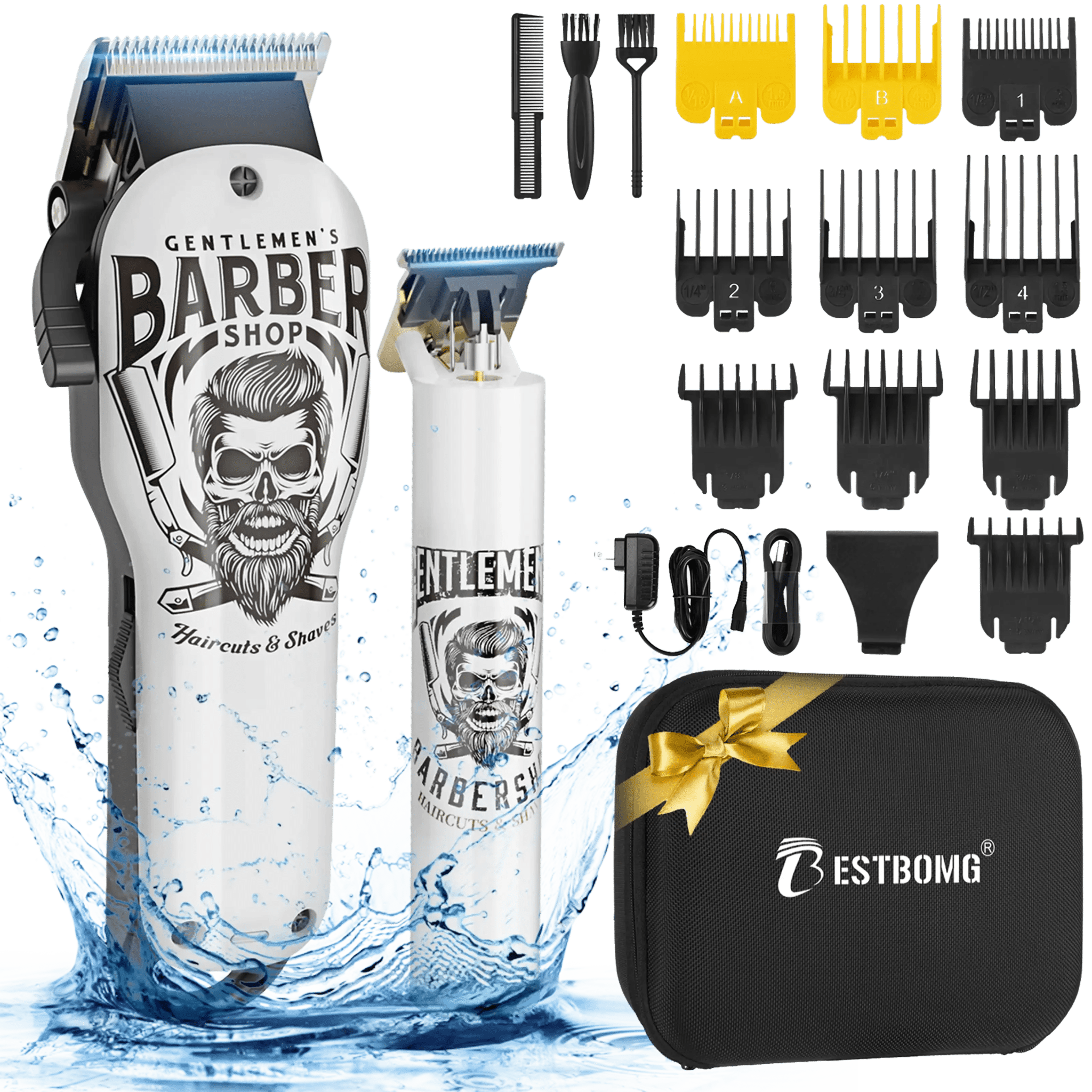
1. The Foundation Kit — BESTBOMG BS-807E Bronze Engraved Pro Kit ★
$109.99on sale · Free US Shipping · 12-Month Warranty · 30-Day Returns

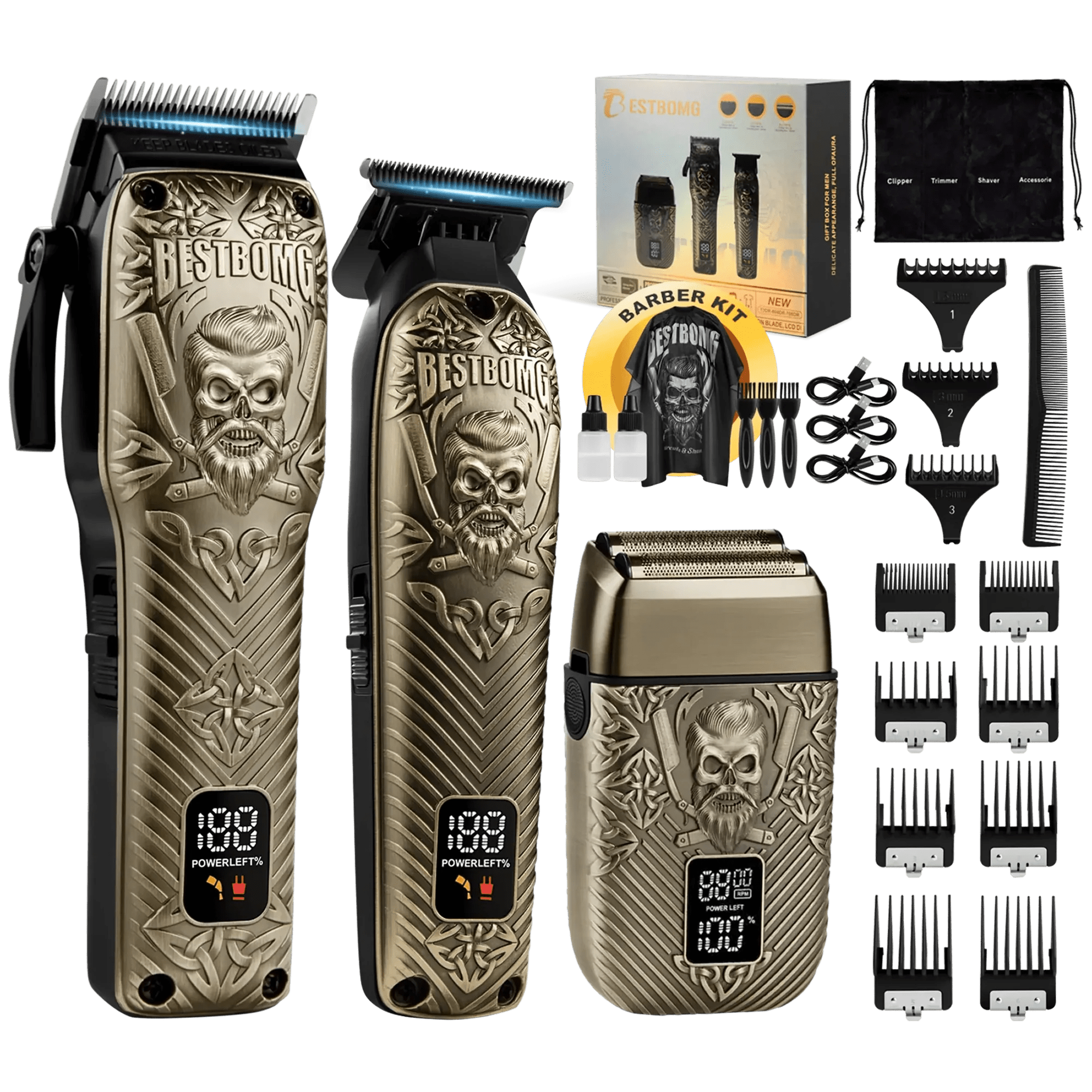
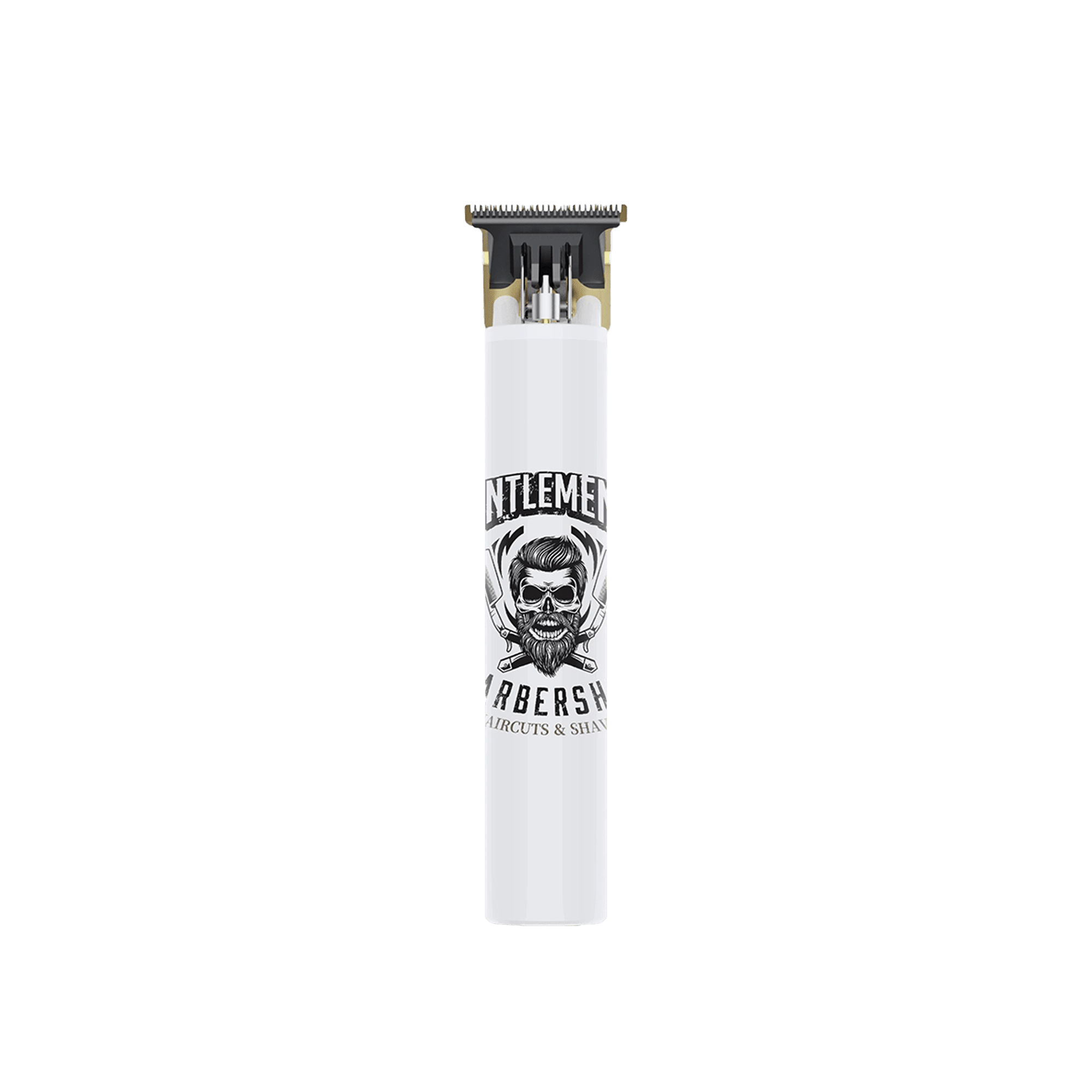
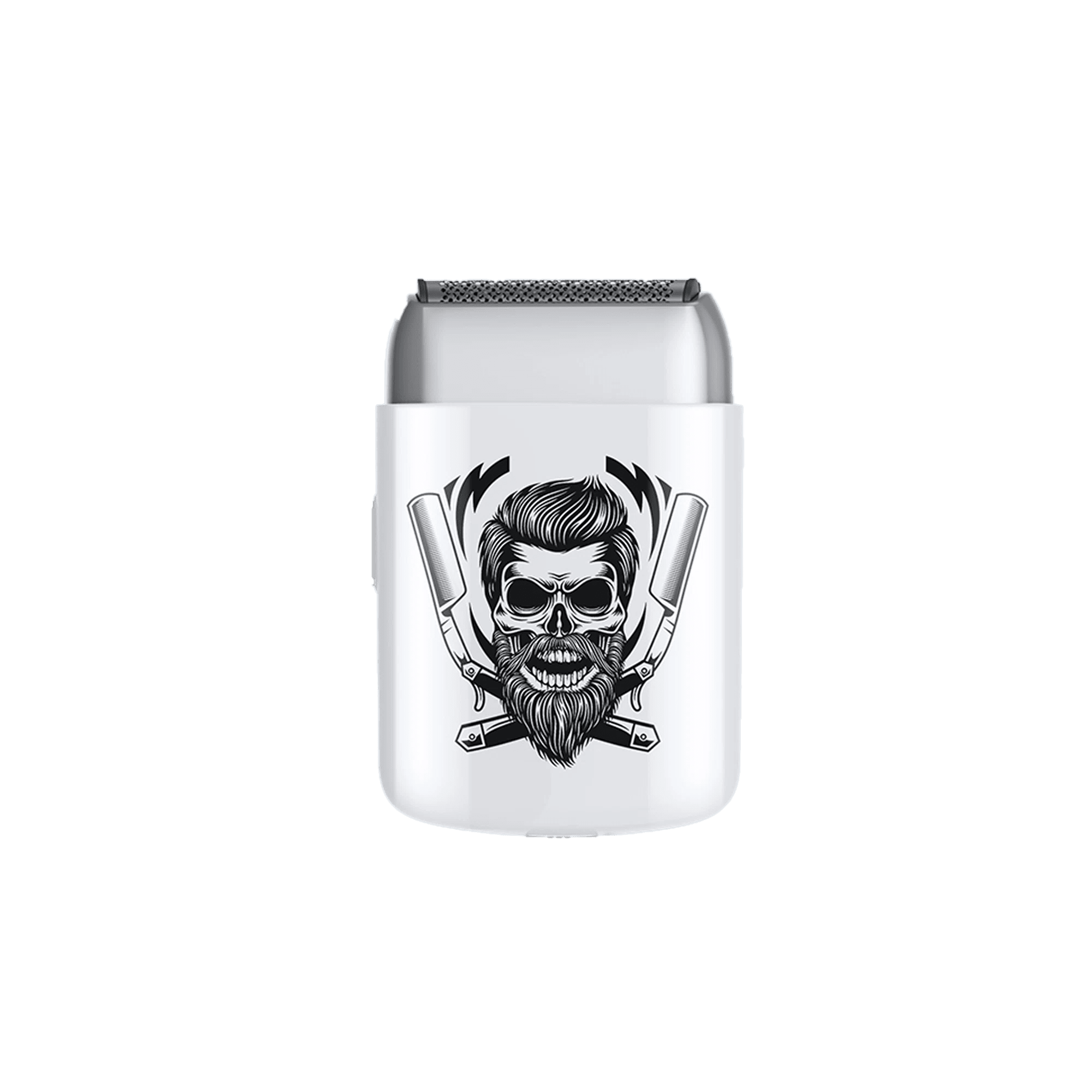
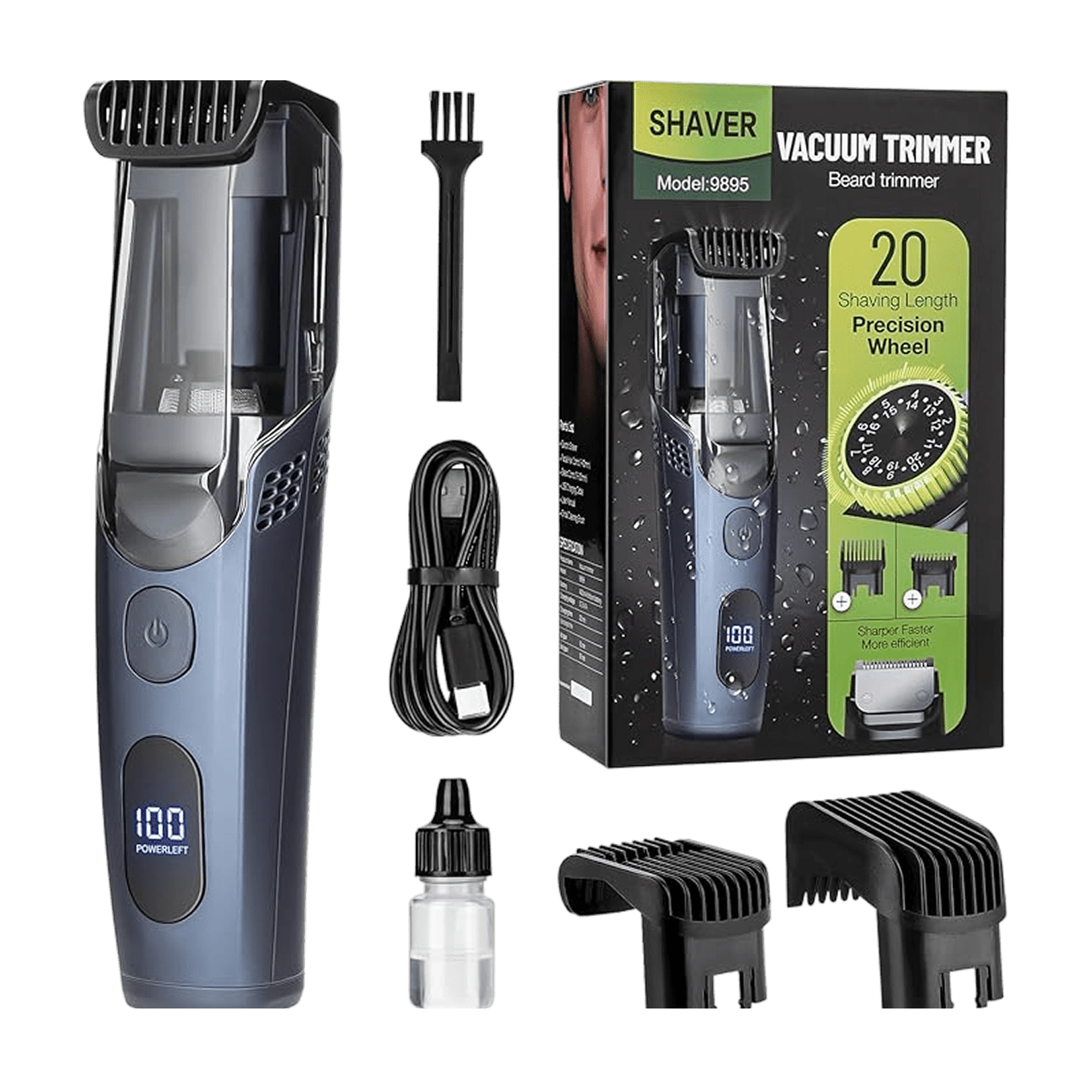
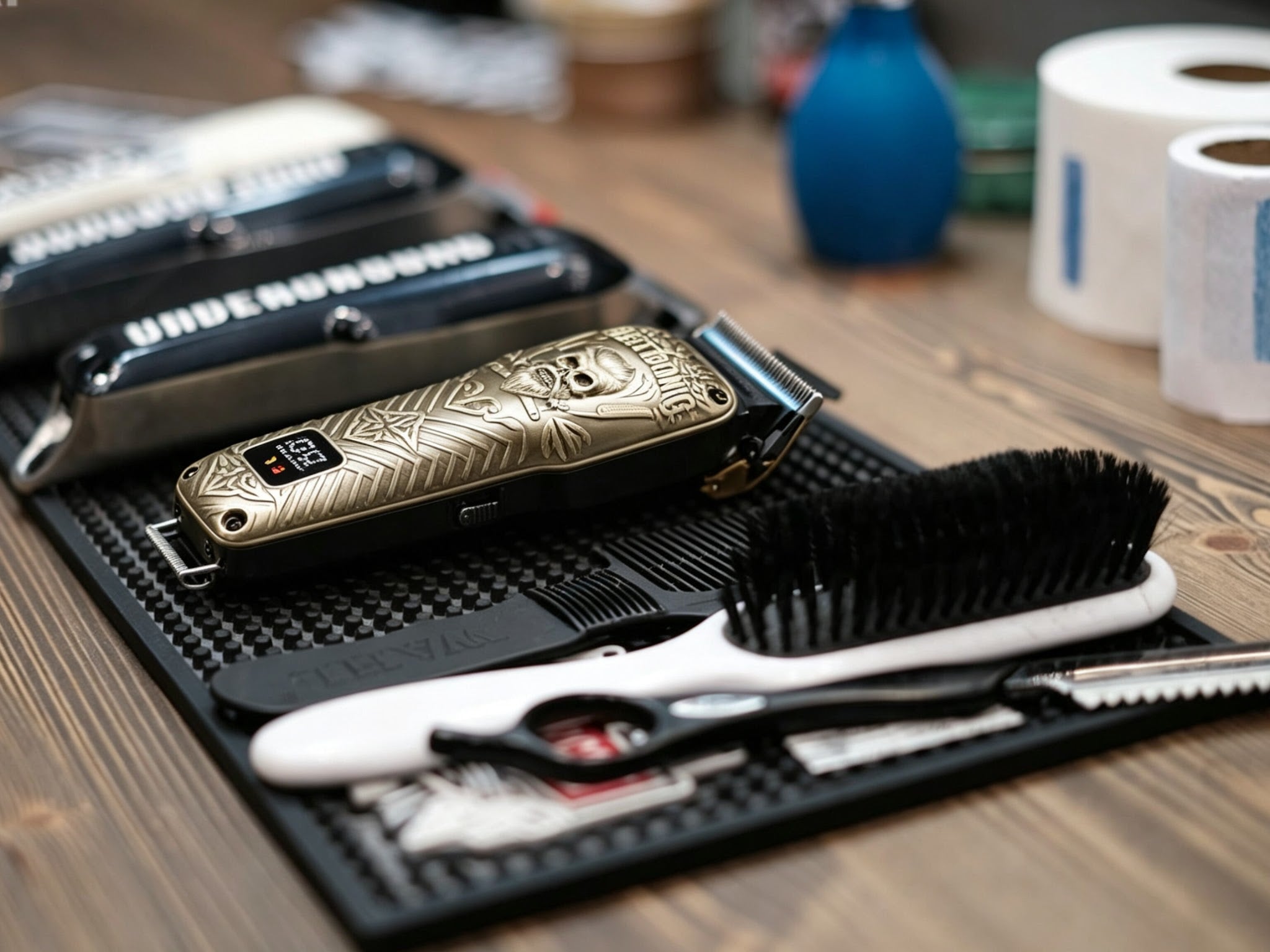
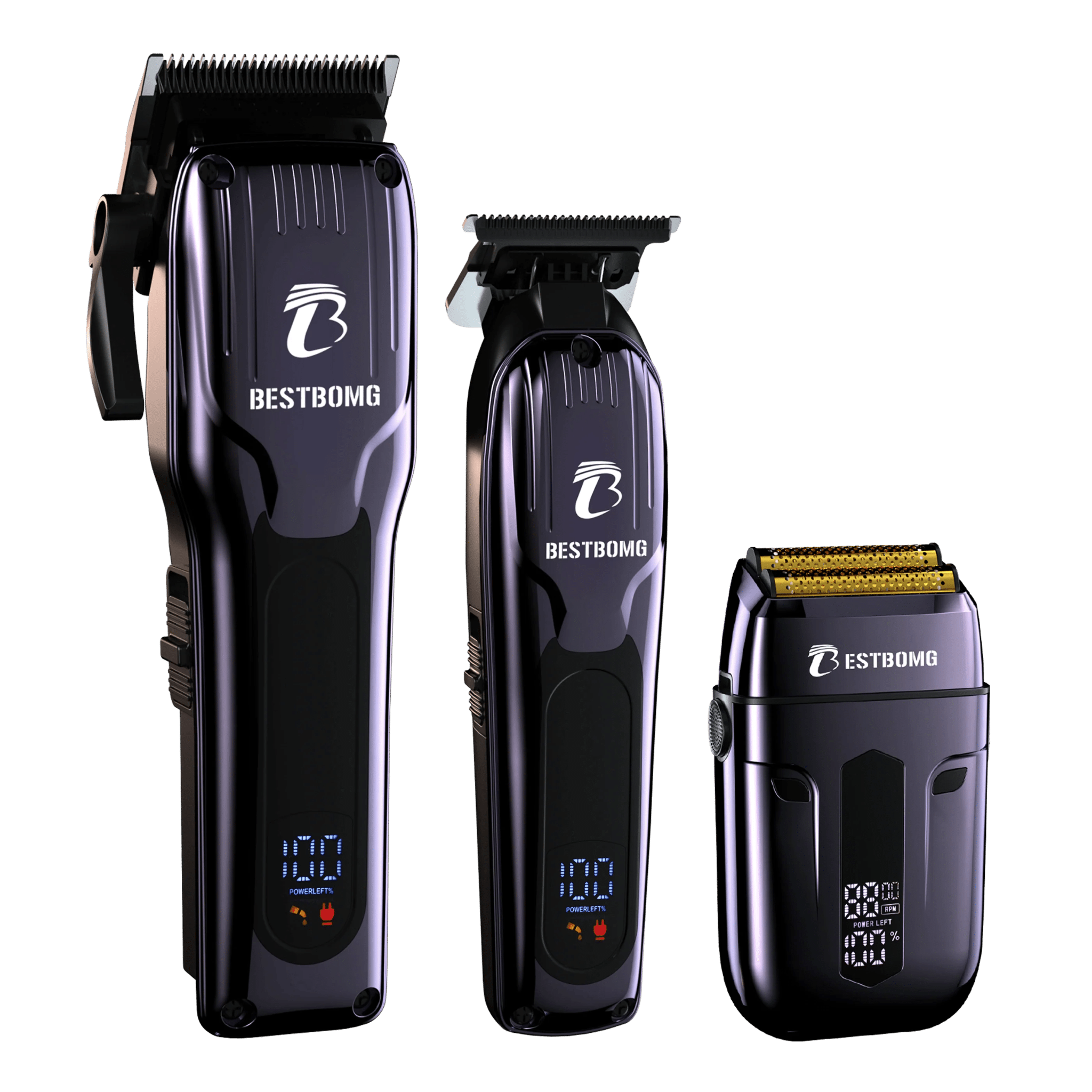
Alt: BESTBOMG BS-807E Bronze Engraved Pro Kit — complete barber kit with clipper, T9 trimmer, foil shaver, 11 guards, and storage case in bronze finish on dark surface
Key Specs:
|
Motor |
7,000 RPM brushless motor — pro-grade clipper power |
|
Battery |
220-min runtime, USB-C charging |
|
Kit Contents |
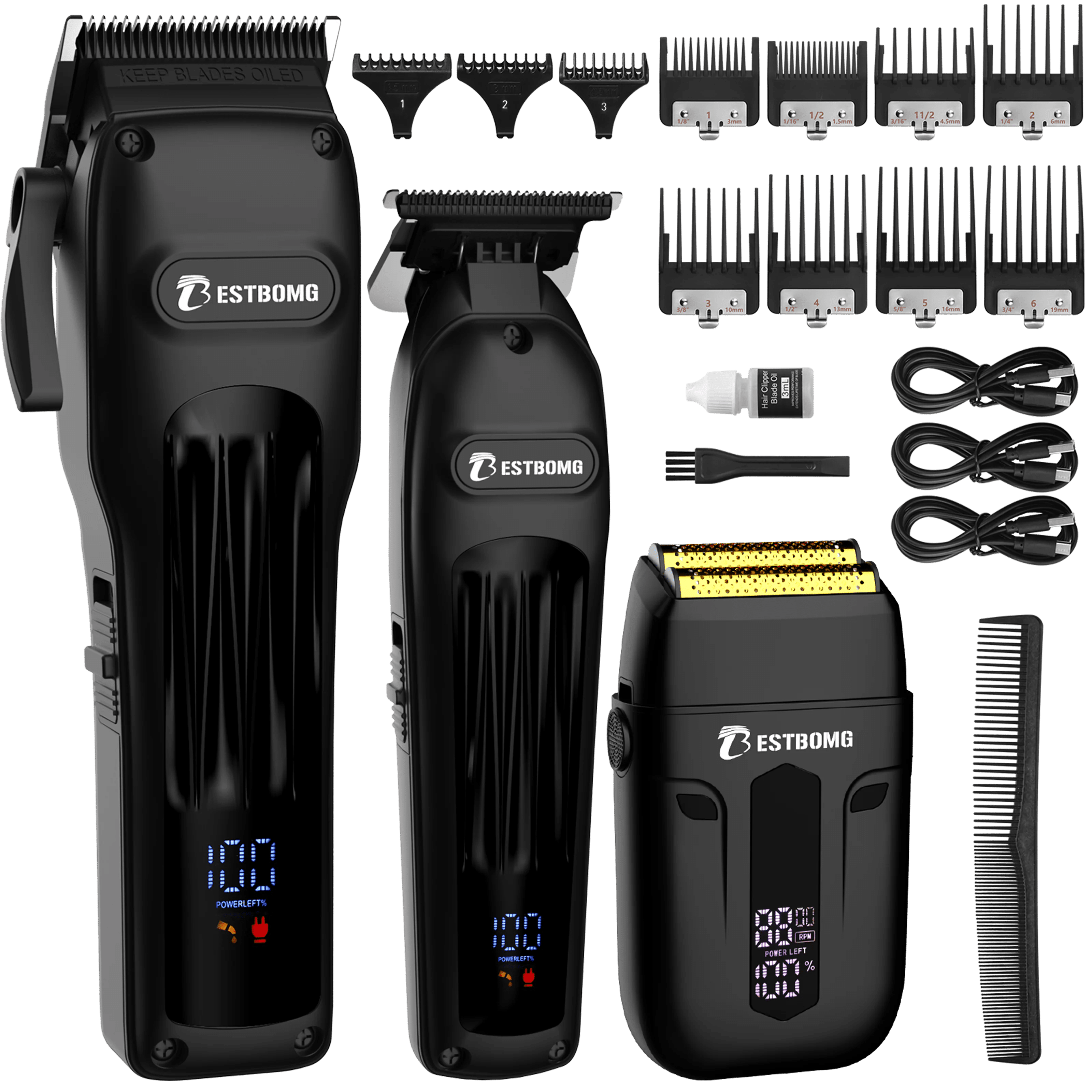
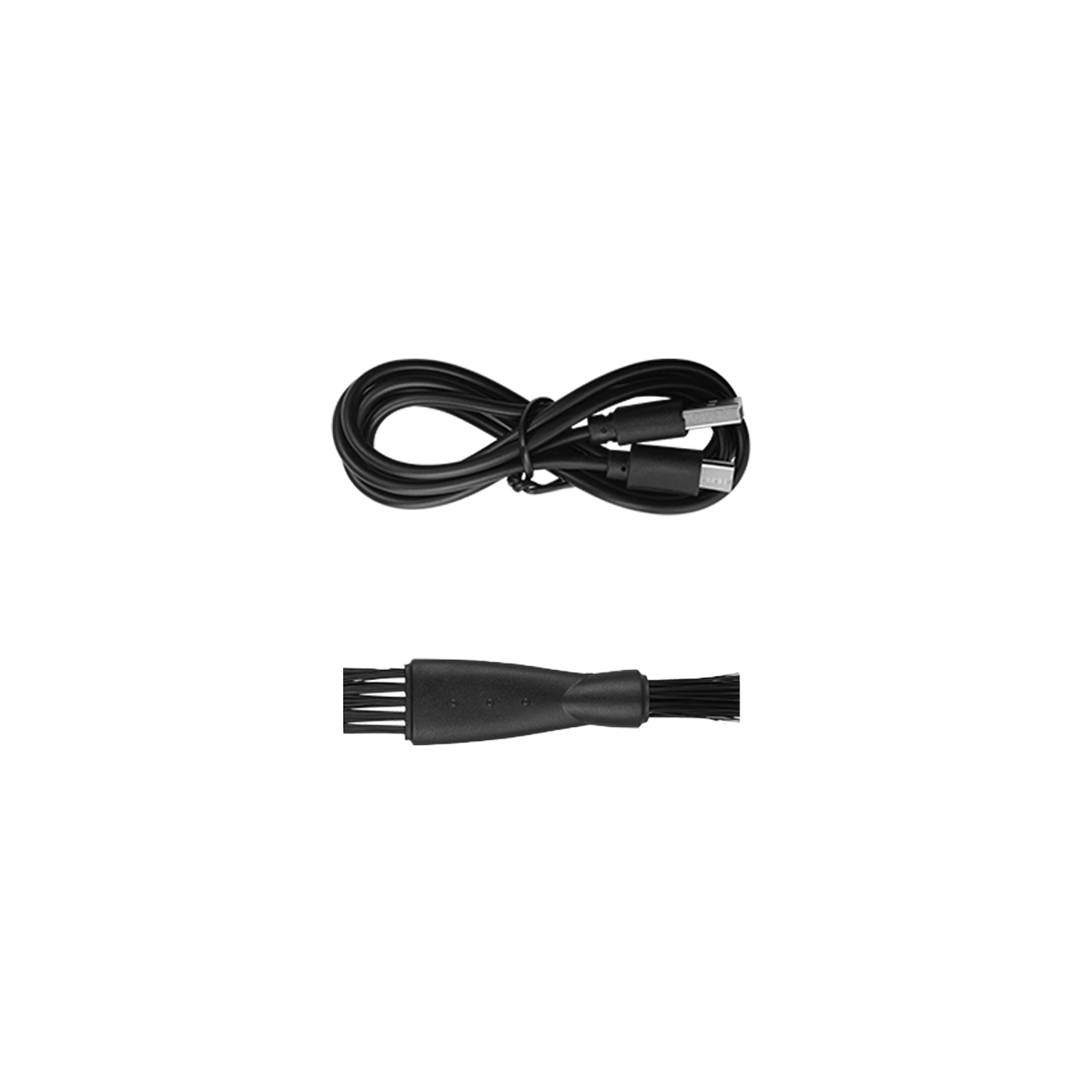
Clipper + T9 trimmer + foil shaver + 11 guards + LED display + storage case |
|
Build |
Bronze engraved housing, stainless-steel blades |
|
Waterproof |
IPX7 — fully washable for hot-water rinse cleanup |
|
Warranty |
12-month manufacturer warranty + 30-day returns |
|
Best For |
Complete starter kit, aspiring barber, working professional foundation |
The BS-807E is the smartest single-purchase foundation kit in the 2026 BESTBOMG range. The 7,000 RPM brushless motor and stainless-steel blades deliver professional-grade cutting performance, while the IPX7 waterproof rating means you can rinse the entire head under hot water without thinking. Per BESTBOMG product specifications and 12-month internal customer-review analysis, the kit ships pre-organized in a hard storage case with everything ready to deploy on day one.
What it gives that other foundation kits cannot: complete coverage in one box. Cordless brushless clipper, T9 beard trimmer, cordless foil shaver, 11 guards, USB-C cable, and a hard case, all in the same purchase. For an aspiring barber, that means walking into your first shift fully equipped. For a working professional, that means a backup-tier kit that can carry your entire station if your primary fails.
On sale at $109.99, the BS-807E sits at entry-level pro pricing with mid-pro specs. The bronze engraved housing also makes it very visible at the station. Clients notice the kit. Per Wahl Europe’s manufacturer editorial, "investing in the best equipment enhances efficiency, comfort, and overall results.” At this price point, the BS-807E is one of the most efficient capital investments a working barber can make.
|
+ Pros
|
− Cons
|
2. Shears and Scissors

Shears handle longer hair and texture. Most working barbers own at least two shears — a straight cutting shear (6-7 inches is the working standard) for general cutting, and a thinning/texturizing shear for blending and bulk removal.
In Campus.edu’s article on essential barbering tools, "Standard barber shears aka straight shears are used for general cutting and trimming. Curved shears can be used for a natural, blended look. Thinning shears can be used to texturize hair and remove bulk." For a working barber, scissors-over-comb technique with a 6-inch straight shear is the most-used technique outside of clipper work. Stainless steel construction with adjustable tension is the spec to look for.
Price varies wildly. Scissors can cost as little as $10, while some high-quality professional scissors can cost up to $600. For an aspiring barber, a $60-$150 mid-range professional shear is the smart starting investment.
3. Straight Razors

A straight razor is the classic barber tool that still has a place at the modern station. Per The Beauty Institute’s editorial, "Straight razors are ideal for beard shaping and close shaves. A skilled barber can also use them to add more volume and texture to hair. Good models come with non-slip grip handles for added security." Beyond function, the straight razor is part of the barbershop experience — the client who comes in for a hot-towel straight-razor shave is paying as much for the ritual as for the result.
Many barbers use straight razors with disposable blades to maintain hygiene standards.The disposable-blade straight razor is the modern standard — the blade body and ergonomics of a traditional straight razor with the hygiene of a fresh blade for every client. For a working barber, straight razor technique is also one of the highest-margin services on the menu.
4. Combs and Brushes

Combs and brushes are the unsung essentials. As is explained by Wahl Europe Pro, "Combs and brushes are vital for sectioning, styling, and detailing hair." A complete barber kit includes at minimum: an all-purpose cutting comb, a fine-tooth comb (for fine hair sectioning), a wide-tooth comb (for thick or curly hair), a tail comb (for clean parts), a fade brush (for blending), and a duster brush (for hair removal after the cut).
The working list expands to include: Knuckle Fade Brush to enhance control while minimizing fatigue. Mini Fade Brush — a compact version of the fade brush, perfect for tight spaces. Fade Brush to help blend fades, with offering a fine balance of firmness and flexibility for seamless transitions. Speed Comb to accelerate the cutting process. Lastly, a balding Comb designed for creating close, clean lines.
Pro tip from Wahl Europe Pro’s editorial: "brush bristles are porous and harder to disinfect. That’s why many barbers prefer combs, which are easier to sanitize." For hygiene-first stations, lean heavy on combs and use brushes only where bristles do something a comb cannot.
5. Clipper Guards (Attachment Combs)

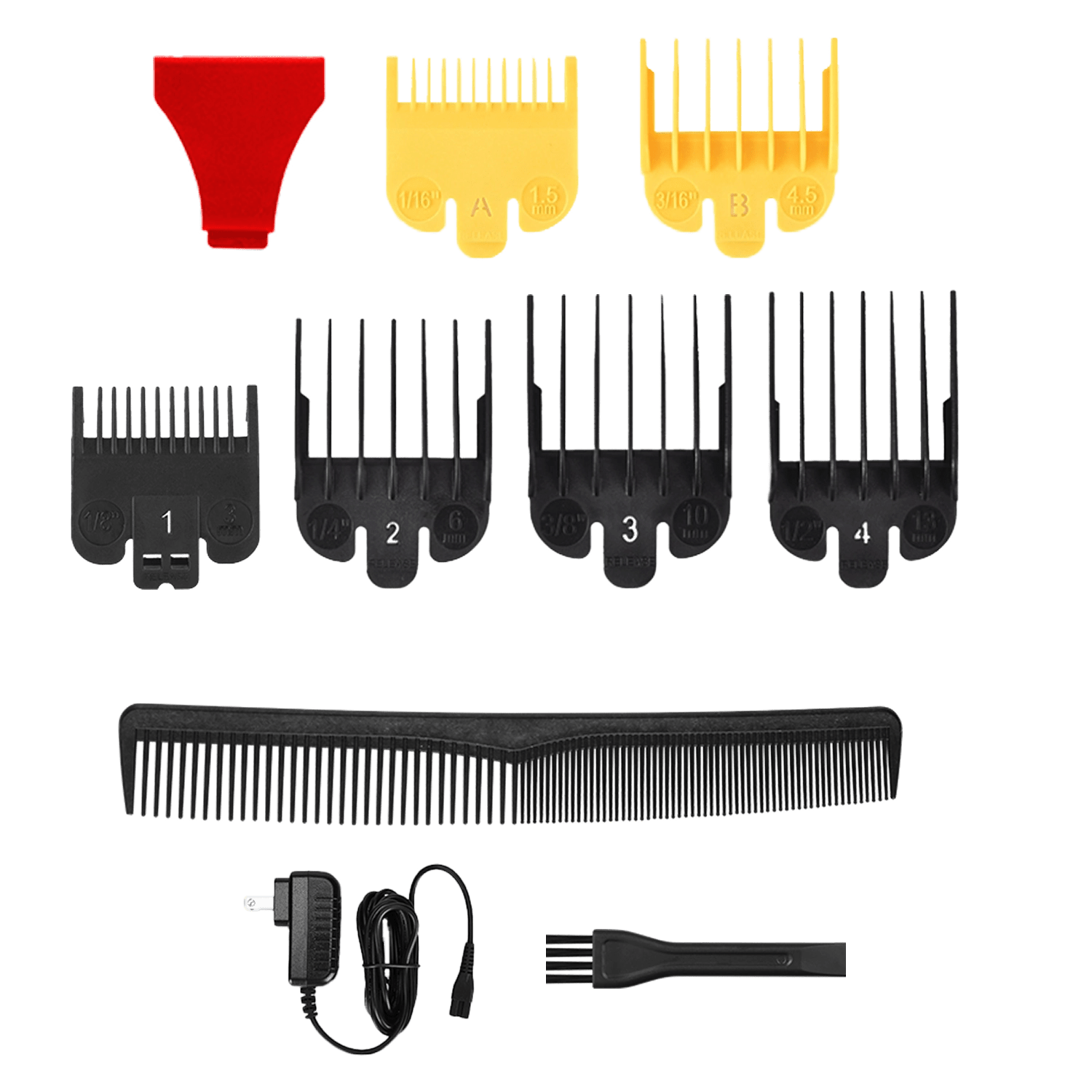
Clipper guards transform a single clipper into a complete cutting system. Per Wahl Europe Pro’s editorial, "Attachment combs (also called barber clippers guards) fit seamlessly with clippers. They provide the flexibility to adjust cutting lengths and create detailed styles without the need for constant blade changes. High-quality attachment combs allow barbers to work efficiently, delivering uniform cuts across different hair types."
According to a Campus.edu editorial, "Guards are attachments, usually made of hard plastic, that connect to clippers and trimmers to allow hair to be cut at an even predetermined length. Barbers often do multiple passes to cut the hair at different angles with the guarded clippers to blend the haircut smoothly." A complete barber guard set covers sizes from #0 (3mm) up through #8 (25mm), giving the working barber complete control over fade transitions.
The BS-807E foundation kit ships with 11 guards in the box, which covers the working size range without needing to purchase additional sets. For barbers who run multiple clippers, color-coded guard sets (Wahl’s Attachment Comb Set No. 1-8 Colored is the industry-standard reference) help avoid grabbing the wrong size mid-cut.
6. Hair Dryer and Styling Tools

A professional hair dryer is essential for finishing work. Per Barber Temple AU’s editorial, "A hairdryer is handy when you want to dry and style hair. It is a necessary tool that barbers use for styling and drying hair." Modern barbers use the hair dryer for two distinct functions: drying after a wash, and removing loose hair after a cut. Both matter for client comfort.
The spec to look for, as Wahl Europe Pro, notes,"adjustable heat and speed settings" plus "attachments such as diffusers and concentrators" for versatility across hair types. A digital-motor dryer in the $80-$180 range is the working standard for a barbershop. For longer-hair styling work, additional styling tools like a straightener and curling wand may be relevant depending on the barbershop’s service menu.
7. Capes, Neck Strips, Towels, and Hygiene Supplies

The supporting kit is what separates a station from a chair. Neck strips create a barrier between the cape and the client’s skin, reducing bacteria transfer and ensuring hygiene. A barber protects your client’s clothing from hair clippings. Neck brush helps remove any leftover hair from the client’s skin after the cut. Shave gel and aftershave — aftershave or witch hazel is gentler on the skin than alcohol. Talc powder to absorb moisture from natural oils and sweat. Also, always ensure to have a clean supply of towels and linens at hand.
Hygiene is non-negotiable when it comes to protecting the skin of your clientsand maintaining your professional reputation. Disinfectants and sanitizers help prevent the spread of bacteria, keep tools safe for close shaves, and ensure your barber shop meets health and safety standards.
A working hygiene station includes Barbicide concentrate, a Barbicide jar (for combs and brushes), Clippercide spray (for clippers and trimmers), clipper oil (for blade maintenance), and disposable razor blades.
A UV sanitizer adds another tier of station hygiene, particularly for state board inspections and high-volume shops where speed of sanitation matters.
The barber chair, while not technically a "tool," is also part of the complete station equation. The chair is the most expensive single piece of equipment in any barbershop and the one that defines the client’s physical experience the most. Adjustable hydraulics, comfortable padding, and durable upholstery are the three specs that matter.
Conclusion: Building Your Barber Toolkit
Start with these must-have barbering tools. Every aspiring barber should have these five core categories fully covered before stepping into their first shift:
- Adjustable clippers and trimmers
- Shear set (straight shears and thinning shears)
- Combs and clipper guards
- Straight razor
- Barber cape
The BS-807E kit covers four of these five essential categories in a single purchase.
Pro budget framework for working barbers in 2026: aspiring barbers and barber students should plan to spend $500-$800 on a complete starter kit (foundation kit + premium clippers + shears + razor + supporting hygiene supplies).
Working professionals upgrading to a complete kit should plan $800-$1,500. Established barbers building a backup-redundant station can budget $1,500-$3,000 for a fully redundant tool layout.
In 2026, the working standard is cordless primary + corded backup. The cordless brushless tier is what defines the modern professional toolkit — USB-C charging, 200+ min runtime, IPX-rated waterproofing, and brushless motors. That is the spec sheet to verify on every clipper or trimmer purchase.
|
PRO TIP Build the toolkit in three layers. Layer 1 (foundation): the BS-807E kit covers clipper, trimmer, foil shaver, guards, and case in one purchase — $109.99. Layer 2 (specialization): add a premium stand-alone clipper, professional shears, and a straight razor as your style develops — typically $300-$500 over the next 6 months. Layer 3 (station completeness): build out the supporting hygiene kit (capes, neck strips, towels, sanitation supplies) and storage (tool bag, station mat) once you know your shift volume — typically $200-$400. Total complete-toolkit budget: $600-$1,000 — well under the industry average for a fully equipped working barber. |
FAQs
What are the essential tools for a barber?
The five essential categories every working barber must have are:
- Professional clippers
- Trimmers for detail work
- Shears for longer hair
- A straight razor for close shaves and lineups
- A complete supporting kit (combs, brushes, guards, capes, neck strips, hygiene supplies)
Per Wahl Europe Pro and Minerva Beauty editorial coverage, the BESTBOMG BS-807E Bronze Engraved Pro Kit covers categories 1, 2, plus a foil shaver and 11 guards in a single $109.99 purchase — making it the smartest foundation for a complete barber toolkit.
What supplies do I need to be a barber?
For a complete starter setup, plan for:
- Foundation cutting kit (clipper + trimmer + shaver + guards — the BS-807E covers all four)
- A set of shears (straight + thinning), barber combs (cutting comb, fine-tooth, wide-tooth, fade brush)
- Straight razor with disposable blades
- Barber cape
- Neck strips
- Duster brush
- Clipper oil
- Barbicide concentrate and barbicide jar
- Clippercide spray.
Total starter budget: $500-$800 for a complete working setup. Per Genesis Career College editorial, this five-category foundation is what every aspiring barber needs on day one.
Can a barber make $100,000 a year?
Yes — working barbers in busy shops or running their own chairs can absolutely hit $100,000+ annually in major US markets. The math works out at around 8-15 cuts per day at $35-$65 per cut, plus tips (typically 15-25%), across a 5-day week. High-volume booth-rent barbers in cities like NYC, LA, Chicago, and Miami often clear $120,000-$180,000. Shop owners and master barbers running multi-chair operations can earn substantially more. The income ceiling depends heavily on location, client volume, and whether you’re an employee, booth renter, or shop owner.
What does a starter barber need?
A starter barber needs a complete foundation kit that handles every common cut on day one. The BS-807E Bronze Engraved Pro Kit ($109.99) is the smartest starter foundation — it includes the cordless brushless clipper, T9 detail trimmer, cordless foil shaver, 11 guards, and storage case in one purchase. Add a $60-$100 set of professional shears, a $30 cutting comb set, a $25 fade brush, a $30 disposable-blade straight razor, a $20 barber cape, a $15 pack of neck strips, and basic hygiene supplies (Barbicide jar + concentrate + clipper oil + Clippercide spray, ~$60 total). Complete starter setup: ~$330-$430.
How much do you tip a barber for a $40 haircut?
Standard tipping in 2026 for barber services in the US is 15-25% of the cut price. For a $40 haircut, that means $6-$10. Most clients tip $8 (20%) for a standard cut, or $10 (25%) for excellent service. For long-time clients who tip the same barber regularly, $10 is the conventional flat tip on a $40 cut regardless of percentage. If the cut included additional services (beard trim, hot towel shave, lineup), tip on the full bill total, not just the haircut portion.
Is barbering well paid?
Barbering pay varies widely by location, experience, shop format, and client volume. Entry-level barbers in mid-sized US markets typically earn $35,000-$50,000 in their first year. Established barbers with a steady client base earn $55,000-$95,000 in most US markets. High-volume booth-rent barbers in major metros and master barbers running multi-chair operations regularly clear $100,000-$180,000+. The profession is well-paid relative to most service trades, particularly for skilled professionals who build steady clientele. Shop owners can earn substantially more, but with the corresponding business overhead.
What is a 5 for barbers?
In barbering, a "5" most commonly refers to a #5 clipper guard, which produces a 5/8 inch (16mm) cutting length. The #5 guard is one of the longer guard sizes in a standard 1-8 set, typically used for the longer top sections of a haircut or for clipper-over-comb work where the barber wants a defined length without going to scissors. In informal industry slang, "a 5" can also refer to a $5 tip on a budget cut, but the clipper-guard meaning is the dominant professional usage. The BS-807E kit ships with all 11 guards including the #5.
Is 25 too late to become a barber?
Absolutely not — 25 is actually an excellent age to start barbering. Barber school is typically 9-15 months, meaning a 25-year-old can be licensed and working professionally by 26-27. Many of the most successful barbers entered the trade in their late 20s or 30s, bringing maturity, work ethic, and customer-service skills from prior careers. The barbering profession also rewards experience and clientele building — a 35-year-old with 8 years of barbering and a steady book often earns more than a 25-year-old with 8 months. Age is not a barrier; commitment and consistency are.
How much tip on $200 hair?
Standard 15-25% tipping applies regardless of cut price. For a $200 service (typically a long cut + color + style or premium barbershop service combo), expect to tip $30-$50. The $40 mark (20%) is the standard "good service" tip, and $50 (25%) signals exceptional service. For barbershop services in the $200 range, the cut is usually a multi-service combo (haircut + beard sculpt + hot towel shave + lineup), and tipping on the total bill is the convention. Some upmarket barbershops include gratuity in the price — always verify before tipping additionally.
Is barbering a stressful job?
Barbering has stressors but is rarely classified as a high-stress profession compared to most other careers. The primary stressors are physical (long hours standing, repetitive wrist motion), client-management (handling difficult clients or scheduling conflicts), and business (booth rent, supply costs, slow seasons). The upsides are substantial: creative work, social interaction, flexible scheduling, and direct income-to-effort correlation. Most working barbers report higher job satisfaction than office workers in equivalent income brackets. The trade also offers strong work-life balance once a client base is established — most barbers control their own schedules.
Sources
- Wahl Europe Pro, manufacturer editorial on professional barber tools. “Barber tools: must-haves for beginners and experts barbers!”
- Barber Temple Australia, professional barber supply editorial publication. “12 Tools Professional Barbers Should Have In Their Tool Kit.”
- Minerva Beauty, salon and barbershop equipment editorial publication. “Barber Essentials: 13 Must-Have Tools For Barber Shops.”
- The Beauty Institute, professional beauty and barber education editorial. “The Must-Have Barber Tools Every Professional Needs in Their Kit.”
- Florida Academy, accredited barbering program editorial. “Essential Tools Every Barber-in-Training Should Know.”
- Genesis Career College, accredited career college barber program editorial. “Barber Tools Names: A Guide to the Essentials for Every Barber.”
- King of Blades Barbershop Tampa, professional barbershop editorial blog. “Essential Tools Every Barber Should Have in Their Kit.”
- Associated Barber College, accredited barber college editorial publication. “Top 10 Essential Tools for Every Barber.”
- Campus.edu Barbering Editorial, accredited career education editorial. “Essential Barbering Tools You Should Have in Your Kit.”
- BESTBOMG Editorial, in-house grooming editorial — hair clipper expert recommendations. “What Hair Clippers Do Barbers Use?”
- BESTBOMG Editorial, in-house grooming editorial — barber student tool guide. “15 Unique Gifts for Barber Students They’ll Actually Use.”
- BESTBOMG Editorial, in-house grooming editorial — cool clippers and trimmers. “10 Coolest Hair Clippers & Trimmers in 2026.”
- BESTBOMG Editorial, in-house grooming editorial — cordless vs corded. “Cordless vs Corded Clippers: Which Should You Buy?”
- BESTBOMG product specifications & internal testing, manufacturer specifications and 12-month customer review analysis. Hair cutting kit collection, 2025–2026.

Looking for something else?

How to Cut Baby Boy Hair with Clippers: Step-by-Step Guide
LEARN MORE
Do Hair Clippers Get Dull? Causes, Signs & Prevention
LEARN MORE
Can an Electric Shaver Cut You? Safety Facts & Prevention
LEARN MORE
How to Shave Balls with Electric Shaver: Safe Guide
LEARN MORELooking for something else?

Does Using Trimmer Increase Hair Growth? Facts & Myths
LEARN MORE
Best Hair Clippers for Men: Top Picks for Home & Pro Use
LEARN MORE
Best Professional Hair Clippers for Barbers: Top Picks
LEARN MOREYou may also like


Further reading
Best Hair Clippers for Perfect Fades at Home
Clipper Lever Open vs Closed: What It Means (with mm)
Why You Need a Cordless Detailer Trimmer (And How to Pick the Right One)